REVIEW · MEDAN
2 Days and 1 Night Ethical Jungle Trek
Book on Viator →Operated by Sumatra Orangutan Explore · Bookable on Viator
A night in the jungle changes your tempo. This 2-day trek in the Gunung Leuser area mixes wildlife time, riverside camping, and an easy-to-plan rhythm with a friendly team. It’s also built for ethical access, with entrance permits included.
What I like most is the day structure: a long walk that gets you into the rainforest, then a proper night under a mosquito net with dinner and camp games by the bonfire. I also like the return plan—tubing back toward Bukit Lawang instead of another long slog.
One thing to consider: this is a physical trek. The tour notes strong fitness is needed, and you’ll be hiking for hours each day in hot, humid conditions, so pack for effort, not sightseeing strolls.
In This Review
- Key things I’d zero in on before you book
- Why this ethical jungle trek feels different in Gunung Leuser
- Getting to the start point near Bohorok (and what a 9:00 am plan means)
- Day 1: the shift from river walking to rubber plantations and into the park
- Wildlife viewing isn’t a sprint: why the slow stops matter
- The overnight camp: dinner by the bonfire, a swim, and sleeping to the jungle
- Day 2: breakfast inside the rainforest, then 4–5 more hours deeper in
- The tubing return toward Bukit Lawang: a fun finish with real logistics
- Price and value: what $146.62 buys you here
- What the included meals and campsetup really mean for you
- Ethical travel in action: small group size and guide attention
- Pace, fitness level, and who should book (or skip)
- Practical packing tips for a mosquito-net campsite
- A few balanced cautions before you commit
- Should you book this 2-day, 1-night trek?
- FAQ
- How long is the trek?
- What time does the tour start?
- Where does the tour start and end?
- What’s included in the price?
- Are transfers or Bukit Lawang accommodation included?
- Is river tubing included?
- Do I need a strong fitness level?
- How big are the groups?
- Are park entrance permits included?
- What if I need to cancel?
Key things I’d zero in on before you book
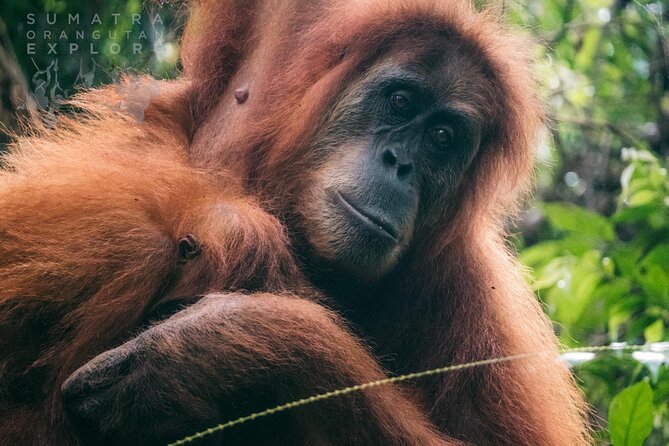
- Ethical entry is handled for you with permits included for TNGL and ITGA-HPI.
- Small group size capped at 6 travelers, which keeps the wildlife viewing more focused.
- Camp setup includes sleep gear: mattress, mosquito net, and a small blanket at the campsite.
- Actual jungle evening time with homemade dinner, bonfire games, and sleep to jungle sounds.
- Fun “get back” option: river tubing is included for the Bukit Lawang return.
- Guides can be a big part of the experience—people have mentioned guides like Niko & Juan, and others such as Heri & Fabian.
Why this ethical jungle trek feels different in Gunung Leuser
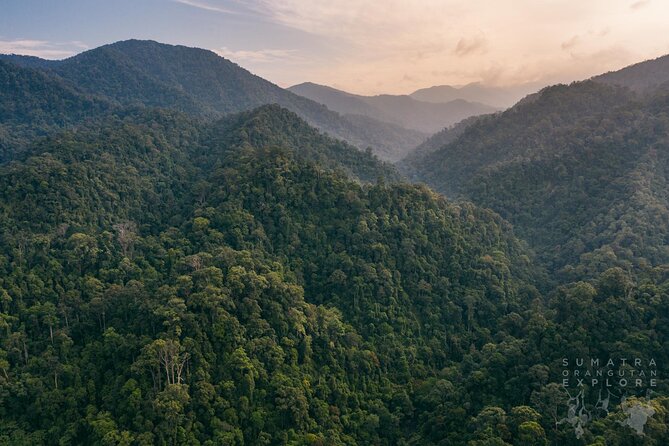
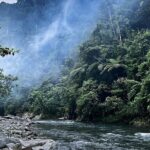
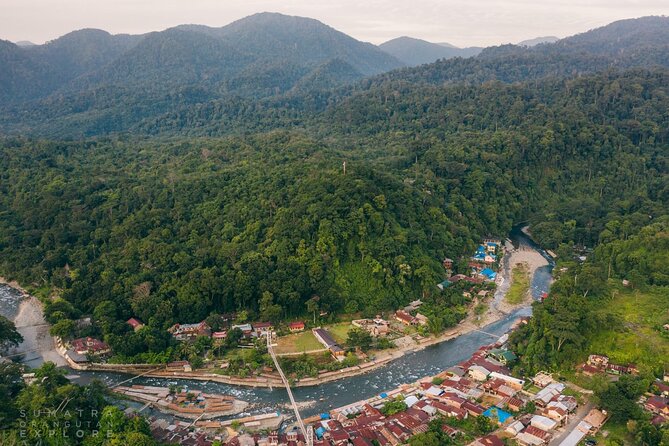
This trek is built around one simple idea: don’t rush the rainforest. You’re not just passing through for a quick photo. You’ll hike into the park area, stop often for wildlife and plants, then spend a night right where the jungle soundscape is the main event.
The ethical angle here is practical, not vague. Entrance permits are included (TNGL and ITGA-HPI), so you’re not scrambling for paperwork or paying surprise add-ons at the last second. That matters because it ties the experience to formal management—exactly what you want when you’re trying to see wildlife without treating the forest like a theme park.
And then there’s the tone of the trip. Even with a serious wildlife goal, the evening is handled like a lived-in camp: dinner, chat, games, bonfire warmth, and sleep to nighttime jungle noise. It’s the kind of setup that makes the rainforest feel like a place you’re visiting carefully, not conquering loudly.
You can also read our reviews of more tours and experiences in Medan.
Getting to the start point near Bohorok (and what a 9:00 am plan means)
The meeting point is listed as Sumatra Orangutan Explore in Sampe Raya, Bohorok (North Sumatra), and the tour starts at 9:00 am. It also notes you’ll be near public transportation, which is helpful if you’re using local transport around Medan and the Bohorok area.
Because the start time is set, you’ll want to arrive ahead of time. Jungle treks run on group pacing, and a late arrival can throw off everything from guide briefings to the timing of wildlife stops.
Also, the tour ends back at the same meeting point. That means you’re not stuck arranging separate logistics after two long days in the rainforest.
Day 1: the shift from river walking to rubber plantations and into the park
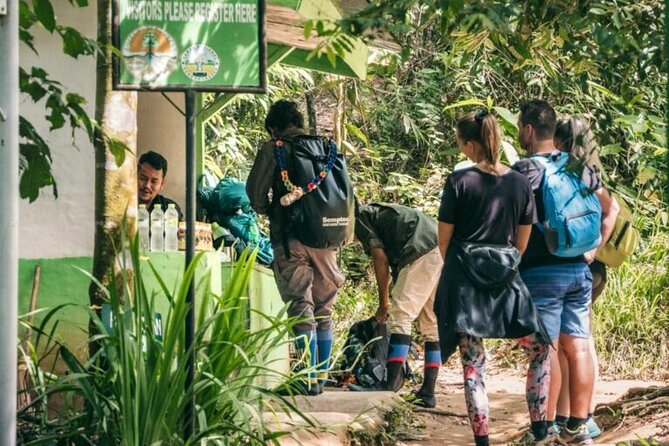
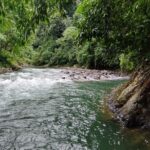
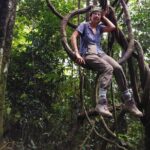
Day 1 is a full hiking day, listed at about 7 hours, and it starts with movement that gradually changes the scenery. You’ll walk down the river, then head uphill, and cross rubber plantations on the way to the entrance of Gunung Leuser National Park.
That “edges-to-core” feel is part of why this trek works. Rubber plantations are not the rainforest you came for, but the transition is useful: it prepares your eyes for what the jungle actually offers—different leaf shapes, different animal tracks, and the way sound carries in humid forest.
Once you’re at the park entrance, you’ll take time to observe fauna and flora before continuing onward. The tour keeps the pace human. You’re not just counting miles; you’re getting chances to slow down and notice the small stuff that signals the larger stuff is around.
A practical note: the route involves uphill walking and river walking, so expect wet footing at times. If you’re the type who wants perfect shoes all day, this is a place where you’ll rethink that.
Wildlife viewing isn’t a sprint: why the slow stops matter
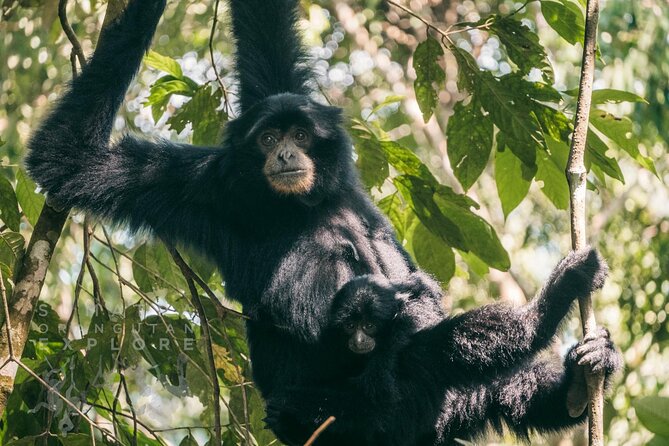
This trek is focused on wildlife, but it doesn’t treat wildlife like a checklist. You’ll pause frequently—especially at the start and during the continued walking in the park area—so you can pick up what’s moving and what’s resting.
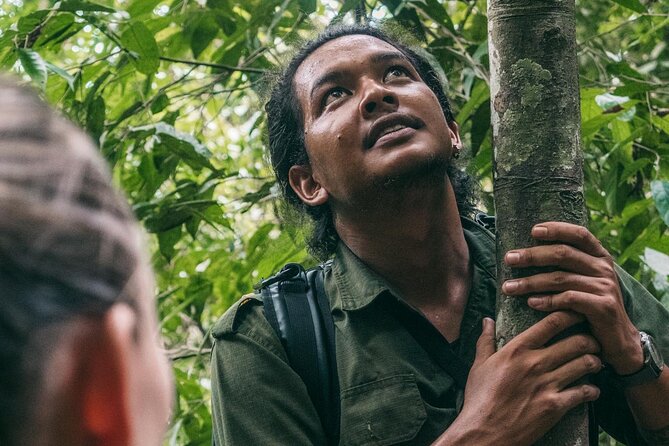
That slow approach is also why guide quality shows up so clearly in the feedback people shared. Names mentioned include Niko & Juan, plus other guide pairs like Heri & Fabian and Didi & Dragon. Different personalities, same pattern: helpful, present, and tuned in to what’s happening around you.
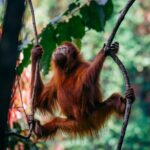
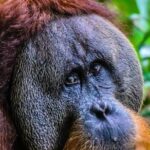
If you want orangutan sightings, you’ll do better with patience than with speed. This trip gives you that patience time, in the form of repeated stops and actual time in the rainforest.
The overnight camp: dinner by the bonfire, a swim, and sleeping to the jungle
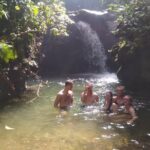
The second half of Day 1 is about resetting without leaving the rainforest behind. You’ll relax on your campsite near the river or a waterfall area, then refresh yourself and even have time to swim before dinner.
Dinner is described as homemade, and the evening includes chatting and games with your guides around a bonfire. This is one of those sections where the trip shifts from “nature activity” to “memory activity.” You’re sitting in a dark place where jungle sounds keep running whether you’re watching or not.
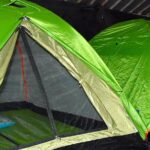
Sleep is set up to be workable. The included camping gear includes a mattress, a mosquito net, and a small blanket. That doesn’t guarantee comfort like a hotel bed, but it does mean you’re not carrying everything yourself or hoping you’ll improvise a sleep system.
If you’re sensitive to nighttime sounds, you should know this is part of the package. The tour explicitly sets expectation for jungle sounds as you fall asleep. For some people, that’s exactly the magic.
Day 2: breakfast inside the rainforest, then 4–5 more hours deeper in
Day 2 begins with waking up in the rainforest and eating a homemade breakfast. After that, you keep trekking for 4 or 5 more hours, with wildlife watching as the focus before heading back.
This is where the trek’s structure makes sense. Day 1 gets you established in the park area. Day 2 is the payoff: more time where wildlife activity is possible, and more chances to see different species than what you had on Day 1.
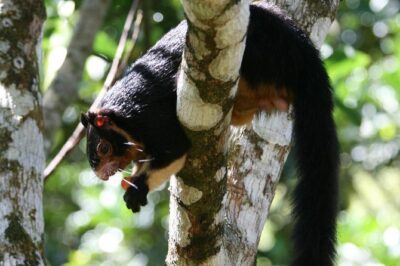
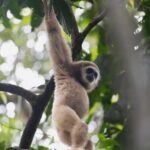
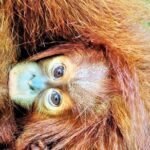
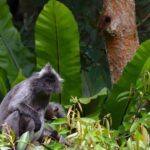
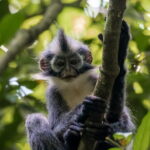
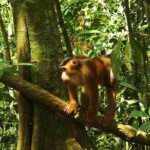
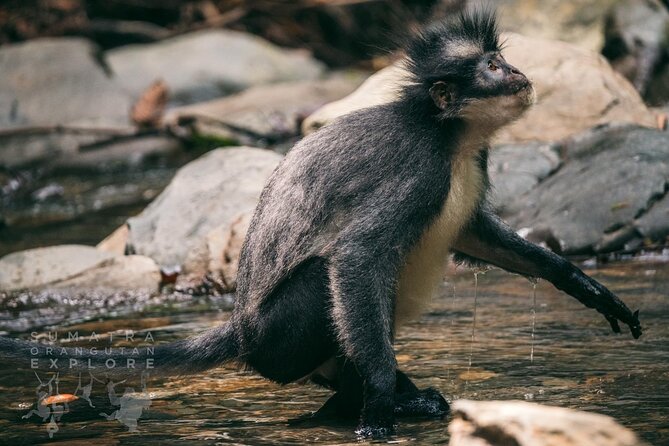
The tour doesn’t oversell specifics, but the overall theme is clear—Sumatra rainforest wildlife. People have shared sightings tied to this style of trip, including orangutans and other monkeys, and even birds and primates beyond orangutans. So if you’re booking for “wildlife and not just trees,” you’re thinking in the right direction.
The hike timing is listed again at about 7 hours total for Day 2, so plan for another solid day. Bring energy and a steady mindset.
The tubing return toward Bukit Lawang: a fun finish with real logistics
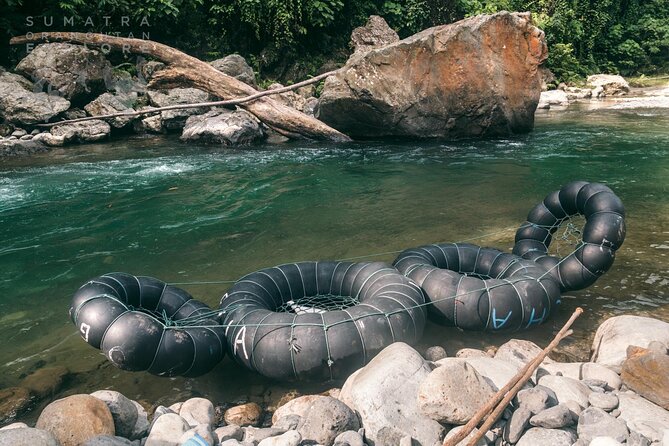
Once the trekking portion is done, you go back toward Bukit Lawang by river tubing. River tubing is included, so you’re not reaching the end and realizing there’s another add-on.
This part is often the psychological win. After hours of walking, the tubing gives your legs a break while still keeping you on the move in a natural setting.
It also matters for how you pack mentally. If you treat Day 2 like a calm “walk and then chill,” you’ll get surprised. The tubing is relaxing compared with hiking, but it’s still part of an active program. Also expect damp conditions at points—water plus rainforest weather is how it goes.
Price and value: what $146.62 buys you here
At $146.62 per person, you’re paying for a short but full-service jungle program: breakfast and dinner, coffee or tea, lunch (2), camping gear (mattress, mosquito net, small blanket), entrance permits, water refill, and river tubing.
Here’s how I think about value for this kind of trip:
- You’re not paying separately for permits.
- You’re not paying separately for the sleep setup.
- You’re getting guided hiking time across two days.
- You’re getting a structured end activity (tubing), not just “we’ll drop you off.”
What isn’t included is also important. Accommodation in Bukit Lawang isn’t included, and transfers to and from Bukit Lawang aren’t included. So your total trip cost will depend on where you’re staying before and after.
Still, for a 2-day, 1-night experience that includes meals, guide support, permits, and tubing, this price looks like it’s in the practical middle rather than inflated for a “bare-bones” experience.
What the included meals and campsetup really mean for you
The food is not just a checkbox. It’s part of why the trek is livable.
Breakfast is described as homemade in the middle of the rainforest on Day 2. Dinner is also homemade, and you’ll get coffee and/or tea. There’s even a swim stop, meaning the camp plan includes time to reset your body before eating.
Then there’s the campsetup: mattress, mosquito net, small blanket, and water refill at the campsite. That’s the difference between feeling prepared and feeling like you’re gambling with comfort.
In practical terms, if you’re the type who gets cranky without water and sleep support, this inclusion set helps you stay in a good mood. And in a rainforest, mood matters. You’ll be grateful you weren’t “making do” when the jungle is doing its own unpredictable thing.
Ethical travel in action: small group size and guide attention
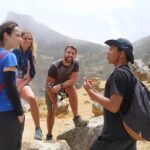
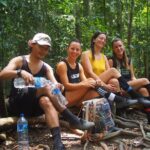
This experience caps at maximum 6 travelers. Small groups make a difference. It’s easier for guides to track everyone’s pacing, and it’s easier for you to actually focus when you’re trying to spot animals.
The trek also includes entrance permits (TNGL and ITGA-HPI), which is a key part of ethical access. It tells me the trip expects you to be in the right management framework, not wandering where you shouldn’t.
Finally, the guide role shows up in the practical details: friendliness, accommodation, and communication. People have specifically highlighted guides and assistant guides by name, including Banji and Pien, and also mentioned teams that could adapt when a friend had an injury—choosing a shorter version on the spot. That kind of flexibility is exactly what you want in the jungle, where conditions and bodies can change.
Pace, fitness level, and who should book (or skip)
The tour explicitly says strong physical fitness is required. That doesn’t mean it’s for elite athletes, but you should be ready for sustained walking and some uphill sections, in humid rainforest conditions.
If you’re comfortable hiking for hours and you don’t need every minute to be effortless, you’ll likely enjoy this. If you’re dealing with mobility limits or you hate wet footing and steep climbs, you’ll probably feel stressed.
Group size also matters. With up to 6 people, you’ll be in a shared rhythm. If you like quiet, solo travel, you might want to mentally prepare for a close-knit group vibe around camp and on trail.
Practical packing tips for a mosquito-net campsite
The tour includes core sleep gear at camp, but you’ll still want to pack for the jungle day conditions. Expect humidity, possible wet ground, and a need for insect protection even with a mosquito net waiting at night.
Here are smart basics to bring:
- Light rain protection (so you don’t get miserable mid-hike)
- A quick-dry layer for after you swim
- A day bag to keep essentials dry during river tubing time
- Sunscreen and insect repellent (even with net coverage at night)
Also, bring a water-handling mindset. The camp has water refill, but you’ll still want to keep yourself hydrated during long trekking stretches.
A few balanced cautions before you commit
This trek is highly rated, but there are still reality checks.
First: the “jungle sounds” are part of the package. If you sleep lightly, bring expectations for a more natural nighttime than you’re used to.
Second: hiking time is significant on both days. Day 1 is listed at 7 hours, and Day 2 again around 7 hours total. If you’re planning another activity immediately after, don’t stack too much. Your body will let you know.
Third: transfers aren’t included. If you’re not staying near Bukit Lawang already, you’ll need to plan the “get there and get back” pieces yourself.
Should you book this 2-day, 1-night trek?
I’d book this if you want:
- a rainforest overnight that’s more than just a tent label
- guided wildlife time with a small group
- included permits, meals, sleep setup, and tubing so you’re not piecing the day together yourself
- an experience that balances active hiking with a real camp evening
I wouldn’t book it if:
- you’re not comfortable hiking for hours in humid conditions
- you need hotel-level sleep quiet and comfort
- you’re unwilling to plan transfers to and from the Bukit Lawang area
If you match the fitness profile and you’re open to a real night in the forest, this is the kind of trip that gives you more than photos. You come back with the sound of the jungle still in your head, and the kind of wildlife moments that don’t happen when you rush.
FAQ
How long is the trek?
It runs for 2 days (about 2 days total). Day 1 and Day 2 each list around 7 hours.
What time does the tour start?
The start time is 9:00 am.
Where does the tour start and end?
It starts at Sumatra Orangutan Explore in Sampe Raya, Bohorok (North Sumatra) and ends back at the same meeting point.
What’s included in the price?
The included items are breakfast, dinner, coffee and/or tea, lunch (2), and campsite setup (mattress, mosquito net, small blanket). It also includes entrance permits, water refill at the campsite, and river tubing.
Are transfers or Bukit Lawang accommodation included?
No. Accommodation in Bukit Lawang and transfers to/from Bukit Lawang are not included.
Is river tubing included?
Yes. River tubing is included as part of the return.
Do I need a strong fitness level?
Yes. The tour states travelers should have a strong physical fitness level.
How big are the groups?
The tour has a maximum of 6 travelers.
Are park entrance permits included?
Yes. Entrance permits for TNGL and ITGA-HPI are included, and admissions are listed as free.
What if I need to cancel?
There is free cancellation up to 24 hours before the experience start time for a full refund, based on the local time. If the minimum number of travelers isn’t met, you’ll be offered a different date or a full refund.