REVIEW · KATHMANDU
Gokyo to Everest Base Camp Trek
Book on Viator →Operated by Ace the Himalaya · Bookable on Viator
One of the best parts is the circuit feel. This Everest Base Camp with Gokyo trek strings together Lukla, Namche Bazaar, the Gokyo Lakes, the steep Cho La Pass morning, and the classic Everest viewpoints at Kala Patthar. I love how the route gives you two big “wow” styles of scenery—Gokyo first, then Everest Base Camp—without feeling like you’re sprinting through the Himalaya.
Two other things I like: the trip includes strong support (a licensed English-speaking guide and 1 porter for every two clients) and you’re not left guessing about basics like water, since the trek includes filtered water using a Katadyn Pocket Water Filter. One possible drawback is simply the altitude and early mornings: you’ll be waking before sunrise on pass day, and some nights are described as very basic in remote areas.
In This Review
- Key highlights before you go
- Why the Gokyo-to-Everest Circuit feels different than the usual EBC trek
- Price and logistics: what $2,200 really buys you
- Day 1 to Day 2: Kathmandu comfort, then Lukla reality
- Trek into Namche Bazaar: suspension bridges and your first real acclimation rhythm
- Phortse, Machhermo, and Ngozumpa Glacier: the part where the trail gets serious
- Gokyo and Gokyo Ri: where the views feel like the main character
- Cho La Pass before sunrise: the hardest weather day, planned with you in mind
- Everest Base Camp day: the glacier walk and the moment you’ll remember
- Kala Patthar: the climb you do for your future self’s photos
- Back to Lukla and downshift in Kathmandu
- Guides, porters, and why the team can make or break your trek
- Accommodation and comfort: what’s included, what’s basic, and how to plan
- Altitude and fitness: the reality check you should respect
- Who this trek suits best (and who might want another option)
- Should you book Ace the Himalaya’s Gokyo to Everest Base Camp trek?
- FAQ
- How long is the Gokyo to Everest Base Camp trek?
- Where does the trip start and end?
- What time does the trip start?
- Is pickup offered in Kathmandu?
- What accommodation is included?
- What trek gear is provided?
- Do meals and water come with the tour?
- Are guides and porters included?
- What’s the cancellation policy if weather is bad?
- Is travel insurance included?
Key highlights before you go
- Gokyo Lakes route: you get the “other side” of the Everest region, not just the same old Everest trail
- Cho La Pass timing: walking before sunrise to improve your odds with weather
- Kala Patthar payoff: one of the hardest days, with the views you came for
- Meals and water covered: breakfast/lunch/dinner during the trek plus filtered water
- Smaller group size: maximum 15 travelers, plus a porter ratio that keeps things realistic
Why the Gokyo-to-Everest Circuit feels different than the usual EBC trek
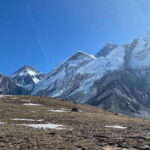
This trek is built around a smart sequencing idea: go to Gokyo (including Gokyo Ri) and only then swing toward Everest Base Camp via Cho La. Most routes focus heavily on Everest first. Here, you’ll spend multiple days in the Gokyo area around 4,790 m, then hit 5,483 m at Gokyo Ri for sweeping views over the super Gokyo valley and major peaks in the region.
That matters for you because it changes how the mountains “arrive” during your trip. Instead of Everest being the only headline, you’ll build momentum with gradually higher viewpoints—Namche for acclimatization, Gokyo Ri for big-altitude exposure, then Cho La for a true high pass day, and finally Kala Patthar and Base Camp.
It also helps that the route passes through Sagarmartha National Park early on, which adds a sense that you’re in a managed, protected high-altitude environment, not just walking between villages.
You can also read our reviews of more tours and experiences in Kathmandu.
Price and logistics: what $2,200 really buys you
At $2,200 per person for about 17 days, the value comes from what’s bundled. You’re not just paying for a guide. You’re also getting:
- Airport and transfer support in Kathmandu
- A Kathmandu hotel stay (2 nights) plus 14 nights on trek in guesthouses with attached toilets listed for Lukla, Phakding, and Namche
- A licensed English-speaking trekking guide
- Porter support: 1 porter for every two clients
- Permits for trekking
- Trek gear: a down jacket and sleeping bag (with return)
- Kathmandu–Lukla–Kathmandu airfare
- Meals during the trek: breakfast (16), lunch (14), dinner (14)
- Filtered water support using the Katadyn Pocket Water Filter
- Seasonal fruit during the trek
For a high-altitude trek like this, those inclusions matter because they cut the number of expensive “surprise” purchases you might otherwise need to plan for—especially gear and the food basics. The one item you should budget for separately is travel insurance with high-altitude rescue and evacuation, since it’s explicitly not included.
One more practical note: this is booked on average 51 days in advance and runs with a maximum group size of 15. That usually helps keep the pace and logistics from turning into a moving traffic jam on narrow trails.
Day 1 to Day 2: Kathmandu comfort, then Lukla reality
Day 1 is a straightforward arrival day in Kathmandu: you’re met at Tribhuvan International Airport and taken to your Kathmandu hotel. The pickup includes an airport representative holding an Ace the Himalaya sign outside the terminal. Not glamorous, but it helps you get your bearings fast.
Day 2 is where the trek starts feeling real. You’ll fly about 35 minutes from Kathmandu to Lukla at 2,804 m (Tenzing and Hillary Airport). The guide briefing happens on arrival. Even if you’ve hiked before, arriving at altitude by plane changes your first-day rhythm—you’ll feel it, so don’t treat Day 2 as “just a warm-up.”
Trek into Namche Bazaar: suspension bridges and your first real acclimation rhythm
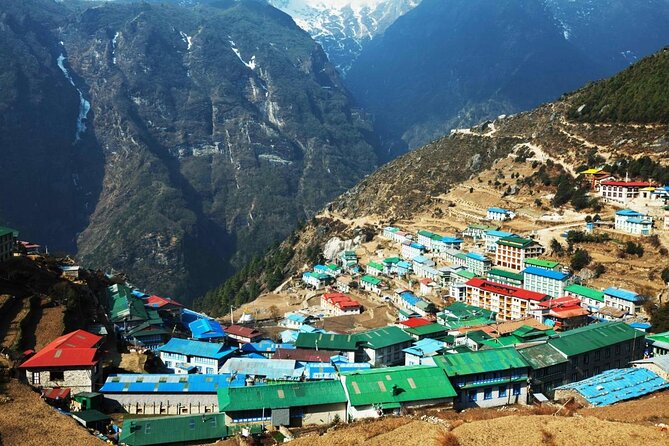
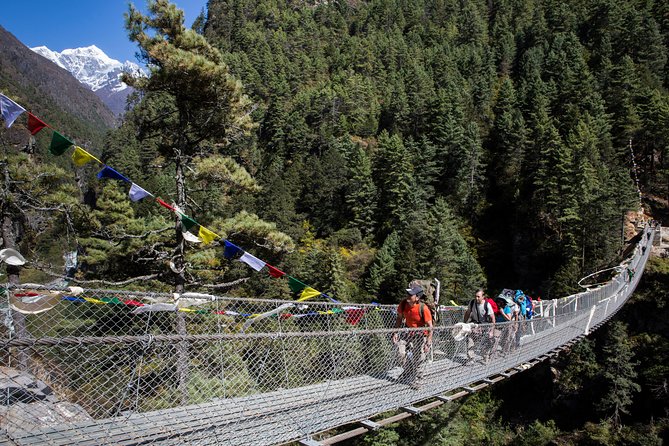
From Lukla, you trek along the Dudh Kosi, crossing multiple suspension bridges with prayer flags. You’ll enter Sagamartha National Park during this segment, and you’ll start noticing the way trails here thread through changing forest and valley views.
By Day 3 you reach Namche Bazaar, a hub Sherpa communities built up over generations. The good part is you’re not rushed. On Day 4, you spend a full day in Namche for acclimatization, which is the right move at this altitude. You also get a museum visit centered on Sherpa culture and customs, giving you a grounded understanding of the people who live and work in this region.
If you’re worried about “wasting” a day, don’t. Acclimatization is your injury-prevention tool. It also helps you enjoy later hard days, especially Cho La and Kala Patthar.
Phortse, Machhermo, and Ngozumpa Glacier: the part where the trail gets serious
Day 5 takes you from Namche upward through rhododendron forest toward Phortse. The route climbs steeply and you’ll see changes in vegetation as you gain altitude, which is one way your body signals it’s working.
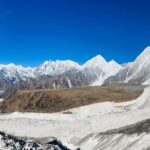
Day 6 is another step toward the Gokyo side. You’ll climb a ridge for views down the valley toward Kengtega and up toward Cho Oyu, then descend to a river and climb again toward the terminal moraine of the Ngozumpa glacier, reaching Machhermo. This day has a “move and pause” feel: constant elevation work, but plenty of time to watch where you came from.
This segment is also where your trekking logistics get noticeable—in a good way. The porter ratio (1 porter per 2 clients) helps you keep your daypack reasonable, which matters on switchback-heavy climbs.
Gokyo and Gokyo Ri: where the views feel like the main character
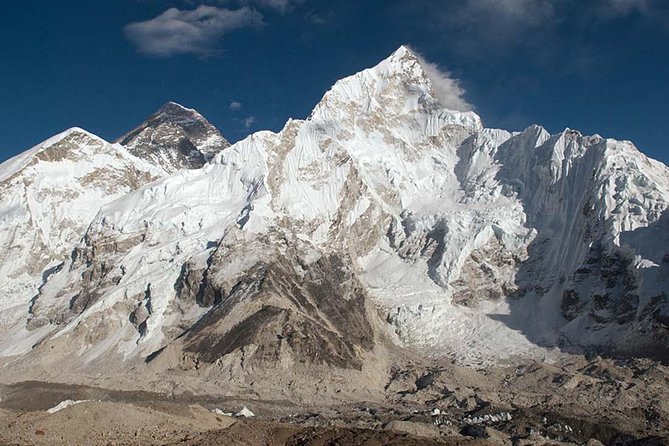
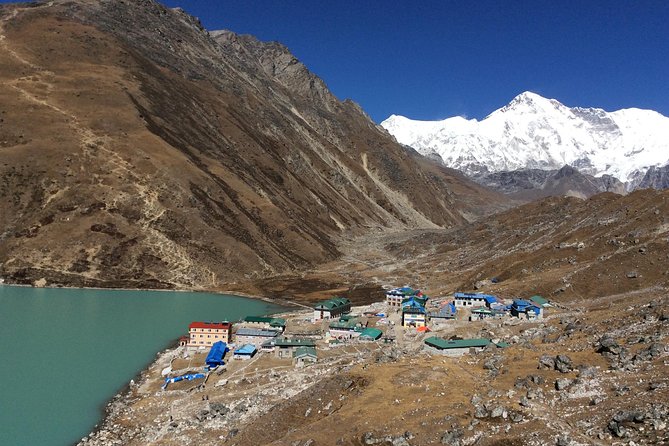
Day 7 is your arrival at Gokyo (4,790 m), and it becomes your base for two nights. That extra time is important. It’s not just a checkbox stop. It gives you a buffer for acclimatization and lets you adapt to mountain weather.
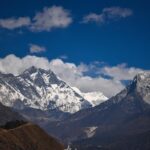
On Day 8, you tackle Gokyo Ri at 5,483 m. The itinerary calls out a steep climb early in the morning with rewards: big panoramas over the super Gokyo valley and major peaks like Cho Oyu, Everest, and Makalu. If you’re someone who likes real payoff for effort, this is one of those days.
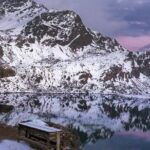
This is also one of the trek’s standout values. You’re spending time near the Gokyo Lake area, which helps this route feel less like a single straight line toward Everest and more like a carefully built loop through the heart of the Everest region.
Cho La Pass before sunrise: the hardest weather day, planned with you in mind
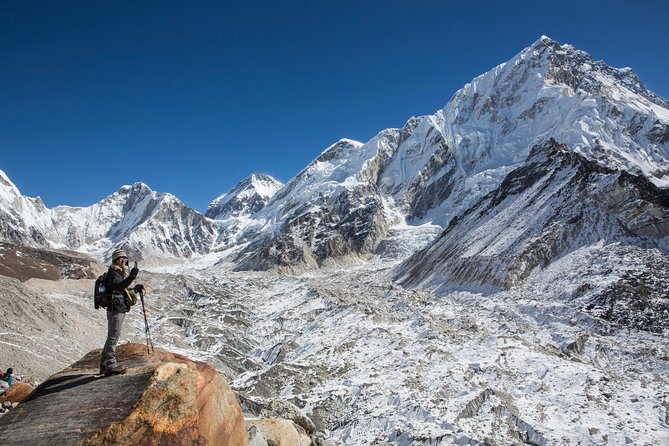
Day 9 heads toward the foot of Cho La pass, reaching Thangnag where accommodation is described as very basic and dormitory-style because it’s remote. This is a place where comfort isn’t the headline—cold night survival is.
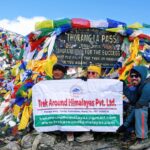
Day 10 is the pass day. You start walking very early, either 4:00 or 5:00 am, aiming to cross around 9:00–10:00 am. That early start isn’t just for drama. It’s for weather timing, so you’re not caught in the noontime conditions that can shift quickly at altitude.
The pass sits around 5,300 m in the day’s description, and you’ll be prepared for a physically demanding crossing. Then you drop down toward Lobuche on Day 11 with a shorter, easier route. This contrast is how the itinerary protects you from burning out all at once.
From the way guides were described in the experience’s feedback, this is also where having a safety-first leader matters. With crazy snow and weather, flexibility shows up in real decisions—timing, routes, and whether you push or adjust. Names that came up include Nima and Raj Kumar, both associated with good judgment and a safety-focused approach.
Everest Base Camp day: the glacier walk and the moment you’ll remember
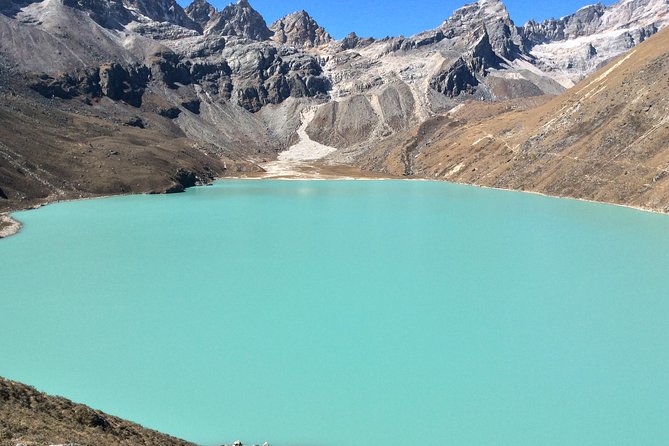
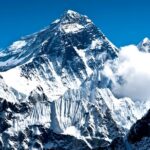
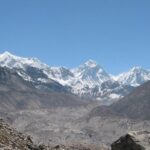
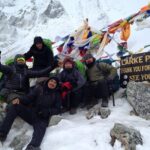
Day 12 is the big step into Everest country: trekking to Everest Base Camp at 5,365 m. The itinerary describes a day walk along the Khumbu Glacier, climbing up to the Base Camp area. This is the closest you can get to Everest without mountaineering equipment—meaning you get the scale and drama of Everest without needing technical climbing skills.
This day is one of the reasons you should take the earlier acclimatization seriously. You’re not just “walking.” You’re working at thin air. The payoff is a direct, visual connection to Everest that you’ll feel in your chest when you arrive.
Plan for the Base Camp area to be busy when conditions allow (not mentioned in the provided details, but that’s typical of major viewpoints). The more important thing is managing your time and energy. Take breaks. Eat. Don’t treat it like a speed hike.
Kala Patthar: the climb you do for your future self’s photos
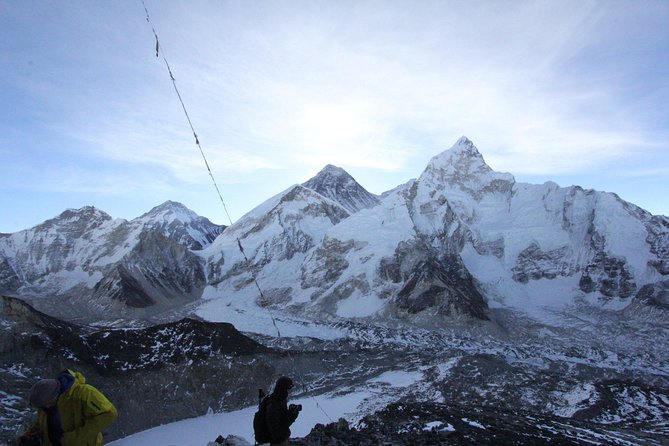
Day 13 goes to Kala Patthar at 5,555 m. The itinerary calls this one of the most difficult and rewarding days, with a demanding ascent and big rewards.
Even if you’re not chasing “sunrise” specifically, the climb is hard enough that you’ll want steady pacing. This is also where the physical work turns into emotional payoff: you’re higher, closer to the mass of Everest and neighboring peaks, and the views are the kind you’ll talk about long after you get home.
Day 14 brings the return to Namche Bazaar via Pangboche and Tengboche. It’s a descent day that still feels active. That’s good. It breaks your day into manageable chunks and helps your body recover after the two highest-viewpoint days.
Back to Lukla and downshift in Kathmandu
Day 15 returns you to Lukla, with the day described as the last trekking day and time to reflect as a group. The afternoon is free, giving you a buffer for showers, rest, and last-minute shopping before the flight.
Day 16 flies back to Kathmandu and you’re transferred to the starting hotel. Day 17 ends with an airport drop at Tribhuvan International Airport for your departure.
If you’re a “collect my thoughts” person, this ending rhythm works. After high altitude stress, you don’t want to be rushed into another logistics scramble.
Guides, porters, and why the team can make or break your trek
You’ll be on your feet for many days in changing conditions, so the human side matters as much as the route. This trek includes a licensed English-speaking guide and porter support with a 1:2 client-to-porter ratio.
The experience’s feedback highlights a few consistent themes:
- Guides like Raj N and Ramesh were described as reliable logistics partners from the start.
- Lakpa Sherpa was praised for making sure hikers had the best experience possible while dealing with weather and other changes.
- Safety and flexibility showed up repeatedly, including comments about being super flexible with crazy snow and weather and providing guidance on decisions and timing.
- Porters like Biroj, Sonam, and Haym were singled out for positive energy and strength, which sounds small until you’re climbing on tired legs.
You can’t control mountain weather. You can control how prepared your decision-making feels day to day. A good guide helps you manage pace, acclimatization, and expectations—especially around pass days.
Accommodation and comfort: what’s included, what’s basic, and how to plan
The itinerary states:
- Kathmandu: 3-star hotel, 2 nights, twin-share/double rooms
- Trek: 14 nights in guest houses with attached toilets in Lukla, Phakding, and Namche
- Remote/remote-ish nights: Thangnag is described as very basic, dormitory-based, because it’s remoter
Gear is part of comfort here. You’ll receive a down jacket and sleeping bag (to be returned). That’s a real value because it cuts your need to rent gear or buy it.
Meals matter too. You’re getting breakfast/lunch/dinner during the trek, plus seasonal fruits. That takes the pressure off daily “what will I eat?” decisions and helps you keep your energy stable.
Still, you should assume that “hotel comfort” is not the standard. The goal is warm sleep, safe travel, and steady nutrition.
Altitude and fitness: the reality check you should respect
This trek requires moderate physical fitness per the provided info, but the daily altitude profile does not feel “moderate” on the days you hit the pass and the high viewpoints. You’ll be going up to:
- Gokyo Ri: 5,483 m
- Cho La pass area: ~5,300 m
- Kala Patthar: 5,555 m
- Everest Base Camp: 5,365 m
You’ll also have an acclimatization day in Namche. That helps, and you’ll still want to follow your guide’s pace rules. If you push too hard early, you pay later.
Weather can also shift plans. One review mentioned opting for a helicopter ride during a stretch of terrible weather, showing that people sometimes adapt when conditions get unsafe or impractical. Your job is to trust the decision-making and stay flexible.
If you have any altitude-related medical history, talk to your doctor before booking.
Who this trek suits best (and who might want another option)
This is a strong fit if you:
- want the Everest experience but also want Gokyo and the Lakes area
- like routes that feel like an “Everest circuit” rather than one straight line
- want included gear and logistics, so you can focus on the trail
- prefer a smaller group experience (max 15)
You might reconsider if:
- you hate early starts (Cho La day begins at 4:00–5:00 am)
- you’re not comfortable with basic accommodations in remote areas (like Thangnag)
- you’re looking for a very easy hike. This is challenging by design.
Should you book Ace the Himalaya’s Gokyo to Everest Base Camp trek?
I’d book it if your top priorities are big views, a route that includes both Gokyo and Everest Base Camp, and a trip that handles the “how” (permits, guides, porters, meals, water filter, essential gear). The inclusions at this price do a lot of heavy lifting, and the support theme shows up strongly in the feedback, including flexibility and safety-first leadership.
If you’re on the fence, the decision comes down to your tolerance for hard days and cold nights. If you can handle steep climbs, early mornings, and basic lodging on a remote night, this trek’s structure is built to reward you—especially on Gokyo Ri, Cho La, and Kala Patthar.
FAQ
How long is the Gokyo to Everest Base Camp trek?
The trek is about 17 days.
Where does the trip start and end?
It starts at Tribhuvan International Airport in Kathmandu and ends back at the same meeting point area in Kathmandu.
What time does the trip start?
The start time is listed as 8:00 am.
Is pickup offered in Kathmandu?
Yes. Airport transfers are included, and you’re met on arrival in Kathmandu.
What accommodation is included?
You get 2 nights in a three-star hotel in Kathmandu. On the trek, you get 14 nights in guesthouses with attached toilets in Lukla, Phakding, and Namche.
What trek gear is provided?
The tour includes a down jacket and sleeping bag for use during the trek (returned at the end).
Do meals and water come with the tour?
Yes. Meals during the trek are included (breakfast, lunch, dinner). The tour also includes filtered water using a Katadyn Pocket Water Filter.
Are guides and porters included?
Yes. You’ll travel with a licensed English-speaking trekking guide, and there is 1 porter for every two clients.
What’s the cancellation policy if weather is bad?
You can cancel up to 6 days in advance for a full refund. The experience requires good weather; if it’s canceled due to poor weather, you’ll be offered a different date or a full refund.
Is travel insurance included?
No. Travel insurance is not included, and you’ll want coverage for emergency high-altitude rescue and evacuation.