REVIEW · POKHARA
Private Mardi Himal Trek
Book on Viator →Operated by Nepal Wilderness Trekking · Bookable on Viator
Mardi Himal is the kind of trek that rewards patience. This private 5-day route mixes forest hiking with high views over Machhapuchhre and Annapurna South, with a guide-led pace that keeps you moving safely. I like the private setup (just your group) plus the extra support tools included like micro spikes and a trekking-pole kit. One thing to consider: you still need a moderate fitness level for the daily climbs and the big altitude change up to High Camp.
The trip runs out of Pokhara and uses local lodges along the way, so you get that real tea-house feel without the stress of planning. Past trekking experiences tied to this operator highlight dependable, friendly guidance from people like Saugat Tamang and Bhim, plus calm porter support from names such as Tashi Tamang and Manjung. If you’re sensitive to cold, the included sleeping bag for minus-25 degrees is a clear signal that you should be ready for chilly nights.
In This Review
- Key Things That Make This Mardi Himal Trek Worth Your Time
- Why Mardi Himal Feels Better Than a Short, Stampede Trek
- Private Guide and Porter Team: The Real Value Behind the Price
- Day 1: Dhampus to Deurali via Kande Forests
- Day 2: Forest Camp at 2600m to Low Camp
- Day 3: Low Camp to High Camp (3700m) and the Machhapuchhre Moment
- Day 4: Base Camp Push Plus the Shorter Viewpoint Trade-Off
- Day 5: Badal Danda to Siding Village and the Drive Home
- Price and Logistics: What $399 Actually Covers
- What to Pack and How to Think About Cold, Altitude, and Trail Time
- Who This 5-Day Private Mardi Himal Trek Fits Best
- Should You Book This Private Mardi Himal Trek?
- FAQ
- FAQ
- What’s the duration and route style of this Mardi Himal Trek?
- Is this trek private or shared?
- What’s included in the price for $399?
- What meals are covered during the trek?
- Are drinks included on the trek?
- What’s the meeting/start time listed for the experience?
Key Things That Make This Mardi Himal Trek Worth Your Time
- Private group trekking means your pace, breaks, and photo stops stay under your control.
- Guide + porter ratio (one porter for every two trekkers) takes pressure off your legs and shoulders.
- High Camp timing at 3700m sets you up for big views without a huge, all-day grind every single day.
- Mardi Himal Base Camp option lets you go for the full 4–5 hour round trip or choose a shorter viewpoint.
- Permits handled with ACAP and TIMS in the package so you can focus on the trail.
- Winter-ready gear included like micro spikes, trekking poles, and a cold-weather sleeping bag.
Why Mardi Himal Feels Better Than a Short, Stampede Trek
If you’ve looked at trekking options in the Annapurna region, you’ve probably noticed two extremes: quick viewpoint walks packed with people, or longer treks that take a chunk out of your whole trip. Mardi Himal often lands in the sweet spot. You get real elevation, real ridge and valley hiking, and high viewpoints that feel close to the mountains you came to see.
What makes this version feel especially practical is how it’s built for a private group. You’re not trying to match strangers’ speed through switchbacks. Instead, you can settle into a rhythm that matches your legs, your breathing, and your appetite for breaks. That matters on Mardi Himal because the route climbs steadily, then asks you to descend and re-climb within the same small window of days.
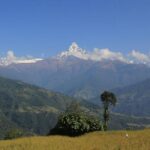
I also like the focus on the Annapurna side of the story. From the early trail you get glimpses of Annapurna South and Hiunchuli, and by Day 3 you’re up where views sharpen toward the iconic Machhapuchhre profile. This trek is short, but it doesn’t feel like a drive-by.
Possible drawback: because it’s only about 5 days, you’ll want to show up in decent shape. If you’re barely able to hike 4–6 hours on uneven ground at home, the daily effort could feel heavier than you expect.
You can also read our reviews of more tours and experiences in Pokhara.
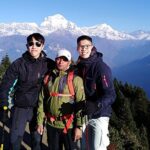
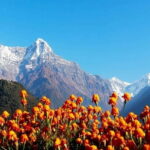
Private Guide and Porter Team: The Real Value Behind the Price
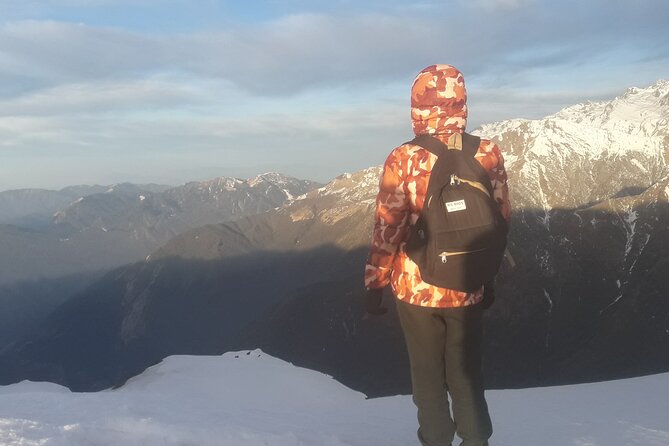
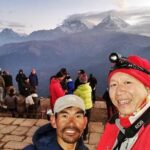
This trek is private, and that changes the whole experience. You’ll travel with a guide who’s described as fluent in English and registered, plus trained in first aid. In past trek experiences with this operator, guides such as Saugat Tamang, Bhim, and Yakub/Jakub are repeatedly credited for steady pacing and friendly, helpful attitudes. Porters like Tashi Tamang, Menjom, Kazoo, and Manjung also show up in the story—often as the calm people who keep your pack situation manageable and handle little logistics that would otherwise eat your energy.
Why that matters: on a trek like Mardi Himal, energy is everything. When your guide can adjust to your pace, you spend less time forcing steps and more time enjoying what you actually came for. When a porter is available for every two trekkers, you’re less likely to end the day feeling wrecked from carrying weight.
The included kitbag also helps. It’s there to store your belongings more comfortably on trail, which can make transitions between lodges feel smoother.
One more practical detail: the included gear shows up in the cold-weather planning. Micro spikes and trekking poles are included, and you also get a sleeping bag rated for minus-25 degrees. Even if you don’t end up using every item every night, it’s peace of mind that the company is thinking about winter conditions.
Day 1: Dhampus to Deurali via Kande Forests
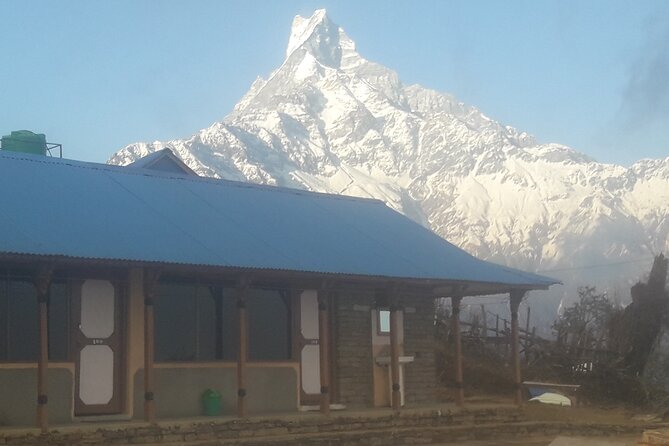
Day 1 starts with the Pokhara to Kande drive, about 1 to 1.5 hours. Then you begin trekking from Kande and hike to Deurali, taking around 5 hours on the trail.
This is a good first day because it’s long enough to feel like you’re really starting the trek, but not so intense that it leaves you completely drained. The route passes through lush forest terrain and offers glimpses of Annapurna South and Hiunchuli. That forest-to-view rhythm is exactly what you want at the beginning: you get shade and steady walking early, then small mountain rewards as your body warms up.
Why Deurali works as a first overnight: it keeps you moving toward higher elevations without jumping too fast into the coldest altitudes immediately. Lodging is via local guesthouses along the route, so you should expect a simple, functional setup rather than a resort vibe.
A consideration for Day 1: with 5 hours of hiking, it’s not just a warmup stroll. If your day is usually “sit and snack,” you’ll feel it. But it’s a solid start for a trek designed around moderate fitness.
Day 2: Forest Camp at 2600m to Low Camp
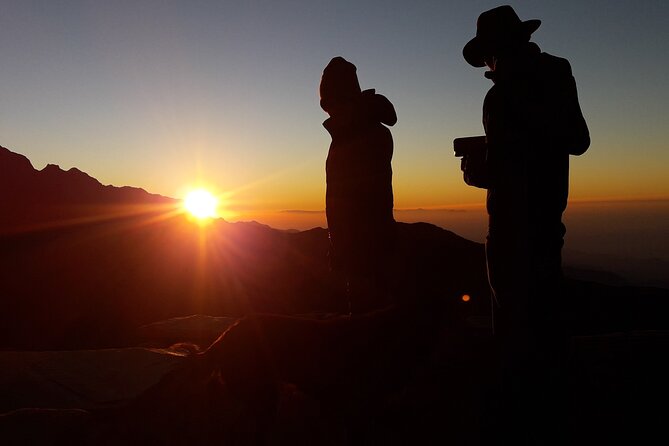
Day 2 is where Mardi Himal starts sharpening into serious mountain scenery. After about 4 hours of trekking, you reach Forest Camp (2600m) for lunch. Then you continue on toward Low Camp, with the full trekking day totaling about 6 hours from Pothana.
You’ll keep an eye out for panoramic views along the way. That’s a common payoff on this day: the trail opens just enough to let you see the larger Annapurna picture, even if you don’t yet have the full postcard views. Lunch at Forest Camp breaks up the day well, and reaching Low Camp sets up the next big climb.
Lodge overnight on Day 2 means you can focus on food, rest, and getting your legs ready. If you’ve trekked before, you know the pattern: the climb is steady, but recovery is the real game. Having lodge options and a guide-managed schedule helps.
Possible drawback: Day 2 is one of the longer walking days. If you’re slower or new to altitude, you’ll want to use your private-group advantage. Ask for pacing that matches you, not the strongest person in the group—because there’s no prize for arriving first.
Day 3: Low Camp to High Camp (3700m) and the Machhapuchhre Moment
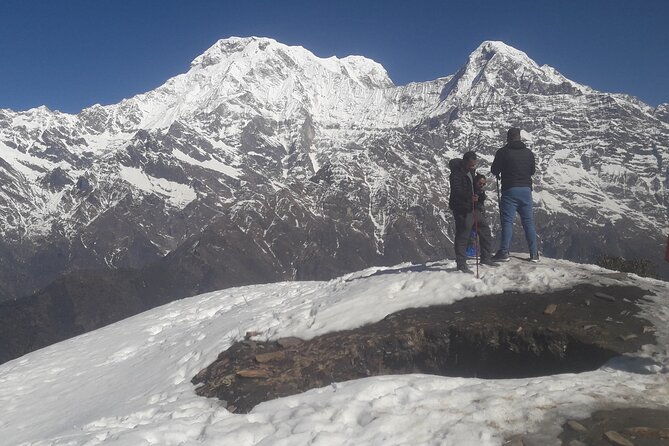
Day 3 takes you from Low Camp up to High Camp at 3700m in about 4 hours. That’s not a huge number of hours, but the altitude is real, so take it seriously. This is also the day where the views get dramatic fast.
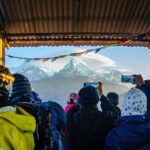
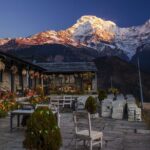
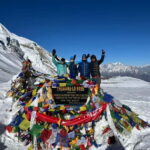
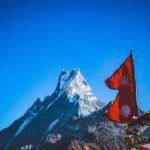
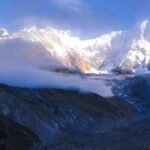
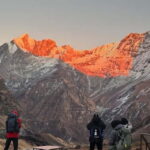
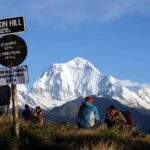
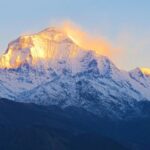
You’ll spend the night at a lodge in High Camp. Expect a strong focus on mountain views here—especially toward Machhapuchhre and Annapurna South. High Camp is where Mardi Himal changes from a nice hike to a mountain experience.
What I like about the way this day is structured: the climb is shorter by hour count than Day 2, and the payoff happens in the middle of your trekking schedule rather than near the end when you’re tired. That timing tends to make the view feel more memorable.
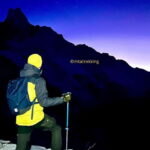
A consideration: the cold can bite at 3700m. This is exactly where that included cold-weather setup matters. If you’re the type who runs cold easily, use every layer and make sure you’ve got your warm gear ready for evenings at High Camp.
Day 4: Base Camp Push Plus the Shorter Viewpoint Trade-Off
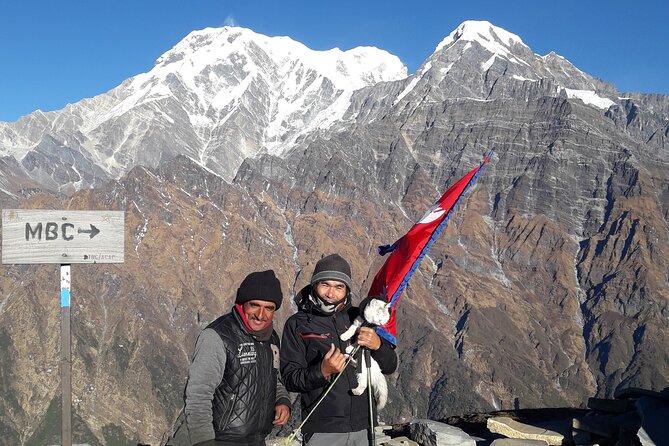
Day 4 is the decision day. From High Camp, you hike to Mardi Himal Base Camp, which takes about 4–5 hours round trip. If you’d rather keep it shorter, you can trek to a viewpoint halfway instead.
After that, you descend back to Badal Danda (3210m) for the overnight lodge.
This structure is smart. It gives you options based on how you’re feeling that day. If your legs are good and weather looks solid, the full Base Camp round trip is the big statement. If the altitude feels heavy or clouds roll in, the half-way viewpoint still keeps you connected to the best parts of the area without turning the day into a grind.
Why Badal Danda makes sense as the overnight: it’s lower than High Camp, so it eases the cold and helps you start Day 5 with less stress.
Possible drawback: the Base Camp option is still a time commitment on already-acclimated legs. If you choose the full route, start slow. On mountain days, moving fast early can mean you pay for it on the way back.
Day 5: Badal Danda to Siding Village and the Drive Home
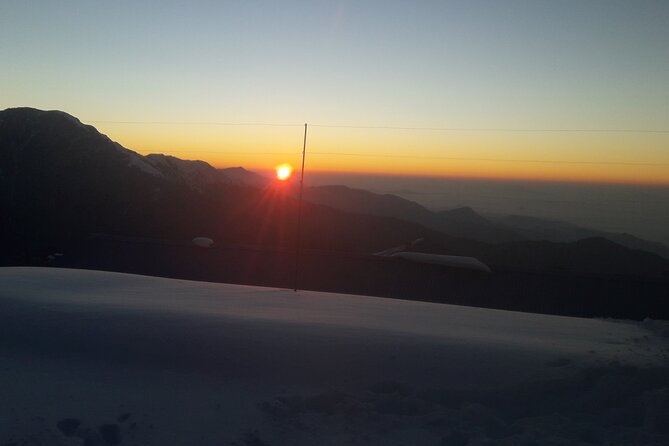
Day 5 brings you back to life at a lower elevation. You start with a trek of about 5 hours from Badal Danda to Siding Village. From Siding Village, you drive back to Pokhara.
You also have an extension option if you want more time on foot: you can extend by one day to include Siding to Lwang via Ghalel, around 5–6 hours, then return to Pokhara.
This day is where the trek’s rhythm balances out. You’ve done the hard climbs and spent nights at higher camps. Now your job is to keep moving safely downhill and enjoy the transition—more village walking, more familiar sounds, and an easier body to match.
A practical note: the trek still takes hours, even with the end in sight. If you expect a magical, effortless ending, plan for real hiking time before the drive.
Price and Logistics: What $399 Actually Covers
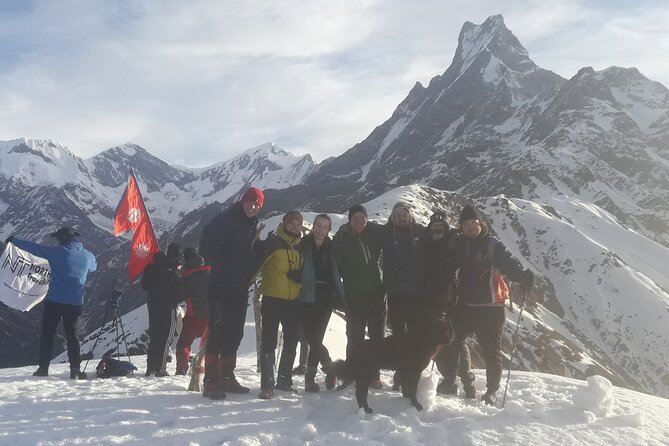
At $399 for a private 5-day experience, the value is mostly in what’s included rather than what’s missing.
Here’s what you can count on being handled:
- Transport: a private car/van from Pokhara to Kande, plus a shared jeep from Siding Village back to Pokhara.
- Permits: ACAP permit and TIMS card.
- Guide and first aid trained team: fluent English speaking, registered, experienced.
- Porters: one porter for every two trekkers.
- Lodging: clean lodge accommodations along the way during the trek.
- Cold-weather support gear: sleeping bag (minus-25 degrees), plus micro spikes and trekking poles.
- Meals: included meals total 4 breakfasts, 5 lunches, and 4 dinners.
- Paperwork and local taxes: necessary paperwork is included.
- Certificate of appreciation after a successful trek.
What’s not included:
- All drinks
- Personal insurance
- Accommodations and meals in Kathmandu and Pokhara
- Tips for guide and porter
My take on the price: you’re paying for a private, guided trek with permits sorted out, porter support, and winter-style gear included. For many trekkers, those are the exact costs that add up fast when you do a trek independently.
One more thing: the trek is listed as private, so it’s only your group. That’s usually where the money makes sense if you want flexibility and don’t want to bargain for shared logistics.
What to Pack and How to Think About Cold, Altitude, and Trail Time
From the included items, you should assume chilly conditions, especially at higher camps. A sleeping bag rated for minus-25 degrees is a big clue. Even if the days feel mild, nights can get harsh, and being properly layered is what makes the difference between a trek you remember fondly and one you count hours through.
Because micro spikes and trekking poles are included, you don’t have to rush to rent gear. Still, plan to use your own common sense: dress in layers you can adjust, keep hands covered when needed, and don’t yank yourself up steep sections too quickly.
On altitude: this route goes up to High Camp (3700m) and also includes Badal Danda at 3210m. It’s not a high-expedition climb, but it is meaningful altitude. The guide’s job is pacing, and the best version of this trek is the one where you don’t try to prove anything on day three.
Also pay attention to water and drink costs. Drinks are not included, and you’ll want to budget for this. If you’re price-sensitive, plan ahead and don’t leave hydration to the last shop you find.
Who This 5-Day Private Mardi Himal Trek Fits Best
This trek suits you if:
- You can handle roughly 4 to 6 hours of hiking daily across several days.
- You want a private experience with your own pacing and more flexibility.
- You care about mountain views centered on Machhapuchhre and Annapurna South, not just a quick sunrise stop.
- You appreciate supportive logistics: permits handled, porter support, lodge nights, and included gear.
It may be less ideal if:
- You’re looking for a purely easy walk with minimal altitude.
- You don’t like cold nights and don’t want to manage layering.
- You want drinks and everything else covered end-to-end (they’re not included).
Should You Book This Private Mardi Himal Trek?
If you’re choosing between a basic group trek and a private, better-supported plan, this one is a strong contender. The value is in the combination: private group, guide + porter support, permits included, clean lodge stays, and winter-minded gear like micro spikes plus a minus-25 sleeping bag. You also get the view payoff of High Camp and the option to scale Base Camp effort up or down on Day 4.
I’d book this if your goal is simple: good pacing, real mountain scenery, and less mental load. The biggest reason not to book is if you’re worried about daily hiking time or you’re not ready for cold and altitude. If that’s you, consider a longer acclimation trek or building up fitness first.
FAQ
FAQ
What’s the duration and route style of this Mardi Himal Trek?
It runs for about 5 days, trekking through the Annapurna region with overnight lodge stays along the route. The plan includes a drive from Pokhara to Kande, hiking to Deurali, then climbing through Forest Camp and Low Camp to High Camp, followed by a Base Camp option and a return trek to Siding Village.
Is this trek private or shared?
It’s private. Only your group will participate.
What’s included in the price for $399?
Included items cover private transport from Pokhara to Kande, shared jeep from Siding Village to Pokhara, clean lodge accommodations during the trek, ACAP permit, TIMS card, a registered and first aid trained guide (fluent English), porters (one for every two trekkers), a kitbag, a minus-25 sleeping bag, micro spikes, trekking poles, necessary paperwork and taxes, a certificate of appreciation, and meals (4 breakfasts, 5 lunches, 4 dinners).
What meals are covered during the trek?
The package includes 4 breakfasts, 5 lunches, and 4 dinners.
Are drinks included on the trek?
No. All drinks are not included.
What’s the meeting/start time listed for the experience?
The start time is listed as 11:45 pm. Since the trek involves driving and a Day 1 hike, it’s smart to confirm the exact pickup timing with the operator when you book.