REVIEW · LAKE SEGARA ANAK
Mount Rinjani Trek 3D-2N To Summit – Lake – Hotspring
Book on GetYourGuide →Operated by Cakrawala Rinjani Trekking · Bookable on GetYourGuide
Three days up Rinjani can feel like a long dare. This 3D-2N trek is built for strong hikers who want the best summit views and the kind of sunset payoff from Senaru crater rim you remember later. The catch is simple: Day 2 is genuinely hard, especially if you’re not used to steep, loose volcanic steps.
I like that the trip is paced with real acclimatization: you don’t go straight from the villages to the top. You camp once on the Sembalun crater rim first, then you’re up at 2:00 am for the summit push, and only after that do you get the reward circuit around Segara Anak. For me, that structure makes the “big climb” feel more achievable.
One more consideration: conditions can change. Even with a planned summit itinerary, safety restrictions can force route adjustments, so build in flexibility for what you may actually reach.
In This Review
- Key Highlights You’ll Feel Fast
- Mount Rinjani in 3 Days: What You’re Really Signing Up For
- Day 1: Sembalun Meadows to the Sembalun Crater Rim Sunset
- Day 2 at 2:00 am: The Summit Push to 3,726 m
- Segara Anak Lake, Hot Springs, and the Senaru Crater Rim Night
- Day 3 Descent Through Rainforest to Senaru Village
- Guide, Porters, and Food: Where This Trek Wins
- Price and Value: Does $237 Include the Stuff That Matters?
- What to Bring and How to Train (Without Overthinking It)
- Weather, Safety, and Summit Changes
- Should You Book Cakrawala Rinjani’s 3D-2N Summit Trek?
- FAQ
- How long is the Mount Rinjani 3D-2N trek?
- What is the meeting point for this trek?
- Is the trek limited to small groups?
- What time do you start the summit attempt?
- What’s included in the price?
- Do you get time to swim or soak in hot water?
- What’s the cancellation policy?
Key Highlights You’ll Feel Fast
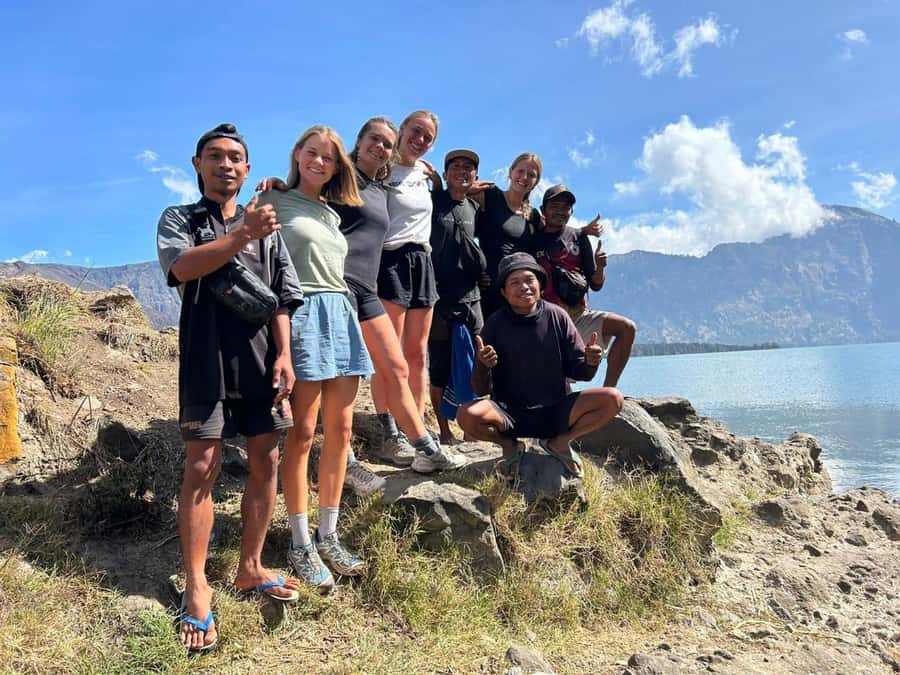
- Summit sunrise at 3,726 m with panoramic views across Lombok and beyond
- Camp on the Sembalun crater rim for a proper sunset-before-the-hard-part moment
- Segara Anak Lake break including swimming and a hot-spring style bath for sore legs
- Senaru crater rim night with standout sunset views over Bali and smoke from a new volcano
- Small-group feel (max 8) with an English-speaking guide and porters who handle the heavy stuff
Mount Rinjani in 3 Days: What You’re Really Signing Up For
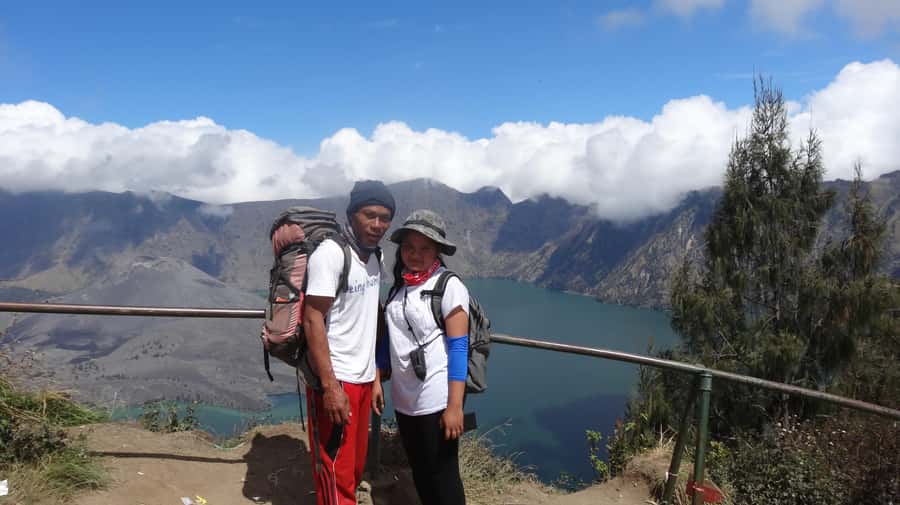
Mount Rinjani tops out at 3,726 m and is one of Indonesia’s biggest volcano climbs. This particular 3 Day 2 Night route starts from Sembalun Village, goes up toward the crater rim, then returns via the Senaru route. If you’re picturing a scenic hike that stays easy, this isn’t that.
This trek is best for people with endurance and steady uphill stamina. The program is designed for experienced climbers with strong energy to conquer a route with nonstop ascent and descent over multiple days. In plain terms: you’ll work, you’ll sweat, and you’ll earn the views.
The value is that you’re not just chasing a summit stamp. You get multiple “wow” stops: a crater rim sunset on Day 1, a summit sunrise on Day 2, then Segara Anak lake (including swimming and hot-water bathing), plus another major crater rim sunset on the way back.
You can also read our reviews of more tours and experiences in Lake Segara Anak.
Day 1: Sembalun Meadows to the Sembalun Crater Rim Sunset
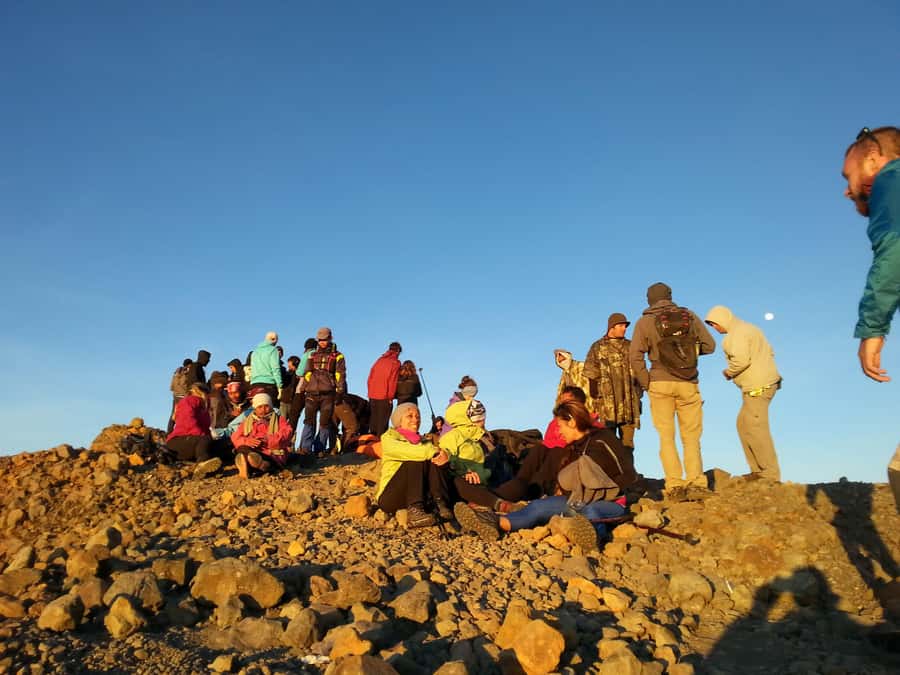
Day 1 starts early with breakfast, then a drive to Sembalun (1,100 m) where you register and get going around 8:00 am. The first part is intentionally gentle: open meadow walking that helps you settle into the rhythm. It’s also a good reality check day—your legs learn the idea of “slow and steady” before the steep sections show up.
After about two hours, you reach Pos 1 (1,300 m), then keep climbing to Pos 2 (1,500 m) roughly 40 minutes later. You’ll continue onward to Pos 3 (1,800 m) for lunch. This is a useful pattern: frequent stopping points so you can refuel and keep your pace controlled instead of burning energy too fast.
Then comes the big push—after lunch, you head to Sembalun crater rim (2,639 m), and it takes around 3 hours including a steep climb. This is where the day turns from “getting started” into “climbing with focus.” Once you arrive, you camp on the crater rim and wait for the sunset.
That sunset matters more than it sounds. Being at high elevation before the summit day helps you feel the atmosphere shift—thin air, big sky, and a quiet sense of being on the edge of something massive. If you’re a camera person, this is one of your best lighting windows.
Day 2 at 2:00 am: The Summit Push to 3,726 m
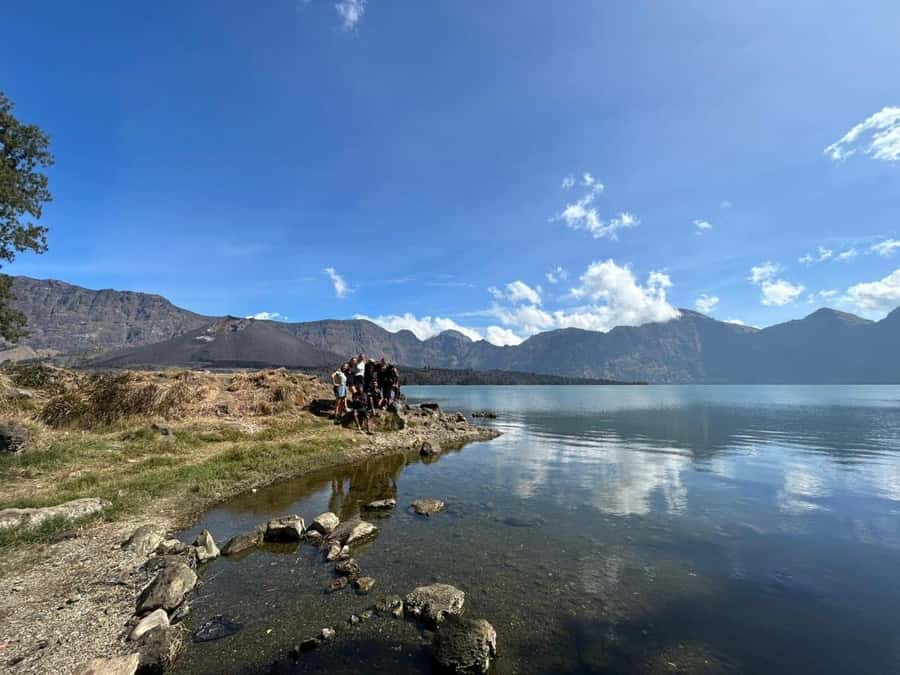
Night two begins at about 2:00 am with a hot drink and a light breakfast. You then start climbing toward the summit around 3:00 am, so you’ll be moving in darkness with headlamps. This early start is standard on Rinjani because you want enough daylight for safer climbing and visibility for sunrise.
The route description is honest about effort: a moderate trek first, then a longer but “fairly easy” stretch, followed by a final approach that involves climbing up steep volcanic scree. Loose volcanic material changes everything. Your feet slip differently than they do on normal trail dirt, so good technique and calm pacing matter.
At around 6:00 am, you reach the summit at 3,726 m for sunrise. The view coverage is broad: you can see Lombok island, and also across toward Bali and Sumbawa, plus Segara Anak Lake in the crater. It’s the moment your sore legs try to convince you it was all a good idea.
After the summit, you descend back toward the crater rim and breakfast at about 2 hours from the summit area. Then you’re not done—you transition into the next long leg down toward Segara Anak.
Segara Anak Lake, Hot Springs, and the Senaru Crater Rim Night
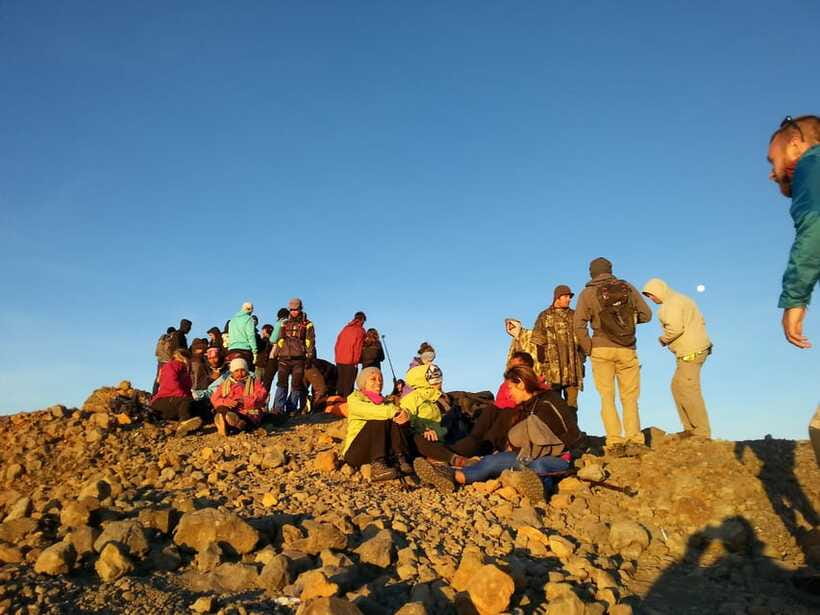
Once you start descending toward the lake, plan for a long stretch: roughly 3 hours down to Segara Anak Lake. Along the way, your body shifts from “summit mode” to “recovery-in-motion.” This is also when a lot of people appreciate having porters and gear support, because you’re not carrying the whole load.
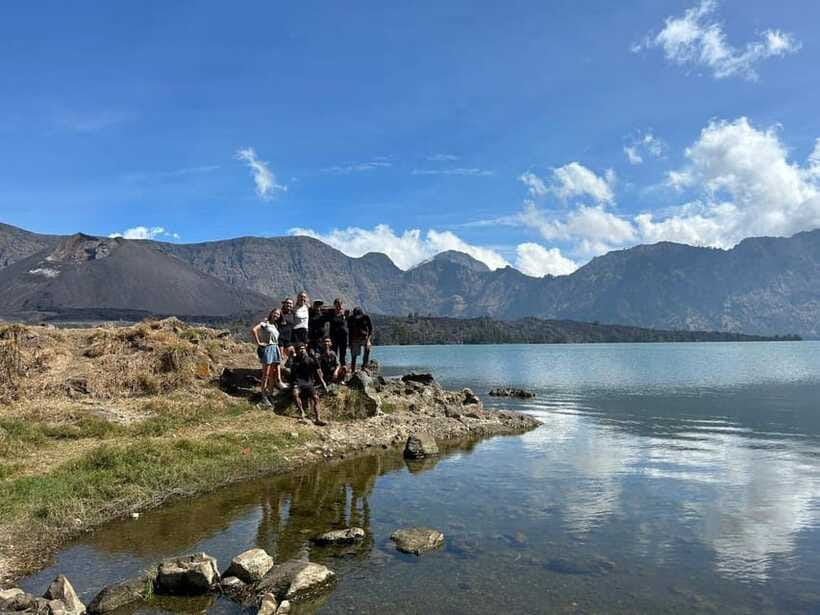
At Segara Anak, you get a rest stop by the lake, including time to swim. The lake has that surreal crater-volcano feeling, with the smaller volcano inside the basin adding character to the view. It’s not just sightseeing; this is active recovery.
Then you get the hot-water soak. The lake-area hot springs are described as having natural healing powers, and that’s exactly what you’ll feel if your legs are carrying fatigue. Bathing here can make the next camp climb feel less punishing.
Lunch is prepared by porters after you’ve settled by the lake. Then you continue leaving the lake area and head back up to Senaru crater rim (2,641 m) for the night. This campsite is a highlight for many people: it has the most spectacular view and a sunset aimed across toward Mount Agung in Bali. You can also see smoke from a new volcano on the edge of the lake, which makes the whole crater scene feel alive.
Day 3 Descent Through Rainforest to Senaru Village
On Day 3, you wake up for a sunrise and then start the descent to Senaru village (601 m) through rainforest. This part is different from the earlier volcanic terrain. The ground can feel more natural underfoot, and the pace often feels better because your elevation is heading down instead of up.
If you’re lucky, you might spot a rare black monkey. It’s not guaranteed, but it’s the kind of bonus wildlife moment that makes the last day feel more than just “walk until pickup.”
The descent takes about 5 hours, with lunch along the way. Once you arrive in Senaru, you’re done with the mountain portion and the car transfers you to your next destination: Bangsal, Senggigi, or Mataram.
Guide, Porters, and Food: Where This Trek Wins
The trek quality here isn’t just about the mountain. It’s about who runs your pace, safety, and comfort when you’re tired.
In past trips, guides like Rin and San come up often for being attentive and helpful, including staying on top of safety while keeping the mood up. Other guide names you’ll see praised include Ringo, Jo, Sun, and the organizer figure Sultan—including stories about troubleshooting and problem-solving when things went wrong (like phone assistance). When guides show this kind of follow-through, it usually means you’ll get clearer instructions before tough segments.
Porters are another big deal. They carry tents and gear, and they also prepare meals you can actually look forward to after long climbs. Multiple people mention that breakfast, lunch, and dinner were hot and delicious, and that portions were generous plus there were sweet snack boosts during the trek. You don’t want random “bare minimum” fuel when you’re climbing at altitude.
Meals also have small, morale-friendly touches included in the program: an appetizer like fried banana and dessert like fruits. It sounds minor until you’re hungry at 3,000+ meters.
Price and Value: Does $237 Include the Stuff That Matters?
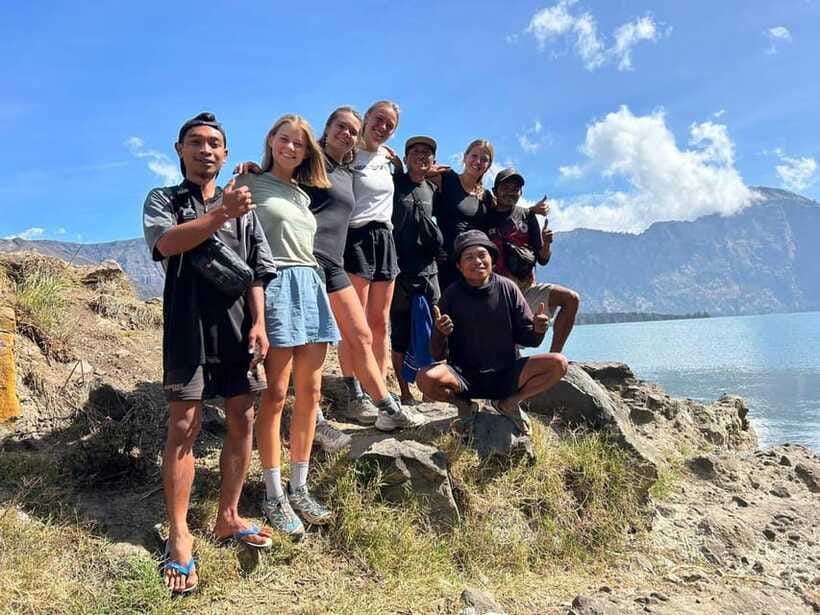
At $237 per person for 3 days, you’re paying for a lot of the “hard-to-do-yourself” parts of a summit trek.
Included items that matter in real life:
- Professional guide and porter team
- Tent + toilet tent
- Sleeping bag + mattress
- Cooking equipment
- All meals (breakfast, lunch, dinner)
- Mineral water and spring water for drinking on the mountain
- Headlamp + gloves
- Trekking insurance
- Transport after the trek to Bangsal, Senggigi, or Mataram
- National park entrance fee (not a separate surprise)
So the price isn’t just paying for a scenic route. It’s paying for a full system: logistics, camp comfort, and consistent food and water. That said, this is still a physically demanding climb. If your fitness is borderline, the “value” drops fast because you’ll spend more time suffering than enjoying.
If you’re a strong hiker, this price can make sense because the alternatives—organizing guides, porters, meals, camp gear, permits, and transfers—usually turn into expensive and stressful planning.
What to Bring and How to Train (Without Overthinking It)
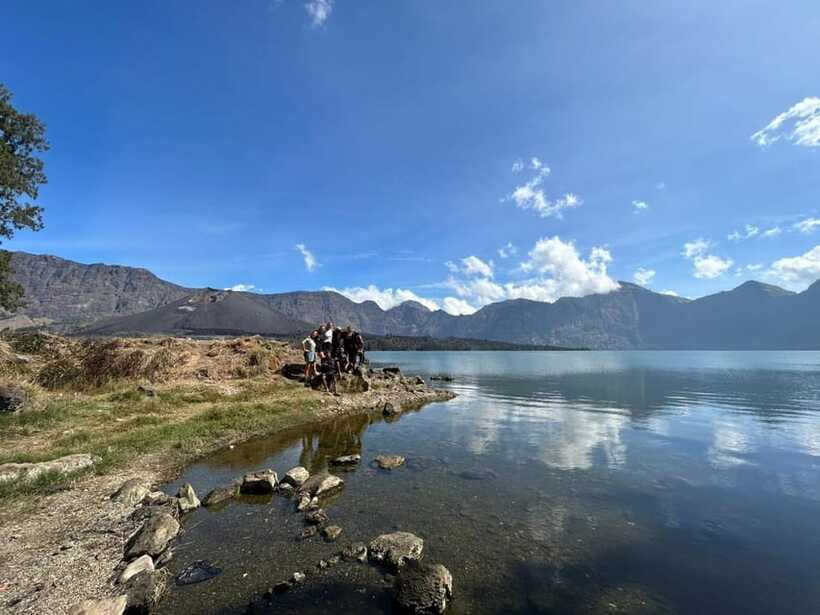
The essentials listed for this trek are straightforward: comfortable shoes, warm clothing, camera, hiking shoes, water, and trekking gear. You’ll also want to think about your feet and your cold tolerance more than your style.
A few practical upgrades that match what people learned on the mountain:
- Bring shoes with good grip for loose scree sections.
- Wear layers you can adjust for early-morning cold and later-day exertion.
- Consider trekking poles if you want help on the descents. People specifically recommend poles for easier handling of steep downhills.
Also pay attention to water and headlamps. Even though headlamp + gloves are included, you still need to manage your hydration actively, especially across the long Day 2 segments.
Training-wise, aim for endurance with sustained uphill walking. If you can comfortably hike hills around 1,000 meters with good effort control, you’re more likely to find the summit push “challenging but doable.” If you’re not there yet, this trek will still be possible, but it will demand serious grit.
Weather, Safety, and Summit Changes
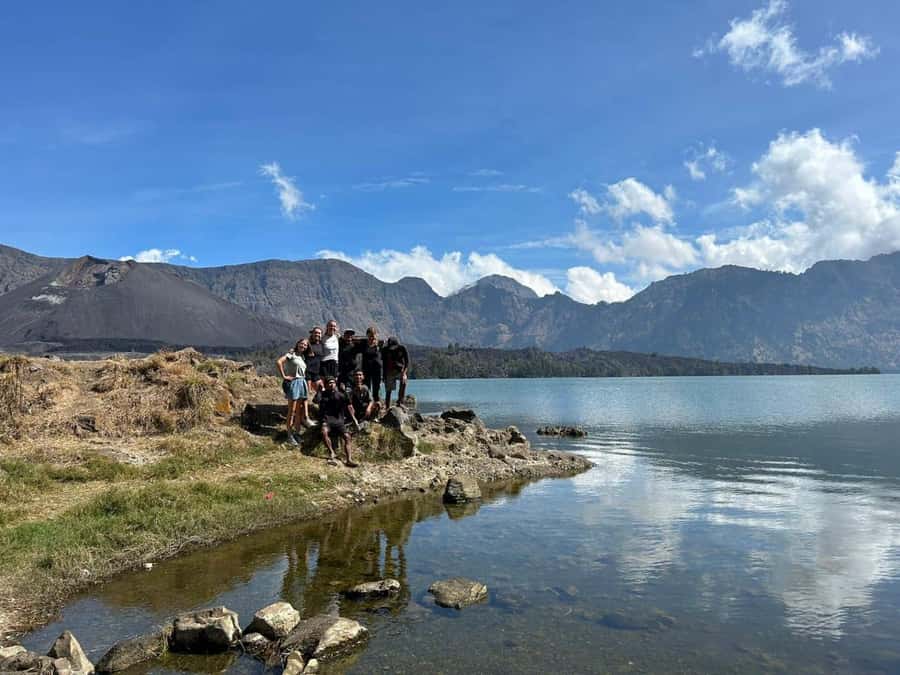
Rinjani weather can be intense. One past trek experience mentioned extreme wind on the route, and the team handled it with safety and warmth. That’s a reminder that your summit sunrise is partly weather-dependent.
Another real-world factor: governmental safety restrictions can change summit access. In one account, the planned summit was closed and the program adjusted to a different option for sunrise. That doesn’t mean the trek becomes “bad.” It means you should treat the plan as flexible. Your best move is mental: don’t build your entire trip around one exact outcome.
If conditions are rough, your guide will make calls. Your job is to follow instructions, keep moving at a safe pace, and speak up if you feel off.
Should You Book Cakrawala Rinjani’s 3D-2N Summit Trek?
Book it if you want the full Rinjani story: sunrise at the summit, crater rim sunsets, and Segara Anak lake time with swimming and hot-water bathing. Choose this option if you’re ready for a tough Day 2 and you like long days with steady effort.
Skip or rethink if your hiking experience is limited or you mainly want a light nature walk. Even with a guide and porters, this is still nonstop climbing and descending. You’ll be physically challenged, and the trek rewards people who can keep pace when it gets hard.
If you do book, go in prepared: bring solid traction shoes, pack warmth for night starts, and take your first day seriously as acclimatization. And if you get sunrise somewhere unexpected due to safety decisions, stay flexible. With the crater rim camps and lake recovery built in, the experience still has serious value even when the summit route changes.
FAQ
How long is the Mount Rinjani 3D-2N trek?
The program runs 3 days and 2 nights.
What is the meeting point for this trek?
You meet at the Cakrawala Rinjani Trekking office for a trip explanation.
Is the trek limited to small groups?
Yes. It’s limited to a small group of up to 8 participants.
What time do you start the summit attempt?
You start heading toward the summit around 3:00 am, and you reach the summit around 6:00 am for sunrise.
What’s included in the price?
The package includes guide and porter, tent and toilet tent, sleeping bag and mattress, meals (breakfast, lunch, dinner), mineral and spring water for drinking, cooking equipment, headlamp and gloves, trekking insurance, and transport after the trek. It also includes the National Park entrance fee.
Do you get time to swim or soak in hot water?
Yes. At Segara Anak Lake, you can swim, and there is time to bath in hot water for recovery.
What’s the cancellation policy?
You can cancel up to 24 hours in advance for a full refund.