REVIEW · SICILY
Etna – Trekking to the summit craters (only guide service) experienced hikers
Book on Viator →Operated by Guide Vulcanologiche Etna Nord · Bookable on Viator
Etna feels close on this north climb. You’ll hike to the summit craters (North-East, Voragine, Bocca Nuova, South-East) with an English-speaking licensed volcanology guide, and the north route keeps things less crowded than Etna’s busiest side. The two things I like most are the small-group feel and the way your guide talks geology while you’re actually standing by active craters. The main drawback: the day is physically real, especially the long, steep descent on loose volcanic ground.
You start at Piano Provenzana, then ride up Etna by authorized 4×4 before the walking begins. This tour also comes with key safety gear (helmets, trekking poles, warm jacket, extra socks), but you still need proper boots and strong knees for the return. And because volcanic activity changes, your guide may adjust how close you get toward the top.
In This Review
- Key highlights you’ll care about
- Piano Provenzana: the calm start before you climb into Etna’s drama
- The 4×4 ride: using your morning wisely up toward 2,960 m
- Crateri Sommitali drive: 9.5 km of volcanic facts with big views
- The summit hike: craters by the edge, with a guide choosing the safest route
- The long descent: why your knees will remember this day
- Gear and clothing: what’s provided, what you must bring
- Price and value: $139 plus the “real-world” extras to watch
- Who should book this Etna north summit hike (and who should skip it)
- Should you book? My call for the right kind of day trip
- FAQ
- How long is the Etna summit-crater trekking experience?
- How high do we hike on this tour?
- Is the descent as hard as the climb?
- What equipment is included?
- What gear or clothing is not included?
- Do I get picked up from my hotel?
- How big is the group?
- Is this tour suitable for children or pregnancy?
- What extra costs might show up?
- What happens if volcanic activity or weather makes it unsafe?
Key highlights you’ll care about
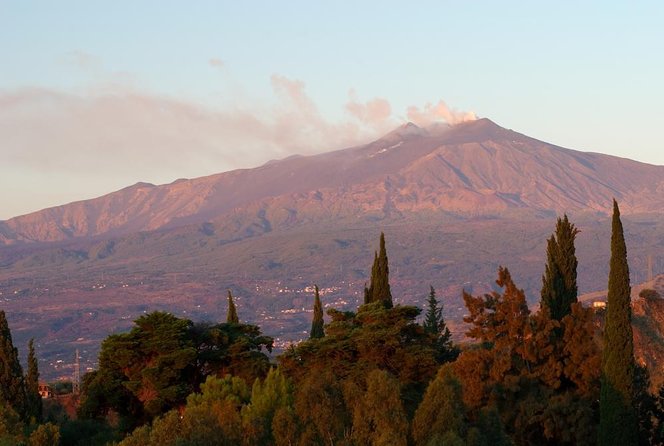
- North-slope route from Piano Provenzana, typically quieter and more personal than the southern approach
- Active crater hike guided all the way, with route changes based on gas, heat, and fractures
- 4×4 panoramic track up Etna’s north flank, crossing lava fields and craters en route
- Craters at high altitude (up to about 3,323 m), where weather and wind can move fast
- Includes the essentials: licensed volcano guide, entry, helmets, poles, warm layers, and insurance
Piano Provenzana: the calm start before you climb into Etna’s drama
This is Etna on the north side, and that choice matters. Piano Provenzana is easier to reach by car than many other Etna stations, and it’s the sort of place where you can grab a coffee, use restrooms, and regroup before the day gets serious. It also sits in the wake of the 2002 eruption—meeting here means you’re stepping into a living volcanic scene rather than a generic “scenic stop.”
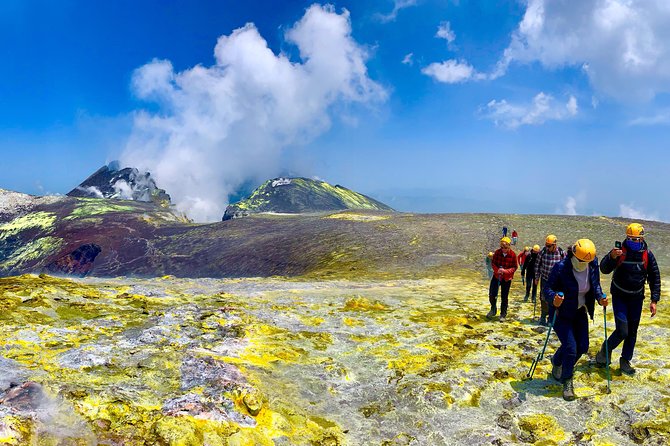
When you meet your guides, you’ll get a short briefing and all the equipment needed for the hike. The group’s size is capped at 12, and that’s not a small detail: it helps keep pacing steady on a route where some parts slow everyone down (altitude, uneven ground, and occasional crater-edge moments). Several guides are reviewed as friendly and attentive—people name guides like Nikos, Daniele, Paolo, Raphael, Poldo, and Vincenzo—and that matches the vibe you want for a high-stakes hike.
One small practical note: if you’re visiting in winter, the access road is drivable but you should plan for local conditions. Bring snow chains or use winter tires if you’re driving yourself to the meeting area.
You can also read our reviews of more tours and experiences in Sicily.
The 4×4 ride: using your morning wisely up toward 2,960 m
Your day starts at 7:45 a.m. at CHIOSCO BAR MARENEVE DI FERRARO Etna nord – Piano Provenzana, then you depart roughly 8:00 to 8:15 a.m. (there’s also an afternoon start at 1:00 p.m. from May to October). The idea is simple: you don’t waste hours grinding uphill just to reach the hike zone.
You board authorized 4×4 vehicles with guides for a panoramic drive up Etna’s northern flank. The route crosses lava fields and lateral craters as it climbs to around 2,960 m, where your walking begins. You’re gaining altitude quickly here, so it’s smart to hydrate early and keep your breathing steady once you start walking.
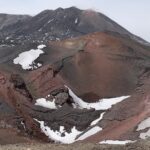
This drive also gives you “reading time” for what’s coming. You’ll see forests giving way to recent lava and rougher volcanic terrain, plus the kind of fractures and crater forms that make Etna feel less like a mountain and more like a constantly reshaped system.
Crateri Sommitali drive: 9.5 km of volcanic facts with big views
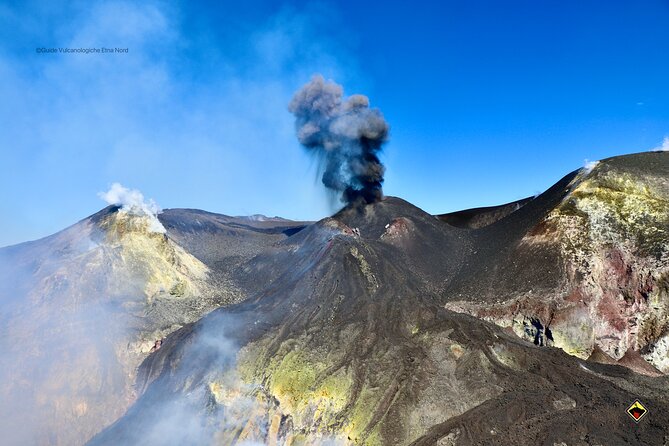
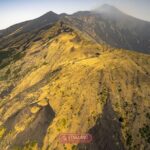
After the initial meeting and orientation, you’ll follow the Itinerario Crateri Sommitali route, which is all about Etna’s wilder north spine. You’ll travel along a 9.5 km panoramic track that climbs from roughly 1,800 m to 2,960 m. It’s unpaved, and it’s intentionally chosen for a more authentic, less touristy feel, with smaller groups.
What’s neat is the variety you pass through before the summit hike even starts. The drive can include:
- Green woodland transitioning into more exposed volcanic ground
- Recent lava flows and a lava-flow channel
- Eruptive fractures and lateral craters dropping as much as about 40 m deep
As you climb, the views widen: on a clear day you can see northern Sicily, the Aeolian Islands, the Strait of Messina, Calabria, and both major seas. In rare clarity, you may even catch sight toward the Madonie range and the broader area around Catania. This is the part of the day where you’ll understand why the guide insists on the north route—there’s a lot of “Etna world” out there, and you get it before your legs are tired.
The summit hike: craters by the edge, with a guide choosing the safest route
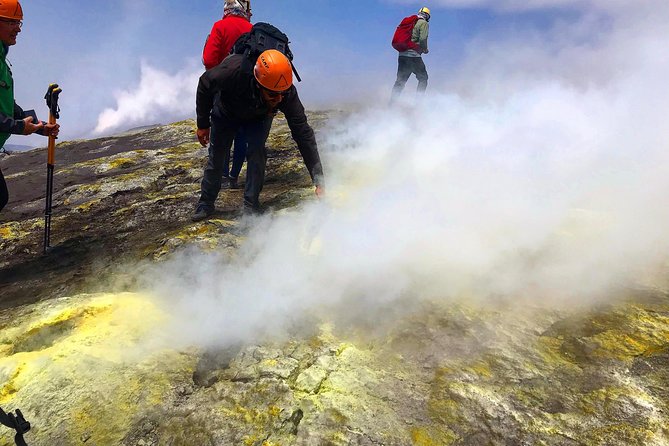
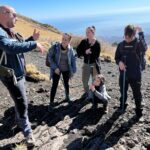
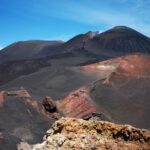
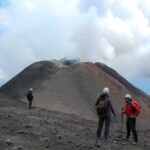
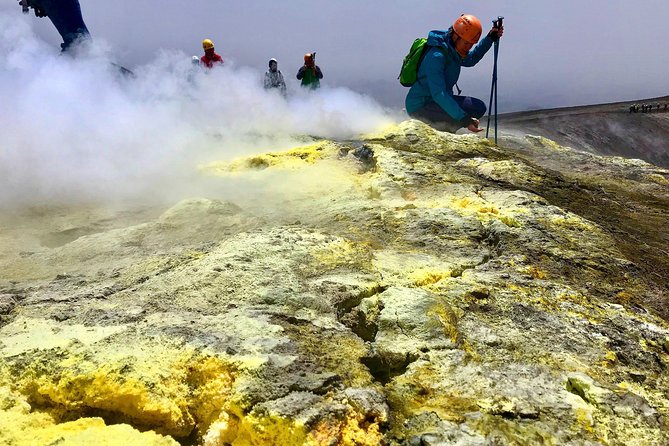
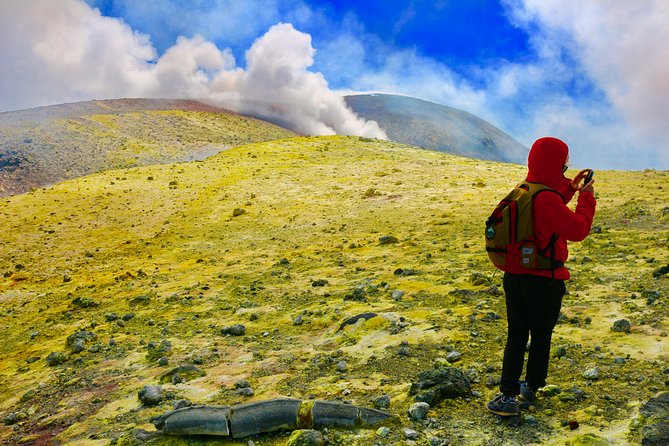
This is the heart of the experience. From about 2,960 m, you begin a guided trek that climbs roughly 5 km with about 550 m of ascent to the summit area. You’re aiming for the four main craters: North-East, Voragine, Bocca Nuova, and South-East.
Here’s the key detail that makes this more than a checklist hike: your guide chooses the safest route based on the day’s conditions. Etna isn’t a museum. Gas, heat, and fractures can change what’s safe and what’s accessible, so the plan isn’t fixed like a ladder you climb the same way every time. That flexibility is one reason the guides are described as supportive and professional.
Altitude matters. Your range goes from about 2,960 m up to around 3,323 m, and mild altitude effects are possible—especially if you rush the early pace. Reviews often mention wind as a big factor, so dress like it’s colder than you expect. If you feel a little anxious near the crater edges, that’s not unusual; the tour notes that crater-edge walking can cause dizziness for susceptible people, so tell your guide early if that’s you.
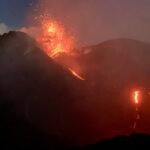
And when conditions are right, you’ll get that unforgettable “close-up” crater feeling—seeing active volcanic behavior firsthand is exactly what makes this hike different from the casual Etna viewpoints.
The long descent: why your knees will remember this day
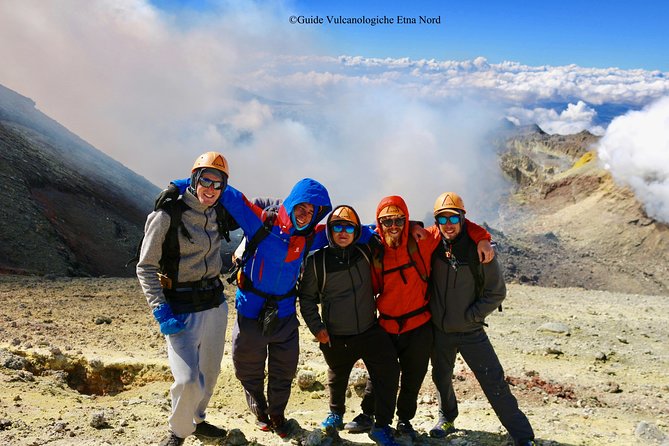
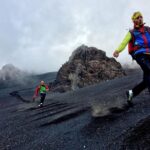
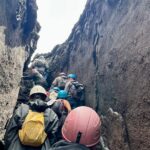
The return is where experienced hikers pay attention. After reaching the summit area, the hike turns into a long descent on foot—going from about 3,300 m down to around 1,800 m. Expect around 7 km of walking with roughly 1,500 m negative gain. It can feel harder than the climb, especially if your knees aren’t used to steep, loose terrain.
The ground is part science lesson and part workout. Your route can include:
- Walking on soft scoria and sandy gullies
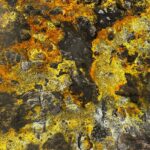
- Passing through recent lava areas and Piano delle Concalze
- Crossing about 2.5 km of ski slopes, then reaching the start area
This is also where sturdy footwear becomes non-negotiable. Loose lava bits can work their way into shoes, and once that happens, your day can slow down fast. I’d rather say it plainly: bring gear you trust, and plan for your descent to be the toughest part.
Several reviews stress long socks and pants that cover your ankles for this reason. If sand and tiny stones get in, it turns an amazing day into a slightly annoying one—avoid that.
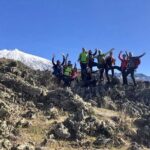
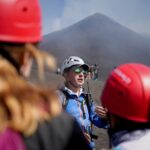
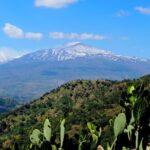
Gear and clothing: what’s provided, what you must bring
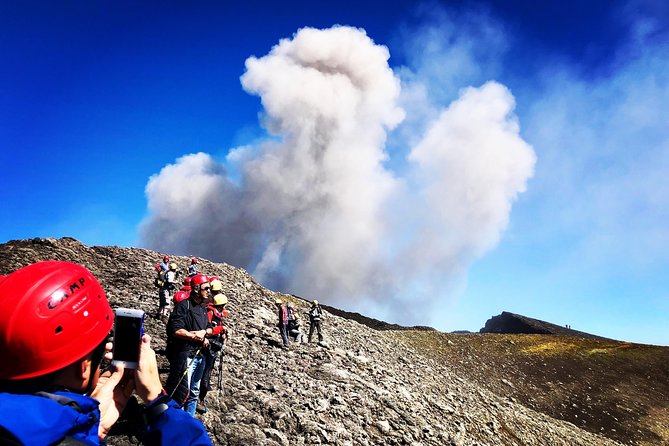
The tour kit is genuinely helpful. You’ll be provided with:
- Trekking poles
- Trekking shoes (or you can use your own; reviews also mention rental as a low-cost backup)
- Helmets
- Warm jacket
- Extra socks
- An extra backpack
You’re also covered by insurance in case of accidents, and the booking includes entry/admission to Mount Etna.
But there are a few gaps you control:
- Hat and gloves are not included, and they’re recommended for autumn, winter, and spring
- You should avoid contact lenses due to volcanic gases and ash
- Wear long pants for balance and comfort on loose volcanic ground
I also recommend thinking about layers more than about temperature. Wind on the upper Etna zone can change your comfort quickly, and the warm jacket helps—but you’ll be happier if your base layer and outer layer fit well and let you move.
Price and value: $139 plus the “real-world” extras to watch
At $139.13 per person for a day that lasts about 5 hours 30 minutes to around 6 hours, this can be good value if you’re ready for the effort. You’re not only paying for a walk; you’re paying for licensed guiding, entry/admission, and the practical cost of getting you up into the crater zone safely with equipment.
Still, read the fine print on the extra items that can show up:
- Transport from your accommodation is not included, so you’ll likely need a taxi/bus/train plan to reach Piano Provenzana
- Parking costs a fee (weekday and Sunday rates differ)
- There’s an off-road vehicle option: a one-way ride from about 1,800 m to 2,825 m listed at €50 per person paid on the spot
- One review notes additional cable car/jeep charges around €50 per person on certain days/routes
That last point is important for budgeting. I’d plan for the base price to cover the main hike and guiding, but bring some extra cash for possible lift/vehicle add-ons depending on the day’s route and rules.
If you’re comparing this to Etna “viewpoint only” options, the difference is clear. This is a guided crater-edge experience with real altitude, plus the gear that keeps you safer in a high-exposure environment.
Who should book this Etna north summit hike (and who should skip it)
This is built for people with strong physical fitness, and it’s not meant for anyone who struggles with breathing issues or hypertension (the tour flags these as reasons to avoid). It’s also not suitable for children under 12 and pregnant women who have passed the third month.
If you have sturdy knees and you can handle steep descents on loose volcanic ground, you’ll likely enjoy it a lot. If your idea of hiking is flat trails, you may find this exhausting—especially with wind and scoria underfoot.
Also, if you wear contact lenses, plan to switch to glasses or skip them for this day. The air at altitude can be dusty and full of volcanic gases, and the tour specifically recommends against contacts.
The good news: pacing is managed by professional guides, and multiple reviews mention guides who adjust for comfort and never abandon slower hikers.
Should you book? My call for the right kind of day trip
Book it if you want the Etna experience that actually reaches the summit craters—on the north side, with a guide who treats safety as part of the fun. I like that this isn’t a one-size-fits-all route; your guide can steer you toward the most active yet secure crater zone based on that day’s volcanic behavior.
Skip it or choose a gentler Etna option if you:
- Have knee problems or don’t trust steep descents
- Don’t handle altitude well
- Prefer long viewpoint stops over real walking time
If you’re a fit hiker looking for a bucket-list geology day on a working volcano, this is one of the better ways to do it.
FAQ
How long is the Etna summit-crater trekking experience?
It’s about 5 hours 30 minutes on average, with total time sometimes running closer to around 6 hours depending on conditions and route choices.
How high do we hike on this tour?
You can reach about 3,323 m at the top zone. The trek starts around 2,960 m.
Is the descent as hard as the climb?
It’s often harder. The return is a long descent on foot with about 1,500 m of negative gain, so strong knees matter.
What equipment is included?
Included gear typically covers trekking poles, trekking shoes, helmets, a warm jacket, extra socks, plus an extra backpack, along with insurance and Mount Etna entry/admission.
What gear or clothing is not included?
Hat and gloves are not included (especially recommended for autumn, winter, and spring). Also, you’ll need proper hiking clothes and footwear.
Do I get picked up from my hotel?
No. Transport service from your accommodation is not included.
How big is the group?
The tour has a maximum of 12 travelers.
Is this tour suitable for children or pregnancy?
It’s not suitable for children under 12, and pregnant women after the third month are not allowed to take part.
What extra costs might show up?
Parking has a fee, and there can be optional or route-dependent extra transport costs like an off-road vehicle one-way ride (about €50 per person). In some situations, reviews mention additional charges such as cable car/jeep costs paid on arrival.
What happens if volcanic activity or weather makes it unsafe?
Your guide may change the route or stop where it’s still safe. The experience is weather-dependent; if it’s canceled for poor conditions, you’ll be offered a different date or a full refund.