REVIEW · BELPASSO
Mount Etna: Summit Crater Trek with Cable Car
Book on GetYourGuide →Operated by Aitne Med Etna Excursions · Bookable on GetYourGuide
Etna’s crater edge feels unreal. This small-group trek takes you to Europe’s highest active volcano with a volcanologist guide, mixing summit craters, a lava tunnel, and the weird lunar feel of Etna’s high slopes.
I love how the volcano guide turns what could be just scenery into a clear story you can follow, from eruption evidence to how the terrain forms. I also like the small group size (limited to 8), which makes it easier to move at a comfortable pace and get help when footing gets tricky.
One consideration: the hike isn’t a casual walk. You’ll need solid hiking fitness and the extra pay-as-you-go cost for the cable car and 4×4 (paid in cash at the office), and sometimes volcanic activity or weather can limit how close you get to the summit.
In This Review
- Key things to know before you go
- Why Etna’s Summit Trek Feels Different Than Most Volcano Tours
- Getting Up the Mountain: Cable Car to 4×4 to Torre del Filosofo
- Bocca Nuova Crater: The Summit Edge and the 360° Payoff
- Cratere Centrale dell’Etna and Barbagallo: Walking Through Volcanic Time
- Valle del Bove: The Caldera You Feel in Your Chest
- Lava Tunnel Moment: Where Geology Turns Tangible
- Gear and Guide Style: What Makes This Feel Well Run
- Price and Value: What You Pay, What You Still Need
- Weather, Fitness, and When the Day Changes
- Who This Trek Is For (and Who Should Skip It)
- Should You Book This Etna Summit Crater Trek?
- FAQ
- How long does the Mount Etna summit crater trek take?
- Where do I meet the guide?
- Is the cable car and 4×4 included in the $77 price?
- What if the summit can’t be reached due to weather or volcanic activity?
- What’s included in the tour besides the guide?
- Do I need to bring food or drinks?
- What languages are the live guides?
- Who should not book this tour?
Key things to know before you go
- Small-group summit access on Etna with a volcano guide and gear that’s actually built for rocky ground
- Cable car + 4×4 up to the Torre del Filosofo area (about 2850 meters) before the walking starts
- Bocca Nuova crater at roughly 3300 meters for wide, sometimes 360° views if weather cooperates
- Craters and volcanic scree along the way, including areas tied to the 2002 eruption
- Valle del Bove (about 8 km by 4 km) and a lava tunnel that makes the geology feel physical
- Weather and volcanic risk can change the day, including sometimes switching to cable car only
Why Etna’s Summit Trek Feels Different Than Most Volcano Tours
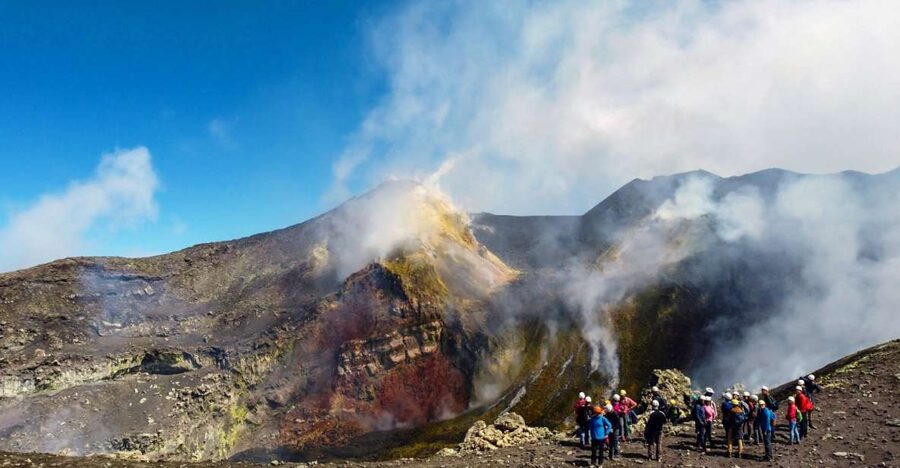
A lot of volcano tours do one thing well: they get you to a viewpoint and point. This one does that too, but it also gives you the in-between parts—walking across broken volcanic surfaces where the ground itself explains the story.
What makes Mount Etna stand out is its constant activity and sheer scale. Even when you’re not staring directly into flames or fresh lava, you’re surrounded by traces: crater edges, ash layers, scorched rock, and wind-carved shapes. The guide’s job is to help you read those clues fast, not just recite facts.
From the reviews, the guides really matter here. People named Simone, Marco, Eduardo, Giuseppe, Vincenzo, Basilio, and Alessandro as standouts—often for pacing, clear explanations, and keeping everyone safe. That’s not random praise. On Etna, good pacing changes everything: it helps you keep your footing on loose volcanic sand and scree, and it helps you enjoy the pauses where you can actually see what’s happening.
Getting Up the Mountain: Cable Car to 4×4 to Torre del Filosofo
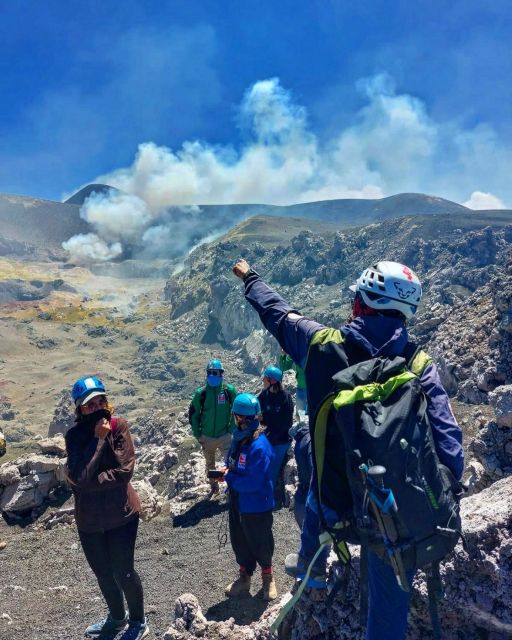
Your day starts with a safety briefing, then a short ride on the Etna south cable car (about 15 minutes). The cable car lifts you into the dramatic transition zone—where you go from regular mountain life to a terrain that looks like a different planet.
From the top, you’ll switch to a 4×4 crossing across lunar-looking slopes up to around 2850 meters, in the Torre del Filosofo area. That 4×4 segment is more than convenience. It positions you so the walking portion feels like a real trek with big views, not just a long line of steps.
This is also where you’ll feel the volcanic atmosphere: the higher you go, the more the air can turn sharp and dry, and the more the ground changes underfoot. One practical thing: you’ll want to be ready for wind and sudden temperature shifts. Even if the day is pleasant at the start, conditions near the craters can feel colder and more exposed.
Bocca Nuova Crater: The Summit Edge and the 360° Payoff
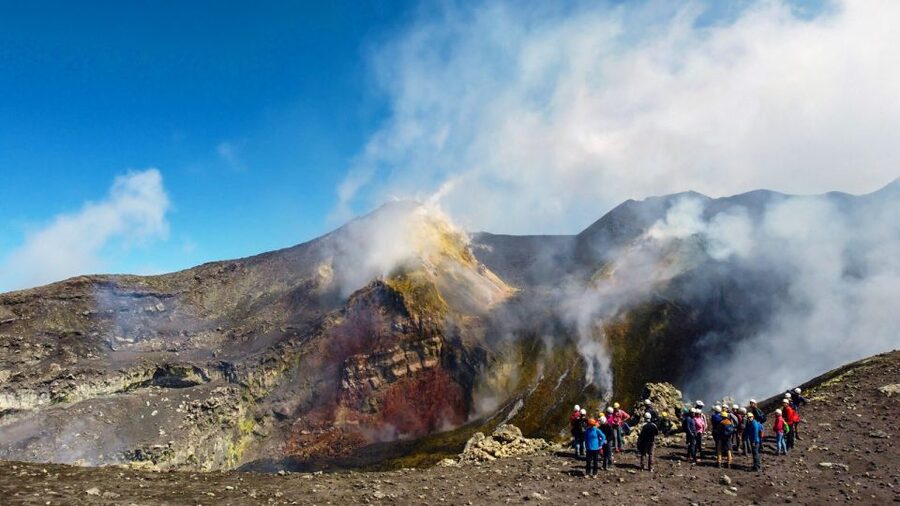
The main climbing segment takes you to the edge of Bocca Nuova (around 3300 meters), a crater that opened in 1968. The walk to the rim is where Etna stops being an idea and becomes a physical place you can stand next to.
Once you reach the summit craters, the goal is simple: time and breathing space for the views. If the weather permits, you can get 360° panoramas—with sightlines that can stretch toward the Aeolian Islands and much of northern Sicily. Even when clouds roll in, the experience can still be intense because you’re close enough to see how the volcano breathes: steam, smoke, and that constant shifting of crater atmosphere.
If you’re anxious about heights or smoke, know this: the summit area can be active and noisy. Some people find that thrilling; others need a few minutes to settle. The guides’ pacing matters a lot here. Multiple guests credited their guides with watching the group closely and adjusting the rhythm so the climb doesn’t steamroll slower hikers.
Cratere Centrale dell’Etna and Barbagallo: Walking Through Volcanic Time
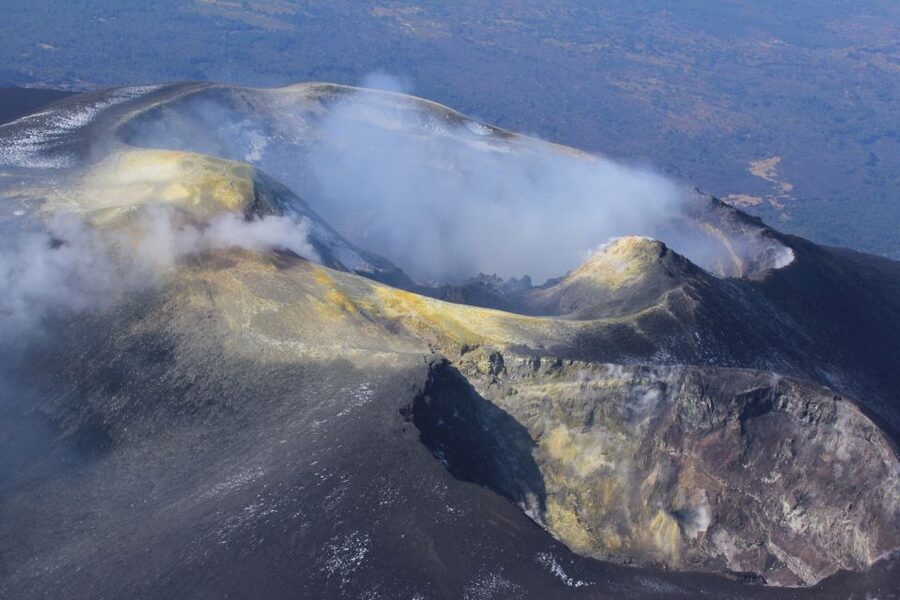
From Bocca Nuova, you don’t just jump to the next photo spot. You move through the crater area with guided stops that connect eruption evidence to what you’re seeing.
There’s a stop at Cratere Centrale dell’Etna, with a short guided walk (around 30 minutes). The focus tends to be on understanding the terrain: where the rock looks older, where it’s more fractured, and what different surfaces suggest about past activity.
Next comes Barbagallo Crater with a longer guided walk (about 1 hour). This is usually where the tour shifts from summit awe to “how does this place work?” The guide points out features around the craters and helps you make sense of why Etna’s top looks the way it does.
You’ll also pass through areas tied to past eruptions—one highlight is moving through crater zones connected to the 2002 eruption. Even if you don’t know the eruption dates, you’ll feel the contrast: the ground can look different from one patch to the next, like pages torn from the same book but written in different inks.
Valle del Bove: The Caldera You Feel in Your Chest
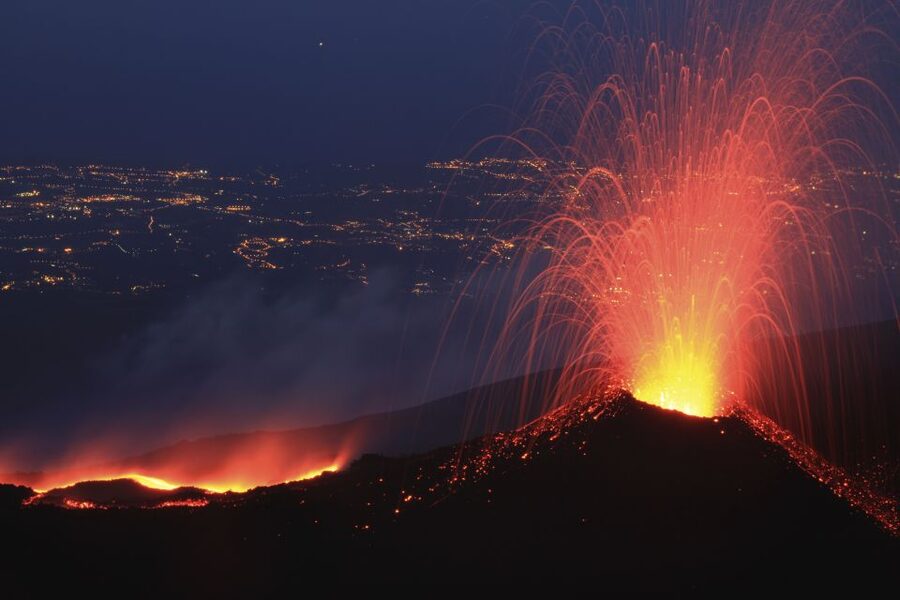
After crater time, the day turns toward something bigger: Valle del Bove, a spectacular volcanic amphitheater roughly 8 km long and 4 km wide. This is the kind of place where “big” becomes measurable. The guide doesn’t just say it’s huge—they help you understand how a caldera forms and why it looks like a giant open bowl.
You’ll also experience a more playful descent, including walking over volcanic sand for a fun, bouncy kind of footing. It’s not a stroll—scree and sand can tire your legs—but the change in terrain keeps the trek from feeling like one long grind.
The key value here is perspective. At the summit, you see the immediate crater world. In Valle del Bove, you see the wider stage—how today’s activity ties back to older volcanic structures.
Lava Tunnel Moment: Where Geology Turns Tangible
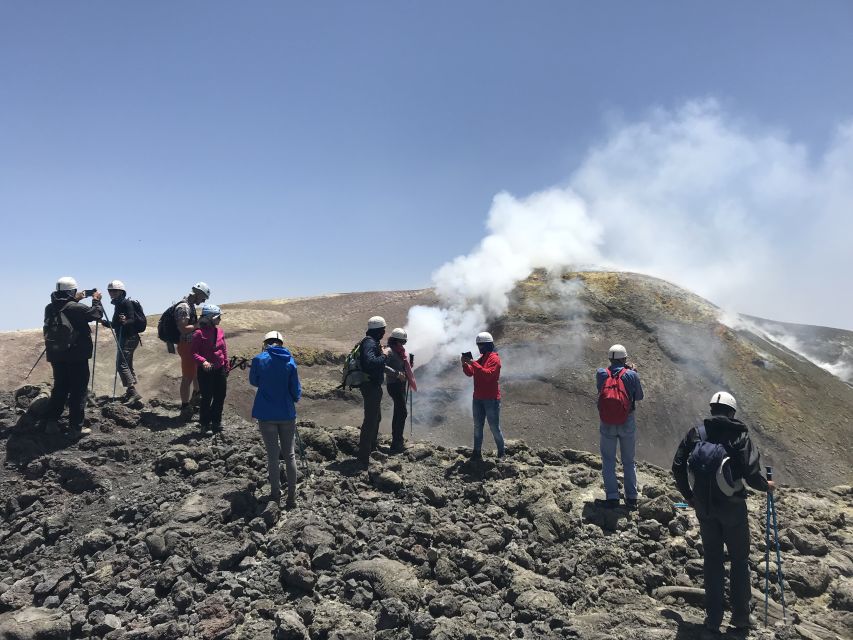
One of the coolest parts is exploring a lava tunnel. Even if you’ve seen volcano videos, a lava tube (up close) hits differently. You can see the passage shape and imagine what it means when flowing lava cools and leaves behind these hollow paths.
Why that matters: it gives your brain a shortcut. Instead of treating the volcano as something that only erupts upward, you start understanding how it moves—how lava can travel, cool, and create spaces you can walk through.
If you’re a hands-on learner, this stop tends to land the hardest. People also talked about heat near volcanic materials and close lava experiences on some days, so the tunnel visit adds weight to the rest of the tour’s “read the ground” approach.
Gear and Guide Style: What Makes This Feel Well Run
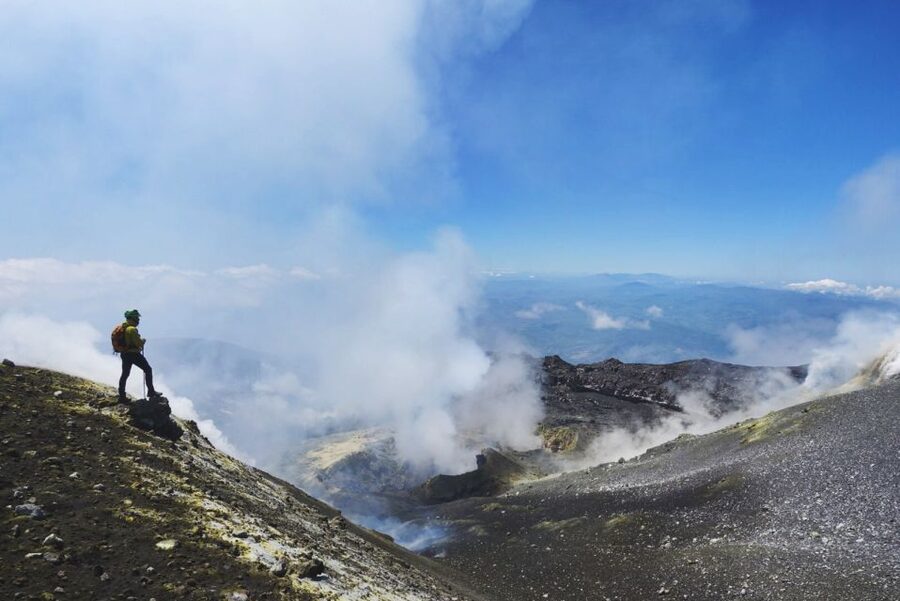
This tour gives you real hiking kit, not just a suggestion list. Included are hiking boots, walking sticks, a wind jacket, and a helmet, plus insurance and a volcano guide.
That matters because Etna footing can be unpredictable. Loose volcanic scree can slide under your shoes. Wind can knock your balance. Having sticks and helmet support isn’t about comfort alone—it’s about keeping you steady so you can focus on the guide’s explanations.
In the reviews, guests repeatedly praised guides for:
- keeping people together and adjusting pace for slower hikers
- checking in on participants repeatedly for safety
- explaining geology in a way that’s actually usable on the ground
Some guests also mentioned sulfur in the air and advised protecting your nose and mouth. A practical tip from the day-to-day reality: consider bringing a scarf you can pull up, and if you prefer, check whether you can buy a protective cover at the check-in area.
Price and Value: What You Pay, What You Still Need
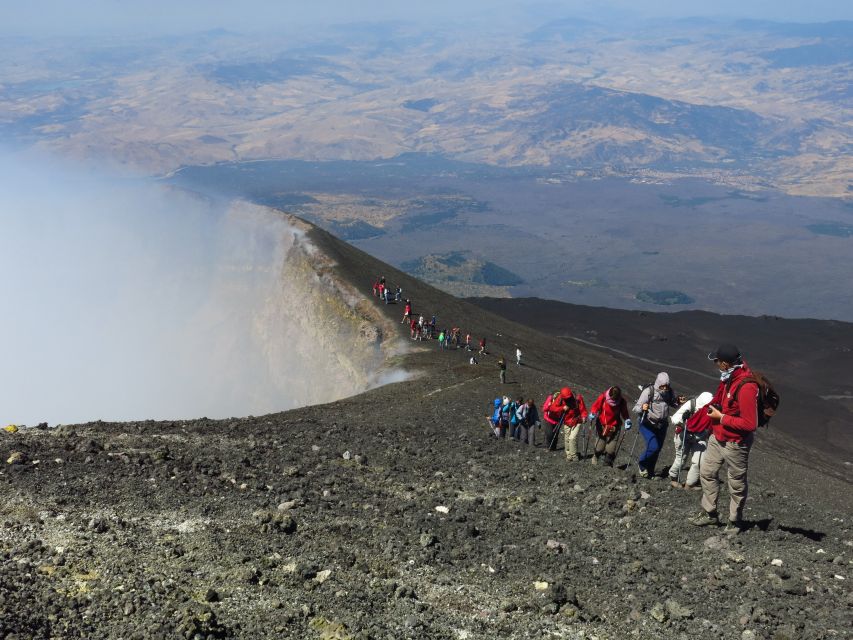
The listed price is about $77 per person for a 5-hour guided trek. What that usually means in practice: you’re paying for the guide-led walking experience, plus the included gear and insurance.
But the big on-the-day costs are separate:
- Cable car and 4×4 way up cost €65 per adult (and €50 for kids under 11)
- If they can’t reach the summit due to volcanic activity or weather, you pay only the cable car round trip (€52 per person)
This is where value becomes personal. If you’re set on summit access, you should plan for the full €65 cash payment. If weather or volcanic conditions restrict the top, you’ll still get a lot—because the guide-led crater and terrain experience doesn’t disappear, it changes.
Also: cable car and 4×4 are not included, and you’ll pay them in cash at the office. That’s not the kind of detail you want to discover mid-day, so I’d treat it like part of your budget planning.
One more practical note: guests mentioned that restaurants at the base can be disappointing. On the positive side, the meeting area includes the cafeteria at La Terrazza dell Etna, which can help with breakfast before you go.
Weather, Fitness, and When the Day Changes
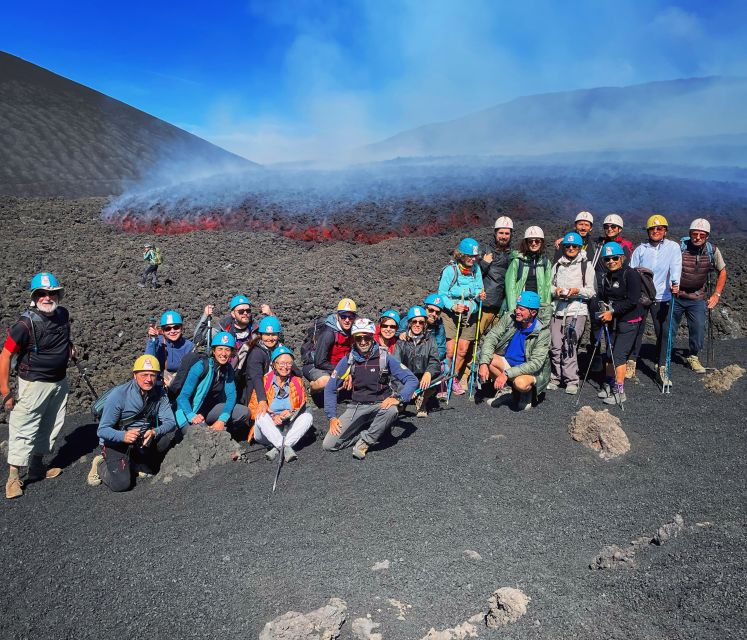
Expect wind. Expect cold snaps. And expect the occasional day where conditions won’t allow the exact summit plan.
The good news is that the operator builds flexibility into the tour. The day may change due to volcanic risk or weather, and there’s an adjustment path: if summit access isn’t possible, you’ll still do the cable car round trip instead of the full summit approach.
The tougher part is fitness. Even guests who had a great time described the trek as challenging. One key clue from the comments: loose volcanic sand and scree make the descent and climbs more tiring than you’d expect from a map. Your best strategy is to choose a pace you can sustain, not a speed you can sprint.
Who should be cautious? The tour isn’t suitable for people with mobility impairments, wheelchair users, heart problems, respiratory issues, or certain recent surgeries. It also isn’t suitable for pregnant women, and it’s not for people with low fitness. If any of that applies to you, don’t force it—Etna demands a lot from your body and lungs.
Who This Trek Is For (and Who Should Skip It)
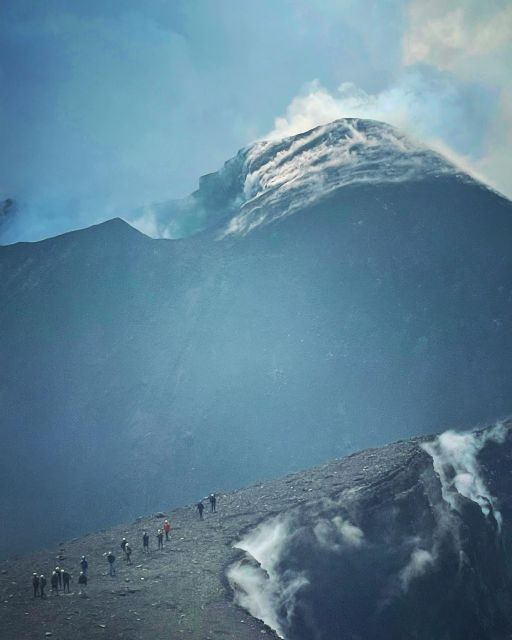
This is a strong fit if you:
- want guided geology and not just a viewpoint
- like small group travel and clear safety rules
- can handle uneven volcanic ground and a real hike
- enjoy learning from the terrain as much as from the guide
It may not be a fit if you:
- want a gentle, stroller-level walking day
- struggle with altitude exposure or wind
- need full accessibility support (the tour lists several restrictions)
- are looking for guaranteed summit access on every day
If you’re going with kids, pay attention to the age limits. The tour data lists not suitable for children under 6 and also under 7, so plan around that guidance.
Should You Book This Etna Summit Crater Trek?
I’d book it if you want one of the best ways to experience Etna up close: not just looking, but walking through the evidence. The combination of summit craters, Valle del Bove, a lava tunnel, and a guide who can read what you’re standing on is the real value.
I’d hesitate only if you’re expecting an easy walk or you know you’ll struggle with uneven volcanic terrain. Also, plan your budget for the €65 cash cable car + 4×4 cost, because that’s the part that can surprise people.
If the day ends up altered by weather or volcanic risk, you’re still likely to come away with a powerful Etna experience—just with a different version of the route.
FAQ
How long does the Mount Etna summit crater trek take?
The tour lasts about 5 hours.
Where do I meet the guide?
Meet next to the restaurant La Terrazza dell Etna, in front of the Etna South cable car station.
Is the cable car and 4×4 included in the $77 price?
No. Cable car and 4×4 are not included. The cable car round trip and 4×4 one-way ticket cost €65 per adult (and €50 for kids under 11).
What if the summit can’t be reached due to weather or volcanic activity?
If reaching the summit isn’t possible, you’ll take just the cable car round trip for €52 per person.
What’s included in the tour besides the guide?
You get volcano guides, a Mount Etna hike, hiking boots, walking sticks, a wind jacket, a helmet, insurance, and free parking until stocks run out.
Do I need to bring food or drinks?
Food and drinks are not included.
What languages are the live guides?
The live tour guide is available in French, English, and Italian.
Who should not book this tour?
It’s not suitable for children under 7, pregnant women, people with mobility impairments, wheelchair users, people with heart problems, people with respiratory issues, people who did scuba diving up to 24 hours prior, people with recent surgeries, people with low fitness, and people over 95 years. Alcohol and drugs are not allowed.