REVIEW · PUERTO NATALES
Puerto Natales: Base of the Towers Trekking Experience
Book on GetYourGuide →Operated by W Circuit Patagonia · Bookable on GetYourGuide
Towers, dust, and a very long climb start early. This guided trek takes you to the Base of the Towers in Torres del Paine, where the pay-off is the three-tower skyline at 890 meters. You start with a morning pickup, then hike through river valley, forest, and a steepening moraine before you ever get a proper view.
I love how the experience is structured for momentum: a certified local guide, plus hiking poles and a real safety briefing so you’re not just guessing on Patagonia terrain. I also love the “you can feel it” transition from rolling trail to a steep push, ending with time to rest and eat at the viewpoint while you try to catch clear conditions.
One caution: this is a hard, long day with a late return (about 9:30 PM), and it’s not a fit if your fitness level is low. If weather turns windy or rainy, the hike still happens, and you may have to manage expectations on tower visibility.
In This Review
- Key takeaways before you go
- Puerto Natales pickup at dawn: how the day is paced
- Into the Asencio River Valley: the steady warm-up
- El Chileno to dense forest: where the air gets cooler
- The moraine and steepening climb: the moment Patagonia turns serious
- Base of the Towers viewpoint at 890m: the reward and the lunch break
- Return the same way: why the trip feels longer than 14 hours
- Guides, group energy, and what good support looks like
- What you should pack: the gear that keeps this tour enjoyable
- Difficulty level: a long trek that needs real readiness
- Price and value: what the $95 covers (and what it doesn’t)
- Who should book this and who should skip it
- Should you book the Base of the Towers day hike?
- FAQ
- What time does pickup happen in Puerto Natales?
- How long is the full tour day?
- Are park entrance fees included?
- Is food included?
- What’s included in the price besides the guide?
- What should I bring and wear?
- Can I cancel if plans change?
Key takeaways before you go
- Early pickup, long day: leave Puerto Natales before 7:00 AM and plan to be back around 9:30 PM
- A real route, not just a walk: Asencio River Valley, El Chileno area, dense forest, then moraine and steep climb
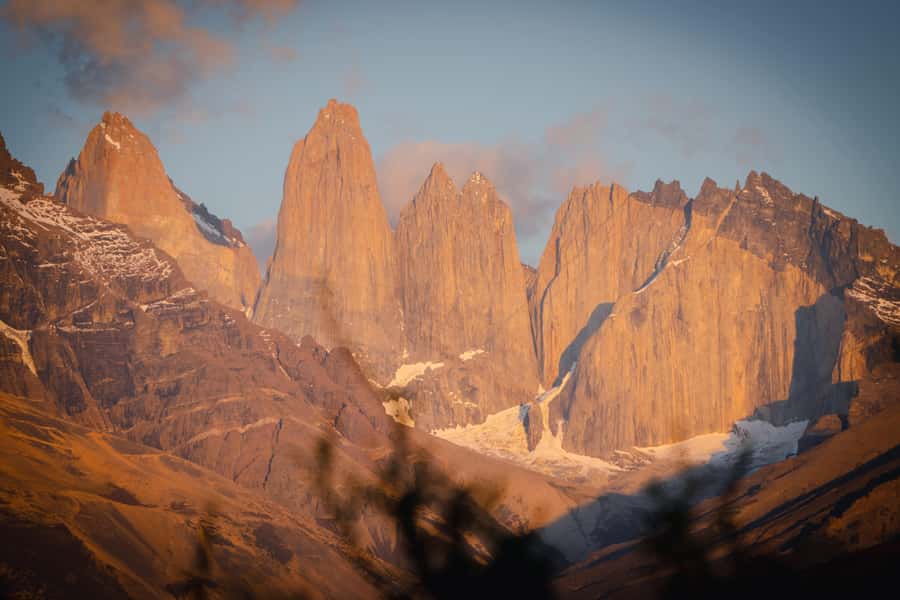
- The 890m viewpoint moment: built-in pause for lunch/rest once you reach the Paine Towers base viewpoint
- Poles and first aid are included: you’re supported, but trekking shoes are mandatory
- Weather can change everything: clear skies help most; rain and wind can hide the towers
Puerto Natales pickup at dawn: how the day is paced
This tour runs on a tight morning schedule. You’re picked up somewhere between 6:15 and 6:45 AM in Puerto Natales city (your hotel name and address matter). Then you drive roughly 2 hours to Hotel las Torres, where your guide handles a safety briefing before you start hiking.
That early start isn’t just tradition. It’s about being on the trail while conditions are best—light wind or better visibility—and before the day gets swallowed by cloud or rain. It also sets the tone for a very “day-trip” kind of experience: you’re committing to a full return journey to Puerto Natales by late evening.
Logistically, the best part is that you don’t have to coordinate transport yourself. The bus/van handles the long transfer, and you’re brought back to the Centro de Bienvenida area at the end, where your ride is waiting. If you hate stress on vacation, this is a relief.
You can also read our reviews of more tours and experiences in Puerto Natales.
Into the Asencio River Valley: the steady warm-up
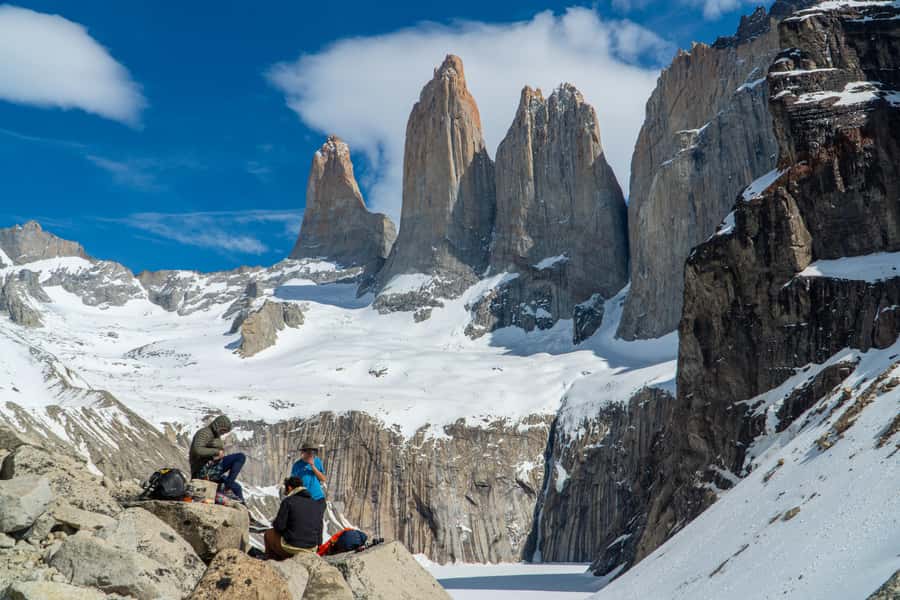
After your briefing, you begin hiking up into the Asencio River Valley. For many people, this is where the trek starts to feel serious—but it’s also where you get into rhythm. Two hours into the walk, you reach El Chileno, a camping site where your hike continues into the next section.
Think of this part as your legs getting used to Patagonia ground and altitude gain. Even when the scenery is already excellent, the trail here is doing a job: warming you up for what comes later. One practical tip is to treat the first stretch like pacing practice. Start controlled. Save energy for the steepening portion toward the towers.
And yes, you’ll likely want to keep checking the sky. Clear conditions matter a lot for the final viewpoint, and the route gives you time to adjust your effort if weather changes.
El Chileno to dense forest: where the air gets cooler
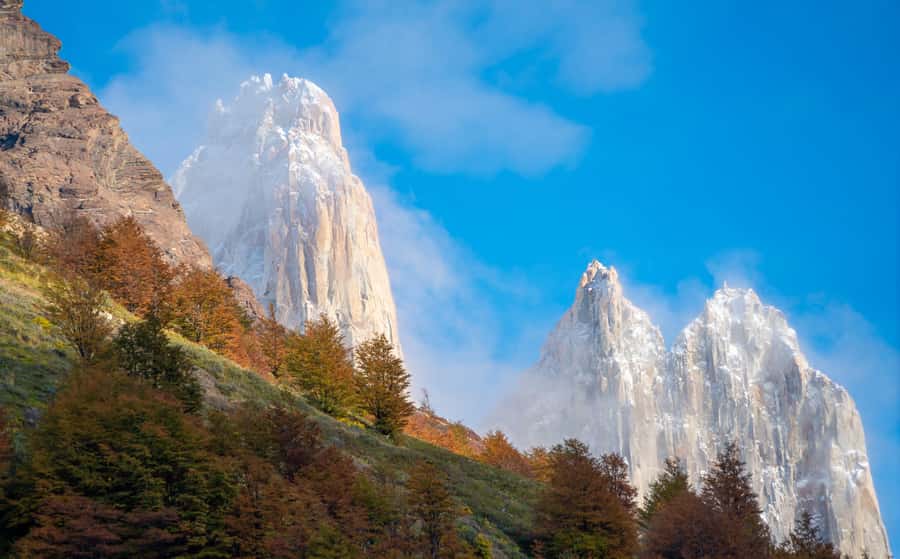
From El Chileno, the route continues through a dense forested area. This is a good thing. Trees can cut wind and make the hike feel less exposed than the open stretches you may be imagining.
Along the way, you can also admire a small stream that flows from the Almirante Nieto peak. It’s a small detail, but it’s also a reminder that this trail isn’t just about reaching a photo spot. The route is designed so you’re experiencing different “micro-worlds” as you move: valley walking, forest shade, water features, and then the eventual moraine terrain.
If you’re the type who loves natural navigation clues, this section helps. When your body is tired, it’s useful to have more than one thing to focus on—trees, water, and trail character make it easier to keep going without zoning out.
The moraine and steepening climb: the moment Patagonia turns serious
At some point you’ll come to a moraine, and that’s where the slope begins to steepen. Expect the trail to feel more demanding here. This is the stretch that separates a “I’m hiking” day from a “I’m earning this view” day.
This is also where having the included poles matters. Trekking poles aren’t magical, but they do help you manage downhill impacts and uneven footing. Several people specifically praised the poles as useful on the rocky terrain, which matches what this part of the route likely feels like.
In practical terms: keep your steps short, and don’t rush the steep section. If you sprint early, you’ll pay later near the viewpoint. If you pace well, the end feels more like a gradual arrival instead of a wall.
Base of the Towers viewpoint at 890m: the reward and the lunch break
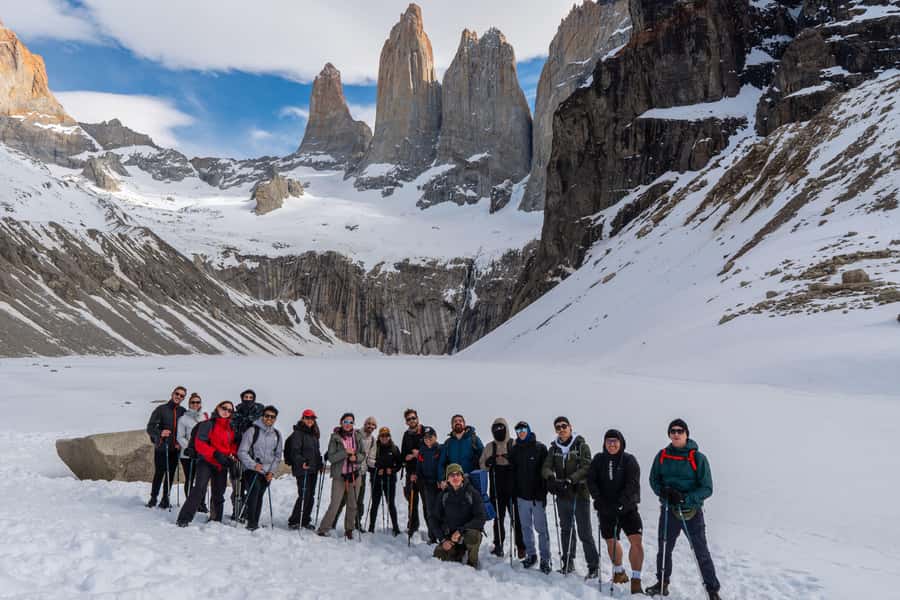
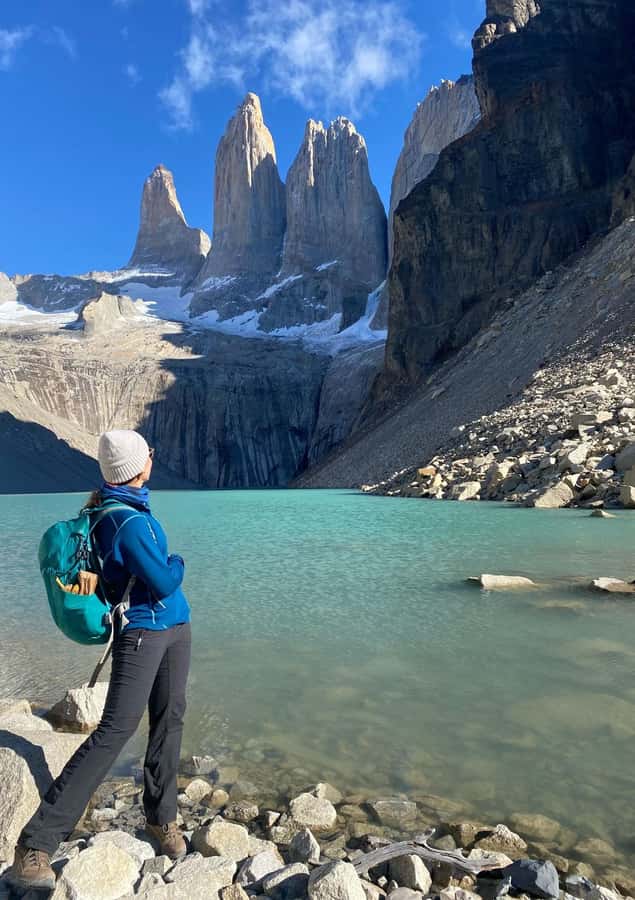
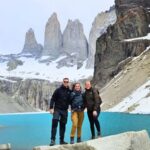
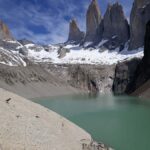
The Paína Towers viewpoint sits at about 890 meters above sea level. This is the big moment: the viewpoint is positioned so you can enjoy views of the three towers, and there’s time to have lunch and rest before you start back.
How strong is the payoff? If you get clear weather, this day can become one of those Patagonia memories you don’t shake for years. The tour description even notes that when conditions permit, the viewpoint can deliver some of the most spectacular views worldwide—which is exactly what you’re hoping for when you wake up before sunrise.
But here’s the balanced truth: towers can be hidden. Several people mentioned conditions like rain, snow, or clouds. When that happens, you still get the hike, the effort, and the dramatic terrain, even if the towers aren’t crisp at the base. I’d plan this day knowing visibility is a variable, not a guarantee.
Also, don’t underestimate how important the viewpoint break is for your return. It isn’t only about lunch. It’s about resetting your body so the walk back doesn’t feel like a punishment.
Return the same way: why the trip feels longer than 14 hours
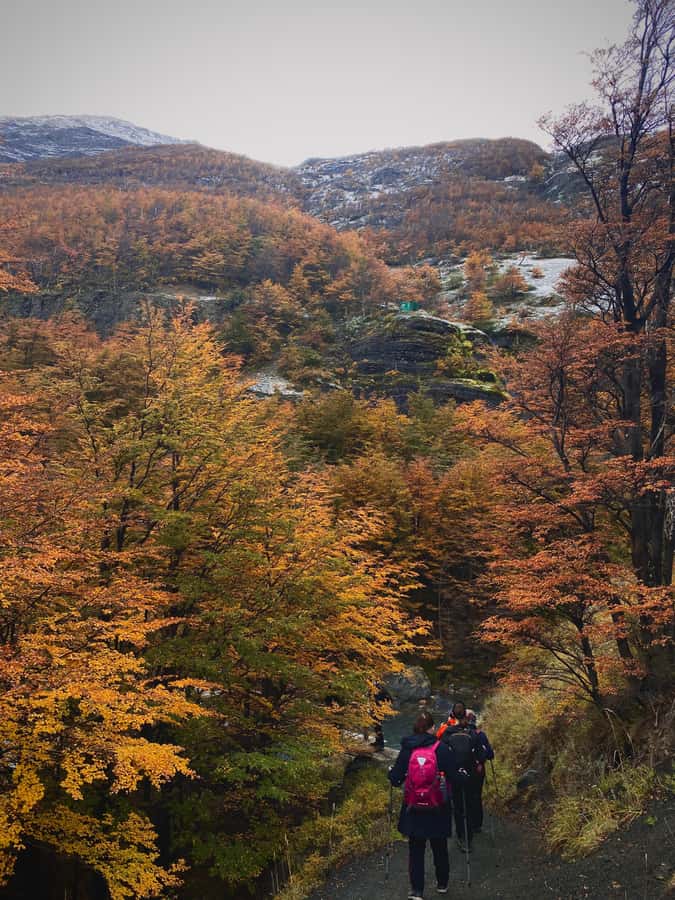
You’ll head back along the same path toward Centro de Bienvenida, with your bus waiting. Because you retrace the route, your brain knows the trail, but your legs know the fatigue. That can make the return feel longer than the outbound segment.
You’re looking at an approximate return to Puerto Natales around 9:30 PM, depending on group pace and conditions. This is part of why the tour isn’t best for people who need to catch another activity that night.
One detail that can affect your timing: group walking speeds. If your group includes a mix of faster and slower hikers, it’s possible the guides adjust to keep everyone together. That’s caring and safer, but it can mean later arrival if the group is uneven.
Guides, group energy, and what good support looks like
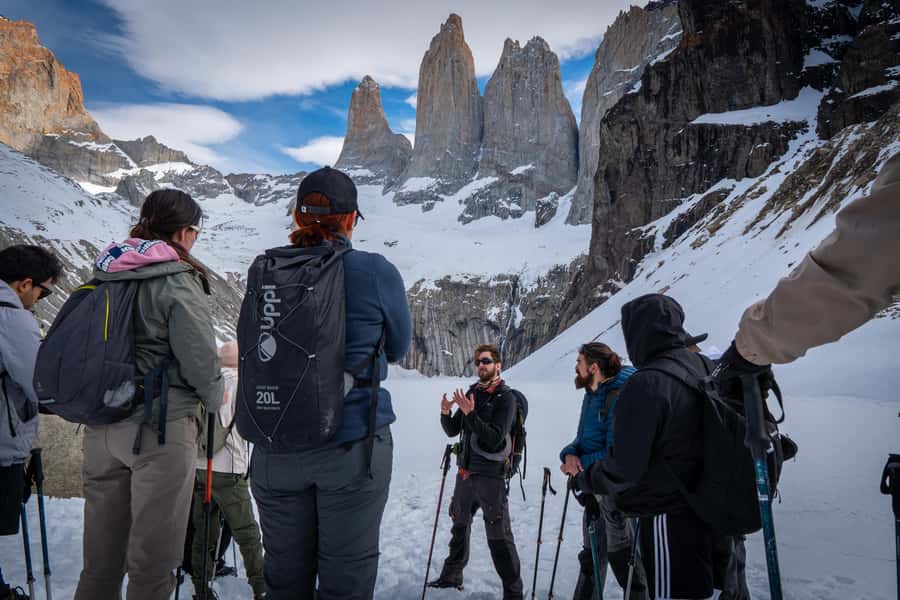
The tour runs with an experienced and certified local guide, and the guide experience is a standout part of this day. In particular, many people highlighted guides who kept spirits up, managed pace, and offered genuine help on tough moments.
Names that show up often include guides like Sebastian, Daniel, Pablo, Francisco, Leo, Ramiro, and Diego, plus additional guides such as Claudia and Camilo. The common thread wasn’t just “talking during the walk.” It was practical support: encouraging people when conditions are hard, helping the group maintain a workable tempo, and making sure safety and footing remain a priority.
If you’re traveling solo, this kind of guidance can also be a comfort. You’re doing a serious hike, but you’re not doing it blindly.
What you should pack: the gear that keeps this tour enjoyable
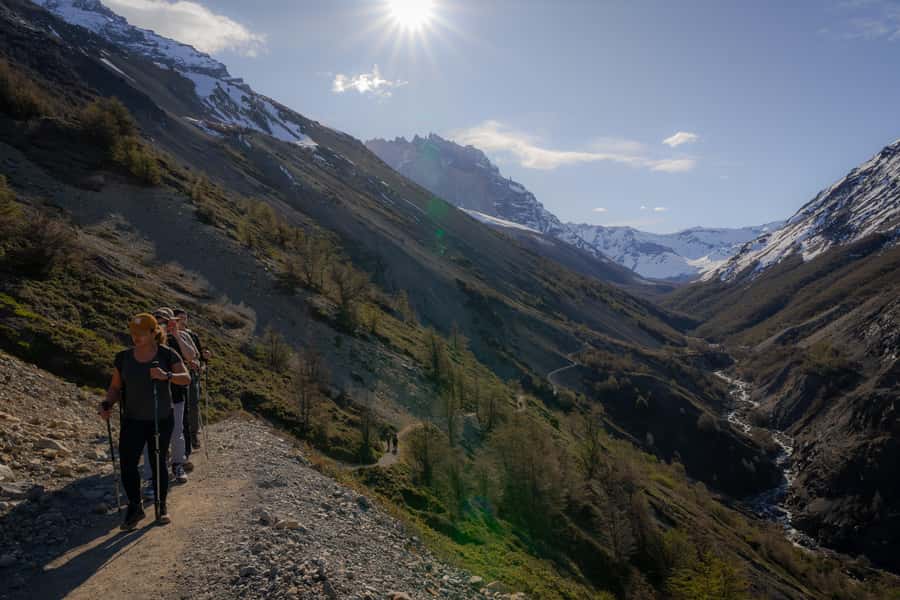
This is one of those hikes where what you bring changes the whole day. The tour is explicit: warm clothing, sunglasses, sunscreen, rain gear, and trekking shoes (mandatory). You’ll want to layer because Patagonia weather can swing fast.
Here’s what I’d treat as non-negotiables for your comfort:
- Trekking shoes with solid grip (the trail can be rocky, and steep sections demand traction)
- Sunglasses and sunscreen (even on cloudy days, the sun can still bite)
- Rain gear (wind and precipitation are part of the risk profile)
- Layers you can add or remove without fuss
Food is another practical item. The tour notes that food isn’t included, even though there’s a lunch/rest stop at the viewpoint. That means you should plan on carrying snacks and whatever meal approach you like for that break.
Also, pack water and a few calorie-dense snacks. People specifically recommended lots of water and snacks for the length and difficulty of the hike, and it makes sense given the “long day, steep push, and return” structure.
Difficulty level: a long trek that needs real readiness
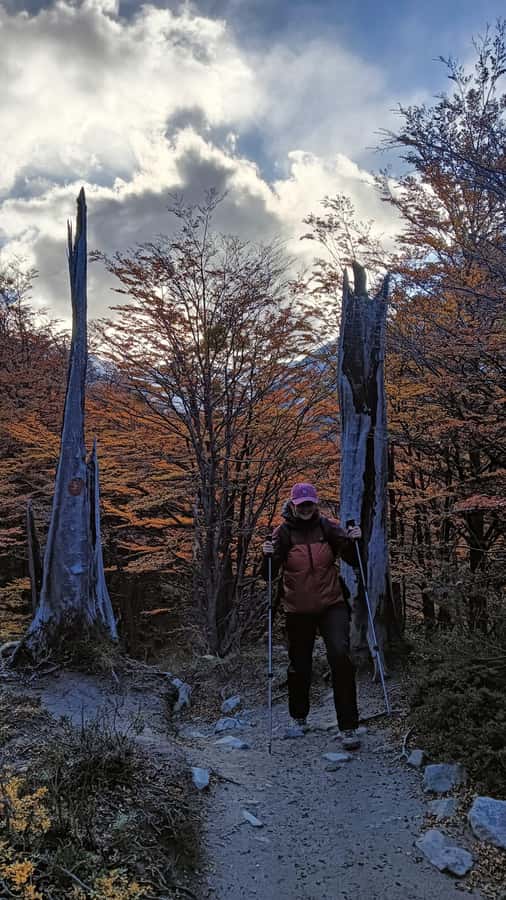
This isn’t presented as a casual stroll, and your body will confirm that fast. The trekking is demanding enough that the tour isn’t suitable for:
- children under 10
- pregnant women
- people with mobility impairments
- wheelchair users
- people with low fitness
That matches how many people describe it as grueling or challenging. Some people found it doable only because guides helped them keep pace and used poles effectively. Others called out that it can be close to expert-level hiking depending on conditions and weather.
If you’re an “I hike sometimes” person, you’ll probably be okay if you’re disciplined about pacing. If you mostly do flat walks and don’t train for hills and endurance, don’t stretch your luck here.
Price and value: what the $95 covers (and what it doesn’t)
At $95 per person, this day trip can feel like a solid deal, especially because you get several big-ticket conveniences baked in. What’s included:
- return transfer from your accommodation in Puerto Natales city only
- an experienced certified local guide
- hiking poles
- a first aid kit
What’s not included:
- Torres del Paine National Park entrance fees
- food
- travel insurance and personal expenses
So the real value math is this: you’re paying for guided logistics and the equipment support (poles), plus you’re not spending time figuring out transport in a remote area. The only extra planning you need is budgeting for entrance fees and bringing your own food/snacks.
If you’re a confident hiker who likes independent travel, you might find ways to reduce costs by planning transport and hiking on your own. But if you want the comfort of an organized day, including guidance and poles, this price can be fair.
Who should book this and who should skip it
This tour is a strong match for you if:
- you’re physically ready for a long uphill trek
- you want a guided route to the Base of the Towers with time to rest at the viewpoint
- you prefer being picked up and dropped off rather than coordinating transport yourself
- you like having an expert guide manage pace and safety
You should skip it (or choose a gentler option) if:
- you don’t have hill-and-endurance hiking experience
- you need mobility-friendly access
- you’re sensitive to long, early starts and a late return around 9:30 PM
- you’re hoping for a quick walk with minimal effort
And if you’re going in shoulder season or winter, remember the route can still be tough even when the view is reduced by clouds or snow. That doesn’t make it less worthwhile for prepared hikers, but it does mean you should be mentally ready for the weather lottery.
Should you book the Base of the Towers day hike?
Book it if you want one of the classic Torres del Paine experiences, and you’re willing to work for it. The combination of a structured route, included poles, and guided support makes the hike feel more manageable than it would on your own—especially on the moraine and steepening sections.
Don’t book it if your fitness level is low or you expect the day to be light. This is a long trek with real elevation gain and a late return. Also, if you only want the towers in crystal-clear skies, keep in mind weather can hide them.
If you do book, do the simple things that make the day work: start steady on the early valley stretch, layer up, bring food and water, and treat the viewpoint break as part of your strategy for the walk back.
FAQ
What time does pickup happen in Puerto Natales?
Pickup is between 6:15 and 6:45 AM in Puerto Natales city. You’ll need to provide your hotel name and address for the pickup.
How long is the full tour day?
The total duration is about 14 hours, including the driving time and the hike.
Are park entrance fees included?
No. Entrance fees to Torres del Paine National Park are not included in the price.
Is food included?
No. Food is not included. The schedule includes time to eat and rest at the viewpoint, but you should bring your own snacks or meal.
What’s included in the price besides the guide?
The price includes return transfer from your accommodation in Puerto Natales city only, an experienced certified local guide, hiking poles, and a first aid kit.
What should I bring and wear?
You should bring your passport or ID card, warm layered clothing, sunglasses, sunscreen, rain gear, and trekking shoes (trekking shoes are mandatory).
Can I cancel if plans change?
Yes. Free cancellation is available up to 24 hours in advance for a full refund. You can also reserve now and pay later.