REVIEW · SA PA
Sa Pa: 6-Hours Muong Hoa Valley Trek with Local Ethnic guide
Book on GetYourGuide →Operated by Vietnam Nomadtrails · Bookable on GetYourGuide
Rice terraces meet real village life. In this 6-hour Muong Hoa Valley trek, you get sweeping terrace views plus hands-on culture stops like indigo dyeing, batik, and hemp weaving. I also like how the small-group pace keeps things friendly, even when the paths get slippery.
The trade-off? This is a serious walking day. Expect steep, muddy sections in wet weather, and the route covers about 10 km, so shoes and basic stamina matter.
In This Review
- Key things I’d bank on before you go
- Why Muong Hoa Valley feels different from other Sapa hikes
- The village route: Y Linh Ho to Lao Chai to Ta Van
- Y Linh Ho (Black Hmong) and the village-center feel
- Lao Chai and terrace panoramas
- Ta Van: homes, weaving, and rice-cultivation reality
- Craft stops you’ll actually remember: indigo, batik, and hemp
- Indigo dyeing: where the colors come from
- Batik and the patience factor
- Hemp weaving: practical, not decorative
- Dzay tribe contrast: costumes, customs, and respectful questions
- The trek itself: 10 km walking, steep bits, and mud reality
- What you should bring for real
- Why local help matters on this route
- You’ll feel it, even if you’re fit
- Lunch time: expect local food, and plan to pay
- How to handle the shopping moment
- Price and value: $18 for a cultural trek, plus what can add up
- Logistics that matter: pickup limits and the non-loop trek
- Who should book this trek, and who should skip it
- Ideal for
- Skip it if
- Should you book the Sa Pa 6-hour Muong Hoa trek with an ethnic guide?
- FAQ
- How long is the Muong Hoa Valley trek from Sa Pa?
- What is included in the price?
- Is lunch included?
- How difficult is the trek?
- Which villages do you visit?
- Is there hotel pickup?
- Is an English-speaking guide provided?
- Are there surcharges for special dates?
- What should I bring?
Key things I’d bank on before you go
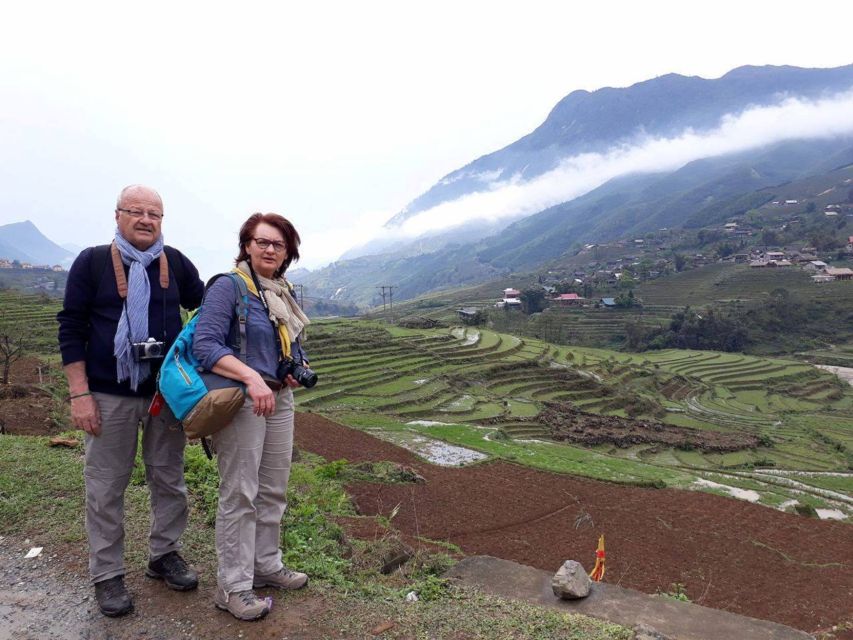
- Small group size (up to 11) means more time for questions and less waiting around
- Black Hmong villages like Y Linh Ho and Lao Chai give you a close look at daily life
- Craft activities (indigo dyeing, batik, hemp weaving) are practical, not just photo stops
- Ta Van homestops help you understand how weaving and rice work connect
- Local support on the trail is common, especially on muddy descents and narrow paths
- Not a loop: you walk out and take a comfortable bus back to Sapa
Why Muong Hoa Valley feels different from other Sapa hikes
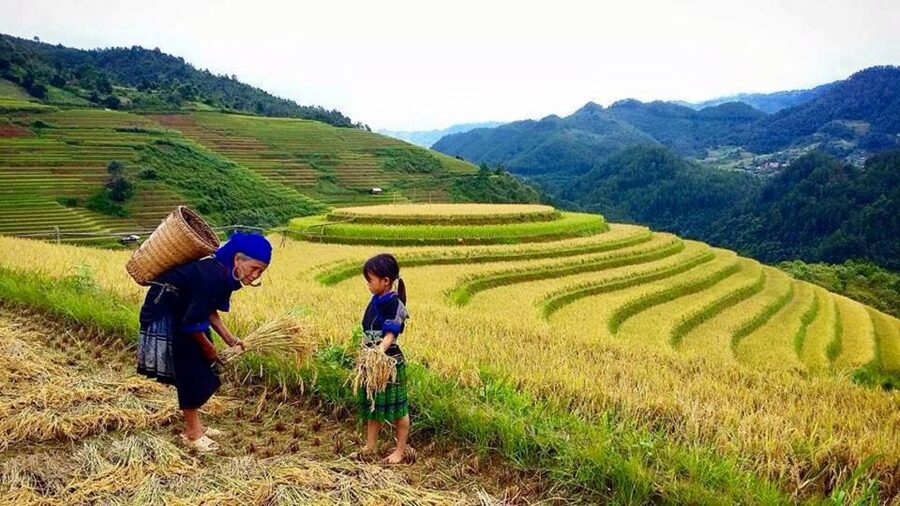
Sapa has plenty of scenic treks. What makes the Muong Hoa Valley route stand out is the way the views and village life happen in the same stretch of time.
You start with a road walk into Y Linh Ho, then move through Lao Chai and Ta Van, with terrace scenery never far away. You’re not just watching from a lookout. You’re meeting people, seeing how food and fabric get made, and getting a real sense of how the mountains shape everyday routines.
One more thing I appreciate: the day is long enough to feel like an outing, but short enough to fit into a tight Sapa schedule. At 6 hours, you still have energy left for a warm meal, a shower, and wandering around Sapa town afterward.
You can also read our reviews of more tours and experiences in Sa Pa.

The village route: Y Linh Ho to Lao Chai to Ta Van
This trek strings together several traditional communities, and each stop has its own flavor.
Y Linh Ho (Black Hmong) and the village-center feel
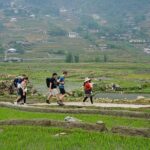
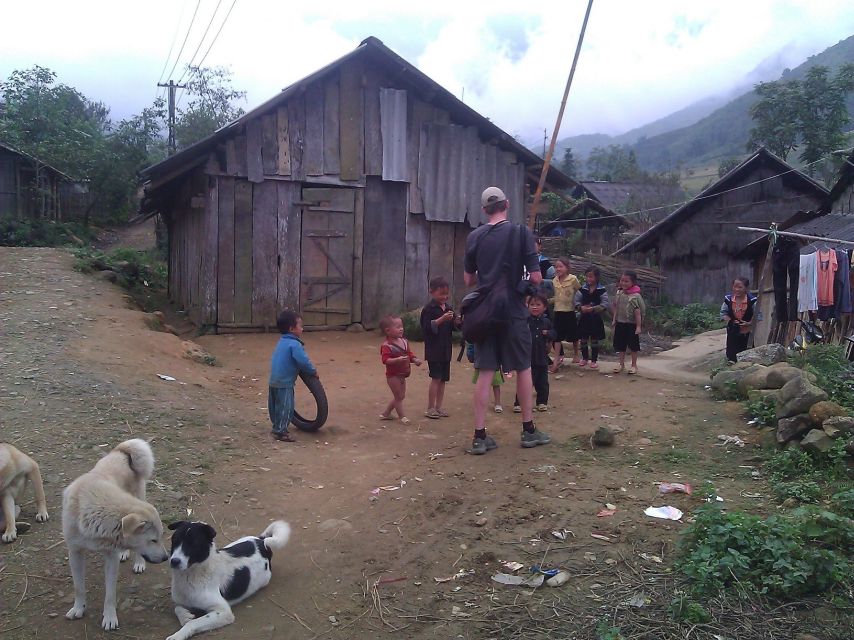
Your day kicks off with about a 20-minute walk along a scenic road that leads you to Y Linh Ho, home to the Black Hmong. Once there, you’ll have a chance to interact with locals and see the village center at work. That’s the real point here: you learn how people live, not just how they dress for tourists.
If you want cultural respect to be more than a slogan, this is where it starts. You’ll be close to families and children, so keep your phone away unless you have permission. One clear guideline: don’t take photos of children without their parents’ okay, and avoid touching kids’ heads.
Lao Chai and terrace panoramas
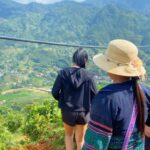
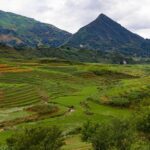
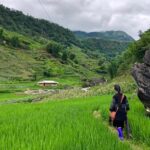
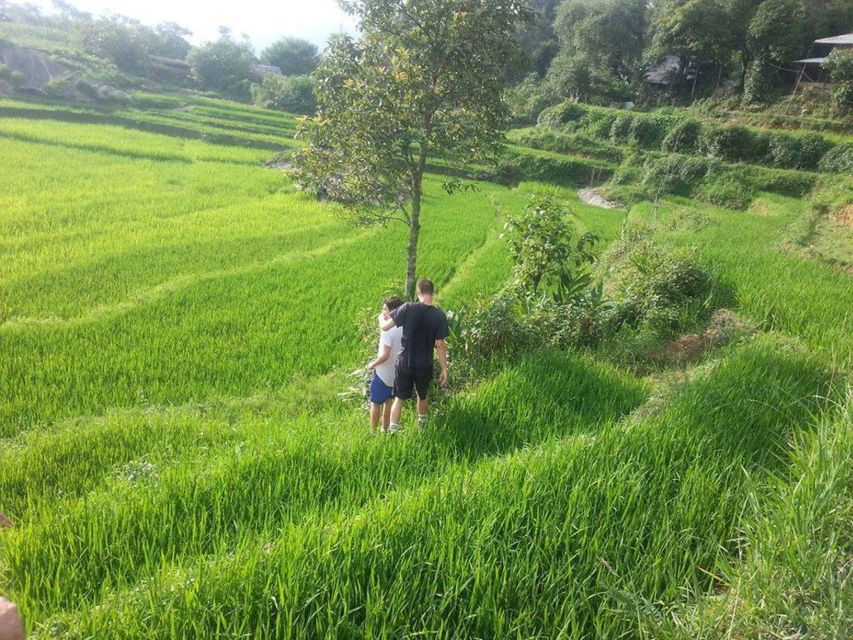
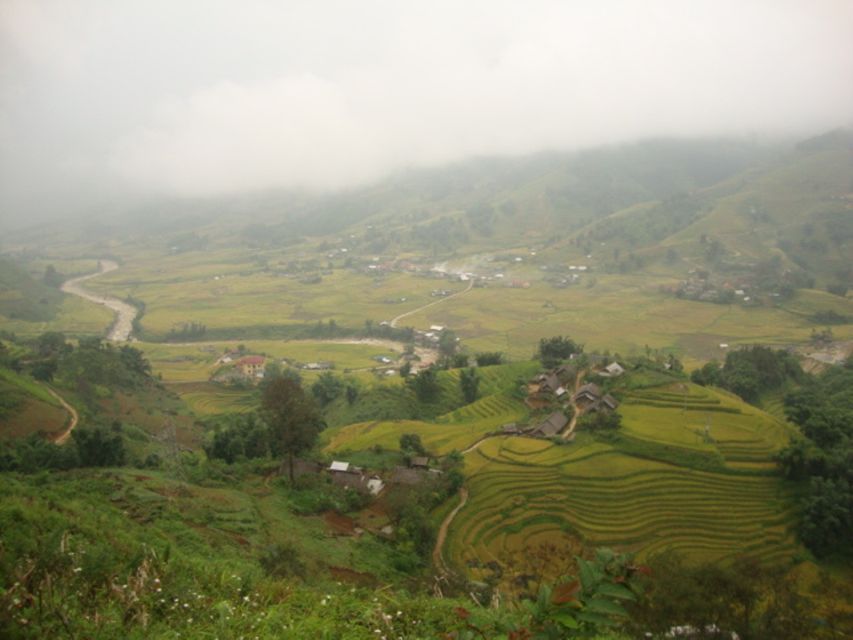
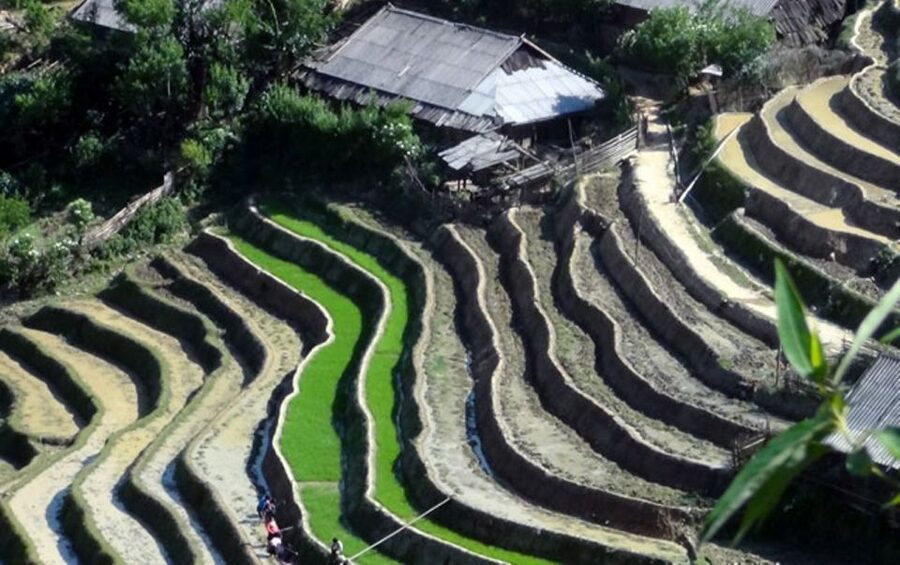
Next you reach Lao Chai, where the views open up in a way that’s hard to duplicate elsewhere in Vietnam. The terraced rice fields look layered and geometric, especially when the light hits them.
This is also where you’ll start connecting terrain to livelihood. Those terraces aren’t just pretty. They are how agriculture works on steep slopes, and the day’s craft stops help reinforce that link.
Ta Van: homes, weaving, and rice-cultivation reality
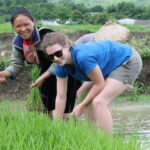
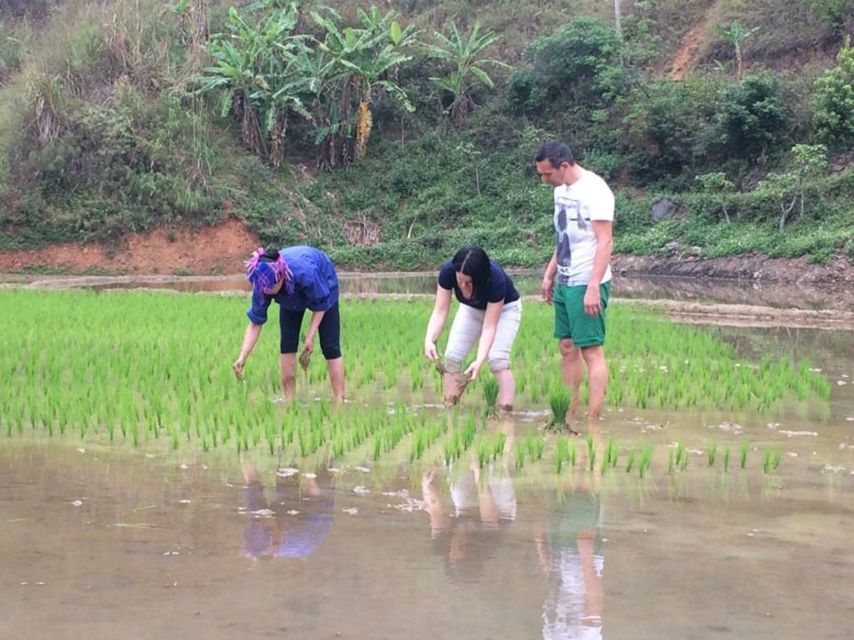
Later, you arrive in Ta Van, where visits to traditional local homes help you see how daily life is organized. Expect learning about crafts and farm life, including weaving and rice cultivation.
This part matters because it turns your attention from scenery to process. When you understand how something is made (fabric, dyes, food), your photos change. You start looking for details instead of only backgrounds.

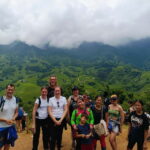
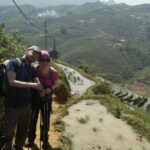

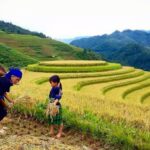
Craft stops you’ll actually remember: indigo, batik, and hemp
One reason this trek gets strong marks is that it doesn’t treat culture as a checkbox. You get hands-on exposure to what people make and how materials become finished products.
Indigo dyeing: where the colors come from
You’ll have the chance to experience indigo dyeing. The value here is not just seeing color—it’s understanding that dye is a step-by-step process tied to natural materials and local knowledge.
Batik and the patience factor
You’ll also see batik making. Even if you’re not doing every step yourself, watching how patterns form helps you grasp why textile work takes time. It’s a different kind of pace than trekking, and it makes the day feel balanced.
Hemp weaving: practical, not decorative
Finally, you’ll learn about hemp weaving. In mountain regions, materials and fibers aren’t abstract. They are useful for daily life, clothing, and household needs. That practical angle is why these craft stops land well.
A small heads-up: the day includes village interactions, and that often comes with product interest afterward. Many groups end the day with chances to buy handmade items. If you like supporting artisans, great. If you don’t want to feel pressure, keep things relaxed: you can politely browse and decide later.
Dzay tribe contrast: costumes, customs, and respectful questions
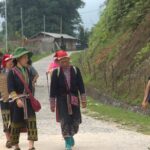
Another highlight is the chance to meet members of the Dzay tribe. You’ll notice contrasts quickly—especially in clothing styles and how people present themselves—because dress here is tied to identity.
What to do with that information: treat it like context, not spectacle. Ask questions gently, listen first, and remember that you’re walking into real life, not a staged performance.
This segment also helps explain why ethnic culture around Sapa is so diverse. Within the same valley system, you’re seeing different communities and different ways of making a living. That’s the kind of contrast that changes how you look at the region.
The trek itself: 10 km walking, steep bits, and mud reality
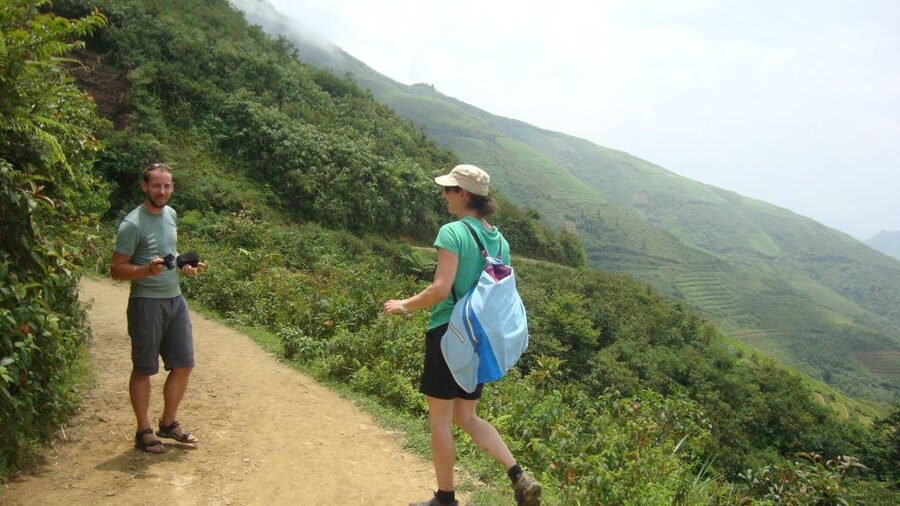
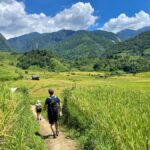
This is the part where I’ll be direct. You’re walking around 10 kilometers, and the terrain can feel slippery, especially in wet weather.
Some sections can be steep. Others are narrow dirt paths and uneven ground. A few routes may pass through areas with bamboo or along concrete/stone patches, but you can’t count on smooth footing.
What you should bring for real
The tour recommends trekking shoes, plus sunglasses, sun cream, and insect repellent. I’d treat shoes as non-negotiable. If you’ve ever had wet-day trekking turn into toe pain, you know why.
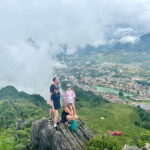
If the weather is damp, bring a little extra patience. Fog in winter mornings is also a possibility, so expect visibility to change.
Why local help matters on this route
A big part of the positive experience comes from local support—especially for people who need help descending slippery areas. On tough, muddy stretches, local guides and community members often help guests keep balance and avoid falls.
That support is part of the value of hiring a local-led route. You’re not only paying for a viewpoint. You’re paying for local experience managing trail conditions.
You’ll feel it, even if you’re fit
Even one group noting the trek was manageable still described it as more challenging than they first expected. Heat can make steep sections harder. Wet weather can turn small footing problems into bigger ones.
If you’re the kind of person who hates being uncomfortable, plan for that discomfort. Pack smart, keep a steady pace, and let your guide set the rhythm.
Lunch time: expect local food, and plan to pay
For the midday break, you’ll have the option to taste local specialties at a restaurant. The meal itself is not listed as included, so budget for lunch on the day.
Most people like the lunch experience because it’s eaten in a real local setting, not a tourist bubble. Still, don’t expect Michelin-level consistency. Think comfort food with regional ingredients, not perfection.
How to handle the shopping moment
Some lunches and village stops come with handmade item sales. In many cases, it’s normal: people are welcoming you, you’re walking through their spaces, and they want to earn from their work.
The key is your boundaries. You can buy what you love and skip what you don’t. If you get pressured, it’s okay to disengage politely and focus on rest and hydration.
Price and value: $18 for a cultural trek, plus what can add up
At $18 per person for about 6 hours, this trek can feel like a bargain, especially given what’s included: bus transportation, an English-speaking guide, entrance tickets to the indicated sites, and one 500 ml bottle of water.
But here’s the practical math you should do in your head:
- Food is not included (soft drinks and food are listed as not included), so you’ll pay for lunch and anything else you want to drink.
- There are surcharges during Lunar New Year. The listed examples are:
- 20 USD per person for 14 Feb 2025 to 21 Feb 2025 (pay directly on the trip)
- Another Lunar New Year example shows 30 USD per person for 9 Feb 2024 to 14 Feb 2024
- There can be an additional 20 USD per person surcharge for a French-speaking guide (pay directly on the trip).
So is $18 still good value? In my view, yes, if you want a structured day that mixes terraces + villages + craft experiences. A private hire or a taxi-only plan won’t give you the same cultural context for anywhere close to that price.
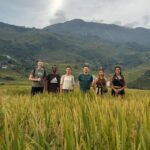
The other value signal is group size. With a maximum of 11 participants, you’re more likely to get attention and help on the trail.
Logistics that matter: pickup limits and the non-loop trek
This isn’t a full-day, round-trip foot tour that ends where it started. You walk through the valley and then take a bus back to Sapa, dropping you off at the tour office in the center.
Pickup is available from hotels in Sapa town only. If your hotel is outside that area, you may be directed to a meeting point.
One small travel lesson from the way the route is managed: arrive a little earlier than you think you need to. Mistimed pickups can turn the first part of the day into a rush. That’s not ideal when you want time to settle into the villages and terrain.
Who should book this trek, and who should skip it
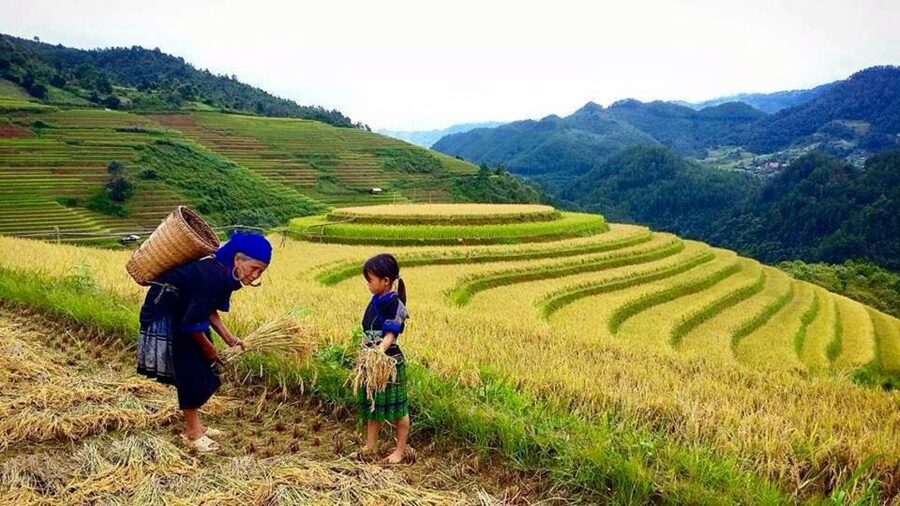
This is a great fit for people who want a cultural, active day without spending the whole day on the road. Many visitors also like that it can work even at middle age, as long as you’re comfortable with walking downhill and uneven paths.
Ideal for
- You want rice terrace scenery plus real village encounters
- You enjoy craft learning (indigo dyeing, batik, hemp weaving)
- You’re okay with walking on dirt paths and managing slippery sections
- You prefer a small group and an English-speaking guide
Skip it if
- You’re pregnant
- You have mobility impairments or use a wheelchair
- You’re traveling with children under 6
- You’re an older adult who isn’t confident on a challenging 10 km trek, especially in wet weather
If any of those apply, choose an easier alternative in the area. It’s not worth forcing the walk and spending the day worried about footing.
Should you book the Sa Pa 6-hour Muong Hoa trek with an ethnic guide?
Book it if you want more than photos. This route gives you terraced rice views plus a meaningful sequence of villages and craft experiences, and it does it with a small-group feel. The English guide and local community support are a big part of why the day feels smoother than many DIY attempts.
Don’t book it if you’re avoiding steep or slippery walking. Even with local help, the terrain can be demanding. If you’re unsure about your comfort level, it’s smarter to pick a shorter, easier option while you’re in Sapa.
If you go, go prepared. Bring proper shoes, drink water, respect the people you meet, and treat the craft stops as part of the story, not just entertainment.
FAQ
How long is the Muong Hoa Valley trek from Sa Pa?
The tour duration is about 6 hours.
What is included in the price?
The price includes bus transportation, an English-speaking guide, entrance tickets to indicated sites, and 1 bottle of 500 ml water per person.
Is lunch included?
Lunch is available at a local restaurant, but food is listed as not included, so you should plan on paying for lunch yourself.
How difficult is the trek?
The trek is challenging in wet weather and covers about 10 km. Senior citizens are advised not to do this trek, and it is not suitable for disabled people and children under 6 years old.
Which villages do you visit?
You visit Y Linh Ho (Black Hmong), Lao Chai, Ta Van, and you also meet members of the Dzay tribe.
Is there hotel pickup?
Pickup is available from hotels in Sa Pa town only. If your hotel is outside Sapa town, you may need to go to a meeting point.
Is an English-speaking guide provided?
Yes, the tour includes a live guide who speaks English.
Are there surcharges for special dates?
Yes. During Lunar New Year there is a surcharge. The listed examples are 20 USD per person (14 Feb 2025 to 21 Feb 2025) and 30 USD per person (9 Feb 2024 to 14 Feb 2024). There may also be an additional 20 USD per person surcharge for a French-speaking guide.
What should I bring?
Bring trekking shoes, sunglasses, sun cream, and insect repellent. Warm clothes are recommended between October and March.