REVIEW · SA PA
SAPA 1 DAY – Mountain Views And Villages Trek – Long Trek
Book on GetYourGuide →Operated by Cat ba memories · Bookable on GetYourGuide
Steep trails in Sapa are serious business, and this one pays off fast. Starting from town and heading up to Sa Seng mountain, you’ll work your way through Black Hmong villages like Hang Da and Hau Thao, with sweeping Muong Hoa valley views along the way.
I really like that this is a long day that doesn’t feel rushed. You spend meaningful time looking at real village life, from field work to house-building stories, and you get a traditional lunch in a local-family setting.
One thing to consider: this is not an easy stroll. Expect uneven paths, a hard uphill start, and a descent that can be tough on your knees, so bring proper footwear and go in with a decent fitness base.
In This Review
- Key things to know before you lace up
- The Hau Thao trek: why it feels more local than a quick tour
- The hike profile: uphill grind, steep descents, and the knee test
- Sa Seng mountain: Fansipan and Muong Hoa rice terraces in one view
- Hang Da village: Black Hmong culture, farm animals, and the quiet in-between
- Traditional lunch in a family-run setting: what to expect
- Hau Thao village: daily work, Hmong marriage traditions, and house-building
- Giang Ta Chai and the return: wrap-up before the ride back
- Price and value: why $24 can work (if you match the trekking style)
- Who should book this trek, and who should skip it
- Should you book the Sapa 1-day Hau Thao trek?
- FAQ
- How long is the Sapa Hau Thao mountain views and villages trek?
- Where does the tour start and where do you return?
- What route does the trek cover?
- About how far will I walk?
- Is lunch included?
- What cultural experiences are included at the villages?
- Do I need to pay extra for village entry?
- What group size is this tour?
- What should I bring with me?
- Is this trek suitable for everyone?
Key things to know before you lace up
- Hau Thao is the payoff village: real daily farming life, not just a quick photo stop
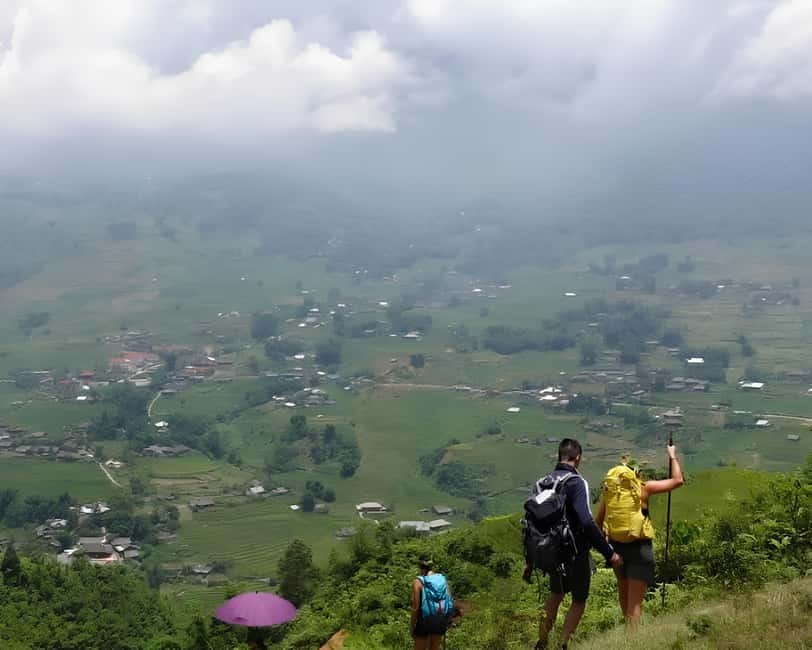
- Sa Seng viewpoint is the big reward: Fansipan (3,143m) and views over Sapa and Muong Hoa
- Long trek, small group: limited to 10 people, with a route around 12–14 km
- Black Hmong culture isn’t vague: you’ll hear about marriage traditions, rice work, and building methods
- You’ll see animals: buffaloes, plus other farm animals you can spot around the villages
- Lunch is part of the experience: a traditional meal at a family-run spot, not just a snack
The Hau Thao trek: why it feels more local than a quick tour
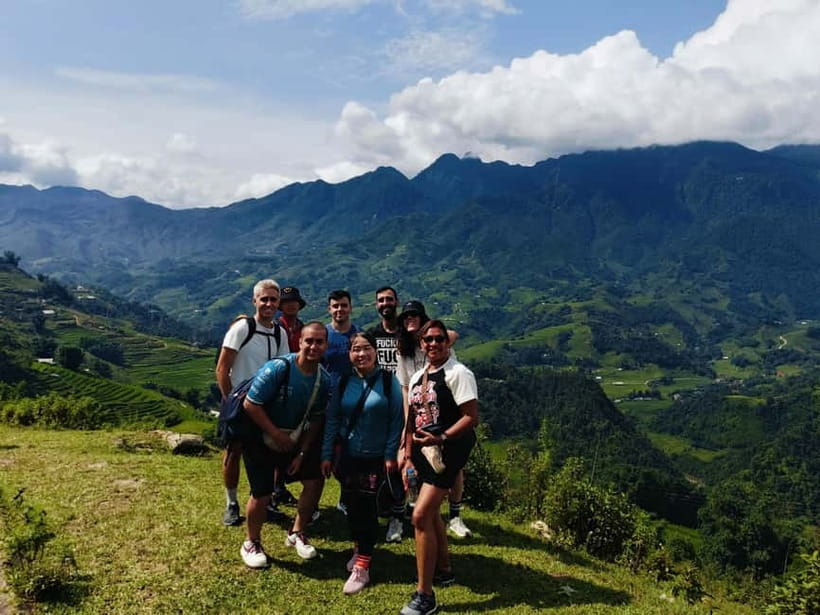
This trek is built around one idea: walk the paths people actually use, then slow down where village life is happening. The route climbs from Sapa up toward the highest village in the area (Hau Thao), then gradually descends through other settlements before ending back on the main road.
What makes it work for you is balance. You get big views up top, then you trade that scenery time for cultural time down in the villages. Even if you’ve been to Sapa before, this kind of long village trek usually feels more grounded than a half-day circuit.
And the guides matter here. On different departures, English-speaking guides like Zo, Su, Gao, Chili, and Mama Mao show up in the feedback, often praised for being funny, attentive, and clear about what you’re seeing on the trail.
You can also read our reviews of more tours and experiences in Sa Pa.

The hike profile: uphill grind, steep descents, and the knee test
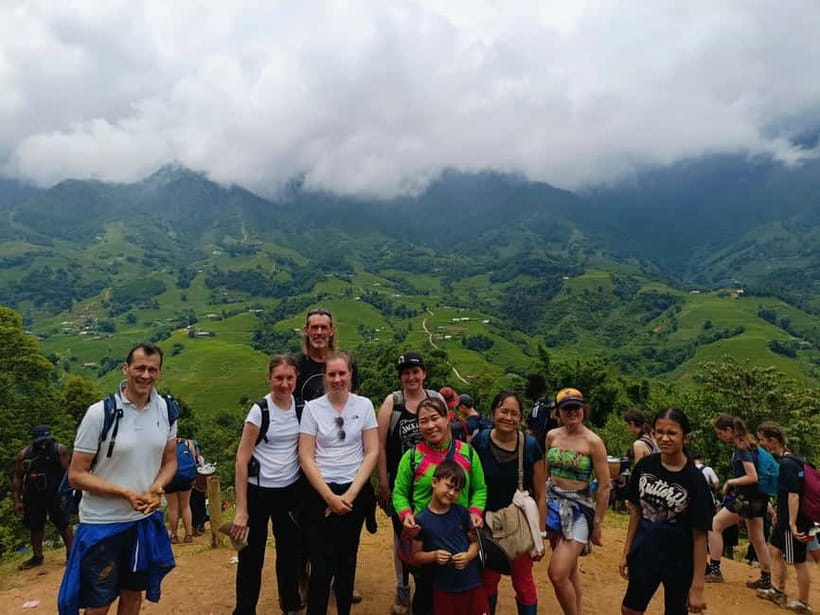
Plan for a real trek day, not a casual hike. The walking distance is listed at about 12–14 km, and the timing is long enough that you’ll feel the climb even if you’re fit.
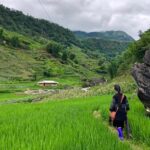
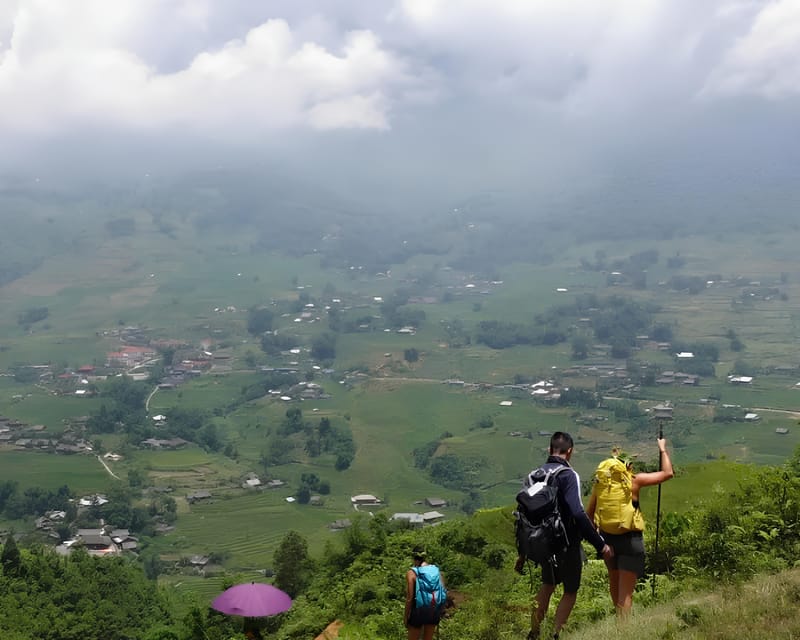
The day starts with a short uphill section on a trail, then you keep working until you reach Sa Seng mountain. From there, you’re mostly moving along slopes and down toward villages, which is great for views, but it means your knees do the heavy lifting on the descent.
A few practical tips from the reality of this route:
- Wear shoes with grip and good ankle support. This trek includes uneven ground.
- If it’s been rainy, expect muddy or slick patches on steeper sections.
- Bring a hat and sunglasses for the exposed uphill stretch, and keep water in mind even though you’ll get a small bottle included.
If you’ve had knee trouble in the past, or you just know you tap out on downhills, this is where you should be honest with yourself before booking.
Sa Seng mountain: Fansipan and Muong Hoa rice terraces in one view
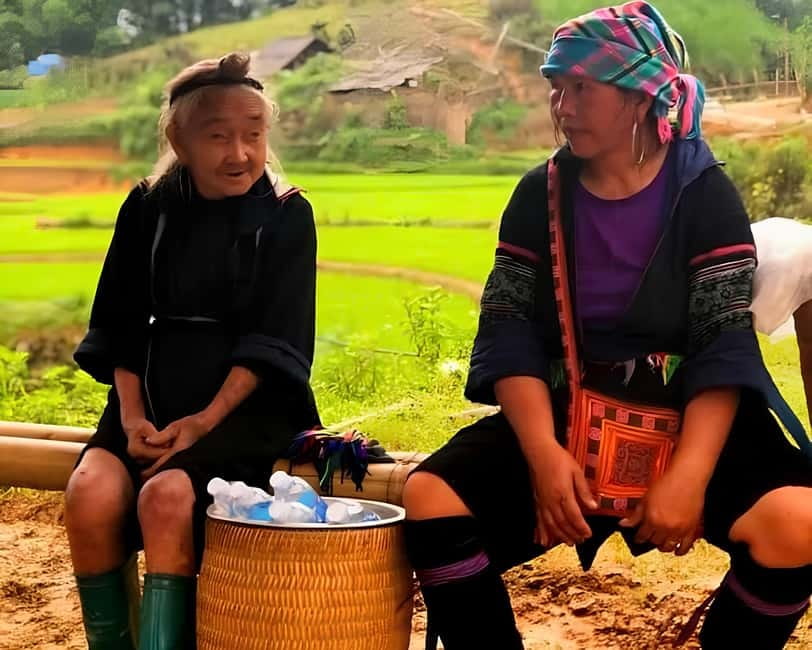
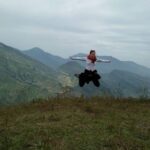
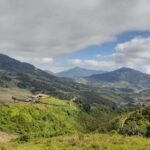
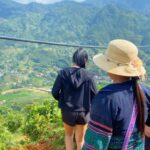
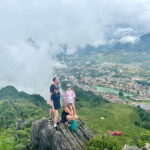
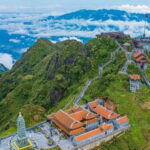
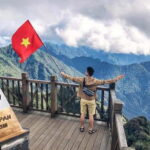
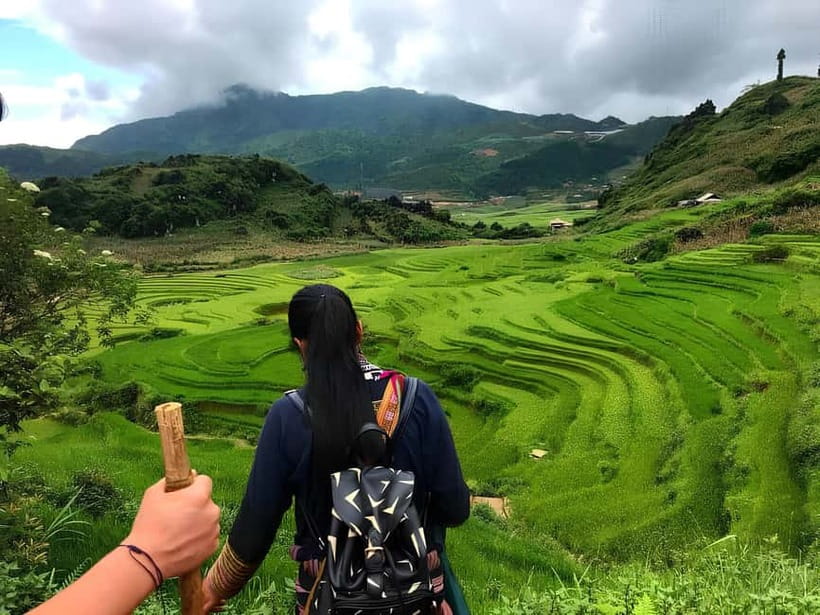
The first major moment comes after about an hour of uphill effort. You’ll reach Sa Seng mountain, where you get a panoramic look over Sapa town and the surrounding valleys, including the top of Fansipan at 3,143m.
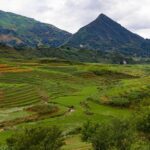
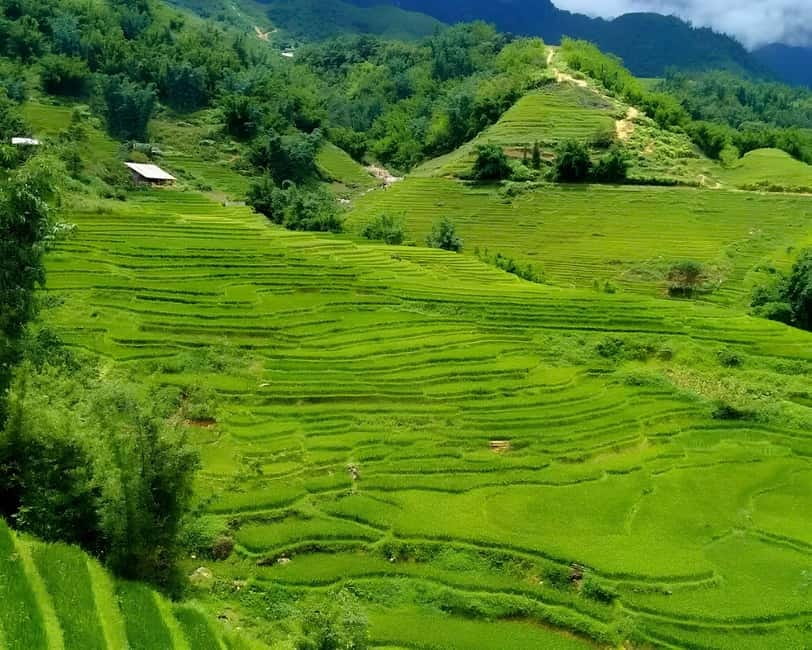
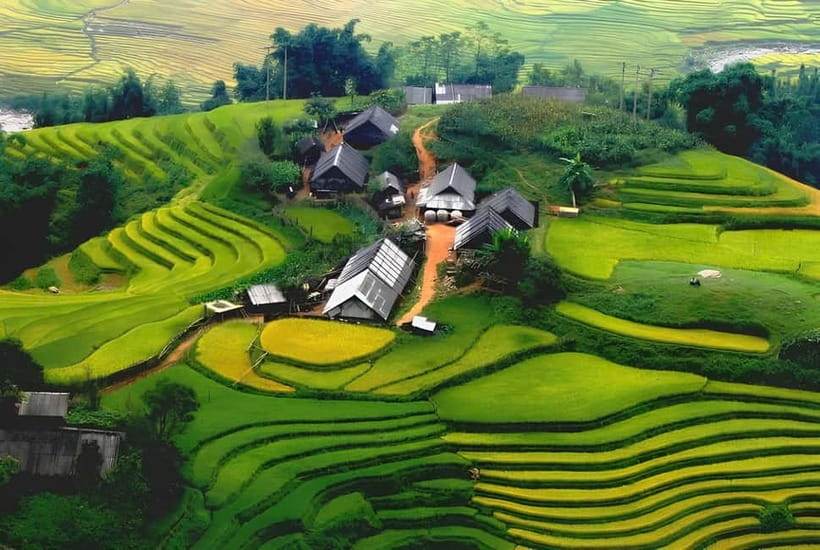
From up there, the Muong Hoa valley rice terrace fields look especially dramatic because you can see them layered across the slopes. This is one of those rare times in Sapa when the view teaches you something: the terraces are not just pretty from the bottom, they’re structured like a system, shaped by the terrain and worked by people.
After taking in the viewpoint, the trek doesn’t stop at photos. You continue along the mountainside, moving toward Hang Da, a Black Hmong village. That transition matters because it keeps the day flowing from spectacular views into everyday life.
Hang Da village: Black Hmong culture, farm animals, and the quiet in-between
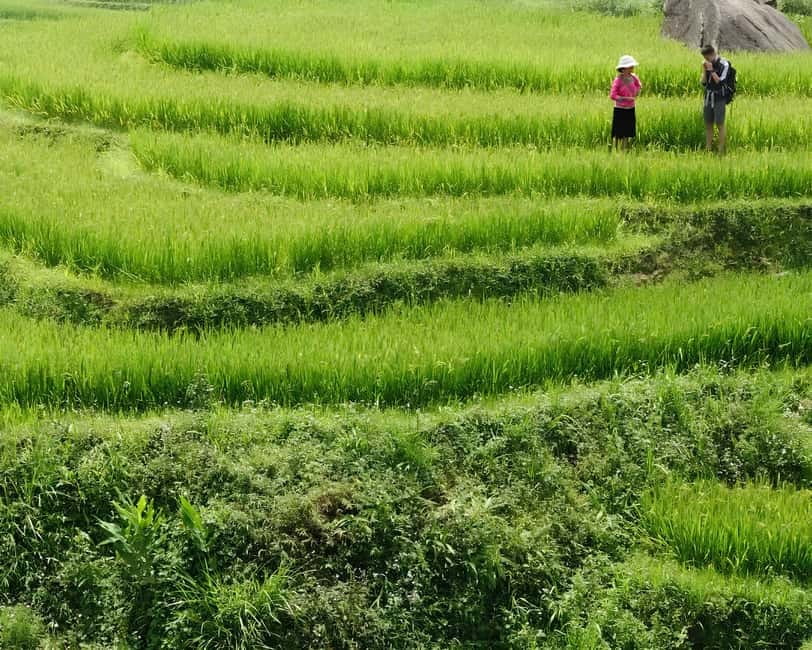
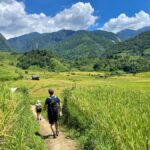
Hang Da is where the trek starts to shift from panorama mode into village mode. You’ll move downhill through the area, and your guide fills the gaps with context about the Black Hmong minority and what daily life looks like.
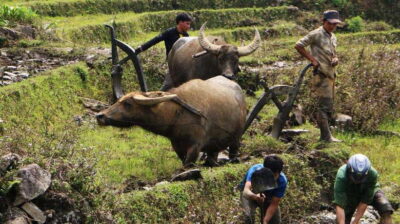
One of the simple joys here is that you’re not only looking at people’s homes. You may spot animals you’ll recognize as part of farm life: buffaloes, plus other animals like pigs, and additional livestock mentioned on the route. It’s a reminder that the villages are functional places, not just stages for visitors.
You’ll also notice how the trail weaves around life on the ground. That’s partly why this trek feels different from a ride-and-stop tour. You’re walking through working areas, and your pace forces you to pay attention.
Then comes lunch, which is a great gear change after a morning of climbing and village walking.
Traditional lunch in a family-run setting: what to expect
Lunch is included, and it happens at a small restaurant run by a local family. This is one of the reasons the day feels worth it even at the budget-friendly price.
The most important thing to know is the vibe: you’re eating in the rhythm of village hospitality. It’s not a fancy, scripted meal. It’s food that fits the day you’ve been working through, which is exactly what you want after several hours on foot.
Also, depending on conditions and the group pace, you might have an additional brief stop during the walk where people can pick up extra snacks or drinks on their own. If you like to sip something cold mid-trek, keep some cash aside.
The practical takeaway: don’t treat lunch like a restaurant break between attractions. Treat it like part of the experience, because you’re already in the local flow by the time you arrive.


Hau Thao village: daily work, Hmong marriage traditions, and house-building
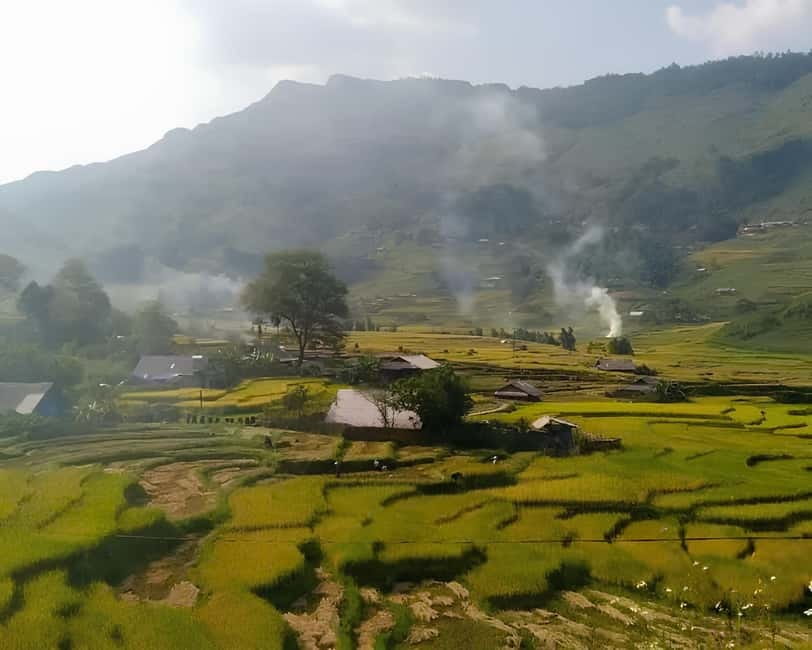
Hau Thao is the highlight village in this trek for a reason. It’s one of the highest villages in Sapa, and once you arrive you’ll see the local rhythm up close.
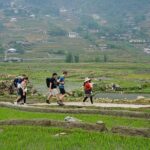
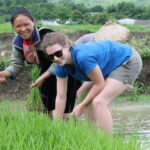
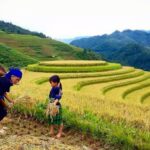
If timing lines up, you can watch people working in the fields, including rice-related labor like harvesting or planting. Even if you don’t catch a peak moment, the guide’s explanations make the scenes more meaningful, not just scenic.
Your guide also introduces Hmong marriage traditions, plus how rice field work fits into household life and how houses are built. This is where the trek becomes more than walking with a view. You start connecting what you see to why it exists in this mountain environment.
You’ll also get small moments that don’t show up in brochures. The best examples are how families organize chores around the slopes and how the village layout supports farming. The trail brings you to vantage points, but Hau Thao gives you the “how life works” view.
Giang Ta Chai and the return: wrap-up before the ride back
After spending time in Hau Thao, you walk toward Giang Ta Chai village. The transport is waiting on the main road, and you’ll head back to Sapa after that final village stretch.
This portion matters because it acts like a landing. Your legs have been working hard all day, so the last walking section helps you transition from exploration to recovery without a sudden stop.
If the day runs on a smooth schedule, you’ll be back around mid-afternoon. One detail worth planning for: 15:30 is listed as the walk time to Giang Ta Chai before you meet your ride, so you’ll likely be out of the hills before evening.
Price and value: why $24 can work (if you match the trekking style)
At about $24 per person, this trek is priced like a value-focused day tour. You’re not just paying for a guide and a ride. The package includes:
- An English-speaking guide (with Vietnamese too)
- Village entry fees
- Traditional lunch
- Transport back to Sapa
- A trekking stick
- A small bottle of water
- A small group limit (10 participants)
In plain terms, you’re paying to buy time and structure. You get someone to take you through the best viewpoint area, guide you between villages, and translate what you’re seeing so you’re not guessing.
Where you should be realistic is the effort. If you hate steep walking, you’ll feel like you paid for discomfort. But if you enjoy long hikes and want a day that actually teaches you something about Sapa beyond the town, the price-to-experience ratio can be a strong deal.
Who should book this trek, and who should skip it
This is a great choice if you:
- Want a full-day trek with real village time
- Like long walks more than quick photo stops
- Enjoy learning about how communities work, including Hmong traditions and rice field practices
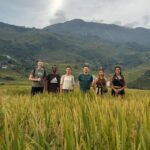
- Prefer small groups, since it’s limited to 10 participants
You should think twice if you:
- Struggle with steep descents or uneven ground (knees can feel it)
- Have mobility issues or heart-related concerns, or you can’t handle altitude sickness situations listed as not suitable for some travelers
- Travel with very young kids (not suitable under certain ages, including under 4 in the guidance)
- Are planning to use a wheelchair or need accessibility accommodations not supported for this activity
And one more tip: check your shoes and clothing. The provided packing list highlights sunglasses, hat, and cash, but the trail reality makes grip footwear and weather-ready layers a smart move.
Should you book the Sapa 1-day Hau Thao trek?
If you want a Sapa day that’s more about people and walking than about town sights, I’d book this. The combination of Sa Seng’s viewpoint, the Muong Hoa rice terrace views, and village-focused cultural explanations gives you two types of rewards in one day: scenery and understanding.
But if you’re fragile on downhills, or you’re hoping for a light walk, you’ll likely feel challenged. This is a long trek with rough terrain, so commit only if your body and expectations match.
If you do book it, show up ready: bring cash, wear grippy shoes, and talk with your guide if weather looks questionable. On some departures, guides offer choices about routes based on visibility, and that kind of flexibility can be the difference between a great day and a frustrating one.
FAQ
How long is the Sapa Hau Thao mountain views and villages trek?
The trek runs for about 8 hours total, with a long walking day through the villages.
Where does the tour start and where do you return?
Pickup is arranged at the lobby of Sapa View Spring Garden Hotel, and the activity ends back at the meeting point at the end of the day.
What route does the trek cover?
You’ll walk from Sapa toward Sa Seng mountain, then pass through Sa Seng areas and village stops including Hang Da and Hau Thao, and later walk toward Giang Ta Chai before transport returns you to Sapa.
About how far will I walk?
The trek distance is listed at about 12–14 km long, depending on the route and conditions.
Is lunch included?
Yes. Lunch is included, and it’s served at a small restaurant run by a local family.
What cultural experiences are included at the villages?
Your guide shares information about Hmong life, including marriage traditions, rice field work, and house-building techniques.
Do I need to pay extra for village entry?
No. Village entry fees are included.
What group size is this tour?
It’s a small group limited to 10 participants.
What should I bring with me?
Bring sunglasses and a sun hat, plus cash. A trekking stick is included in the tour.
Is this trek suitable for everyone?
It is not suitable for young children under the listed ages, people with mobility impairments, wheelchair users, and people with heart or kidney problems, among other listed limitations. It’s also not suitable for visually impaired people and some altitude-sickness situations.