REVIEW · SAPA
3-Day Trek in Amazing Muong Hoa Valley & ethnic Homestay
Book on Viator →Operated by Vietnam Nomad Trails · Bookable on Viator
One of the best ways to see Sapa’s valley life is on foot. This 3-day trek through Muong Hoa Valley mixes big rice-terrace views with real village encounters, with an English-speaking guide and homestay-style evenings built into the schedule. It’s also got a simple rhythm: morning start, village trail time, and time to slow down for photos and culture.
I especially like that the route focuses on specific communities along the way, including Hmong areas on Day 1 and Red Dzao villages on Days 2 and 3. You also get practical daily meals (breakfasts, lunches, dinners), which helps you spend your time hiking instead of hunting for food.
The one consideration: this is not a light stroll. You’ll need moderate fitness for long walking days (around 4 to 7 hours), plus you’ll want decent weather since the trek is weather-dependent.
In This Review
- Key highlights I’d circle before you book
- Why Muong Hoa Valley in 3 days makes sense
- Getting started in Sapa: meeting point and pickup rhythm
- Day 1: Lao Chai and the Hmong trail through Muong Hoa
- Day 2: bamboo forest trekking to Giang Ta Chai (Red Dzao)
- Day 3: Ban Ho sunrise and Nam Tong with the Red Dzao
- The homestay-style nights and why the included meals matter
- Pace, group size, and what your body needs to handle
- Price and value: is $109 fair for a guided 3-day valley walk?
- Packing and practical tips for a better trek day
- Weather reality: what to expect and how cancellation works
- Who this trek is best for (and who should skip it)
- Should you book this Muong Hoa Valley trek?
- FAQ
- How long is the trek, and what’s the daily walking time like?
- Where does the tour start and what time does it begin?
- What’s the maximum group size?
- What’s included in the $109 per person price?
- Are meals included during all three days?
- What happens if the weather is bad or I need to cancel?
Key highlights I’d circle before you book
- A small-group trek (up to 14 people) with an English-speaking guide, so you’re not lost in a crowd.
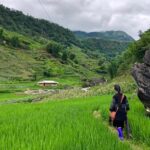
- Rice-terrace photo time built into the Muong Hoa Valley route, including standout viewpoints.
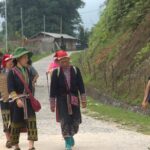
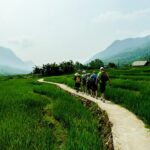
- Village-to-village walking that takes you through Hmong and Red Dzao areas across the 3 days.
- Homestay-style evenings with included dinners, which keeps the experience grounded and efficient.
- A sunrise morning in Ban Ho Valley for early light and a change of pace.
- Guide-led storytelling, and the name Lang shows up as a favorite in past groups.
Why Muong Hoa Valley in 3 days makes sense
Muong Hoa Valley is one of those places where a quick bus ride gives you partial views, but a guided trek gives you the real rhythm. In three days, you don’t just pass through. You move village to village, with trail time that lets you see how terraces, fields, and homes fit together.
This tour also has good structure. You start in Sapa around late morning, then you spend the day hiking with scheduled meals. That means you can plan your energy. You’ll know when food happens, when you’ll get breaks, and when the day ends.
The price is $109 per person, and it’s not just paying for walking. You’re also paying for the guide, the English support, and the included meals across multiple days, plus transport by air-conditioned vehicle. If you add up guide-led time plus food, it’s a straightforward value proposition for a small-group valley trek.
Getting started in Sapa: meeting point and pickup rhythm
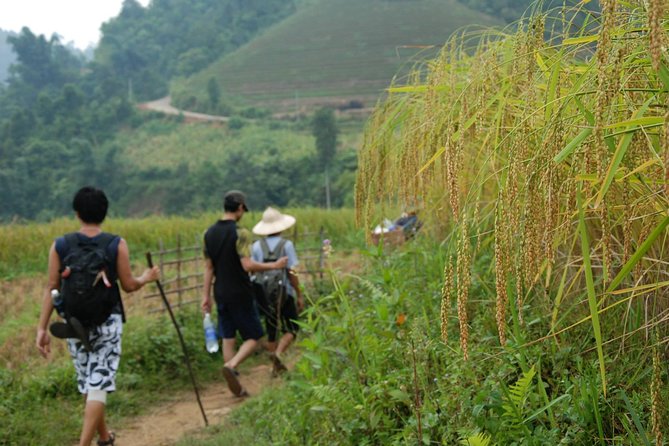
The activity starts back at Sapa, with the meeting point listed at 15 Tuệ Tĩnh, Việt Nam, Sa Pa, Lào Cai, Vietnam. The start time is shown as 9:00 am, and the Day 1 plan also notes hotel pickup in Sapa Town around 9:15 AM.
That small window matters. If you’re staying outside the town center, give yourself some buffer so you’re not sprinting at 8:59 am. The good news is the meeting point is described as near public transportation, so you’re not completely stuck if you need to reposition.
Also, you’ll get a mobile ticket, which keeps the whole thing low-friction when you’re in Vietnam and don’t want to fuss with printed paperwork.
Day 1: Lao Chai and the Hmong trail through Muong Hoa
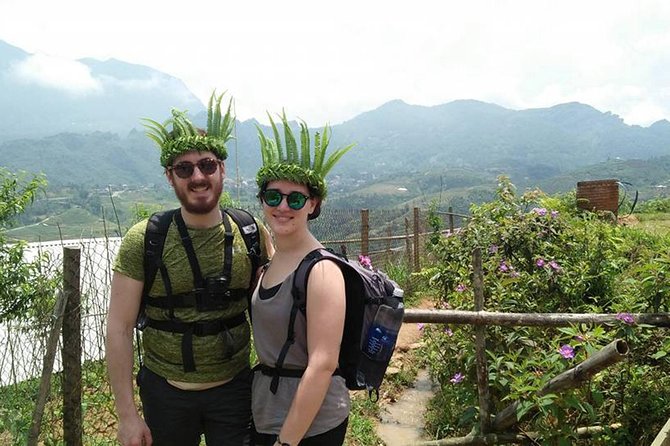
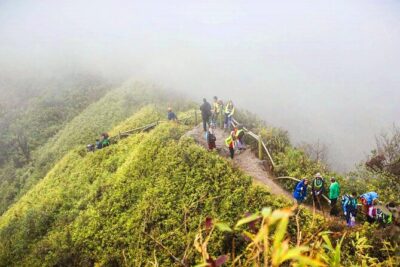
Day 1 begins with movement out of Sapa toward Muong Hoa Valley, with you heading toward Lao Chai, an area inhabited by the Hmong ethnic minority. The route is described as trekking through the Y Li area before reaching Lao Chai.
What makes Day 1 appealing is that it sets your visual baseline. You’re not starting with the hardest steep climb of the trip right away. You ease into the valley feel with terraces, paths, and first contact moments with village life.
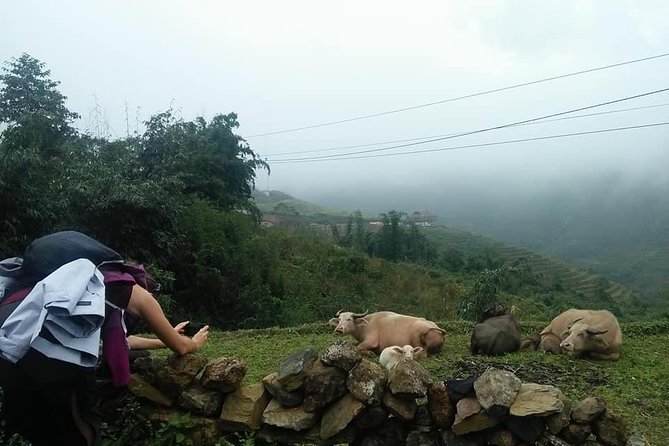
This is also where your photo instincts start working best. You’ll spend enough time outdoors that terraces and fields show up repeatedly as the trail bends. If you’re the type who likes to capture detail shots (walls, steps, pathways, the way the fields layer), Day 1 gives you plenty of chances.
One more practical note: group sizes can include people doing different trek lengths within the same overall outing. A past review mentioned a group where some members were on one-day and two-day options alongside the main trek plan. The takeaway for you is simple: you might see a mixed group dynamic, so don’t worry if the timing or pace discussion feels varied at first.
Day 2: bamboo forest trekking to Giang Ta Chai (Red Dzao)
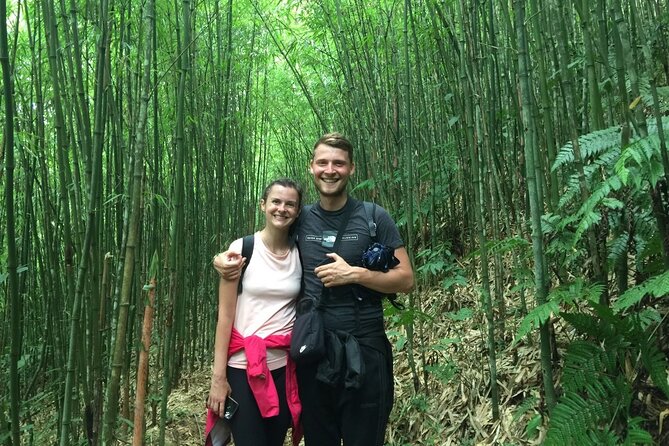
After the included breakfast, Day 2 starts with leaving Ta Van village and trekking through a bamboo forest. The walk continues to Giang Ta Chai village, where people from the Red Dzao ethnic minority live.
Day 2 often feels like the most scenic change of texture. A bamboo forest gives you a different kind of shade and rhythm than open terrace paths. The canopy makes the trail feel cooler and slower, and it’s a nice break from the more exposed valley angles.
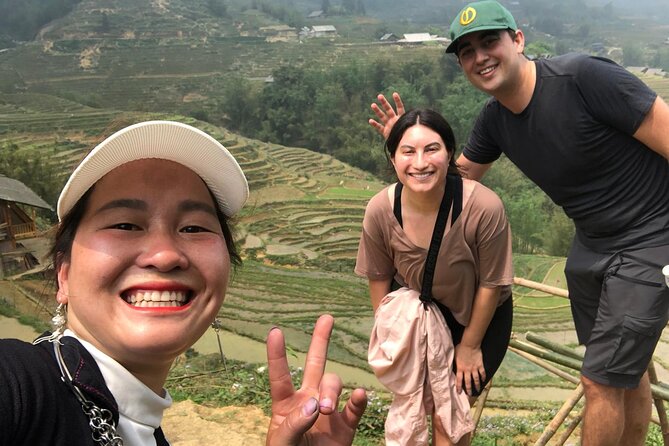
When you reach Giang Ta Chai, you’re shifting from the nature focus into community focus. The tour is designed to let you meet ethnic minority people and learn about customs and culture, and Day 2 is one of the clear “culture anchor” days.
Because you’re hiking about 7 hours on Day 2 (based on the duration listed for the day), this is also the day to keep your hydration and energy steady. If your legs are the type to tighten up mid-day, Day 2 is where you prevent that by pacing yourself early, not when you’re already tired.
Day 3: Ban Ho sunrise and Nam Tong with the Red Dzao
Day 3 is shorter on paper (about 4 hours), but it’s not a throwaway day. It starts with an early sunrise in Ban Ho Valley, then a short trek to Nam Tong village, home to the Red Dzao tribe. The plan finishes by returning to Ban Ho village for lunch.
The sunrise piece is what makes this feel like more than a typical “walk and eat” itinerary. Early light changes how terraces and ridgelines look. Even if your phone battery is at 12% (it happens), you’ll feel why morning is worth it.
Then you get the cultural payoff. Nam Tong is where the Red Dzao connection continues, and the tour format keeps time for learning about traditions and daily life. This is also the day where your previous two days of hiking helps you slow down and pay attention. After walking into the valley twice, you start noticing small things: how people organize paths, where the views open, and how the terraces frame the village.
Lunch back in Ban Ho closes the loop nicely. You get the final meal included, and you return back to the meeting point as the tour ends.
The homestay-style nights and why the included meals matter
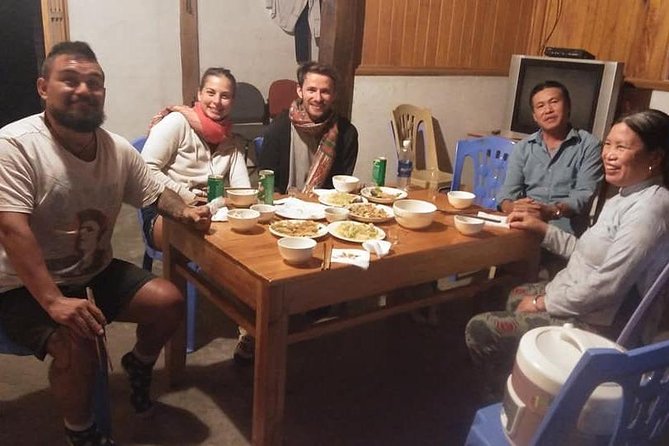
This experience is built around ethnic homestay nights, and the meal plan suggests you’ll be well-fed across the trip. You’ll have:
- Breakfast (2)
- Lunch (3)
- Dinner (2)
That’s a big deal in Sapa trekking tours. When meals are included, you’re less likely to waste time negotiating or searching once you’re tired and muddy (yes, it happens). It also means your guide can plan your day around food and rest, not just around walking time.
Dinner being included twice also means you’re not constantly making choices at night. In a homestay context, that usually helps you get more out of the evening because you’re not rushing back out for food.
Still, manage expectations. Homestays are different from hotels. You should plan for simple comfort and be ready to adapt to basic setups. The good side is that it keeps the experience human, close to daily life rather than a purely “tour bus + viewpoint” format.
Pace, group size, and what your body needs to handle
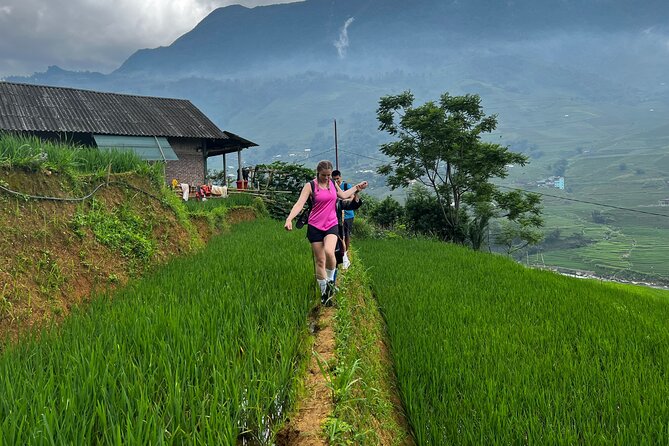
The tour says it’s for people with moderate physical fitness. And the walking times listed across the days (about 6 hours, 7 hours, and 4 hours) give you a clear picture: you’ll be active, but this isn’t a technical mountaineering challenge.
The route is also capped at a maximum of 14 travelers. That smaller limit matters because you’re less likely to be separated from your group for long stretches, and the guide can keep eyes on everyone.
What I’d watch for is footwear and foot confidence. Trekking in the Sapa region usually means uneven ground and possible slick patches depending on recent weather. You don’t want shoes that work great for city sidewalks but fight you on dirt paths. Bring footwear you already trust.
If you’re unsure, think about your last hike where you walked 4 to 7 hours. If you felt okay managing that length, you’re likely in the right zone for this trek.
Price and value: is $109 fair for a guided 3-day valley walk?
At $109 per person, the price feels reasonable because it includes:
- Air-conditioned vehicle
- English-speaking tour guide
- Meals: 2 breakfasts, 3 lunches, 2 dinners
- The homestay-style component
- Admission is free for listed ticket items
- Group discounts (and the booking system supports mobile tickets)
This isn’t the cheapest way to see Muong Hoa Valley, but it’s also not trying to be a budget “just transport me” deal. You’re paying for guide time across multiple days, plus meals and planned cultural stops. For many people, that’s what turns a trek from exhausting to doable.
What’s not included is travel insurance and personal expenses. That’s standard, but it’s still worth noting: trekking in hills means accidents can happen. Insurance won’t prevent sore calves, but it can protect your budget if something goes wrong.
Packing and practical tips for a better trek day
The provided info doesn’t list a packing list, so I’ll stick to the essentials you should assume for a Sapa valley trek.
- Wear layers. Mornings around sunrise can feel cool, then you warm up as you walk.
- Pack a rain layer. The tour requires good weather, and conditions can shift fast.
- Bring water and snacks if you personally like extra calories. The tour includes meals, but you’ll still want something for those moments between lunch and the next break.
- Use footwear with grip. Paths can be uneven; loose rock and damp soil happen.
Also, since the route is photo-friendly, plan for that. If you like photos, you’ll end up stopping more often. That’s not a problem, but it does mean slower pacing, so keep your energy steady and don’t sprint off at every viewpoint.
Weather reality: what to expect and how cancellation works
This experience requires good weather. If weather is too poor, you’ll be offered a different date or a full refund.
You can cancel for free up to 24 hours in advance of the experience start time for a full refund. If you cancel less than 24 hours before, the paid amount isn’t refunded. Changes within 24 hours aren’t accepted.
There’s also a minimum number of travelers requirement. If the minimum isn’t met, they’ll reschedule you or offer a different experience or refund. This is common for smaller-group trekking, and it’s one reason I always recommend booking with enough time to adjust your plans.
Who this trek is best for (and who should skip it)
This 3-day trek works well if you want more than a quick scenic walk. You’ll get walking time, included meals, village visits, and a sunrise moment in Ban Ho Valley.
It’s especially a good fit if:
- you’re comfortable walking 4 to 7 hours a day
- you like seeing how different ethnic communities live and what daily customs look like
- you want homestay-style evenings rather than only hotel stays
- you want an English-speaking guide to help you connect the dots
You might want a different option if you have limited mobility or if moderate trekking days feel like a stretch. The good news is you’re not signing up for a technical challenge, but it’s still active time in the hills.
Should you book this Muong Hoa Valley trek?
If you’re choosing between a simple day tour and a longer trek, I’d lean toward this one. Three days is the sweet spot where you get to go beyond one viewpoint and actually experience village routes, including Hmong and Red Dzao areas, with a sunrise that adds real payoff.
The big strengths are clear: a high satisfaction score (5/5 from 49 reviews) and 100% recommendation, plus the combination of rice-terrace photo time and structured cultural village stops. The guided format also makes the trek easier to manage, especially with an English-speaking guide and included meals.
Book it if you want a true valley walking experience with homestay-style nights, and you can handle moderate daily hiking. If you’re picky about comfort or you don’t do well with early mornings or long walking days, consider a shorter, lower-impact option instead.
FAQ
How long is the trek, and what’s the daily walking time like?
The trek runs for 3 days (approx.). The listed walking durations are about 6 hours on Day 1, 7 hours on Day 2, and 4 hours on Day 3.
Where does the tour start and what time does it begin?
The meeting point is listed at 15 Tuệ Tĩnh, Sa Pa, Lào Cai, Vietnam. Start time is shown as 9:00 am, and Day 1 includes pickup from Sapa Town hotels around 9:15 AM.
What’s the maximum group size?
This tour/activity has a maximum of 14 travelers.
What’s included in the $109 per person price?
Included are an air-conditioned vehicle, an English-speaking tour guide, and meals: 2 breakfasts, 3 lunches, and 2 dinners.
Are meals included during all three days?
Yes. The schedule includes 2 breakfasts, 3 lunches, and 2 dinners across the 3 days.
What happens if the weather is bad or I need to cancel?
The tour requires good weather. If it’s canceled due to poor weather, you’ll be offered a different date or a full refund. You can cancel for free up to 24 hours in advance for a full refund.