REVIEW · SAPA
Trekking Through Rice Terraced Fields – 1Day
Book on Viator →Operated by Trekking Tour Sapa · Bookable on Viator
Rice terraces hit different when you hike them. This one-day trek around Sapa takes you through villages of the Hmong, Giay, and Red Dao communities, with real mountain valley views and a local guide doing the translating. I really like the small-group size and the rice-terrace scenery that changes at every turn, especially when you’re walking with guides like Chu or Sang who explain what you’re seeing along the way.
One thing to plan for: the hike can feel steep and long, with some routes described as around a 12 km climb. If you’re not used to uphill walking, or if rain makes the trail slick, you’ll want grippy shoes and a calm pace.
In This Review
- Key things to know before you go
- Rice terraces and hill-tribe villages: what this day trek delivers
- Price and time: is $45 a good value?
- The route, in plain English: Y Linh Ho, Lao Chai, Ta Van
- Stop 1: Y Linh Ho village and your morning pace
- Stop 2: Lao Chải and Black Hmong life in the valley
- Stop 3: Ta Van and Giay community conversation
- The cultural lessons that matter (and where to ask)
- Included lunch and water: good energy for a long walk
- Fitness, footwear, and weather: the stuff that decides comfort
- Small groups and guide quality: why it changes the whole day
- Transport and getting back to Sapa without stress
- How to prepare so the day feels easier
- Should you book this trek?
- FAQ
- FAQ
- How long is the Trekking Through Rice Terraced Fields 1Day tour?
- What’s the starting time?
- Is pickup included?
- What’s included in the price?
- What physical condition do I need?
- Can I cancel for a full refund?
Key things to know before you go
- Small groups (up to 15) keep the walk friendly and the guide’s attention focused.
- Morning start around 9:30am means you’re moving while the valley is fresh and photogenic.
- Three village areas (Y Linh Ho, Lao Chai, Ta Van) give you variety in both scenery and daily life.
- Culture lessons on Hmong life include farming, house building basics, and Hmong marriage traditions.
- Lunch is included with local food plus a vegetarian option, not just a snack.
- Expect muddy spots in wet conditions and bring footwear with real grip.
Rice terraces and hill-tribe villages: what this day trek delivers
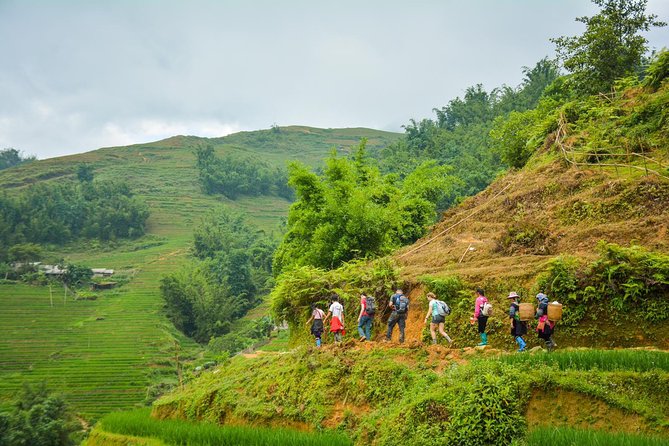
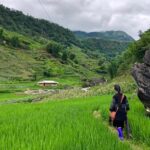
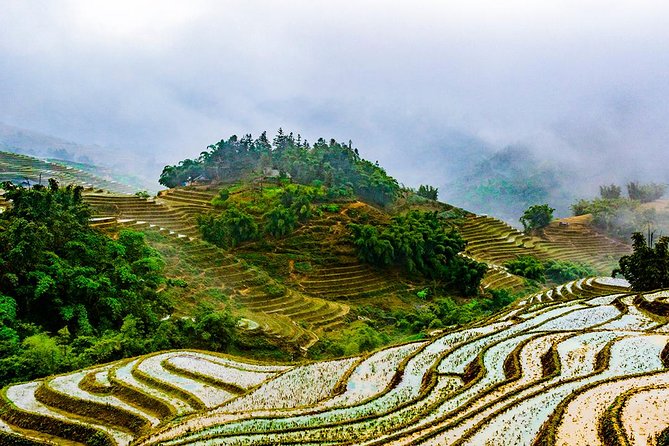
Sapa is famous for its views, but this trek is more about your feet finding the rhythm. You’ll walk through rice terraces and down-and-up village paths where daily life is the main event. The goal isn’t a bus tour of postcards. It’s a human-scale walk where you can actually talk to your guide, ask questions, and connect the scenery to how people live here.
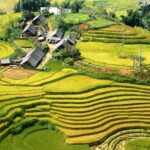
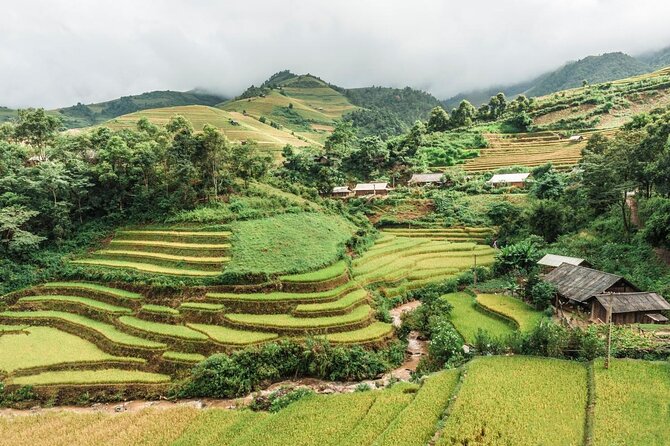
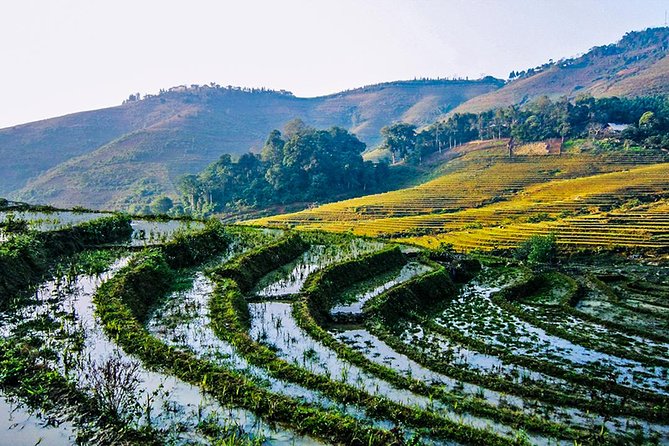
What I like most is how the walk mixes mountain scenery with village details you can’t really get from a viewpoint. You’ll see valley angles, river and settlement edges, and the terraced fields that make Sapa feel both dramatic and practical. And because the tour runs with a local guide, the information tends to land in the places you can see: farming patterns, work, and the way houses are built.
Price and time: is $45 a good value?
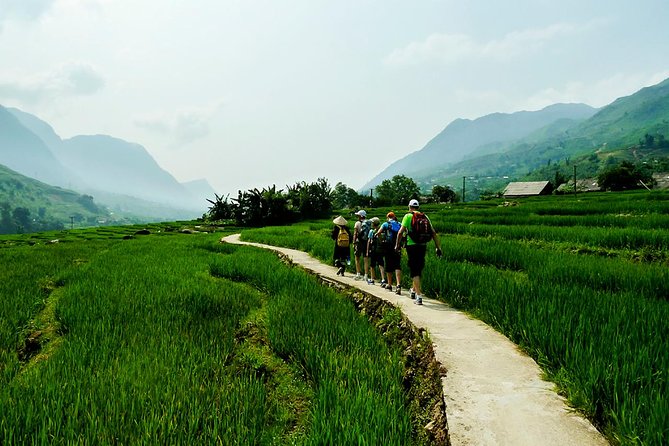
At $45 per person for a 5 to 6 hour trek, this sits in the practical middle. It’s not a short “coffee-and-a-walk.” You’re paying for a trained local guide, village entry fees, lunch, water, and transport back to Sapa.
Here’s how I think about the value. If you want rice terraces, village visits, and a guide who can explain daily life while you walk, this is a fair package. If you’re expecting a light stroll where every minute is packed with detailed storytelling, you may feel slightly disappointed, since at least one guide experience noted less explanation unless questions were asked. The upside is easy: ask early and keep the questions coming.
Also note the tour includes bottled water (one small bottle per person) and lunch. You’ll still want money for extra drinks, since those aren’t included.
The route, in plain English: Y Linh Ho, Lao Chai, Ta Van
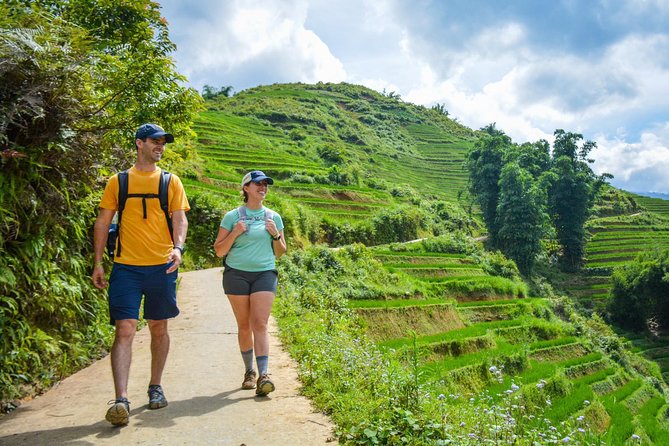
This is a point-to-point feeling day. You start in Sapa, then move through multiple village areas, and you end back in Sapa with return transport.
The names matter because each stop reflects a different community and a different slice of the terraced valley:
- Y Linh Ho sets the stage with early village atmosphere and mountain views.
- Lao Chải brings you into a Black Hmong community area.
- Ta Van is where you meet the Giay community side, and you’ll get help understanding how groups in the region differ in daily life and traditions.
The tour schedule keeps things moving, so you’re not stuck in one place all day. That variety is part of the payoff. You’ll walk, you’ll look, and you’ll learn in short bursts instead of one long lecture.
Stop 1: Y Linh Ho village and your morning pace
You’ll get picked up in Sapa Town or meet at the church area, then head out with your guide. The early walk starts with a village-to-valley feel: you move away from the road, and the views start opening up as you go.
Y Linh Ho is a good first stop because it helps you understand the terrain you’ll be walking on later. This is where rice terraces start to make sense as something more than scenery. You see the way fields fit the slope and how paths connect households to fields and work areas.
One practical tip from how people describe this day: the terrain can turn from “nice walk” to “real uphill” without much warning. Start steady. Let your breathing set the pace.
Stop 2: Lao Chải and Black Hmong life in the valley
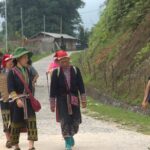
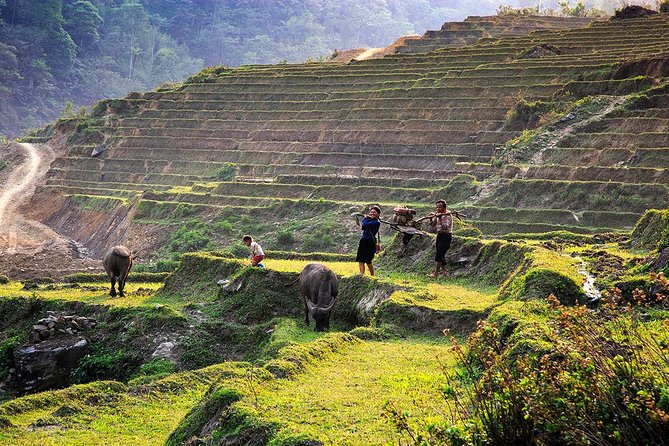
After a break, you move onward to Lao Chải, a village area linked with the Black Hmong community. This is where daily rhythms become more visible: where people work, how families live on the slope, and how terrace farming supports village life.
This stop tends to be a favorite because you get more of the classic Sapa walking scenes: terraced green bands, narrow paths, and houses set against mountain angles. The best part is when your guide can connect what you see with how people farm and build homes.
If you care specifically about rice cultivation details, don’t wait for it to happen automatically. One experience described a lack of explanation, so it’s smart to ask directly: How do people manage the terraces? What changes through the seasons? What tasks happen today versus later?
Stop 3: Ta Van and Giay community conversation
You’ll continue trekking to Ta Van, where you meet the Giay community side. This is where the tour helps you understand differences among the local ethnic groups, not just by name, but by how daily life and traditions show up on the ground.
Ta Van often feels like the emotional end of the walk. By now you’ve built context in Y Linh Ho and Lao Chải, so Ta Van’s cultural comparisons land better. You’ll also likely have a moment to ask follow-up questions before you head toward the vehicle that returns you to Sapa.
The cultural lessons that matter (and where to ask)
This tour is built around learning about culture and traditions, especially Hmong life. The descriptions you’re given before you go highlight topics like:
- Hmong marriage traditions
- rice fields and work routines
- house building techniques (basic, practical explanations)
- how ethnic communities differ in daily life
Those topics are useful because they turn the walk into more than exercise. You’re not just counting steps. You’re seeing how people adapt to slope living, seasonal farming, and community traditions.
The balance to keep in mind: not every guide style will hit the same way for every person. In one experience, the guide was friendly but didn’t provide much detail unless asked. Your best move is simple: ask questions early, and if you want more specifics, ask for them directly. Most good guides can tailor their explanations once they know what you care about.
Included lunch and water: good energy for a long walk
Lunch is included, with local foods and both meat/vegetable options and a vegetarian option. That matters on a trek like this. You’re walking for hours, and you want real fuel, not a token meal.
You also get a small bottled water per person. If you’re the type who sips often, it’s smart to plan for the fact that the water you get is limited. Extra drinks at the restaurant cost extra, and tips are not included.
A couple of experiences mentioned that the food could be hit-or-miss. My advice: treat lunch as part of the day, not a reason to judge the entire tour. The bigger value here is the guide talk and the walking through terrace and village zones.
Fitness, footwear, and weather: the stuff that decides comfort
The tour is listed for travelers with moderate physical fitness. That’s honest, but it doesn’t mean it’s effortless. Several experiences describe a long and sometimes difficult route, including a mention of a 12 km uphill climb. Another day included a longer walk when guests chose to continue to a homestay, pushing distance further.
So here’s how to judge it for yourself:
- If you’re comfortable with uphill walking for hours, you should do fine.
- If your fitness is low, the slope plus slippery ground can be hard.
- If you have mobility issues, this is likely not the best choice.
Footwear is the big one. In wet or muddy conditions, the trail can be slippery. Bring shoes with real grip. Not fashion shoes. Shoes you trust when the ground turns to mud.
Also, mornings can start cool, and afternoons can warm up. Dress in layers so you can shed as you climb and add as you descend.
Small groups and guide quality: why it changes the whole day
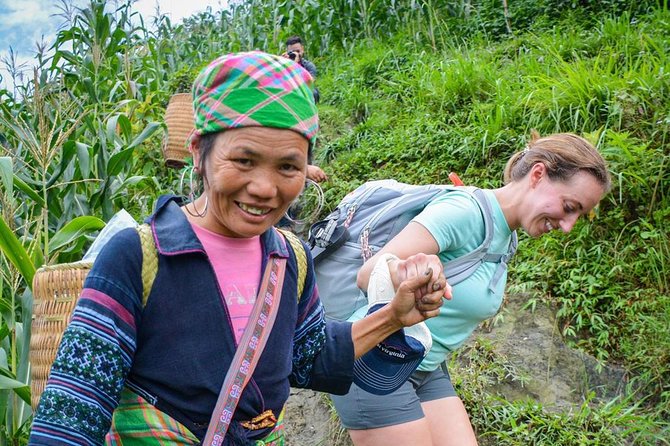
This tour caps at 15 travelers, and that changes the feel. You’re not fighting for space or waiting on a crowd. It’s easier to hear your guide and ask questions without feeling rushed.
Guide quality is a consistent theme in the experiences shared. Names you may encounter include Chu, Sang, Vang, Mai, and others. What matters most isn’t the name. It’s the way each guide balances pacing and explanation.
When it’s working well, the guide:
- keeps the walk paced for the group
- points out what you’re looking at
- explains village life with practical examples
- answers questions without making it stiff
When it’s not as strong, you may still enjoy the views, but you might wish you had asked more questions earlier.
Transport and getting back to Sapa without stress
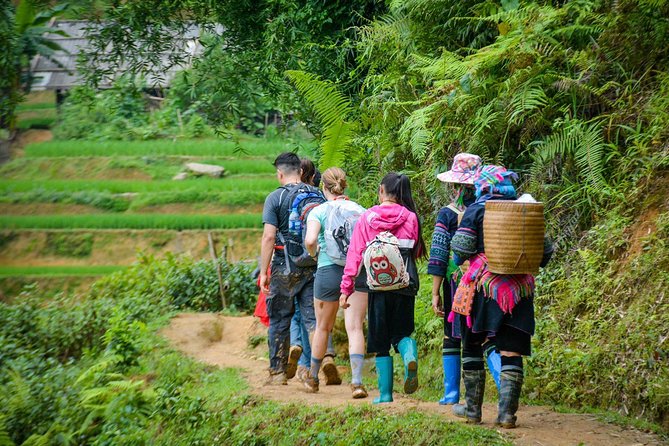
You’re picked up around Sapa Town or near the church meeting area, and the tour includes transport back to Sapa at the end. That take-the-stress-away element is worth paying for. In Sapa, terrain is hilly, and a scramble to find your way back can eat into the joy of the day.
The tour also notes mobile tickets, which usually means less paperwork and fewer hassles at check-in.
How to prepare so the day feels easier
You can’t control the weather, but you can control your comfort. Here are the prep choices that match what the tour asks for:
- Wear grippy trekking shoes, especially if rain is in the forecast.
- Bring layers for cool morning temps and warmer uphill stretches.
- Keep your questions ready. Ask about the terraces, work, house building, and Hmong traditions.
- Remember tips aren’t included, and extra drinks cost extra.
If you’re traveling with kids, this trek can still work if everyone can handle steady walking and wants to enjoy village life, not just speed. Just be realistic about energy and bring a slow, patient mindset.
Should you book this trek?
Book it if you want a day in Sapa that feels active and human-sized. You’ll get rice terraces, three village areas, and a guide who can explain how daily life connects to farming and tradition. The included lunch and return transport make it easier to commit to the walk without planning everything yourself.
Skip it or choose a gentler option if you hate uphill walking, need lots of accessible paths, or expect the guide to narrate every single step without you having to ask. Some routes can be longer and steeper than “moderate” sounds on paper.
If you’re ready for a real walk, bring good shoes and curiosity. That’s when this one-day trek turns into a top memory for Sapa.
FAQ
FAQ
How long is the Trekking Through Rice Terraced Fields 1Day tour?
It lasts about 5 to 6 hours.
What’s the starting time?
The start time is listed as 9:30 am.
Is pickup included?
Yes, pickup is offered, with meeting around Sapa Town or in front of the main church area.
What’s included in the price?
The tour includes lunch (local food with vegetables, meat, and a vegetarian option), one small bottled water per person, village entry fees, and transport back to Sapa.
What physical condition do I need?
The tour is designed for travelers with moderate physical fitness.
Can I cancel for a full refund?
Yes. Free cancellation is available up to 24 hours in advance for a full refund. If you cancel less than 24 hours before the start time, you won’t get a refund.