REVIEW · SAPA
1 day Fansipan Trekking
Book on Viator →Operated by Sapa Original Trek · Bookable on Viator
Fansipan starts with a 6 a.m. drive and ends high above Sapa. This 10–13 hour day trek is for people who want a real mountain effort, not a stroll, with an English-speaking guide and all the key fees handled. You’ll climb toward the highest peak in the Indochina peninsula, so expect big elevation gains and big payoff views.
What I really like is the smooth logistics for a tough day: round-trip hotel transfers are included, and you won’t need to haggle for a taxi early in the morning. Second, the support package is built for the hike itself—water (1.5 liters), a picnic lunch, and an entry ticket with a medal and certificate—so you can focus on pacing instead of planning.
The main drawback is simple: this is a hard, steep, high-altitude hike, and the tour explicitly calls for strong physical fitness. If you’re not used to climbs with serious elevation gain, you may feel crushed in the last stretch.
In This Review
- Key things you’ll care about on this Fansipan day trek
- Why Fansipan is more than a box-check from Sapa
- The 6:00 a.m. start: getting to Tram Ton pass early enough to matter
- The hike through bamboo forest, streams, and that steady “climb mood”
- Picnic lunch around 2,800 meters: fueling the summit push
- Reaching the top: what the final climb is really like
- Getting down safely: same route or the cable car choice
- Guide quality and small details that make the day easier
- Price value: why $80 can feel fair for a hard mountain day
- Who should book this trek, and who should think twice
- Should you book the 1-day Fansipan Trekking with Sapa Original Trek?
- FAQ
- What time does the Fansipan trek start?
- Where do you begin the hike?
- How long does the trek take?
- How far will I hike?
- How much elevation gain should I expect?
- Is an English-speaking guide included?
- What food and water are included?
- Are entry fees included?
- Do I need to pay extra for the cable car?
- Is cancellation possible and how far in advance?
Key things you’ll care about on this Fansipan day trek
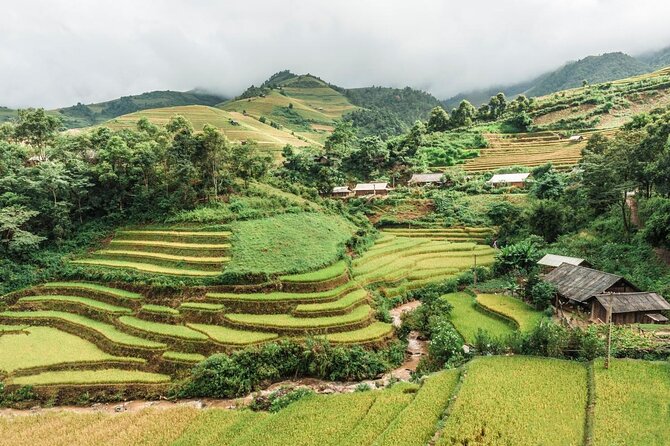
- 6:00 a.m. start at Tram Ton pass: early start helps you avoid the worst of the day and gives time for the return.
- Serious elevation gain: expect around 1,600–1,700 meters up, with a final steep push.
- Guide-led pace and safety: English guidance helps you handle muddy, slippery sections.
- Lunch at altitude: picnic lunch at the camping area around 2,800 meters fuels the summit push.
- Return options: either descend the same route or take the cable car down (extra cost).
- What’s included vs. what isn’t: cable car tickets and tips are on you.
Why Fansipan is more than a box-check from Sapa
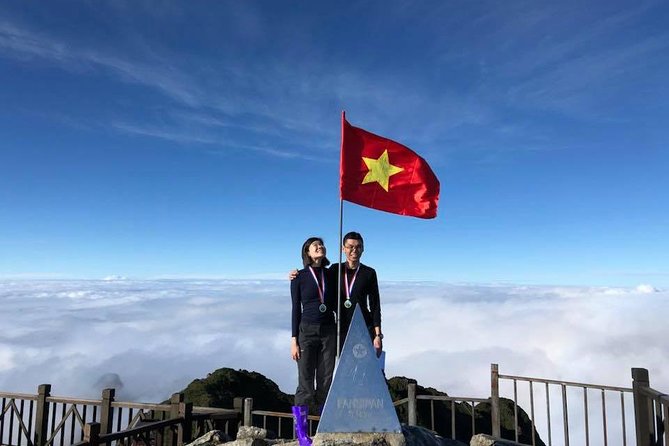
Fansipan sits at 3,143 meters, and it’s the highest peak in the Indochina peninsula. That matters because you’re not just walking in “mountain air.” You’re dealing with real altitude and real slope.
This is also a day trek that can take you 10–12 hours (with some schedules closer to 13 hours). The trail length is roughly 12.5 km each way (about 7.75 miles), so even if the path isn’t technically complicated, the time-on-your-feet adds up fast.
What makes this tour feel practical is that it’s designed around the whole day: a guided climb, food and water timed for the effort, and a planned way back to Sapa without guessing how to get transport at the end. If your goal is a meaningful mountain day with less hassle, that’s the sweet spot.
And yes, the payoff is the kind of view you remember—the summit moment plus scenery along the way, even when the weather gets foggy or cloudy.
The 6:00 a.m. start: getting to Tram Ton pass early enough to matter
You meet at 6:00 a.m., then head up to the Tram Ton pass (~2,000 meters). The point of that early start is time and altitude. Starting higher than you are in town helps the trek settle into a rhythm, and it gives you daylight for the return.
Transport is handled for you with hotel transfers. If it’s just one person, you may ride by scooter; otherwise you’ll go by car. Either way, you’re not stuck doing your own figuring-out with public transport at the crack of dawn.
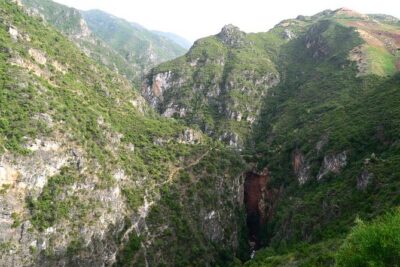
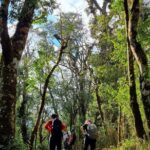
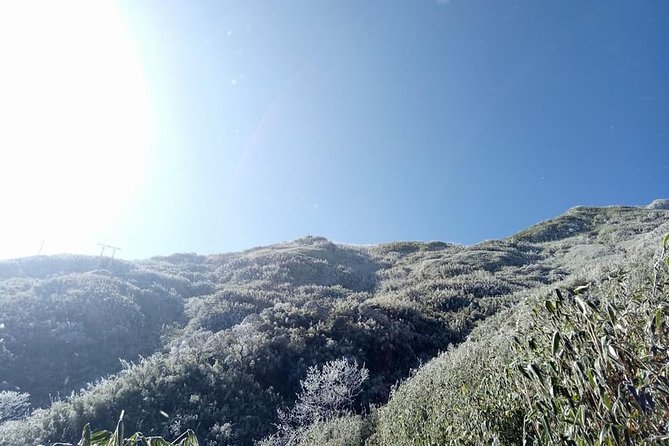
At this stage, I’d treat the first stretch like a warm-up. The trail soon starts moving through forest areas with bamboo, older trees, colorful flowers, and streams. That’s not just pretty scenery—it’s also a clue about trail conditions. Expect damp spots, uneven ground, and occasional slippery sections, especially in rain or fog.
The hike through bamboo forest, streams, and that steady “climb mood”
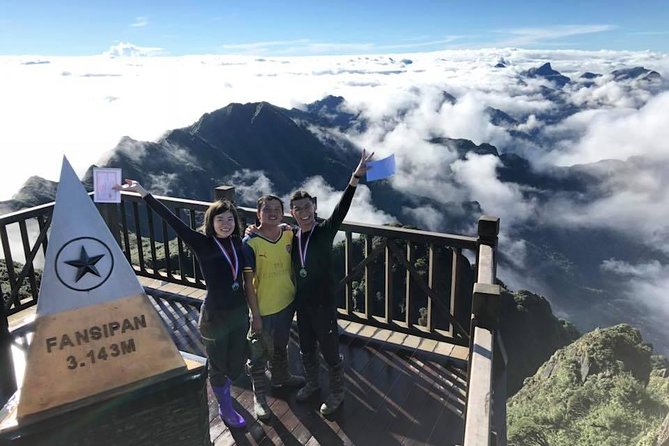
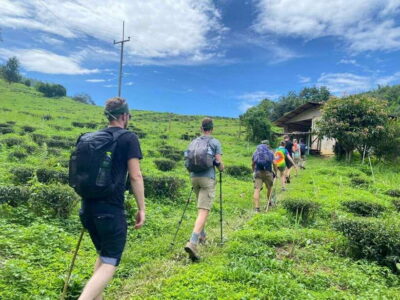
The trek from Tram Ton pass toward the higher camping area is where the day’s effort starts to show. The route description you’ll follow includes bamboo crossings and forest sections with streams, and that usually means the ground can be mixed—mud in wet patches, roots, and narrow places where you’ll want good footing.
This is also where the English-speaking guide earns their keep. A good guide doesn’t just point the way. They help you choose a pace that keeps you moving without burning out too early. In the shared experiences from guides, the common theme is patience: slowing down when needed, making sure you don’t stumble on slippery terrain, and giving you structure when breathing gets hard.
Also, notice the detail about fitness. The tour is meant for hikers who can handle a long uphill day. If you train like a weekend walker, you’ll probably suffer in the final third. If you’ve done real hikes before, you’ll recognize the rhythm: slow steps, short rests, steady effort.
Picnic lunch around 2,800 meters: fueling the summit push
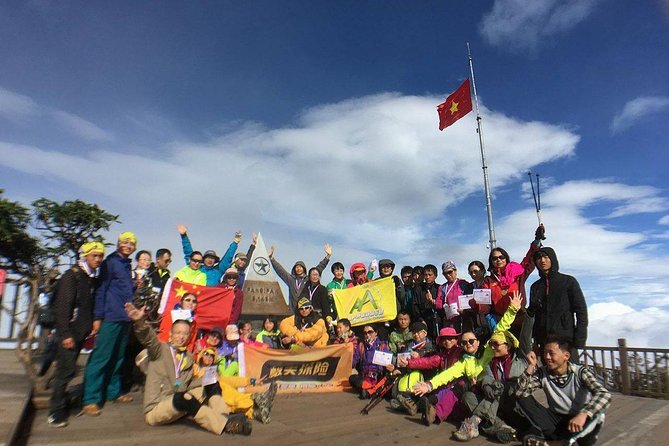
Lunch is timed to the climb. You’ll stop around a camping site at ~2,800 meters, then continue upward. The tour includes a picnic lunch plus 1.5 liters of bottled water.
This isn’t a casual break. At altitude, your body needs fuel and hydration to keep working. A picnic meal is a smart format for a day trek because it doesn’t waste time on a restaurant detour. You eat, you recharge, and you keep moving.
One thing I’d plan around: you can feel the cold and fatigue faster as you climb. Some groups described temperatures around 7°C, and fog shows up too. So if you only brought a summer outfit, you’ll wish you had a layer. Even if the air is mild at Sapa, Fansipan can feel different once you gain height.
If you have dietary needs, the data you provided includes at least one mention of vegetarian support being arranged. If that matters to you, ask clearly when you book so the guide can plan your lunch.
Reaching the top: what the final climb is really like
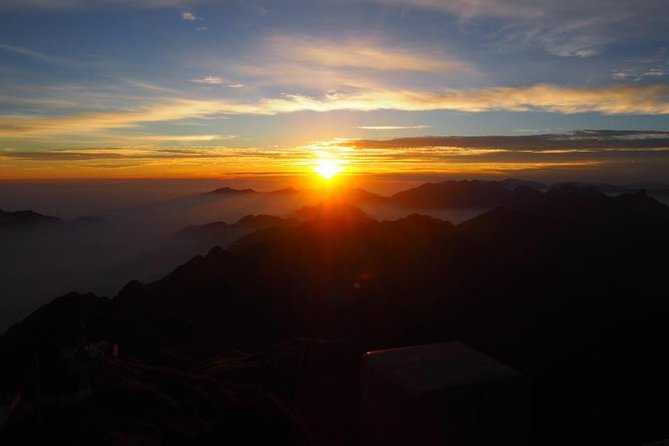
You arrive around 12–13 hours after starting, depending on your pace and trail conditions. The top experience is the reason people do this trek, but the final stretch is also where the challenge concentrates.
The elevation gain is listed at roughly 1,600–1,700 meters total, and the last part of the climb can feel steep quickly. That matches what you’d expect from a mountain route designed for a day hike: the middle section builds endurance, and the end section forces your legs to work.
Altitude can also make your breathing feel off even if you’re fit. One shared note mentioned symptoms of altitude sickness and suggested being prepared with prevention measures and keeping good conditioning before the hike. I can’t tell you what medicine to take, but I can tell you this: plan for altitude as a factor, not an afterthought. Bring what you use for your own safety routine, and don’t ignore dizziness.
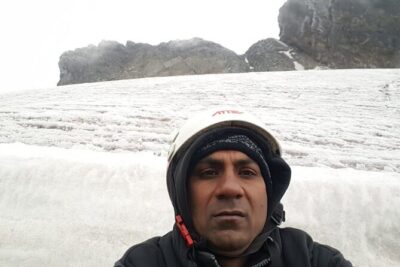
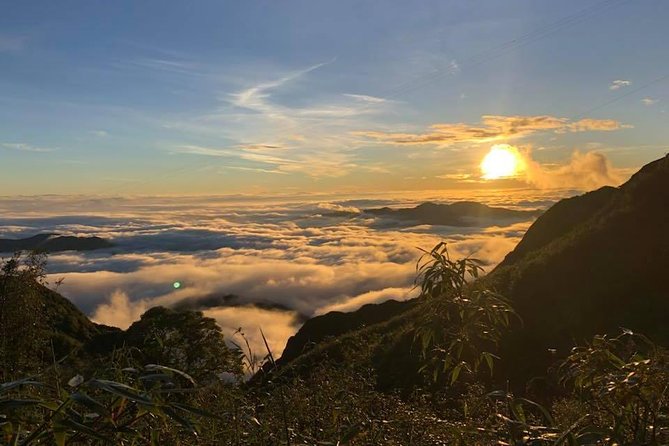
Once you’re at the summit area, the atmosphere shifts. The views over Sapa town and the surrounding mountains are the whole point. Even with clouds, the day still feels like an accomplishment.
Getting down safely: same route or the cable car choice
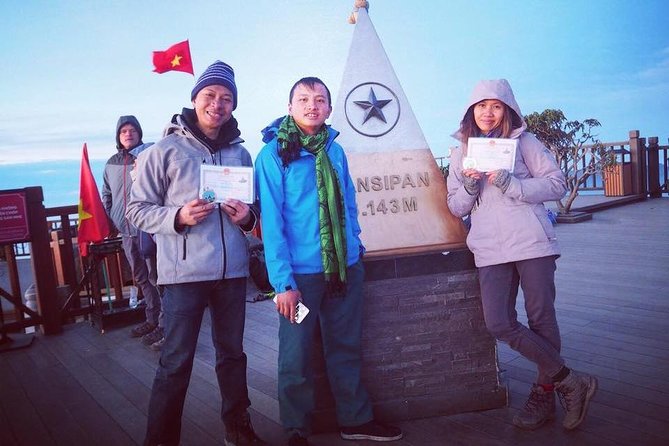
For the return, you have an option. You can:
- descend the same route you used to reach the top, or
- take the cable car back down (ticket costs extra)
If your goal is the most satisfying day, walking down the same way often feels better because you understand the route as you go. It also gives you flexibility if the trail is quiet and you want photo stops.
If your goal is to preserve energy—especially after a tough ascent—the cable car is a smart exit. The tour explicitly notes cable car tickets aren’t included, so budget for that if you think you’ll want it.
Either way, remember that going down can be harder on your knees than going up. Your guide’s pacing matters here too. Slower descents are usually safer descents.
Guide quality and small details that make the day easier
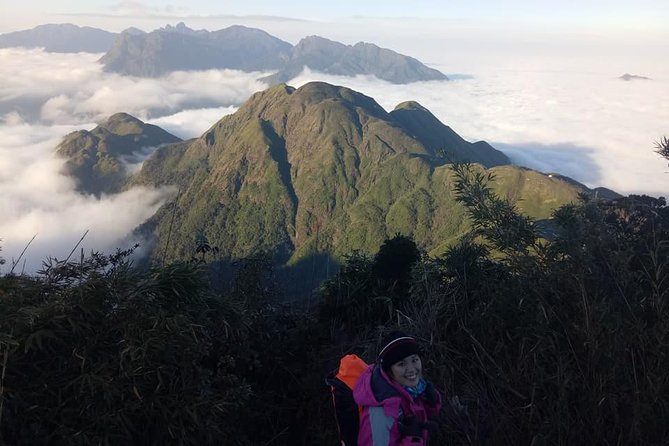
This trek lives or dies on pacing and competence. The tour includes an English-speaking guide, and the guides named in the shared experiences include people like Mr Tinh (organizer/point contact), and on-trail guides such as Mr Choo, Mr Chay, Sinh, and also female guides including Ser and Ms Ho.
Here’s what that means for you: you’re not just buying a ticket to a trail. You’re getting someone who can manage group flow, help you handle tricky footing, and answer questions in plain English. Several experiences describe guides who stayed patient when hikers were slower and who kept safety front and center.
There are also practical extras you might appreciate:
- Entry fees are included, and you get a medal and certificate. That’s a nice keepsake, and it reduces hassle at the start.
- Some groups reported receiving raincoats to keep. That’s a big comfort upgrade if the weather turns.
- The tour includes insurance, which matters on a long day at height.
If you’re the kind of traveler who hates last-minute friction—finding tickets, paying separate fees, guessing transport—this setup is a clear win.
Price value: why $80 can feel fair for a hard mountain day
At $80 per person, the headline number can look low for a full-day guided climb. What makes it better (and more honest) is what’s included:
- English-speaking guide
- round-trip hotel transfers
- 1.5 liters of water
- picnic lunch
- entrance fees (with medal and certificate)
- insurance
- transport by car or scooter (depending on group size)
The things not included are realistic and easy to plan for:
- tips for your guide
- cable car tickets (if you choose it)
When you add up “guide + transport + entry fees + meals,” this starts to look like value rather than budget. The key question for you is how much you want to do yourself. If you can’t imagine handling transport timing and entry fees while planning a tough trek, the packaged cost makes sense.
Also, the tour is private (only your group), which can improve comfort and pacing. If you’re traveling with a friend or just your family, that private aspect often feels worth it on a steep day.
Who should book this trek, and who should think twice
This trek is best for hikers who want a real day effort with a clear summit goal. It’s a strong match if you:
- have decent fitness and have handled steep trails before,
- like clear guidance and a steady pace,
- want a guided experience that handles the mountain logistics,
- are okay spending a full day on the move.
Think twice if you:
- struggle with long uphill walks,
- don’t cope well with altitude or breathlessness,
- need frequent medical breaks or have injury limits (the tour is positioned as hard and for stronger fitness).
If you’re on the edge, be honest with yourself. The final steep segment can hit fast, and the total climb time makes it hard to “power through” if you start too slow—or too fast.
Should you book the 1-day Fansipan Trekking with Sapa Original Trek?
If you want a true mountain day from Sapa—guided, planned, and packed with the basics you need—this is a smart booking. The hotel transfers, entry fees with medal and certificate, and water plus picnic lunch remove a lot of friction that can ruin a hard hike. Add an English guide and you get a safer, calmer experience when conditions get slippery or foggy.
I wouldn’t book it if you’re chasing an easy scenic walk. This is about effort, patience, and a summit that actually means something at 3,143 meters.
If you do book, plan for layers, pace yourself for the steep final third, and decide in advance whether you’ll commit to walking down or save your legs for the cable car.
FAQ
What time does the Fansipan trek start?
It starts at 6:00 am.
Where do you begin the hike?
You’re taken to Tram Ton pass (~2,000 meters), which is where the trek begins.
How long does the trek take?
The duration is listed as 10 to 13 hours (approx.).
How far will I hike?
The total trekking distance is about 12.5 km each direction (roughly 7.75 miles each way).
How much elevation gain should I expect?
You can expect around 1,600 to 1,700 meters of elevation gain.
Is an English-speaking guide included?
Yes. The tour includes an English-speaking guide.
What food and water are included?
You get a picnic lunch and 1.5 liters of bottled water.
Are entry fees included?
Yes. Entry fees are included, and you also receive a medal and certificate.
Do I need to pay extra for the cable car?
The cable car is not included. If you choose it to go back down, you’ll pay the cable car ticket separately.
Is cancellation possible and how far in advance?
There is free cancellation up to 24 hours in advance for a full refund. If you cancel less than 24 hours before the start time, the amount paid is not refunded.