REVIEW · KATHMANDU
Langtang Valley Trek
Book on Viator →Operated by Nepal Hiking Team · Bookable on Viator
Langtang Valley feels close, but it’s still high Himalaya. This trek takes you from Kathmandu’s orbit into the Langtang National Park, through a glacial-basin valley walk, then up to big lookouts like Kyanjin Ri and Chorkari Ri. You also get a cultural day at Kyanjin Gompa, plus the Tamang village vibe—real trails, real community, and mountain panoramas that keep changing by the hour.
What I like most is that the route is framed as an easy trail with gradual elevation, so you can focus on moving steadily and enjoying the riverside rhythm. I also like the practical package: airport pickup, two Kathmandu hotel nights, full-board meals on trek (breakfast/lunch/dinner with tea/coffee), and a 3-star hotel base before you start climbing.
One consideration: you still punch high altitude passes—up to 5050m—so good weather and a smart pace matter. Even if the trail is “easy,” your body will still notice the height.
In This Review
- Key highlights at a glance
- Langtang Valley Trek: why this route works so well from Kathmandu
- Route at a glance: 10 days, steady days, and two serious altitude jumps
- Day 1 to Day 4: Kathmandu hotel comfort and your first taste of the valley
- Day 5: Kyanjin Ri viewpoint day and Kyanjin Gompa culture
- Day 6: Chorkari Ri (5050m) and monastery time in Kyanjin Gompa
- Day 7 to Day 9: descending back through Lama Hotel to Kathmandu
- Price and value: what $830 buys you (and what it doesn’t)
- The people side: guides, porters, and a small-group feel
- Meals, lodges, and yak-cheese reality
- Wildlife and valley formations: what to notice beyond the peaks
- Who should book this trek, and who should pause?
- Should you book the Langtang Valley Trek?
- FAQ
- FAQ
- How high do you hike on this trek?
- What’s included in the trek meals?
- Are airport transfers included?
- Do you get hot showers during the trek?
- Is there WiFi on the trek?
- Who supports you on the trail?
- What’s the maximum group size?
Key highlights at a glance
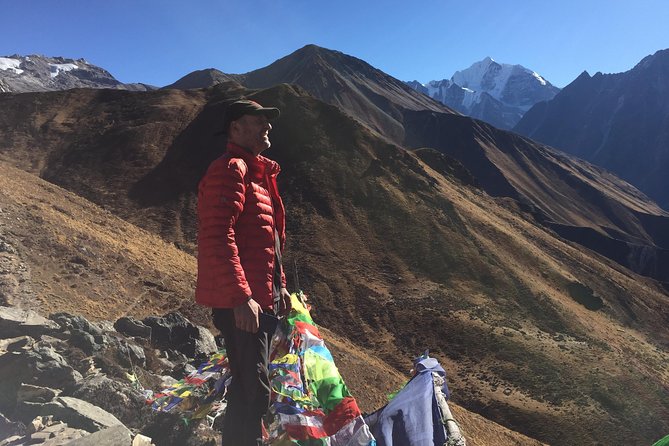
- Glacial-basin valley floor: long stretches of walking with rivers gushing by and changing rock formations
- Kyanjin Gompa exploration: a Buddhist monastery day inside the trekking rhythm
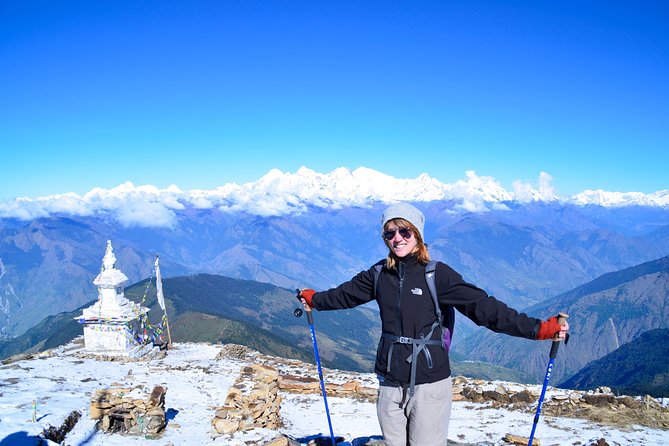
- High viewpoints on an accessible route: Kyanjin Ri (4773m) and Chorkari Ri (5050m)
- Tamang village travel: small community stays and local foods like yak cheese
- Small group size: up to 15 travelers, which usually keeps logistics calmer
- Included permits and support: trekking permits, guide, porter, and a duffle bag for the trail
Langtang Valley Trek: why this route works so well from Kathmandu
If you want Himalayan views without a weeks-long, high-intensity expedition, Langtang Valley is one of the better bets. You’re based in Kathmandu for the first couple of nights, then you drive out to Syabrubesi and start trekking relatively quickly. The whole trip is designed around a clear “walk upward, reach viewpoints, then return” plan, which is a big deal if you’re trying to balance adventure with sanity.
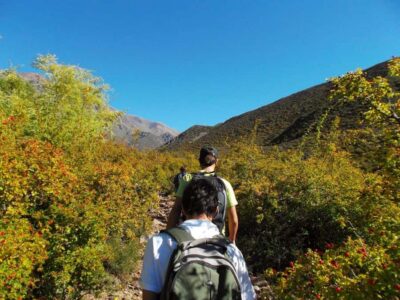
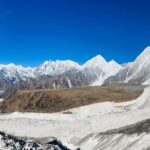
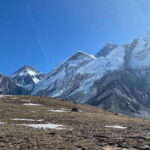
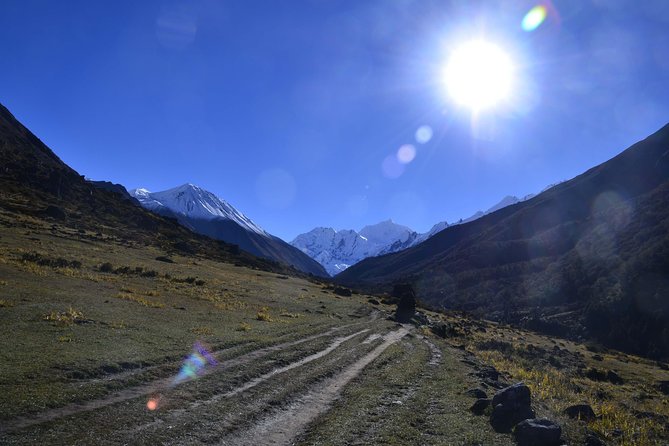
Langtang Valley also has a strong sense of place. The trek moves through the glacial basin of the valley floor, so the scenery isn’t just “pretty mountains.” You’re walking through a landscape shaped by ice and time—tangles of valley trails, river crossings/river-adjacent routes, and natural formations that look sculpted in blocks and layers.
And because this trek sits inside Langtang National Park, you’re not only chasing views. You’re also moving through a protected area where forests, wildlife, and plant life have a better chance to survive. That matters for the feel of the trek: it’s not just a line on a map, it’s a living zone.
You can also read our reviews of more tours and experiences in Kathmandu.
Route at a glance: 10 days, steady days, and two serious altitude jumps
This trip is about 10 days (approx.), with a start time of 7:15am. The overall elevation climb is gradual, which is why it’s described as an easy trail rather than a technical mountaineering mission. But don’t confuse “gradual” with “low.” Two days involve high viewpoints.
Here’s the elevation reality check:
- You begin around 1462m in Syabrubesi.
- You build up to 2500m at Lama Hotel and then 3307m at Langtang Village.
- You reach 4773m at Kyanjin Ri (and you come down to Kyanjin Gompa after).
- You go higher again to 5050m at Chorkari Ri and return afterward.
That pattern—walk higher, hit viewpoints, then drop back down—tends to be a good way to see big altitudes without living at extreme elevation for the entire trek. Still, plan for altitude effects. If you take off too fast, your body will respond, even on an “easy trail.”
Day 1 to Day 4: Kathmandu hotel comfort and your first taste of the valley
Day 1: Arrive in Kathmandu
You land at Tribhuvan International Airport, and you get airport pickup by private vehicle. That’s more than convenience. After travel fatigue, it helps you reset sleep and food. You also get two nights in Kathmandu at a 3-star hotel category with breakfast, which makes the first climbing days feel less like a start-from-scratch sprint.
Day 2: Kathmandu to Syabrubesi (about 7 hours)
You drive from Kathmandu to Syabrubesi at 1462m. This kind of long transfer day does two useful things: it sets the tone (you’re leaving the city for mountain life) and it gives you a soft landing before trekking starts. Expect a full day of riding, with the important work being done for you by the itinerary.
Day 3: Syabrubesi to Lama Hotel (about 5 hours)
Now you start walking. Lama Hotel sits at 2500m, so it’s a steady “get your lungs and legs used to it” day rather than a jump straight into altitude punishment. The route is described as easy with gradual elevation, and the rivers gushing by are a big part of why this trek feels alive instead of monotonous.
Day 4: Lama Hotel to Langtang Village (about 5 hours)
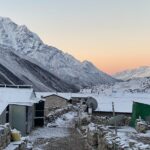
You climb to 3307m at Langtang Village. This is where the trekking experience shifts from “valley route” into “valley community.” You’re in Tamang settlement territory, and it’s the kind of walking that feels like you’re passing through small worlds—houses, fields, and people adapting to mountain life.
One practical note: the trek uses twin sharing lodge-to-lodge accommodation with “best available” options. Lodges in this region are functional and basic, but they’re exactly what you want—sleep, warmth in the ways you can get it, and food that keeps you trekking.
Day 5: Kyanjin Ri viewpoint day and Kyanjin Gompa culture
Day 5: Langtang Village to Kyanjing Ri (4773m), then to Kyanjing Gompa (3798m)
This is the day that many people remember first. You go up to Kyanjin Ri at 4773m, then head down to Kyanjin Gompa at 3798m. That viewpoint-and-return rhythm is a classic way to get the high panorama payoff without turning the day into a total slog of constant climbing.
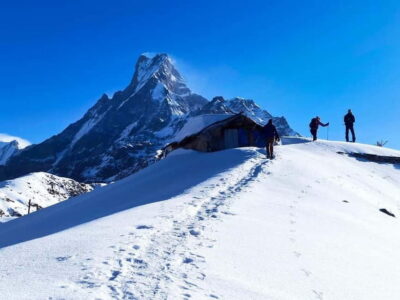
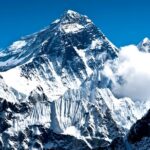
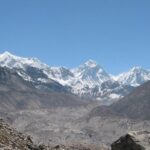
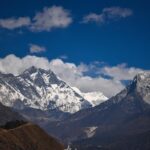
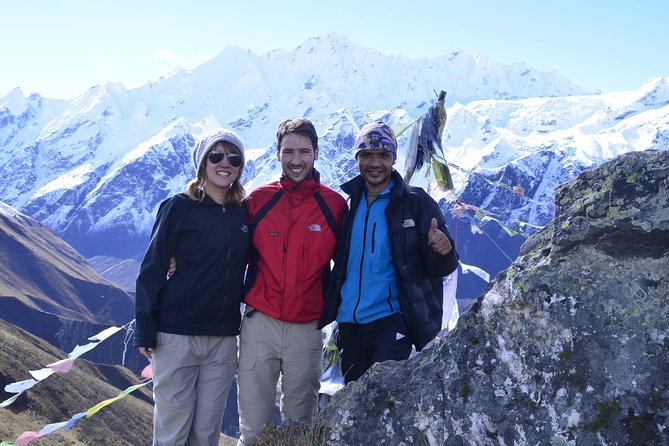
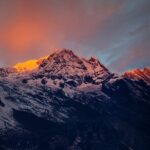
The scenery here is about more than one peak. The trek is set up for panoramic views of Mount Langtang Lirung (7227m) and Ganesh Himal (7422m), plus Dorje Lakpa and others. What you get is the sense that the valley is surrounded by a big wall of mountains, and each ridge line looks different depending on where the light hits.
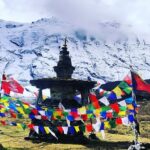
Then comes the cultural pivot. After the viewpoint, you’re close to Kyanjin Gompa. This is where you slow the pace a bit and bring your eyes from the skyline down to the monastery presence—Buddhist spiritual life sitting inside trekking country.
Day 6: Chorkari Ri (5050m) and monastery time in Kyanjin Gompa
Day 6: Kyanjing Gompa exploration and climb Chorkari Ri (5050m), then return
This is the higher-altitude day of the itinerary, hitting 5050m at Chorkari Ri. The trek is still described as an easy trail overall, but this is the day where “easy” mostly means non-technical hiking—not that altitude won’t be noticed.
What makes it work is the structure. You explore Kyanjin Gompa and then you do the climb to the viewpoint. That gives you a “two speeds” day: cultural and scenic before you start the altitude push, then back to lodge life afterward.
Altitude tip, plain and simple: go slower than you think you need to on the climb. When you’re at high elevations, the wrong pace doesn’t just make you tired—it can make you feel wrong. The itinerary has you coming back down, which helps, but your job is to protect your breathing.
Day 7 to Day 9: descending back through Lama Hotel to Kathmandu
Day 7: Kyanjin Gompa back to Lama Hotel (2500m, about 5–6 hours)
You return to Lama Hotel at 2500m. Descents can feel easier on paper, but they’re hard on the knees and feet. The benefit is altitude relief: after days near high points, this part lets you breathe easier and reset.
Day 8: Lama Hotel to Syabrubesi (1462m, about 5–6 hours)
You drop to Syabrubesi again at 1462m. This is a good day for adjusting to normal trail rhythm: longer, calmer movement, fewer altitude worries, and more time to take in the valley’s shape from the “human” elevation range.
Day 9: Syabrubesi to Kathmandu by bus
You take the bus back to Kathmandu. The trip ends by giving you a straightforward return rather than another surprise multi-day hike. You’ll also be done with trekking logistics—no more packing and unpacking daily.
Price and value: what $830 buys you (and what it doesn’t)
At $830 per person for about 10 days, the value is in what’s already handled. You’re paying for:
- Airport pickup and drop-off in Kathmandu by private vehicle
- Two nights in Kathmandu at a 3-star category hotel with breakfast
- Full-board meals during the trek (breakfast, lunch, dinner) plus tea/coffee
- Lodge-to-lodge accommodation during the trek (twin sharing, “best available”)
- An English-speaking guide and porter (with the porter arrangement given as 2 trekkers: 1 porter)
- Trekking permits and government taxes/office charges
- A duffle bag for the trek (returned afterward)
What you should not assume is included:
- Nepal entry visa
- Travel insurance
- Lunches and dinners in Kathmandu
- Hot showers during the trek
- Personal trekking equipment
- WiFi during the trek
- Tips for staff and driver
- A private vehicle transfer to/from Syabrubesi (the trek includes surface transfer to/from Syabrubesi by public bus)
So the value question is simple: if you’d otherwise spend money and time arranging guides, permits, lodging, and daily meals, this package is designed to take that load off you. If you already have your own gear and you’re set on DIY, this might feel pricier than a bargain. But for most people, the cost is really buying smoother mountain days.
The people side: guides, porters, and a small-group feel
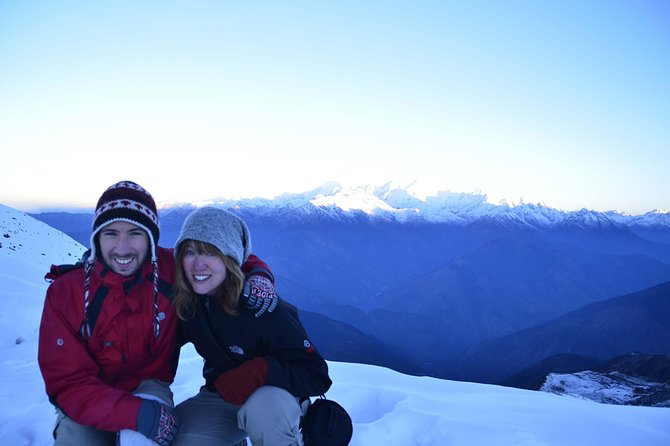
One thing the setup signals: it’s not a giant trek herd. This activity caps at 15 travelers, which helps keep things organized and reduces the feeling of being shuffled along.
You also get a 1 English-speaking guide and porter setup during the trek. The crew model matters, because it affects how you handle altitude days, pacing, and small problems like gear issues. From the names shared in past trip experiences, you’ll see guides such as Prajwal, Deepak Dhakal, Navaraj, Surya, Arun, and Santosh, with porters like Bhim, Kamal, Tulsi, Ganesh, and Shankar showing up in different treks. That variety matters because it implies you’re working with a professional local operator with an established team, not just a one-off hire.
At the office level, Ganga stands out as a common contact for pre-trip communication. In practical terms, that’s what you want: quick answers before you go, not confusion once you’re in Nepal.
Meals, lodges, and yak-cheese reality
Food is one of the biggest quality-of-life factors on trekking days, and this trek handles that well. During the trail you’re covered with:
- Breakfast, lunch, and dinner
- Tea/coffee
That matters because you’re not spending your limited energy searching for food options mid-hike. It also keeps your daily rhythm predictable.
You also get local mountain foods. Yak cheese is specifically mentioned as part of the experience, which is exactly the kind of detail that makes the trek feel like it belongs to the region rather than being generic “mountain food.”
Lodging is basic-lodge style, with best available twin sharing arrangements. And remember: the trek does not include hot showers. You can plan for that by packing accordingly, and by thinking of “clean” as a spectrum when you’re living in trekking mode for several days.
Wildlife and valley formations: what to notice beyond the peaks
This trek goes inside a protected area in Langtang National Park, the first Himalayan National Park of Nepal. That’s not just trivia. It can shape the trek feel: fewer places feel like a free-for-all, and there’s more emphasis on walking through habitat rather than sprinting from one viewpoint to the next.
You’ll likely notice:
- river sounds and water-adjacent walking
- changing rock and valley-floor formations in the glacial-basin setting
- the sense that the valley is a corridor of life, not just an empty hike
If you’re the type who enjoys flora and fauna, this region’s protected status gives you a better chance of seeing signs of life—though exact wildlife sightings can’t be guaranteed.
Who should book this trek, and who should pause?
This trek fits you if:
- you have moderate physical fitness
- you want an itinerary with gradual elevation
- you’re excited by a mix of big viewpoints and culture at a monastery
- you want the logistics handled (meals, permits, guide/porter, lodging structure)
You should think twice or plan carefully if:
- you’re worried about altitude, even if the route isn’t technical
- you can’t be flexible about weather, since the experience depends on it
- hot showers and WiFi are non-negotiable for you (they’re not included)
Should you book the Langtang Valley Trek?
My take: this is a strong booking if you want a well-supported trekking route near Kathmandu that still delivers real Himalayan payoff. The value comes from the included meals, permits, guide/porter support, and the way the itinerary mixes viewpoints with cultural stops like Kyanjin Gompa. You’re also getting a clear altitude storyline—4773m and 5050m—without being forced into a technical expedition.
If you’re ready to hike smart at altitude, accept basic lodge living, and go with good weather, you’ll likely find this trek hits a sweet spot: authentic mountain travel with enough structure to keep you focused on the trail and the views.
FAQ
FAQ
How high do you hike on this trek?
You reach Kyanjin Ri at 4773m and Chorkari Ri at 5050m during the trek.
What’s included in the trek meals?
During the trekking portion, you get breakfast, lunch, and dinner, plus tea/coffee.
Are airport transfers included?
Yes. The package includes airport pickup and drop-off in Kathmandu by private vehicle, along with two nights in a 3-star category hotel with breakfast.
Do you get hot showers during the trek?
Hot showers are not included during the trekking days.
Is there WiFi on the trek?
No. WiFi internet during the trek is not included.
Who supports you on the trail?
You’ll have 1 English-speaking guide and porter while trekking (with the porter arrangement described as 2 trekkers: 1 porter).
What’s the maximum group size?
This tour/activity has a maximum of 15 travelers.