REVIEW · SA PA
Sapa 1 Day Long Trek: Trek to Hau Thao and Sa Seng Villages
Book on GetYourGuide →Operated by Cat ba memories · Bookable on GetYourGuide
Clouds or sun, this hike pays off. One hour of steady uphill brings you to Sa Seng for distant Fansipan views, and the walk down into Black Hmong villages gives you the real rhythm of mountain farming. I like the way the day mixes scenery with human stories: you’ll watch daily life, hear about customs and house-building, and stop for a home-style lunch. The one drawback is simple: if fog rolls in, you might not see the views clearly, and the trail can get muddy and slippery in wet weather.
You’ll start with pickup from Sapa town and end with a return van, so you’re not spending the day figuring logistics. Plan on a long, active day (about 7–10 hours), with a chunk of real climbing early and lots of downhill walking later. Bring cash and proper shoes, and you’ll be set for a memorable slice of Northern Vietnam.
In This Review
- Key things to know before you go
- Sa Seng, Hang Da, and Hau Thao: What makes this 1-day trek special
- The morning start: Pickup, uphill to Sa Seng, and Mount Fansipan in the distance
- Downhill to Hang Da: Black Hmong village welcome and farm-animal moments
- The best lunch stop in Sapa: family-run food, home-style pace
- Hau Thao after lunch: seasonal rice work and Hmong customs
- Trek difficulty, weather, and why proper footwear wins
- Walking distance and timing: what a 7–10 hour day really feels like
- Price and value: is $24 a good deal for all this?
- Who should book this trek, and who should skip
- The small details that make the day smoother
- Should you book this Sa Seng–Hang Da–Hau Thao trek?
- FAQ
- How long is the trek?
- Is pickup and drop-off included?
- How much does it cost?
- What’s included in the price?
- What should I bring for the day?
- Is the trek suitable for kids or people with mobility issues?
Key things to know before you go
- Sa Seng first, views later: expect a steep push to the top with big panoramas when visibility cooperates
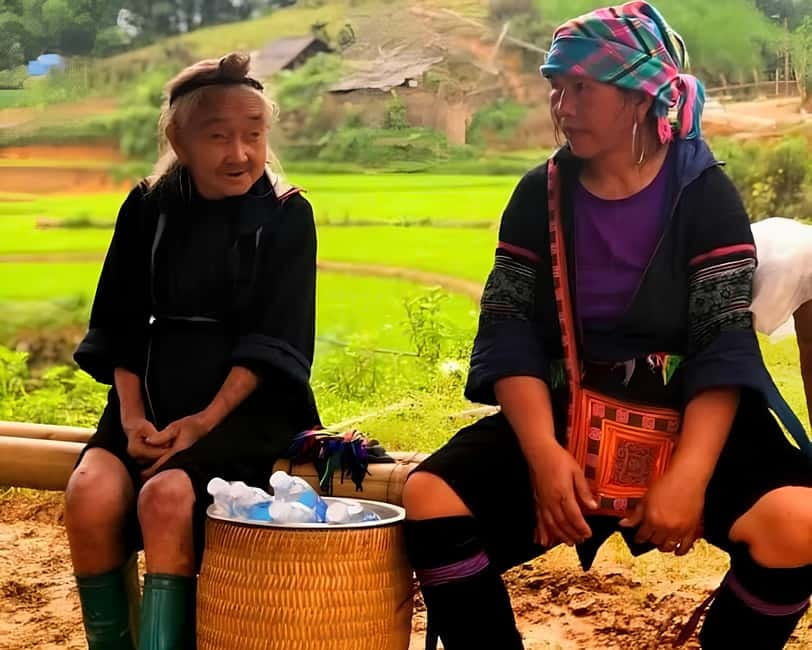
- Hang Da and Hau Thao are the point: you’re walking through working villages, not just looking at them
- Culture is part of the trail: your guide explains Hmong farming, traditions, and house-building
- Lunch is genuinely local: you eat at a family-run restaurant, not a tourist factory
- Mud is normal: bamboo and wet sections can be slippery, so footwear matters
- Small group feel: you’ll move at a human pace, not with a crowd stampede
Sa Seng, Hang Da, and Hau Thao: What makes this 1-day trek special
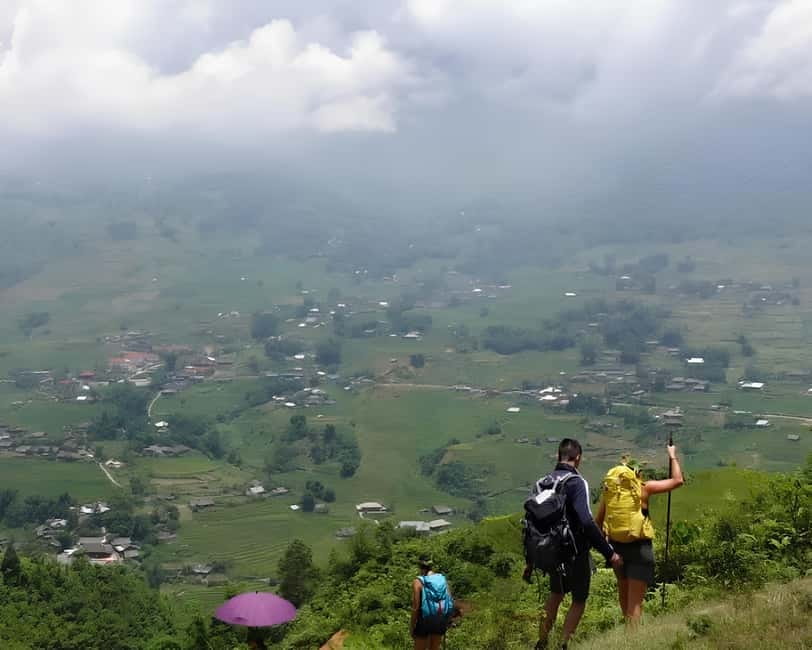
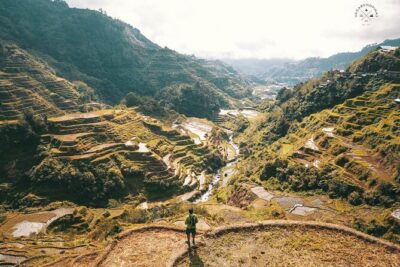
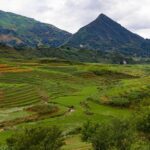
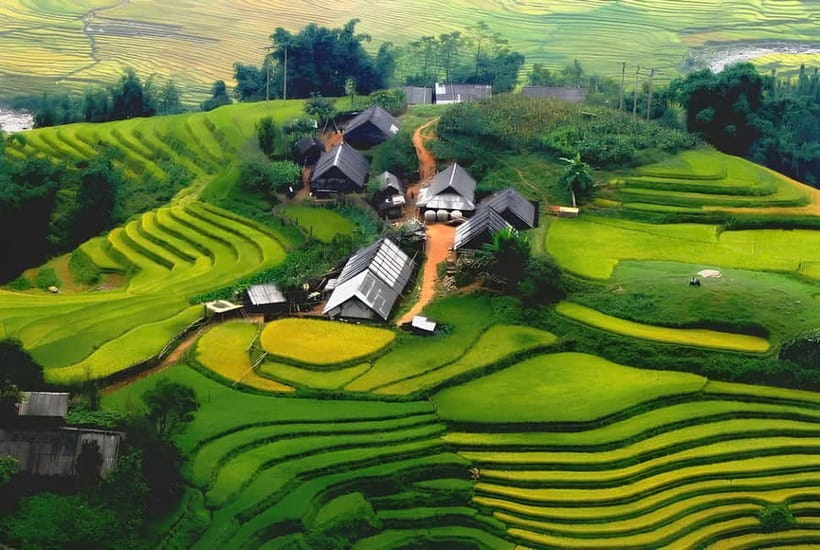
This is a Sapa day trek built around two things you can’t fake: distance views and real village life. You’ll get one of the best vantage points in the area from Sa Seng Mountain, with Mount Fansipan (3,143m) rising in the background when the weather allows. Then the route turns into a walk through rice valleys, farm work, and homes of the Black Hmong community.
What I like most is that the cultural stops aren’t stuck in a “look and leave” rhythm. Your guide shares explanations about daily life: how farming fits the seasons, how houses are built, and how traditions show up in ordinary routines. It turns the scenery into context. You’re not just passing through; you’re learning what you’re seeing.
You can also read our reviews of more tours and experiences in Sa Pa.
The morning start: Pickup, uphill to Sa Seng, and Mount Fansipan in the distance
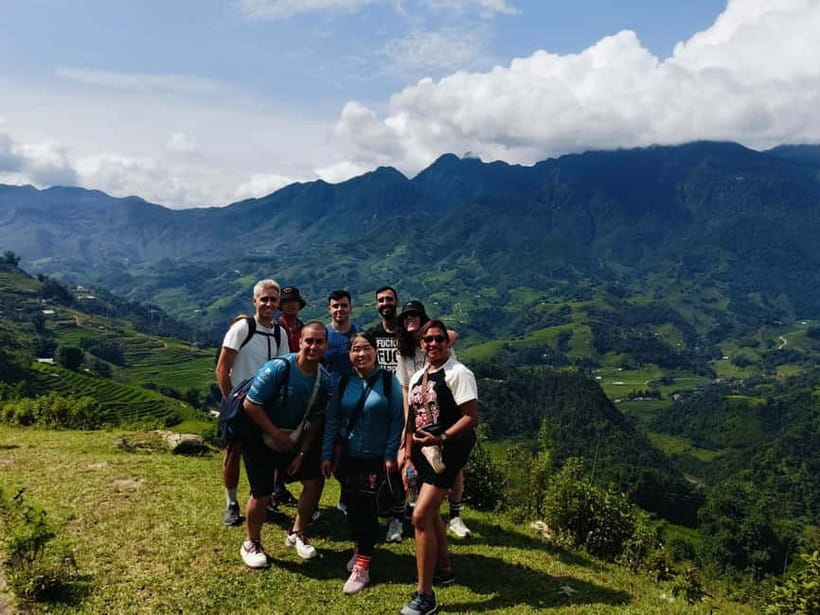
The day begins with pickup at your accommodation in Sapa town, and you’ll start walking around 9:00 AM after a quick briefing. The first stretch is a 1km uphill walk along a mountain trail. Most people feel this section in their legs, because it’s not just a casual warm-up—there’s a clear climb right away.
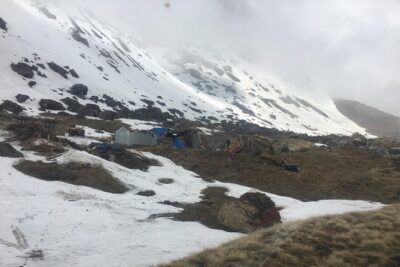
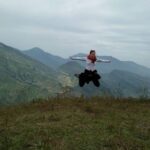
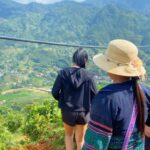
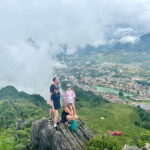
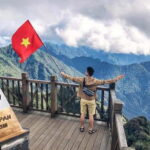
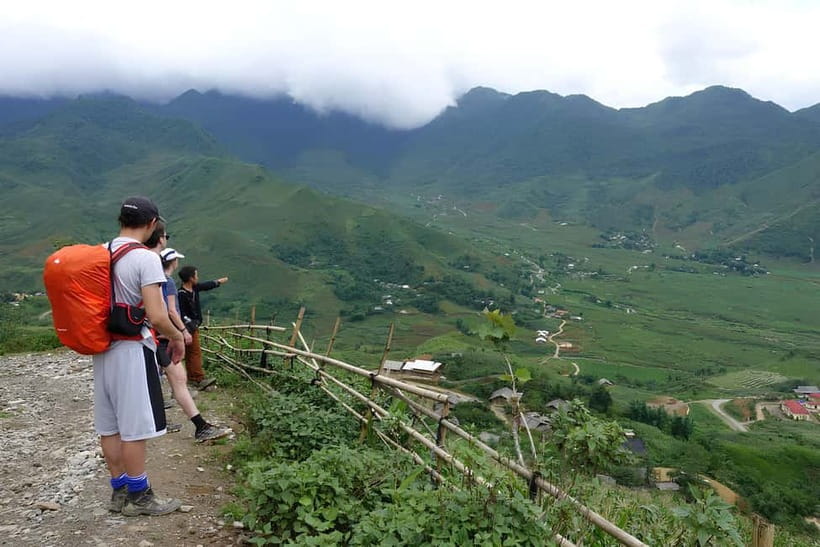
After about an hour of trekking, you reach the top of Sa Seng Mountain. This is where the day’s mood can flip in minutes. On a clear day, you get wide views across the Sapa valley and the distant silhouette of Mount Fansipan. In foggy or low-visibility conditions, you may see less, but you still get the sense of height and the changing texture of the hills below. Either way, it’s a great place to take a breath and reset your effort for the downhill portions.
Practical tip: if you’re hoping for the best Fansipan views, you can’t control the weather. But you can control your readiness—start rested, hydrate early, and keep your camera accessible. Reviews from past trekkers repeatedly mention that the view can be breathtaking when visibility clears later in the day.
Downhill to Hang Da: Black Hmong village welcome and farm-animal moments
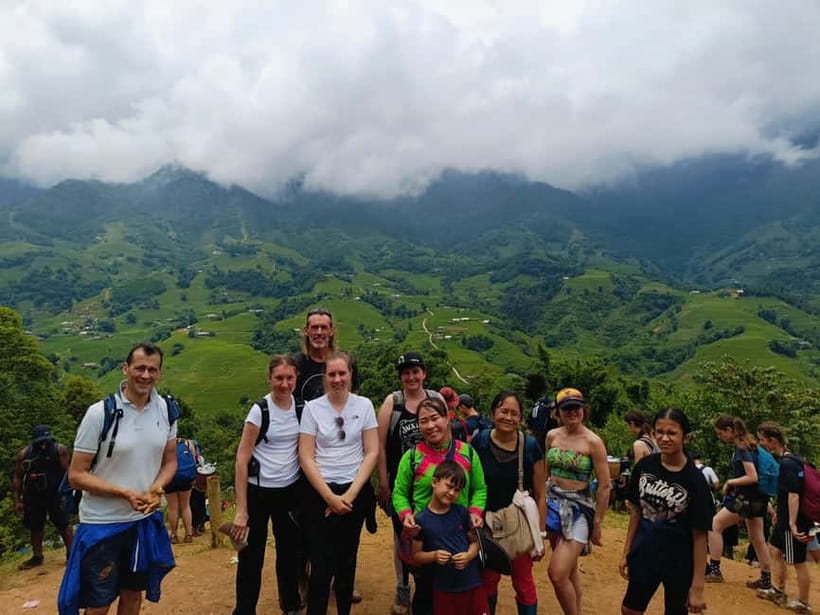
From Sa Seng, the trail continues downhill toward Hang Da Village. The route is a mix of terrain, and you’ll often feel the shift from “climb and look” to “walk and notice.” It’s during these transitions that you tend to see the most everyday details: animals moving near paths, farm work in progress, and houses clustered along slopes.
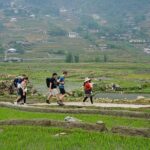
You arrive around noon and get a warm welcome from the Black Hmong community in Hang Da. Depending on the season, you might see cues of agriculture—fields, water management, and preparation or harvesting rhythms. It’s not a museum stop. It’s lived-in space.
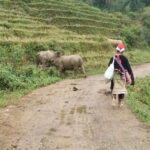
Expect animal sightings along the way, with free-roaming buffaloes, pigs, and horses sometimes crossing your route. These aren’t staged. They’re part of the daily working landscape, and they help you understand how closely people and animals share the same mountain environment.
One more note: if you’re sensitive to crowds or constant social pressure, keep your expectations realistic. A handful of trekkers have flagged that local women sometimes follow groups and encourage purchases at the end. You can handle this with simple boundaries—pause, politely decline if needed, and keep moving when you’re done.
The best lunch stop in Sapa: family-run food, home-style pace
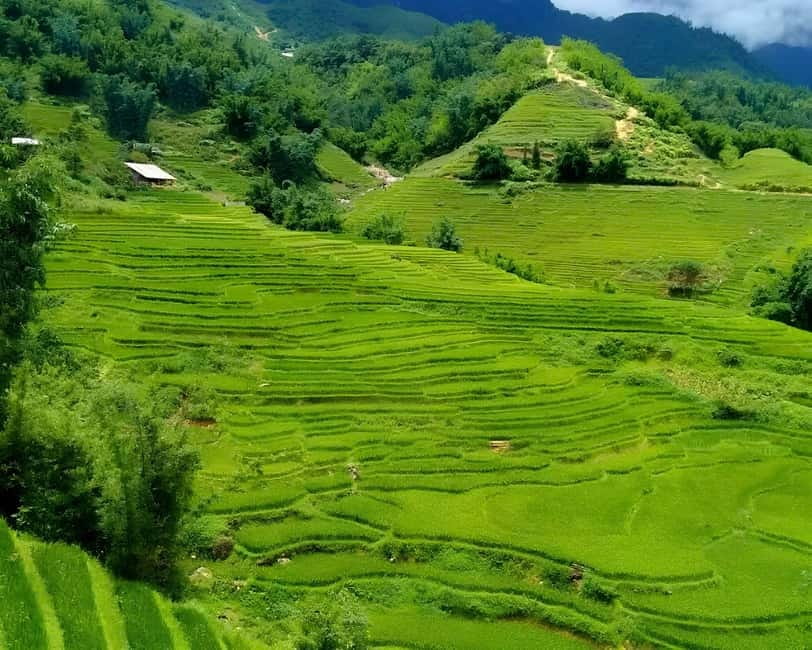
Around noon, you’ll stop for lunch at a family-run local restaurant. This is a key reason the trek feels worth it even when the morning weather is messy. After hours of walking, you want more than a snack—you want a warm reset.
Past trekkers describe the lunch as excellent and plentiful. It’s also the kind of meal that feels connected to where you are: you eat with locals and share the midpoint of the day with your guide and small group. If you’re the type who tends to skip meals while on vacation, this stop is a good reminder to refuel on purpose.
Practical tip: cash matters. The tour provides bottled water, but you should carry some money for any extra drinks or small purchases you might encounter along the way.
Hau Thao after lunch: seasonal rice work and Hmong customs
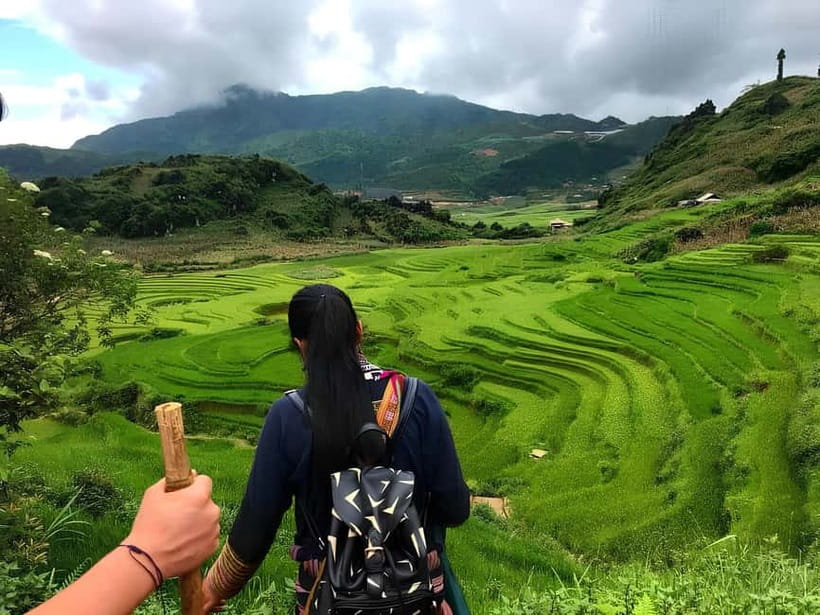
After lunch, you head toward Hau Thao Village, another Black Hmong community tucked into the mountains. This is where the trek becomes more than scenic walking. Your guide provides guided explanations about Hmong culture and daily life—everything from rice cultivation to house-building techniques and marriage rituals.
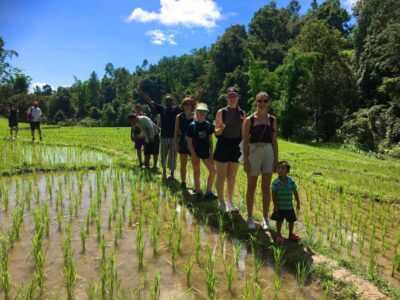
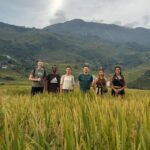
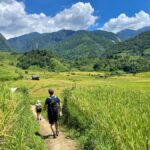
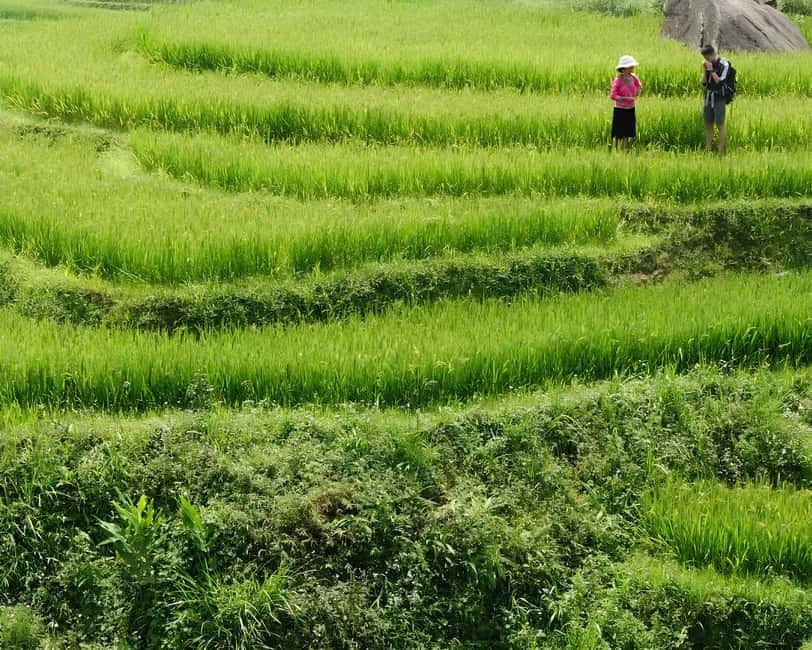
Depending on the season, you might see farmers working in rice fields. That matters, because it changes what you notice. In one season you’re watching planting; in another, harvesting. Either way, you’re seeing a system built around the mountain and the valley’s water.
The best part is that your guide ties it together. You’re not just looking at fields and wondering what’s going on. You’re learning why this kind of work exists where it does, and how communities adapt to slope, weather, and altitude.
And yes, your legs keep doing their job. After a meal, the trail can still feel long. This isn’t a gentle stroll; it’s a steady day trek that asks you to keep focus on footing, especially where paths are uneven.

Trek difficulty, weather, and why proper footwear wins
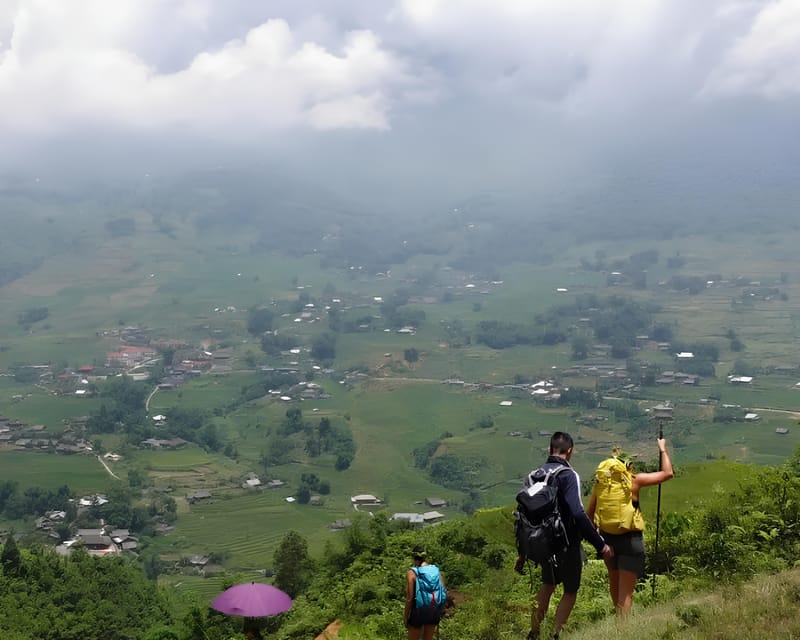
This is a moderate-to-challenging full-day hike. You’ll have early elevation gain to reach Sa Seng, then you’ll walk downhill and through mixed terrain to village areas. Some trekkers have described it as tough purely because of steep, uneven sections—especially near the start when the trail is uphill and the footing isn’t flat.
Weather is the big wildcard. Fog and rain happen in Sapa, and they change the experience. In low visibility, you may see less from the top viewpoints, but you can still have a great day because the village walking, cultural explanations, and changes in terrain remain the same.
One helpful detail from past trekkers: when conditions are wet, guides may offer simple support like gum boots. Don’t rely on this. Instead, plan ahead with proper hiking shoes that can handle mud. If you only bring sandals or worn-out sneakers, you’ll regret it.
Also plan for slipperiness. Bamboo forest sections and muddy stretches are a common theme. Trekking poles can help if you have them, but even without poles, a slow pace and careful steps go a long way.
Walking distance and timing: what a 7–10 hour day really feels like
The tour runs about 7–10 hours overall, which is a long day by Sapa standards. You’ll start around 9:00 AM and finish around 3:30 PM, with a vehicle ready to take you back to Sapa town.
The total walking time breaks into two main chunks, with about 6.5 hours in the longer segment and 2.5 hours in the later segment. In real-world terms, that means you’ll spend most of the day on your feet, and the day is structured so you’re never stuck walking forever without a reason to stop.
Distance can vary with the exact route and pace, but some trekkers have recorded around 15 km on their trek, including significant ascent and descent. If you’re used to city walking only, treat this as a real hike day, not a casual stroll.
Price and value: is $24 a good deal for all this?
At $24 per person, this is one of the more affordable ways to do a serious Sapa trekking day. The value comes from what’s included, not just the sticker price.
You’re getting:
- hotel pickup and drop-off within Sapa town
- a private vehicle transfer back to Sapa after the trek
- an English-speaking local trekking guide
- guided walking through Sa Seng, Hang Da, and Hau Thao areas
- village entry fees and trekking-route fees
- bottled water during the trek
- lunch at a family-run restaurant
- cultural explanations tied to what you’re seeing
In plain terms: you’re paying for a guide, transport support, and the privilege of moving through working communities with context. That’s the big deal in Sapa. Hiring this kind of guided route ad hoc would usually cost more once you factor in transportation, guide time, and entry access.
The main thing to watch is the included pace and terrain. If you want a very easy, stroller-friendly walk, this won’t match. If you’re up for a tough day with muddy sections and steep uphill at the start, it’s a strong value.
Who should book this trek, and who should skip
This trek fits best if you:
- want a full day outside town with village culture as part of the experience
- like guided explanations and learning as you walk
- are comfortable with muddy terrain and an early uphill climb
- enjoy being in a small group so the guide can keep an eye on everyone
You should skip (or at least choose a gentler option) if you have:
- mobility impairments or wheelchair needs
- heart problems
- altitude sickness concerns
- issues that make uneven footing unsafe
- a very young child (it’s not suitable for children under 2, and it lists under-3 and under-4 age limits as well)
If you’re in the “maybe” category, be honest with yourself about the uphill start and your comfort on steep, uneven paths. Even trekkers who loved it have described it as not for the weak of knees.
The small details that make the day smoother
Bring sunglasses and a sun hat. Even if it’s foggy in the morning, conditions can change. Also bring cash, because extra drinks and any small purchases can come up during the day.
Know what not to bring: weapons or sharp objects, and avoid alcohol and drugs during the trek. And yes, bare feet are a no-go—plan footwear.
If you want a more flexible experience, ask about the optional chance to stay overnight near the final area (Hau Thao or Giang Ta Chai). That can turn a long day trek into something more relaxed, with less pressure to cram everything into one afternoon.
Should you book this Sa Seng–Hang Da–Hau Thao trek?
Book it if you want your Sapa day to feel grounded in real mountain life: uphill views from Sa Seng when skies cooperate, followed by walking through Black Hmong villages where farming and tradition show up in daily routines. The best sign is how consistently people rave about the guides—energetic personalities, lots of explanation, and the ability to keep the day fun even when the weather turns.
Skip it if you need guaranteed clear views or if you dislike muddy, uneven trails. Fog can soften the big panorama moments, and slipperiness is part of the deal in the wet seasons.
My practical take: if you’re only in Sapa for a limited time and you want one high-quality outdoor day, this trek is a smart choice—just pack for mud, pace yourself on the first climb, and go in ready to learn from the guide, not just photograph the view.
FAQ
How long is the trek?
The experience runs about 7–10 hours total.
Is pickup and drop-off included?
Yes. You can get pickup in Sapa town from your accommodation, and you’ll also have transport back to Sapa after the trek.
How much does it cost?
It’s listed at $24 per person.
What’s included in the price?
Included items are hotel pickup/drop-off in Sapa town, private transport back after the trek, an English-speaking local trekking guide, guided trek through Sa Seng, Hang Da, and Hau Thao villages, a traditional lunch, bottled water during the trek, bottled water, village/trekking-route entrance fees, and support from the local operator.
What should I bring for the day?
Bring sunglasses, a sun hat/hat, and cash. You should also be prepared for muddy terrain with appropriate footwear.
Is the trek suitable for kids or people with mobility issues?
No. It’s not suitable for children under the listed age limits (under 2, under 3, under 4), and it’s also not suitable for wheelchair users, people with mobility impairments, or those with heart problems or altitude sickness.