REVIEW · SA PA
Sapa: Eco Adventure Terrace Fields and Local Villages Trek
Book on GetYourGuide →Operated by Da Nang Happy Tour · Bookable on GetYourGuide
Warm air meets cold mountain views in Sapa. This trek mixes rice terrace scenery with ethnic village culture for a day that feels real, not staged.
I love the small-group size and the way the route actually gets you moving through Muong Hoa Valley. I also love the fact that lunch is home-cooked with a local family, so you’re not just eating, you’re learning how people live.
One thing to plan for: the mud and slippery footing can be very real, especially early in the day and after rain or heavy fog.
In This Review
- Key things worth clocking before you go
- Why This Sapa Terrace Trek Feels Like A Day With Locals
- The Route: From 9:00 AM Fansipan Views To Muong Hoa Valley
- First Village Stop: Y Linh Ho (Hmong) And The Scenic Bridge Moment
- Lunch Time At Lao Chai Sang: Home-Cooked Hmong Meals
- Lao Chai Village: Rice Fields, Seasonal Work, And A Clothing-Making Lesson
- Ta Van Village And Dzay Culture Before You Return To Sapa
- Fitness, Footwear, And The Mud Reality Check
- Weather, Fog, And When The Views Really Land
- Price And What You Get For About $27
- Guides That Make The Day: Chai, Vu, Wu, And The Rest Of The Team
- Who This Trek Is Best For (And Who Should Skip It)
- Should You Book This Sapa Trek?
- FAQ
- What time does the trek start?
- How long is the experience?
- How far will I walk?
- Where is the meeting point?
- What language is the guide?
- Is lunch included?
- Are drinks included?
- What should I bring?
- Can I cancel for a refund?
Key things worth clocking before you go
- 9:00 AM starts in Sapa town, then you’re quickly out toward terrace country
- 10–12 km of walking means this is a proper hike, not a casual stroll
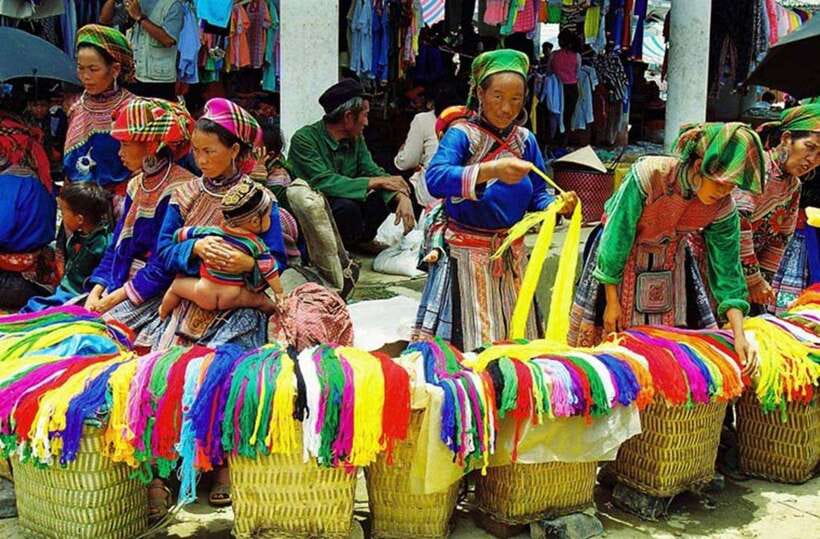
- Y Linh Ho, Lao Chai, and Ta Van give you two minority cultures in one loop
- Home-style lunch with a Hmong family, plus a chance to see how daily meals work
- English-speaking local guides often bring stories and humor that make the day click
- No vehicle support during the trek, so good shoes (and maybe gumboots) matter
Why This Sapa Terrace Trek Feels Like A Day With Locals
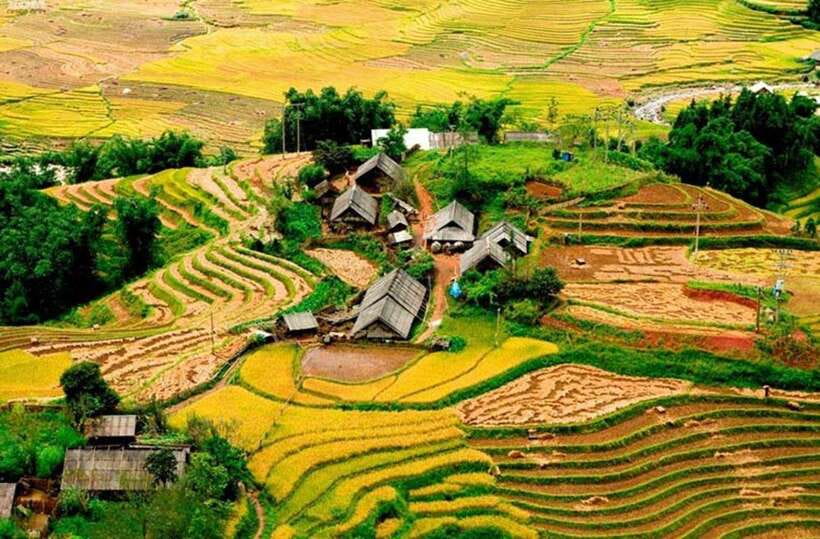
Sapa can be foggy, crowded, or overly tour-bus. This itinerary aims for the opposite. You start in town and then work your way into Muong Hoa Valley, where layered rice fields, wooden houses, and farmers pull you into the rhythm of daily life.
Two strengths really drive the experience. First, the small group (up to 10 people) keeps the pace human and the guide able to help when footing gets tricky. Second, the trek includes a home-cooked lunch with a Hmong family. That’s where you stop being a visitor and start being a participant for a meal.
The trade-off is obvious once you lace up your shoes. This is 10–12 km of walking and hiking, often on uneven ground. If you hate getting muddy, or you want flat, paved paths the whole way, you may end up frustrated instead of charmed.
You can also read our reviews of more tours and experiences in Sa Pa.

The Route: From 9:00 AM Fansipan Views To Muong Hoa Valley
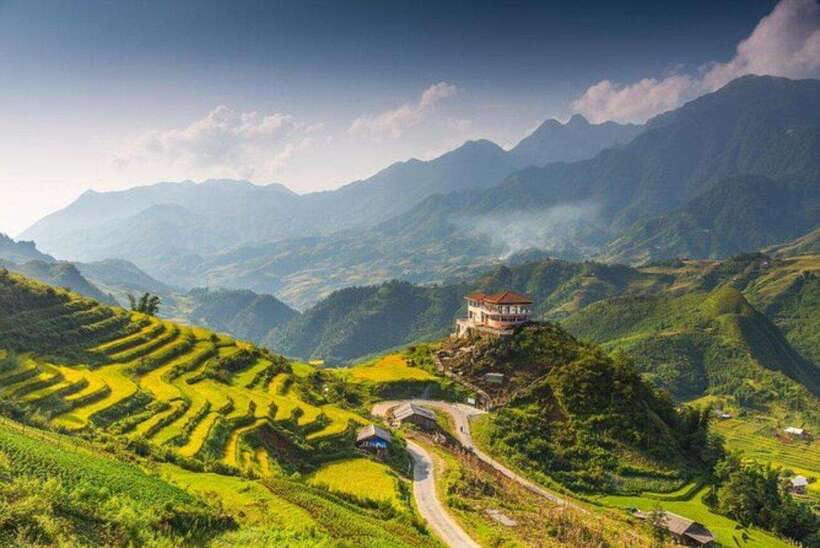
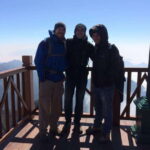
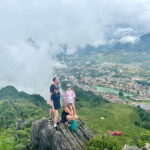
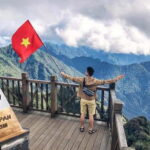
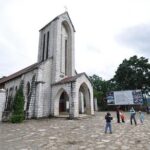
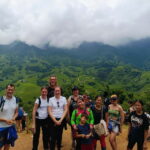
You meet your guide in front of Sapa Church and begin at 9:00 AM. The early stop is a small hill viewpoint. It’s your first chance to take in sweeping views toward Fansipan Peak, the mountain that towers over the region. In clear weather, it’s a great orientation moment. In fog, you’ll still see the valley’s depth, just with less detail.
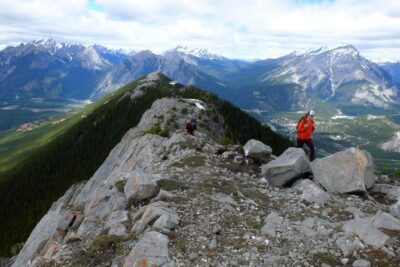
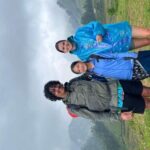
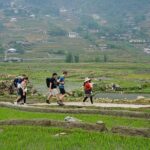
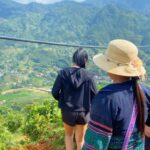
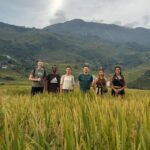
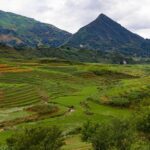
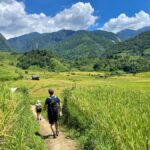
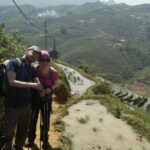
Then you head into Muong Hoa Valley. This is where you get the signature Sapa feeling: rice terraces arranged in bands, streams cutting through the green, and mountains rising in the background. The trek runs past wooden houses and fields with farmers working along the edges.
A practical tip: the valley can look different depending on mist. One guide-led group noted that visibility can be limited in the morning, but often improves later. So even if the first hours are misty, don’t write off the day.
First Village Stop: Y Linh Ho (Hmong) And The Scenic Bridge Moment
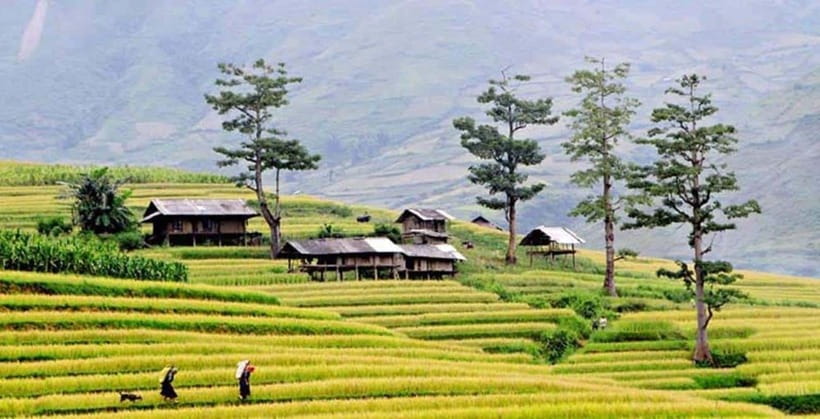
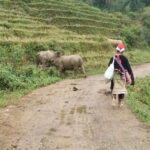
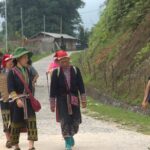
Around 11:00 AM, you reach Y Linh Ho Village, home to the Hmong ethnic minority. Before you go deeper into village trails, you cross a small bridge over a scenic river. It’s a short segment, but it changes the mood. You’re no longer just hiking through scenery. You’re moving through a living corridor where locals travel between fields and homes.
As you continue toward Lao Chai Sang, you pass traditional wooden houses and see farming life up close. This is also one of the parts where your guide’s storytelling matters. In multiple day trips, guides named Chai, Vu, Wu, and Lien were praised for English skills and for linking what you see (terraces, houses, clothing, daily routines) to why it exists.
What to watch for: village paths can be uneven and muddy, but they’re usually not long stretches of technical hiking. Still, don’t rush. Let your guide set the pace, especially during downhills and turns.
Lunch Time At Lao Chai Sang: Home-Cooked Hmong Meals
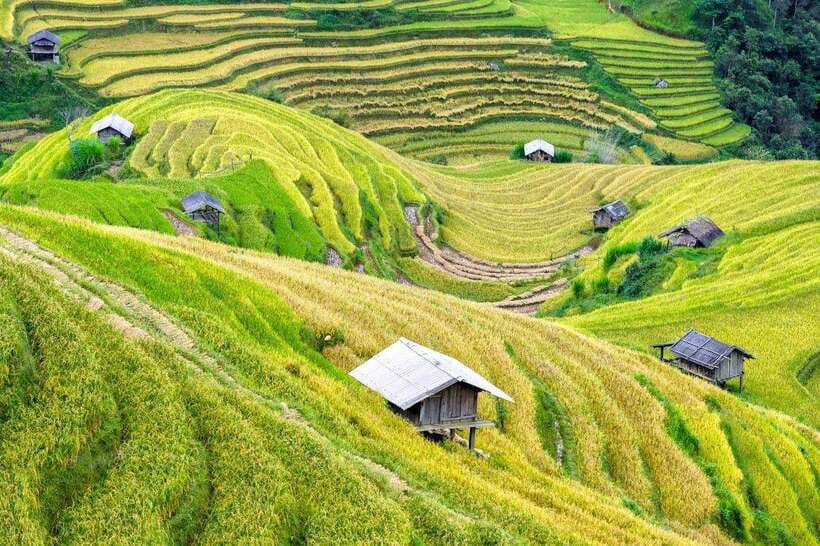
At about 12:30 PM, you stop for lunch in Lao Chai Sang with a Hmong family. This is one of the best value parts of the tour, because it’s included in the price and it’s not a “tourist meal in a tourist restaurant” setup.
Here’s what you can expect: food you’d likely recognize as Vietnamese, plus local flavors that reflect how people eat in the mountains. You’ll also get a break from constant movement, which helps your legs and keeps the day feeling balanced.
A small bonus that shows up in the experience: at least one lunch stop has been described as offering a vegetarian option. If that matters to you, it’s smart to communicate it in advance through your booking chat or message to the operator so expectations are clear.
Lao Chai Village: Rice Fields, Seasonal Work, And A Clothing-Making Lesson
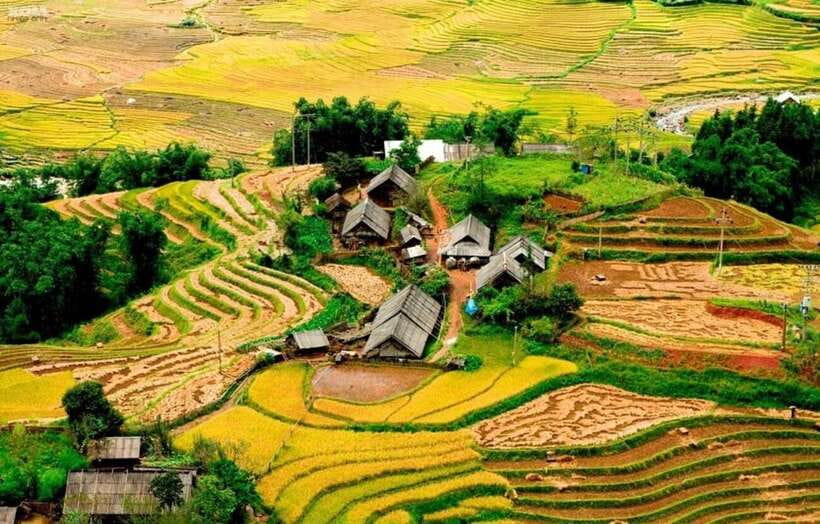
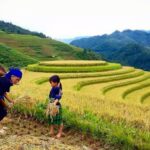
After lunch, you continue on foot to Lao Chai Village. Depending on the season, you may see villagers planting or harvesting rice. Either way, it’s a reminder that terrace agriculture isn’t just a photo backdrop. It’s labor, timing, and weather management.
Later in the afternoon, the tour adds a cultural activity focused on Hmong daily life and traditional clothing-making. This part is valuable because it shifts the day from “look at things” to “understand how people express identity through work and materials.” You’ll likely come away with more than a few words and photos. You’ll have context.
Keep expectations realistic: this isn’t a museum lecture where everything is perfectly structured. It’s more like a guided conversation rooted in real practice. If you ask questions and pay attention, you’ll get a lot out of it.


Ta Van Village And Dzay Culture Before You Return To Sapa
The trek continues to Ta Van Village, which is associated with the Dzay (Dzay/Zay) minority. This is your second culture stop, so the day doesn’t feel repetitive. It’s the kind of structure that helps you compare: what stays consistent across mountain communities, and what changes from group to group.
By around 3:30 PM, you’re back in Sapa. The schedule is built so you still get daytime visibility for views and village life, but you’re not slogging into the evening. Your legs will probably be ready for that.
One more logistics note: the walking is the main action. The tour doesn’t use a vehicle to “support” you mid-hike. You return to town at the end, so plan your energy accordingly.
Fitness, Footwear, And The Mud Reality Check
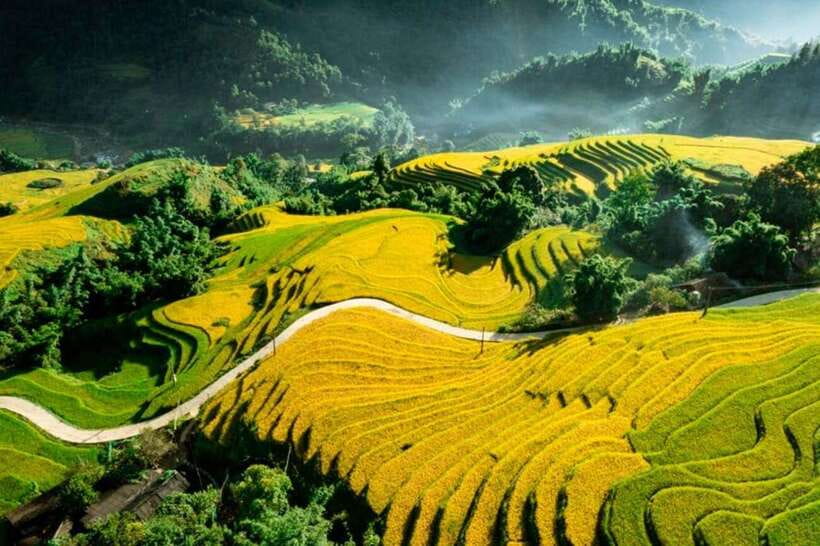
This is a hike. The distance is listed as 10–12 kilometers, and that matters more than people expect. You’ll be on paths that can be slippery, especially when there’s been rain or when the region has been damp for days.
The most repeated practical advice in these trips: wear hiking shoes and be ready to get dirty. A number of people also mentioned renting gumboots (wellies) for the worst muddy stretches. If you don’t want to sacrifice your footwear, gumboots can save your day.
A helpful way to think about difficulty: it’s not only about strength. It’s about balance. Early sections can be muddy, and guides often bring safety help, including support from local women along tricky areas. One review mentioned that local women and kids helped escort people through slippery parts. That kind of on-the-ground support helps a lot, but it doesn’t remove the need for decent traction.
If you have weak knees or you’re sensitive to uneven terrain, this is where you should be honest with yourself before you book.
Weather, Fog, And When The Views Really Land
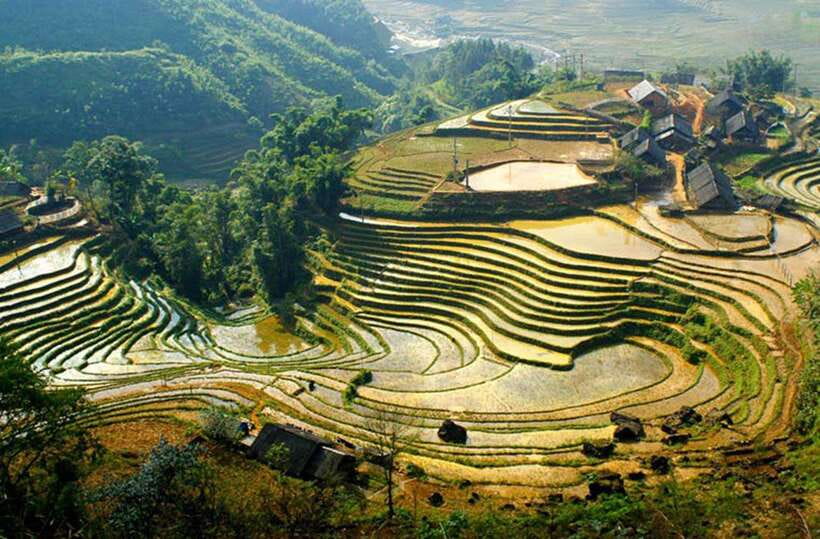
Sapa weather can change fast. Morning fog can soften or hide distant detail toward Fansipan. That doesn’t ruin the day, but it changes what you notice: less mountain pinpointing, more valley texture, terrace layers, and movement along streams.
In one set of experiences, visibility was limited early due to mist, then cleared later in the afternoon. So don’t assume you need perfect weather to have a great day. You need the right attitude, good shoes, and a guide who keeps momentum and safety front-of-mind.
Also, bring warm clothing even if you’re used to Vietnam’s warmer cities. Mountain air cools quickly, especially in morning hours.
Price And What You Get For About $27
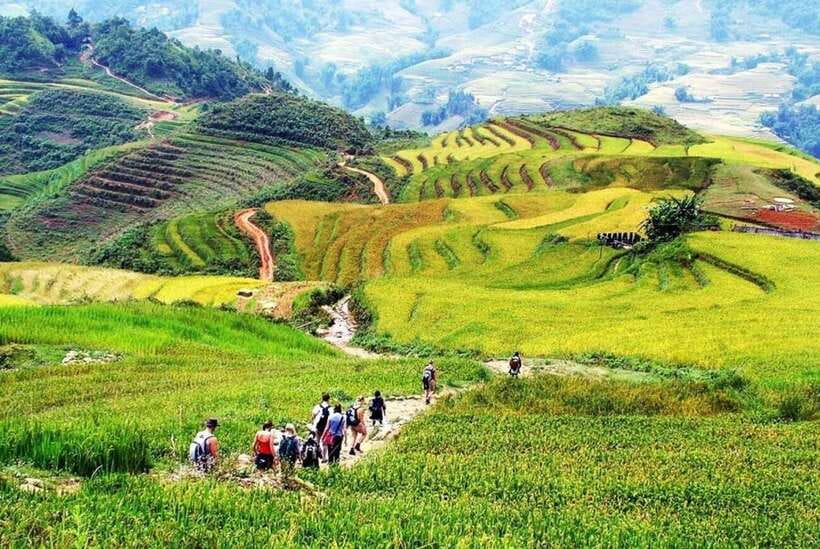
Let’s talk value in plain terms. At $27 per person for a roughly 390-minute day, you’re paying for more than walking.
You get:
- an English-speaking local guide
- entrance tickets
- a local lunch
- a small group capped at around 10 people
- and skip-the-ticket-line convenience
You’re not paying extra for the guide and lunch during the trek, which is where cheaper tours sometimes cut corners. Drinks are not included, and hotel transfers aren’t included either, so factor that into your total cost if you’re staying outside central Sapa.
If you want a day that blends nature with cultural context without adding another paid activity, this price point is strong. If you’re only after scenery and you hate walking, you may find you’re paying for a lot of what you won’t use.
Guides That Make The Day: Chai, Vu, Wu, And The Rest Of The Team
One pattern shows up again and again: the guides are the engine. When people feel cared for, the hike feels easier, even when the ground is slippery.
Names that came up strongly include Chai and Vu, with others such as Wu, Rou, Le, Lien, and Si also praised. Across these guides, the common threads were:
- good English for asking questions
- stories that link daily life to what you see in the villages
- a steady, calm approach when the trail is slick
- humor and warmth that keep the group moving together
That small-group dynamic matters here. In a larger tour, you can feel like you’re being rushed. In a group under 10, you’re more likely to get the “stop, look, explain” rhythm that turns a trek into a real learning day.
Who This Trek Is Best For (And Who Should Skip It)
This tour is best for you if:
- you want culture plus walking, not a bus-and-shop day
- you’re comfortable with 10–12 km and uneven terrain
- you like guided context about Hmong and Dzay life, clothing, and farming
- you appreciate small-group pacing and safety support
It’s not a great fit if:
- you have limited mobility or use a wheelchair
- you’re pregnant
- you’re over 75
- you’re traveling with children under 5
If you’re in any “gray zone” (tight knees, bad balance, severe vertigo), consider how you handle steep, slippery downhills. The tour is designed to be guided and supported, but it still involves real hiking conditions.
Should You Book This Sapa Trek?
Book it if you want a Sapa day that mixes rice terraces, village life, and a real meal with thoughtful guidance. The included lunch and the small-group setup make it good value, and the guides’ storytelling is repeatedly what turns the hike from sightseeing into understanding.
Skip it (or pick a gentler option) if mud and long walking are dealbreakers for you. This is a hike where your shoes may get coated, and where the best moments come from being patient during early, slippery sections.
If you do book, come prepared: warm layers, insect repellent, hiking shoes with traction, and a plan for wet footing (gumboots can be a lifesaver).
FAQ
What time does the trek start?
It starts at 9:00 AM in the center of Sapa.
How long is the experience?
The total duration is about 390 minutes (roughly 6.5 hours).
How far will I walk?
You’ll walk and hike about 10–12 kilometers.
Where is the meeting point?
Meet your guide in front of Sapa Church.
What language is the guide?
The tour includes a live English-speaking guide.
Is lunch included?
Yes. Local lunch is included.
Are drinks included?
No. drinks are not included.
What should I bring?
Bring warm clothing, hiking shoes, and insect repellent.
Can I cancel for a refund?
Yes. You can cancel up to 24 hours in advance for a full refund.