REVIEW · SA PA
From Sa Pa: 5-Hour Muong Hoa Valley Trek and Ethnic Tribes
Book on GetYourGuide →Operated by Vietnam Nomadtrails · Bookable on GetYourGuide
Rice terraces meet village daily life. This 5-hour Muong Hoa Valley trek is interesting because it strings together Black Hmong and Dzay communities with big views and real rural routines, guided by people like Sàng who speak clear English and keep the group moving. You’ll walk between villages, see market life, and get multiple chances to look out over the stepped rice scenery.
What I like most is the human scale: you’re not just hiking for photos, you’re getting pulled into everyday moments—market chatting, village house visits, and steady help on slippery sections. Lunch is another strong point: it’s included, served near the river, and many groups say the variety of local food is a highlight. One real consideration: this trek can be muddy and slippery, and it’s not an easy stroll even though the time on the clock is short.
Expect a tough 10-kilometer walk in wet weather, and plan accordingly. It’s not for children under 6, people with mobility impairments, or pregnant women. Seniors are specifically advised not to attempt it when conditions are challenging, especially if it’s wet.
In This Review
- Key things that make this trek work
- Muong Hoa Valley in 5 Hours: why the timing feels right
- From Sa Pa to Y Linh Ho: Black Hmong market and village life
- Lao Chai rice terraces: the view stop that feels earned
- Lunch near the river: what’s included and what to plan for
- Ta Van village and crafts: weaving and rice cultivation lessons
- Meeting the Dzay tribe: costumes and customs side by side
- The walk itself: steep, muddy, and why helpers make a real difference
- Guides and small groups: English support plus local know-how
- Price and value: $25 for bus, guide, tickets, and lunch
- Cultural etiquette and how to buy without feeling pressured
- Who should book this trek, and who should skip it
- Should you book the Sa Pa 5-hour Muong Hoa Valley trek?
- FAQ
- FAQ
- How long is the trek?
- Where does the experience start?
- What villages and tribes will I visit?
- Is lunch included?
- Is an English guide provided?
- How large is the group?
- What should I bring or wear?
- Is the trek suitable for children or seniors?
- Is there an extra fee for Lunar New Year?
- What is the cancellation policy?
Key things that make this trek work
- Black Hmong village time at Y Linh Ho, including market-life interactions
- Rice terrace views around Lao Chai that feel dramatic even on a short route
- River-side lunch included, with local produce from the community
- Ta Van craft visits focused on weaving and rice cultivation
- Dzay tribe contrast, so you can compare costumes and customs side by side
- Small-group pace (max 14) with English guidance and village helpers on trickier footing
Muong Hoa Valley in 5 Hours: why the timing feels right
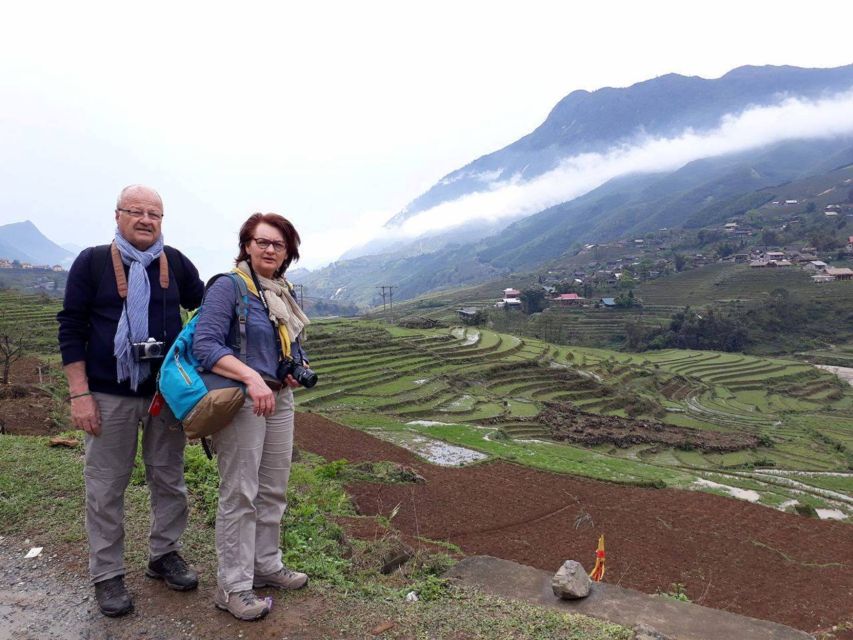
Sa Pa is full of big-ticket day trips, but this one has a smart advantage: it gives you the feel of Muong Hoa without eating your whole day. You leave Sa Pa, spend most of your time walking and visiting villages, eat lunch locally, then return by bus. In plain terms, it’s a good match if you’ve only got a limited window in town and still want more than just viewpoints.
The trek is described as about 5 hours, but the effort level is tied to the route length—around 10 kilometers—and the ground conditions. In clear weather, it can feel fast and scenic. In rain or after rain, it becomes more about footing than speed. The upside is that the pace is supported by an English-speaking guide and local helpers who know these footpaths day after day.
You can also read our reviews of more tours and experiences in Sa Pa.

From Sa Pa to Y Linh Ho: Black Hmong market and village life
You start with transport out of Sa Pa, then walk about 20 minutes along the road heading into Muong Hoa Valley. The first village stop is Y Linh Ho, home to the Black Hmong. This isn’t framed as a museum stop. It’s more like a guided “how people actually live” introduction—time to interact with locals and see daily life connected to the market.
This early segment sets the tone. You get context before the steep views and rice terraces take over. You also get a chance to slow down and read the environment: clothing, village structure, and how rural life shifts through the day.
Practical caution: village areas can mean lots of people around. Follow the local rules your guide stresses—especially around photography. The instructions are clear: don’t take pictures of children without a parent’s permission, and don’t touch children’s heads.
Lao Chai rice terraces: the view stop that feels earned
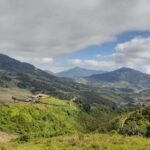
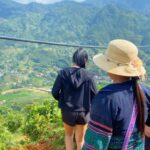
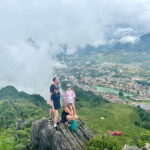
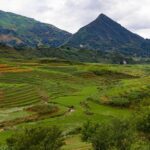
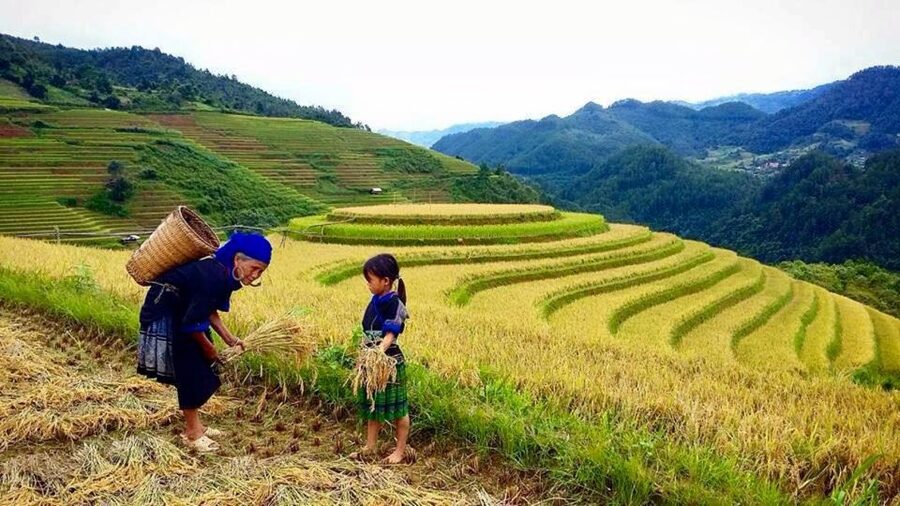
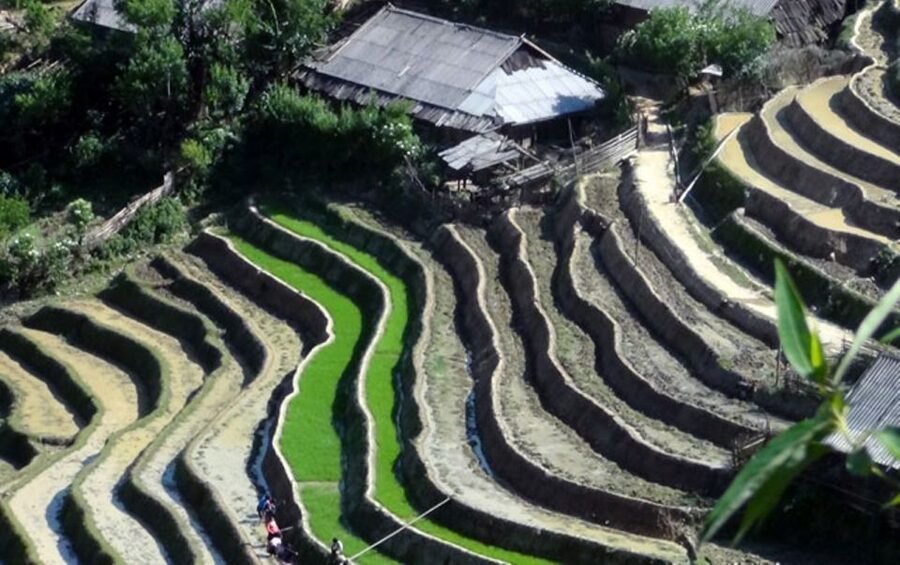
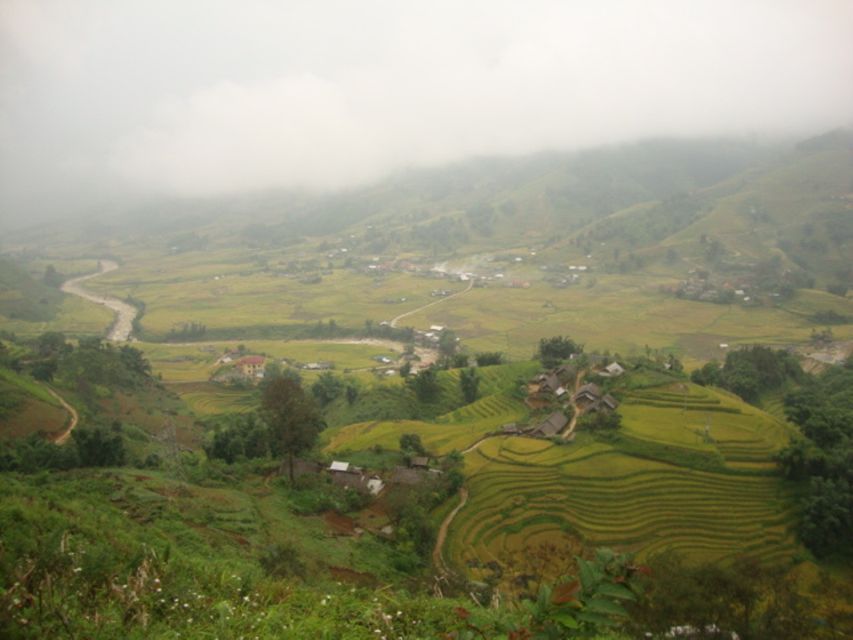
Next you arrive at Lao Chai, and the reward is the scenery—spectacular rice terraces among the hills. This is the part that makes many people book this trek in the first place. The terraces here are stepped and layered, and even a short stretch of good weather can turn the view into your main memory.
After time looking out over the fields, you’ll eat lunch near the river. Lunch is included, and it’s positioned as local produce from the Black Hmong community. Several groups say the food is tasty and plentiful, often with a good variety. A few report lunch can be plain, but even then, it still functions as a solid refuel stop after walking.
What to do with this section: bring your patience for weather and your attention for people. If fog rolls in during cooler months, it won’t ruin the day—it just changes the view into a softer, misty look. Either way, you’ll be taking in terraces while surrounded by village activity, not standing behind a fence.
Lunch near the river: what’s included and what to plan for
Lunch is one of the most reliable parts of this experience because it’s built into the route. You shouldn’t have to scramble for food mid-trek. It’s included in the price, and many groups describe it as a highlight.
Still, plan around what’s not included: drinks aren’t included, so you’ll want to budget for water and any other beverages. Also note that lunch is commonly where locals may offer handmade items. That can be a meaningful cultural moment—or it can feel like sales pressure if you’re not in the mood.
My practical advice: set a small spending limit before you sit down. If you buy something, buy it because you genuinely like it, not because you feel stuck. If you don’t want to shop, a calm refusal is enough. You can always show appreciation by listening to the explanation of how pieces are made.
Ta Van village and crafts: weaving and rice cultivation lessons
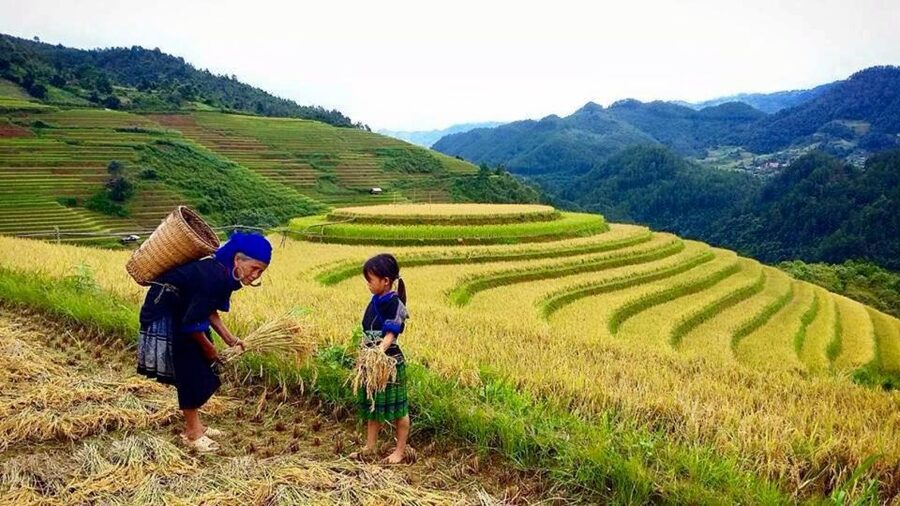
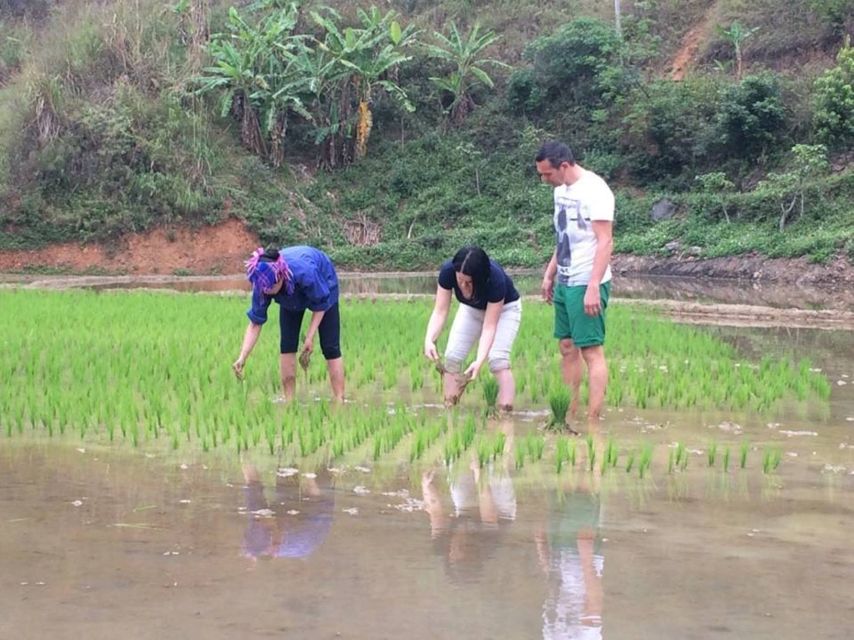
After lunch, the trek shifts toward Ta Van village, where you visit local houses. This stop is less about big views and more about how daily work becomes culture. You’ll learn about traditional crafts and land-based routines, including weaving and rice cultivation.
Why this part matters: you’ll see how “nature” here isn’t just scenery. It’s part of the economy. Rice terracing takes labor and skill, and weaving connects everyday needs to identity. Even if you’ve seen photos of these crafts before, house visits tend to make it real—because you can see tools, materials, and the pace of routine.
The route also continues to emphasize walking through mixed surfaces—dirt paths, uneven areas, and sometimes concrete/stone sections. That mix affects comfort more than you’d expect, so your trekking shoes really matter.


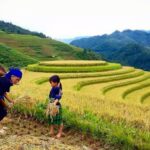
Meeting the Dzay tribe: costumes and customs side by side
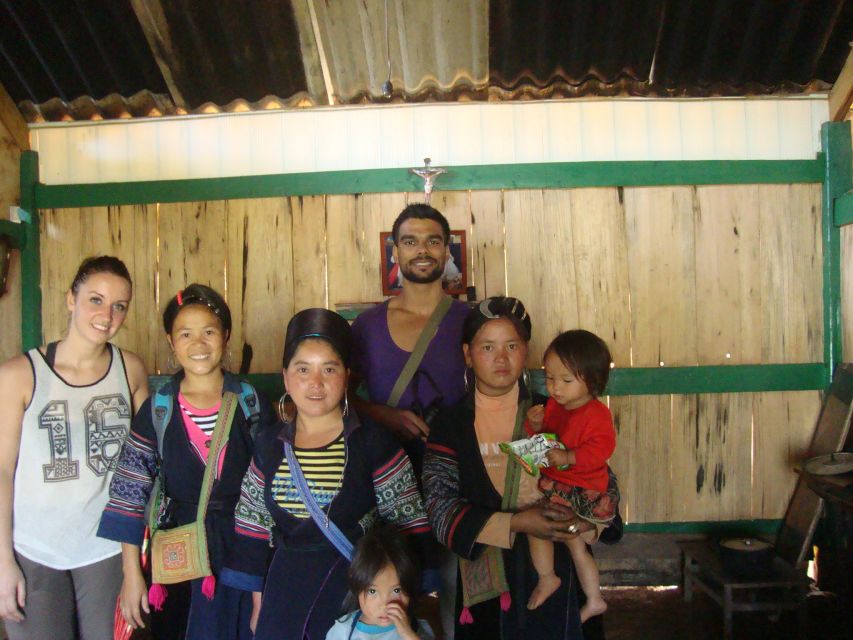
One of the most interesting features is the contrast stop. The trek includes time meeting members of the Dzay tribe, framed as a comparison point to what you learned from the Black Hmong people earlier. You’ll see differences in customs and costumes, and you’ll likely notice that the tribes aren’t just different by appearance—they feel different in the way they present everyday life.
This matters for your overall understanding of Sa Pa. Instead of one single village experience, you get a more grounded picture: ethnic culture here isn’t one story. It’s multiple communities with distinct traditions living in the same valley system.
The walk itself: steep, muddy, and why helpers make a real difference
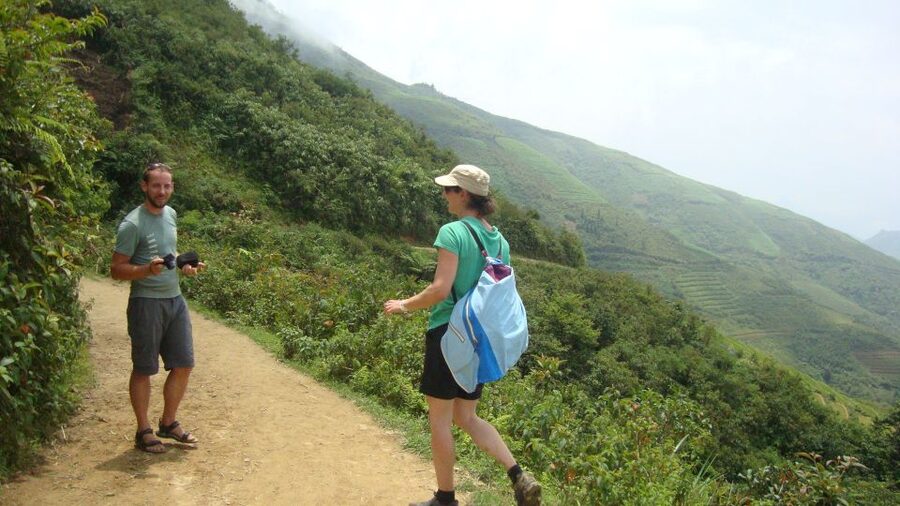
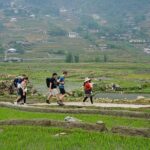
This trek is described as challenging, and that matches what you should expect on the ground. Reviews repeatedly highlight slippery conditions, steep stretches, and the fact that the path can turn muddy quickly. One key detail that makes the day better than it sounds: local women and village helpers often accompany the group and assist with footing, especially on steep or slick sections.
In wet weather, plan on needing help. Even fit hikers slow down. In heat, steep parts can feel harder than you’d guess. In winter, fog can make visibility lower, and you may get thicker mud than expected.
So here’s what I’d do before you go:
- Wear proper trekking shoes (not lightweight city sneakers).
- Bring insect repellent and sun protection because the weather can still be bright even in cooler seasons.
- Expect wet-mud conditions if the forecast includes rain, and dress for October to March with warm layers.
The payoff is that once you’re moving with the group, you’re not just staring at the terraces. You’re walking through the same paths that locals use.
Guides and small groups: English support plus local know-how
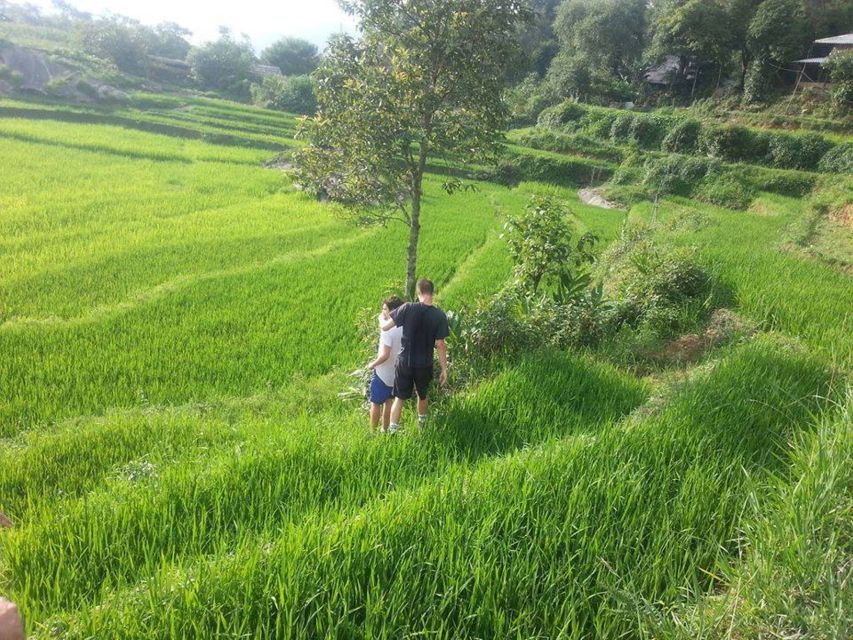
This tour runs as a small group, limited to 14 participants, which is a big deal on narrow paths. Smaller groups mean less crowding on steep sections and more time for questions.
English-speaking guides lead the day, and several people specifically praise guides by name—especially Sàng, with strong English and a funny, attentive style. Other guides mentioned include Su, Sai, and Bao. The common thread is that the guide explains what you’re seeing and keeps the group at a pace that works for the terrain.
One more reason the guide experience matters: some people expect a casual walk and don’t realize how slippery it can get. When that happens, local helpers and a supportive guide make the difference between a stressful day and a safe one.
Price and value: $25 for bus, guide, tickets, and lunch
At about $25 per person, the value comes from what’s bundled. Included is transportation by bus, an English-speaking guide, entrance tickets to the sites mentioned, and lunch. That combination is often where tours in Sa Pa either feel like a bargain or like a trap. Here, it’s more likely to feel like a bargain because you don’t have to plan your own transport out to the villages or pay entrance fees separately.
What you still need to budget for:
- Drinks (not included)
- Travel insurance (not included)
- Personal expenses like snacks and extra purchases
- Potential Lunar New Year surcharge, which is explicitly noted in the activity details
If your priority is culture and walking in a short time window, this price sits in the “reasonable and fair” zone. If you want luxury comfort, this isn’t that kind of day. It’s a working valley and a working village experience.
Cultural etiquette and how to buy without feeling pressured
This trek puts you close to daily life. That’s the whole point. But closeness comes with rules.
Follow these practical guidelines:
- Don’t take photos of children without parental permission.
- Don’t touch children’s heads.
- If locals invite you to buy handmade items, treat it like a respectful interaction, not a forced transaction.
The reviews include mixed feelings about sales activity during lunch. Some people say it’s normal and only happens at the end. Others say the lunch area can feel busy with sellers for the whole meal. Either way, your best defense is mindset: go in prepared to either buy something small because you like it, or decline calmly.
Who should book this trek, and who should skip it
This is best for you if:
- You want a real village-and-terrace day rather than a viewpoint-only outing.
- You’re comfortable walking about 10 kilometers and can handle uneven, muddy ground.
- You value cultural comparisons between the Black Hmong and Dzay tribes.
This trek is not a good fit if:
- You’re a senior who was advised not to do it due to the trek challenge and wet-weather risk.
- You’re traveling with children under 6.
- You’re pregnant, or you have mobility impairments or wheelchair needs.
- You need something fully accessible.
One more note: pets aren’t allowed. So if you’re traveling with any animals, you’ll need alternative arrangements.
Should you book the Sa Pa 5-hour Muong Hoa Valley trek?
Book it if your goal is a short time in Sa Pa with a strong mix of walking, rice terrace views, and hands-on culture. The small group size, English guidance, and the way local helpers support the trek make it more achievable than it sounds on paper. The included lunch and the village craft visits add real substance, not just scenery.
Skip it if you know you’ll struggle with slippery, steep, wet-footpath conditions—or if your comfort needs mean you want something more gentle and fully predictable. This is a valley walk with real terrain, and that’s exactly why it feels authentic.
FAQ
FAQ
How long is the trek?
The duration is listed as 5 hours. Starting times vary, so you’ll need to check availability for the exact departure.
Where does the experience start?
It starts from Sa Pa, with pickup available from hotels in Sa Pa town only.
What villages and tribes will I visit?
You’ll visit Y Linh Ho village (Black Hmong), then Lao Chai, then Ta Van village, and you’ll also meet members of the Dzay tribe to compare customs and costumes.
Is lunch included?
Yes. Lunch is included, and it’s described as being near the river with local produce from the Black Hmong community.
Is an English guide provided?
Yes. The tour includes an English-speaking guide.
How large is the group?
It’s a small group limited to 14 participants.
What should I bring or wear?
Bring trekking shoes, sunglasses, sun cream, and insect repellent. Warm clothes are recommended between October and March.
Is the trek suitable for children or seniors?
It’s not suitable for children under 6. Seniors are advised not to do this 10-kilometer trek, especially if conditions are wet and potentially dangerous.
Is there an extra fee for Lunar New Year?
A Lunar New Year surcharge is listed in the details. The amount and dates are stated in the provided info, so check your exact travel dates before you go.
What is the cancellation policy?
There is free cancellation up to 24 hours in advance for a full refund.