REVIEW · KATHMANDU
Everest Base camp Trek
Book on Viator →Operated by Mission Summit Treks And Expedition · Bookable on Viator
Everest Base Camp is not a casual hike. This trek blends a thrilling Lukla flight, classic Everest-region villages, and serious time at altitude—with support built in.
I especially like the way the trip is set up for real comfort while you’re working hard: three meals a day during the trek and accommodations included, so you’re not hunting food or beds after long walks. I also like that logistics are handled end-to-end with the Everest National Park permit paperwork, airport pickup/drop, and trained local guidance.
One consideration: your accommodations include a toilet outside your room, and things like hot showers and battery charging are not included—so pack to be self-sufficient.
In This Review
- Key things that make this Everest Base Camp trek worth it
- Lukla flight and Kathmandu pickup: where the trip starts
- Lukla to Phakding: Dudh Koshi river days and suspension bridges
- Namche Bazaar stop: a turning point on the Everest route
- Tengboche to Dingboche: monasteries, high views, and slow steps
- Lobuche and Gorak Shep nights: the final stretch starts feeling real
- Everest Base Camp and Kala Patthar: views with altitude behind them
- Guides and porters: why this trip works better as a team
- Price and logistics: what $1,500 covers and how to judge value
- What to pack for the real Everest Base Camp conditions
- Fitness level and who this trek suits
- Should you book this Everest Base Camp trek?
- FAQ
- Where is the trek start meeting point in Kathmandu?
- Are airport pickups and drops included?
- Are flights included to Lukla and back?
- Does the trip include a guide and porters?
- Are meals included during the trek?
- What about accommodations and bathrooms?
- Is the Everest National Park permit paperwork included?
- What is not included in the package price?
- What is the cancellation policy?
Key things that make this Everest Base Camp trek worth it
- Lukla flight included to drop you into the Everest route fast, instead of starting days away.
- Guide and porters in the plan, using a porter setup of 1 porter for about every 2 clients.
- Meals and lodging included during the trek, which keeps daily budgeting simple.
- Permits handled (Everest National Park entry paperwork and office work included).
- Peak-view focus with a final push to Kala Patthar above Base Camp for the big panorama moment.
Lukla flight and Kathmandu pickup: where the trip starts
Most people think the trek starts when you lace your boots. For this itinerary, the momentum begins earlier—at Tribhuvan Airport in Kathmandu, with pickup arranged by private car/van/bus. Once you’re moving, you’ll also handle the domestic flight portion that brings you to Lukla (with flights listed from Kathmandu or Ramechap).
That first day matters more than it sounds. A flight to Lukla is the entry ticket to the Everest region’s walking world—monument stops, the Dudh Koshi river corridor, bridges, and those long village-to-village days that follow. If you want the classic Everest experience without turning it into a multi-week logistics project, this start is a strong fit.
You can also read our reviews of more tours and experiences in Kathmandu.
Lukla to Phakding: Dudh Koshi river days and suspension bridges
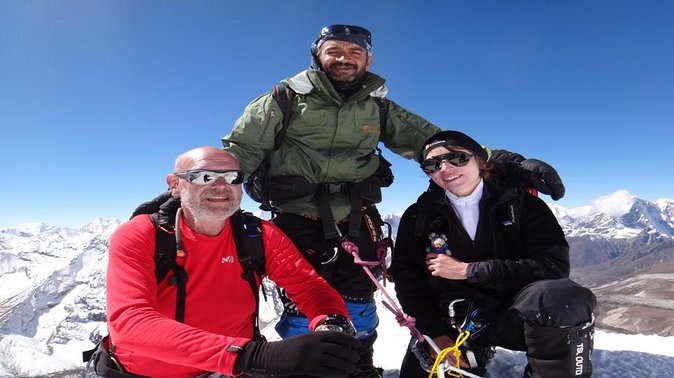
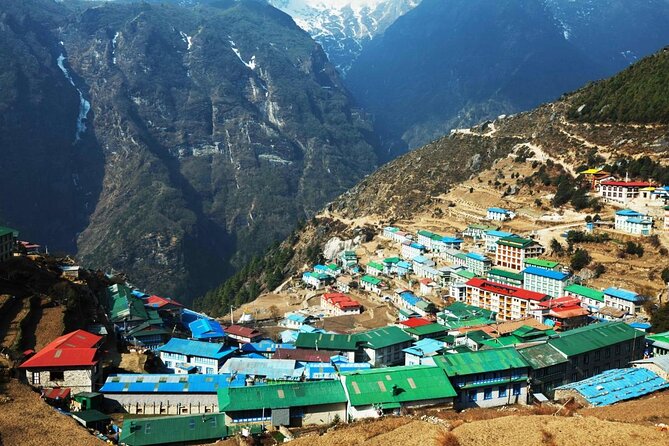
Your first walking stretch typically follows the familiar Everest corridor—starting from Lukla, then moving toward Phakding on the bank of the Dudh Koshi. Expect a mix of river views, village paths, and that special rhythm you get when you leave the noise of town and step into trail time.
This is also where you learn how your body wants to pace. The days around Phakding are often where you test your hydration plan, your shoe comfort, and your breathing tempo before the altitude really starts to stack up. The trekking route here includes a suspension bridge experience and some forest walking, which helps break up the “just keep going” feeling.
Namche Bazaar stop: a turning point on the Everest route
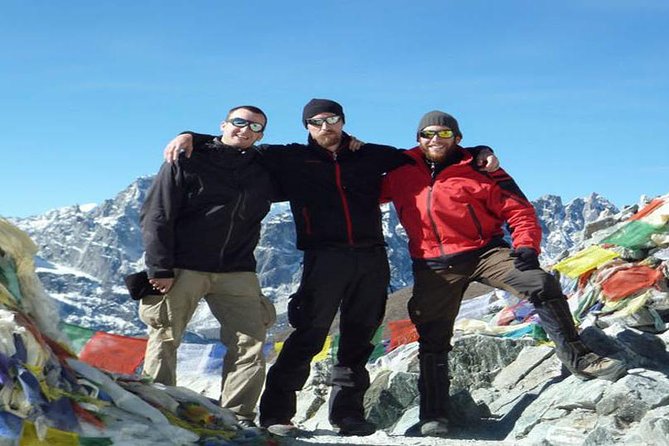
After Phakding, Namche becomes one of the core overnight stops on the way up. It’s a key location in the Everest region because it’s where the trek starts to feel more like a high-altitude journey and less like a scenic hike.
You can think of Namche as a psychological checkpoint. The views are part of it, sure, but the bigger value is that it sets your expectations: you’re not just moving uphill—you’re spending time in a place built for trekkers, where you’ll see how others are adapting their routines. On a trip like this, that matters because the trek is as much about pacing as it is about views.
Tengboche to Dingboche: monasteries, high views, and slow steps
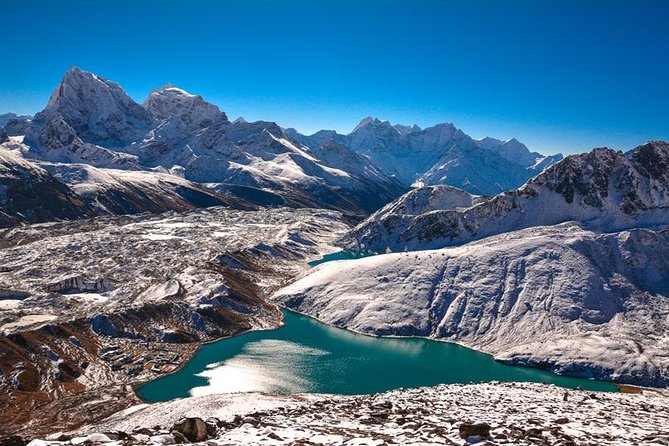
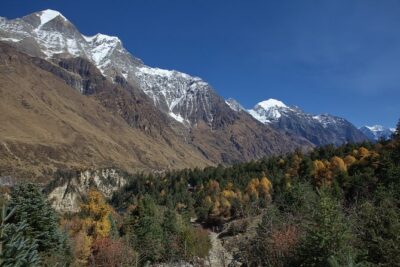
From Namche, you continue to Tengboche, then onward to Dingboche. This section is where the Everest-region vibe intensifies: longer sightlines, bigger mountain silhouettes, and the kind of air that makes every decision feel louder—your steps, your breathing, your water breaks.
Tengboche is often remembered for its spiritual atmosphere and village setting in the Everest area, while Dingboche tends to feel more “base camp prep.” Even without making it complicated, this middle segment is where you learn how to move efficiently. You don’t need heroic speed. You need steady steps, smart pauses, and a guide who keeps you from rushing.
Lobuche and Gorak Shep nights: the final stretch starts feeling real
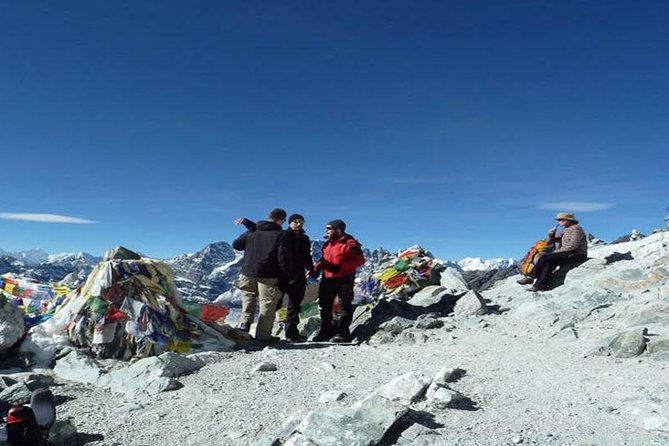
Once you reach Lobuche, the trek starts to tighten around the goal. After that, Gorak Shep is where many people feel the emotional switch flip: Base Camp is no longer a distant name—it’s a destination you can picture on the map and feel in your legs.
This is also where the route becomes less about variety and more about endurance. The trail can feel harsher, the air more demanding, and the day structure more deliberate. If you’ve ever wondered why Everest treks are described as mental journeys, this is where you start to understand it. You keep walking because you’ve trained your brain to accept slow progress.
Everest Base Camp and Kala Patthar: views with altitude behind them
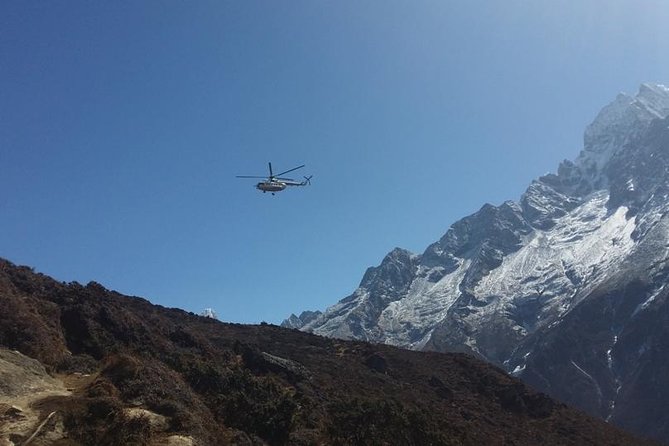
Reaching Everest Base Camp is the headline. But the itinerary’s real payoff is that you also continue on to Kala Patthar, described as the next destination above Base Camp. That makes sense if you care about maximum perspective.
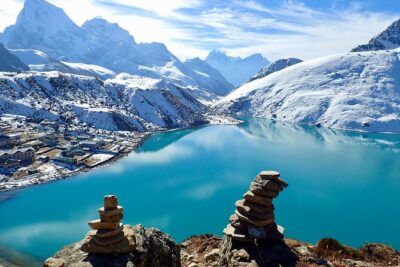
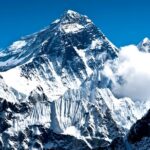
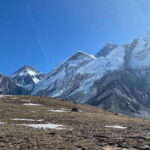
From this area, you’re set up to see a lineup of peaks listed as part of the experience: Thamserku, Kusum Kanguru, Tabuche, Cholatse, Ama Dablam, Lhotse, Island Peak, Makalu, Khumbutse, Chhangaste, Pumori, and Labuche. Seeing those names turn into actual shapes in front of you is a very different feeling than looking at photos after the fact.
A small but important point: Base Camp is emotional, but it can also be physically demanding. This trek is best approached with patience—enough enthusiasm to keep going, but enough self-control to avoid spending all your energy too early. The guide quality here is not a luxury; it’s part of getting you to the right moments safely.
Guides and porters: why this trip works better as a team
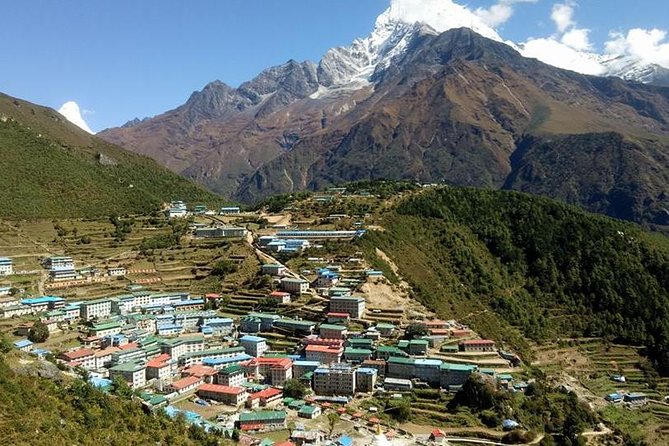
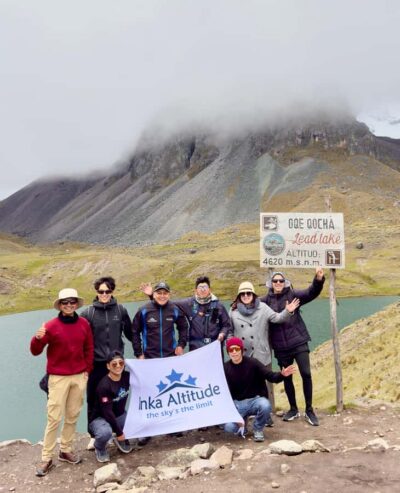
A lot of Everest treks rise or fall on one thing: who walks beside you. In multiple accounts of Mission Summit Treks and Expedition, guides such as Damu (including Damodar Mainali) and Kamal Bhai have been praised for calm structure, prompt communication, and staying attentive during tough sections.
What stands out in the feedback pattern is not just friendliness. It’s the practical side: evening briefings that help you feel ready for the next day, check-ins during difficult stretches, and guidance that keeps the group moving at a safe pace. People also highlight that the best experience comes when you don’t rush. That’s exactly the kind of advice you want on a trek where altitude punishes ego.
Porters matter too. This package includes 2 clients to 1 porter setup, which is a real help if you want to keep your daypack manageable. Less weight in your hands often means more energy for breathing steadily and staying warm.
Price and logistics: what $1,500 covers and how to judge value
At $1,500 per person for about 12 days, the only way this price makes sense is if you compare what’s included versus what you’d otherwise pay separately. Here, the package covers:
- Flights between Kathmandu/Ramechap and Lukla, plus the return
- Airport pickup and drop in Kathmandu
- Three meals a day (breakfast, lunch, dinner) during the trek
- All accommodations during the trek (with toilets outside rooms)
- Everest National Park permit paperwork
- A licensed, English-speaking guide
- Government taxes/office expenses and domestic airport tax
- Two porters (not just one helper)
What’s not included is where you’ll need to budget yourself:
- Nepal entry visa fee (USD 40)
- International airfare and travel insurance
- Mineral water/bottled drinks/sweets
- Hot shower, battery charge, and Wi‑Fi
- Tips for guide and porter
For value, I like that so many “hidden” day-to-day costs are already handled. If you’ve planned treks before, you know the surprise expenses often add up fast—especially with meals, permits, and domestic transport. Here, the structure leans toward predictable spending, as long as you accept that comfort extras (hot showers, charging, Wi‑Fi) are not part of the deal.
What to pack for the real Everest Base Camp conditions
The itinerary includes plenty of village nights and included meals, but it does not promise modern creature comforts. Plan your packing around what’s missing:
- No hot shower is included, and charging/Wi‑Fi may not be part of your daily routine. A power bank and a plan for keeping your phone/camera useful will help.
- You’ll be buying some extras yourself, including bottled drinks and snacks, so carry a little cash and consider a water plan you can trust.
- Accommodations include toilets outside your room, so bring simple essentials for that situation.
Beyond the “not included” items, the most practical packing rule is altitude layering. Even without specific temperature numbers in the plan, the Everest region typically swings cold fast as you gain height. Bring clothes you can adjust during the day: light layers for walking and warmer layers for pauses.
Fitness level and who this trek suits
This trek is listed for people with moderate physical fitness. That doesn’t mean you should show up unprepared. It means the trip is designed for travelers who can walk long days and handle steady effort without needing technical climbing skills.
This is a great fit if you:
- Want the classic Everest Base Camp route with a guided support structure
- Prefer private group comfort (the tour is private, meaning only your group participates)
- Like clear daily planning and a guide who stays engaged, not hands-off
- Care more about reaching Base Camp and Kala Patthar than about chasing speed
Should you book this Everest Base Camp trek?
If you want an Everest Base Camp experience where logistics are handled, the daily rhythm is supported, and the guide/porter team is part of the value, then yes, this one is a solid choice. The strongest reasons to book are the included Lukla flights, meals and lodging, permit paperwork, and the repeated emphasis on well-organized guidance from leaders like Damu and Kamal Bhai.
You might think twice if you’re counting on modern comforts like hot showers, charging, or easy Wi‑Fi access. This trek is built for the mountains, not for convenience. If you go in with patience, smart pacing, and realistic expectations, you’ll get that full “mental and emotional journey” feeling people talk about—plus the big peak lineup at Base Camp and the view-heavy finale at Kala Patthar.
FAQ
Where is the trek start meeting point in Kathmandu?
The trek starts at Tribhuvan Airport, Kathmandu, Nepal.
Are airport pickups and drops included?
Yes. Airport pickup and drop are included by private car/van/bus.
Are flights included to Lukla and back?
Yes. Flights are included from Kathmandu/Ramechap to Lukla and then back to Kathmandu/Ramechap.
Does the trip include a guide and porters?
Yes. You get a helpful, trained, well English-speaking government-licensed guide and porter support using a 2 clients to 1 porter setup.
Are meals included during the trek?
Yes. Three meals per day are included during the trek: breakfast, lunch, and dinner.
What about accommodations and bathrooms?
Accommodations are included. The toilet will be outside your room.
Is the Everest National Park permit paperwork included?
Yes. The trip includes all necessary paper work for Everest National Park entry permit.
What is not included in the package price?
Not included are the Nepal entry visa fee (USD 40), international airfare, travel insurance, mineral water/bottled drinks/sweets, hot shower/battery charge/Wi‑Fi, and tips for guide and porter.
What is the cancellation policy?
You can cancel for a full refund if you cancel up to 24 hours in advance of the experience start time. If you cancel less than 24 hours before, the amount paid is not refunded.