REVIEW · SA PA
2-Day Fansipan Mountain Trek – Indochina’s Highest Peak
Book on GetYourGuide →Operated by Vietnam Nomadtrails · Bookable on GetYourGuide
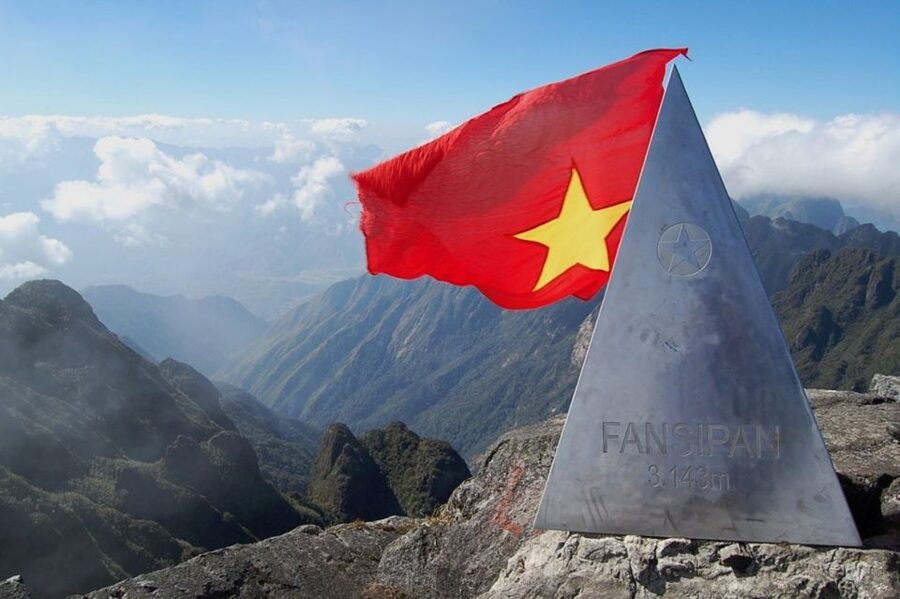
Fansipan is a tough hike with payoff. This 2-day, guided climb to Vietnam’s highest peak (3143 meters) blends steep trekking with minority-culture context and an early-summit sunrise moment.
What I like most is the porter support: you meet your Black Mong baggage porter, and your food plus sleeping bag get carried so you can focus on walking. I also love the early rhythm and food setup: breakfast at 5:00 AM, a picnic lunch around 2200 meters, and guided meals cooked for you in very rustic conditions.
One drawback to consider: this is steep and long, and the overnight setup can be cold and basic. The trek is not suitable for children under 17 or people with disabilities, and elderly hikers are advised to skip the long trek.
In This Review
- Key things to know before you go
- Fansipan from Sa Pa: why this trek feels like the real deal
- Your Day 1: Sa Pa to Tram Ton, then up to 2800 meters
- The climb: pine, bamboo, streams, and minority knowledge
- Lunch at 2200 meters: fuel at the right altitude
- Camping around 2800 meters: reach camp, rest, then dinner
- Day 2: 5:00 AM breakfast, summit at 7:30 AM, back to Sa Pa
- Summit window: arrive around 7:30 AM
- Descent starts quickly, with picnic lunch on the way down
- Getting to Hanoi: your part of the plan
- Price and logistics: what you’re really paying for
- Comfort reality: cold nights, basic shelter, and how to pack
- Culture on the trail: what a good guide actually adds
- Should you book this 2-day Fansipan trek with Vietnam Nomadtrails?
- FAQ
- What is the altitude of the Mount Fansipan summit on this trek?
- Where do you meet for the trek?
- What time does the trek start?
- How much food and water are included?
- Where do you sleep overnight?
- Is there an option to use a cable car instead of walking down?
- What permits and fees are included?
- Is the trek suitable for children or people with disabilities?
- What is the price, and is there a surcharge for Lunar New Year?
Key things to know before you go
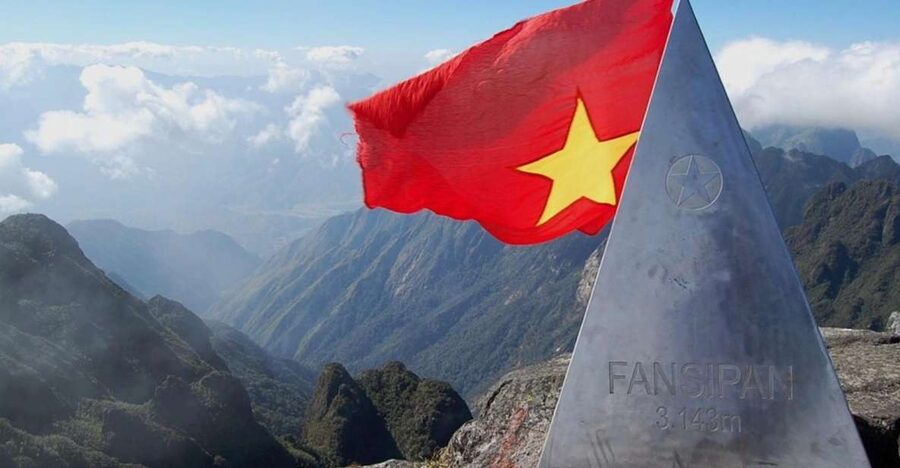
- 3143-meter summit on a fast 2-day schedule, with a sunrise arrival target
- Early starts (including 5:00 AM breakfast) that help you reach the top before the day gets crowded
- Black Mong porter support to carry your sleeping bag and food, easing your load
- Picnic meals at key elevation points, plus a hearty dinner around 6:30 PM
- Basic overnight conditions (hut/tent/sleeping bag) where cold can be real at night
- Optional cable car descent if your legs are done (extra fee)
Fansipan from Sa Pa: why this trek feels like the real deal
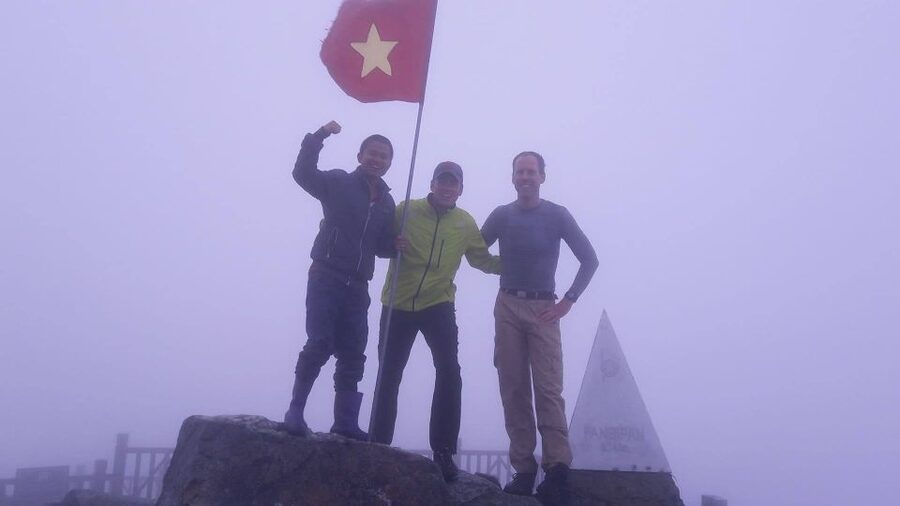
If you want a mountain challenge that still feels human-scale, this itinerary makes sense. You start from the Tram Ton area, climb through cooler forest zones, camp near 2800 meters, then push for the summit at 7:30 AM. It’s not a “look out the window” experience. It’s legs, breath, and decision-making—plus a guide who explains what you’re seeing.
The summit angle matters too. The goal is sunrise and early morning light over the Sa Pa valleys and Lai Chai Province, with views that can extend toward Yunnan in China (weather-dependent, of course). That kind of timing turns the highest-peak ticket into a story you’ll remember long after the trail dust settles.
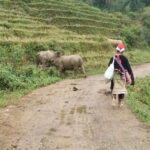
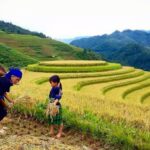
And the cultural layer is practical, not just background. As you hike, you learn about local minority groups living in the region—specifically the Black Mong, Red Dzao, and Dzay—and you meet the porter who carries your items. That personal connection changes how you experience the trek. You’re not just passing through; you’re walking alongside people whose communities have long been shaped by this terrain.
You can also read our reviews of more tours and experiences in Sa Pa.
Your Day 1: Sa Pa to Tram Ton, then up to 2800 meters
Day 1 is where the trek starts to feel serious. You meet at Vietnam Nomadtrails’ office in Sa Pa (No 013 Tue Tinh str). The exact meeting time is shown as 8:00 AM, but the day’s flow also describes a 7:00 AM welcome for hot shower and luggage storage. I’d treat that as a detail to confirm in your booking message, then plan to arrive early enough that you can actually use the hot shower and settle before the drive.
After the morning setup, you get a window of free time in Sa Pa town before you’re transported to the Tram Ton pass. The planned departure to the trail starting point is 9:00 AM. This matters because it keeps the climb from dragging into late-day heat. You’ll start uphill while it’s still cool, which is both kinder to your energy and easier on your pacing.
The climb: pine, bamboo, streams, and minority knowledge
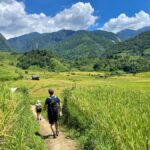
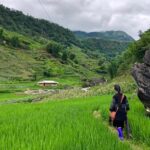
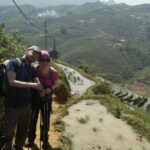
From Tram Ton, you begin ascending toward Mount Fansipan (3143 meters). The route is described as passing through forests of pine and bamboo and alongside streams in a cool climate. That’s not just scenery talk. Pine and bamboo zones usually mean frequent shifts in temperature and footing—sometimes shaded, sometimes damp, sometimes exposed—so having a guide to help with pacing and trail choices is a genuine advantage.
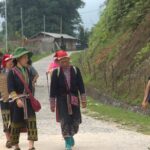
This is also where the cultural notes become part of the trek rather than a lecture. You’ll get information from your guide about the Black Mong, Red Dzao, and Dzay, and you’ll meet your baggage porter from the Black Mong community. I like how that support feels built into the day: instead of hauling everything yourself, you’re assigning parts of the “load” to the porter system, which is part of how locals deal with this terrain.
Lunch at 2200 meters: fuel at the right altitude
Around noon, you reach about 2200 meters, where you stop for a picnic lunch prepared by the guide and porter. This is an important pause for two reasons. First, you’re breaking the hike into manageable altitude blocks. Second, you’re eating at a point where you still have enough energy to continue climbing to camp.
The menu isn’t spelled out, but it’s clearly planned and cooked on-site. One of the strongest signals from past feedback is that the food is a real highlight, not an afterthought—people call out that breakfast, lunch, and dinner were cooked up in a rustic setting and tasted great.
Camping around 2800 meters: reach camp, rest, then dinner
After lunch and rest, you continue to your sleeping point at 2800 meters, arriving around 4:00 PM. Late afternoon is a smart target because you’re not building the day so long that you arrive exhausted with no recovery time.
You’ll have time to rest or explore near your tent/hut setup while the guide and porter prepare dinner. Dinner is scheduled for 6:30 PM, and then you’re encouraged to go to bed early.
Two realistic expectations for camp:
- Overnight shelter is basic (sleeping bag, hut, or tent).
- Cold can hit harder than you’d think. One experience note specifically mentions a night temperature falling to zero degrees and sleeping bags that were not enough on their own, with blankets described as helpful. Bring layers and plan for chilly air, even if Sa Pa starts out comfortable.

Day 2: 5:00 AM breakfast, summit at 7:30 AM, back to Sa Pa
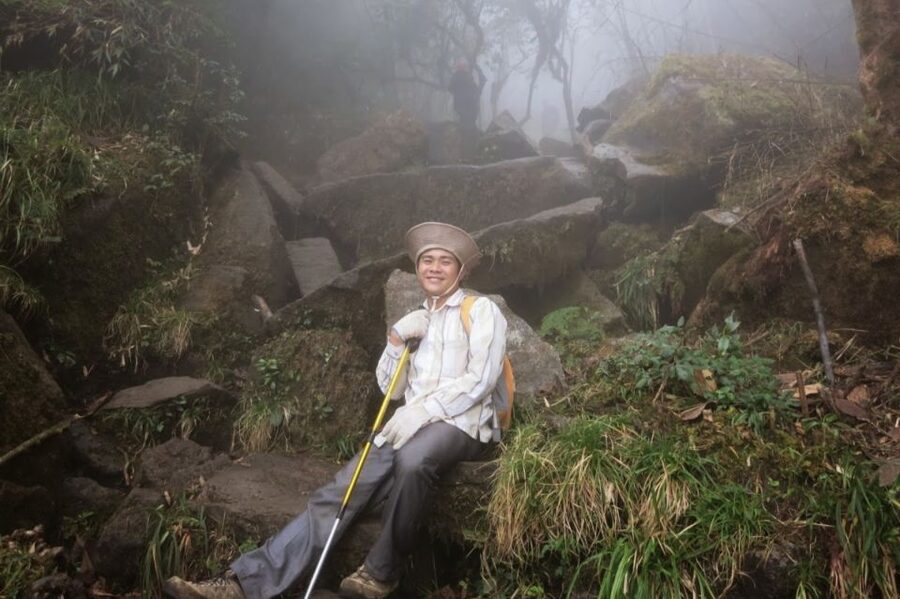
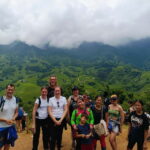
Day 2 starts early for a reason: the summit push is timed for sunrise conditions. Breakfast is 5:00 AM, with hot tea or coffee. Then you head back into the bamboo forest and keep climbing as vegetation thins near the top.
That transition—from fuller greenery to more exposed, sparse areas—affects how it feels on your body. It’s often colder at elevation and the wind can get sharper. A guide can help with pacing and remind you when to slow down so you don’t burn energy too fast.
Summit window: arrive around 7:30 AM
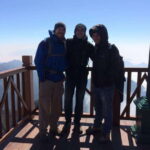
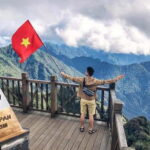
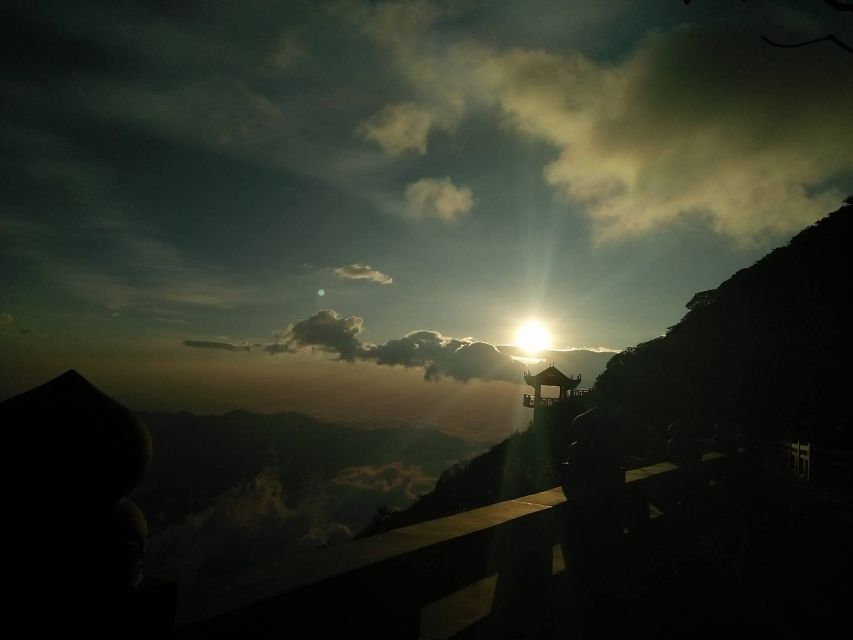
At 7:30 AM, you arrive at the summit. The plan is sunrise viewing, which is exactly when the view can look dramatic: valleys below, cloud layers in the distance, and light sliding across the terrain.
One thing I find especially appealing about an early-summit schedule is the chance for a quieter moment. Some groups have described reaching the peak at sunrise with almost no one else around, which makes the experience feel more personal and less like a sightseeing queue.
Descent starts quickly, with picnic lunch on the way down
You begin descending around 8:00 AM. There’s a picnic lunch during the descent route, and then you head back toward Tram Ton. You’re scheduled to arrive around 3:30–4:30 PM, where a car is waiting to take you back to Sa Pa.
A shower is provided at the office at the end. That’s not a small detail. After two days on a mountain trail, warm water helps your body reset before you continue on.
Getting to Hanoi: your part of the plan
From Sa Pa, you’ll take the bus or train back to Hanoi on your charge. The trekking provider handles the trek-side transport, plus the return to the meeting point, but your Hanoi transport is your responsibility. If you’re building the rest of your trip, plan a little flex so you’re not forced into a very tight connection right after a long hike.
Price and logistics: what you’re really paying for
The tour price is listed at $120 per person, which is a pretty strong value considering what’s included: an English-speaking guide, meals (2 lunches, 1 dinner, 1 breakfast), 1.5 liters of water per day, entrance fee and permit, porter support for your food and sleeping bag, and transport to and from the trekking starting point.
Where the value shows up most is in the “friction removal.”
- A guide reduces decision fatigue on a steep route.
- A permit and entrance fee are handled for you.
- A porter system reduces how much you must carry, especially on day 1 when your legs are still adjusting.
Then there are a few extra-cost possibilities you should budget for:
- Cable car descent option if you feel tired. The extra fee is listed as 700,000 VND in one place and 800,000 VND for the cable car ticket in another. Either way, it’s a real add-on to know about before you need it.
- Lunar New Year surcharge: from 26th to 2 Feb 2025, an extra 70 USD per person is noted due at the meeting point.
- Private tour for singles: listed as $230 for a private option.
Also note what’s not included: travel insurance, drinks (beyond the planned water), and VAT. If you want peace of mind, it’s smart to have insurance that covers trekking activity, even if you don’t plan to treat this like a risky expedition.
Comfort reality: cold nights, basic shelter, and how to pack
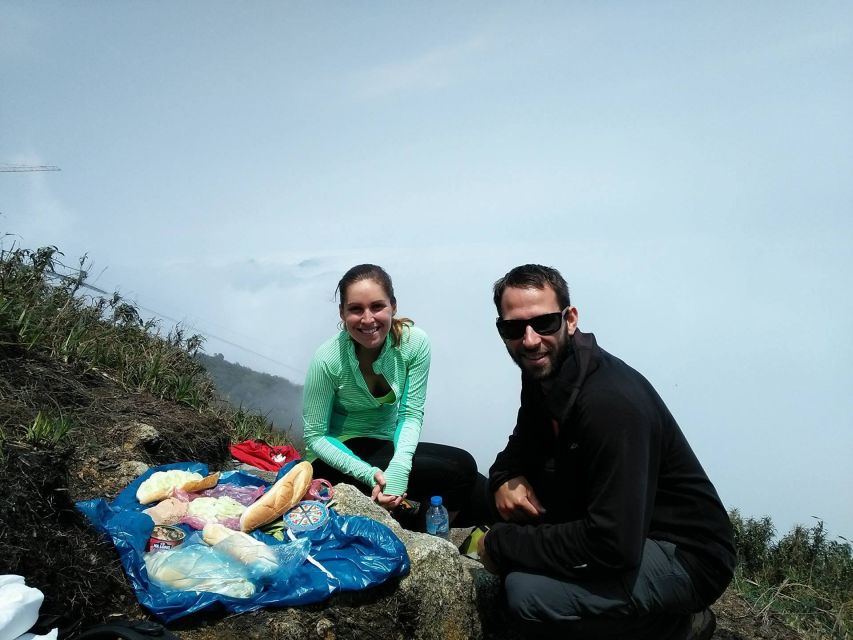
This trek is sold as a “2-day camping” style adventure, and it is. Accommodation is described as sleeping bag plus hut or tent. In practice, you should plan like this is a wilderness camp rather than a hotel.
What I’d do to make this easier on you:
- Pack layers you can peel on the climb and bundle back up when you stop.
- Treat the sleeping bag as only part of your warmth system. If you run cold, consider bringing an extra blanket or warming layer (one experience mention strongly suggests that added blankets would have helped when temperatures dropped toward zero).
- Keep your head and hands warm for day 2. You’ll start at dawn, and the cold usually doesn’t wait for sunrise.
Fitness matters here, too. The trek is described as long—about 26 kilometers—and steep, with rocky sections that can include steps and ladders. That mix is why the notes also say it’s not suitable for people with disabilities and that elderly hikers are advised not to do the long trek.
So if you’re deciding whether this is “for you,” be honest about your comfort on steep, uneven surfaces.
Culture on the trail: what a good guide actually adds
The trek’s cultural notes aren’t just names on a poster. The guide is part of how you interpret what you’re walking through—forests, streams, and the way local minority groups relate to the mountain.
People have highlighted specific guide performance in feedback, which is useful when you’re choosing a tour. For example, one guide named Sinh is described as phenomenal and very supportive. Another guide named Cha is praised as friendly and able to answer questions while keeping a steady climb pace.
What you should take from that as a potential booker: you’re not just buying summit access. You’re buying someone to explain the “why” behind the setting—plus help with pacing, safety, and moments where you pause for views and photos.
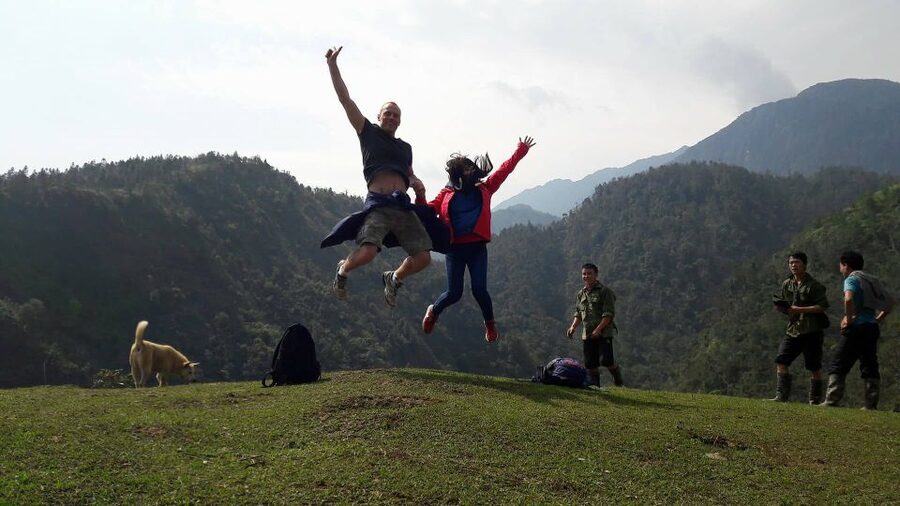
And yes, there’s a photo angle here. The planned stop structure gives you natural opportunities to capture the view—especially on summit timing.
Should you book this 2-day Fansipan trek with Vietnam Nomadtrails?
Book it if:
- You want a real mountain challenge in two days, with an early sunrise push to a true high point.
- You like having meals and permits handled, plus a guide to keep you moving smart.
- You’re comfortable with basic shelter and can handle steep trails.
Consider skipping or upgrading planning if:
- You’re sensitive to cold or you don’t plan to layer up for near-freezing overnight temps.
- Your legs struggle on steep, rocky routes, or you need accessibility support. The trek notes it’s not suitable for disabilities and children under 17.
- You want a lighter experience. This is 26 kilometers and described as steep, so it’s not a casual walk.
If you do book, one small practical win: pack for cold and uneven footing, and confirm the exact meeting time (the plan mentions 7:00 AM for welcome and 8:00 AM for the office meeting). That avoids stress before you even start climbing.
FAQ
What is the altitude of the Mount Fansipan summit on this trek?
The summit is listed as 3143 meters, which is described as the highest peak in Vietnam.
Where do you meet for the trek?
The meeting point is at VIETNAM NOMADTRAILS’ office, No 013 Tue Tinh str, Sapa town, Lao Cai, Vietnam.
What time does the trek start?
The information shows a welcome at 7:00 AM and also states a meeting time of 8:00 AM at the office. You should confirm the exact pickup time for your departure.
How much food and water are included?
You get 2 lunches, 1 dinner, and 1 breakfast, plus 1.5 liters of water per day.
Where do you sleep overnight?
Accommodation is described as sleeping bag, hut, or tent. The route has you reaching a sleeping point at about 2800 meters on day 1.
Is there an option to use a cable car instead of walking down?
Yes. If you feel tired, you can ask your guide to buy a cable car ticket for the descent, listed as 700,000 VND in one place and 800,000 VND as the ticket price.
What permits and fees are included?
The tour includes the entrance fee and permit.
Is the trek suitable for children or people with disabilities?
No. The trek is not suitable for those with disabilities and children under 17. Elderly people are advised not to do the long trek.
What is the price, and is there a surcharge for Lunar New Year?
The base price is listed as $120 per person. For Lunar New Year dates (from 26th to 2 Feb 2025), there is a 70 USD per person surcharge due at the meeting point. Single travelers can pay $230 for a private tour.