REVIEW · SA PA
EXPLORE SAPA: 2D1N TREKKING & HMONG CULTURE WITH DINH
Book on GetYourGuide →Operated by Dinh Sapa Trekking Adventures · Bookable on GetYourGuide
Sapa gets real when Dinh guides. This rice-terrace trek plus a night in Dinh’s family homestay is one of the most authentic ways to see Sapa beyond the main roads. You’re not just walking pretty paths. You’re learning how Hmong (and nearby ethnic groups) live day to day, including food, farming rhythms, and evening traditions.
The catch is timing. On busier days or larger groups, the second-day pace can loosen up a bit, and the finish time can run later than planned.
And that’s still part of the charm: you get a warm, personal welcome with cooking time, stories, and even the playful Happy Water (local rice wine) games after dinner. Just remember the tour rules say no alcohol and drugs.
In This Review
- Key things that make this trek worth it
- Why this Sapa trek feels different with Dinh
- Day 1 from Sapa Town to Y Linh Ho, Lao Chai, and Ta Van
- Y Linh Ho: first rural taste of the valley
- Lunch with a local family stop
- Lao Chai: one of the older and largest Hmong villages
- Ta Van arrival: rest, hot shower, and evening plans
- The homestay night in Dinh’s family home (what to expect)
- Day 2 through bamboo forests to Giang Ta Chai waterfall
- Bamboo forest + terraced rice fields
- Giang Ta Chai waterfall: the cooling reward
- Tày stilt houses in Ban Ho and time in Nam Cang Valley
- Red Dao area and return to Sapa
- Food, water, and small comforts that keep the hike enjoyable
- Price and value: why $46 can make sense here
- How hard is the trekking, really?
- Logistics that matter: bag carrying, group pace, and meeting points
- Big bags vs day essentials
- Meeting and finish times
- Rules and respectful behavior in village areas
- Should you book Dinh’s Sapa 2D1N trek?
- FAQ
- What time does the tour start, and where do we meet?
- How long is the trek each day, and what distances are covered?
- Where will I stay overnight?
- What meals are included during the 2 days?
- What does day 2 include, and is swimming possible at the waterfall?
- What languages does the guide speak?
- What should I do with my big bags during the trek?
- Is alcohol allowed during the tour?
- Is free cancellation and pay later available?
Key things that make this trek worth it
- Dinh’s homestay rhythm: hot shower, proper meals, and time to relax instead of rushing people through.
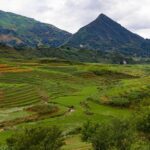
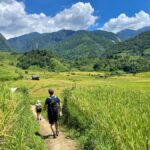
- Rice terraces you’ll remember: big views, rice fields in season, and photogenic paths almost the whole way.
- Real village context: Y Linh Ho, Lao Chai, Ta Van, and more, with culture explained in plain language.
- Bamboo forest + waterfall day: Giang Ta Chai is a refreshing break in the middle of the hike.
- Family-style evening: informal cooking class, a traditional dance welcome, and time to hang out with kids.
- Practical bag plan: big bags stay behind or get transported so you carry only essentials.
Why this Sapa trek feels different with Dinh
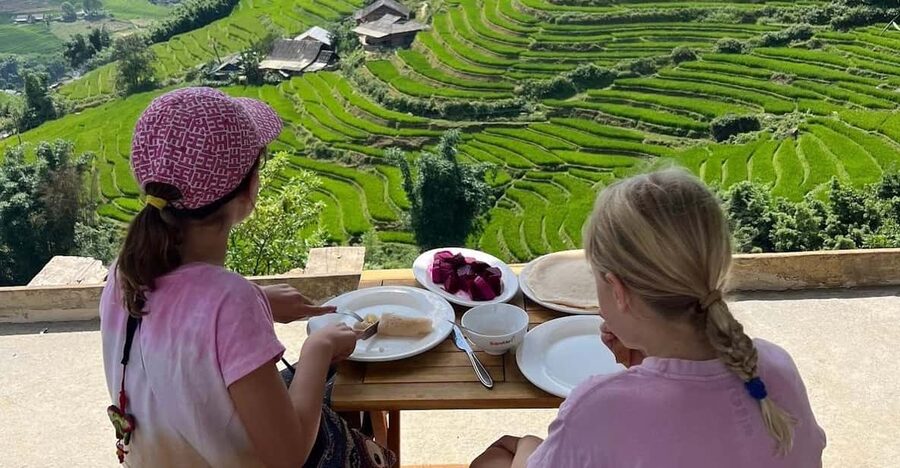
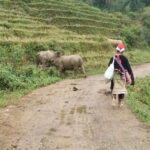
Sapa is famous for views. This trek earns its reputation for something more useful: people and perspective. Dinh (a Hmong woman from Ta Van village) leads you through farmland and villages while sharing daily life—how families farm, how ethnic groups differ, and what her own life has been like.
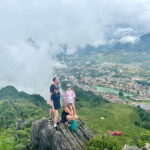
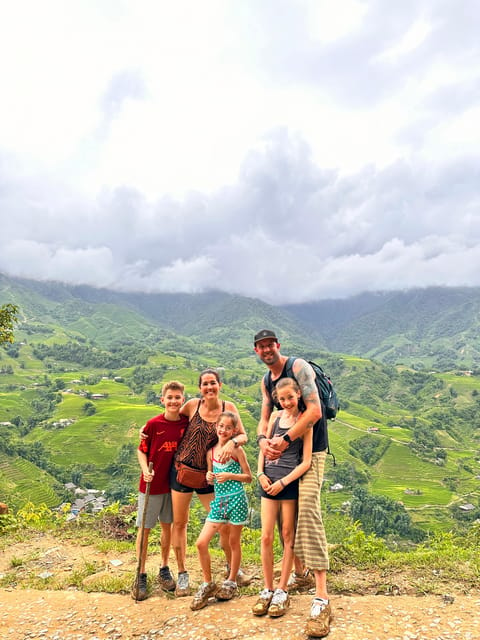
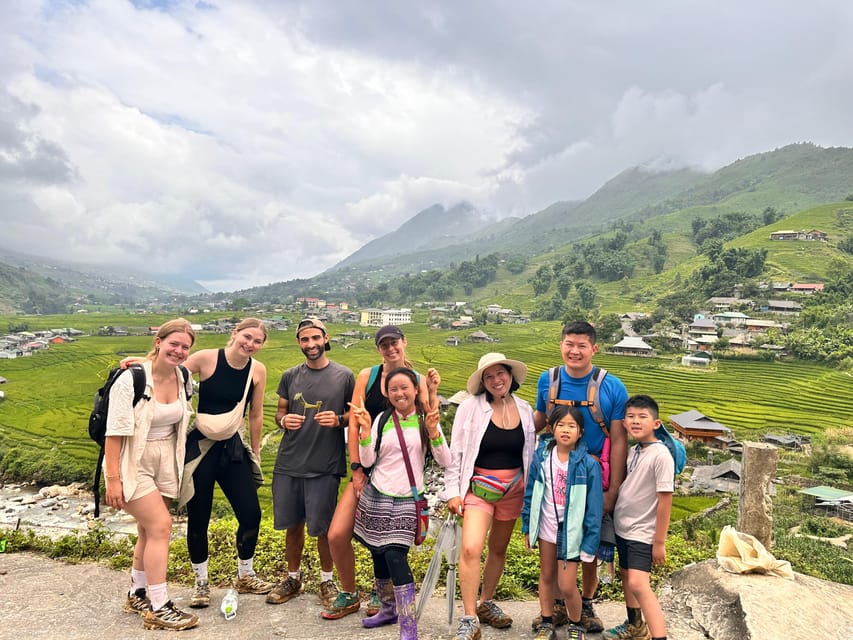
Two things I really like about this experience are simple. First, the rice-terrace scenery isn’t limited to one quick photo stop. You walk through terraced fields and see how the landscape changes with the season. Second, the homestay night isn’t the awkward, one-room version you sometimes get. You get to settle in, wash up, eat well, and slow down.
One more practical point: this is designed for a 2-day rhythm. The distances are short enough to enjoy the villages and still feel the outdoors. It’s not a multi-day survival story. You should come ready to walk, eat, and learn.
You can also read our reviews of more tours and experiences in Sa Pa.
Day 1 from Sapa Town to Y Linh Ho, Lao Chai, and Ta Van
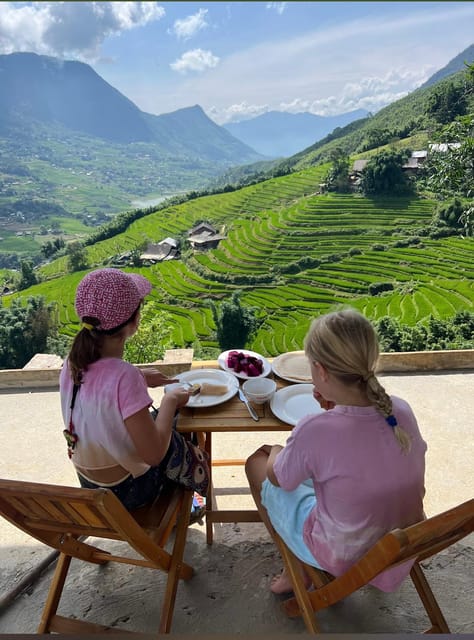
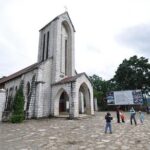
The tour starts at 9:00 AM. You meet Dinh at your hotel in Sapa Town or in front of the local main church. Then there’s a quick intro, and you’re off—down from the busier part of town toward village trails.
Y Linh Ho: first rural taste of the valley
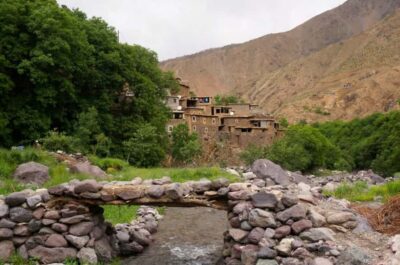
You trek to Y Linh Ho village along scenic paths. This is your warm-up day, and it’s also where the whole trip clicks. You start noticing the smaller details—how homes sit in relation to the fields, and how farming work shapes the daily routine.
Lunch with a local family stop
You stop for lunch at a small traditional restaurant run by a Hmong family. This matters because it’s not just “food on the way.” It’s a chance to keep moving while eating in a place that feels part of village life, not a pit stop built for tourists.
Lao Chai: one of the older and largest Hmong villages
After lunch, you continue to Lao Chai, described as one of the oldest and largest Hmong villages in the Sapa area. On this section, Dinh talks through the differences between ethnic groups and what she’s seen living in Ta Van.
You’ll also be walking where people actually live and work, not just where trails are convenient for day tours.


Ta Van arrival: rest, hot shower, and evening plans
You finish day 1 in Ta Van village, home to Giay and Hmong minorities. Depending on the season, you may see people planting or harvesting rice—an easy way to understand the farming calendar without it turning into a lecture.
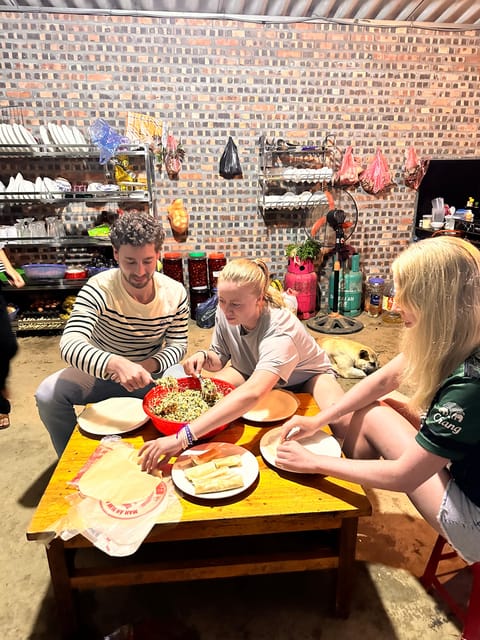
When you arrive, you get time to rest and take a hot shower. Then the evening takes a social turn: Dinh’s family invites you to an informal cooking class to prepare a traditional dinner.
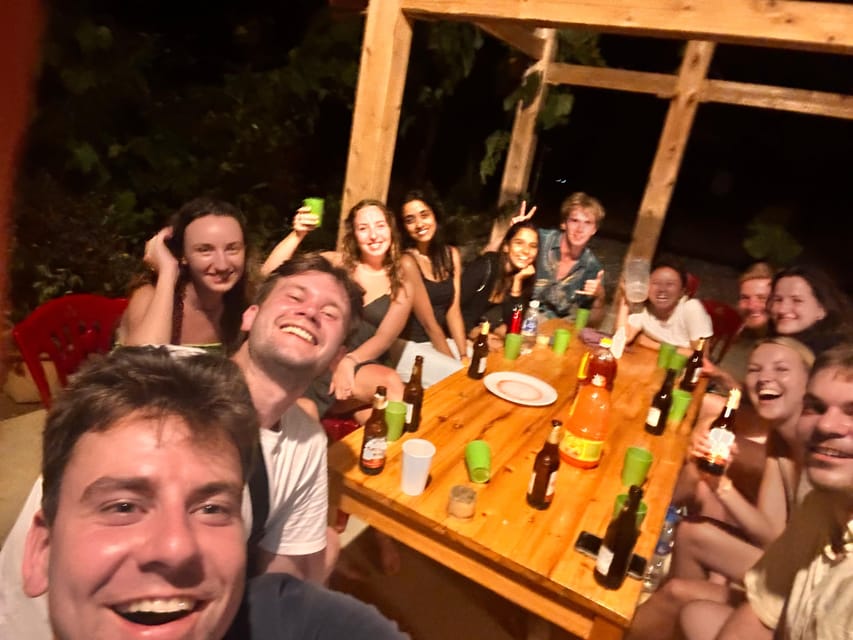
During dinner, Dinh shares her personal story, including how she supports 10 local children’s education. Then her students perform a traditional dance to welcome you. After that, there are fun drinking games with Happy Water, which is local rice wine—again, keep in mind the tour rules are no alcohol and drugs, so follow the host’s lead.
The homestay night in Dinh’s family home (what to expect)
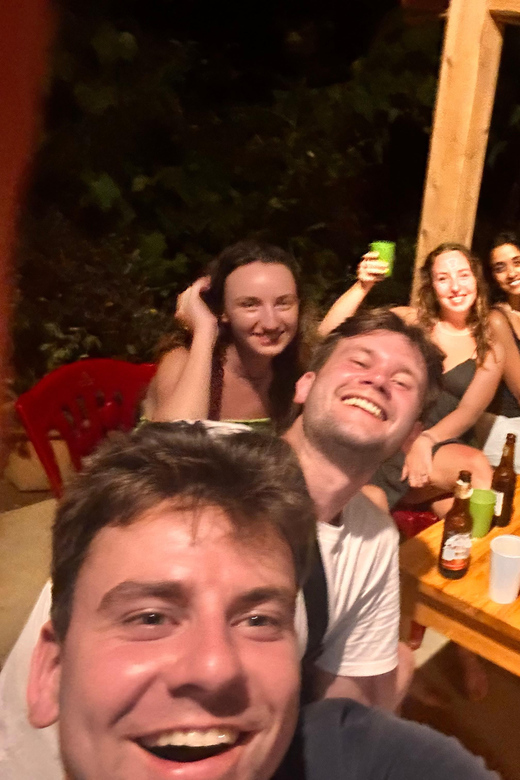
The overnight part is the emotional heart of the trip. You’re staying with Dinh’s family, so the homestay feels like a home base, not a checkpoint.
From what you’re given during the schedule, here’s what works well:
- Time to rest after the first trekking day
- A hot shower so you don’t just “power through”
- A comfortable place to sleep with reviews praising small comforts like heated blankets when nights get chilly
- Evening downtime to chat, watch, and participate if you want
You’ll also eat a homemade dinner as part of the cooking activity. The meals here are a big part of why people rate the experience so highly. You’re not just hungry after trekking—you’re happy with what lands on your table.
And if you’re worried about feeling like an outsider, don’t. This style of hosting is built around conversation, food, and kids being kids. You’ll have chances to play with the children while Dinh talks through what life looks like in Ta Van.
Day 2 through bamboo forests to Giang Ta Chai waterfall
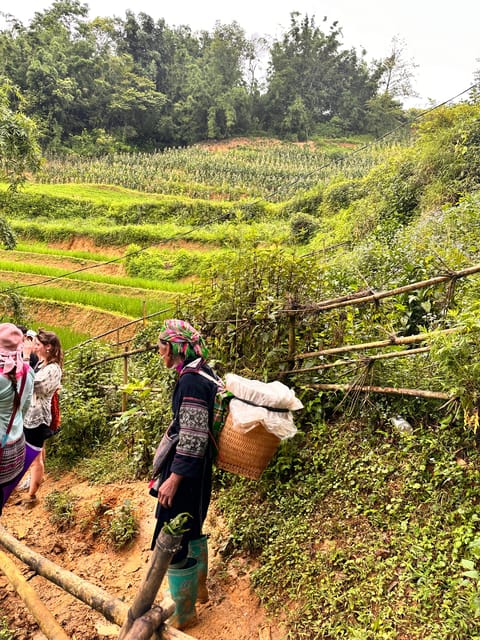
Day 2 starts gently. You begin with hot coffee or tea around the homestay, then breakfast. After that, you head out again.
Bamboo forest + terraced rice fields
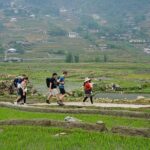
The morning trek runs through bamboo forests and terraced rice fields. This is where you trade the “village streets” feeling of day 1 for the “quiet nature” feeling of walking under bamboo and along farm paths.
Giang Ta Chai waterfall: the cooling reward
You move toward the waterfalls of Giang Ta Chai. If you want, you can swim in the cool water—simple, refreshing, and very much the type of reward that makes the hike feel worth it.
Even if you don’t swim, the waterfall stop gives you a reason to slow down. It’s not just scenery for looking. It’s a break you can feel in your body.
Tày stilt houses in Ban Ho and time in Nam Cang Valley
This trek also includes culture and viewpoint moments tied to the surrounding area—like a look at traditional stilt houses of the Tày ethnic group in Ban Ho, plus time to relax and take in the natural scenery of Nam Cang Valley.
Because these are woven into the overall route, the exact flow can feel flexible day to day. The main pattern stays the same: walk, learn, stop, enjoy.
Red Dao area and return to Sapa
After the waterfall section, you enter the Red Dao ethnic area, then head back toward the main road.
Lunch happens before the end of the tour. The itinerary notes a finish between 2:00–3:30 PM, and transport back to Sapa is included. One real-world note: on days with a bigger group, the second-day lunch and transport steps can take longer, so the end time may drift later. If you’re catching an onward bus the same day, give yourself buffer time.
Food, water, and small comforts that keep the hike enjoyable
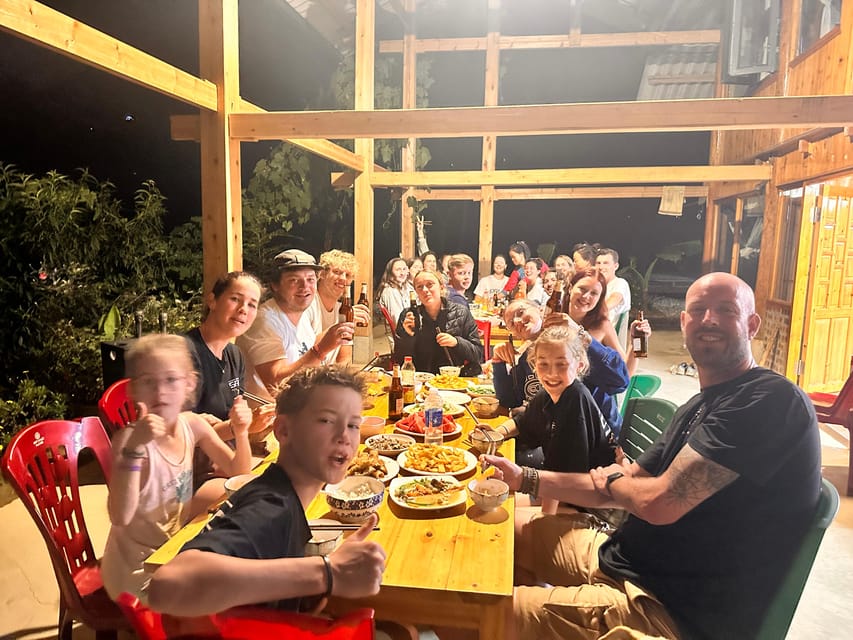
This trip doesn’t starve you, and that matters on a two-day schedule.
You get:
- 2 lunches
- 1 dinner
- 1 breakfast
Plus drinking water: 1 big bottle per person per day.
What I like about this setup is that it removes the guessing game. Trekking tours sometimes list “meals included” but you still end up paying for basics. Here, water and set meals are part of the plan, and that keeps the day stress-free.
Also, the homestay setup includes the kind of comfort that’s easy to underestimate: hot shower and room warmth. Heated blankets are mentioned by guests, so plan for cooler nights, especially if you’re sensitive to temperature.
Price and value: why $46 can make sense here
At $46 per person for a 2-day, 1-night experience, the value comes from what’s bundled.
You’re paying for:
- A local English-speaking guide for 2 days (Dinh plus support)
- Village entry fees for 4 villages
- Meals (2 lunches, 1 dinner, 1 breakfast)
- 1-night homestay with Dinh’s family
- Drinking water (big bottle per person per day)
- Transportation back to Sapa after the trek ends
And there’s an extra layer of value that doesn’t show up on a price list. Dinh shares how the proceeds support children’s education. When a tour is tied to education and community support, it usually feels more meaningful than paying just for a route.
What isn’t included is also clear: personal travel insurance and extra drinks during hiking (like bottled water or beer). So budget for insurance separately and don’t plan to snack on purchased drinks constantly.
How hard is the trekking, really?
The walk is split into two days:
- Day 1: 9–11 km (about 5.5 hours)
- Day 2: 7–8 km (about 5 hours)
That’s plenty of walking for most people, but it’s also not “all-day suffering.” The distances are set with village stops and meals built in, so you’re not just hiking nonstop.
If you want a sign of fit, focus on what’s implied by the structure: you’ll be outside for hours, on paths that cross rice terraces, bamboo areas, and village trails. You should be comfortable walking for long stretches, even if you can’t do a marathon pace.
It’s also not suitable for people over 95 years old, so if you’re older or have mobility limits, choose carefully.
Logistics that matter: bag carrying, group pace, and meeting points
Big bags vs day essentials
A smart part of this tour is how they handle luggage. For big bags, you can ask your hostel if you can leave them behind. Then you only carry essentials for the day—things like water, sunscreen, and mosquito spray.
If leaving bags isn’t an option, Dinh can help transport big bags to the house where you stay after the trek. That means you don’t have to haul everything on your back through the hills.
This is the kind of detail that makes the whole trip feel easier.
Meeting and finish times
You start at 9:00 AM from your hotel or in front of the main church. The stated finish is between 2:00–3:30 PM on day 2, but timing can run later when groups are larger, especially around lunch and transport back to the road.
So if you have a tight connection, plan a cushion.
Rules and respectful behavior in village areas
Two rules are explicitly stated:
- Alcohol and drugs are not allowed.
- Follow the host’s guidance in village areas.
This isn’t just legal talk. In a homestay, your behavior shapes how comfortable the family feels hosting you. Keep things respectful, avoid bringing outside alcohol, and treat meals and shared spaces like you would in someone’s home.
Also, because Dinh is running a homestay and sharing culture, being flexible helps. If a stop takes longer because of village timing, don’t treat it like a mistake—treat it like how village life runs.
Should you book Dinh’s Sapa 2D1N trek?
I’d book this if you want Sapa that feels human, not staged. You’ll get rice terraces, bamboo forest trails, a waterfall break where swimming is optional, and a homestay night built around cooking, stories, and kids.
I wouldn’t book it if your schedule is so tight that a small timing slip would ruin your day. The tour usually follows its plan, but on busier days the finish can drift later, and you might want more cushion.
If you like your travel with a mix of nature + culture + a real bed and real food, this one is a strong pick. And if you care about the local impact, Dinh’s mission—supporting children’s education—gives the whole experience extra meaning.
FAQ
What time does the tour start, and where do we meet?
The tour starts at 9:00 AM. Dinh can meet you at your hotel in Sapa Town or in front of the local main church.
How long is the trek each day, and what distances are covered?
Day 1 is about 9–11 km (around 5.5 hours). Day 2 is about 7–8 km (around 5 hours).
Where will I stay overnight?
You will stay for 1 night in a homestay with Dinh’s family in Ta Van.
What meals are included during the 2 days?
Meals included are 2 lunches, 1 dinner, and 1 breakfast.
What does day 2 include, and is swimming possible at the waterfall?
Day 2 includes trekking through bamboo forests and terraced rice fields to the waterfalls of Giang Ta Chai. If you want, you can swim in the waterfall.
What languages does the guide speak?
The tour guide speaks English and Vietnamese.
What should I do with my big bags during the trek?
If possible, leave big bags at your hostel and bring essentials for the day. If leaving bags isn’t an option, Dinh can help transport them so your luggage is waiting for you at the house after the trek.
Is alcohol allowed during the tour?
Alcohol and drugs are not allowed. The evening program includes games with Happy Water, but you should follow the tour rules and the host’s lead.
Is free cancellation and pay later available?
Yes. You can cancel up to 24 hours in advance for a full refund, and there’s a reserve now & pay later option.