REVIEW · SA PA
Sa Pa: 2-Day Trekking Trip with Ethnic Minority Homestay
Book on GetYourGuide →Operated by Vietnam Nomadtrails · Bookable on GetYourGuide
A good trek in Sa Pa should feel real, not staged. This one threads the Muong Hoa Valley with village visits, then sleeps with the Dzay in a homestay. You’ll spend two days walking, eating well, and learning how different ethnic minority communities live day to day, with standout guides such as Lan and Khu.
I love how the itinerary mixes views with human context: you’re not just ticking off rice terraces, you’re meeting people along the way, like Black H’mong in Y Linh Ho and H’mong communities you pass on Day 2. I also like the small-group size, limited to 14, which makes it easier to ask questions and keep everyone moving at a comfortable pace. One consideration: the trail can turn muddy and slippery in rain, so you’ll want solid footwear and a calm mindset on uneven ground.
In This Review
- Key highlights worth choosing this trek for
- Muong Hoa Valley trekking: how this 2-day hike really plays out
- Day 1 from Sa Pa to Ta Van: Y Linh Ho, Lao Chai, and a Dzay homestay night
- Y Linh Ho: meet the Black H’mong and get the best first views
- Lao Chai: another village thread in the same walking story
- Ta Van and the Dzay homestay: dinner that feels like someone’s home
- Day 2 to Sa Pa: bamboo forest, Giang Ta Chai, and a Muong Hoa River swim break
- Ta Van to the bamboo forest: cooler air, softer sounds
- Bamboo forest to a waterfall stop: time to cool off
- Lunch at a local restaurant, then back to Sa Pa
- Dzay homestay overnight: what you’re signing up for (and how to make it pleasant)
- Your guide can make or break the trek: Lan, Khu, and the small-group advantage
- Price and value: what $55 really covers in this Sa Pa trek
- Weather, mud, and what to pack so Day 1 feels fun
- Who this trek suits best (and who should pass)
- Should you book the Sa Pa 2-day trek with a Dzay homestay?
- FAQ
- How long is the Sa Pa 2-day trekking trip?
- What are the trek distances on each day?
- Where do you pick up in Sa Pa?
- What language is the guide?
- How many people are in the group?
- What meals are included?
- What overnight accommodation is included?
- Which ethnic groups will you see during the trek?
- Is swimming included on the trip?
- What is the price and what’s extra?
- Can I cancel, and do I have to pay right away?
Key highlights worth choosing this trek for
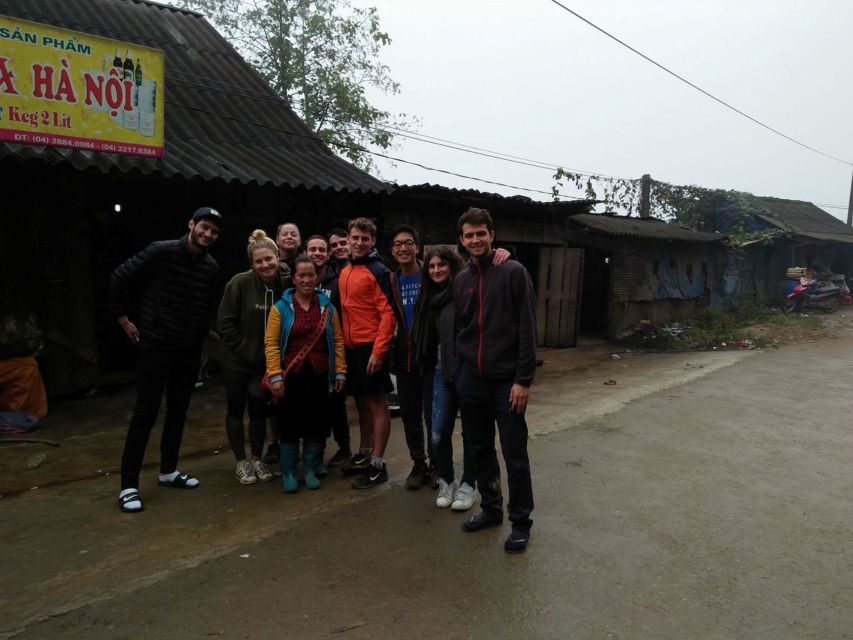
- Muong Hoa Valley rice terraces and mountain views with time to actually look, not just walk
- Village stops including Y Linh Ho, Lao Chai, and Ta Van, plus additional H’mong settlements on Day 2
- An overnight Dzay homestay with a hosted dinner and a chance to see daily life up close
- Bamboo forest + waterfall break on Day 2, plus a swim opportunity in the Muong Hoa River
- English-speaking guides who set the tone, with guides like Lan and Khu earning repeated praise
- Value for money: guide, entrances, meals, homestay, mineral water, and return bus transfer are bundled
Muong Hoa Valley trekking: how this 2-day hike really plays out
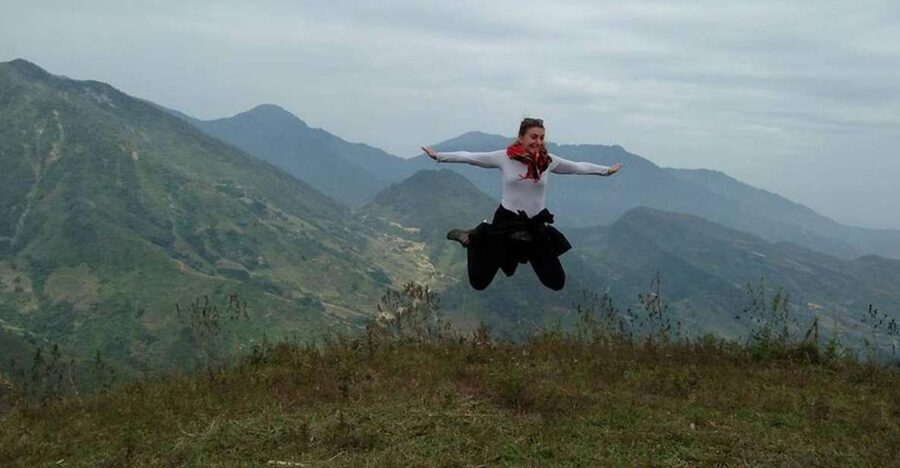
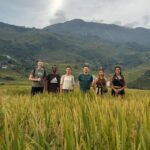
This is a two-day walk through the Sa Pa area, focused on the Muong Hoa Valley and ethnic minority villages. On paper it’s distances and times. In real life, it’s about rhythm: a morning start, steady uphill/downhill stretches, then village moments and food breaks that keep it from feeling like one long grind.
The pace is the kind that most healthy adults can handle. The route is not described as extreme, but it does involve real mountain terrain and dirt paths. The best part is that the experience is designed to feel balanced: enough hiking to earn those wide valley views, but not so much that you lose the cultural side.
And because it’s small group (up to 14), you don’t get treated like you’re just another pair of legs in the line. In guides like Lan and Khu, you can see why people book again. They don’t just point at things; they help you understand what you’re seeing, and they check in so you aren’t silently struggling.
You can also read our reviews of more tours and experiences in Sa Pa.

Day 1 from Sa Pa to Ta Van: Y Linh Ho, Lao Chai, and a Dzay homestay night
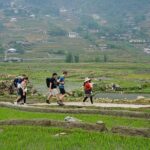
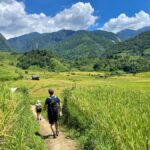
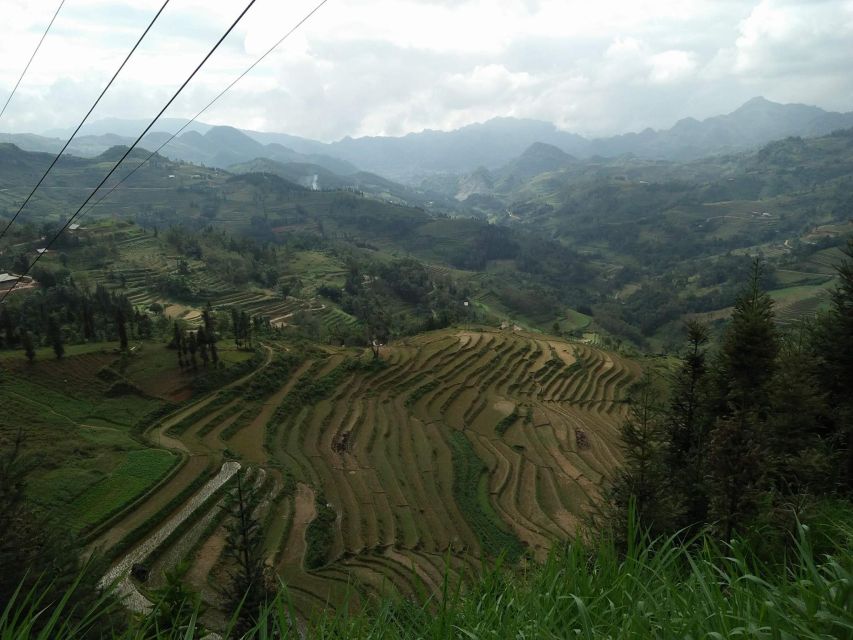
Day 1 is your longer day on foot, about 11 kilometers, starting in Sa Pa and working through the valley toward Ta Van. You’ll trek through rice paddies and ethnic settlements, meeting the Black H’mong in Y Linh Ho along the way.
Y Linh Ho: meet the Black H’mong and get the best first views
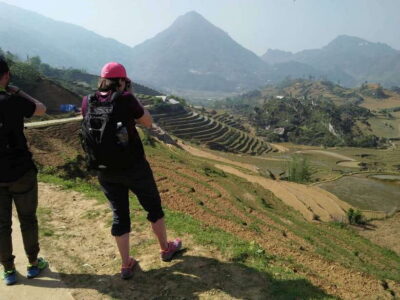
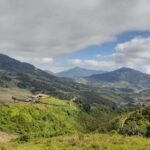
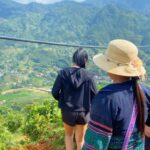
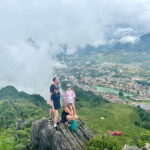
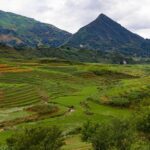
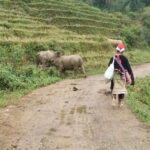
This is where the trip starts feeling special. You’ll get striking valley and mountain views early, including Fansipan in the distance when visibility is good. Then you move from looking outward to looking inward—seeing traditional wooden houses and learning about community life.
This is also where an English-speaking guide makes a big difference. People repeatedly highlight guides such as Lan for explaining H’mong culture in a way that feels clear and useful, not like a rushed script. If you’ve ever wondered how to move beyond surface-level photos, this is your answer: you’re given context while you’re standing in the place.
Lao Chai: another village thread in the same walking story
You’ll also pass settlements such as Lao Chai on the way to Ta Van. It’s not framed as a museum stop. It’s part of the path itself—small homes, everyday activity, and the reality that village life shapes the trail as much as the terrain does.
A practical note: villages are where you may encounter people selling crafts or asking about purchases. It’s not a scam, and it’s not unusual in this region. But it can feel pushy if you’re tired or if you’ve had bad luck with rain and mud. Decide ahead of time what feels comfortable for you, and keep your answers simple and polite.
Ta Van and the Dzay homestay: dinner that feels like someone’s home
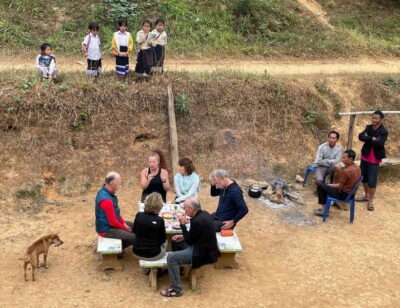
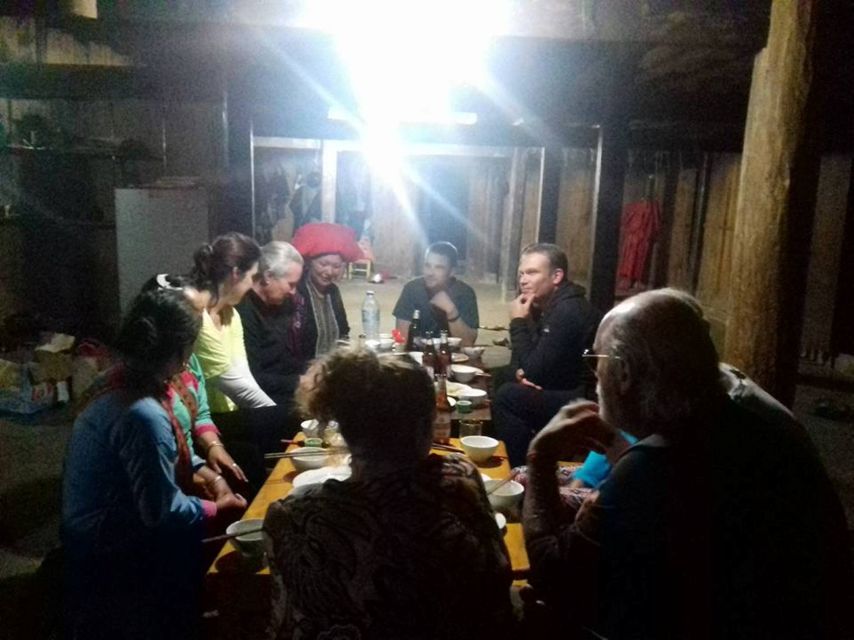
At the end of Day 1, you check into a Dzay ethnic minority homestay for the night. You’ll enjoy a hosted dinner (and it’s one of the pieces people love most). The vibe is usually warm and family-style—sharing food, learning a bit about customs, and settling in after a long day of walking.
Homestays here are generally simple. Reviews commonly mention warm blankets and comfortable enough rooms, sometimes with practical extras like internet and an outlet. But don’t expect a hotel setup. This is the tradeoff: you’re staying in a home, so comfort is basic and the evening may be quiet because everyone is tired.
One more detail to keep in mind: there’s at least one report of bedbugs in some beds. That doesn’t mean it will happen to you, but it’s enough to justify a quick check of your sleeping area on arrival and letting your guide handle concerns calmly if needed.


Day 2 to Sa Pa: bamboo forest, Giang Ta Chai, and a Muong Hoa River swim break
Day 2 is shorter in distance—about 8 kilometers—but it still has its own personality. After breakfast at the homestay, you start trekking again on dirt trails.
Ta Van to the bamboo forest: cooler air, softer sounds
The route begins with more village walking, including passing a small H’mong village before you reach a bamboo forest. This part tends to feel like a reset. The air under bamboo changes, the light shifts, and the walking becomes less about wide views and more about atmosphere.
It’s a nice change of pace from the valley views of Day 1, and it’s one reason this trek doesn’t feel repetitive. You get different scenery without feeling like you’re switching tours halfway through.
Bamboo forest to a waterfall stop: time to cool off
Later you reach a break at a waterfall. You’ll also have the option to cool off with a swim in the Muong Hoa River. Whether you swim is up to you, but the fact that it’s built into the Day 2 plan makes the day feel more playful and less formal.
If you’re not sure about swimming in open water, you can still enjoy the break. The practical win is that your legs get a breather before the final stretch.
Lunch at a local restaurant, then back to Sa Pa
After your waterfall and river stop, you’ll have lunch at a local restaurant and then drive back to Sa Pa. The return transport is by bus, and in some cases you might wait a bit for coordination with other groups before departing. If you’re catching a tight onward connection from Sa Pa, it’s worth building in extra buffer time.
Dzay homestay overnight: what you’re signing up for (and how to make it pleasant)
The homestay is the heart of this trip, and it’s why the experience feels different from a basic guided hike. You’re not just walking past communities—you’re sleeping in the place you visited.
Here’s what you can expect based on the way people describe the experience:
- Food is a major highlight. A hosted family dinner is included, plus breakfast the next morning and lunches on both days. Many reviews call out how tasty the meals are.
- The atmosphere is simple and human. You’ll likely have little entertainment beyond conversation and your group. That’s fine if you’re there for the culture and the quiet satisfaction of being tired in a real home.
- Warmth matters. Warm blankets show up in guest feedback, and warm clothing is recommended for October to March.
- Not every comfort detail is guaranteed. Reviews include both very positive comfort notes and one serious warning about bedbugs in some beds. Quick checks help.
To make the homestay part go smoothly, keep your expectations grounded. This is where you should bring respect and flexibility. The people hosting you are doing their best to welcome you while continuing daily life.
Your guide can make or break the trek: Lan, Khu, and the small-group advantage
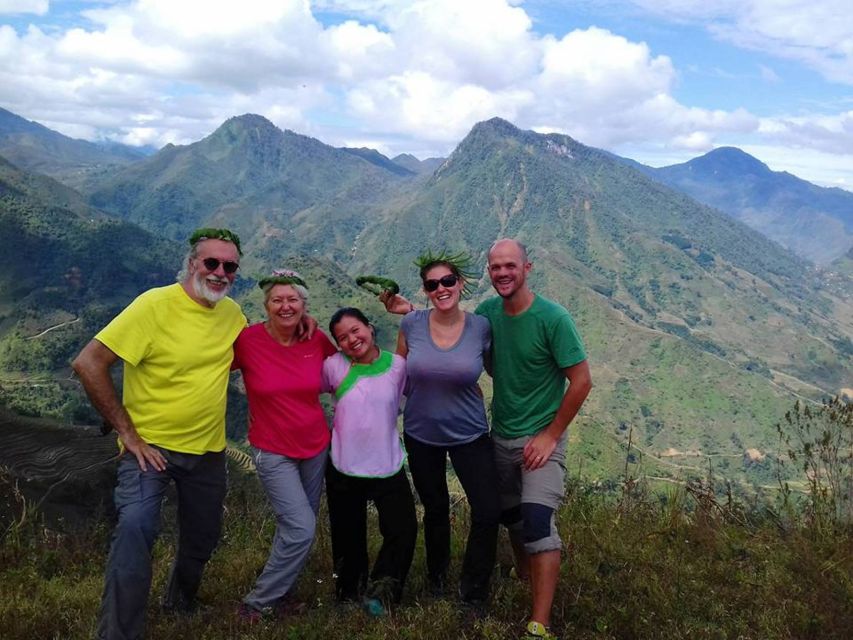
In Sa Pa trekking, the guide isn’t just logistics. It’s interpretation. People repeatedly praise English-speaking guides such as Lan and Khu for clarity, friendliness, and patience on the terrain.
What you’re looking for in a guide here:
- Explaining what you’re seeing in plain language
- Helping you navigate when paths are slippery or muddy
- Making sure the group stays together without rushing
- Turning questions into real answers about customs and daily life
Reviews mention guides being exceptionally supportive when it rained at the start and the trail turned muddy. That matters because you can’t control the weather in the mountains. You can only control whether you’re prepared to keep going safely.
Also, small-group size means your guide can actually manage the group. Limited to 14 participants, you get more interaction and more chance to ask questions without feeling like you’re in a big crowd.
Price and value: what $55 really covers in this Sa Pa trek
At $55 per person, the headline price can look affordable. What makes it a good value is what’s included.
Included:
- English-speaking guide
- Entrance tickets for sites indicated
- 2 lunches in local restaurants
- Hosted dinner in the village
- Breakfast at the homestay
- Homestay accommodation in a Dzay village
- Mineral water
- Return transfer by bus
- Pickup from hotels in Sa Pa town center
Not included:
- Drinks
- A $30 per person Lunar New Year surcharge (January 26 to February 2, 2025), paid at the meeting point
So your money is paying for the core trip elements—guide time, meals, and a real overnight—plus transport back to Sa Pa. If you’ve tried to cobble together a homestay and a guided trek yourself, you know how quickly costs add up once you count logistics. Here, it’s bundled.
The tradeoff is that you’re not buying luxury. You’re buying access, food, local hosting, and a guided walking route that connects villages in a short time.
Weather, mud, and what to pack so Day 1 feels fun
This area can get slippery, especially after rain. One big theme in the experience is that muddy conditions can be part of the deal, not a rare event. The good news is that your guide and local support help keep you steady.
Because of that, pack like you’re hiking for real:
- Comfortable shoes built for uneven, muddy ground
- Warm clothing if you’re traveling from October to March
- Sunglasses, sunscreen, and insect repellent
If it’s raining, assume the valley trails will be messy. That doesn’t mean the trip is a washout. It usually means you’ll enjoy the walk more if you focus on the experience, not the idea of a clean photo moment.
Who this trek suits best (and who should pass)
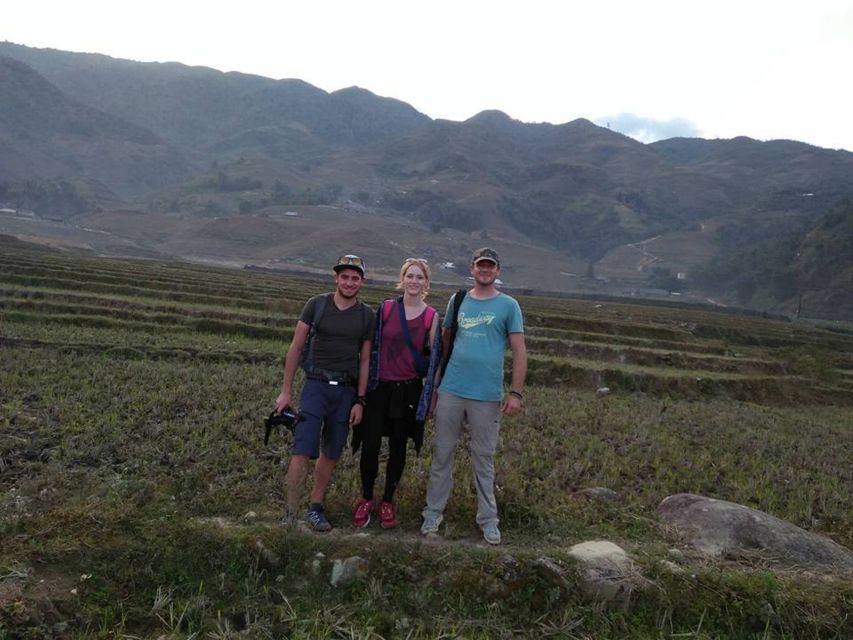
This trek fits travelers who want a walking-focused cultural experience rather than a sightseeing bus tour.
It’s a good match if:
- You enjoy moderate trekking and want village context
- You like small groups and Q&A with your guide
- You’re excited about staying in a homestay and eating local food
- You want a structured two-day plan with Meals + transport handled
It’s not a good match if you:
- Need wheelchair-style accessibility
- Have back problems or mobility limitations
- Are traveling with children under 6
- Are pregnant
- Plan to sit out the physical effort
Should you book the Sa Pa 2-day trek with a Dzay homestay?
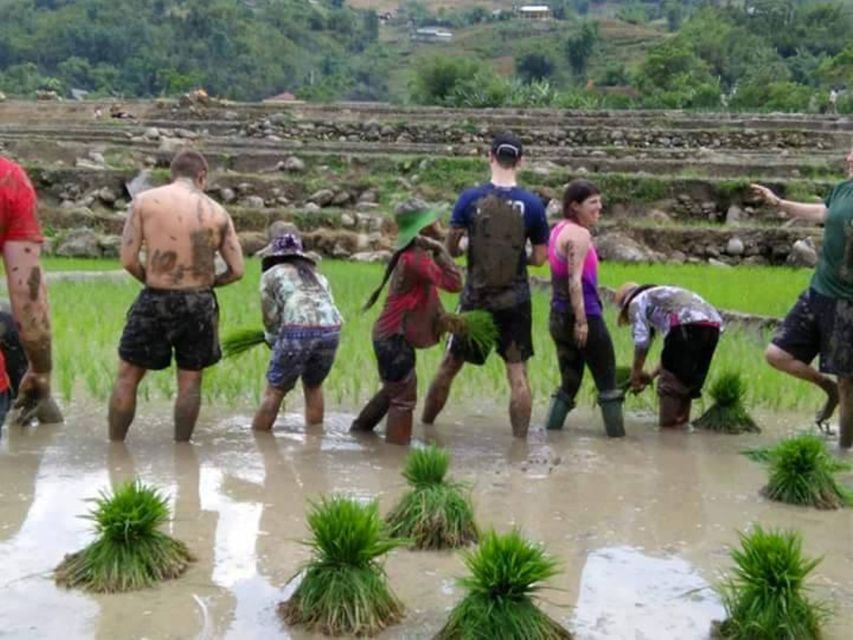
I’d book it if your main goal is to connect mountain views with real community life—rice terraces, village visits, and an overnight homestay that actually feels lived-in. The strong point here is balance: you hike enough to earn the scenery, but the best moments are the people and the meals, guided by English-speaking professionals like Lan and Khu who consistently get high marks.
You might skip it if you’re very sensitive to discomfort, if muddy trails are a deal-breaker, or if you’re looking for a hotel-style overnight. And if you’re concerned about the homestay bedding issue, it’s smart to ask your guide what you should check on arrival.
If you’re prepared for a real trek and a real home stay, this is one of the most rewarding ways to spend two days around Sa Pa.
FAQ
How long is the Sa Pa 2-day trekking trip?
It’s a 2-day trip with a Day 1 trek and an overnight homestay, followed by Day 2 trekking and return to Sa Pa.
What are the trek distances on each day?
Day 1 is about 11 kilometers, and Day 2 is about 8 kilometers.
Where do you pick up in Sa Pa?
Pickup is available at hotels in Sa Pa’s town center.
What language is the guide?
The tour includes an English-speaking live guide.
How many people are in the group?
The group is limited to 14 participants.
What meals are included?
Lunch is included on both days (2 lunches total). Dinner is hosted in the village on Day 1, and breakfast is included at the homestay.
What overnight accommodation is included?
You’ll stay at a homestay in a Dzay ethnic minority village.
Which ethnic groups will you see during the trek?
You’ll meet and visit areas associated with Black H’mong and H’mong communities, and you’ll stay overnight with a Dzay homestay host family.
Is swimming included on the trip?
You’ll cool off with a swim in the Muong Hoa River during Day 2.
What is the price and what’s extra?
The price is $55 per person. Drinks aren’t included, and there’s a $30 per person Lunar New Year surcharge for January 26 to February 2, 2025 paid at the meeting point.
Can I cancel, and do I have to pay right away?
Free cancellation is available up to 24 hours in advance for a full refund. You can reserve now and pay later.