REVIEW · AREQUIPA
2 Day 1 Night Trek / Colca Canyon
Book on Viator →Operated by Trek The Colca · Bookable on Viator
3 a.m. arrives fast in Colca. This is a two-day hike that blends classic Andean Condor viewing, a long downhill into the canyon, and a night at Cielo Azul Lodge where you can cool off after the trail.
I especially like two things: the trek runs with English or Spanish guiding, and you get meals handled for you—two breakfasts, one lunch, and one dinner. One guide named Eveline was praised for being competent and kind, giving info when you need it and then letting you enjoy the hard work and views.
The main catch is intensity. You’ll start very early, hike for hours each day, and the overnight lodge is described as quite basic—so this isn’t a stroll for anyone expecting comfort-first.
In This Review
- Key highlights at a glance
- The 3:00 a.m. pickup and why it shapes the whole trip
- Chivay mornings: Plaza de Armas and Condor’s Cross
- Day 1: the downhill trek toward Sangalle (and how to pace it)
- A practical pacing tip
- Cielo Azul Lodge: warm pool recovery after a long day
- Day 2: torch-lit start for Cabanaconde and the sunrise effort
- Hot Springs Chacapi and Chivay lunch option
- Pampa Cañahuas and Salinas y Aguada Blanca on the way back
- Meals included: what you get and what it means for your day
- What to pack (based on how this trip actually feels)
- Price and value: where $124 is a bargain—and where it isn’t
- Fitness reality check: moderate fitness, then plan for the hard parts
- Who should book this Colca trek
- Should you book this 2-day Colca Canyon trek?
- FAQ
- What time does the trek start?
- What’s included in the price?
- What costs extra during the trip?
- Are guides available in English and Spanish?
- How fit do I need to be?
- What happens if the trip is canceled due to weather?
Key highlights at a glance
- English or Spanish guiding to help you handle the tough stretches
- Meals included (2 breakfasts, a lunch, and dinner) so you don’t meal-prep
- Cielo Azul Lodge with a warm pool for recovery time after trekking
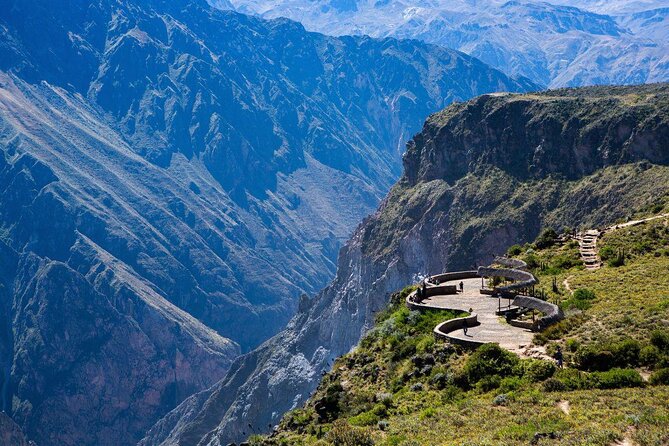
- Condor’s Cross viewpoint as a top spot for Andean Condor watching
- Optional Hot Springs Chacapi and a camelid stop at Salinas y Aguada Blanca on the way back
- Maximum group size of 12 for a more personal rhythm on the trail
The 3:00 a.m. pickup and why it shapes the whole trip
Your day begins at 3:00 am, with hotel/hostel pickup in Arequipa and an early drive toward the Colca Canyon area. That start isn’t just logistics—it’s what makes the schedule work for viewpoint time, a long first-day hike, and a second day that starts again at 5:00 am.
If you’re a light sleeper, plan for noise. One experience report included music at 3:00 am from the driver, so earplugs can be a smart, cheap add-on. Even without that specific hiccup, you’re still leaving in the dark, so expect tired legs to be part of the vibe.
You can also read our reviews of more tours and experiences in Arequipa.
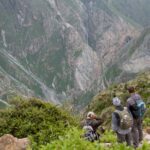
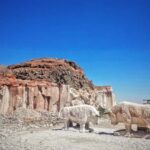
Chivay mornings: Plaza de Armas and Condor’s Cross
You’ll reach Chivay around 7:30 am for breakfast, then spend time walking through the town’s center. Plaza de Armas de Chivay is a simple, pleasant pause—traditional houses and colorful surroundings that help you get your bearings before the canyon effort.
Next comes Condor’s Cross, a viewpoint known as one of the best places in South America to see the Andean Condor in flight. The condor is enormous (up to about 12 kg with wingspans over 3 meters), and that scale is part of why this stop feels special: you’re not just looking at a bird, you’re watching a whole system of circling flight.
A key thing to know: condors depend on conditions. In one report, condors were spotted along the descent rather than at the viewpoint due to cloud cover. So if you don’t see a soaring show at the first stop, don’t mentally write off the canyon—you may still get your chance later.
Day 1: the downhill trek toward Sangalle (and how to pace it)
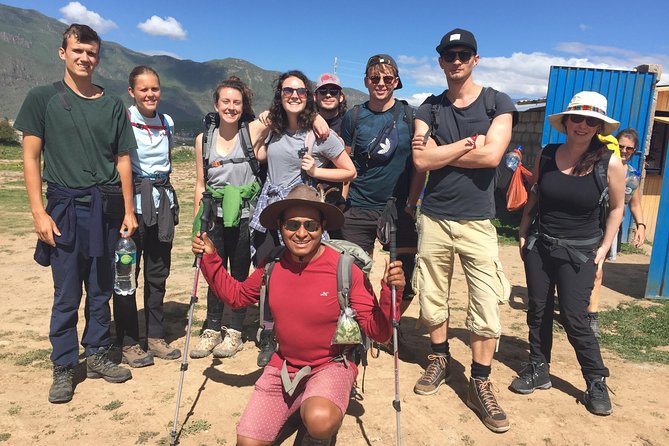
Day 1 is the “downhill first” day. After breakfast stops and viewpoint time, you continue toward the start of the hike, beginning the descent from around 3300 masl down into the canyon area.
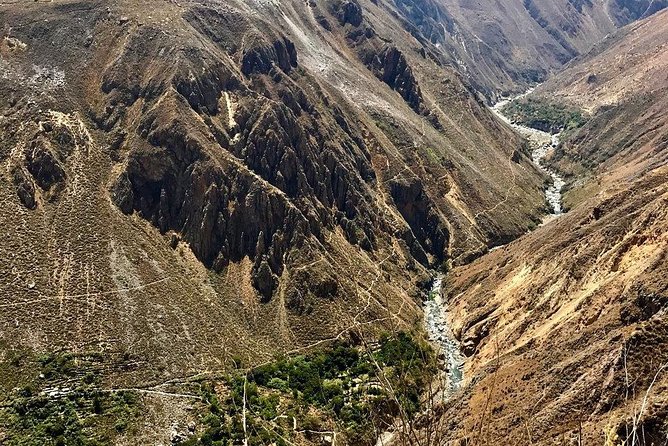
The downhill section is about 3 hours, dropping roughly from 3300 masl to around 2100 masl. Even though it’s downhill, it can still feel tough. Downhills punish knees and calves, and you can also burn energy faster than you expect because the terrain keeps you focused.
You’ll also pass through small communities and break up the day with rest and meals. Lunch happens after reaching the canyon area, then there’s time to rest in San Juan de Chuccho, a village with vegetation and fruit trees. From there, you continue through smaller towns such as Cosñirhua and Malata.
Eventually the trek continues deeper into the canyon, ending at Sangalle at about 1900 masl. You arrive around 17:00, which means the timing is built for hiking progress and recovery—not for sightseeing detours.
A practical pacing tip
Start slow on the downhill. The goal is controlled steps, not speed. You’ll feel better when you get to the part where you need stamina later.
Cielo Azul Lodge: warm pool recovery after a long day
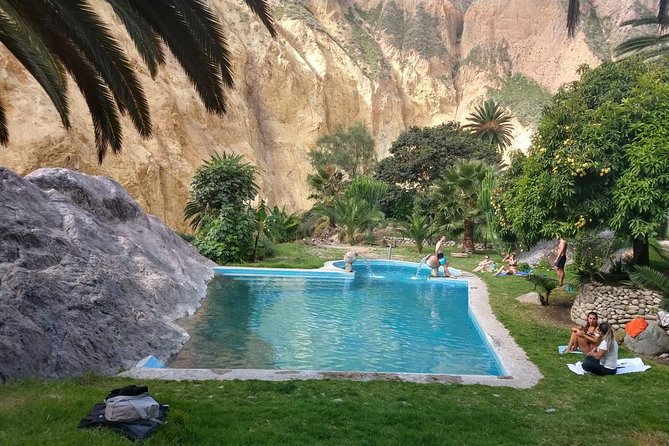
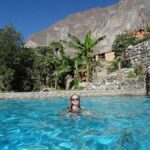
Your overnight stop is Cielo Azul Lodge in Sangalle, with a swimming pool available. After hours on the trail, that warm water idea makes real sense: it’s a simple way to help your legs loosen up before the next day’s early climb.
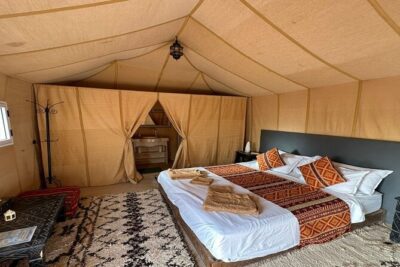
The lodge itself is described as basic. That doesn’t mean unpleasant, but it does mean you should adjust expectations. One report specifically suggested bringing a sleeping liner/extra sheet, because comfort can be minimal once you factor in the hike, the altitude fatigue, and the fact that you’ll be tired.
Dinner is included, but one experience mentioned insects at dinner. You can’t control the canyon environment, so if you’re bothered easily, pack what you personally need to feel comfortable at an outdoor or semi-outdoor meal setting.
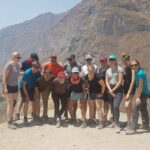
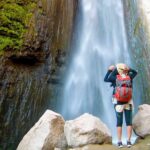
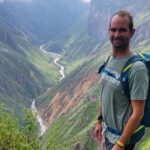
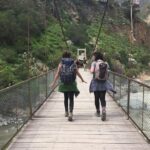
Day 2: torch-lit start for Cabanaconde and the sunrise effort
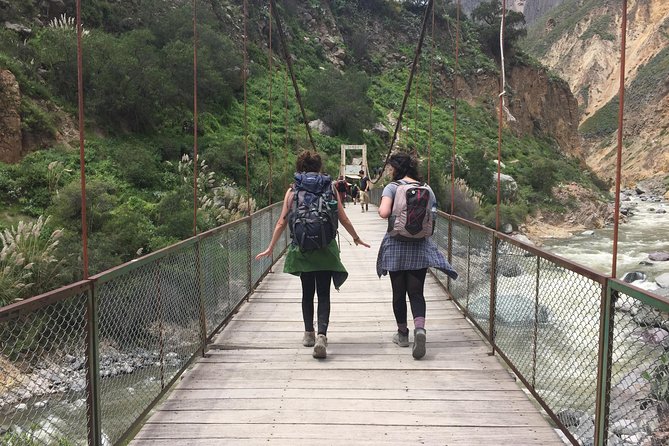
Day 2 begins at 5:00 am with a trek uphill for about 3 hours to Cabanaconde, using torch lights. This is one of the hardest psychological parts of the trip: you’re hiking in the dark, then you transition into the day as you climb.
Once you reach Cabanaconde, breakfast is served there. This is the moment when the whole plan starts to make sense—you’ve already earned the energy boost, and the early timing helps you avoid the hottest hours later.
The return toward Chivay includes scenic stops and passes through areas where you can see pre-Inca terraces, archaeological ruins, and colonial towns along the route (you’ll have viewpoints during the drive). You’re not hiking those features, but seeing them from the road helps connect the modern trip with how people have used these high-elevation zones for centuries.
Hot Springs Chacapi and Chivay lunch option
Around noon you return to Chivay, and that’s when Hot Springs Chacapi comes into play. Entrance costs 15 soles and isn’t included, so treat it as optional.
The hot springs have pools from about 30ºC up to 60°C, and entering is described as optional but enjoyable. For many people, this is the perfect “reset button” after a tough climb—especially if you have knee stiffness or general fatigue.
There’s also an optional lunch in Chivay (a buffet-style local lunch is listed at 30 soles). If you’re hungry after the climb, this is your chance to eat more than the basic included meal rhythm.
Pampa Cañahuas and Salinas y Aguada Blanca on the way back
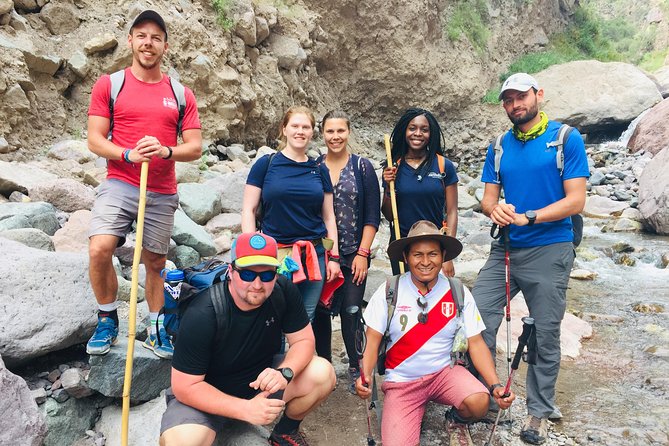
On the drive back to Arequipa, you stop at Salinas y Aguada Blanca National Reserve at Pampa Cañahuas. You’ll see volcanos and camelids, including alpacas, llamas, and vicuñas (the area is also described as habitat for these camelids).
The stop time is short (listed as around 10–15 minutes), but you’re there long enough to spot animals if they’re visible. It’s a quick “touch” of the high Andes ecosystem without turning the day into an extra hike.
By late afternoon, you’ll reach Arequipa around 17:30 and be dropped off near Calle Santa Catalina by the Santa Catalina Monastery area.
Meals included: what you get and what it means for your day
This trek is built around included food, which is a big value point for an active trip like this. You’ll have:
- Breakfast on Day 1
- Breakfast on Day 2
- A lunch on Day 1
- Dinner on Day 1
So you don’t need to carry or plan your own meal strategy while you’re trying to hike.
At the same time, some meals are explicitly not included. Canyon entrance fees are extra, Hot Springs entrance is extra, and the optional lunch in Chivay is extra. Also, one experience report mentioned a tiny first-day breakfast—so if you tend to get hungry quickly in the mornings, you may want to bring something small you can eat later, if your tour rules allow it (I’d ask your guide for guidance on what’s appropriate during the stops).
What to pack (based on how this trip actually feels)
Because this is a two-day hike with early starts and an overnight stay that’s basic, your comfort comes from what you bring.
From the practical side:
- Plan for cold early mornings. Torch-lit starts and dawn hours can feel sharp, even in Peru’s dry season.
- Bring sun protection. One report stressed having sunscreen on hand.
- Carry water and treat it as part of your budget. One experience noted bottled water prices along the route can run about 6–10 soles per 1L.
- If bugs bother you, pack personal insect comfort items. At least one dinner experience included insects.
For sleeping:
- If you’re sensitive to basic accommodations, a sleeping liner or extra sheet helps.
Price and value: where $124 is a bargain—and where it isn’t
At $124 per person, the headline price can look appealing. What you’re really paying for is the complete structure:
- hotel/hostel pickup and return transport
- a small group (up to 12)
- guiding (English or Spanish)
- included meals (2 breakfasts, lunch, dinner)
- the overnight at Cielo Azul Lodge
This matters because two-day canyon treks can get expensive once you add logistics, food, and transfers.
Where the price doesn’t cover everything:
- Colca Canyon entrance fee: 70 soles per person
- Hot Springs Chacapi entrance: 15 soles (optional)
- Optional last lunch in Chivay: 30 soles
So your real total will be higher than $124 once you add entrance costs and optional extras. Still, even with those add-ons, the value can hold up well because the trek gives you a tight itinerary and doesn’t require you to organize buses or food on your own.
Fitness reality check: moderate fitness, then plan for the hard parts
The tour states moderate physical fitness is required. That’s accurate in the sense that you’re not doing technical climbing, but you are hiking for hours at altitude and changing elevations on consecutive days.
The structure is demanding:
- Day 1: downhill hiking for about 3 hours plus additional trail time through villages, ending at Sangalle
- Day 2: 5:00 am torch-lit uphill for about 3 hours back to Cabanaconde
Heat can also be a factor. One report described heat-related sickness during the first day hike, and they were helped through by the guide. That’s a reminder to take it slow and listen to your body.
There is also an off-menu option: mule rides. One account said they rented a mule for about 60 soles on the next day’s ascent. The important detail is that mule services aren’t provided by the tour company; locals offer them and they’re not regulated by authorities, which means safety standards can vary. If you consider a mule, take it seriously. Don’t treat it like a guaranteed upgrade—check fit and comfort before moving.
Who should book this Colca trek
This trek makes sense if you:
- want a classic Colca Canyon experience with a structured plan
- like guided help, especially on the toughest uphill and downhill segments
- want meals and transport handled so you can focus on hiking
- don’t mind a basic lodge stay in exchange for being in the canyon zone
It’s less ideal if you:
- expect comfort-first travel
- hate early mornings and torch-lit hikes
- have knee issues that struggle with downhill effort
Should you book this 2-day Colca Canyon trek?
If you’re ready for a real hiking weekend, this is a strong option. I like that you get meals included, transfers handled, and a night at Cielo Azul Lodge with a warm pool for recovery. The guide quality can be excellent, and Eveline is one name that came up as especially kind and competent.
Just go in with clear expectations: it starts at 3:00 am, you’ll hike for hours at altitude, and you may face basic lodging and optional costs for entrances. If that fits your style, you’ll likely feel like the canyon was the whole point of your trip.
FAQ
What time does the trek start?
Pickup in Arequipa begins with a listed start time of 3:00 am, followed by an early drive toward the Colca Canyon.
What’s included in the price?
Meals included are two breakfasts, one lunch, and one dinner. You also get hotel/hostel pickup and return transfers, plus private tourist transport and the included overnight at Cielo Azul Lodge.
What costs extra during the trip?
Colca Canyon entrance is listed as 70 soles per person. Hot Springs Chacapi entrance costs 15 soles per person and is optional. A last lunch in Chivay (buffet) is listed at 30 soles per person.
Are guides available in English and Spanish?
Yes. Guiding is available in both English and Spanish.
How fit do I need to be?
The tour is for people with moderate physical fitness. The itinerary includes downhill hiking on Day 1 and an uphill trek on Day 2 with a torch-lit start at 5:00 am.
What happens if the trip is canceled due to weather?
The experience requires good weather. If canceled because of poor weather, you’ll be offered a different date or a full refund. The experience is otherwise described as non-refundable and cannot be changed for any reason.