REVIEW · AREQUIPA
Private 3 Day Colca Canyon Trekking tour (superior Service)
Book on Viator →Operated by Peru Ultimate Expedition · Bookable on Viator
Condors, steep steps, and serious sunrise energy. This private 3-day Colca Canyon trek is built around real villages, Andean viewpoints, and guided hiking with an emphasis on conservation and local livelihoods, not big-group churn. You’ll start with hotel pickup in Arequipa around 3:15–3:30am, get context on local names and the Colca region, then ease into the canyon via Yanque and the Colca Valley.
What I really like is the way you mix hiking with human-sized moments: a traditional breakfast prepared by a local family in Yanque, terraces and farming shaped over generations, and time for snacks and fruit stops along the way. You also get genuine guide storytelling during the walking, with guides like José (Pepe) and Jarley praised for explaining plants, animals, and local life at a pace that feels easy to follow.
The main drawback to plan for is the early mornings and altitude effort. Even with guides pacing you, you need moderate physical fitness, plus you should expect cold starts, dusty roads, and a day-three summit push that starts before daylight.
In This Review
- Key highlights worth planning for
- What You Actually Pay For: The Value of This 3-Day Colca Trek
- Day 1: Sunrise Arequipa Pickup, Yanque Breakfast, and Condors at Cruz del Condor
- Day 1 Evening: The Comfort Part—Rest, Food, and Muscle Recovery
- Day 2: Llahuar Lodge to Sangalle Oasis—Hanging Bridges, Apacheta, and the Midday Pool
- Day 3: Dawn Ascent from Cabanaconde, Summit Views, Then Chivay Food and Vicuña Reserves
- The Service Style: Why This Tour Keeps Getting Praised
- What to Pack (So You Don’t Fight the Trek)
- Who This Colca Trek Is Best For
- Should You Book This 3-Day Private Colca Trek?
- FAQ
- How early is pickup on Day 1 in Arequipa?
- What level of fitness do I need for this trek?
- What are the main hiking times for each day?
- Where do I stay overnight?
- Are meals included?
- Are tickets and park fees included?
- Is the tour private?
- Is there any medical support during the trek?
- Do they accommodate vegetarian or vegan meals?
- What is the cancellation rule if plans change?
Key highlights worth planning for
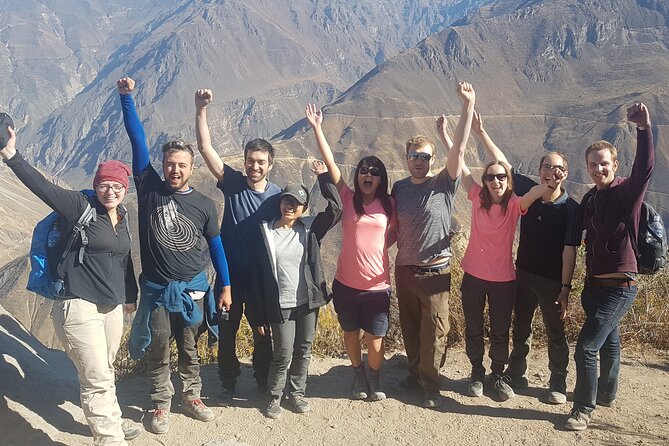
- A true private group experience (2–8 people) with your own guide, only sharing tourist mobility transport
- Top-quality guiding praised by name, especially José (Pepe), Jarley, Miguel, and Marcello
- Big canyon moments, from Cruz del Condor to the dawn ascent toward the canyon top
- Sangalle Oasis downtime with a natural pool at midday plus time to relax and rehydrate
- Safety and support built in, including medical oxygen and a first aid kit for participants
What You Actually Pay For: The Value of This 3-Day Colca Trek
At $400 per person, this trek is priced like an experience, not just transportation and a trail. You’re paying for two nights of lodging in family homes with private baths and hot water, an official hiking guide in English and Spanish, all included tickets, and full meal coverage (multiple breakfasts, lunches, and two dinners).
The value jumps when you compare what’s included versus what you usually end up paying for on hikes: not only meals and snacks, but also medical oxygen and a first aid kit, plus the option of an extra mule on the last day to carry backpacks for the group. If you’re trying to keep logistics simple while still getting off the mass-tour route, this is one of the more “complete” ways to do it.
A practical note: you may still want cash on hand. One review specifically suggests bringing cash for water, possible entrance-related costs, and emergencies. Tips for the guide and group assistant aren’t included either, so factor that into your mental budget.
You can also read our reviews of more tours and experiences in Arequipa.
Day 1: Sunrise Arequipa Pickup, Yanque Breakfast, and Condors at Cruz del Condor
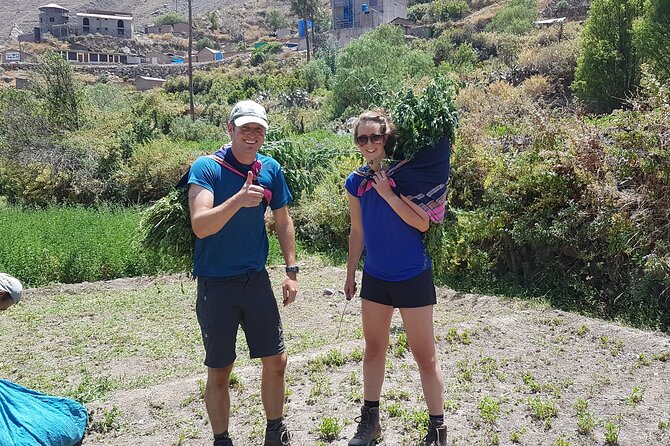
Day 1 starts early on purpose. Pickup from your Arequipa hotel happens around 3:15am to 3:30am, and your guide covers biosecurity protocols and the day’s plan before you drive toward the Colca Valley. On the ride, you’ll also get explanations tied to local place names and regional meaning, so the trip doesn’t feel like a blank transfer.
After roughly three hours, you enter the Colca Valley as daylight hits the mountains. Your first cultural stop is Yanque, a town with colonial-era importance. This is also when you’ll enjoy a traditional breakfast prepared by a local family, which sets the tone for the whole trek: you’re not just passing through villages, you’re sharing meals that support people living here.
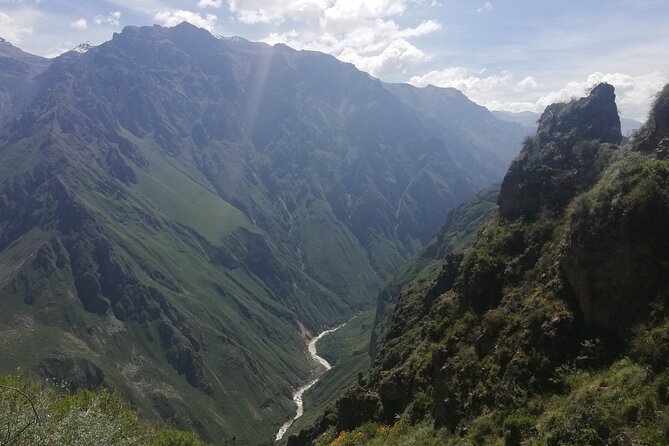
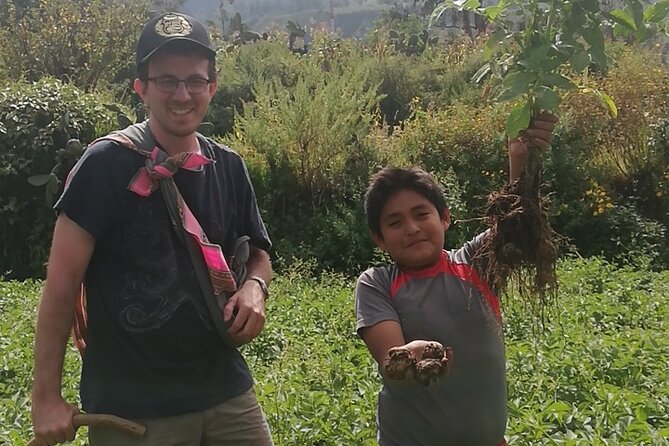
Then you continue along the Colca’s valleys and farming areas, with time to view pre-Inca terraces and how generations shaped the land to grow staple products despite difficult conditions. The guide also helps you connect what you’re seeing with how people adapted—especially watching the river carve through the valley alongside higher Andean ranges.
By around 8:00am, you reach Mirador Cruz del Condor, the main viewpoint for condors. The guide frames it as a sanctuary tied to local traditions, and you’ll have about 40 minutes to watch the condors’ flight if conditions are right. One key thing to know: this bird is treated with respect locally and is described as being in danger of extinction, so keep your behavior low-key and your distance.
Finally, you switch from viewpoints to trail. The day includes a long walking segment of about 5 hours, with a drop of roughly 1,200 meters. The route includes winding paths down toward the Colca River, plus stops for scenery, rest, and local fruit/snack breaks. You’ll end at Pallca, where you’ll have lunch prepared with regional products and then enjoy a free afternoon—often used for relaxing, resting muscles, or soaking in thermal baths.
What to be ready for on Day 1: you’re descending, not “just strolling.” Your legs will feel it. If you’re prone to stiff knees, trekking sticks help a lot, especially on downhill sections.
Day 1 Evening: The Comfort Part—Rest, Food, and Muscle Recovery
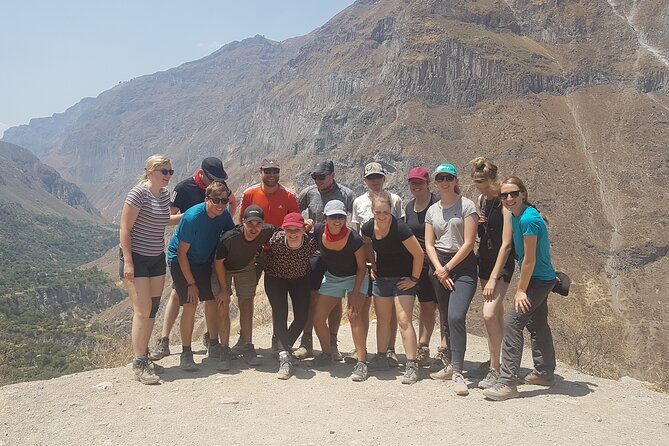
By the time you reach the evening, the experience intentionally shifts into recovery mode. You stay for two nights total in family-home style lodging with private bathrooms and hot water, which matters more than it sounds when you’ve been hiking and sleeping at altitude.
The free afternoon at Pallca isn’t “empty time.” It’s the buffer that makes the next two days feel manageable. Based on what people loved, this downtime is where the trip stops being only effort and starts feeling like a real vacation: one review highlights a cozy stay and even a pool at the stop used for relaxation.
During dinner, you’ll also get a key planning moment: your guide shares what to expect the next day (the ascent toward the canyon). This helps you understand the rhythm of tomorrow’s climb so you don’t waste energy trying to guess what comes next.
A small strategy that helps: treat the evening like a setup session. Eat slowly, drink water, and do the quick “gear check” before bed—socks, boots laces, sunscreen for morning, and any rain layer you packed.
Day 2: Llahuar Lodge to Sangalle Oasis—Hanging Bridges, Apacheta, and the Midday Pool
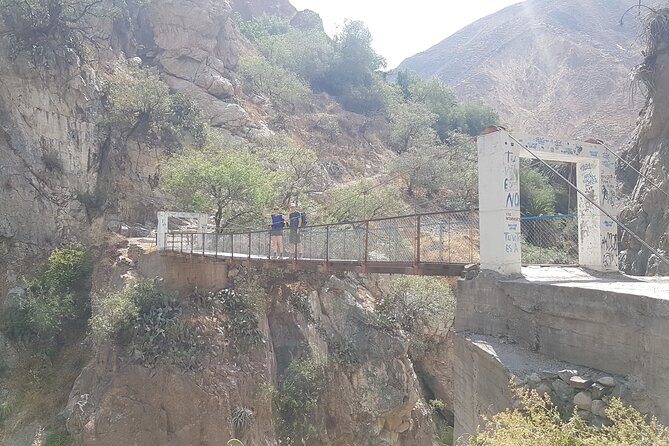
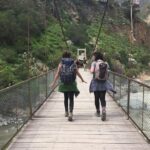
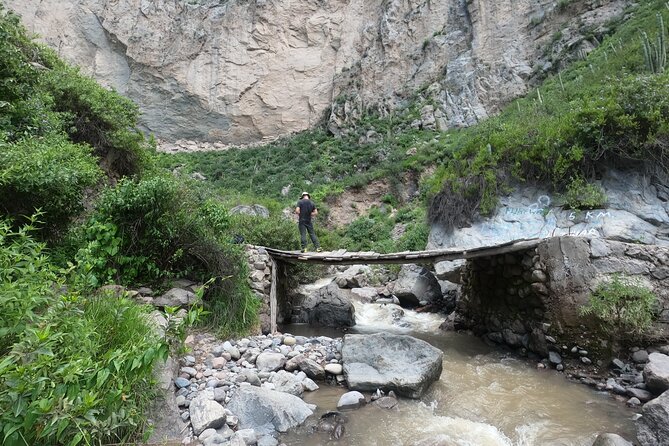
Day 2 begins after breakfast and a full hike segment of about 5 hours. The goal is to reach Sangalle and its oasis area. Early on, you’ll ascend toward the Apacheta viewpoint, and this section includes crossing hanging bridges, passing small communities, and seeing the daily hard work of people moving water to agricultural fields.
This is also where guides can shape the trip from scenic to meaningful. Your guide explains the canyon’s morphology and talks about flora and fauna, which is exactly what people repeatedly praise in the reviews—José (Pepe) and other guides are singled out for plant and animal explanations, and even local plant medicine conversations.
After you rest and rehydrate, you continue downward through the amphitheater area—an archaeological site linked to agriculture, described as dating roughly to 1200–1500 B.C. The pacing here matters. It’s not just “walk until you’re tired.” It’s a structured way to see the canyon and its human history, then keep moving without burning yourself out.
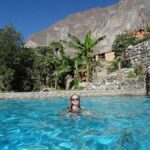
Around 1:00pm, you arrive at Oasis Sangalle (listed as about 2100 meters). This is the payoff point of Day 2. You get time to enjoy the natural pool and cool off right away. Then lunch is served with typical Colca-region flavors, and the afternoon stays free so you can explore fruit-tree areas, socialize, or just relax.
Dinner on Day 2 is followed by an important talk about the next day’s big ascent—so you know what to watch for and how to keep steady. That pre-ascent briefing is one of the reasons people report feeling cared for and safe on this trek.
If you want the best mood on Day 2: save energy for the pool time. Don’t rush the pace just to get there faster. The oasis stop is one of the most loved parts for a reason.
Day 3: Dawn Ascent from Cabanaconde, Summit Views, Then Chivay Food and Vicuña Reserves
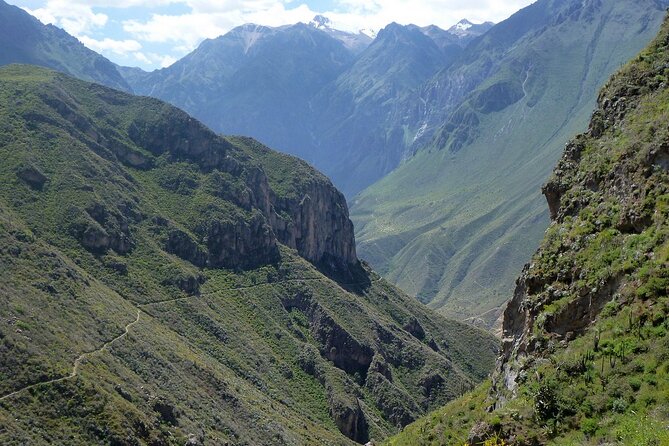
Day 3 is the hardest emotional and physical moment: the 4:00am start from Cabanaconde for an ascent hike of about 3 hours (around 5 km). The guide pushes a mountaineer rhythm—steady, not sprinting—so you can use your energy well and reach the top when sunrise opens the canyon views.
Once daylight hits, you’ll pause and look back, then finish the climb. After reaching the top, you head down toward Cabanaconde with enough time to rest and enjoy breakfast. This is the day where the trek becomes a story you can actually feel: the effort, the view payoff, and then the return to softer travel.
From there, you take transport toward Chivay, with a stop along the way to visit a colonial church. At Chivay, you get a focused food moment: a chance to enjoy traditional stews and flavors from the area. Chivay is also a staging point for the next big scenic stop—viewpoints related to volcanoes and the vicuña national reserve.
Next comes Abra Patapampa (about 4910 meters), described as the highest point of the expedition. On a clear day, you’re set up to see multiple Andean volcanoes—Misti, Chachani, Sabancaya, Walka Walka, and Ampato—and the guide connects the view to local Inca history, including the story of Juanita.
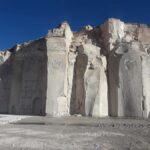
Finally, you visit Salinas y Aguada Blanca National Reserve. You step off the bus for photos and learn about the behavior and importance of vicuñas. The key here is respect: you’re in their space, and the tour emphasizes staying mindful around wildlife. Then you return to Arequipa, arriving around 5:00pm.
What to expect emotionally: Day 3 can feel long because it’s “high effort” then “driving and viewpoints.” You’ll want a snack plan and a solid water strategy even if meals are included.
The Service Style: Why This Tour Keeps Getting Praised
This is the part that shows up again and again in the feedback: organization and guide personality. Names like Miguel, Marcello, and José (Pepe) pop up for being friendly, informative, and attentive, with guides spending time answering questions and walking at a realistic pace.
What I think is especially valuable is how guides connect trail moments to local life. People appreciate conversations during meals and explanations about local plants and animals—things you miss when the trip is just moving from photo spot to photo spot. If you want a trek that feels like you’re learning while you walk, this format delivers.
Also, the structure helps. Pickup timing, meal rhythm, and rest blocks are clear enough that you’re not constantly guessing. That doesn’t remove challenge—it makes the challenge doable.
What to Pack (So You Don’t Fight the Trek)
Bring the basics, then bring the hiking basics twice:
- A 40 liter backpack
- Hiking boots
- Trekking sticks
- Sunscreen, sunglasses, and a hat
- Jacket and a poncho for rainy-season conditions
- Mosquito repellent
- Flashlight with extra batteries
- Swimwear (useful because Sangalle’s pool time is part of the experience)
- Water and rehydrating items
A practical reminder: this is a hike with real altitude and real descents. Even on a well-run tour, gear comfort affects everything. If your boots aren’t broken in, your feet will tell you by Day 2.
Who This Colca Trek Is Best For
This works best if you:
- want a private feel without giving up the infrastructure that makes logistics easier
- enjoy cultural stops alongside hiking (Yanque breakfast, terraces, church visit, and viewpoint explanations)
- like learning on the trail, especially about local plants, animals, and community life
- can handle early starts and moderate hiking distances across three days
It’s not a fit if you’re looking for an easy stroll or for families traveling with babies; the trip is listed as not recommended for babies.
Should You Book This 3-Day Private Colca Trek?
I’d book this if you want the Colca Canyon without the “bus-and-picture” vibe. The combination of family-home lodging with hot water, strong guide attention (including guides named José (Pepe), Jarley, Miguel, and Marcello), and the two biggest canyon moments—condors at Cruz del Condor and the dawn summit climb—makes it feel like a full experience rather than a checklist.
I wouldn’t book it if early mornings or altitude effort would stress you out. If you’re already feeling worn down, choose your pace seriously and pack well. And do bring a bit of cash, just in case you need it for water or on-the-spot needs.
If you match the fitness level and you value a guide-led, locally grounded trek, this is an easy yes.
FAQ
How early is pickup on Day 1 in Arequipa?
Pickup starts between 3:15am and 3:30am from your hotel. The guide meets you, explains biosecurity protocols, and sets expectations for the day before you drive toward the Colca Valley.
What level of fitness do I need for this trek?
The tour is listed for travelers with a moderate physical fitness level and moderate physical condition. You’ll hike multiple days, including a major dawn ascent on the final morning.
What are the main hiking times for each day?
Day 1 includes about a 5-hour walk with a large descent. Day 2 includes about a 5-hour hike to Sangalle. Day 3 includes about a 3-hour ascent on the early morning climb.
Where do I stay overnight?
You stay for 2 nights in family home-style accommodations with private bath and hot water.
Are meals included?
Yes. The package includes breakfasts (3), lunches (3), and dinners (2), plus a snack for the hike.
Are tickets and park fees included?
All tickets are included as part of the tour package.
Is the tour private?
It’s described as a private tour/activity for your group only. The only shared element can be the tourist mobility transport; the hiking experience itself is for your group.
Is there any medical support during the trek?
Yes. The tour includes medical oxygen and a first aid kit for all participants.
Do they accommodate vegetarian or vegan meals?
Flexible vegetarian and vegan options are mentioned as available.
What is the cancellation rule if plans change?
Cancellation is free if you cancel at least 24 hours before the experience’s start time for a full refund. If you cancel within 24 hours, the amount paid is not refunded.
If you want, tell me your travel month and your hiking experience level, and I’ll help you sanity-check whether the pace fits and what to prioritize packing.