REVIEW · AREQUIPA
From Arequipa: Sillar Route Trek
Book on GetYourGuide →Operated by AREQUIPA EXPLORER Y ACTIVIDADES TURISTICAS · Bookable on GetYourGuide
Arequipa’s white stone tells its own story. On this Sillar Route trek, you see working sillar quarries and walk into Culebrillas Canyon where ancient petroglyphs come into view. The only wrinkle is that the entrance fees are not included, so bring cash soles (about 18 soles total).
What I like most is how the tour turns geology into real people doing real work. At Añashuayco you’ll learn how ashlar stone gets made, watch the cutting style stonemasons use early in the morning, and you may even get to try a simple stone-block cutting exercise. Then the route pivots to views—volcanoes, the Chilina Valley, and a final Mirador de los Volcanes stop for photos.
This is a very doable half-day: short drives, a couple guided walks, and enough time to look around without feeling like you’re sprinting across Arequipa. If you can choose between the morning and afternoon sessions, the afternoon can be especially pretty for that golden, sunset-leaning light.
In This Review
- Key moments worth your attention
- Sillar Route Trek in Arequipa: what you’re really seeing
- Timing and logistics: how the 4 hours play out
- Añashuayco Quarry: the working quarry stop (and the carving you’ll remember)
- What you might do here (and what to watch for)
- Trying stone masonry: when the quarry becomes hands-on
- Quebrada de Culebrillas: a short canyon walk with Wari petroglyphs
- Apachetas on the way back: gratitude rocks, local meaning
- Mirador de los Volcanes: viewpoints that help you picture Arequipa’s setting
- Group pace, photo time, and guide style (bilingual and human)
- Price and value: $12 sounds low, so plan for the extra 18 soles
- What to bring (so the canyon and quarry feel easy)
- Is this the right tour for you?
- Should you book the Sillar Route Trek?
- FAQ
- How long is the Sillar Route trek from Arequipa?
- What’s included in the price?
- Are entrance tickets included?
- What time does the tour start and when do you return?
- Do guides speak English?
- What cancellation options are available?
Key moments worth your attention
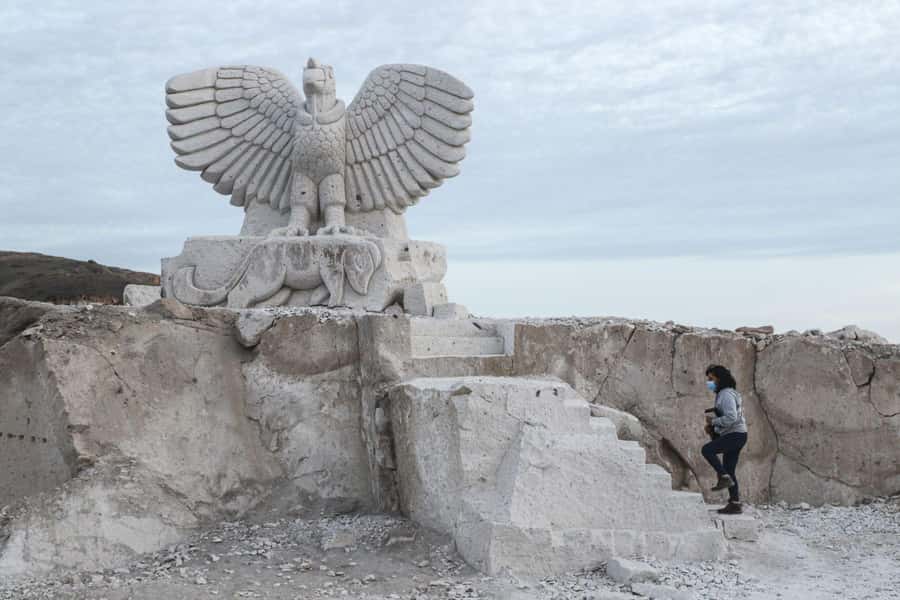
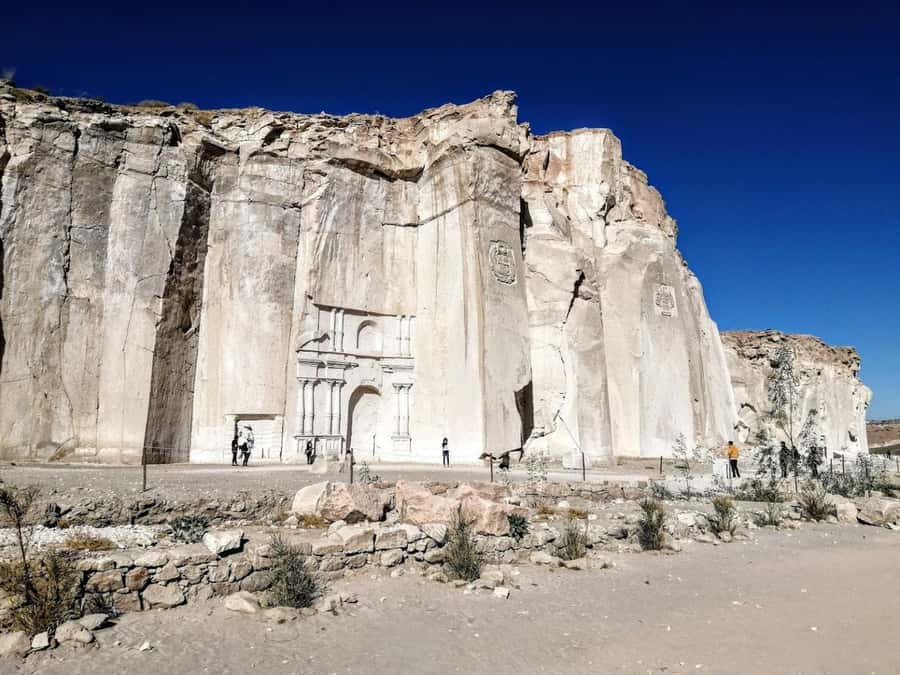
- Añashuayco Quarry’s immense igneous cliffs: you’ll stand in the scale of the extraction that shaped Arequipa’s famous stone.
- The mega carving of the Church of the Company of Jesus: a striking example of craftsmanship inside the quarries.
- Culebrillas Canyon walk (about 20–25 minutes): walls can reach roughly 15 to 20 meters as water carved the space.
- Wari petroglyphs: ancient rock markings more than a thousand years old appear at the canyon.
- Apachetas stone stacks: those piled rocks you’ll see along the way add a spiritual, local touch.
- Value for $12 plus transport and a guide: you get the structure and interpretation, with only modest additional entry fees.
Sillar Route Trek in Arequipa: what you’re really seeing
Arequipa’s look isn’t an accident. A huge amount of the city’s building stone comes from the sillar that was quarried nearby—white, porous volcanic stone that’s easy to carve compared to harder rocks, and strong enough for construction. This tour helps you understand why the city ended up with so much of that pale architecture, not just by pointing at buildings, but by showing you where the stone comes from.
You also get a mix of “then and now.” The quarries show living industry: stonemasons working early, shaping blocks and preparing stone for use. The canyon adds the deep past: you’ll spot petroglyphs linked to the Wari culture, plus layered meaning in places like apachetas, where stacked stones serve as offerings for gratitude and good luck.
You can also read our reviews of more tours and experiences in Arequipa.
Timing and logistics: how the 4 hours play out
You start with a meeting at the main office on the corner of C. Álvarez Thomas 115. Then you’ll transfer by van for a drive that takes about an hour before the first quarry stop.
From there, the whole pace stays half-day friendly:
- 45 minutes at Añashuayco Quarry with both guided time and some free time.
- A short transfer to Quebrada de Culebrillas, followed by a walk of about 20–25 minutes inside the canyon.
- A final photo and viewpoint stop at Mirador de los Volcanes with guided explanation.
Most groups finish around 1:30 PM back near Arequipa’s center area. There’s also a 2:00 PM afternoon shift, and that matters because light changes fast in this region. If you’re choosing the afternoon slot, expect more sunset-leaning color on the rock and sky.
Transport is typically comfortable, and groups are often around a couple dozen people. One thing to plan for: the bus/van experience isn’t always the same between departures, and air-conditioning isn’t something you should count on. Dress for cool-to-warm shifts, and think layers.
Añashuayco Quarry: the working quarry stop (and the carving you’ll remember)
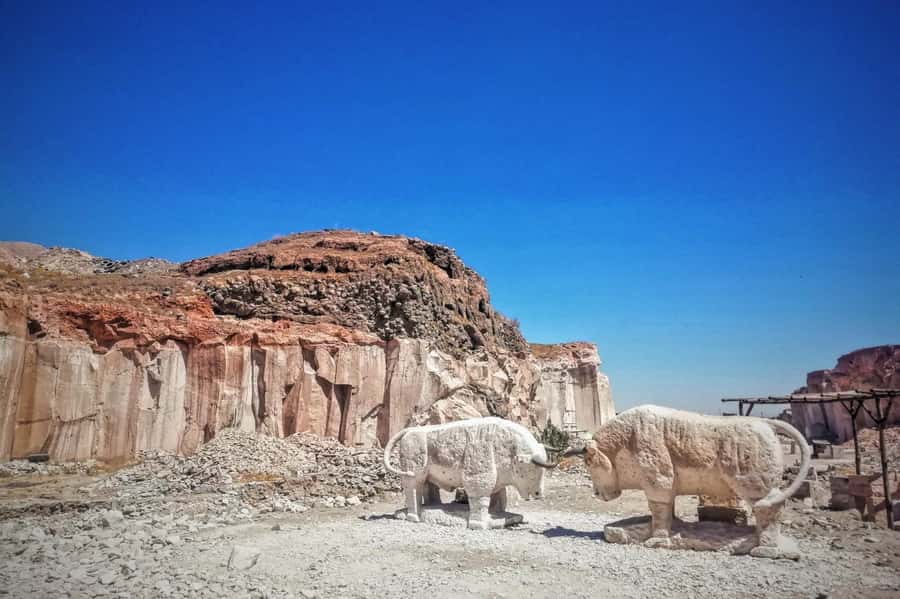
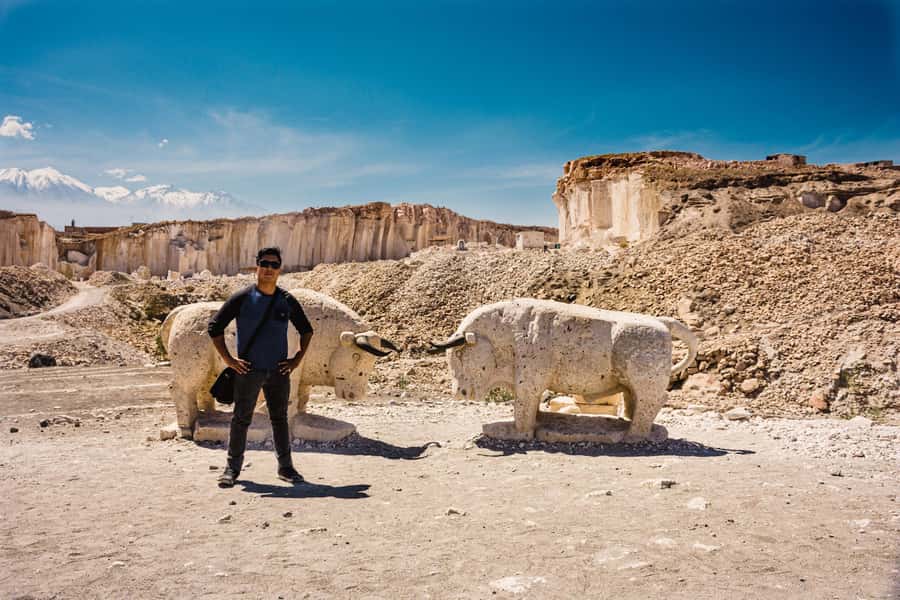
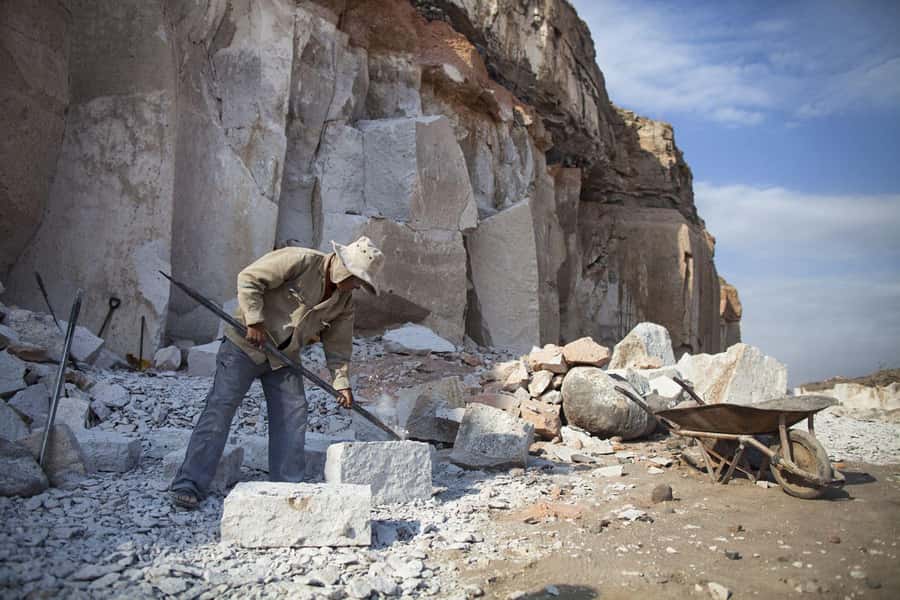
Añashuayco Quarry is the core of the “sillar route” idea. When you arrive, you’re not walking through a museum display—you’re moving through a currently operating quarry area, where stonemasons carry out their work very early. That context makes the stone feel more honest. It’s not just pretty white rock. It’s someone’s job, day after day.
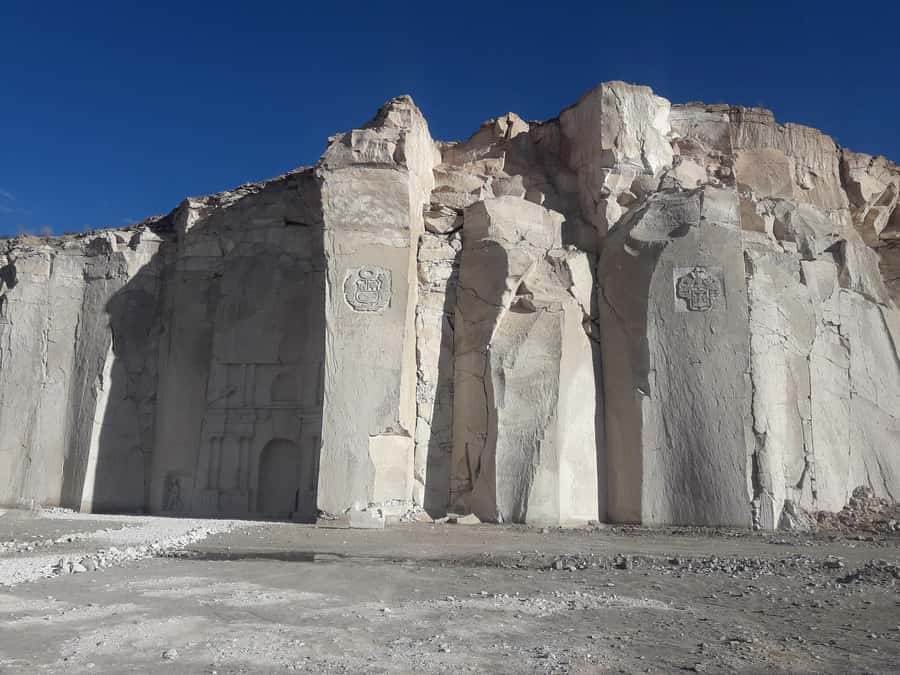
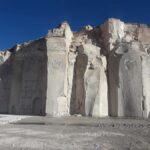
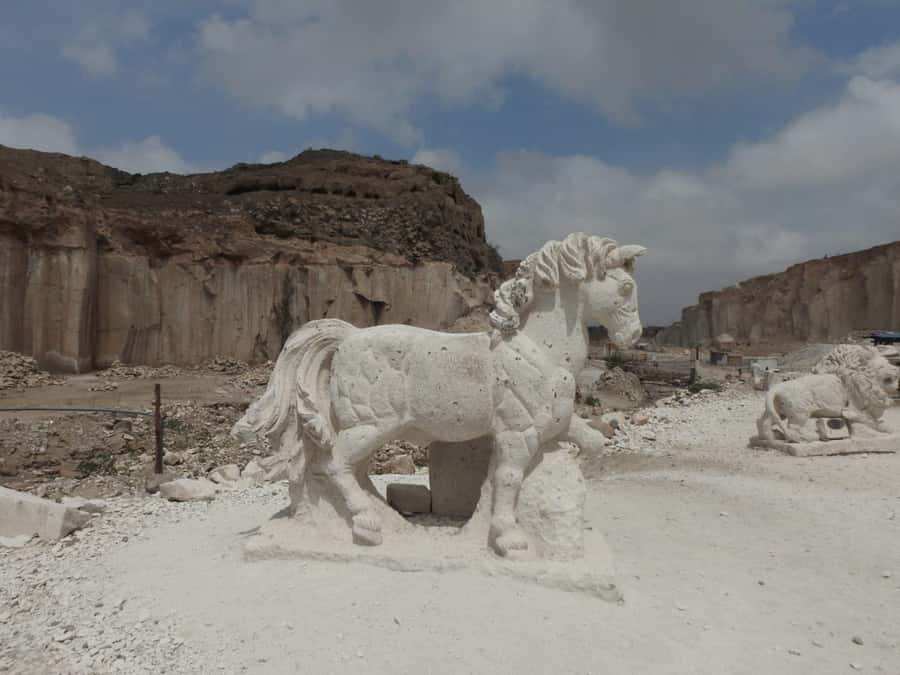
The canyon-like quarry space is formed by the extraction process, with cliffs and igneous walls that can reach several meters high. Your guide will explain how ashlar production works—how blocks get shaped and used—and why Arequipa’s architecture is so tied to this geology.
Then comes the moment most people photograph: a mega carving of the Church of the Company of Jesus made by stonemasons themselves. It’s a reminder that the same craft used for building stone can also create detailed artwork. If you like watching hands at work, this stop is your best bet.
What you might do here (and what to watch for)
You’ll get guided context and time to explore. At this stage, you can end up waiting your turn for the best views or for group photos if multiple tours land around the same time. I’d treat the quarry as a “camera-ready” stop: be set up early, then let the guided explanation happen while you’re still energized.
Wear shoes with grip. Quarry areas can be dusty and uneven, and you’ll likely want stable footing so your photos don’t come out blurry from a mid-step wobble.
Trying stone masonry: when the quarry becomes hands-on
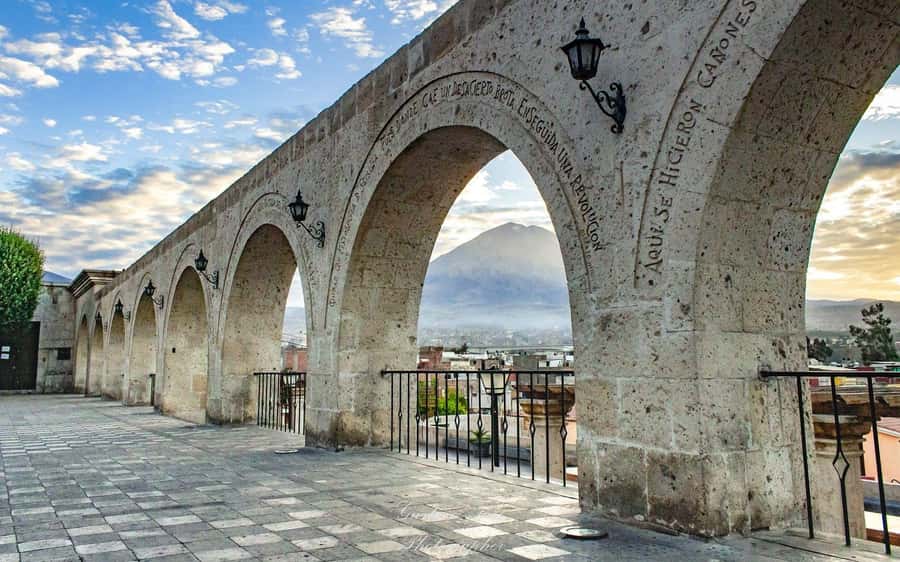
One of the nicest touches in this tour is that the experience can go beyond watching. At Añashuayco, the stonemasons can show you what daily work looks like and may even let you experiment by cutting one of the stone blocks yourself.
Even if you only get a short try, it changes how you see the stone. You start thinking like a maker: what the stone resists, how it chips, and why certain shapes work better for building. That’s the kind of learning that doesn’t fade after your next stop.
Also, this is where guide quality really shows. I’ve seen guide names like Jose Jose, Mike, Alexandra, Julia, and Roni associated with strong experiences. Regardless of who you get, the best guides keep the story practical—how the production fits together, and what “sillar” actually means in daily life.
Quebrada de Culebrillas: a short canyon walk with Wari petroglyphs
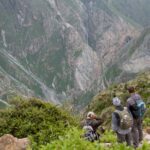
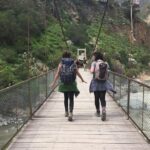
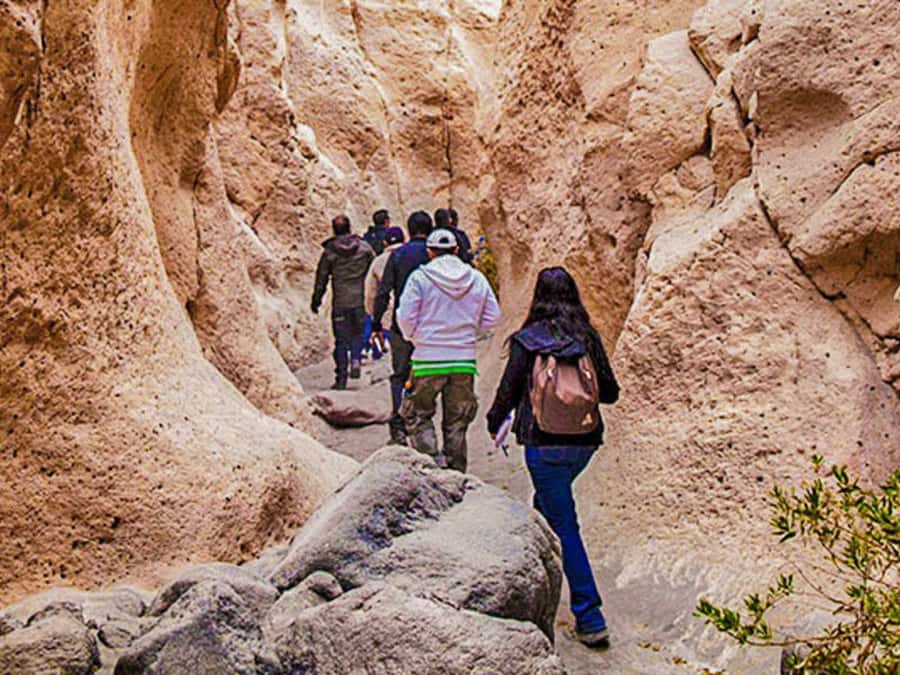
After the quarry, you head toward Quebrada de Culebrillas—about a half-hour away. Then you walk into a small canyon formed by water over time. The canyon walls can reach roughly 15 to 20 meters, and as you go deeper, the space feels tighter and the scale becomes more obvious.
This part is usually manageable for most visitors, but it’s still a real walk. Some people do have trouble with the mini-canyon portion, so if you have mobility limitations, take that seriously. Think about traction, knee comfort, and whether you’ll be able to take a slow pace.
At the end of the walk, you’ll see petroglyphs made by the Wari culture that are more than a thousand years old. The guide will help you connect what you’re seeing to the people and the landscape that shaped it. Even if you’re not a rock-art expert, the setting does the heavy lifting: carved markings in a natural “stage” make the story feel tangible.
Apachetas on the way back: gratitude rocks, local meaning
Before you return to the city, you’ll also observe apachetas—stone formations built by stacking stones. Locally, they’re linked to gratitude toward nature and also to the idea of good luck. It can feel a bit mystical because the reason is emotional, not scientific.
If you enjoy small cultural details, this is the moment to slow down and look. You’re not just passing by piles of rocks. You’re seeing an active tradition of how people relate to their surroundings.
Mirador de los Volcanes: viewpoints that help you picture Arequipa’s setting
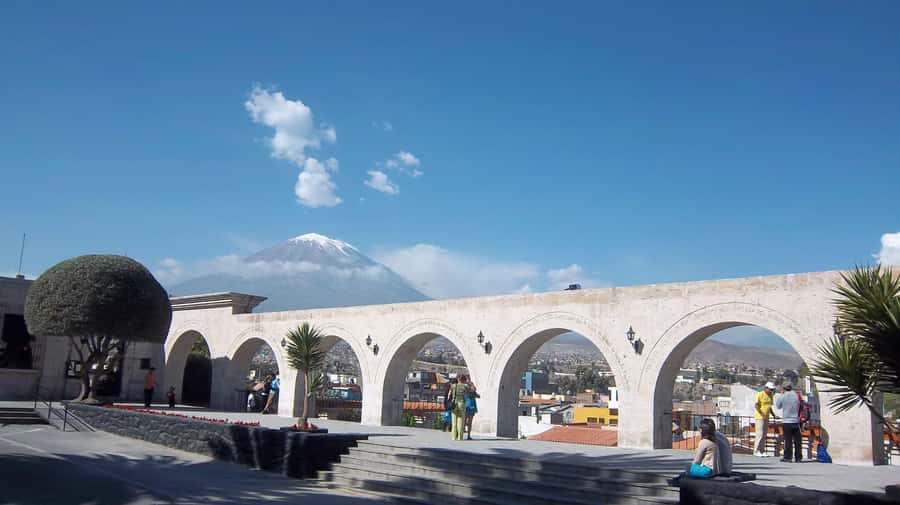
The final major stop is the Mirador de los Volcanes viewpoint. On the way there, the tour includes at least one strategic photo/overlook moment where you can see the volcanoes and the Chilina Valley. Depending on season, that initial viewpoint may be swapped for a different traditional vantage point—so the sky and angles can differ month to month.
At the viewpoint, you’ll get guided explanation and time for photos. This stop is valuable for two reasons:
- It puts the route into a bigger map in your head.
- It helps you understand why Arequipa’s geography matters to both history and daily life.
If you choose the afternoon 2:00 PM session, you often catch warmer colors that make the stone and valley look more dramatic. One of the most common “worth it” feelings about this tour is simply the light.
Group pace, photo time, and guide style (bilingual and human)
This tour works best when you accept it as a guided half-day, not a DIY hike. The van transfers are part of the structure, and the stops are timed so you see several sites without spending your whole day traveling.
One pattern I noticed in how these tours succeed: guides keep things moving, but they still give room to photograph. Several experiences praised punctual timing and “exactly as laid out” pacing. Still, photo bottlenecks can happen—especially at the quarry, where the best angles attract the whole group at once.
Language is also a practical issue. English and Spanish are offered, and in many situations the guide can explain in English if you ask. In past experiences, guides have also spoken mainly Spanish, then switched when needed. If you’re traveling solo and want English-heavy storytelling, tell your guide early so they can adjust.
Price and value: $12 sounds low, so plan for the extra 18 soles
Let’s talk value straight. At $12 per person, you’re paying for transportation and a live guide for roughly 4 hours. That’s a bargain if you want interpretation and easy logistics more than you want a private experience.
But you need to budget the entry fees. Entrance tickets aren’t included and total about 18 soles. You should bring cash because payment details can be picky. In some cases, people have had trouble with cash availability mid-tour since there may not be an ATM during the trip.
So the real cost is:
- The tour price ($12)
- Plus entrance fees (about 18 soles total)
- Plus any optional spending you choose to do at viewpoints or quick stops
I’d treat cash as mandatory prep for this one. Withdraw soles before you go, and if you can, bring smaller bills too.
What to bring (so the canyon and quarry feel easy)
Here’s what will make your half-day smoother. Based on what people emphasized, plan for:
- Insect repellent (the canyon/valley areas can have bugs)
- Sunscreen and a hat (you’ll be outside for a good chunk of time)
- Close-toed walking shoes with grip (for quarry surfaces and canyon footing)
Also bring a light layer. Even if midday feels warm, viewpoints can cool down quickly.
For photos, charge your phone/camera and keep one hand free. The canyon walk doesn’t require trekking gear, but you’ll appreciate being able to steady yourself without juggling.
Is this the right tour for you?
This tour fits best if you want a quick taste of what makes Arequipa special: sillar stone, working craft, short nature scenery, and a cultural stop or two. It’s also a good option if you’re on a time crunch and want a structured day without complicated planning.
You might want a different plan if:
- You dislike short walks and uneven surfaces (the canyon portion can challenge some people).
- You’re very tight on time and hate any chance of photo crowding or slight pacing shifts during peak periods.
- You’re expecting all costs to be included. The entrance fee is an extra, and cash can be required.
Should you book the Sillar Route Trek?
I think this is an easy yes if you’re staying in Arequipa for at least a half-day and you want something more meaningful than just viewpoints. The combo of Añashuayco’s working quarry, a real hands-on stone craft moment, and the Culebrillas Canyon petroglyphs gives you variety without turning the day into a marathon.
Book it especially if you enjoy craft, geology, and “small distance, big story” experiences. Even if you’re not an art or history buff, the place names and the physical scale do the convincing for you.
Just do your homework on practicals: bring cash soles for the 18 soles entry fees, wear grippy shoes, and pack bug repellent. If you do those three things, you’ll spend four hours feeling like you understood Arequipa—not just photographed it.
FAQ
How long is the Sillar Route trek from Arequipa?
The tour lasts about 4 hours.
What’s included in the price?
Transportation and a live guide are included.
Are entrance tickets included?
No. Entrance tickets cost about 18 soles total.
What time does the tour start and when do you return?
One session begins around 9:15 AM and returns near the main area of Arequipa around 1:30 PM. There is also a 2:00 PM afternoon shift.
Do guides speak English?
Yes. The live tour guide is available in English and Spanish.
What cancellation options are available?
You can cancel up to 24 hours in advance for a full refund.