REVIEW · CUSCO
Choquequirao Trek 4 days and 3 nights
Book on Viator →Operated by TreXperience · Bookable on Viator
Four days to the Inca city, minus the chaos. I love that this Choquequirao Trek runs with hassle-free round-trip transfers and a small group size, so you spend more energy on the trail and less on logistics. The one thing to plan for is the early start—typically 4:30–5:00 am from Cusco—plus steady uphill/downhill effort even though the trek is listed as moderate.
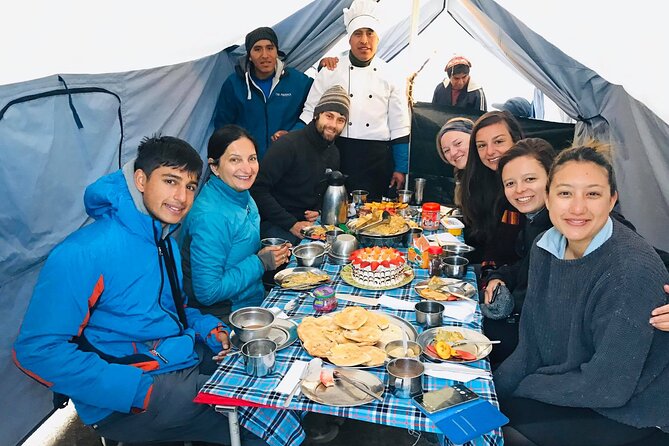
What really makes this trip click for me is the team setup. You’re traveling with an English-speaking guide, a chef running camp meals, and a personal porter carrying up to 7 kg, so you can hike with a lighter load. In past departures, guides like Elias, Sebastian, Pepe, and Renato have shown up in the crew, and chefs such as Leandro and Julio Cesar are repeatedly associated with meals that feel surprisingly well-thought-out for mountain trekking.
In This Review
- Key things that make this Choquequirao Trek work
- Why Choquequirao feels different than the usual Inca-circuit stop
- Getting to the trailhead from Cusco: early mornings, but clean execution
- Day 1: Capuliyoc to Santa Rosa, and that first Apurimac Canyon drop
- Day 2: a long downhill day toward Santa Rosa camping
- Day 3: sunrise at Choquequirao, then the mixed day of downhill and uphill
- Day 4: the uphill finish to Capuliyoc, then Saywite rock exploration
- Your trekking team: guides, chefs, and the porter system that saves your energy
- Difficulty, altitude, and what you should plan for
- Price and value: is $698 fair for what you get?
- Who should book this trek
- Should you book Choquequirao 4 days and 3 nights with TreXperience?
- FAQ
- What time does the trek start in Cusco?
- How long is the trek?
- What is the group size?
- Are hotel transfers included?
- Is a guide included?
- Who provides the meals?
- Can I request vegetarian or other dietary options?
- Do I need to bring a sleeping bag or trekking poles?
- Is there a porter service?
- Do I need a passport?
- What if the weather is bad?
Key things that make this Choquequirao Trek work
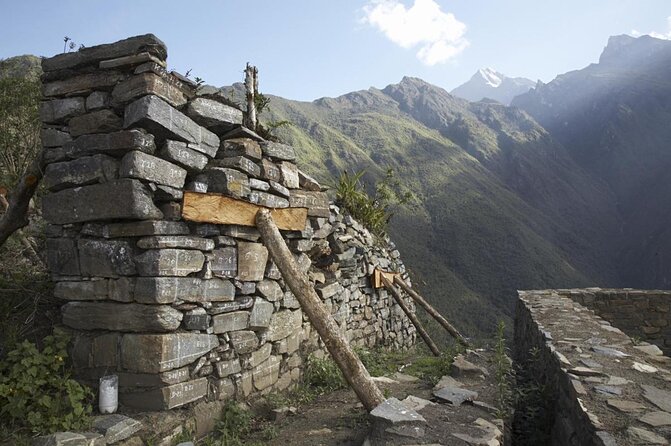
- Small group feel: limited numbers (12 is the advertised cap, with a stated maximum of 16), so the day doesn’t feel like a conveyor belt
- Transfers that actually save time: pick-up from your Cusco hotel (or airport) and private drop-off later the same day you finish
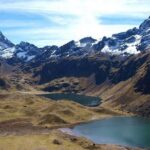
- Apurimac Canyon first views on Day 1: you start seeing how vast the canyon system is as the route drops away from the highlands
- Food handled for you: a chef cooks meals daily, with vegetarian options available if you tell them in advance
- Support on the trail: besides the guide, you have a porter for your personal pack (up to 7 kg), plus camp staff and horse/mule support for gear
Why Choquequirao feels different than the usual Inca-circuit stop
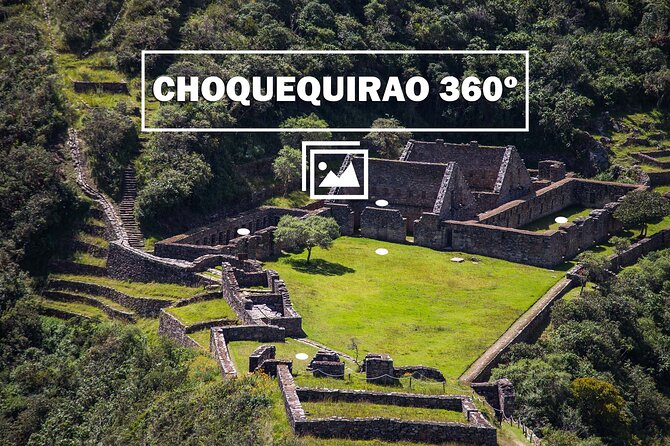
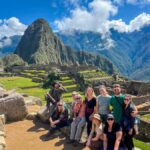
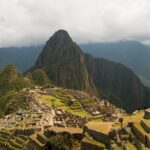
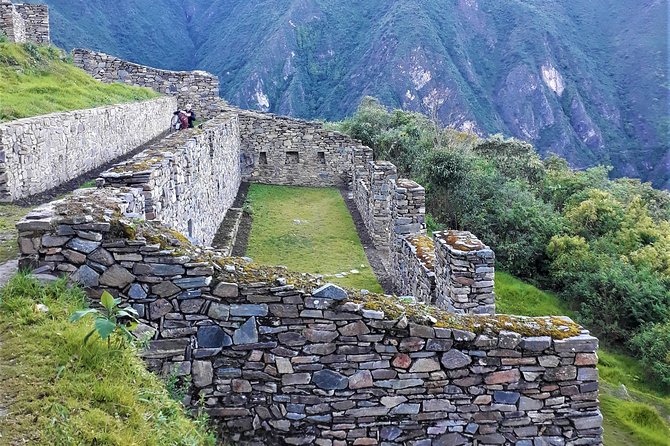
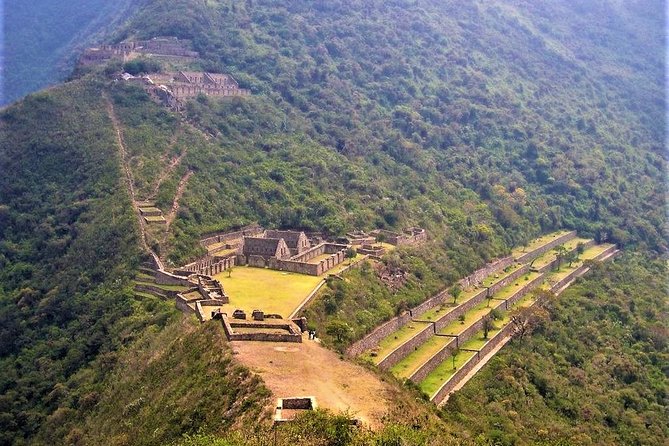
Choquequirao is often described as a lost Inca city, and the appeal here is that the trek gives you a slower, more personal relationship with the site. You work your way down from the high Andes, you earn your arrival, and then you get time to explore in a calmer rhythm than you’ll find at the most famous single-day ruins.
A big part of the charm is timing. You don’t just arrive, take photos, and rush on. One of the standout moments on this route is waking up for sunrise tied to Choquequirao, then eating breakfast before heading into the rest of the hiking day. That early quiet is when the place feels most alive.
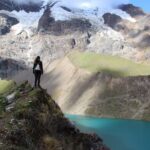
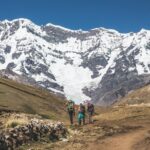
Also, the route is designed to change the world around you. Early on, you start in high Andean terrain, then the trail moves into zones where the vegetation shifts and you can feel the canyon’s influence. On this trek, you’ll get framed views of the Apurimac Canyon and then later you’re around camp areas with birds and flower-rich surroundings described as part of the experience.
You can also read our reviews of more tours and experiences in Cusco.
Getting to the trailhead from Cusco: early mornings, but clean execution
Plan on an alarm clock. The start is typically 4:30 am to 5:00 am in Cusco, with a drive across the Andes to reach Capuliyoc around 8:30 am. That matters because Choquequirao trekking rewards consistency. If you show up late, you lose daylight, and you lose the smooth flow that makes a multi-day hike feel manageable.
The upside is that the trip handles the movement for you. You’re picked up from your hotel (or the airport), and you’re not stuck sorting taxis or hauling logistics before you’ve even earned your first step. There’s also a pre-departure briefing the night before at 6:00 pm, which helps you understand what to expect and how your team will run the days.
At the end, the same thinking continues: you hike back toward Capuliyoc for lunch, then you get private transportation to Saywite, with drop-off around 5 pm. It’s not just about reaching the ruins. It’s about finishing without the usual scramble.
Day 1: Capuliyoc to Santa Rosa, and that first Apurimac Canyon drop
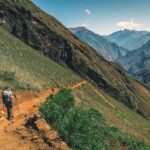
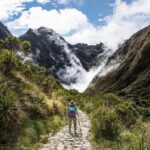
Day 1 starts with a drive to Capuliyoc (about 2,911 m / 9,550 ft). After breakfast, you begin a 4-hour downhill trek to your lunch stop at Chiquiska, at roughly 1,893 m / 6,210 ft. The big selling point here is the payoff: as you descend, you get early views of the Apurimac Canyon—and you see how the terrain shifts fast, from highland settings toward areas that feel more humid and cloud-forest-like.
After lunch, you keep descending for about 2 more hours to Santa Rosa, where you camp for the night at around 1,478 m / 4,849 ft. The day is listed as 10.8 km (about 6.7 miles) with about 6 hours of hiking and a moderate difficulty label.
Two practical notes if you’re planning this trek:
- Downhill can feel easier than uphill, but it still taxes your legs. Start slow and keep your footing steady.
- This is a day where you’ll be changing your altitude and environment. Dress in layers and expect weather to play tricks.
Admission to the site is included, so you’re not dealing with ticket errands during a hiking day.
Day 2: a long downhill day toward Santa Rosa camping
Day 2 keeps the momentum going with another early start from Cusco to Capuliyoc, again arriving around 8:30 am for breakfast. Then you take a downhill route to lunch at Chiquiska (about 4 hours downhill), followed by more downhill walking toward Santa Rosa for the second night of camping.
The hiking effort is listed at 10.8 km / 6.7 miles with about 6 hours of hiking, and the highest elevation crossed remains 2,911 m / 9,550 ft, with Santa Rosa camp again at around 1,478 m / 4,849 ft. Difficulty stays moderate.
Even if you’ve hiked before, two days of trekking like this can make your body start writing its own schedule. Your best bet is to treat Day 2 as a stamina day, not a speed day. Use the scenery breaks to reset your breathing, and let your guide set the pace.
One of the underappreciated advantages of a trip like this is that your team is built around keeping you functioning. You’re not doing this trek with only your own food and gear-management skills. The chef and support staff handle meals; the porter system helps with the weight on your back. That setup is part of why people come away saying the trip feels smooth from start to finish.
Day 3: sunrise at Choquequirao, then the mixed day of downhill and uphill
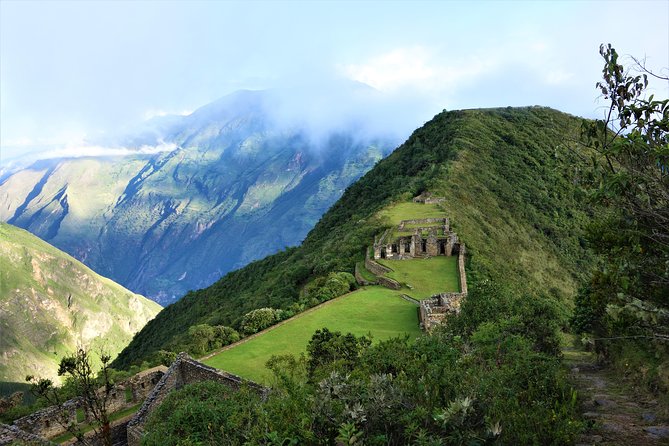
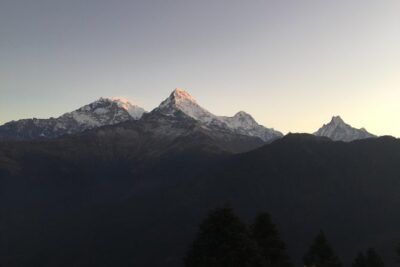
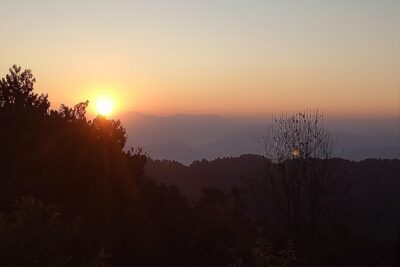
This is the day that gives the trek its headline feeling. You wake up watching sunrise at Choquequirao, eat breakfast, and then head out for a structured day of hiking.
First, you hike about 3 hours downhill to Santa Rosa for lunch (listed at 2,230 m / 7,300 ft). Then the day turns into a rhythm of motion: you continue downhill for about 2 hours, then you climb back uphill for about 2 hours before arriving at your campsite back at Chiquiska (listed at 1,800 m / 5,905 ft).
The day totals about 8 hours of hiking and is rated moderate, with a listed highest elevation crossed around 3,100 m / 9,300 ft and a camp elevation around 1,450 m / 4,350 ft.
What stands out in the experience description here is the “slow look” moments. As you hike and wait for your next move, the area around your path is described as rich with flowers, birds, and distant waterfalls. That matters because Choquequirao is not just a ruins visit. This day makes it feel like a living ecosystem around an archaeological site.
Also, this is when your team’s people skills matter. When guidance is good, the hardest parts of a steep day feel shorter because you’re moving with a plan—not guessing your own pace.
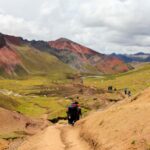
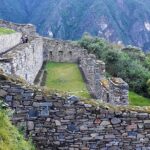
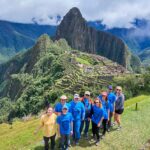
Day 4: the uphill finish to Capuliyoc, then Saywite rock exploration
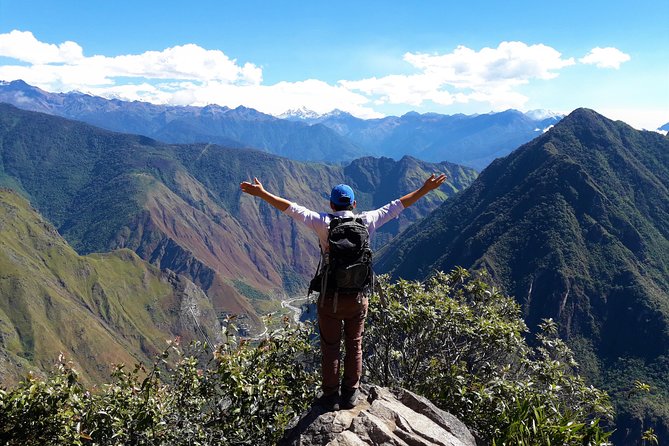
Final day means climbing, but also closure. You wake up, have breakfast, and prepare for your last 4-hour trek uphill to Capuliyoc, where you’ll have lunch and say goodbye to the team that’s carried this whole operation.
Then comes the bonus stop: private transportation to the archaeological area of Saywite, described as a mysterious rock site. You get time to explore, and then you’re dropped back at your hotel around 5 pm.
This day is listed with an 8 km distance and about 8 hours of hiking total time (while the uphill segment itself is called out as 4 hours). Either way, the structure is clear: end with an uphill push, then shift to sightseeing time once your trekking work is done.
If you’re the kind of traveler who likes to end on meaning instead of rushing, this sequence helps. You get a proper farewell to the camp team, then a calmer add-on after your physical effort.
Your trekking team: guides, chefs, and the porter system that saves your energy
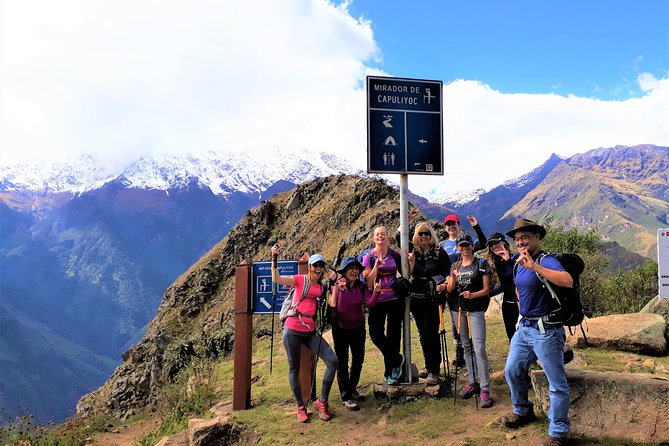
This trek isn’t sold as a DIY adventure. It’s set up as a full-service hike, and that affects how it feels.
You’ll have:
- Professional English-speaking guides
- A chef preparing all meals
- A personal porter who carries your personal items up to 7 kg
- Camp logistics handled by the team, so you’re not building meals and managing gear every step
The meals get special mention in the experiences shared with me through names like Leandro and Julio Cesar as chefs. The pattern is consistent: people highlight food that’s not just filling, but varied and served in a way that keeps you feeling human during the trekking days.
You can also request a vegetarian option when booking, and there’s a clear invitation to communicate dietary needs ahead of time. If you’ve ever been stuck on the trail with the same simple meal every day, that matters.
One more small but important point: a lot of the comfort here comes from having staff who make sure everything stays clean and organized. That turns “roughing it” into “camping with support,” which is exactly what most people want on a 4-day trek.
Difficulty, altitude, and what you should plan for
This trek is rated moderate, but moderation doesn’t mean easy. You’re dealing with:
- Big elevation swings (the highest point listed is around 3,100 m / 9,300 ft)
- Multiple days of downhill walking, which stresses knees and calves
- A final uphill day on Day 4
My practical advice: train for consistent effort more than for maximum strength. A few long walks on uneven ground will matter more than doing one big hike right before you go.
Also, manage your gear choices. The tour notes that sleeping gear and trekking poles are optional. You can bring your own or rely on what’s offered as optional add-ons, and you can ask for guidance from the operator. Trekking poles are especially helpful on downhill days, even if they’re not required.
Finally, remember weather plays a role here. This experience requires good weather; if the trek can’t run due to poor conditions, you’ll be offered a different date or a full refund. That’s the kind of detail you want before you tie the trek to a non-flexible itinerary.
Price and value: is $698 fair for what you get?
At $698 per person for about 4 days and 3 nights, you’re paying for a lot of operational work:
- round-trip transfers from Cusco
- an English-speaking guide team
- chef-prepared meals (with breakfast, lunch, and dinner counts provided)
- a porter system (up to 7 kg per person)
- camp support logistics
- included site admissions
- a small-group experience structure
If you tried to do Choquequirao on your own, the costs would usually pop up in the places you don’t want to manage: permits, route planning, food logistics, and the gear-hauling side. Here, you’re paying to remove those headaches so you can focus on hiking and enjoying the site.
Is it budget? No. But it feels like a fair exchange if your goal is a well-supported trek where the hard parts are the trail itself—not paperwork, missed connections, or underfed days.
Who should book this trek
You’ll likely love this experience if:
- you want the Choquequirao Inca citadel without the sensation of a mass-crowd day
- you appreciate a small group and a team that runs the details
- you’re willing to wake up early and handle a steep, multi-day trek
- you want solid meals and support so you can hike longer with less stress
You might think twice if:
- early mornings are a deal-breaker
- you’re looking for a flat, easy walk (this is not that)
- you want long self-guided freedom without staff support (this trek is guided and managed)
Should you book Choquequirao 4 days and 3 nights with TreXperience?
I’d book it if you care about being looked after while still getting a real trekking challenge. The combination of small-group structure, full meal service by a dedicated chef, and a porter system means you can spend your attention where it belongs: on your footing, your pace, and the moment you finally get to Choquequirao at sunrise.
My go/no-go checklist:
- Do you accept 4:30–5:00 am starts?
- Can you handle downhill work across multiple days?
- Will you benefit from having meals and gear help handled for you?
If yes, this is the kind of trek that turns into a clear memory: canyon views early on, camp nights that feel organized, and a sunrise you’ll remember long after the trail dust settles.
FAQ
What time does the trek start in Cusco?
Pickup and departure are scheduled for around 4:30 am to 5:00 am from Cusco.
How long is the trek?
It’s a 4-day, 3-night experience, with hiking days totaling around 6 to 8 hours of trekking depending on the day.
What is the group size?
The tour is described as limited to 12 travelers, and the overall maximum listed is 16 travelers.
Are hotel transfers included?
Yes. You’ll get pickup from your hotel (or the airport) and transportation from the beginning to the end of the experience, including private transport on the final day.
Is a guide included?
Yes. You’ll travel with a professional English-speaking tour guide.
Who provides the meals?
A chef prepares all meals during the trip. Breakfast is provided 4 times, lunch 4 times, and dinner 3 times.
Can I request vegetarian or other dietary options?
Yes. A vegetarian option is available if you advise at booking, and you should share any specific dietary requirements in advance.
Do I need to bring a sleeping bag or trekking poles?
Sleeping bag, mattress, and trekking poles are optional. The operator says they can offer guidance, but these items are not included by default.
Is there a porter service?
Yes. There is a personal porter who carries your personal staff items up to 7 kg.
Do I need a passport?
A current valid passport is required on the day of travel, and passport details are needed at booking.
What if the weather is bad?
This experience requires good weather. If it’s canceled due to poor weather, you’ll be offered a different date or a full refund.