REVIEW · CUSCO
Machu Picchu: 5-Day Salkantay Trek with Panoramic Train
Book on GetYourGuide →Operated by TreXperience · Bookable on GetYourGuide
The Salkantay route earns its legend. This 5-day trek pairs real mountain effort with smart comfort choices: glamping on the Salkantay section plus camping at Llactapata with Machu Picchu in view. I especially love the turquoise payoff at Humantay Lake and the way the trip treats food like part of the experience, not fuel. The one thing to plan for is altitude and cold on the higher passes, and this route is not a fit for everyone.
What I like on paper matters on the ground here. You’ll hike in a small group (up to 16), with a professional guide, safety gear (satellite phone, first-aid kit, oxygen tank), and a crew that keeps meals and camping gear moving for you. Just know that if you hate early mornings, you’ll have to live with them—pickup is around 4:30 a.m.
In This Review
- Key things that make this trek worth your time
- First impressions: “comfort with a purpose” in Salkantay country
- Cusco pickup, then Humantay Lake: the “wow” starts early
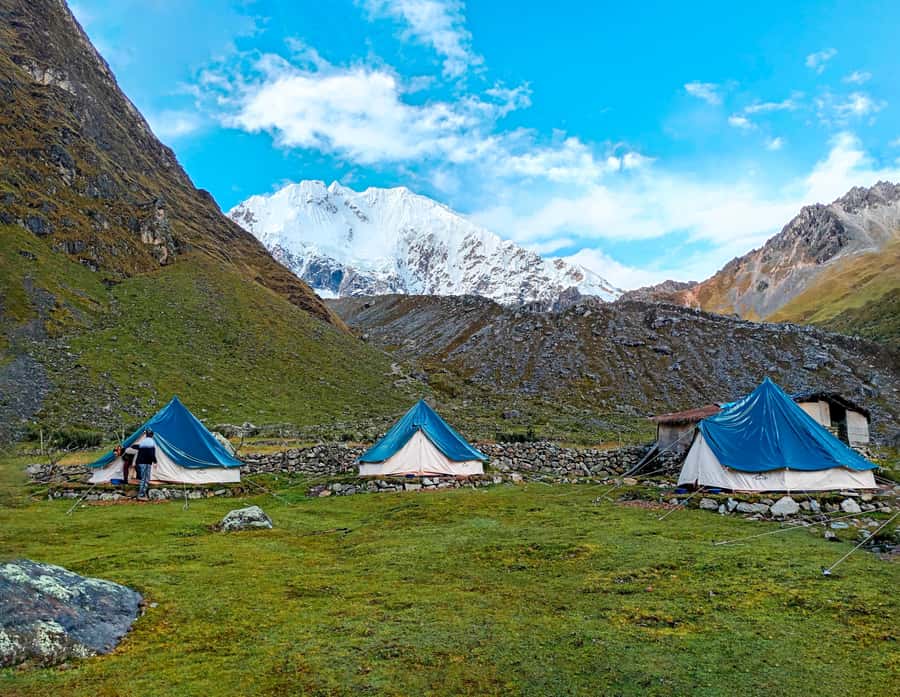
- Day 1 glamping at Salkantay: cozy rules in a wild setting
- Salkantay Pass day: highest point, long descent, and real altitude management
- Day 3: Pachamanca, coffee farms, and a first Machu Picchu reveal
- Llactapata morning to Aguas Calientes: Machu Picchu view, then river-rail vibes
- Machu Picchu Day 5: sunrise timing and a guided citadel tour
- Train ride back to Cusco: the ending you actually need
- Support team and food: why the “small details” drive satisfaction
- Cost and value: what $655 buys you beyond tickets
- What you should bring (and what you’ll rent if needed)
- Who this trek fits best—and who should skip it
- Should you book this Salkantay to Machu Picchu trek?
- FAQ
- How long is the tour and what does the schedule look like?
- Where do you get picked up in Cusco?
- How big is the group?
- What is the highest altitude on the trek?
- Is Machu Picchu sunrise included?
- What kind of train do you take back to Cusco?
- Are passes for Huayna Picchu or Machu Picchu Mountain included?
- What camping and sleeping items are provided?
- What meals are included?
- What should I bring and what isn’t allowed?
Key things that make this trek worth your time
- Humantay Lake at 4,200 m: turquoise views after a scenic drive and a solid uphill start
- Salkantay Pass summit day (4,630 m): big altitude, big scenery, and careful pacing
- Glamping + camping variety: cozy tent on Day 1, then huts in the cloud forest, then camping with Machu Picchu in sight
- Llactapata morning advantage: you wake up with your first close Machu Picchu sight
- Pachamanca and coffee: cultural stops that feel practical, not staged
- Train back through the Sacred Valley: Vistadome or 360° on Day 5 to keep the ending easy
First impressions: “comfort with a purpose” in Salkantay country
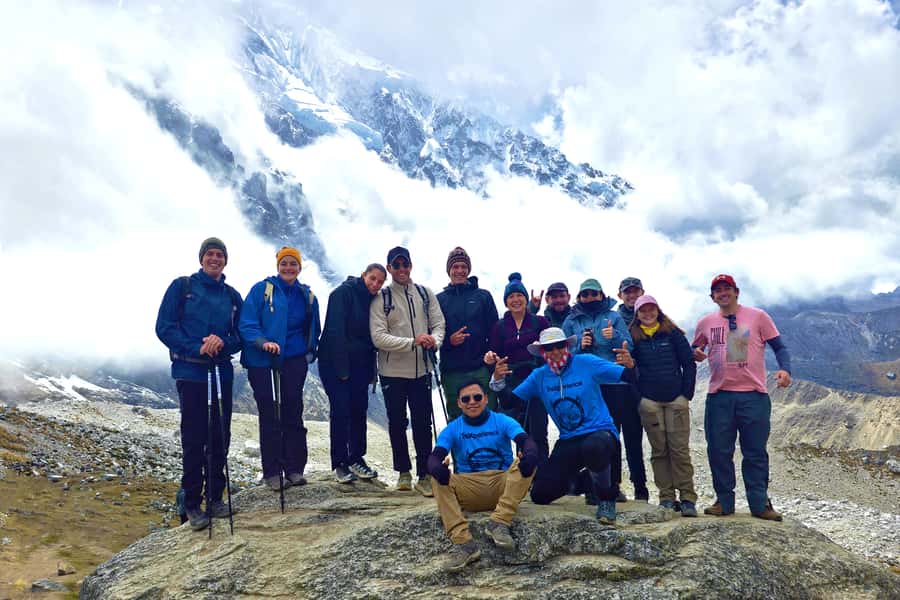
I like trekking tours that don’t pretend the mountains are a hotel. This one does something better: it reduces the annoying parts (carrying gear, guessing meals, scrambling for logistics) while keeping the real Salkantay moments intact.
Two things I’d call out right away. First, the glamping on the Salkantay section makes your first night feel like you’re settling in, not surviving. Second, the food quality is repeatedly praised, and that matters because you’ll work up an appetite at altitude. You’re not just getting fed—you’re getting warmed up.
The drawback is simple: you’re still hiking high. Day 2 hits the Salkantay Pass at 4,630 m, so even with support, this isn’t a stroll.
You can also read our reviews of more tours and experiences in Cusco.
Cusco pickup, then Humantay Lake: the “wow” starts early
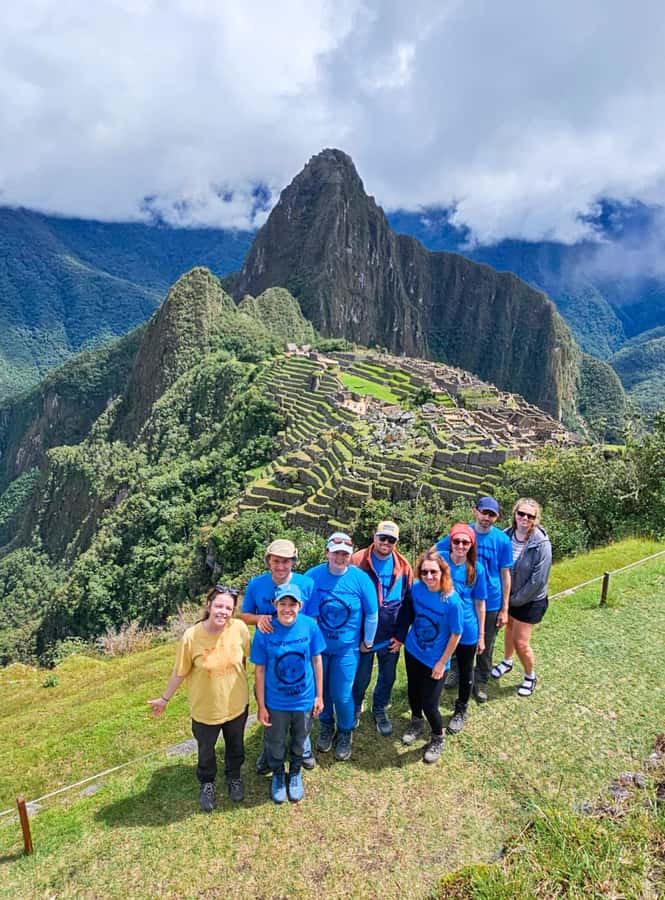
The day begins with an early pickup around 4:30 a.m. from your hotel or Airbnb near Cusco’s historic center. You ride for about three hours to Mollepata, grab breakfast, and meet your trekking team. Then the hike begins.
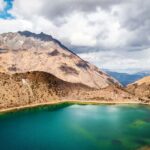
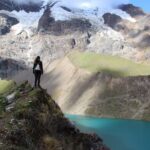
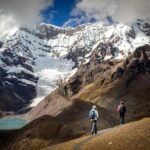
On the trail, you’re headed for Humantay Lake, set at roughly 4,200 m. The route is a mix of steady effort and breath-catching altitude moments. You’ll have time at the lake to look around and take photos before you descend.
Why this stop works so well: Humantay hits you with color in a place that’s otherwise all rock, sky, and altitude. It’s also a good “first acclimation test” before you go higher later.
What to watch for: it can feel cold and thin up high, and Day 1 sets the tone. Bring warm layers even if the sun feels friendly at lower elevations.
Day 1 glamping at Salkantay: cozy rules in a wild setting
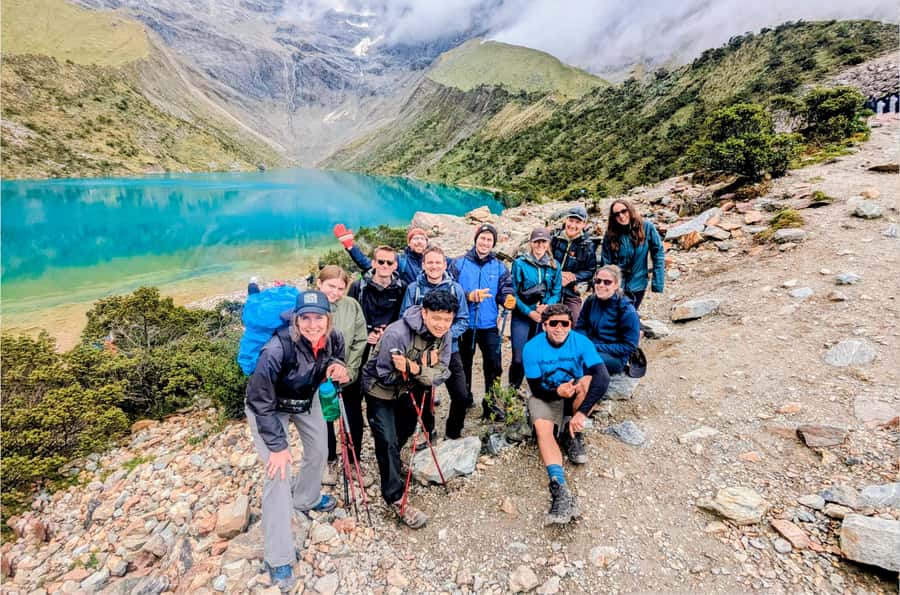
After Humantay, the schedule guides you down to Soraypampa for lunch, then you keep going with a gentler climb toward the Salkantay Glamp campsite around 4,150 m.
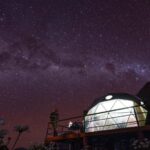
Dinner comes after you reach camp, and the promise here is real: a warm meal, a comfortable tent setup, and time to enjoy that high-altitude sky. Multiple past guests specifically mention the stars on the first night and the mountain views dominating the campsite.
What “glamping” means in practice on this trek: you still hike, you still sleep at altitude, but you’re not fighting for sleep quality. A good sleep helps you enjoy Day 2 instead of just tolerating it.
Salkantay Pass day: highest point, long descent, and real altitude management
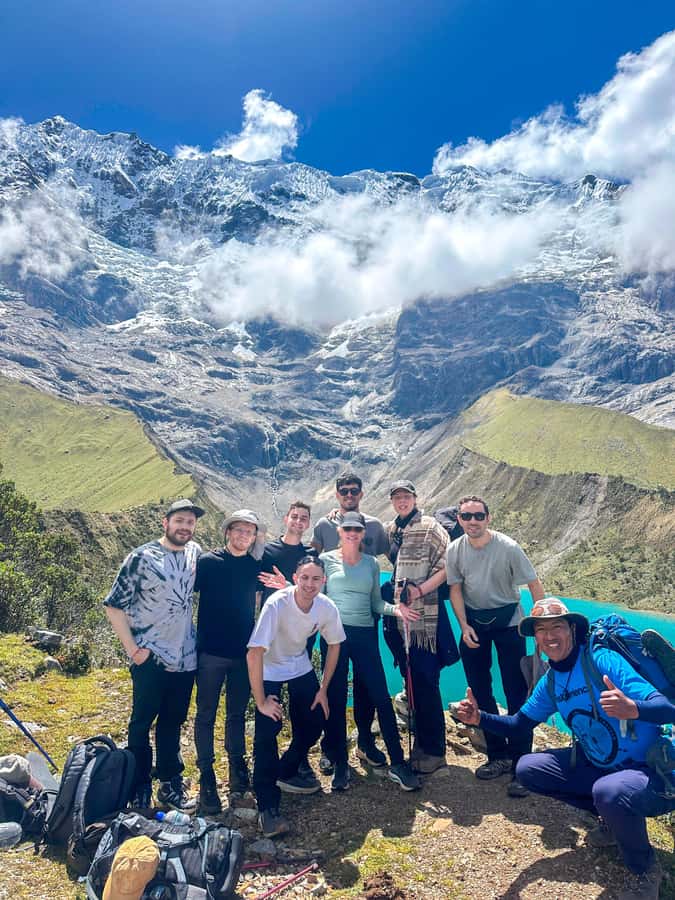
Day 2 starts with something small that helps a lot: coffee or coca tea before you head up to Salkantay Pass (4,630 m), the trek’s high point.
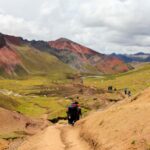
From the pass, you get big mountain views and a stop near a glacial lake. Then comes a long descent. After lunch at Wayracmachay, the scenery shifts. You’ll move from high, open terrain into more sheltered, greener areas as the trail drops toward the cloud forest.
By evening you reach Collpapampa (2,770 m), where you sleep in comfortable Andean huts. This hut night matters because it’s a recovery buffer. You go from thinner air to lower altitude and you get a more protected place to reset.
If you’ve dealt with altitude before, you’ll recognize the pattern: the first push up feels harder than you expect, then you settle into rhythm. One of the most useful bits of practical advice that came up is that altitude medication like acetazolamide helped some people, and if you’ve been told by a clinician that you might need it, ask early and plan with your guide on the day.
Day 3: Pachamanca, coffee farms, and a first Machu Picchu reveal
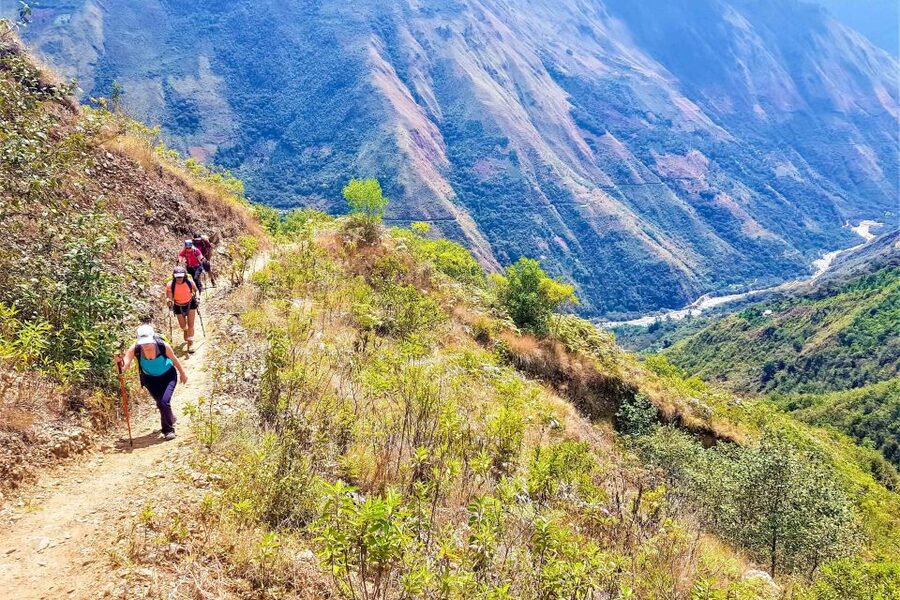
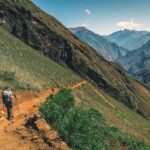
Day 3 is where the trek turns from “mountain challenge” into “Peru story.” You hike along trails that include wooden bridges, waterfalls, and plantations, and you end up at Lucmabamba (around 2,000 m).
Here you’ll do two culture-focused experiences:
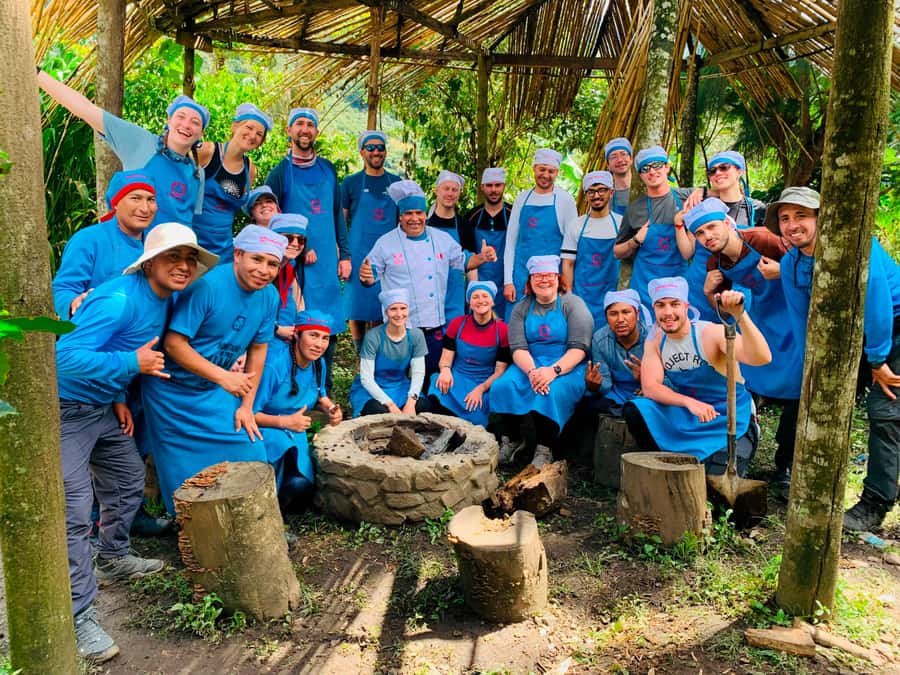
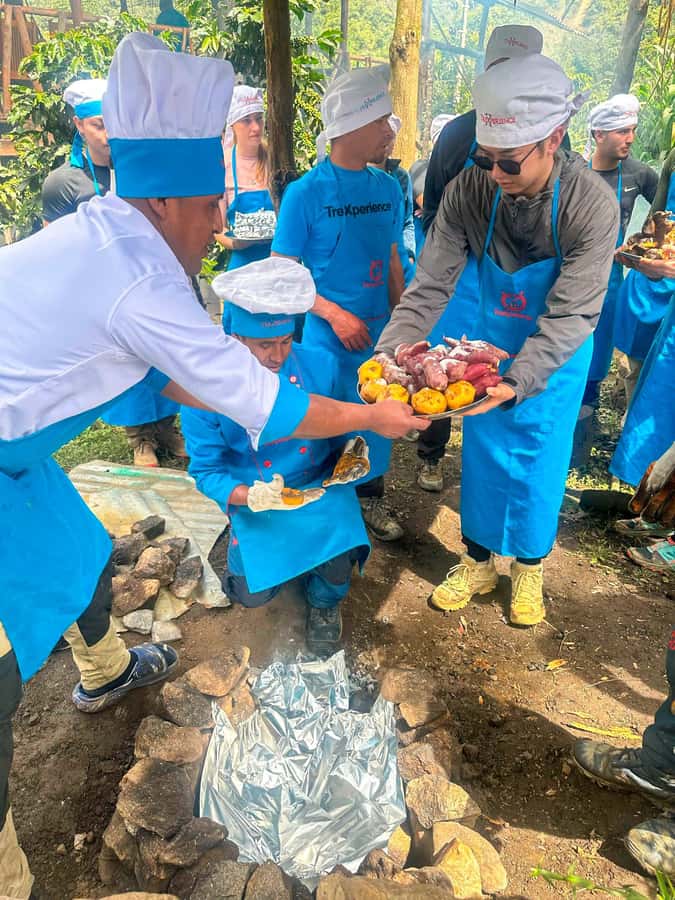
- A traditional Pachamanca Barbecue cooking class/meal
- A visit to local coffee farms and a coffee tasting with freshly brewed coffee
Pachamanca isn’t just food. It’s a direct look at how communities cook with the environment, and it gives context to the landscape in a way that won’t feel like a random stop.
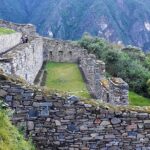
In the afternoon you follow Inca Trail segments for about three hours to reach Llactapata (around 2,750 m), an Inca site.
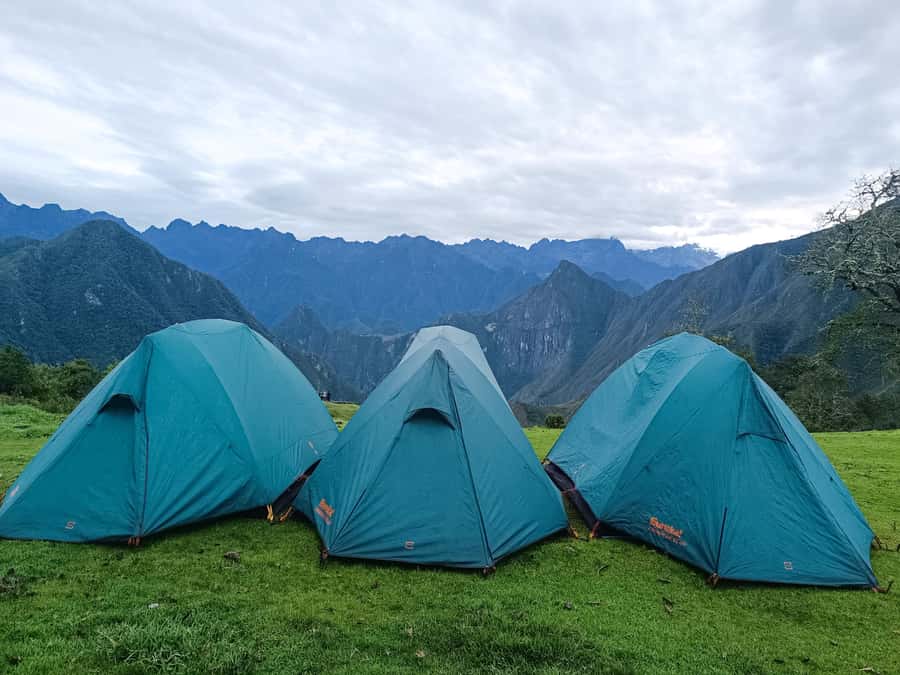
And then the best part: you’re camping with Machu Picchu right in sight. This is the “in between day” that feels like the final act warming up. You wake up with the citadel close enough to feel unreal.
Llactapata morning to Aguas Calientes: Machu Picchu view, then river-rail vibes
Day 4 is built around two modes: morning awe, then an easier travel day.
You start by taking in Machu Picchu views from your tent, and you get a freshly brewed coffee. Then you descend for about two hours to the hydroelectric station, with a final brunch with your team.
After that you walk about three hours along the railway and the Urubamba River to Aguas Calientes. There’s also a stop to explore Mandor Botanical Gardens, which are known for birdlife and orchids.
Why this day feels good: it keeps you moving, but it’s not another day of high pass climbing. You end in a real town with food options and hot showers after the trek rhythm.
That evening you check into a 3-star hotel in Aguas Calientes, explore at your own pace, and you can relax in the hot springs. Dinner is included as well, and people often describe the food quality on this tour as better than what they found just eating around town.
Machu Picchu Day 5: sunrise timing and a guided citadel tour
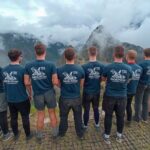
The finale is Machu Picchu, and the timing is one of the main reasons you’d pick a trek like this.
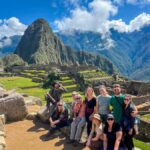
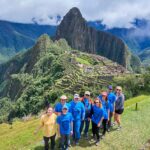
You’ll have an early breakfast, then go by bus—aimed at catching one of the first buses—to witness sunrise over Machu Picchu. You then get a guided tour of 2–3 hours of the citadel. After that, you can explore on your own.
Two optional add-ons may be available if you booked in advance:
- Huayna Picchu Mountain pass
- Machu Picchu Mountain pass
If you don’t have those passes, you can still wander the main areas and get excellent views from the citadel without climbing the extra peaks.
After Machu Picchu, you return for lunch in Aguas Calientes, then board the train back to Ollantaytambo:
- Panoramic Vistadome or
- 360° train
A private van brings you back to Cusco, arriving around 7:30 p.m.
Practical mindset: if you’re doing this trek, you want Machu Picchu to feel earned, not rushed. Sunrise and a guided start help you get your bearings fast, and the trek approach makes the place land emotionally.
Train ride back to Cusco: the ending you actually need
A lot of treks end with exhaustion and a long transfer. This one uses the train to soften the landing.
You’ll ride from Aguas Calientes’ area to Ollantaytambo on the Vistadome or 360° train, which is designed for views. Then you’re not stuck figuring out local transport: a private van returns you to Cusco around 7:30 p.m.
This part matters because Machu Picchu day can hit you hard—emotionally and physically. The train gives you a buffer before you sleep in your Cusco bed.
Support team and food: why the “small details” drive satisfaction
The biggest pattern in guest feedback is that the staff take care of the grind.
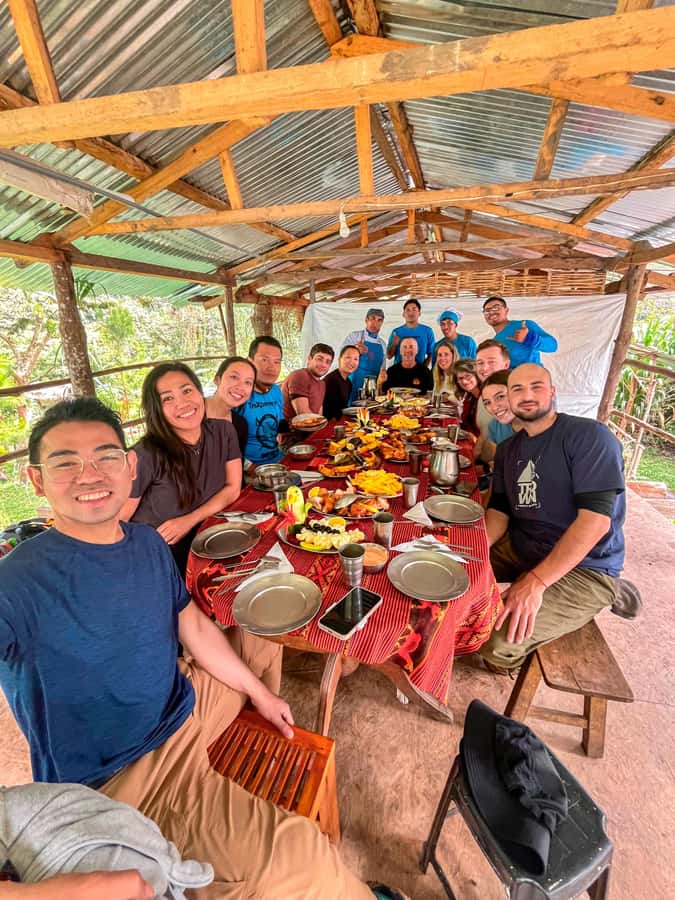
You travel with a professional guide and a team that includes experienced chefs. You’ll also have muleteers to carry camping gear and a duffle bag allowance of up to 7 kg / 11 lb, plus campsite items like a sleeping pad, pillow, poncho, and hand towels.
In plain terms, it means:
- You pack lighter and walk more comfortably
- The crew keeps meals consistent across days
- You get help with day-to-day comfort at altitude
Guide quality is also a recurring theme, with names mentioned such as Cesar Augusta, Roger, Alex, Renato, Miguel, Klever, Eddie, Gilbert, and Jose. Not every group gets the same people, but the point is consistency: you’re not rolling the dice on basic competence.
Chef quality also comes up often. Guests call out that the kitchen team produced many-dish meals at each sitting, and that vegetarian options exist if you ask when booking.
Cost and value: what $655 buys you beyond tickets
At $655 per person for five days, the price looks like a hike in itself—until you price the pieces separately in Peru.
Here’s what you’re getting for your money:
- Trek logistics and small group guiding (up to 16)
- Entrance tickets for Salkantay trekking portions and Machu Picchu
- Several included meals (breakfasts, lunches, dinners) plus snacks and water
- Camping gear support and comfort setup
- One 3-star hotel night in Aguas Calientes
- The train return option (Vistadome or 360°) plus bus to Machu Picchu
What makes the value feel real is how much stress it removes. You’re not coordinating porters, figuring out where to eat, or paying extra to solve every little problem. Even the included safety setup—like oxygen tank and satellite phone—adds more confidence than you’d get piecemeal.
What you should bring (and what you’ll rent if needed)
You’ll need a passport, hiking shoes, sunglasses, sun hat, sunscreen, and rain gear. Bring insect repellent, toiletries, hand sanitizer or tissues, a small personal medication kit, and extra camera batteries.
A lightweight backpack helps. The tour notes that you should keep backpacks to 25L or less because of Machu Picchu carry rules.
Not included (common rentals if you need them):
- Sleeping bag
- Inflatable mattress
- Trekking poles
If you’re considering extra hikes at Machu Picchu (Huayna Picchu or Machu Picchu Mountain), you’ll need to book those passes in advance; they’re not included.
Who this trek fits best—and who should skip it
This is a demanding route in a high-altitude region. It’s designed for people who can handle multiple hiking days with elevation changes.
It’s not suitable for:
- Pregnant women
- People with back problems
- People with mobility impairments
- People with heart problems
- Wheelchair users
- Unaccompanied minors
Even if you’re fit, altitude is the deciding factor. If you’re unsure how your body handles high elevations, talk with a clinician before you go and plan for the first pass day.
Should you book this Salkantay to Machu Picchu trek?
If you want Machu Picchu but you also want the journey to feel earned, this is a strong choice. The combination of Humantay Lake, Salkantay Pass, Pachamanca and coffee, and a Llactapata camping night with Machu Picchu in sight makes the whole trip feel cohesive, not random stops.
Book it if:
- You like hiking with real scenery
- You want lighter packing and strong support
- You care about food quality and cultural meals
Think twice if:
- You’re altitude-sensitive or you’re not confident with high passes
- You want a very relaxed pace with minimal early starts
- You need a trip that’s compatible with mobility limitations
FAQ
How long is the tour and what does the schedule look like?
It’s a 5-day trek that starts with an early pickup around 4:30 a.m. and includes hikes, camping/glamping nights, a Machu Picchu day, and a train ride back to Cusco on the final day.
Where do you get picked up in Cusco?
Your pickup is included from your hotel or Airbnb at any location near Cusco’s historic center, around 4:30 a.m.
How big is the group?
This is a small group limited to 16 participants.
What is the highest altitude on the trek?
The highest point is Salkantay Pass at 4,630 m.
Is Machu Picchu sunrise included?
Yes. You’ll take one of the first buses up to see sunrise over Machu Picchu, followed by a guided tour of the citadel.
What kind of train do you take back to Cusco?
On the return day, you’ll take a Panoramic Vistadome or a 360° train to Ollantaytambo, then a private van returns you to Cusco.
Are passes for Huayna Picchu or Machu Picchu Mountain included?
No. If you want to climb either peak, you need to book those passes in advance, and they are not included.
What camping and sleeping items are provided?
You’ll have a sleeping pad, pillow, rain poncho, and hand towels provided. A sleeping bag is not included (it can be rented).
What meals are included?
Meals included are 4 breakfasts, 3 lunches, and 3 dinners, plus daily snacks and water.
What should I bring and what isn’t allowed?
Bring your passport, hiking shoes, rain gear, sun protection, insect repellent, cash, and personal items like toiletries and medication. The tour does not allow weapons or sharp objects, smoking, alcohol and drugs, littering, or feeding animals.