REVIEW · OSH
8 Days Trekking in Kyrgyzstan: Alay Mountains Adventure
Book on Viator →Operated by Visit Alay - Travel Company · Bookable on Viator
Osh is the jump-off point for one of Kyrgyzstan’s quieter mountain weeks. What I like most here is the English-speaking trekking guide who explains the terrain and nomad life, plus the meals with traditional twists eaten in real Kyrgyz settings. One thing to consider: some hiking days run long, and the altitude is real even when the trail looks simple on the map.
This is the kind of community-based trekking that puts you near local shepherds and daily mountain routines, not just around viewpoints. I also appreciate that luggage has help (horse transport up to 15 kg/person), so you’re not hauling everything up for 8 days. The potential drawback is practical: you’ll be in shared yurt and homestay rooms (3–5 people), so privacy is limited.
Below is how the trek typically feels day by day, what’s included, and who should choose it if you want value and a genuine slice of the Alay Mountains.
In This Review
- Key things to know before you go
- Osh to the Alay Mountains: starting in a real Kyrgyz hub
- Value check: what $1,100 really buys you on an 8-day trek
- Day 1 to Day 2: Sary-Mogul altitude and your first yurt camp
- Day 3: a longer day that tests stamina more than technical skill
- Days 4 and 5: rivers, changing terrain, and Sarybell Pass at 3,132 m
- Day 6: reaching Jiptok Pass via switchbacks and river travel
- Day 7 at Tulpar-Kol: a gentler distance with the comforts you’ll notice
- Day 8: the long finish toward Lenin Base Camp and the return drive
- Yurts and homestays: how comfort actually works on this trek
- Altitude and pacing: what to do so the mountains don’t dictate your mood
- Community-based tourism: what you’re supporting and how to show up well
- Who this trek fits best (and who should choose something easier)
- Should you book 8 Days Trekking in Kyrgyzstan: Alay Mountains Adventure?
- FAQ
- Where does the trek start and where does it end?
- How long is this trekking experience?
- What’s the maximum group size?
- Do I get an English-speaking trekking guide?
- Are meals included?
- What kind of sleeping arrangements are included?
- How do I get to and from the mountain areas?
- Is luggage carried for you?
- Do I need a permit for Peak Lenin Base Camp?
- Is there Wi‑Fi and do you get a shower?
- What is the cancellation policy?
Key things to know before you go
- English-speaking guides like Azi, Asan, Ernis, Dastan, and Eshim help you make sense of the mountains and culture.
- Meals are built in (breakfast and dinner most days, plus lunches) and can include options like vegetarian food.
- A true nomad mix of sleep styles: yurt nights plus a homestay stop with shower and Wi‑Fi.
- Pass days add effort: Sarybell Pass (3,132 m) and Jiptok Pass demand steady pacing.
- Your big-picture route is less crowded than the more famous trekking circuits in the region.
- Max group size is 10, which makes it easier for guides to look after slower walkers.
Osh to the Alay Mountains: starting in a real Kyrgyz hub
The trek begins in Osh, a historic city that feels like the right launchpad for the mountains. From there, you transfer to Sary-Mogul at about 3,000 meters, then start hiking not far after arriving. The first day includes a mix of driving and a shorter trek (about 6 km over 3–4 hours), which is useful if you want your legs to wake up gradually rather than immediately sprint uphill.
Day 1 is mostly about setting your rhythm: you’ll get your first tastes of high-mountain weather, and you’ll learn how the trail changes as you leave the valley road feel behind. It also matters that transport is included from/to Osh, so you’re not solving logistics while you’re already tired.
If you’re prone to motion sickness, mountains can amplify it during transfers. Taking it slow on the drive and sipping water early helps.
You can also read our reviews of more tours and experiences in Osh.
Value check: what $1,100 really buys you on an 8-day trek
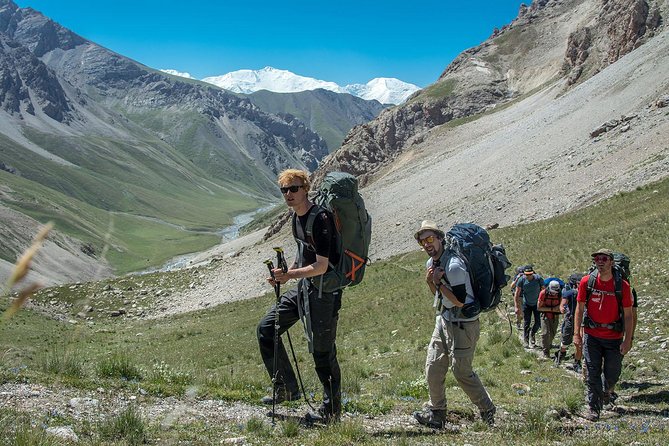
At $1,100 per person for an 8-day program, you’re paying for a package, not just walking time. What makes it feel like value is that you get:
- An English-speaking guide for the full trekking days
- Shared lodging in yurts and homestays (3–5 people per shared room)
- Transport from Osh, plus transfers connected to camp locations
- Luggage service up to 15 kg/person via horse
- A horseman
- Meals included (7 breakfasts, 7 dinners, and 8 lunches)
- A border permit for the Peak Lenin Base Camp area (with a note: last-minute permit requests may cost more)
A big part of the value is that the staff handle the hard parts you can’t easily DIY: the camp logistics, the permits, and the day-to-day rhythm. You focus on pacing, hydration, and enjoying views.
Price is still not “cheap,” but for Kyrgyzstan treks that lean community-based and include most meals plus transport, this is the sort of all-in planning you’ll appreciate when you’re tired and the mountains don’t care about your schedule.
Day 1 to Day 2: Sary-Mogul altitude and your first yurt camp
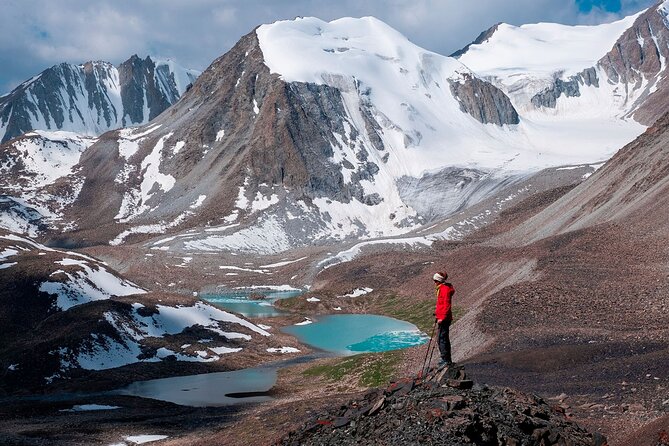
Day 2 is where you feel the transition from easy valley movement to proper trekking. After breakfast, you head toward the first yurt camp on a route that starts fairly gentle: a winding feel through open valleys and roads before the walking gets more trail-like. Trek distance is about 14 km for 4–5 hours, with moderate climbing (461 m ascent, 115 m descent). It’s long enough to be satisfying, but not usually a brutal day if you start at an easy pace.
What I’d watch for is effort management. On day 2, it’s easy to feel good and walk too fast because the terrain can look forgiving early. A steadier start usually pays off later when distances climb and descents get sharper.
This day is also where you begin learning camp rhythm: water, layers, and how quickly conditions can change after you stop walking.
Day 3: a longer day that tests stamina more than technical skill
Day 3 is a classic “make it count” trek. You’ll drive around 30 minutes to the start, then hike about 15 km in roughly 8–9 hours, with a demanding elevation profile (1,059 m ascent and 859 m descent). This is the kind of day that punishes going out too fast, because the total climb adds up even when the trail is straightforward.
If you’ve done multi-day hikes elsewhere, you know the real test isn’t one steep moment. It’s the accumulating fatigue—legs, breath, and focus—especially at altitude.
My practical advice: shorten your stride slightly uphill, keep your breathing steady, and treat water stops as performance checkpoints. If your guide recommends pacing adjustments (and English-speaking guides here are built to help), listen quickly. It’s easier to correct early than to recover late.
Days 4 and 5: rivers, changing terrain, and Sarybell Pass at 3,132 m
Day 4 shifts the feel of the trek. You’ll walk about 19.4 km over 7–8 hours, with 866 m ascent but a heavy 1,596 m descent. The trail begins easy and even downhill, crossing rivers and changing from rockier alpine sections toward greener stretches. This is a day for ankle discipline and controlled descents—your knees will notice if you rush.
Day 5 is the pass day that anchors the mid-trek challenge. You’ll cover about 24 km in around 9 hours, with 1,299 m ascent and 1,095 m descent. A key moment is ascending to Sarybell Pass at 3,132 m (about 1 hour for the final push to the pass from where you’re headed). From there, the route continues toward bigger views of the Kichik Alay Mountains area.
The hiking logic here is simple: the higher you go, the more the day demands patience. If you’re anxious about altitude, plan for a slower start and keep your breathing calm. Some hikers have used altitude aids like Diamox to manage symptoms—if that’s on your mind, talk to a medical professional ahead of time.
Also, bring layers. Pass days love cold wind, even if mornings start mild.
Day 6: reaching Jiptok Pass via switchbacks and river travel
On Day 6, the numbers still look intense: about 16 km over 8 hours, with 1,150 m ascent and 931 m descent. The route ascends gradually along a river to the foot of Jiptick Pass (about 1 hour), then you take switchbacks to the pass (listed as roughly 2 hours), followed by descent back toward camp.
This day is less about scrambling and more about endurance and rhythm. Switchbacks are your friend because they spread out the climb—but only if you don’t treat every switchback like a sprint finish.
If you’re worried about feeling behind, this is also the day where having an experienced guide matters. English-speaking guides can help you adjust pace without making you feel like you’re dragging the group.
Pack and layer for sun and shade too. High valleys can flip from hot to cold fast.
Day 7 at Tulpar-Kol: a gentler distance with the comforts you’ll notice
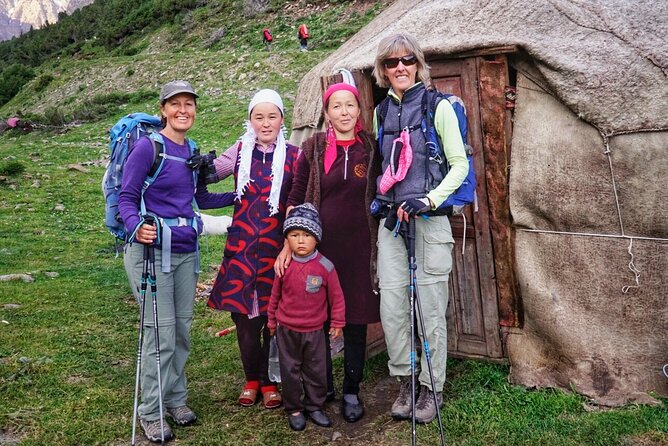
Day 7 is a reset day in spirit, even if you still walk. The program lists 11 km over about 3 hours, with 40 m ascent and 320 m descent. Then you walk to Sary Mogul village for about 3 hours, and that’s where you get a genuine change of scene: a homestay, a home-cooked lunch, and the chance to wash.
This day is one of the best trade-offs on the whole week. You’ll get a shower and the listing even notes Wi‑Fi at the homestay. In a trek like this, that matters more than you might expect. After days of walking and weather, a clean body and a quick connection can feel like a spa, even if your shower is simple.
The day is also a good time to slow down your mind. Sit, eat, and take in the fact you’re in a real village routine—not a staged tourist stop.
Day 8: the long finish toward Lenin Base Camp and the return drive
Day 8 is the wrap-up with a final push. You wake early, then head south from Tulpar Kol toward the alpinist Peak Lenin Base Camp area. The trek is listed as 20 km over about 6 hours, with 760 m ascent and 760 m descent, and it ends with a 5-hour drive back.
This is also the day tied to the border permit included in the package. The permit is specifically for the Peak Lenin Base Camp area, and it’s worth noting that last-minute requests can trigger a surcharge. In practice, that’s one of the reasons to book early and follow the organizer’s timing.
You’ll likely feel this day most in your legs. By day 8, it’s less about shock and more about consistency: keep moving, keep water in you, and don’t “save” effort for later—later is already here.
Yurts and homestays: how comfort actually works on this trek
This trek alternates between yurt sleeping and homestays. Rooms are shared, commonly 3–5 people, so it’s not the kind of trip where you expect solitude. The flip side is that it keeps the experience social in a natural way. When you’re in shared spaces, you tend to swap conversation fast—about altitude, food, and what tomorrow might feel like.
Meals are included: breakfast is part of the routine on most days, dinner is included nightly, and you get lunch on trekking days. One review-specific detail worth flagging: the program has had a vegetarian food option mentioned as a positive point. Still, if you have dietary needs, make sure you communicate them at booking.
For sleeping, expect the basics rather than luxury. The real comfort comes from being properly layered and warm enough overnight, not from having perfect bedding.
Altitude and pacing: what to do so the mountains don’t dictate your mood
Even with moderate fitness, this trek asks for steady work. The highest clearly listed elevation is Sarybell Pass at 3,132 m, and you start around 3,000 m at Sary-Mogul. That’s enough altitude to affect breathing and sleep, especially if you’re used to sea level.
Your biggest weapon is pacing. On days like Day 3 (8–9 hours) and Day 5 (about 9 hours), don’t chase distance. Aim for a consistent effort where you can keep talking in short sentences.
If you’re considering altitude medication (like the Diamox mentioned by one trek experience), talk with a clinician before you go. And regardless, keep an eye on symptoms and communicate early with your guide.
Finally, treat descents seriously. Day 4’s descent profile is steep enough that taking it slow can prevent a worse day tomorrow.
Community-based tourism: what you’re supporting and how to show up well
The core idea here is that your trek connects with local people and supports livelihoods tied to mountain life. You’re not only passing through—you’re eating, staying, and sharing time in ways that can directly feed village income and household routines.
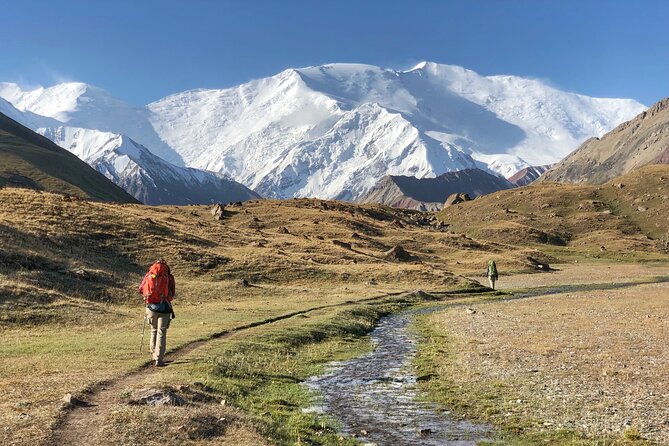
You’ll meet shepherds and get a window into nomad Kyrgyzstan through conversation and lived context. That’s more meaningful when you come with curiosity. Ask simple questions: how herding changes by season, what life looks like in the high pastures, and what helps people stay safe in unpredictable weather.
Small gestures also help: be respectful in shared spaces, follow your guide’s cues about where to walk and when, and treat homestay moments like you’re entering someone’s home.
Who this trek fits best (and who should choose something easier)
This trip fits best if you want a real trekking challenge with meaningful culture, and you’re comfortable with basic shared accommodations. You’ll likely enjoy it most if you:
- want an Alay Mountains route that mixes passes, rivers, and remote viewpoints
- value included logistics (transport, meals, luggage help, permits)
- like meeting people and learning how nomad life connects to the terrain
You might consider a different option if you’re looking for a very light hike, maximum privacy, or short walking days. The week includes long days like 15 km in 8–9 hours and 19.4 km with big descent, so comfort comes from pacing, not from easy mileage.
Should you book 8 Days Trekking in Kyrgyzstan: Alay Mountains Adventure?
I’d book this trek if you want strong value and a week that feels grounded in Kyrgyz life, not just photos. The combination of English-speaking guidance, included meals, yurt-and-homestay stays, and a route that hits Sarybell Pass and Jiptok Pass gives you a full mountain story for the price.
I’d pause before booking if you’re altitude-sensitive or nervous about long hiking days with significant elevation changes. If that’s you, still consider it—just plan to move slower than your ego wants and prepare your body for high altitude from day one.
If you’re the kind of traveler who enjoys details—good camp meals, real conversations with local hosts, and mountain days that earn their views—this Alay trek is the kind of booking you’ll still remember months later.
FAQ
Where does the trek start and where does it end?
The tour starts in Osh, Kyrgyzstan at the meeting point listed in the booking details, and it ends back at the same meeting point.
How long is this trekking experience?
It’s listed as approximately 8 days.
What’s the maximum group size?
The maximum number of travelers is 10.
Do I get an English-speaking trekking guide?
Yes. An English-speaking trekking guide is included.
Are meals included?
Yes. Breakfast (7), dinner (7), and lunch (8) are included in the program.
What kind of sleeping arrangements are included?
You’ll have shared accommodation in yurts and homestays. The note says shared rooms are typically 3–5 people.
How do I get to and from the mountain areas?
Transport from and to Osh is included, and there are also transfers connected to Tulpar Kol yurt camp and the Peak Lenin Base Camp area.
Is luggage carried for you?
Yes. There is luggage service up to 15 kg per person via horse, plus a horseman.
Do I need a permit for Peak Lenin Base Camp?
A border permit for the Peak Lenin Base Camp area is included. If a permit request is made last minute, a surcharge may apply.
Is there Wi‑Fi and do you get a shower?
On Day 7, after arriving at the homestay in Sary Mogul village, the program notes you can take a shower and enjoy Wi‑Fi.
What is the cancellation policy?
Free cancellation is available up to 24 hours in advance for a full refund. If it’s canceled due to poor weather, you’ll be offered a different date or a full refund.