REVIEW · CUSCO
4 Day Inca Trail Trek to Machu Picchu Multi day tour
Book on Viator →Operated by Inca Trail Machu · Bookable on Viator
The Inca Trail ends at Machu Picchu by foot. What makes this trek so compelling is the way you move from classic Inca road-walks to the Sun Gate first view, then step into Machu Picchu with a guide explaining what you’re seeing. I really like how the trip handles the heavy logistics for you (permits, camp, and meals), and I like that your personal load is light thanks to a super porter for your duffel. The main drawback is altitude and effort: you top out at 4,215 meters on Dead Woman’s Pass.
You’ll start with an early pick-up in Cusco at 4:30am and trek with a small group (up to 16 people). Camping is built in with Eureka tents (2 people per 4-person tent) plus a roll mattress, a toilet tent, and camp water provided by the chef—so you’re not spending your time sorting gear.
Key things that make this Inca Trail tour work (and feel worth it)
- A planned, permit-included route from Km 82 that leads to Machu Picchu via Sun Gate (not just a ticket drop-off).
- Lightening your load: a super porter carries your duffel for personal items up to 7 kg / 11 lb.
- Chef-led camp with water supplied at every campsite and meals included for three breakfasts, three lunches, and three dinners.
- Real Inca ruins along the way (Llactapata, Sayacmarca, Phuyupatamarca, Wiñay Wayna and more), not just views.
- Guides with strong track records in this program, including Nico Raul, Josias, César Pérez, Plinio, and Pliñio, praised for pacing and explanations.
- Small-group feel (max 16), which makes it easier to keep together on slow climbs and steep descents.
In This Review
- Cusco Morning Timing: 4:30am Pickup and Why It Matters
- Price and Value at $930: What You’re Really Paying For
- Day 1 From Km 82: Urubamba River Steps and First Ruins
- Day 2 Warmiwañusca (Dead Woman’s Pass): The Big Climb to Pacaymayo
- Day 3 Cloud Forest to Wiñay Wayna: Sayacmarca, Passes, and Terrace Views
- Day 4 Inti Punku (Sun Gate) to Machu Picchu: The Arrival Moment
- Camping Comfort That You’ll Feel in Your Body
- Food, Pace, and the Porters: The Part You Don’t Want to Underestimate
- What to Pack for This Trek (Only What You’ll Use)
- Who This Tour Fits Best
- Should You Book This 4-Day Inca Trail Trek?
- FAQ
- What time do I need to meet in Cusco?
- Where does the trek begin?
- How long is the hike and how far is it?
- What’s the highest point on the route?
- Are the Inca Trail permit and Machu Picchu entrance included?
- Is camping included, and what sleeping setup do I get?
- Do I have to carry my own duffel bag?
- What meals are included?
- How do you get back to Cusco after Machu Picchu?
Cusco Morning Timing: 4:30am Pickup and Why It Matters
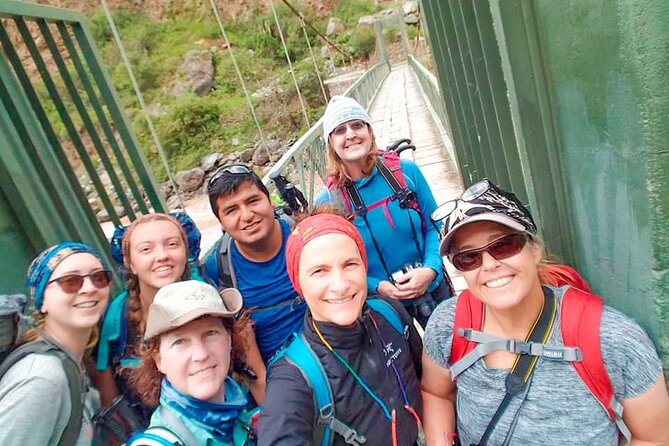
This trek starts early. Your meeting time is 4:30am, with pickup from your Cusco hotel, then a drive through the Urubamba Valley to Kilometer 82. If you hate early mornings, tough love: that start helps you fit the daily trekking blocks and reduces pressure later when the trails get steeper or the weather turns.
Two practical notes I’d keep in mind:
- You’re dealing with altitude the whole way. Even before the highest passes, you’ll feel it in your breathing and pace choices.
- Early start = smoother logistics. With a guided group and camp set-up, mornings run on a schedule, not vibes.
Price and Value at $930: What You’re Really Paying For
At $930 per person, you’re not just buying a hike ticket. You’re paying for the parts that usually blow up time, energy, and planning stress.
Here’s what’s included that makes the price feel more reasonable when you add it up:
- Inca Trail permit and Machu Picchu entrance fee (non-trivial pieces of the puzzle on this route).
- Guide + trekking chef (and camp crew logistics): porters carry food, camping and cooking equipment.
- Camping gear support: Eureka tent setup, toilet tent, kitchen/dining tents, tables/chairs, and a comfort sleeping roll mattress.
- Your duffel load is managed: a super porter carries up to 7 kg / 11 lb for your personal belongings.
- Transport back to Cusco: tourist train from Machu Picchu to Ollantaytambo and a bus to Cusco, plus the shuttle from Machu Picchu down to Aguas Calientes.
- Trail health and weather basics: first-aid kit with emergency oxygen bottle and a plastic rain poncho.
What’s not included (so you can plan ahead):
- Sleeping bag (listed at U$ 25 if needed)
- Hiking poles (listed at U$ 20)
- A rest-mattress inflatable on the trail (U$ 20)
- Tips/souvenirs
- Peru travel insurance
- Your first breakfast and last lunch in Aguas Calientes town
One more value factor: this trek includes the chance to sponsor planting native trees, which is a small add-on but meaningful if you like knowing your trip has a local footprint beyond photos.
Quick reality check: it’s non-refundable and cannot be changed for any reason. If your health or travel dates might be shaky, that matters.
You can also read our reviews of more tours and experiences in Cusco.
Day 1 From Km 82: Urubamba River Steps and First Ruins
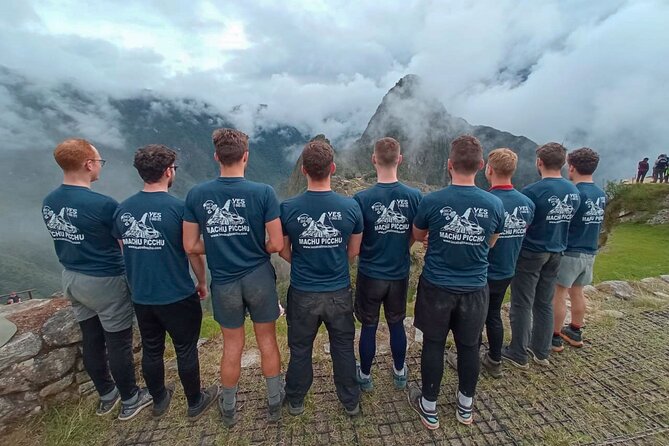
Day 1 begins at Km 82 after the early drive and a crossing of the Vilcanota River. Then you start walking along the ancient Inca road, with the Urubamba River area and Andean views in the mix. Your day’s trek is about 12 km (7.5 miles) and rated as moderate.
What makes Day 1 a good on-ramp:
- You’re not thrown straight into the hardest pass. The distance is short enough to get your rhythm and test your footwear.
- You’ll pass through places like Huayllabamba, and you’ll also get that early connection to local life rather than just scenery.
The one drawback: that first day still has altitude in the background. Even if the climb isn’t brutal, your body might feel slow for the first few hours. Go easier than you think you need to. This is one of those treks where arriving at camp happy beats arriving there fast and gassed.
Day 2 Warmiwañusca (Dead Woman’s Pass): The Big Climb to Pacaymayo
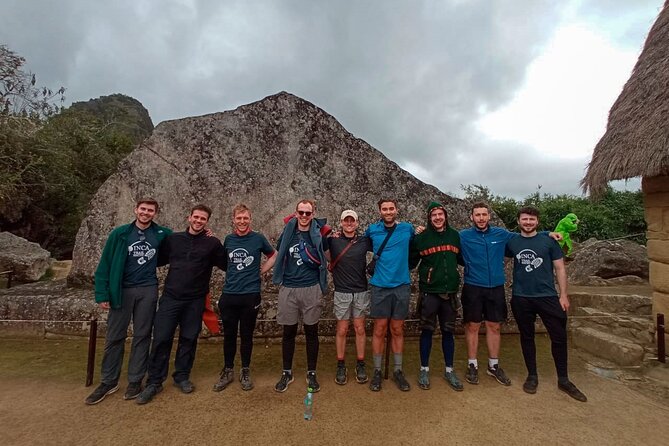
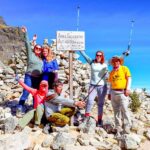
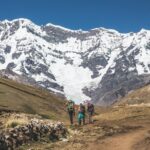
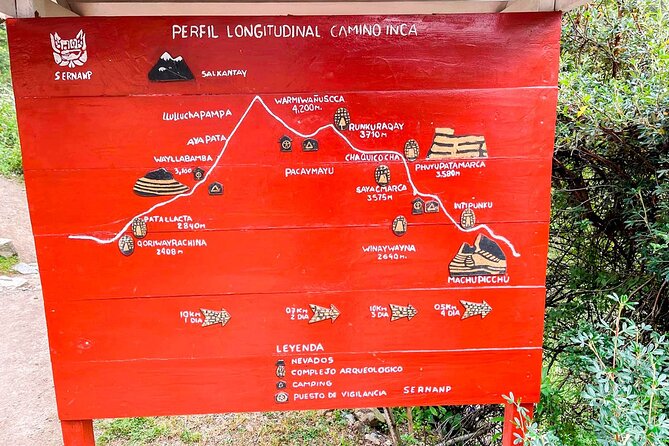
Day 2 is the day with the headline altitude. You start with breakfast, then walk uphill to Warmiwañusca, Dead Woman’s Pass, reaching 4,215 meters (13,828 feet). After that rest at the top, you descend into the Pacaymayo Valley for the night.
What you should expect:
- High-altitude climbing, followed by a long downhill into a different feel of terrain.
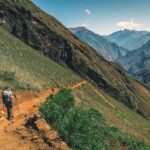
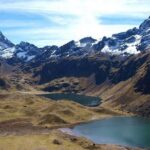
- A mix of high grasslands and cloud-forest vibes, where orchids and bromeliads are part of the scenery.
Why this day is so memorable (and why it can also test you):
- The summit moment isn’t just about reaching a number. It’s about learning your pace. Most people who struggle don’t struggle because they’re weak; they struggle because they go out too fast.
- The descent into Pacaymayo can feel easier mentally after the pass, but your legs still do the work.
Your best strategy: plan to move like you’re saving yourself for the next steep section. This is also a good day to use trekking poles if you have them. They’re not included, so decide early if you want to rent/buy yours.
Day 3 Cloud Forest to Wiñay Wayna: Sayacmarca, Passes, and Terrace Views
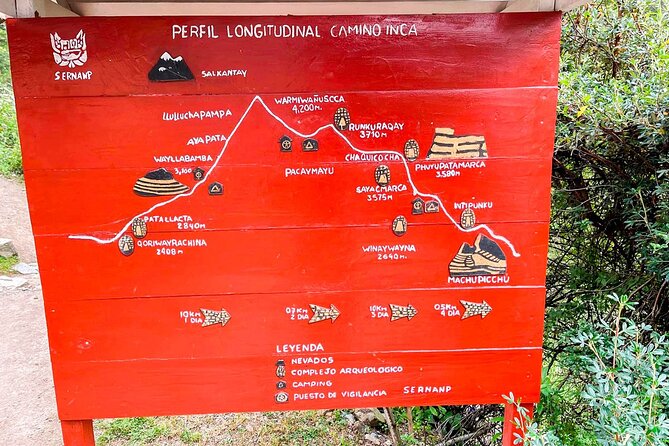
Day 3 is a chain of walking phases: another pass, cloud-forest walking, and then ruins plus a dramatic shift in elevation.
You’ll head uphill to Runkurakay at about 3,970 meters, then descend through cloud forest to Sayacmarca (around 3,624 meters). From there, the route continues toward Phuyupatamarca (about 3,670 meters), and then you drop down to Wiñay Wayna, famous for agricultural terraces and ritual baths.
Your walking time is listed around 6 hours, but don’t let that number fool you. A shorter day on paper can still feel intense when you’re on uneven paths, climbing, then descending.
Why Day 3 often feels like the “wow” day for many people:
- You get ruins and nature at the same time—Sayacmarca and Wiñay Wayna are the kind of places where your brain starts connecting the geography to Inca engineering.
- You end the day with camp at about 2,650 meters, which makes the night a little more comfortable than what came before.
One practical consideration: weather. The trail can change fast when you’re switching between cloud forest and higher ridges. That’s why having the included rain poncho matters.
Day 4 Inti Punku (Sun Gate) to Machu Picchu: The Arrival Moment
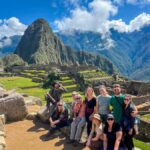
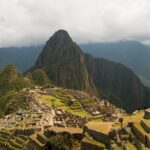
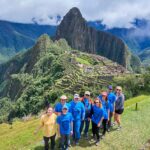
Day 4 starts early with breakfast, then a trek to the checkpoint for the final stretch into the Machu Picchu area. You’ll visit the Inti Punku (Sun Gate) first, which gives the first big panoramic view of Machu Picchu and the surrounding mountains.
Then you head into Machu Picchu for a guided tour of the ruins. You’ll also learn the story of rediscovery tied to Hiram Bingham in 1911. After the visit, you take the bus down to Aguas Calientes for lunch, then continue by train back to Ollantaytambo, and bus back to Cusco.
What I like about this Day 4 flow:
- It keeps the pressure off. You don’t just do one fast look and sprint for photos. You get a first view (Sun Gate), then guided time on the ground in Machu Picchu.
- You get your big “trek reward” and then a clear exit plan back to Cusco rather than a chaotic free-for-all.
If you want a tip that’s simple and useful: hydrate before you go into the final ruins stretch, and don’t try to outrun your group for one extra angle. You’ll get more from the guide’s explanations if you can stay present.
Camping Comfort That You’ll Feel in Your Body
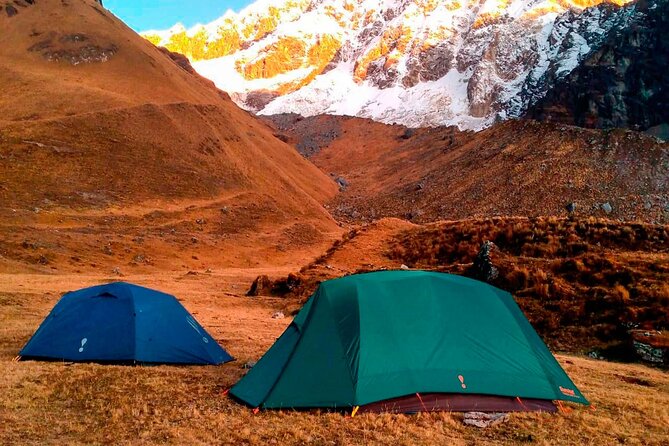
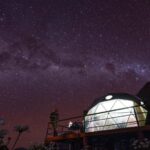
This is a camping trek, so yes, you’re outdoors. But the equipment support is part of what keeps this from feeling miserable.
Here’s what’s included for sleep and basic camp function:
- Eureka tents with 2 people per 4-person tent
- Comfort sleeping roll mattress
- A toilet tent
- Kitchen and dining tents, plus utensils and gas bottle
- Water is provided at every campsite by the chef
From the reviews, one thing comes through clearly: people love how the camp team runs smoothly and how food is handled in a tough environment. The chef role is a big deal here—several named chefs get praise for producing restaurant-quality meals and even baking treats during the trek.
Still, I’d plan around the fact that you’ll be sleeping in cool mountain air. If you don’t have a sleeping bag (not included), you’ll want to budget for one.
Food, Pace, and the Porters: The Part You Don’t Want to Underestimate
If you’re thinking of doing the Inca Trail, understand this: the most exhausting parts aren’t just the steep climbs. It’s also the time-on-feet rhythm—hours of walking, then the work of moving camp-style day after day.
This tour handles that rhythm with:
- A trekking chef and camp crew
- Porters who carry food and cooking equipment
- A personal super porter who carries your duffel up to 7 kg / 11 lb
That duffel allowance is key. It means you can focus on a day pack: water, layers, snacks, and the essentials you need while hiking. Your legs can only do so much, and the less you carry, the more energy you have for the actual walking.
You’ll also feel the difference of having a guide who can pace the group. In praised guides for this program—Nico Raul, Josias, César Pérez, Plinio, and Pliñio—the common thread is pacing management and clear explanations along the way. That matters because the Inca Trail isn’t a simple path. It’s steep, uneven, and full of stops.
What to Pack for This Trek (Only What You’ll Use)
The tour includes a rain poncho, but you’ll still need a smart packing list for altitude hiking. Here’s what matters most given what’s included and what’s not:
Essentials you should plan for:
- Sleeping bag (not included)
- Hiking shoes with good grip
- Layers for cold at higher elevation
- A small day pack (because your duffel is carried separately)
Gear that may be worth buying or renting:
- Hiking poles (listed as U$ 20)
- The inflatable rest mattress on the trail (U$ 20, optional)
Also: bring a positive attitude for the fact that you’ll be walking with changing weather and altitude. The included emergency oxygen bottle in the first-aid kit is there for safety, but you still need to use your common sense: go slow at altitude, drink water, and don’t ignore headache or nausea.
Who This Tour Fits Best
This is best for you if you:
- Have strong physical fitness and can handle repeated uphill climbs and high elevation
- Want a guided trek that includes camp setup, permits, and entry to Machu Picchu
- Like learning as you walk—this program’s guides are consistently praised for history explanations and keeping the group moving effectively
- Appreciate a small-group feel (max 16)
It may not fit you as well if you:
- Know you’re very sensitive to altitude and struggle with longer walking days
- Want a relaxed, low-effort vacation—this is a real trek, not a stroll
Should You Book This 4-Day Inca Trail Trek?
I’d book it if you want Machu Picchu with a built-in journey that actually earns the view. The value here is in the “done-for-you” pieces: permits, guided ruins, chef-led camps, and the porter system that limits what you carry.
I would not book it if you’re unsure about your altitude tolerance or if your travel dates might change. The climb to Dead Woman’s Pass (4,215 meters) is the big make-or-break point, and the trip is listed as non-refundable.
If your fitness is solid and you’re comfortable with early starts and high-country camping, this tour is a strong, practical way to do one of Peru’s most famous routes without turning it into a DIY logistics headache.
FAQ
What time do I need to meet in Cusco?
Start time is 4:30am, with pickup from your hotel in Cusco.
Where does the trek begin?
The trek begins at Kilometer 82.
How long is the hike and how far is it?
It’s about 4 days total and the trek covers approximately 42 kilometers (26 miles).
What’s the highest point on the route?
The highest point is Dead Woman’s Pass (Warmiwañusca) at 4,215 meters.
Are the Inca Trail permit and Machu Picchu entrance included?
Yes, the Inca Trail permit and the entrance fee to Machu Picchu are included.
Is camping included, and what sleeping setup do I get?
Yes. You get 3 nights of camping, including Eureka tents (2 people per 4-person tent) and a comfort sleeping roll mattress. A sleeping bag is not included.
Do I have to carry my own duffel bag?
No. A personal super porter carries your duffel bag for personal belongings up to 7 kg / 11 lb.
What meals are included?
Meals included are 3 breakfasts, 3 lunches, and 3 dinners. The first breakfast and last lunch in Aguas Calientes town are not included.
How do you get back to Cusco after Machu Picchu?
After Machu Picchu, you take a shuttle bus down to Aguas Calientes, then a tourist train back to Ollantaytambo, and finally a bus to Cusco.