REVIEW · CUSCO
Salkantay Trek to Machu Picchu in 4 days
Book on Viator →Operated by Incredible Peru Tours · Bookable on Viator
Four days, one world-class mountain day.
This Salkantay route to Machu Picchu is known for serious mountain views and a fast shift from high passes into cloud forest. It also lands you at the Inca citadel with guided time and practical transport, so you spend less energy on logistics and more on what’s right in front of you.
I especially like two things about this trek: the professional English-speaking guide and cook-led meal plan, and the way the itinerary mixes big climbs with real recovery time. You’ll also get guided time at Machu Picchu plus a chance at Huayna Picchu if availability allows.
One caution: watch the health-and-safety details. The tour includes a first aid kit and emergency oxygen balloon, but at least one past booking reported that the safety gear and oxygen balloon were not provided as advertised. I’d treat this as a must-check before you leave Cusco.
In This Review
- Key things that make this Salkantay trek worth your time
- Salkantay to Machu Picchu: why this 4-day version works
- Cusco at 5:00 am: your first altitude lesson (and your first checklist)
- What to keep in mind
- Day 1: Challacancha to Soraypampa, then Laguna Humantay at 4,200 m
- Mollepata breakfast and the first views
- The main walk: about 10 km to Soraypampa
- Laguna Humantay hike: 1.5 hours up at altitude
- Day 1 lodging
- Day 2: Salkantay Pass at 4,630 m, then into cloud forest and domes
- The big climb: 7 km of ascent in about 3 hours
- Highest point: Salkantay Pass at 4,630 m
- Descending into the High Forest (Cloud Forest)
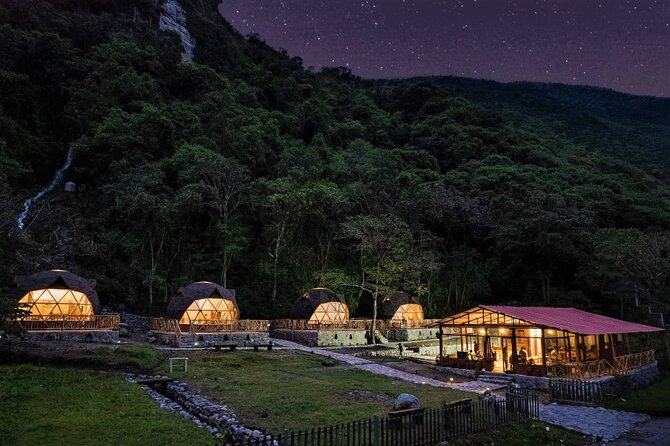
- Night 2 lodging: eco domes
- Day 3: coffee farms, Hydroelectrica walking, and Intihuatana toward Aguas Calientes
- Morning: plantations and a coffee farm stop
- Late morning reset
- Hydroelectric Power Plant and the trackside walk
- Night in Aguas Calientes: hotel + included dinner + prep talk
- Day 4: the 5:30 am push to Machu Picchu and your guided circuit
- Early breakfast and the zig-zag bus ride up
- Guided visit: about 2 hours with photo and exploration time
- Down to town and onward to Ollantaytambo
- Price and logistics: what $590 buys you in real terms
- Where value can wobble
- Guides, group size, and the safety check that matters
- What you should do before you go
- Who this trek fits best (and who should reconsider)
- Should you book this Salkantay Trek to Machu Picchu?
- FAQ
- What time is the pickup in Cusco?
- What is the highest point of the trek?
- How much of the luggage do I carry?
- What meals are included?
- Do they handle vegetarian, vegan, or special diets?
- Where do I stay on each night?
- How far in advance can I cancel for a refund?
Key things that make this Salkantay trek worth your time
- Cusco pickup at 5:00 am with early start, so you beat the worst of the day and keep the pace realistic
- Luggage support up to 7 kg on horses, so you carry only a small daypack and water
- Laguna Humantay (4,200 m) plus a classic sunset moment in Soraypampa
- Salkantay Pass at 4,630 m on Day 2, with the trek’s hardest climb grouped into one focused push
- Eco-dome lodging in Sahuayaco plus tea time, hot drinks, cookies, and a calmer second night
- Aguas Calientes overnight and an early bus to Machu Picchu the next morning
Salkantay to Machu Picchu: why this 4-day version works
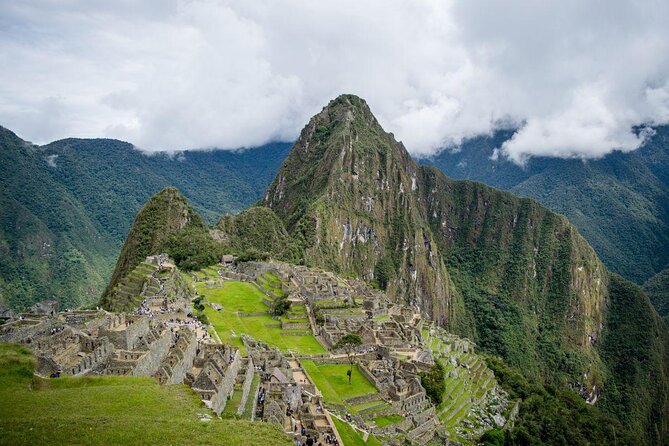
If you want the Machu Picchu finale without a long grind of a multi-day Inca-style hike, this format makes sense. The Salkantay route is famous because it travels through very different environments in a short time—start cold and high, then drop into warmer zones with dense vegetation, ending at the Urubamba River corridor and finally the citadel.
This specific itinerary is built to keep you moving, but not so fast that you’re constantly in pain. Day 1 gives you a big first walk and a high-altitude side trip to Laguna Humantay. Day 2 is your main test with the pass. Day 3 slows the day down with a coffee-farm stop and a calmer approach through the Hydroelectric area. Then Day 4 is the big payoff: early arrival at Machu Picchu, guided orientation, and time to explore.
Small-group travel matters here. The tour is capped at 10 travelers, which usually means less chaos at meals, more room during briefings, and better odds you can ask questions without feeling lost in a crowd.
You can also read our reviews of more tours and experiences in Cusco.
Cusco at 5:00 am: your first altitude lesson (and your first checklist)
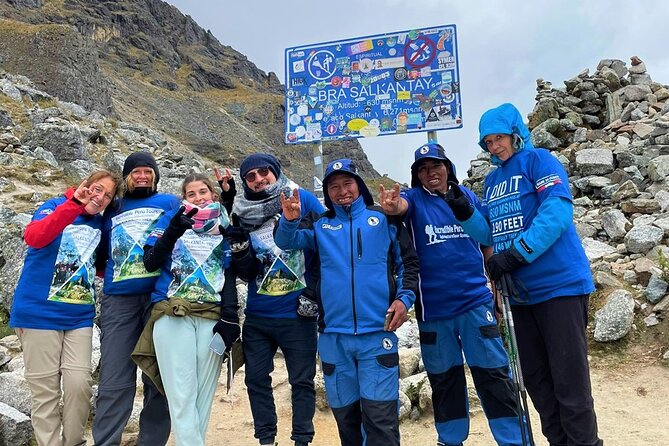
Your adventure begins in Cusco with a pickup from your hotel at 5:00 am. You’ll travel in private transport to get out to the trailhead area, and the tour asks you to carry your original passport. That’s not a small detail—there are control points on the route, and you’ll want your documents ready before the first checkpoint.
What I like about the start is how it’s structured:
- You don’t just show up and guess. You meet the guide and cook, and you get a prep talk the day before at the office in Cusco.
- You get help with planning. You’ll have luggage storage in the Cusco office while you trek, so you’re not hauling extra baggage around town.
There’s also the practical luggage system. The program notes that they carry up to 7 kg / 15 pounds of your luggage. That means you can keep your legs happy by packing light for a daypack: essentials, layers, and water.
What to keep in mind
The start time means you’ll be tired on Day 1. That’s normal. The bigger question is how you manage altitude from the first day—Cusco is already high, and you’ll walk above 3,600 m on the first walking segment. Pack layers and treat the first hours as pacing practice, not a race.
Day 1: Challacancha to Soraypampa, then Laguna Humantay at 4,200 m
Day 1 is a strong introduction to the route. After the morning transport, you reach the starting area at Challacancha (3,600 m). You meet the muleteer, and this is where you’ll feel the “supported trek” style: your main supplies move with the horses while you focus on your walking pack.
Mollepata breakfast and the first views
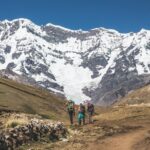
Before the trail, there’s a stop in Mollepata for about an hour and your first breakfast at a local restaurant. It’s a nice reset point. Also, you get early mountain views during the drive—snowy peaks, valleys, and color in the high countryside.
The main walk: about 10 km to Soraypampa
At 9:30 am, you begin walking. The route uses a stone-lined path next to a clean water channel, which is a helpful detail because it hints at how alive the valley is—water matters at altitude, and you’ll notice it along the way.
You’ll walk about 10 km over roughly 3 hours, landing in the Soraypampa area where lunch is served. The arrival time is set for camp life too; you’re not ending the day at dusk with no plan.
Laguna Humantay hike: 1.5 hours up at altitude
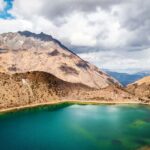
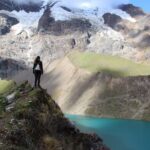
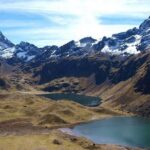
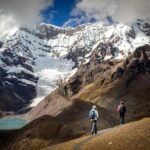
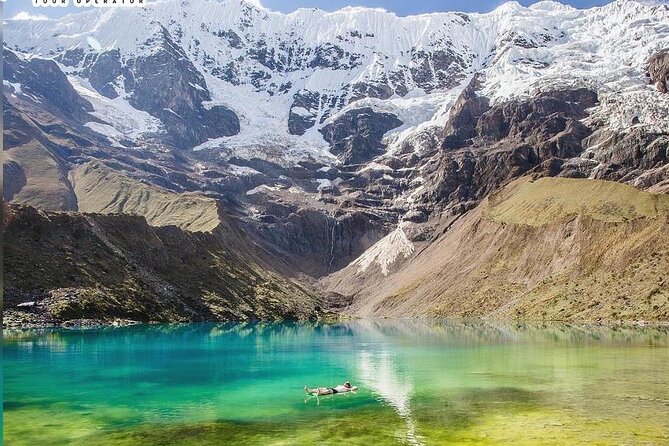
In the afternoon, after rest, you hike to Laguna Humantay (4,200 m). The climb is short but it’s at altitude, and the tour schedules it at about 1 hour 30 minutes. When you get there, you’ll have time for photos and time to just sit with the view.
I like that the day doesn’t end the moment you’re tired. You return to Soraypampa around 5:30 pm, then you get tea time with coffee or hot tea plus popcorn and cookies. After dinner, there’s room to watch the stars. That little star-and-quiet moment is more than a nice add-on—it’s how you recover mentally for Day 2.
Day 1 lodging
Night 1 is at Cabaña Andina in the Eco-Lodge Mamá Andrea area of Soraypampa. The itinerary doesn’t spell out every bedding detail, but it does set expectations for a simple, mountain-appropriate stay.
Day 2: Salkantay Pass at 4,630 m, then into cloud forest and domes
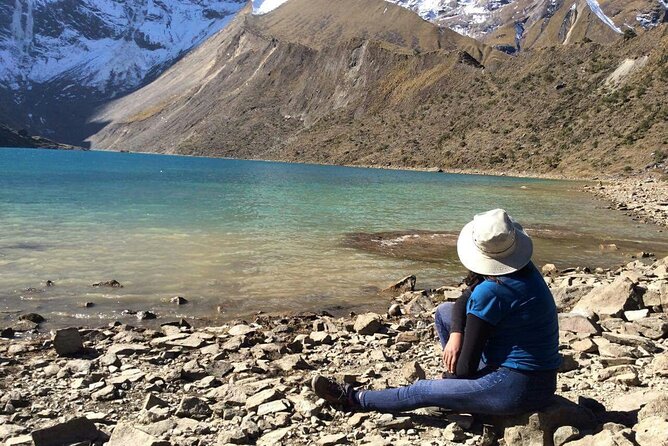
Day 2 starts early with coca tea at 5:00 am, followed by breakfast. The guide and cook set up the pace because this is the hardest day of the trek.
The big climb: 7 km of ascent in about 3 hours
You start from Soraypampa and climb 7 km toward the highest point. The itinerary describes it as a pure ascent phase with a gradual slope for about 1 hour, then continuing upward through a rocky valley. You’ll stop around Pampa Salkantay (4,200 m) for panoramic views before you push to the top.
This is where mindset helps. You’re not doing hard sections every hour for 6 hours; it’s grouped. That makes it more manageable—steady pace, short breaks, no heroics.
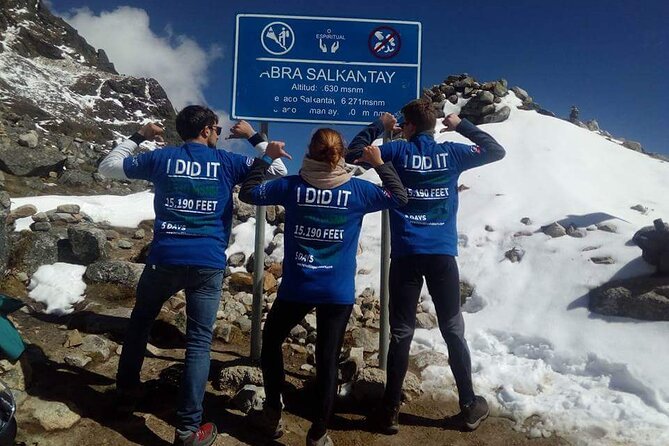
Highest point: Salkantay Pass at 4,630 m
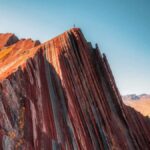
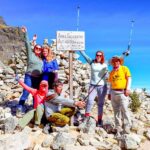
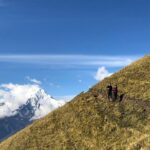
You reach the Salkantay Pass (4,630 m) and get time to rest and enjoy the view. The program notes views of imposing peaks like Salkantay Mountain and Humantay Mountain, plus the idea that the back side of the pass can show snow on the summit and cloud forest lower down.
Descending into the High Forest (Cloud Forest)
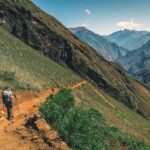
After the pass, you continue downhill to Wayraqmachai for lunch around 1:30 pm. Then you drop into the High Forest, also called Cloud Forest. The tour expects this section to feel warm and temperate, and that makes sense: you’re losing altitude quickly enough that vegetation gets dense.
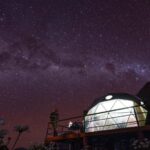
You reach Colpapampa (around 4:30 pm) and then transfer by vehicle for about 1 hour to the Eco-Lodge Majestic Sky Domes area in Sahuayaco.
Night 2 lodging: eco domes
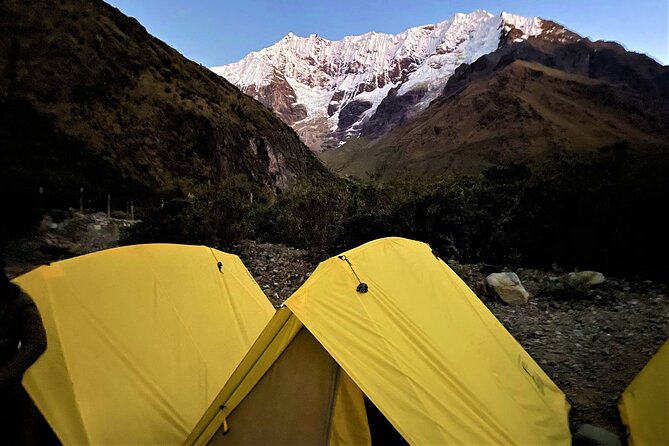
You arrive around 5:30 pm and settle into the private eco domes. Tea time comes again—hot chocolate, coffee, cookies, and popcorn—followed by a dinner made by the cook. This is a big quality-of-life point: after a hard day, you get something pleasant and sheltered, not just a bare stop.
Day 3: coffee farms, Hydroelectrica walking, and Intihuatana toward Aguas Calientes
Day 3 is the “transition day” from trekking to the Machu Picchu approach. It has walking, but it also includes cultural touches and a smoother pace.
Morning: plantations and a coffee farm stop
After breakfast, you take a walk around the Sahuayaco area to visit plantations—bananas, avocados, oranges, and medicinal plants. Coffee is highlighted as the export crop, so the tour includes a chance to visit a local coffee farm where you can enjoy freshly prepared coffee.
I like this part because it grounds the route. You’re not only chasing peaks; you’re seeing how people live in the zones you’re moving through.
Late morning reset
After the plantation visit, you return to the lodge around 11:00 am for relaxation. That downtime matters. It’s how you arrive at the afternoon walk without feeling like every hour is punishment.
Hydroelectric Power Plant and the trackside walk
You move to Central Hidroelectrica Machu Picchu area around 2:30 pm, then start walking toward Aguas Calientes. The itinerary mentions:
- a slight climb at first (about 15 minutes)
- then a flatter stretch that follows train tracks and runs close to the Urubamba River
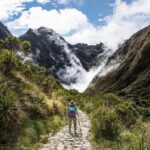
Along the way, you visit Intihuatana, described as an ancient Inca sundial carved into a natural rock. This is also where the Sacred Mountains can come into view—Huayna Picchu and Machu Picchu. You’re walking through cloud forest with lush plant life and orchids on this stretch.
The walk continues for about 3 hours, and you reach Aguas Calientes around 5:30 pm.
Night in Aguas Calientes: hotel + included dinner + prep talk
You stay in the town for one night, with a comfortable hotel. Dinner at a tourist restaurant is included. During dinner, your guide gives you important info for Machu Picchu the next day—so you can sleep earlier instead of wandering around guessing routes in the dark.
Day 4: the 5:30 am push to Machu Picchu and your guided circuit
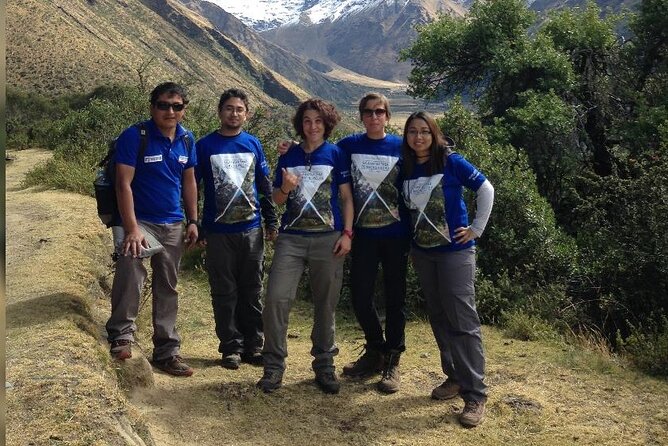
Day 4 is where the trek turns into the main event.
Early breakfast and the zig-zag bus ride up
After breakfast, you leave the hotel at about 5:30 am. You walk to the bus station, then take the tourist bus for about 30 minutes up the zig-zag road to reach Machu Picchu at around 6:30 am. Early arrival helps because you’re at the site before the biggest crowds roll in.
Guided visit: about 2 hours with photo and exploration time
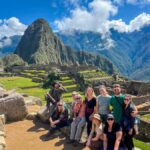
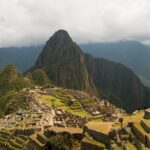
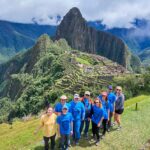
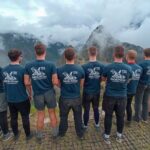
You arrive at Machu Picchu (around 2,400 m) and start a guided tour lasting around 2 hours. Your guide explains history and points out the features that made Machu Picchu one of the New 7 Wonders of the World: terraces, temples, canals, and water sources.
After the guided portion, you get free time to take photos, walk around, and explore on your own. There’s also a possibility to climb Huayna Picchu depending on availability; the tour includes that entrance ticket if it’s available.
Down to town and onward to Ollantaytambo
In the afternoon, you take the tourist bus down. Then you return by train to Ollantaytambo, arriving around 7:40 pm. A staff member meets you at the station and transfers you back to Cusco by bus, so you reach your hotel around 10:00 pm. The itinerary also allows drop-off in Sacred Valley hotels if you prefer.
Price and logistics: what $590 buys you in real terms
At $590 per person for a roughly 4-day program, you’re not paying for only walking time. You’re buying a package built around reducing friction:
- guide support in English, plus a cook and kitchen assistant
- all core entrance tickets: Salkantay route, Humantay Lagoon, and Machu Picchu
- three nights of lodging (Soraypampa, Sahuayaco domes, and a hotel in Aguas Calientes)
- meals: 4 breakfasts, 4 lunches, 3 dinners included
- transportation at key steps: Cusco to trailhead, transfers during the trek, and buses to Machu Picchu
- train ticket return to Ollantaytambo
- luggage handling up to 7 kg
That value story gets even better if you consider the altitude and timing. Machu Picchu works on strict schedules, and doing it as a coordinated package reduces the chance you lose hours trying to figure out buses, entrances, and timing on your own.
Where value can wobble
The main wobble is not price—it’s reliability. Since at least one past booking described safety gear and communication issues, you should treat this as a tour where you confirm details, not just a trek you assume will run perfectly because it’s advertised as well equipped.
Guides, group size, and the safety check that matters
This is where the experience can swing from great to stressful.
On the positive side, the guides have a strong track record in making the trek feel understandable and engaging. Names like Gilber show up in strong feedback for knowledge and the ability to hold longer conversations beyond the basics. Rene is also credited with making the challenging parts possible for all participants—good signs when you have a mixed comfort level in the group. And Herbert is noted as a great guide on the ground, even in a review that criticized the company overall.
But here’s the key caution: health-and-safety execution. The tour includes a first aid kit and emergency oxygen balloon carried by the guide. Yet one complaint said the oxygen balloon and first aid kit were not provided as advertised, and the traveler had to pay out of pocket for a taxi to lower elevation.
What you should do before you go
- Ask the operator how the first aid kit and emergency oxygen balloon are stored and who carries them.
- Ask what their procedure is if someone is too sick for the scheduled route plan.
- Be honest about your fitness and any medical history. The itinerary assumes at least moderate fitness.
That safety check isn’t paranoia. It’s how you travel smart at altitude, especially on Day 2.
Who this trek fits best (and who should reconsider)
This Salkantay trek suits you if:
- you have moderate physical fitness and can handle an ascent to 4,630 m
- you’re okay with early mornings (5:00 am and 5:30 am starts)
- you want a small-group trekking experience capped at 10 people
- you like the idea of strong scenery plus comfortable meals and organized lodging
It may be a tougher fit if:
- you have limited tolerance for high altitude and you’re not able to pace yourself during Day 2’s climb
- you prefer a very hands-off experience with lots of autonomy (this route is structured, scheduled, and supported)
If you’re the type who wants a specific pace, ask questions early. A well-run guide can help you adjust without breaking the plan.
Should you book this Salkantay Trek to Machu Picchu?
I’d book it if your priority is a 4-day Salkantay-to-Machu Picchu package that includes guided time at the citadel, solid meals, and supported logistics with a small group. The itinerary is designed to give you the pass day you came for, then deliver the Machu Picchu experience the next morning.
I would not book blindly. Do a quick safety and equipment confirmation. Ask specifically about the first aid kit and emergency oxygen because the stakes are real at altitude.
If you can handle the climb, keep a steady pace, and confirm safety gear up front, this tour has the right ingredients: big scenery, a memorable route transition, dome lodging for a morale boost, and a guided Machu Picchu visit you can actually enjoy.
FAQ
What time is the pickup in Cusco?
Pickup starts at 5:00 am from your hotel in the city of Cusco. The tour also notes pickup for hotels in the Sacred Valley.
What is the highest point of the trek?
The highest point is the Salkantay Pass at 4,630 m (15,190 feet).
How much of the luggage do I carry?
The program says they carry up to 7 kg / 15 pounds of your luggage for you, so you only carry a small backpack and water.
What meals are included?
The tour includes 4 breakfasts, 4 lunches, and 3 dinners.
Do they handle vegetarian, vegan, or special diets?
Yes. The tour states they serve vegetarian, vegan, and special diet meals according to your requirement.
Where do I stay on each night?
Night 1 is at Cabaña Andina (Eco-Lodge Mamá Andrea) in the Soraypampa area. Night 2 is at the Luxury Wood and Glass Dome (Eco Lodge Majestic Sky Domes) in Sahuayaco. Night 3 is in a room with a private bathroom in a hotel in Aguas Calientes.
How far in advance can I cancel for a refund?
You can cancel up to 3 days in advance of the experience for a full refund. If you cancel less than 3 full days before the start time, the amount paid is not refunded.