REVIEW · EL CHALTEN
El Chalten: Full Day Trekking to Laguna de los Tres and Mount Fitz Roy
Book on Viator →Operated by Say Hueque Travel · Bookable on Viator
El Chaltén to Fitz Roy is a long, serious hike. This day tour is interesting because it stacks glacier viewpoints one after another, from the Río Eléctrico area to Laguna de los Tres, with an actual professional guide managing route pace and safety. I especially like the small group size (max 10) and the guide-led rhythm that helps you keep moving even when the final climb gets windy and steep. One drawback to plan for: this is not a casual stroll. You should have strong fitness and come ready for rocky sections, a 400-meter ascent, and long walking time.
You start early (7:30 am), and the day runs roughly 9 hours total, with ending time typically between 4 and 6 pm. The views are the main event, but what makes this experience worth your money is the combination of shared transfer to the trailhead, on-trail expertise in English/Spanish, and route support when conditions shift (especially in wind).
In This Review
- Key points at a glance
- Price and value: what $198 gets you
- The day’s route: a viewpoint pipeline to Fitz Roy
- Stop 1: Río Eléctrico bridge area (first glacier sightings)
- Stop 2: Glaciar Piedras Blancas viewpoint (forest to open views)
- Stop 3: Laguna de los Tres (the climb, the wind, the payoff)
- Stop 4: Return toward El Chaltén via streams and Laguna Capri
- What makes the guides stand out on this trek
- Logistics that actually affect your comfort
- Start time, pace, and end time
- Shared transfer to the trailhead
- Small group size
- What to pack (so the day doesn’t beat you)
- Weather matters: how to think about cancellations
- Who this trek is best for
- Should you book this El Chaltén to Laguna de los Tres and Fitz Roy tour?
- FAQ
- How long is the trek?
- What time does the tour start?
- How far do we walk?
- Do I need to pay the National Park entrance fee?
- Is lunch included?
- Are snacks and bottled water included?
- What’s included in the price besides guiding?
- Does the tour include transportation back to my hotel?
- What should I bring for the weather?
Key points at a glance
- Professional guide (English/Spanish) for route pacing and safety
- Small group capped at 10 people, which usually keeps the day feeling manageable
- Glacier sequence: Río Eléctrico area, Piedras Blancas viewpoint, Laguna de los Tres and the Sucia overlook
- Final push includes a 400-meter ascent of about an hour
- You control your comfort with a packing list that’s very realistic for Patagonia weather
Price and value: what $198 gets you
At $198 per person, you’re paying for the guided hike experience plus the shared transfer to the start of the trail. The important detail: the tour does not include the Los Glaciares National Park entrance fee (listed as ARS45,000.00 per person). So your real “total cost” is tour price plus that park ticket.
That said, the value is strong if you want to do this day efficiently:
- You get a professional mountain guide, not just a self-guided route.
- The day is timed like a proper trek: early departure, long walking hours, and planned viewpoints.
- The group stays small, which often matters on a trail that gets narrow and can feel exposed with strong wind.
If you’re the type who can navigate well on your own and you’re comfortable judging weather and footing, you might question paid guiding. But if you want less stress and more confidence on steep, rocky sections, the guide component is exactly what you’re buying here.
The day’s route: a viewpoint pipeline to Fitz Roy
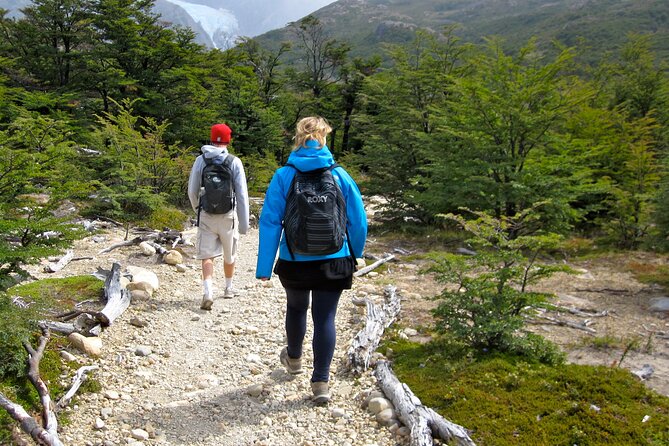
This is a full-day trek of about 12.8 miles (20.6 km) and roughly 8–9 hours of walking, plus breaks. Weather can shift timing, and the operator notes schedules may vary based on conditions and group pace—so treat this as a structured trek day, not a tight clockwork schedule.
Stop 1: Río Eléctrico bridge area (first glacier sightings)
You’ll be whisked to the trail starting point about 18 km north of El Chaltén, near the Río Eléctrico bridge. The trek starts with big payoff early: you get sweeping views of glaciers in the region, including Marconi, Eléctrico, Cagliero, and Vespignani in the distance toward Lago del Desierto.
Why this stop matters: it warms up your eyes and your expectations. Many people arrive in El Chaltén thinking Fitz Roy is the only star. This first section reminds you Patagonia here is a whole system of ice and valleys, not a single peak.
What to watch: the day is long. Use this early part to settle into your pace and keep your feet in good shape—this tour includes a lot of hours on uneven ground later.
Stop 2: Glaciar Piedras Blancas viewpoint (forest to open views)
The hike turns more approachable at first, with a mostly flat path and gentle climbs. You’ll work through forest sections before emerging into a clearing that opens up to the iconic peaks around Fitz Roy, including “S” Saint Exupéry, Poincenot, Fitz Roy, Mermoz, and Guillaumet.
Then you reach the first major viewpoint for Piedras Blancas.
Why it’s a good mid-morning landmark: this is where the day starts to feel like a sequence of “you are here” moments. In practical terms, it helps you stay motivated while your legs are still warming up.
Potential drawback: this is still a trek day with real distance ahead. If you go out too fast here, you’ll feel it on the final ascent.
Stop 3: Laguna de los Tres (the climb, the wind, the payoff)
This is the core effort of the day. You tackle a 400-meter ascent over about an hour to reach Laguna de los Tres. The path is described as rocky and steep. The top view is the reason people plan Patagonia around this day: you’ll get views of Fitz Roy, the glacier de los Tres, and the lagoon itself.
After that, you don’t just stop and leave. You’ll circle around Laguna de los Tres and continue toward a viewpoint for Laguna Sucia and its glacier. Then there’s time to pause and take a bite to eat—plan on using the break to reset mentally as much as physically.
Practical reality check: wind is a big deal at Fitz Roy-area viewpoints. One of the strongest pieces of advice I’d give you from real-world accounts is to plan for cold gusts and make sure you can stay stable on rocky footing. Wear gloves if you run cold, and keep your jacket truly waterproof.
Stop 4: Return toward El Chaltén via streams and Laguna Capri
The descent brings you back to El Chaltén. The route goes through diverse scenery and alongside crystal-clear streams. One highlight here is Laguna Capri, often a great photo spot when conditions cooperate.
The bigger reason this part matters isn’t photography—it’s your legs. Many people feel the day most in the descent: calves tired, knees working, balance tested on rock. If you have even minor knee concerns, treat the downhills gently. Go slower than you think you need to at first, and you’ll arrive feeling more human.
A final note on distance: the tour indicates 20.6 km. Some people use GPS watches and record longer totals due to signal issues, detours, or route line differences. So don’t panic if your app shows extra distance. The goal is that you complete the planned route safely with your group and guide.
What makes the guides stand out on this trek
This is one of those tours where the guide changes your day. The strongest praise across real experiences is consistent:
- Guides are professional and safety focused
- Guides adjust pacing to different fitness levels
- Guides share useful information on nature and trail conditions
- Guides are good at keeping you moving without rushing you into trouble
You’ll see different guide names connected with great days, including Naher, Paolo, Leandro, Virginia, Rocio (speaking multiple languages), Julieta, and Nicolas. The pattern is the same: people felt supported, kept on schedule, and guided to the viewpoints that matter.
One balanced consideration: guiding style can vary. A sense of humor may land differently from person to person. If you prefer quiet, serious trekking, it’s worth telling your guide early so they can match your vibe.
Logistics that actually affect your comfort
Start time, pace, and end time
You meet at 7:30 am and should expect about 8–9 hours of walking, with an ending time between 4 pm and 6 pm. Weather can move that. Also, your pace will match the general group rhythm, since ages and physical conditions can vary.
Shared transfer to the trailhead
You get transfer from El Chaltén to the starting point. That saves time and energy and helps you avoid scramble-the-morning-ride stress.
But the trek ends back in El Chaltén town, and the tour notes that transportation back to your specific hotel isn’t included. Build in a little buffer for that final leg—walkable for some hotels, not for others.
Small group size
With up to 10 people, you’re not in a giant line. That usually helps on steeper parts because the guide can manage spacing and regrouping more easily.
One small downside: if the group is tiny on a given day, you might not get that lively social feel you were expecting. If meeting people is a big part of the reason you booked, you can ask about group size expectations when you confirm.
What to pack (so the day doesn’t beat you)
The packing list is blunt, and that’s a good thing. Bring:
- sturdy walking shoes/boots
- warm clothes and a waterproof jacket
- sunglasses, hat, sunscreen
- gloves (wind + cold make a difference)
- small backpack
- sunblock and a water supply plan
- box lunch or bring your own lunch (box lunch can be added at extra cost)
The tour itself does not include snacks or bottled water, and it does not include lunch. That means you should carry enough for the day, or at least bring what you want for your own comfort. A warm lunch in cold wind feels like a luxury you earn.
Also: the guide won’t leave someone behind if you need help on part of the route. That’s great for safety. It also means you should judge your limits honestly at the start—this is not recommended for people with mobility impairment affecting walking.
Weather matters: how to think about cancellations
This experience requires good weather. If it’s canceled due to poor weather, you’ll be offered a different date or a full refund. In Patagonia, “good weather” can be a real moving target, especially with wind at the top sections.
My practical advice: dress like wind and rain are possible every day. Even if the morning looks friendly, the upper viewpoints can feel harsher fast.
Who this trek is best for
This is best if:
- you have strong physical fitness
- you’re comfortable with steep, rocky segments and a demanding ascent
- you like guided route clarity, not just self-navigation
It’s less ideal if you:
- have mobility limitations that affect walking
- want a short, low-effort nature outing
- need guaranteed downtime or a very gentle pace
For solo hikers, small-group guiding can be a huge confidence boost. Several people described feeling they’d likely have struggled on their own near the end and were glad for the guide’s support.
Should you book this El Chaltén to Laguna de los Tres and Fitz Roy tour?
If you want the classic Fitz Roy-area viewpoints and you’re willing to earn them with a long day, I think this is an excellent choice. The price reflects real guiding support, transfer help, and a tight route designed to hit the best glacier-and-lagoon moments. The guides’ professionalism shows up again and again, and the small group cap helps keep things manageable.
Before you book, do two reality checks:
- Can you handle 20.6 km and a 400-meter ascent over rocky, sometimes windy terrain?
- Are you ready to cover extra costs like the National Park entrance fee and bring your own snacks/water/lunch?
If those boxes are true, you’ll likely end the day tired, cold, and grinning—exactly how Patagonia is supposed to feel.
FAQ
How long is the trek?
The tour runs about 9 hours (approx.). You’ll walk around 8–9 hours, and the trip usually ends between 4:00 pm and 6:00 pm.
What time does the tour start?
The meeting time is 7:30 am.
How far do we walk?
The walking distance is listed as 12.8 miles (20.6 km).
Do I need to pay the National Park entrance fee?
Yes. The Los Glaciares National Park entrance fee is not included, and it’s listed as ARS45,000.00 per person.
Is lunch included?
No. Lunch is not included. You can add a box lunch at extra cost, or bring your own.
Are snacks and bottled water included?
No. Snacks and bottled water are not included, so plan to bring what you need.
What’s included in the price besides guiding?
You get transfer from El Chaltén to the trail starting point, plus a professional mountain guide (English/Spanish).
Does the tour include transportation back to my hotel?
No. The trek ends in El Chaltén town, and transportation back to your specific hotel is not included.
What should I bring for the weather?
Bring sturdy footwear, warm clothes, a waterproof jacket, sunglasses, hat, sunscreen, gloves, sunblock, a small backpack, and water. A box lunch is optional (or bring your own), and snacks are allowed.