REVIEW · CUSCO
Salkantay 5-Day Trek To Machu Picchu
Book on Viator →Operated by Bamba Travel · Bookable on Viator
Salkantay is the kind of hike that throws you from snow-capped drama to warmer jungle vibes in just a few days. This 5-day, 4-night route mixes Andean peaks, high passes (up to 4,650m), and local village life before you roll into Machu Picchu for an early guided visit. I like that it’s run as a small-group trek (max 16, average 4) with a professional bilingual guide on both the trek and Machu Picchu portion. I also like that the price bundles the stuff that usually adds up fast: transfers, meals, entrance fees, and camping gear support.
The one drawback to know up front: this is a demanding trek with big altitude swings and cold nights at the highest camp. If you’re not ready for long hiking days and temperature changes, you’ll feel it. Also, several classic add-ons (like Hot Springs and Huayna Picchu) cost extra and need planning.
In This Review
- Key things that make this trek click
- Salkantay to Machu Picchu: peaks, pass, then hot jungle
- Price and logistics: what the $797 includes (and what you’ll still pay)
- Cusco setup: pickup runs early, briefing runs mandatory
- Day 1: Mollepata stop, Soraypampa lunch, and Humantay at 3,920m
- Day 2: the 4,650m pass between Salkantay and Humantay
- Day 3: upper jungle crossing, La Playa lunch, then Santa Teresa relief
- Day 4: hydroelectric station box lunch and Aguas Calientes hotel night
- Day 5: 5:30am bus to Machu Picchu and a guided 2-hour walk
- Food on trek: vegetarian option and mountain-cook consistency
- Gear and fitness: what will actually matter on the trail
- Should you book this Salkantay trek?
- FAQ
- What time do I get picked up for the trek?
- How many nights are included, and where do I sleep?
- Is Machu Picchu admission included?
- What transfers are included in the price?
- Do you provide vegetarian meals?
- Do I need to bring a sleeping bag?
- What optional activities cost extra?
- What’s the tipping guidance?
Key things that make this trek click
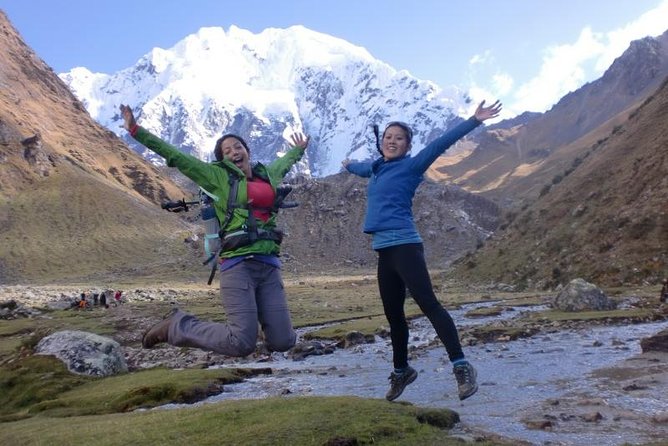
- High-pass day at 4,650m: the views are the whole point, and there’s even optional horse help for part of it
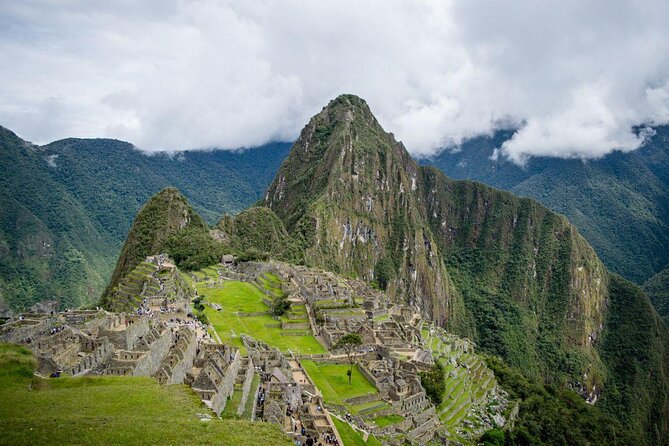
- Guided early Machu Picchu morning: you start with the misty-light timing and get a ~2-hour guided walk
- Real trail support: camping setup plus horsemen/mules to carry cooking gear and a portion of your load
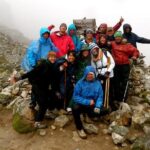
- Small groups: average group size is kept small, so pacing and logistics feel steadier
- Warm reset day: Santa Teresa brings lower altitude and the option of hot springs
- Vegetarian meals on trek: there’s a vegetarian option built into meals, if you request it in time
Salkantay to Machu Picchu: peaks, pass, then hot jungle
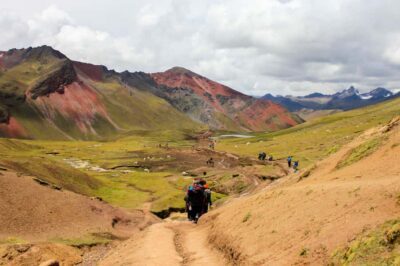
This trek earns its reputation because the route doesn’t just look impressive on a map. You start at high elevation, push through a challenging pass day, then gradually drop into a warmer region where rivers, waterfalls, tropical plants, and fruits show up. It’s a very practical way to experience “Peru’s big altitude change” in only 5 days.
What makes this version especially appealing is the flow: camping nights on the trek, then a hotel night in Aguas Calientes so you arrive at Machu Picchu with some actual recovery time. And the finish is not a rushed grab-and-go—there’s a guided tour on-site plus time to explore on your own.
If you want Machu Picchu without feeling like the entire trip is one long waiting line, this itinerary is built for hiking days that keep moving.
You can also read our reviews of more tours and experiences in Cusco.
Price and logistics: what the $797 includes (and what you’ll still pay)
At $797 per person, the value mainly comes from bundling the “moving parts” that add costs and stress later. You get hotel pickup in Cusco, transport to the trek start, transfers between regions, the train from Aguas Calientes to Ollantaytambo, and the bus back to Cusco. On top of that, you get a guide for the trek and the Machu Picchu tour, plus camping accommodation and a 3-star hotel night in Aguas Calientes.
Meals are also mostly handled: you’re looking at 4 breakfasts, 4 lunches, 4 dinners, plus 3 snacks during the trek days (and you’re explicitly told which meals are not included). You also have entrance fees covered and support staff (horsemen and mules) for cooking and camping equipment.
What’s not included is where you’ll need to budget a little extra:
- Sleeping bag
- Day 1 breakfast and Day 5 lunch (you’ll buy these on your own)
- Bottled water during the trek
- Optional add-ons like Santa Teresa hot springs (extra), bus/train shortcuts (extra), and peak hikes at Machu Picchu (extra)
- Tips (optional, but customary)
One more small heads-up: there’s a note that a Salkantay permit may be required (rates mentioned in the info). If that happens, you might pay an extra fee.
Cusco setup: pickup runs early, briefing runs mandatory
Your day starts aggressively (in the normal way for trekking Peru). You’re picked up between 5:00 and 6:00 am from Cusco. Before departure, there’s a mandatory pre-departure briefing at the operator’s Cusco headquarters the day before, scheduled at 5 pm, 6 pm, or 7 pm depending on your trek.
This briefing matters more than it sounds. You’ll get a checklist for what to bring, confirm your details, and get guidance on equipment. The info also says it’s wise to check in with your passport before the briefing, and you’ll need passport information at booking with no later changes allowed once confirmed.
If you’re the kind of person who likes to know what’s in your day-pack, this is your moment. If you hate paperwork, try to handle it early.
Day 1: Mollepata stop, Soraypampa lunch, and Humantay at 3,920m
Day 1 is about orientation through altitude. First you take the tourist-class bus from Cusco to Mollepata (2,900m), with a break to stretch and buy snacks. Then you drive to Challacancha for final prep and equipment checks.
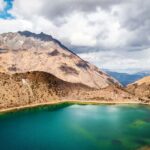
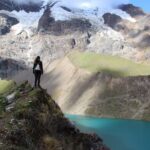
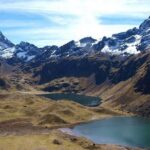
The hike begins with a trek to Soraypampa (3,920m), where lunch comes with big snow views. After that, you head up to Laguna de Humantay—about 1.5 hours each way—for the classic high-mountain lagoon perspective.
The key detail: your campsite on night one is at 3,920m and is described as the coldest of the trip. That means Day 1 isn’t just physically tough; it’s a “gear test.” Plan on warm layers and a realistic bedtime.
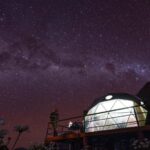
You’ll sleep in a tent setup with basic sleeping pads (and you should note the sleeping bag isn’t included).
Day 2: the 4,650m pass between Salkantay and Humantay
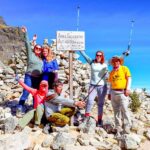
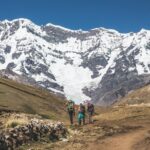
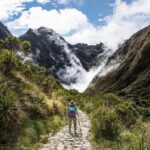
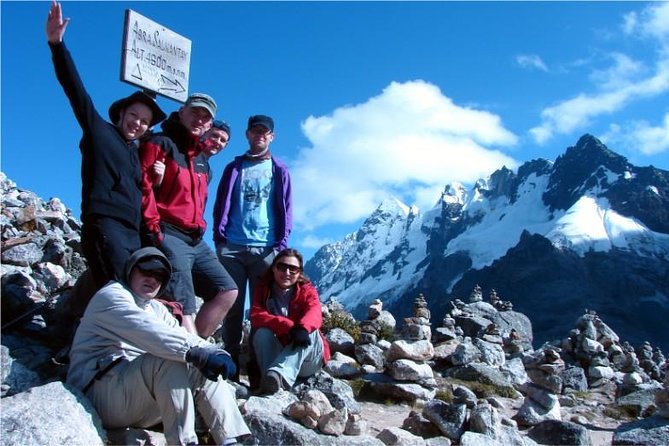
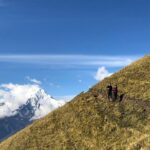
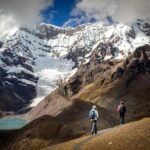
This is the day with the highest payoff—and the biggest altitude push. After breakfast around 6:00 am, you walk toward the highest pass at 4,650m, located between Salkantay (6,267m) and Humantay (5,900m). The info notes that snow is possible at the pass, so cold conditions aren’t a theoretical risk.
You’ll reach the pass after about 4 hours of hiking, then enjoy a downhill segment for roughly 2 hours to Huayracpampa for lunch. After that, you trek another 3 hours to camp near the start of the high jungle region around 2,900m, which is a noticeable drop from yesterday.
There’s also an optional option for your legs: horse rental to reach the high pass for about 100–120 soles. If you want the views without maxing out your endurance, this can be a smart compromise (and it’s worth asking about before you’re already tired).
The long day distance is also stated (about 22km and 9–10 hours), so start the morning steady and don’t race the clock.
Day 3: upper jungle crossing, La Playa lunch, then Santa Teresa relief
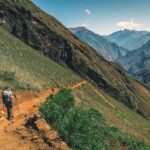
Day 3 shifts the scenery. After breakfast around 6:30 am, you trek through upper jungle terrain, crossing the Santa Teresa River and smaller brooks. The route description highlights valleys, waterfalls, and tropical plants and fruit—this is where the trek stops feeling like only rocks and snow.
Lunch is served at La Playa (2,200m), and then you transfer by car to Santa Teresa town (1,700m) for your campsite. That lower elevation is part of the design: you warm up, your pace likely improves, and you get a real break after two hard days.
In Santa Teresa, you also have an option to visit the hot springs (extra cost noted). Even if you skip it, having a warmer base town day gives you time to dry out and reset.
This day is shorter on the trail (about 15km and 5.5 hours), but don’t treat it as easy. Terrain can still feel sharp after the pass day.
Day 4: hydroelectric station box lunch and Aguas Calientes hotel night
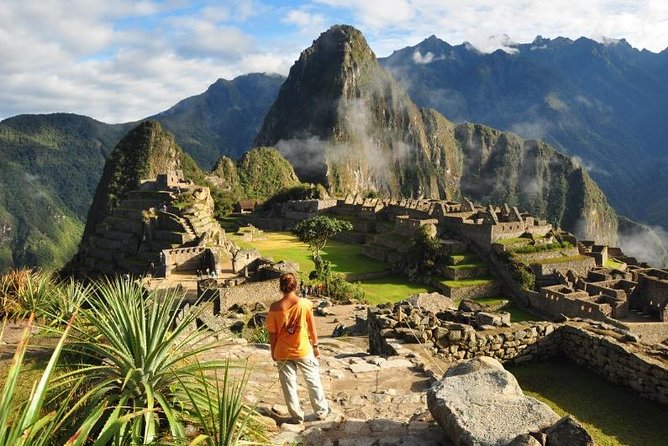
Day 4 is a bridge day that sets up your Machu Picchu morning. After breakfast (around 8:00 am), you hike a relatively relaxing path for about 3 hours to the hydroelectric station (1,880m), where you get a box lunch.
From there, it’s another about 3 hours (slight uphill) to Aguas Calientes (2,010m). This is the day you can breathe a bit. You get time to recharge before dinner at a local traditional restaurant, then you sleep in a 3-star hotel for the night.
Two optional logistics upgrades are mentioned:
- A bus transfer from Santa Teresa to the Hydroelectric Station (extra)
- A train transfer from Hydroelectric Station to Aguas Calientes (extra)
If your knees are waving the white flag, those shortcuts can be a comfort purchase. If you still want the full walking day, the standard hike is part of the experience.
Day 5: 5:30am bus to Machu Picchu and a guided 2-hour walk
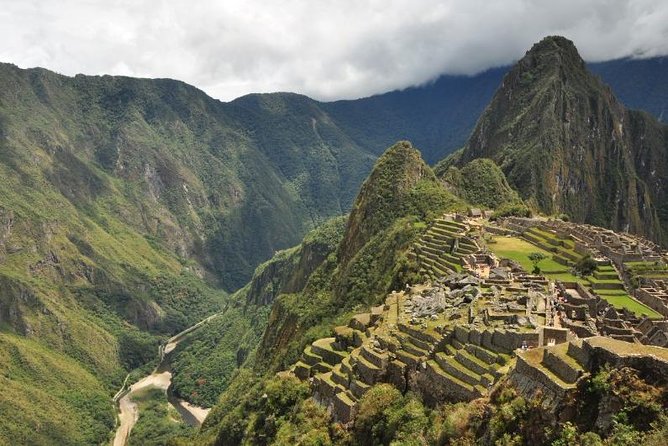
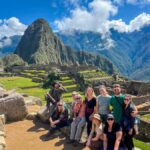
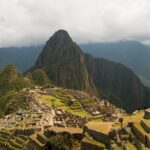
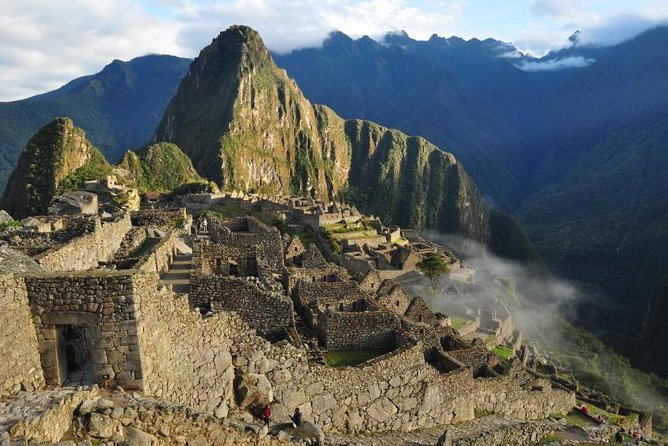
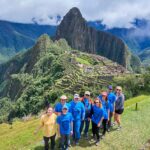
You’re leaving early—one of the first buses goes at about 05:30 am with a 25-minute ride to Machu Picchu. The benefit is simple: you reach the ruins for early light and misty conditions before the bulk of the day rolls in.
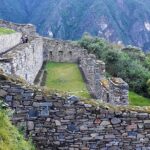
Your guided walking tour lasts about 2 hours, and afterward you explore on your own. If you want another level of climbing, there’s an optional Huayna Picchu hike inside the archaeological site. The info says it must be booked in advance at least 2 weeks ahead.
After exploring, you take the bus back down to Aguas Calientes. Then it’s train back to Ollantaytambo, and a bus transfer back to Cusco, dropped off late in the day at Plaza San Francisco. You’ll need to make your own way to your accommodation from there since a guide isn’t included for the transport legs.
The Machu Picchu portion is where your earlier effort pays off. You’ll feel it most when you stop rushing and let the scale sink in.
Food on trek: vegetarian option and mountain-cook consistency
Food is one of those details you only care about until you don’t have it. This trek is built around full meals and snacks across trekking days: breakfasts, lunches, and dinners, plus 3 snack offerings. The info says typical menus use warm, filling options, including porridge, quinoa/oats, egg dishes, and fruit.
If you choose vegetarian, there’s a vegetarian option for every meal, but you have to request it at least 2 days in advance. That means you’re not guessing at the last minute when you’re already tired.
Even the snack strategy is practical: hot tea items, coca/cocoa-type drinks, and simple trail foods are part of the plan. And because bottled water isn’t included, you’ll likely buy water as you go.
Gear and fitness: what will actually matter on the trail
This trek is demanding. The info explicitly says it’s important to be in good physical condition due to long days and major altitude and temperature shifts (from around 4000m down to 2000m). That matters because Day 1 and Day 2 are your altitude peaks, and Day 1 is also the coldest campsite.
You’ll want the packing list the operator suggests: hiking poles, rain pants, rain poncho, trekking boots, warm socks, sweater/thermals, hat, gloves, sunscreen, sunglasses, and a flashlight/torch. There’s also a suggestion to bring a waterproof bag for your camera, plus extra batteries since electricity can be limited or none during the trek.
One logistics detail worth appreciating: you don’t carry everything. Horsemen and mules support the group for cooking and camping gear, and your personal load is limited to a specific total (the info explains it as 7 kilos total per trekker, including sleeping bag/mattress weight plus personal items). You’ll still hike with your day needs, but it’s not a self-supported survival run.
Also, the trip includes an emergency oxygen bottle, which is reassuring for altitude concerns.
Should you book this Salkantay trek?
Book it if you want a high-altitude pass trek that still gives you structured recovery time: Santa Teresa at lower altitude, a hotel night in Aguas Calientes, and a guided Machu Picchu morning. The small-group setup (average around 4) and the fact that meals, transfers, and entrance fees are bundled make it a strong value for a 5-day itinerary.
Skip it or pick a different option if you already know you struggle with steep climbs, cold nights, and altitude swings. This route is built for people who can keep a steady hiking pace through long days, and the info is clear that it’s not a casual stroll.
One final practical note: the operator lists the experience as non-refundable and not changeable once booked. So be sure your dates and passport details are solid before you commit. If you’re going to add optional climbs like Huayna Picchu, plan ahead early because advanced booking is required.
FAQ
What time do I get picked up for the trek?
You’re picked up starting around 5:00 am to 6:00 am from Cusco (the start time is listed as 5:00 am).
How many nights are included, and where do I sleep?
It’s 4 nights total: 3 camping nights during the trek plus 1 night in a 3-star hotel in Aguas Calientes.
Is Machu Picchu admission included?
Yes. The tour includes admission tickets for Machu Picchu, and it includes the Machu Picchu tour with a guided walking portion.
What transfers are included in the price?
Included logistics cover Cusco pickup, transport to the trek start, a car transfer from La Playa to Santa Teresa, bus Aguas Calientes to Machu Picchu, train Aguas Calientes to Ollantaytambo, and a bus Ollantaytambo to Cusco (with drop-off late at Plaza San Francisco).
Do you provide vegetarian meals?
Yes, a vegetarian option is available. You need to request it at least 2 days in advance.
Do I need to bring a sleeping bag?
Yes. A sleeping bag is not included, though camping accommodation and basic sleeping pads are provided.
What optional activities cost extra?
Hot springs in Santa Teresa are extra, as are transportation shortcuts (bus to the Hydroelectric Station and a possible train transfer to Aguas Calientes). Inside Machu Picchu, Huayna Picchu is an extra add-on, and the optional Machu Picchu Mountain hike is also listed as an extra activity.
What’s the tipping guidance?
Tips are optional. The info provides recommendations: 40–60 soles per trekker for the guide, 30–40 soles for an assistant guide, 60–80 soles for each horseman from the whole group, and 150–200 soles for the cook from the whole group.