REVIEW · KATHMANDU
Short Everest Base Camp Trek 10 Days
Book on Viator →Operated by Eco Holidays Nepal · Bookable on Viator
One short trek packs big Everest energy. You fly into Lukla, then work your way toward Everest Base Camp in about 10 days, with the Sherpa world of Namche Bazaar and views tied to Everest’s giant neighbors. I also like that this trip is set up to keep logistics simple: pickup, flights included both ways, and a guide team that gets you from checkpoint to checkpoint with less stress.
The big consideration is that the mountains run the show. You’re dealing with altitude and time on your feet, and the flights and schedule depend on weather. Also, the trek gear is provided, but a porter is not included if you want one, so you should be ready to carry your share of items.
In This Review
- Key highlights you’ll care about
- Lukla to Everest: the part that feels like a movie
- Kathmandu logistics: what you’re responsible for vs. what’s handled
- Namche Bazaar and Sherpa life: where the trek turns human
- Tengboche monastery: a calm stop with big views potential
- Everest Base Camp and the Khumbu Icefall: what you’re actually chasing
- The 10-day pace: short duration, real time on your feet
- Price and value: $1,690 that’s mostly about what’s included
- Gear: comfort upgrades without a shopping trip
- Food and tea houses: what’s covered, and what costs extra
- Safety, guidance, and the human factor
- Who this trek fits best (and who should rethink it)
- Should you book this short Everest Base Camp trek?
- FAQ
- Where is the meeting point for this trek?
- How long is the Everest Base Camp trek?
- What does the price include?
- What is not included in the package?
- Are tea house accommodations included?
- What flights are included?
- Do I need to bring my own sleeping bag and down jacket?
- Is this tour private?
- What fitness level do I need?
- What happens if the weather is bad?
- What is the cancellation policy?
Key highlights you’ll care about
- The Lukla flight sets the adventure tempo immediately with round-trip airfare included
- Tea house nights are built into the plan, so you’re not hunting for beds each day
- Sherpa culture stops like Namche Bazaar make the trek more than just scenery
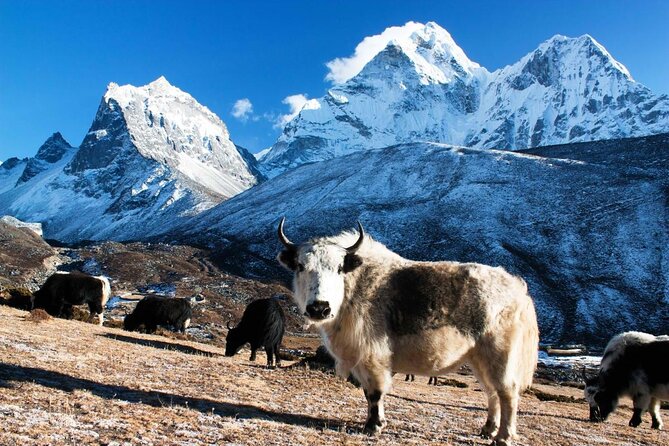
- Tengboche monastery and Khumbu views give you iconic landmarks without extra complicated add-ons
- Gear is included and returned (sleeping bag, down jacket, duffel), which cuts packing hassle
- A private setup for your group keeps the pace and decisions in your hands
Lukla to Everest: the part that feels like a movie
This is the kind of Everest trip where the journey starts before you even lace up your boots. The included flights connect Kathmandu and Lukla both ways, and that shortcut matters on a short 10-day schedule. Instead of spending days just getting into the Everest region, you jump in fast and start trekking while the excitement is still fresh.
I like that the trip is built around clear structure: pickup offered, air-conditioned vehicle included, and your tickets handled with a mobile ticket. That reduces the classic Kathmandu hassle loop—where you spend time coordinating transport, re-confirming things, and wondering if you’re in the right place.
One more plus: this trip is positioned as ideal for people with moderate fitness, not just elite trekkers. The route still climbs, but the “short Everest Base Camp” framing is meant to keep the timetable realistic.
You can also read our reviews of more tours and experiences in Kathmandu.
Kathmandu logistics: what you’re responsible for vs. what’s handled
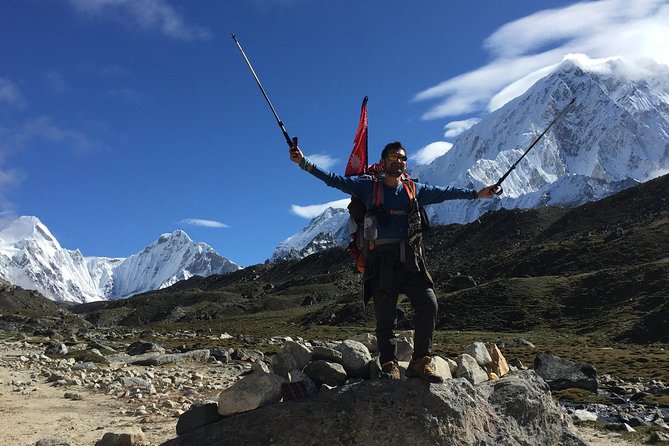
You meet at Tribhuvan Airport in Kathmandu, and the package includes an air-conditioned vehicle. That’s practical if you land tired or you’re arriving from international travel. The tradeoff is straightforward: a hotel in Kathmandu is not included, so you’ll want to plan at least one night (or more, depending on your arrival and departure times).
Also, you’ll want to think through what happens after the trek. The sleeping bag, down jacket, and duffel bag are provided for the trek and then returned after the hike. That’s great for comfort and packing, but it does mean you should not treat the gear like a souvenir run.
Namche Bazaar and Sherpa life: where the trek turns human
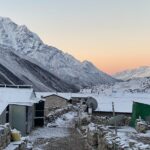
Everest Base Camp is the headline, but what makes this trek memorable is how often you get a window into Sherpa life along the way. The plan specifically calls out time around Namche Bazaar, described as the Sherpa capital, and the idea is to learn the lifestyle of local people rather than just walk through a place.
This matters for two reasons:
First, it adds meaning to the climbs. When you understand how people live with the mountains—trade, daily routines, mountain work—you feel less like you’re just “passing through” and more like you’re sharing the same air for a while.
Second, it helps with pacing. Namche-area stops often become natural moments to slow down, regroup, and adjust to altitude. Even without a detailed day-by-day schedule here, the overall concept stays consistent: you’re going toward Everest, but you’re also taking time where the environment demands it.
Tengboche monastery: a calm stop with big views potential
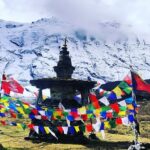
The trek route includes Tyangboche (Tengboche) monastery, described as an old monastery, plus a broader focus on Khumbu glacier and ice-related scenery later on. Monasteries at altitude tend to do two things at once: they offer a cultural pause and they give you a mental reset from trekking fatigue.
In practical terms, Tengboche is the kind of place where you’ll likely feel the weather shift faster. When the sky clears, you get the kind of views that make people stop walking and just look. When clouds hang on, the monastery still gives you something valuable: atmosphere, routine, and a sense of place even if the peaks are hidden.
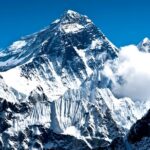
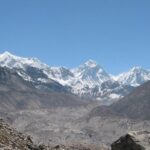
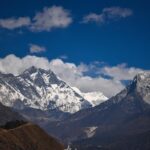
I also like that this trek doesn’t only sell you the word Everest. It names the surrounding giants too—neighboring peaks over 8,000 meters—so you’re thinking in scale while you hike.
Everest Base Camp and the Khumbu Icefall: what you’re actually chasing
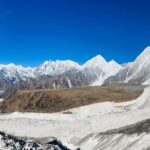
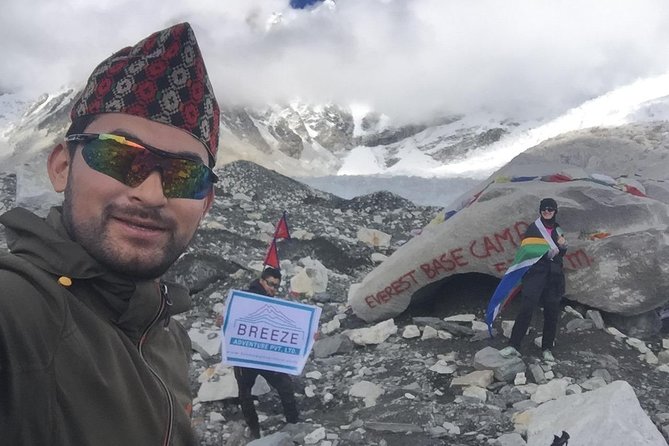
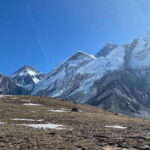
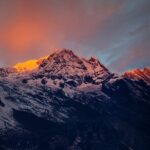
At the foot of Mount Everest, you’ll reach Everest Base Camp, where the whole region’s drama becomes more real. The plan highlights the Khumbu glacier and the Khumbu icefall as major sights along the route. Those are not “pretty-photo” details in a casual sense; they’re part of what makes Everest’s geography so intense and unpredictable.
When you see the icefall area, you understand why climbers take so long to plan routes and why the mountain demands respect. It’s also a reminder that Base Camp isn’t the summit—it’s the turning point where the adventure becomes concentrated, visual, and very close to the raw workings of the glacier system.
If you’re thinking about expectations: Base Camp is special, but you shouldn’t treat it like a city. This is a trek destination with altitude, cold nights, and a day-to-day rhythm that’s weather-dependent. Your “win condition” is being present and flexible enough to handle what the mountains hand you.
The 10-day pace: short duration, real time on your feet
A short Everest Base Camp trek can feel like a best-of package, but the math still includes altitude and hiking time. This experience is rated and marketed for moderate physical fitness, which is a helpful sign: it’s not only for ultra-fit people with lots of long hiking practice.
Still, you should expect days to be physically active. “Short” mostly means there’s less time spent on distant logistics and fewer “buffer” days. You’ll want to show up ready to walk consistently, not just a few big days.
One more practical note from real trekking experience patterns: when weather goes sideways, plans can shift. In past trips arranged by Eco Holidays Nepal, a snowstorm in October led one group to adjust from a longer multi-pass concept to Base Camp instead—and they ended up calling it a great decision. Translation for you: bring a flexible mindset, and don’t schedule overly tight connections at the end.
Price and value: $1,690 that’s mostly about what’s included
At $1,690 per person, the price isn’t low. But it is structured to reduce the usual “nickel-and-dime” mess that often happens in Nepal trekking.
Here’s what you get that usually costs real money if you build it yourself:
- Round-trip flights Kathmandu to Lukla and back
- Breakfast, lunch, and dinner during the trek
- Tea house accommodation throughout the hike
- A guide and necessary equipment for the trek: sleeping bag, down jacket, and duffel bag
- All fees and taxes included
- Route map and on-the-ground coordination
What’s not included (so you can budget without surprises):
- Coffee/tea (separately priced)
- Bottled water
- Alcoholic beverages and soda/pop
- Personal expenses
- Travel insurance
- Hotel in Kathmandu
- Porter if you need one
If you compare this to doing parts solo, the biggest value is time and coordination. Flights to Lukla are not trivial to line up, and the equipment situation can become a headache in peak season. This package removes a lot of decision fatigue.
My advice: if you hate last-minute logistics, the included structure is worth real money. If you already have trekking gear and you love planning everything yourself, you might be able to cut costs—just know you’ll trade money for effort.
Gear: comfort upgrades without a shopping trip
This trek includes necessary equipment like a sleeping bag, down jacket, and duffel bag, then you return the items after the trek. For many people, that’s a big deal because good cold-weather gear is expensive and bulky.
Practical takeaway: pack light within reason. You’ll still want layers and good trekking basics, but you won’t need to buy or borrow the core insulation and sleeping setup separately.
The down jacket inclusion also matters because nights at altitude can get cold fast. Even if days are active and you’re sweating on the trail, your evening comfort depends on insulation and sleep setup. This package addresses that directly.
Food and tea houses: what’s covered, and what costs extra
The plan includes breakfast, lunch, and dinner, plus tea house accommodation during the trek. That’s a good foundation, because meals and beds are the two most common daily variables when you hike independently.
But coffee/tea aren’t included, and bottled water isn’t included either. Those two points affect your daily spending in a very real way. You can keep costs under control by setting a daily limit for drinks and deciding ahead of time how you’ll handle hydration.
If you’re the kind of person who needs hot drinks to function in the morning, this is where your budget planning matters. You’ll likely end up buying those items anyway—you just don’t want to be shocked.
Safety, guidance, and the human factor
For a trek like this, you don’t just want someone who knows the route. You want a guide who is steady, organized, and attentive to safety and detail—especially around altitude and in changing weather.
In guide feedback associated with this trekking company, names like Pradeep, Dhruba Dharel (Dhruba), BK, and Susil come up with strong praise for being helpful, professional, and focused on keeping trips easy and stress free. One recurring theme is that the guide pays attention to details and keeps you safe at all times.
Even with a solid plan, you’ll appreciate that kind of guidance when the itinerary moves from village life to glacier scenery, where conditions can change quickly.
Who this trek fits best (and who should rethink it)
This short Everest Base Camp trek is a strong fit if you:
- Want the Everest experience in about 10 days without turning it into a months-long project
- Prefer a structured package with meals, tea house beds, and flights included
- Enjoy Sherpa culture stops like Namche Bazaar and the monastery experience
- Are ready for moderate fitness demands and consistent walking
Consider another option if you:
- Don’t handle altitude well or you’re unsure about moderate fitness
- Want a porter included by default (since porter service is not included if you need one)
- Have very strict timing for travel connections, because weather can affect operations and the trek requires good conditions
Should you book this short Everest Base Camp trek?
I’d book it if you want Everest Base Camp without turning your trip into a logistics project. The value isn’t just the itinerary name—it’s the way this package reduces uncertainty: flights are handled, meals and tea house lodging are covered, and the cold-weather gear is included so you can focus on hiking.
I’d hesitate if you’re trying to cut the trip down to a “bare minimum effort” vacation. This is still an active trekking experience, and the icefall and glacier areas are not the place for a casual attitude. Also plan for the fact that hotel in Kathmandu is on you, coffee/tea and bottled water are on you, and porter service isn’t included.
If you go in with solid walking stamina, a flexible mindset about weather, and respect for altitude, this is the kind of trek that pays back every step.
FAQ
Where is the meeting point for this trek?
The start is at Tribhuvan Airport, Kathmandu, Nepal.
How long is the Everest Base Camp trek?
The duration is 10 days, approximately.
What does the price include?
It includes breakfast, lunch, and dinner; an air-conditioned vehicle; all fees and taxes; both-way flights Kathmandu–Lukla–Kathmandu; necessary trek equipment like a sleeping bag, down jacket, and duffel bag; a route map; and tea house accommodation during the trek.
What is not included in the package?
It does not include coffee and/or tea, bottled water, alcoholic beverages, soda/pop, personal expenses, travel insurance, hotel in Kathmandu, or a porter if you need one.
Are tea house accommodations included?
Yes, tea house accommodation is included during the trek.
What flights are included?
Both way flight tickets are included for Kathmandu to Lukla and back to Kathmandu.
Do I need to bring my own sleeping bag and down jacket?
No. Necessary equipment like a sleeping bag and down jacket are provided, and the items are returned after the trek.
Is this tour private?
Yes. This is a private tour/activity, and only your group will participate.
What fitness level do I need?
The information provided says travelers should have a moderate physical fitness level.
What happens if the weather is bad?
This experience requires good weather. If it’s canceled due to poor weather, you’ll be offered a different date or a full refund.
What is the cancellation policy?
Free cancellation is available. You can cancel up to 24 hours in advance for a full refund, and refunds are based on the experience’s local time.