REVIEW · KATHMANDU
Everest Base Camp Trek
Book on Viator →Operated by Nepal Hiking Team · Bookable on Viator
Two weeks, one serious goal. This private guided Everest Base Camp trek is built for active travelers who want the classics without the stress of getting lost or keeping up with a faster group. You get a guide, porter support, and logistics handled, so your focus stays on views of Everest and the bigger Himalayan skyline around it.
I particularly like how the plan is structured around acclimatization instead of just marching upward. Hikes like the Everest View Hotel day and the Nagarjun hill day help you adjust before pushing toward higher villages. The itinerary also includes private bathrooms with hot showers at a few key stops (Phakding, Namche, Lukla), which matters when you’re wearing the same boots for days.
One drawback to consider is the early start and the reality of flight timing: the trek begins with a very early 2:15 am departure window, and Lukla flights can be weather-sensitive. Add in the fact this is a challenging trek, and you’ll want solid fitness and a flexible mindset.
In This Review
- Key things that make this Everest Base Camp package worth a close look
- Everest Base Camp with private pacing, not group chaos
- Kathmandu first: setting you up before you start the climb
- Getting to Lukla: the early start you should plan for
- Phakding to Namche: easing into altitude without losing the magic
- Acclimatization days: why the itinerary makes you slow down
- Tengboche, Dingboche, and the rhythm of Himalayan villages
- Lobuche and the approach toward Everest Base Camp
- Kala Patthar and the return leg to Namche
- Lukla flights and the end of the trek
- What’s included (and why that drives real value)
- The gear checklist: how to pack light and smart
- Who this trek suits best (and who should reconsider)
- Price vs. what you’re really buying: a quick reality check
- Should you book this Everest Base Camp trek?
- FAQ
- What days are included in the trek?
- Does the price include flights to Lukla?
- What meals do you get during the trek?
- Are lodging and permits included?
- Is a vegetarian option available?
- Is travel insurance included?
Key things that make this Everest Base Camp package worth a close look
- Private guidance at your pace: you’re not stuck matching someone else’s stride
- Certified English-speaking guide plus porter support (2 trekkers share 1 porter)
- Flights to Lukla via Ramechap round-trip, with transfers included
- Full-board meals and lodging from Phakding onward, plus tea/coffee
- Acclimatization days that actually slow you down on purpose
- A team that shows up by name in feedback, with guides such as Ram, Shyam, Vishma, and Paban repeatedly mentioned
Everest Base Camp with private pacing, not group chaos
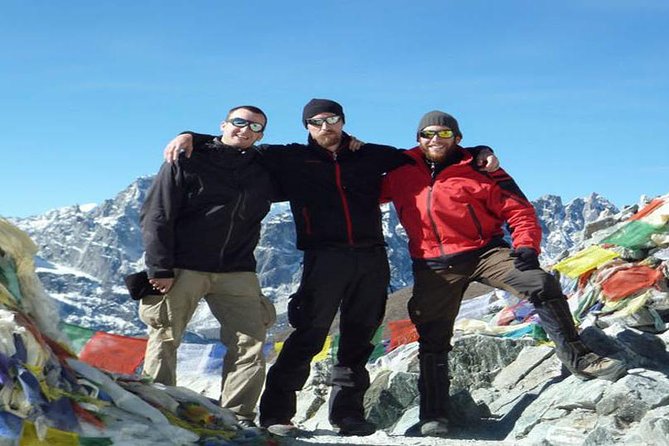
Everest Base Camp is the kind of place that makes people forget sleep, snacks, and maybe common sense. The good news: you don’t have to do it the hard way. This trek is designed around a simple promise: you get a guide to keep things safe and straightforward, and you get support so you can focus on the walk and the mountain.
The private setup is a big part of the value. Instead of doing mental math on trail junctions or worrying about whether you’re going in the right direction, your guide handles navigation and pacing choices. That also means you can build in short breaks when your body asks for them.
I also like that the trek aims to protect your energy for the hard days. The route includes multiple altitude check-ins, plus “go up a bit, then come down” style hikes during acclimatization days. That’s the difference between arriving at higher points feeling human versus arriving feeling like your legs filed a complaint.
You can also read our reviews of more tours and experiences in Kathmandu.
Kathmandu first: setting you up before you start the climb
Day 1 is arrival in Kathmandu, followed by a couple nights in a 3-star hotel. It’s not luxury camping, but it’s a helpful base: you get a stable bed, a shower before the trek, and time to settle logistics. For many people, Kathmandu is the most confusing part of the entire trip, so having airport pickup and drop-off by car removes a layer of stress.
You’ll also be dealing with the reality of permits and paperwork. This package includes the permits, plus government taxes and office service charges. That matters because the Everest region still requires official access, and you don’t want to spend your first days in Nepal tracking down documents.
If you’re traveling solo, you’ll still likely appreciate the “one team has everything” approach. The feedback repeatedly calls out quick communication from the team leadership in the lead-up, and that tends to be a comfort when you’re waiting on details like flight timing and gear planning.
Getting to Lukla: the early start you should plan for
Day 2 is where the trek becomes real: drive to Ramechap, fly to Lukla, then trek to Phakding (about 8 km in roughly 3 hours). You start at 2:15 am from the meeting point, which is early even by airport standards.
This early departure is one of those tradeoffs you can’t avoid on the classic route. The good part is that your itinerary doesn’t just dump you on the trail. It gives you a first walking day that’s long enough to wake up your body, but not so long that you feel destroyed before acclimatization even begins.
Also note the porter setup. The package includes a guide and a porter, with the rule that 2 trekkers share 1 porter. That’s a meaningful relief once you’re carrying layers, water bottles, and the stuff you’ll want at higher altitudes.
Phakding to Namche: easing into altitude without losing the magic
Day 3 is a longer step up, with a trek to Namche Bazaar (about 10 to 12 km, around 6 hours) at roughly 11,283 ft. Namche is the main “hub” in the region, and it’s where your days start to feel like they’re following an altitude rhythm: climb, rest, adjust, repeat.
What you gain here is mental clarity. Once you’re in Namche, the trek stops feeling like pure chaos and starts feeling like a system. And your guide’s job becomes easier too, because the route, lodges, and pacing are all familiar.
One practical perk: the trek includes full-board meals during the walking days, with tea/coffee. That means fewer decisions each morning. You’ll still want to listen to your body, but you’re not also trying to budget energy around finding food.
Acclimatization days: why the itinerary makes you slow down
Day 4 is an acclimatization hike to Everest View Hotel (about 3 to 4 km, 3 to 4 hours) around 12,995 ft. Day 7 is another acclimatization day, with a hike to Nagarjun hill and back (about 5 to 6 km, 4 to 5 hours).
This is one of the most important parts of the whole trip. “Slow” isn’t the point. “Correct” is. Those acclimatization hikes help your body learn how to function as oxygen gets thinner. They also give you a chance to check how you respond: do you get headaches, nausea, or a heavy chest? Your guide can adjust if you need it.
The value here is subtle but real. A good acclimatization plan saves you from the worst version of Everest Base Camp: getting pushed to keep an artificial schedule. With a private guide and a paced itinerary, you can take altitude seriously without turning the trek into panic.
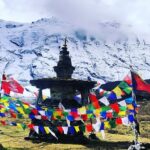
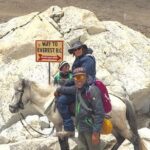
Tengboche, Dingboche, and the rhythm of Himalayan villages
Day 5 treks to Tengboche (about 10 to 11 km, around 5 hours) at roughly 12,660 ft. Day 6 goes to Dingboche (about 11 to 12 km, around 5 hours) at roughly 14,464 ft.
These days are where the trek starts mixing “beautiful” with “work.” The distance is manageable, but the air gets thinner, and the climbs feel steeper than they look on paper. This is also where having a guide helps beyond navigation. Your guide can help you choose the right pace and breathing rhythm, and can nudge you toward smart rest stops.
Accommodation is lodge-to-lodge, so you’ll always be moving toward a planned overnight stop. The package includes the “best available” twin sharing lodge options, with private bathrooms with hot showers at Phakding, Namche, and Lukla. Hot showers at altitude aren’t about comfort alone; they’re also about recovery.
Lobuche and the approach toward Everest Base Camp
Day 8: trek to Lobuche (about 11 to 12 km, around 5 hours) at roughly 16,105 ft. Day 9 is the big one: trek to Gorakshep, go to Everest Base Camp, then back to Gorakshep (about 14 to 15 km total, around 8 hours).
This is where you’ll feel the altitude the most. It’s also where the trek becomes iconic. Base Camp itself is 5,364 m / 17,594 ft according to the itinerary data. Reaching it is less about speed and more about stamina, calm pacing, and not overreaching.
Practical note: Day 9 is long. Plan to treat it like a steady grind, not a sprint to the finish line. Your guide’s role becomes crucial here. With private pacing, you can maintain a rhythm that helps you keep your form as the day goes on.
Kala Patthar and the return leg to Namche
Day 10: trek Kala Patthar, then trek down to Pheriche (about 13 to 14 km, around 7 hours), ending at roughly 4,210 m / 13,810 ft. Day 11 goes back to Namche (about 14 to 15 km, about 7 hours). Day 12 is the long walk to Lukla (about 18 to 19 km, about 7 hours).
The “return” days are often underestimated. Many people focus on the summit dream and forget that legs feel heavy on the way down too, especially when you’re tired. Still, descending is part of the strategy: you’re moving toward more comfortable altitude while keeping your pace consistent.
Kala Patthar is often the photo moment for Everest-area trekkers, and Day 10 is built to put you in position for those views while still allowing a full return day afterward. The timing also sets up your final flight out of Lukla on Day 13.
Lukla flights and the end of the trek
Day 13: fly to Ramechap, then drive to Kathmandu. Day 14: departure.
The flying leg is the only part of the plan that can feel out of your control, because the route depends on weather. That’s why a flexible mindset matters. Still, this package includes round-trip flights to/from Lukla via Ramechap, plus transfers, so you’re not left guessing.
When you finally return to Kathmandu, you also get something important: a proper end point. There’s no “keep hiking until you’re done” feeling. It’s planned, timed, and organized.
What’s included (and why that drives real value)
This trek is priced at $1,790 per person for approximately 14 days. That’s not cheap, but it’s also not just paying for a route. You’re paying for a stack of logistics that typically costs time, effort, and risk when you try to DIY it.
Here’s what you’re getting:
- Airport pickup and drop-off by car in Kathmandu
- Full board meals (breakfast, lunch, dinner) during the trek, plus tea/coffee
- Lodge-to-lodge accommodation
- Seasonal fruits
- Round-trip Lukla flights via Ramechap, including transfers
- Trekking map and an achievement certificate
- First aid medical kit
- Permits handled, plus taxes and office service charge
- Two nights in Kathmandu at a 3-star hotel
The guide and porter are where the “value” becomes personal. You’re not just buying transportation and a bed. You’re buying a safer experience and a better pace for your body. The package provides 1 professional English-speaking certified guide, plus a porter (with the 2 trekkers: 1 porter rule). That porter arrangement is a practical weight relief, especially since trekking gear adds up fast.
Also: a vegetarian option is available if you tell them at booking. That avoids the most annoying kind of trekking day—one where your food choices are limited.
The gear checklist: how to pack light and smart
Even with a porter, packing wrong can ruin your first three days. This package includes a complimentary water and a windproof duffel/kit bag, but you still need one extra big duffel or suitcase for non-trek items stored at your Kathmandu hotel.
The checklist is detailed and worth following because it’s tuned to cold and wind exposure. Key items include:
- Sleeping bag rated to zero degrees F (not just “warm,” but actually rated)
- Headlamp with spare batteries
- UV-protective sunglasses
- A waterproof shell jacket and waterproof shell pants
- Gloves (including heavier mittens for colder spells)
- Trekking poles
- A day pack around 20 to 22 liters
- Water bottles
Here’s my practical advice: plan your layers like a system, not a pile. Your day temperatures swing, especially as you climb higher and then return downhill. If your layers don’t work together, you’ll spend the day fiddling instead of walking.
Also, keep in mind the porter limit: up to 25 kg maximum. Don’t pack like you’re going camping for a month.
Who this trek suits best (and who should reconsider)
This trek is best suited to fit, active travelers, and it’s a challenging route. If you’re comfortable with long days of uphill hiking, and you’re willing to take acclimatization seriously, this is a strong fit.
It may be less ideal if you:
- Want a gentle stroll with short distances and lots of sitting
- Have major mobility limits
- Hate early mornings and long travel days (Day 2 starts at 2:15 am)
- Don’t handle altitude uncertainty well
That said, the private guide format can be a huge advantage for many people. Several named guides show up in feedback over different trips, including Ram, Shyam, Vishma, and Paban. Even without hearing their exact coaching style, the recurring pattern is clear: you’ll have a guide who’s done this enough times to manage both route and people.
Price vs. what you’re really buying: a quick reality check
At $1,790, you’re paying for the “known costs” of a classic Everest-area trek:
- Lukla flights via Ramechap
- Permits
- Lodges
- Meals
- Two nights of Kathmandu hotel
- A professional guide plus porter support
- Core gear support like the duffel/windproof bag and a map
If you tried to recreate this on your own, you’d likely spend a lot of time coordinating guides, permits, flights, and lodge logistics under tight windows. The hidden cost is risk: getting things wrong at high altitude isn’t just inconvenient.
So I view the price as paying for fewer moving parts and more consistency. The trek feels like a plan built by people who know how the route works, not just a brochure itinerary.
Should you book this Everest Base Camp trek?
Book it if you want:
- Private guided pacing so you can walk comfortably
- Logistics handled from Kathmandu through the Lukla flights
- Acclimatization built into the schedule
- Full-board meals and lodge support that removes daily decisions
- A team that people associate with smooth organization and supportive guiding, including guides like Ram, Shyam, Vishma, and Paban
Skip it or ask more questions first if you:
- Are very sensitive to early mornings and long travel days
- Are worried about weather and flight uncertainty
- Prefer a lighter, less demanding trek overall
FAQ
What days are included in the trek?
The package is approximately 14 days, starting with arrival in Kathmandu and ending with departure after flying back from the Lukla area.
Does the price include flights to Lukla?
Yes. Round-trip flights to and from Lukla via Ramechap are included, along with transfers.
What meals do you get during the trek?
You get full-board meals during the trek (breakfast, lunch, and dinner), plus tea and coffee.
Are lodging and permits included?
Yes. Accommodation is included lodge-to-lodge, and the required permits are included as part of the package.
Is a vegetarian option available?
Yes. A vegetarian option is available if you advise them at booking.
Is travel insurance included?
No. Travel insurance is listed as not included, so you’ll need to arrange it separately.