REVIEW · KATHMANDU
Everest Base Camp Trek
Book on Viator →Operated by Adventure Bound · Bookable on Viator
Everest isn’t just a climb, it’s a plan. You follow in the footsteps of Tenzing Norgay Sherpa and Edmund Hillary through the Khumbu region, ending at Everest Base Camp with plenty of high-altitude viewpoints along the way. What makes this experience feel different is that you’re not stuck solving logistics while your body is already working hard.
I like two things a lot. First, you get all the trekking-day basics handled: private airport transfers in Nepal, round-trip Kathmandu–Lukla flights, and full-board meals with twin-share lodge accommodation. Second, the trek includes built-in acclimatization days at Namche Bazaar and Dingboche, which matters when you’re heading up toward Kala Pattar and then back down. One consideration: the Lukla flight portion can be delayed or even canceled for hours or days because of mountain weather, so you’ll want breathing room in your schedule.
In This Review
- Key things that make this Everest Base Camp trek click
- Your 12-Day Everest Base Camp Plan, with logistics handled
- Price and what you’re actually getting for $1,380
- Kathmandu to Lukla: Day 1 is mostly about breathing
- Lukla to Namche Bazaar: Day 2 and why you shouldn’t rush it
- Acclimatization at Namche Bazaar: Day 3 is not wasted time
- Tengboche and Dingboche: Day 4 and the slow push upward
- Dingboche to Lobuche: Day 7 turns the trek into a true expedition
- Gorak Shep and Everest Base Camp: Days 8 and 9 are about timing and effort
- Kala Pattar to Pheriche: Day 9 downshift is your reward
- The return: Days 10 and 11 bring you back through the Khumbu rhythm
- Flight reality: Lukla can mess with timing, so plan with margin
- What’s included, and what to budget for before you go
- Who this Everest Base Camp trek is best for
- Should you book this Everest Base Camp trek?
- FAQ
- How long is the Everest Base Camp trek?
- Where does the trek start and end?
- Are meals and accommodation included?
- What flights are included?
- Are permits included?
- Is there an acclimatization day?
- What is the highest point on the trek?
- Is travel insurance included?
- Is this trek private?
Key things that make this Everest Base Camp trek click
- Private and customizable: your schedule can adjust to real conditions, including safety focus around altitude.
- Meals and lodge stays are covered: breakfast, lunch, and dinner during the trek, plus twin-sharing lodging each night.
- Acclimatization built in: a stop at Namche Bazaar, then another at Dingboche, before you push higher.
- High point for views: Kala Pattar gives you another chance at big Everest-area panoramas.
- Permits handled: Sagarmatha National Park permits and TIMS fee are included.
- Emergency escape option: helicopter rescue can be arranged for urgent situations, when conditions allow.
Your 12-Day Everest Base Camp Plan, with logistics handled
This trek is built around a simple idea: you should spend your energy walking and adjusting, not chasing paperwork or arguing about transport. From Kathmandu, you fly to Lukla, start the trek through Sherpa villages and forested trail sections, then gradually climb your way up to higher plateaus and viewpoints. After reaching Everest Base Camp, you return the same way, dropping in altitude step by step until you’re back in Kathmandu.
Because it’s a private, guided setup, you should expect a more “your pace” feel than the mass-departure style of some group treks. That doesn’t mean the route is easy. Everest Base Camp is still a real altitude challenge. But it does mean you’re more likely to get practical help with day-to-day decisions: when to slow down, what to focus on during acclimatization, and how to manage the long flight days on either end.
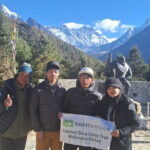
Also, the team handling your trip matters. In past journeys organized by Adventure Bound, people have credited guides by name—Raji, Chakra, Santosh, Raj, and Raman—for keeping the trip organized and making smart choices when things got complicated. It’s a small detail that turns into a big one once you’re on steep, thin-air days.
You can also read our reviews of more tours and experiences in Kathmandu.
Price and what you’re actually getting for $1,380
At $1,380 per person for roughly 12 days, this trek sits in the “serious but not chaotic” category. The value comes from how many core items are included rather than added on later:
- Round-trip flights between Kathmandu and Lukla, including departure taxes
- Private vehicle transfers in Kathmandu (pickup is offered) and domestic airport transfers
- Full board meals during the trekking portion
- Twin-sharing lodge accommodation throughout the trek
- Guide support plus a first-aid medical kit
- Sagarmatha National Park permits and TIMS fee
- Government taxes and office service charge
So what are you paying for, beyond the view? You’re paying for someone to coordinate the moving parts: the flight schedule you can’t control, the permits you don’t want to mess up, and the daily rhythm of food and lodging that makes trekking possible. If you’ve ever tried to piece together a trek in Nepal by yourself, you know the time and stress can eat your vacation.
That said, budget for what isn’t included. You’ll still need travel and rescue insurance (not optional in real life), plus personal expenses like phone calls, laundry, and battery recharge. If you want a porter, that’s also listed as optional.
Kathmandu to Lukla: Day 1 is mostly about breathing
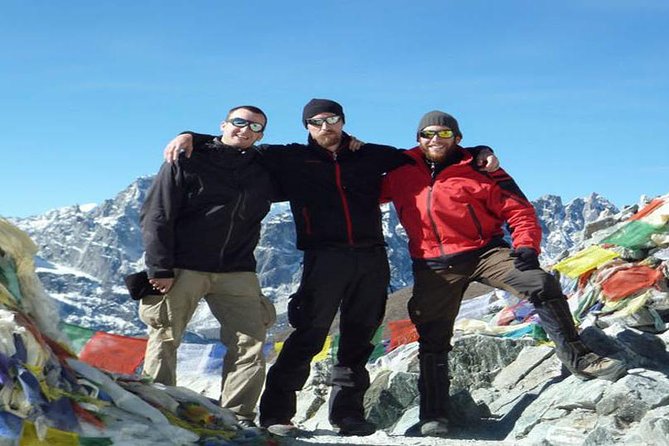
Day 1 starts with flying from Kathmandu to Lukla, then trekking to Phakding (about 2,652m). This day usually feels like a warm-up, but don’t treat it as easy. You’re going from Kathmandu’s lower altitude to a mountain airfield, then immediately hiking.
Phakding is a good first step because it gets you onto the trail before you start climbing hard. It’s also the first place where your body starts telling you what it thinks about the altitude and pace. For me, this is where you set your behavior for the whole trip: slow steps, steady breathing, and hydration before you feel thirsty.
Logistics matter here too. The included private transfers in Nepal and the organized flight mean you aren’t spending your first day tracking down connections. That’s a big deal when you’re already nervous about the Lukla flying portion.
Lukla to Namche Bazaar: Day 2 and why you shouldn’t rush it
Day 2 is the big jump in hiking effort: trek to Namche Bazaar (about 3,446m). This is where the trek starts feeling like it means business. Namche Bazaar is higher, busier, and more of a hub for the Khumbu region. Expect your legs to feel it, but also expect your motivation to kick up because the views and village energy start to shift.
The practical key here is that you don’t “win” this trek by going fast on Day 2. You win by arriving feeling functional enough to acclimatize on Day 3. If you’re tempted to push, remind yourself: the itinerary intentionally puts a rest day on Namche Bazaar.
Acclimatization at Namche Bazaar: Day 3 is not wasted time
Day 3 is listed as acclimatization at Namche Bazaar (around 3,446m). This is the smartest part of the plan, because altitude problems don’t care about your enthusiasm. You’re meant to give your body time to adjust before you head toward higher terrain like Tengboche.
If you’ve never trekked at altitude before, here’s how to think about this day: it’s your chance to watch how you feel. You’re looking for signs that your body needs slower pacing or more recovery. Since the company offers flexibility and has adapted plans in past situations for safety against altitude sickness, you should feel comfortable asking for advice from your guide if you’re feeling off.
This is also the day you’ll start learning the routine you’ll repeat later: how often you drink, how you pace uphill, and how you recover downhill. That may sound simple, but small habits keep you moving safely across multiple high-altitude days.
Tengboche and Dingboche: Day 4 and the slow push upward
Day 4 takes you to Tengboche (about 3,820m). This is still within the “climb with purpose” range, and the route continues through Sherpa villages and areas tied to monastery culture, which is part of the Khumbu experience described in the trek approach.
Then Day 5 climbs to Dingboche (about 4,410m). This is a more serious altitude step. You’ll likely notice that breathing costs more effort and that your pace naturally slows. That’s normal.
Day 6 is another acclimatization day at Dingboche. Again, this matters. Dingboche’s job in the itinerary is to help you transition from the lower, easier-to-adjust zones to the higher, thinner-air stretches that come next. In a trek context, these built-in rest days are not “breaks.” They’re part of the survival math.
Dingboche to Lobuche: Day 7 turns the trek into a true expedition
Day 7 climbs to Lobuche (about 4,930m). At this point, the trek feels more like an expedition and less like a hike. The air is thinner, the effort climbs, and you’re heading toward some of the highest sections of the itinerary.
Even if you feel good, don’t assume that means you can speed up. This is where steady walking wins. Your goal is to arrive at Lobuche with enough energy left to enjoy the next days rather than spending every step fighting exhaustion.
Gorak Shep and Everest Base Camp: Days 8 and 9 are about timing and effort
Day 8 is two parts: trek to Gorak Shep (about 5,140m) and then hike on to Everest Base Camp (about 5,364m). Day 9 continues from there: trek to Kala Pattar (about 5,554m) and then return to Pheriche (about 4,243m).
If you do only one thing well on this section, it’s to manage energy. Getting to base camp is a goal, but it’s not a sprint. You’ll want to move slowly enough to keep breathing steady, especially when the day’s altitude jumps begin to stack up.
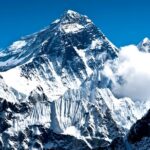
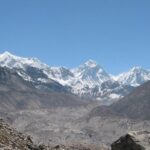
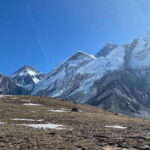
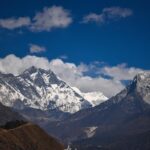
What I like about this itinerary is that it doesn’t treat base camp as the only highlight. Instead, it gives you a second major viewpoint day via Kala Pattar. The itinerary’s structure also lines up with the big payoff described for the route: along the way you’re positioned to see views of several 8,000-meter peaks, not just Everest.
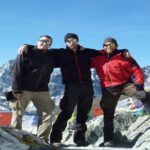
From Gorak Shep onward, the terrain becomes more exposed and your body notices altitude more strongly. This is also where a supportive guide helps—people have credited guides like Raji and Raj with problem-solving and calm decision-making when conditions required adjustments.
Kala Pattar to Pheriche: Day 9 downshift is your reward
Day 9 finishes with a descent back to Pheriche (about 4,243m) after reaching Kala Pattar (about 5,554m). This is where the trek gives you a bit of emotional balance. You’ve done the high point work, you’ve earned the view, and now you shift gears to recovery.
Descending is still physical, but it’s usually easier on your body than climbing at altitude. It’s also a psychological win. If you’re feeling low energy after the high point, this day helps you reset.
The return: Days 10 and 11 bring you back through the Khumbu rhythm
Day 10 returns to Namche (around 2,840m). Day 11 continues to Lukla (around 2,840m). By now, you understand the rhythm: uphill costs more, downhill requires careful foot placement, and resting between walking blocks matters.
The value of this return route is that you get to see familiar parts of the trail with a new perspective. It’s not the same “look at the scenery” feeling as the first days. It’s more like, I know what that bend means now. I know how my body reacts to that stretch. And I know I can keep moving.
If you’re traveling with limited time in Nepal, you’ll still want to treat Day 10 and 11 as real travel days, not sightseeing days. The Lukla flights are a known variable, and the itinerary is designed with that in mind.
Flight reality: Lukla can mess with timing, so plan with margin
One of the most important parts of this trek isn’t about hiking at all. It’s about knowing that flights between Kathmandu and Lukla can be delayed by hours or canceled for a day or more due to mountain weather, even in peak seasons.
So here’s your practical approach:
- Mentally prepare for waiting at Kathmandu or Lukla airports.
- Keep contingency time at the start or end of your trip if you can.
- Understand that the team will try to get you onto the earliest next flight, but there’s sometimes a queue and it might not move quickly.
For emergencies and urgent schedule recovery, a helicopter option is listed. The tentative cost mentioned is about US$ 3,000 per lift, accommodating up to 5 people, with helicopter access from Kathmandu and Lukla. It’s not a guarantee and can depend on weather, but it exists as a plan B.
This is where I think the itinerary’s flexibility note is genuinely useful. It helps you think like a trekker instead of like a tourist racing a calendar.
What’s included, and what to budget for before you go
Here’s the clean line between included and extra based on the trek details you were given.
Included in your trek fee:
- Round-trip flights Kathmandu–Lukla and Lukla–Kathmandu, including departure taxes
- Domestic airport drop/pickup in a private vehicle
- Full board meals (breakfast, lunch, dinner) during trekking
- Twin-sharing lodge accommodation
- Experienced, friendly guide
- First aid medical kit
- Sagarmatha National Park permits
- TIMS fee
- Government taxes and office service charge
- Mobile ticket
Not included (plan money for these):
- Travel and rescue insurance
- Extra Kathmandu nights/meals if flights change the schedule outside the planned itinerary
- Personal expenses (phone calls, laundry, bar bills, battery recharge, shower, and more)
- Porter options (if you choose to add one)
- Tips for guides and porters
- Bottle or boiled water is listed as personal expense
A note that matters: insurance isn’t just paperwork. At high altitude, weather disruptions and medical issues are part of the real risk picture. This itinerary gives you support options, but you still need coverage to protect your financial health.
Who this Everest Base Camp trek is best for
This trek fits best if you:
- Want a guided, private experience with trekking-day logistics covered
- Have moderate physical fitness and are ready for steady uphill hiking at altitude
- Prefer a route with intentional acclimatization stops at Namche Bazaar and Dingboche
- Understand and accept the flight timing risk tied to Lukla
It may not fit well if you:
- Have a hard fixed schedule that can’t absorb airport delays
- Don’t want to manage the reality of altitude and want zero risk tradeoffs
- Prefer to handle permits, lodging, and daily logistics yourself
Age-wise, the minimum age is 8, which suggests this is designed for a range of trekkers, as long as people can handle the trekking and altitude demands.
Should you book this Everest Base Camp trek?
I’d book this trek if you value structure. You’re paying for guide support, meals, lodging, permits, and the flight + transfer framework so you can focus on hiking and acclimatizing.
Skip it—or at least rethink dates—if your schedule can’t tolerate possible Lukla delays. Even with the best planning, weather can win. Also, make sure you’re comfortable with the altitude profile implied by the stops: Namche, Dingboche, Lobuche, Gorak Shep, base camp, and the high point at Kala Pattar.
If you want my simple decision rule: if you can give yourself a little time flexibility and you’re ready for a real altitude trek, this is a strong, practical way to reach Everest Base Camp without turning your vacation into a logistics project.
FAQ
How long is the Everest Base Camp trek?
The itinerary is about 12 days.
Where does the trek start and end?
It starts in Kathmandu with flights to Lukla, then trekking through the Khumbu region to Everest Base Camp, and finally flying back to Kathmandu.
Are meals and accommodation included?
Yes. Full board meals (breakfast, lunch, dinner) and twin-sharing lodge accommodation are included during the trek.
What flights are included?
Round trip flights Kathmandu to Lukla and Lukla to Kathmandu are included, including departure taxes.
Are permits included?
Yes. Sagarmatha National Park permit fees and the TIMS fee are included.
Is there an acclimatization day?
Yes. The itinerary includes acclimatization stops at Namche Bazaar and Dingboche.
What is the highest point on the trek?
Kala Pattar is listed at about 5,554m.
Is travel insurance included?
No. Travel and rescue insurance is not included.
Is this trek private?
Yes. It is described as a private tour/activity, so only your group participates.