REVIEW · KATHMANDU
Everest Base Camp Trek
Book on Viator →Operated by Sublime Trails Pvt. Ltd · Bookable on Viator
Everest starts with a single hair-raising flight. This guided trip ties together Lukla flights and all-inclusive trekking support, so your energy goes to walking high rather than wrestling logistics.
I especially like the built-in rhythm of daily lodge meals (breakfast, lunch, dinner) during the trek, plus porter help to lighten your load. I also like that you’re trekking with an experienced mountaineering guide, including hands-on route support and in-the-moment decision making.
One real consideration: weather-sensitive Lukla flights and the altitude mean this is not a casual walk, even when everything runs smoothly.
In This Review
- Key highlights to know before you go
- Getting to Everest: Kathmandu and the Lukla switch-over
- Two nights in Thamel: your practical pre-trek day
- Lukla to Phakding: day one hiking with a gentle landing
- The 11 trekking days: high passes, village days, and steady effort
- Returning to Kathmandu: two days to decompress
- Who runs the show: guide, porters, and real support
- Price and value: what $1,750 covers and why it matters
- Altitude, weather, and the one thing you can’t control
- Packing and daily costs: water, drinks, and comfort trade-offs
- Group size and flexibility: small team, clearer support
- Who should book this Everest Base Camp trek?
- Should you book Sublime Trails for Everest Base Camp?
- FAQ
- What city do I start from?
- Are airport transfers included?
- How many nights are in Kathmandu?
- Are flights to Lukla included?
- Where does the trek begin and how does day one start?
- Are meals included during the trek?
- What about meals in Kathmandu?
- Is a guide included?
- Do I need travel insurance?
- Is there a cancellation window for a full refund?
Key highlights to know before you go
- Round-trip flights to Lukla are included: You’re not left to gamble on flight planning or hunt down connections.
- Meals and lodge stays are covered during the trek: Fewer decisions, more time to focus on acclimatizing and hiking.
- Guide + porter support is part of the package: You’ll have help for both navigation and carrying.
- Kathmandu includes a hotel reset: Two nights around Thamel gives you time to get ready before heading up.
- Small group size (max 16 travelers): More personal attention than you’d get on huge departures.
- First-aid support travels with your guide: A Sublime First Aid kit is carried by the team.
Getting to Everest: Kathmandu and the Lukla switch-over
The Everest Base Camp trek doesn’t start on a trail. It starts in Kathmandu, with an airport pick-up and a transfer to a 3-star hotel for your first two nights. That matters because the best treks feel smooth at the beginning: you sleep, eat, and get your bearings before you lose cell signal and modern conveniences.
After your hotel breakfast, you’ll get a short trek briefing. This isn’t just “here’s your gear list.” It’s the moment where your guide explains what’s ahead and helps you understand how the days will likely feel at altitude. When you’re doing a long, high walk, small planning details can prevent big stress.
Then comes the pivot day: the flight to Lukla. This is where the program’s structure helps. Instead of trying to coordinate flights on your own, you’re set up for the trek start right after arrival in Lukla. One of the most common trip-killers on Everest routes is last-minute chaos around flight timing; this package tries hard to keep that from being your job.
You can also read our reviews of more tours and experiences in Kathmandu.
Two nights in Thamel: your practical pre-trek day
You’ll land in Kathmandu and meet representatives who handle the airport pick-up and transfer by drove (so you’re not figuring out rides while jet-lagged). You’ll also have time to breathe—shopping, walking, and getting a final look at Thamel’s streets.
Here’s what I’d do with that time if it were me: don’t overbook your schedule. Plan for an early-ish night before your trekking start, and use the day to handle practical items you might have missed—like basic cold-weather layers and small trail necessities. Kathmandu days are short on patience when you’re about to go high. The calmer you keep it, the better your first hiking day will feel.
Your Kathmandu inclusions are straightforward: hotel for two nights and breakfast each morning, plus a trek briefing. Meals outside breakfast in Kathmandu are not included, so you’ll want to budget for dinner and lunch on your own.
Lukla to Phakding: day one hiking with a gentle landing
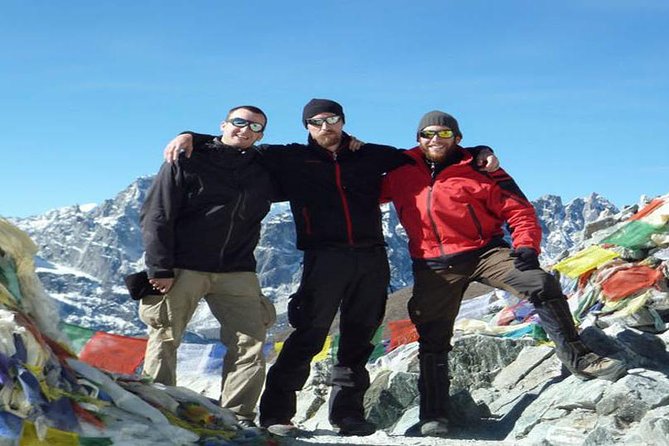
On trek start, your journey begins from Lukla. After your flight, you’ll get another trek briefing, then you hit the trail.
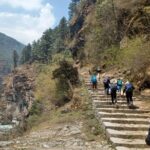
Your first walking day is described as about three hours along the Dudh Koshi river to Phakding, where you’ll spend a night. Even if you’re fit, this kind of start is smart. It gives you time to move, warm up, and start learning how the trail feels without jumping straight into the most demanding days.
Because lodge accommodation and meals (breakfast, lunch, dinner) are included during the Himalaya portion of the trek, you don’t have to guess what you’ll eat or where you’ll sleep. I like that for peace of mind. On an Everest route, the easier you make the daily decisions, the more brainpower you can spend on altitude awareness and staying consistent.
The 11 trekking days: high passes, village days, and steady effort
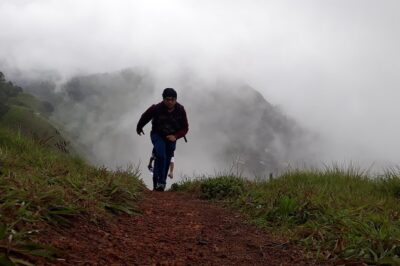
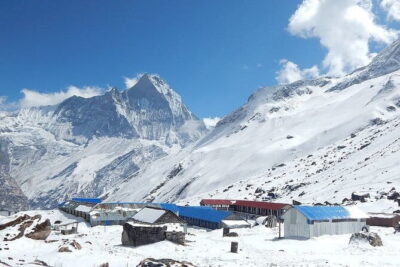
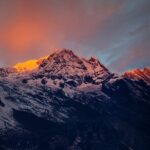
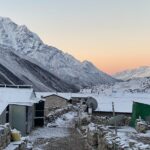
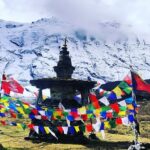
The trek portion is listed as 11 action-packed trekking days, walking high-altitude trails between high passes and villages. You’re doing what makes this route famous: hours on foot, gaining elevation, and experiencing the slow, serious change in weather and air.
You should expect a long sequence of mountain days where your pace matters more than your ambition. At these heights, the goal is steady progress and smart self-management, not racing to the next tea house. Your guide’s role here isn’t just route knowledge—it’s helping your group keep a rhythm that works for real breathing.
Also, because the package includes porter support (and a guide who carries essential supplies like the Sublime First Aid kit), you’ll likely spend less time worrying about gear weight and more time paying attention to how your body is responding. That can be the difference between enjoying the trek and constantly thinking about logistics.
One practical bonus: meals and lodge stays are included. That reduces the daily money decisions and keeps your schedule more predictable. Still, you’ll want to plan for the fact that you’re buying or handling some items personally (like drinking water and drinks), which I’ll cover later.
Returning to Kathmandu: two days to decompress
After the trek, you’ll finish the trekking portion and return to Kathmandu via round-trip flights between Kathmandu and Lukla. The itinerary also includes an additional two days in Kathmandu, giving you time to come back down emotionally and logistically.
Those Kathmandu days are valuable for two reasons. First, altitude fatigue doesn’t always vanish instantly. Second, it gives you a buffer for rest, simple meals, and packing before you fly home.
The key thing to know: the package includes hotel for the scheduled Kathmandu nights around the trek. If anything pushes you to need extra nights in Kathmandu beyond the plan, those extra costs are not included.
Who runs the show: guide, porters, and real support
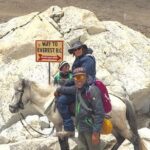
This trek includes a well-experienced guide and porter. In practical terms, that support does a lot more than “lead the way.”
Your mountaineering guide provides hands-on guidance while you’re on the route. If you’re used to travel where you pick up a map and go, think of this as the opposite style: you get a person who understands the trekking rhythm and can advise when conditions or your group pace require a change.
The reviews attached to this experience highlight specific guides such as Ajit, Prakash, and Bibek, plus company leadership named Ram and support staff mentioned like Suman, Dawa, and Lakshman. You might not have the exact same team, but it’s a strong signal that the company puts effort into staffing and communication.
A smaller but important detail: you get paperwork help. The tour lists “necessary paper work with government of Nepal and Tax department.” That’s the kind of behind-the-scenes effort that can prevent headaches during arrival and departure.
And yes, there’s first-aid support: a Sublime First Aid kit carried by the guide. You’re not signing up for a hospital. But having basic medical readiness in the field is comforting.
Price and value: what $1,750 covers and why it matters
At $1,750 per person, this is not a cheap vacation. But it’s also not a “pay for the view only” deal. The value is in what’s included:
Included costs that are usually hard to coordinate on your own:
- Kathmandu airport pick-up and transfer
- Kathmandu hotel for 2 nights (around 3-star)
- Trekking lodge accommodation
- Breakfast, lunch, and dinner each trekking day
- Round-trip flights Kathmandu ↔ Lukla
- Guide and porter support
- Sublime First Aid kit (with the guide)
- Paperwork handling
- Crew support (salary, foods, and accommodation for Sublime crews)
Not included costs you must plan for:
- Meals in Kathmandu beyond breakfast
- Rescue & travel insurance (strongly advised)
- International airfare
- Nepal entry visa fee
- Personal expenses (phone, internet, laundry, bar bills, battery recharge, cold drinks, hot showers, etc.)
- Drinking water during the trip (and other drinks)
Here’s how I’d frame the value for your decision: paying for this package helps you control the biggest uncertainties—lodging on route, meals, and the Lukla flight schedule. Those are the pieces that can balloon into chaos if you try to assemble the trek yourself.
Altitude, weather, and the one thing you can’t control
Everest Base Camp trekking is always at the mercy of conditions, and this package is explicit about the trekking being moderate fitness level. The itinerary structure is built around walking high and crossing high passes, which means altitude is the real workload.
The most practical risk factor is the one you can plan for but can’t fully prevent: flight timing to and from Lukla. The flights can be impacted by weather, and that can affect the exact flow of your trip.
So here’s the honest approach: go in with flexibility. Don’t schedule a tight international connection the same day you’re due to fly out of Lukla back to Kathmandu. Also, make sure your travel insurance covers high-altitude trekking and emergency evacuation, since rescue costs are not included.
Even when flights behave, altitude still does its quiet job. Your guide’s job is to keep your group safe and moving at a pace that helps you adjust.
Packing and daily costs: water, drinks, and comfort trade-offs
The program covers a lot—lodge stays and most meals. It does not cover some items that add up quickly.
Specifically, the trek does not include:
- Drinking water
- Any alcoholic or nonalcoholic drinks
- Hot shower costs (listed under personal expenses)
- Phone/internet, laundry, cold drinks, battery recharge, and similar add-ons
That means you’ll want to budget for day-to-day “small stuff” in the mountains. It’s easy to assume water is included because meals are covered; it isn’t. Also, cold drinks and hot showers can be tempting after a hard day. Plan for them, but don’t build your trek expectations around always having them.
If you’re sensitive to cold, this is another spot where preparation matters. Since “drinking water” is an extra cost, consider how you’ll handle hydration habits in cold air—your guide can likely advise how people typically manage it on the route.
Group size and flexibility: small team, clearer support
This trek caps at 16 travelers. That size is meaningful. It usually means:
- You’re less likely to feel like a number.
- Your guide can maintain a workable pace for the group.
- You’ll spend less time waiting around at key moments (though mountain logistics always create some waiting).
The tour also mentions group discounts and pickup offered. If you’re traveling with friends or family, this could be a better deal than solo planning.
Who should book this Everest Base Camp trek?
This guided package is a strong fit if you want:
- A two-week Everest Base Camp trek with structured support
- Built-in meals and lodging during the trek
- Round-trip Lukla flights included
- A guide who brings mountaineering experience and keeps you organized
- A group size small enough to feel like a team, not a crowd
It’s also a good choice if you don’t want to micromanage daily logistics like where you’ll sleep and what you’ll eat. The package reduces decisions.
It might not be ideal if you:
- Hate the idea of altitude walking and possible weather delays
- Want full control of every decision (because this is guided and structured)
- Are hoping drinks, water, and hot showers are included (they’re not)
Should you book Sublime Trails for Everest Base Camp?
If your priority is a smooth, staffed Everest Base Camp trek—especially around the big unknowns like Lukla flights—this package looks like solid value. At $1,750, you’re paying for the hard logistics: guides, porters, meals during the trek, lodge stays, and flight routing. That’s where DIY attempts often waste time and money.
I’d book if you’re prepared for the real parts too: altitude effort, cold days, and the fact that you’ll pay for water and drinks along the way. I’d think twice if your schedule is inflexible or if you’re not ready for weather-driven flight unpredictability.
If you do book, do your homework on insurance coverage for high-altitude trekking and plan your Kathmandu and homeward flights with buffer time. That’s the easiest way to protect the trip you’re actually trying to take.
FAQ
What city do I start from?
You start in Kathmandu, Nepal.
Are airport transfers included?
Yes. The tour includes airport pick-up and transportation/driving in Kathmandu.
How many nights are in Kathmandu?
You get 2 nights in Kathmandu before the trek, plus an additional 2 days in Kathmandu after the trekking portion.
Are flights to Lukla included?
Yes. The package includes round-trip flights between Kathmandu and Lukla.
Where does the trek begin and how does day one start?
After flying to Lukla, you begin trekking and walk for about 3 hours to Phakding, where you spend the first night.
Are meals included during the trek?
Yes. During the trekking in the Himalaya, the tour includes breakfast, lunch, and dinner each day.
What about meals in Kathmandu?
Only breakfast is included in Kathmandu. Other meals in Kathmandu are not included.
Is a guide included?
Yes. The trek includes a well-experienced mountaineering guide, and porter support as well.
Do I need travel insurance?
The tour does not include rescue & travel insurance, and it strongly advises you to purchase personal travel insurance.
Is there a cancellation window for a full refund?
Yes. You can cancel up to 24 hours in advance for a full refund.