REVIEW · KATHMANDU
Everest Base Camp Trek
Book on Viator →Operated by Nepal Trekking Experts Pvt. Ltd. · Bookable on Viator
Everest Base Camp, minus the chaos. This 12-day small-group trek is built for organized pacing and real tea-house living, with daily hikes around 6–7 hours while you learn mountain life along the way. The main thing to consider is that you’ll need solid fitness for the altitude region and the steady hiking schedule.
I also like how the company clearly cares about continuity. In real-world situations like delayed travel, their team has been reported as meeting people at the airport and steering them to the next connection toward Lukla, which matters when your trek start depends on timing.
And the guide team shows up as a standout. Reviews repeatedly call out Nepal Trekking Experts’ leadership (Rajesh) and specific guides such as Resham, Dinesh, Prakash, and Orsun for being communicative, patient during hard moments, and generally great at keeping morale up.
In This Review
- Key things that make this Everest trek work
- Small-group Everest Base Camp: what max 10 travelers buys you
- Kathmandu pickup, mobile ticket, and getting set for the trek
- Tea-house nights and the 6–7 hour daily hikes
- Sherpa hospitality plus villages and historic monasteries
- Everest Base Camp: the views are the payoff, and pacing is the skill
- Price and logistics: is $1,590 actually good value?
- What you typically get for your money
- What you should budget separately
- What to know before you go: physical fitness and weather reality
- Who this Everest Base Camp trek suits best
- Should you book this Everest Base Camp trek?
- FAQ
- How long is the Everest Base Camp trek?
- What does the $1,590 per person price include?
- What is the group size?
- Do I need strong fitness for this trek?
- Is bottled water or soda included during the trek?
- Is there free cancellation?
Key things that make this Everest trek work
- Max 10 travelers means less crowding and easier day-to-day coordination
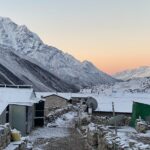
- Tea-house overnight stays give you a consistent rhythm instead of constantly changing lodging
- Experienced guide + meals + permits means you’re not scrambling for basic logistics mid-trek
- Sherpa hospitality with villages and monasteries adds culture and context, not just high views
- Weather-dependent operations are handled with a clear off-ramp if conditions are unsafe
Small-group Everest Base Camp: what max 10 travelers buys you
When a trek caps at 10 travelers, you feel it in the small things. Days run smoother because your guide can actually track who’s coping, who needs a slower moment, and who’s ready to keep moving.
This also affects the kind of experience you get at the tea houses. Instead of feeling like you’re part of a big machine, you’re more likely to settle into conversations with your group, share simple meals, and compare notes on how the trail is treating everyone that day. That matters when you’re hiking in a high-altitude environment where small comfort wins are big comfort wins.
One more practical angle: groups of this size tend to travel more compactly through villages and stops. That can make cultural visits feel less rushed and less like a sightseeing conveyor belt. The goal here isn’t just to reach Everest Base Camp, it’s to understand the places you pass through.
You can also read our reviews of more tours and experiences in Kathmandu.
Kathmandu pickup, mobile ticket, and getting set for the trek
Your journey is anchored in Kathmandu with hotel pickup and drop-off, plus a mobile ticket. That sounds basic, but in practice it removes two common headaches: finding the right people and figuring out where you’re supposed to go next when you’re tired from travel.
The meeting window is also wide, with the activity available Monday–Sunday, 6:15 AM to 10:45 PM. If your plans or flight times shift, having a late-day window can save you from last-minute scramble. You’ll still want to confirm the exact plan with the provider, but it’s a helpful sign that their operation isn’t only built around early departures.
One important detail: booking requires full passport information (name, number, expiry, and country) for all participants. That’s not just paperwork. It’s a real clue that this trek involves permits and formal access, so you should plan to have your documents ready before you pay.
Tea-house nights and the 6–7 hour daily hikes
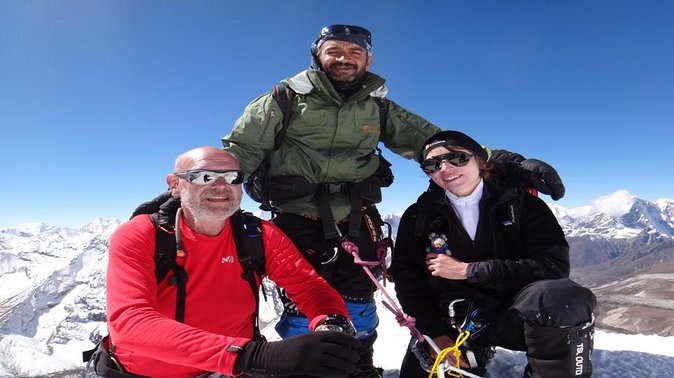
The most consistent part of this experience is the trekking rhythm: hiking and exploring with about 6–7 hours of trekking per day, plus overnight tea-house stays.
Here’s why that’s valuable for you. Tea houses create a predictable pattern: you hike, you warm up, you eat, you sleep, and then you repeat. That rhythm helps when your body is adjusting to altitude and you don’t want each day to feel like a new logistical puzzle.
Meals are included as per itinerary, with breakfast, lunch, and dinner covered. That’s a big value point because it reduces decision fatigue and helps you stay fueled without constant cash-and-choices interruptions.
A drawback to keep in mind: drinks on the trail are not included the way meals are. The trip specifically notes that items like mineral water, plus soda-type drinks such as cola and fanta, are not included during trekking (though they’re available to purchase). So you should budget for thirst and plan your hydration strategy ahead of time.
Also, tea-house life tends to be simple. If you expect full hotel-style comfort, you’ll likely find the setting more basic than you’re used to. The trade-off is that it gives you the authentic “on the trail” feel and keeps you close to the local routine.
Sherpa hospitality plus villages and historic monasteries
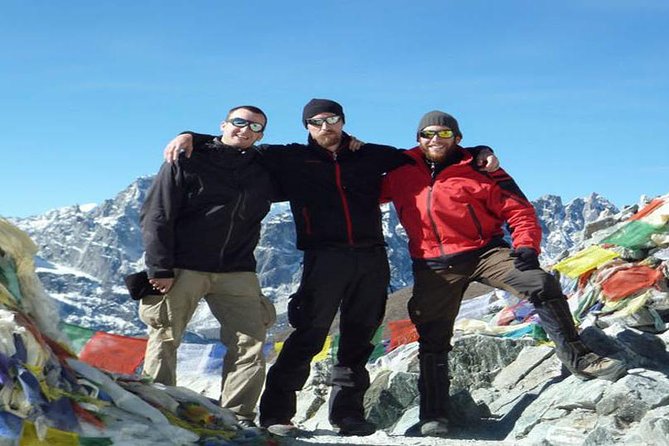
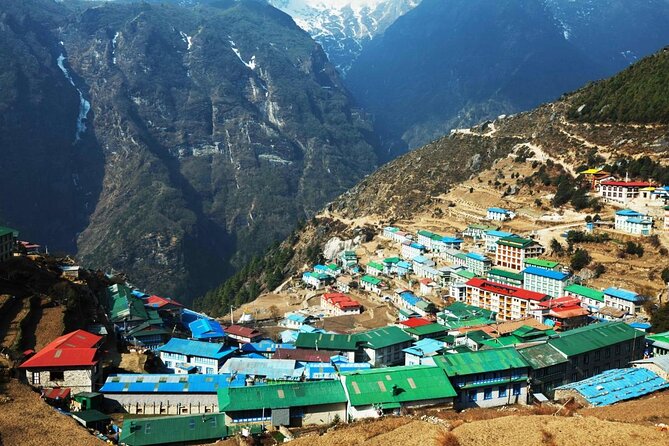
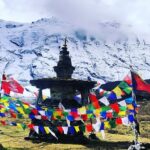
A big part of the appeal here is more than the summit-style goal. The trek is described as an immersive look at mountain culture, including visits to villages and historic monasteries along the way, plus time to learn about flora, fauna, and the culture of the region.
Those cultural stops are where you often learn the difference between “I saw Everest” and “I understood this place.” In villages, you can better appreciate why Sherpa hospitality isn’t just a slogan. The trip also frames this as Sherpa hospitality with accommodation in tea houses, which ties comfort to community rather than to an imported tourist setup.
Monasteries can add a meaningful layer, especially in a trek where days get long and your mind starts looking for meaning beyond altitude and steps. That said, the trip explicitly lists temple/monastery entrance fees as not included. So if you’re the type who likes to pay and explore fully, carry some extra cash for these site visits.
If you’re traveling with a group, these stops also do a lot for morale. When the hike gets tough, a thoughtful cultural moment gives your brain a break. Reviews back this up indirectly through guide praise: guides are often the reason cultural visits feel respectful and not rushed.
Everest Base Camp: the views are the payoff, and pacing is the skill
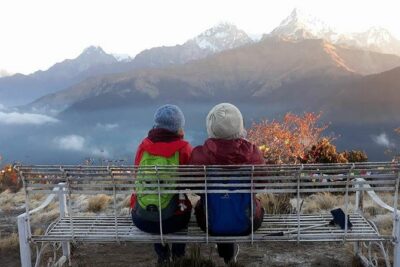
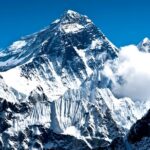
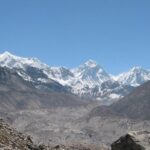
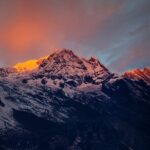
The headline is reaching Everest Base Camp at the foot of the world’s tallest mountain. That’s the moment most people come for, and the trek is built around the idea that the journey itself delivers some of the best views in the world.
But here’s the practical truth: the experience isn’t only about arriving at a marker. It’s about how you get there. With days averaging 6–7 hours on foot, you’ll likely spend a lot of time thinking about pace, rest breaks, and how your body responds from day to day.
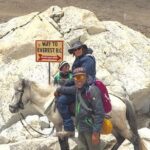
That’s also where having the right guidance matters. Reviews strongly emphasize the guide factor, including named guides like Resham, Dinesh, Prakash, and Orsun. People highlight patience during harder moments and the ability to stay organized even when travel plans get messy. That’s exactly what you want when the trail demands focus and the weather can change.
One other key detail: the experience is described as requiring good weather. If conditions are poor, the trek can be canceled, and you’re offered a different date or a full refund. This is a realistic part of the Himalayas. You’ll want to treat flexibility as part of your plan, not a bonus.
Price and logistics: is $1,590 actually good value?
At $1,590 per person for a ~12-day trek, the value comes down to what’s included versus what you’ll pay separately.
What you typically get for your money
The included package lists:
- Accommodation as per itinerary (tea-house stays)
- Local taxes
- National Park fees
- Meals as per itinerary (B/L/D)
- Professional guide
- Hotel pickup and drop-off
That’s a strong base package for a trek this length because it covers the big cost categories people usually underestimate: food during the trek, lodging on the trail, and official access/fee structures.
What you should budget separately
Not included:
- Temple/Monastery entrance fees
- Alcoholic drinks
- Drinks like cola, fanta, and mineral water during trek
- Food and drinks in Kathmandu
- Souvenir photos (available for purchase)
So the smart way to think about it is: meals and lodging are handled, but personal spending on top—especially drinks—will be on you. If you’re a person who drinks a lot of bottled water or soda, your “extra” costs can creep up. If you drink lightly and plan ahead, the included structure feels like a fair deal.
One more value point: the provider has a history of clear communication and responsiveness. Reviews repeatedly describe fast replies and organized planning. That reduces the hidden cost of worry, especially for solo travelers or people who are meeting the trek logistics for the first time in Nepal.
What to know before you go: physical fitness and weather reality
This trek is described as requiring strong physical fitness. The exact phrasing matters: they’re not selling it as easy. With daily hiking of around 6–7 hours, you should be prepared for sustained effort rather than a few short walks with big breaks.
The route also depends on good weather. Since the experience can be canceled due to poor conditions, you should avoid planning Kathmandu side trips that are so tight you’ll feel trapped if the trek dates shift. The good news is that the provider’s policy states you’ll be offered another date or a full refund if canceled for weather reasons.
Altitude isn’t described in specific numbers here, so I won’t guess at your personal risk profile. The safest move is to be honest with your fitness level before you commit and to pick trekking gear and habits that support steady walking for long days.
Who this Everest Base Camp trek suits best
This trek is a good match if you want:
- A small-group experience (max 10 travelers)
- A structured plan where meals, lodging, permits/fees, and guide are handled
- A culture-forward route with villages and historic monasteries, not just a “reach and leave” mindset
- A company with a track record of strong communication and problem-solving, including support around delayed flight connections toward Lukla
It may not be ideal if:
- You dislike basic lodging and simple tea-house conditions
- You’re not comfortable with 6–7 hours of daily hiking
- You want all drinks included, because the trek explicitly leaves sodas and bottled water as extra purchases
Should you book this Everest Base Camp trek?
If you want a clean, well-run Everest Base Camp trek where the big moving parts are handled, this is a strong option. The included package is practical—tea-house accommodation, meals, permits/fees, and a professional guide—and the small group size helps the experience feel human.
I’d recommend booking if you like the idea of combining the famous payoff with real mountain context through Sherpa hospitality, village visits, and monastery stops. And if you’re the kind of traveler who values a guide team that can stay organized and patient under pressure, the praise for Rajesh and guides like Resham, Dinesh, Prakash, and Orsun is a good sign.
If you’re not fit enough for daily hikes or you can’t handle the idea of weather affecting the schedule, then spend a little more time matching your expectations to the realities of trekking in the Everest region.
FAQ
How long is the Everest Base Camp trek?
It runs for about 12 days.
What does the $1,590 per person price include?
Your price includes accommodation, local taxes, national park fees, meals as per itinerary (B/L/D), a professional guide, and hotel pickup and drop-off.
What is the group size?
The trek is capped at a maximum of 10 travelers.
Do I need strong fitness for this trek?
Yes. The tour description states travelers should have a strong physical fitness level.
Is bottled water or soda included during the trek?
No. The trip notes that drinks like cola, fanta, and mineral water during the trek are not included (though they are available to purchase).
Is there free cancellation?
Yes. You can cancel up to 24 hours in advance for a full refund, and if the trek is canceled due to poor weather, you’ll be offered a different date or a full refund.