REVIEW · KATHMANDU
Everest Base Camp Trek
Book on Viator →Operated by Glorious Himalaya Trekking Pvt. Ltd. · Bookable on Viator
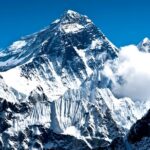
Everest Base Camp begins with a flight to Lukla. This 14-day Everest Base Camp trek blends big Himalayan scenery with classic Khumbu villages like Namche Bazaar, Tengboche, Dingboche, and Lobuche. You’ll cross suspension bridges, pass prayer wheels and mani walls, and push up to high viewpoints such as Kala Patthar when the weather allows.
Two things I really like: the pace is built around real acclimatization, especially your rest time in Namche Bazaar and the extra altitude-adaptation day in Dingboche. Second, you get hands-on help from a professional team—people specifically call out responsive leadership from Ganesh, plus on-trail support from guides like Keshab, Krishna, and Prakash (including Prakash Gurung, noted for patient encouragement).
One consideration: Lukla flights can be weather-dependent. If flights shift or delay, you need to stay flexible, because the trek schedule depends on getting to the start trail on time.
In This Review
- Key highlights you’ll feel fast
- Kathmandu to Lukla: the easy win before hard hiking
- Trek day by day: what each section is really like
- Day 1: Arrive in Kathmandu and get set up
- Day 2: Lukla to Phakding through forest and suspension bridges
- Day 3: Phakding to Namche Bazaar and the first big mountain reveal
- Day 4: Namche rest day for acclimatization and real exploration
- Day 5: Namche to Tengboche with monastery views
- Day 6: Imja Valley up to Pangboche, then on to Dingboche
- Day 7: Dingboche acclimatization plus optional Chhukung hike
- Day 8: Dingboche to Lobuche with memorials and big peaks
- Day 9: The long day to Everest Base Camp via Gorakhshep and Kala Patthar option
- Day 10: Kala Patthar at sunrise for the panoramic reward, then down to Pheriche
- Day 11: Pheriche back to Namche with rhododendron and juniper stretches
- Day 12: Namche to Lukla and the downhill finish through suspension bridges
- Day 13: Fly back to Kathmandu and celebrate with a farewell dinner
- Day 14: Return airport drop in Kathmandu
- Guides, safety, and the little gear details that matter at altitude
- Price and value: what $1,600 buys you on this Everest Base Camp trek
- Who this trek suits best (and who should think twice)
- Should you book Glorious Himalaya for Everest Base Camp?
- FAQ
- How long is the Everest Base Camp trek?
- What does the $1,600 per person price include?
- Are flights to Lukla included in the trek?
- What kind of accommodation do I get during the trek?
- How does the trek handle acclimatization?
- Do I travel with a guide, and is there medical support?
- Are permits for Sagarmatha National Park included?
- Do you provide gear like sleeping bags?
- If I cancel, do I get a refund?
Key highlights you’ll feel fast
- Kathmandu-to-trail logistics handled for you, including airport pickup/drop-offs
- Acclimatization days that don’t just sit around (Namche and Dingboche build breathing room)
- Classic highpoints like Kala Patthar (black rock) and the approach to Everest Base Camp
- Support on the trail, with a certified trekking guide and an oximeter included for monitoring
- Guesthouse trekking that keeps things practical, with best-available twin sharing lodges
- Memorial stops and altitude drama with context, including Chukpo Lari’s tributes
Kathmandu to Lukla: the easy win before hard hiking
I like that the trip starts with a simple plan: you land in Kathmandu, get picked up by private vehicle, and check into a hotel for two nights with buffet breakfast. From the start, this matters because the next day isn’t leisurely. It’s an early flight plan to Lukla, which is where many trekkers realize the Himalayas aren’t interested in your comfort zone.
On Day 2, you fly to Lukla and then begin with a short trek to Phakding. The flight itself is part of the experience: aerial views of valleys, rivers, and the Himalayan range set the tone. It’s also a reminder that this trek is run like a system—there are moving parts, so having your transport and meeting logistics lined up helps you focus on hiking instead of hunting for your group.
Practical note: Lukla and the Tenzing Hillary Airport area are small and busy, so expect early starts and plan for weather delays. This isn’t unique to this operator; it’s simply how Khumbu travel works.
You can also read our reviews of more tours and experiences in Kathmandu.
Trek day by day: what each section is really like
Below is the rhythm you should expect, plus what to watch for so you don’t feel surprised at altitude.
Day 1: Arrive in Kathmandu and get set up
You’re collected from the airport by a representative tied to Glorious Himalaya, then transferred to your Kathmandu hotel. This is valuable because it gives you a clean base—no scrambling for taxis, no searching for dinner with jet lag.
In the evening (and again later with a farewell dinner), Kathmandu becomes more than a transit stop. It’s where you confirm gear, settle your headspace, and get a clear timeline.
Day 2: Lukla to Phakding through forest and suspension bridges
After the early flight, you meet the team (including porters) and start walking to Phakding. The trail goes downhill at first, crossing suspension bridges and passing dense forest areas. You’ll see local settlements, spinning prayer wheels, and mani walls—small details that make the route feel lived-in rather than like a conveyor belt.
Overnight is in a local guest house. This is a good day for pacing yourself. Your legs might feel fine, but the altitude is already in play, so keep your effort steady.
Day 3: Phakding to Namche Bazaar and the first big mountain reveal
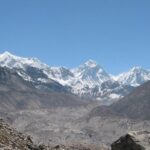
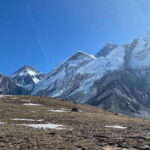
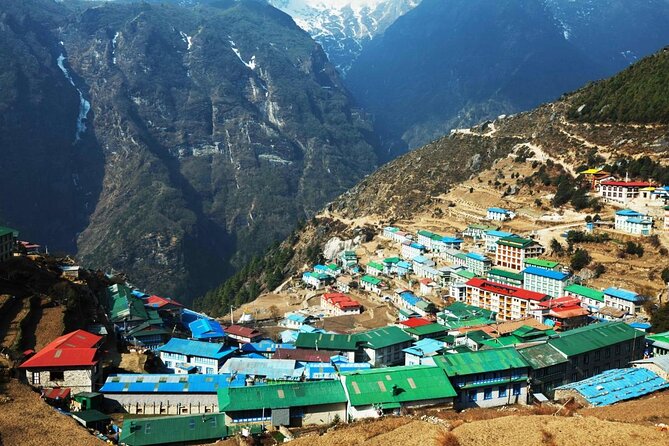
Today you climb to Namche Bazaar. The trail follows upstream along riverbanks and involves crossings—one highlight is a Hilary bridge. As you ascend, peaks including Everest, Lhotse, Nuptse, Ama Dablam, and Taweche can come into view for the first time.
Namche is where you’ll start noticing the Everest region’s balance of tourism and Sherpa life. You’re moving into a place built for trekkers: lodges, tea shops, and practical services start showing up.
This is also a good day to respect the “slow up” rule. Don’t chase altitude gains. Treat the climb like cardio training: controlled breathing wins.
Day 4: Namche rest day for acclimatization and real exploration
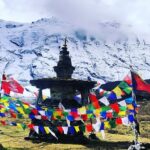
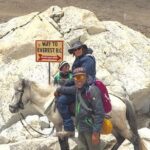
This day is about acclimatization, not just recovery. Instead of a full couch day, you’re encouraged to stay active—short vertical treks or a bit of exploring Namche Bazaar.
I like this approach because it matches how most people actually acclimatize best: gentle movement, repeated exposure to altitude, and a calm mind. Namche is the region’s center, so it’s a natural place to reset.
If the group follows the “stay mobile” idea, you’ll likely feel better on Day 5. If you stay completely still, you can still be fine, but the active option tends to work better for breathing and energy.
Day 5: Namche to Tengboche with monastery views
You head toward Tengboche, walking through ups and downs with constantly improving views. You may encounter wildlife like musk deer, Himalayan thar, and colorful pheasants, though sightings aren’t guaranteed.
Tengboche is also tied to monastery culture. It’s one of those stops where the scenery is huge, but the atmosphere is human-scale.
Hiking tip: when the views start pulling at your attention, check your pace anyway. It’s easy to speed up when you’re excited.
Day 6: Imja Valley up to Pangboche, then on to Dingboche
This is a higher push. The route works its way through dense forests of the Imja Valley, then climbs toward Pangboche (listed at 3,985m). There’s a monastery in Pangboche that dates back to when Buddhism was introduced to the Khumbu region. That little historical note makes the place feel more grounded.
From there you continue to Dingboche (listed at 4,410m). Dingboche is where you begin to feel the altitude as a constant companion. Even if you’re moving fine, your body gets more careful.
Day 7: Dingboche acclimatization plus optional Chhukung hike
You spend the day in Dingboche for another altitude adjustment. There’s an option to hike to Chhukung (starting around 8:30 after breakfast). The trek to Chhukung is described as not too difficult, and you’re rewarded with mountain views, especially Ama Dablam.
If you take it, go steady. Returning to Dingboche for the night means you get the benefits of acclimatization without turning the day into a second summit attempt.
One reality: strong winds can show up on the return. Bring layers that protect you from chill even if the sun is out.
Day 8: Dingboche to Lobuche with memorials and big peaks
Today goes toward Lobuche. The route threads through areas with grand mountain views, including Ama Dablam and sights around Pokalde (5,741m) and Kongma-Tse (5,820m). The itinerary also notes the Trekkers Aid Post at Pheriche (listed at 4,240m) volunteered by western doctors.
You also reach Chukpo Lari after a steep climb. This place is described as heart touching because it holds memorials honoring climbers who died during Everest expeditions. It’s the kind of stop that shifts your attitude from sightseeing to respect.
Hiking tip: this is a day where your mind can wander. Keep it focused on breath, foot placement, and steady effort.
Day 9: The long day to Everest Base Camp via Gorakhshep and Kala Patthar option
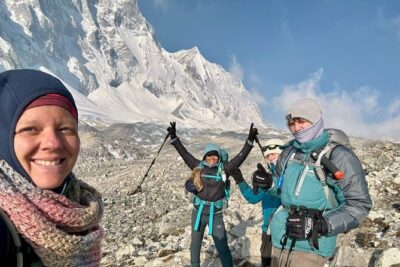
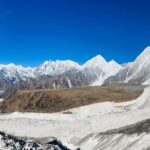
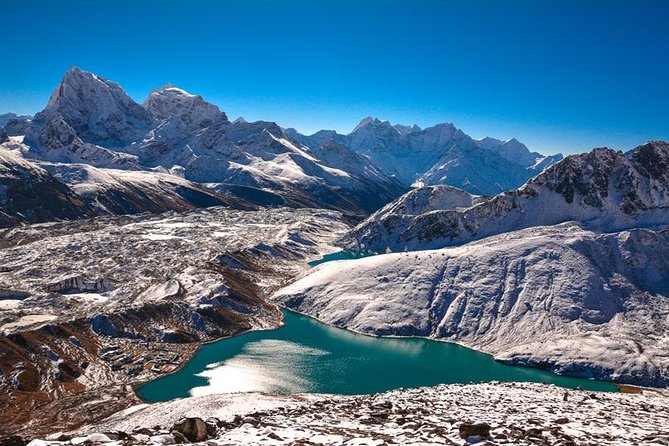
This is your big achievement day. You’re set up for an ~8-hour walk toward Everest Base Camp, starting along rocky paths with glacial ponds and icebergs. You climb through meadows and stone steps to reach Gorakhshep.
From Gorakhshep, the plan offers a choice: climb to Kalapathar (spelled in the text as Kala Patthar/Kalapathar) or continue to Everest Base Camp. You’ll spend memorable time at base camp, then return to Gorakhshep for the night.
This is not just a “walk to a point” day. It’s the culmination of weeks of small decisions: sleeping, pacing, hydration, and slowing down when your ego wants to sprint.
Day 10: Kala Patthar at sunrise for the panoramic reward, then down to Pheriche
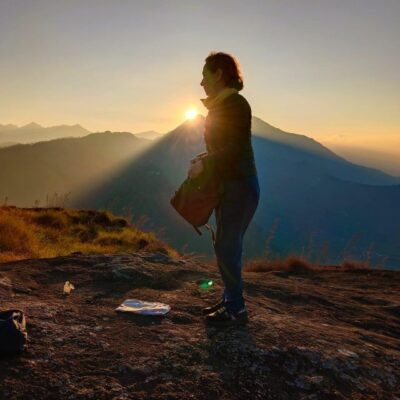
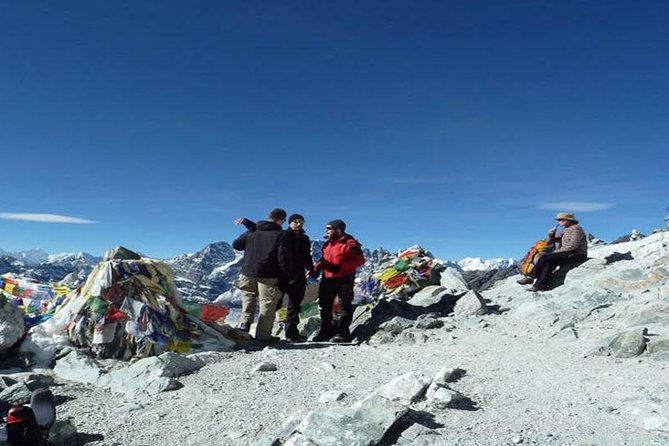
You start early. After about two hours of ascent, you reach Kala Patthar, then the view is described as beyond imagination. Kala Patthar is named for black rock, and the summit area has prayer flags, cairns, a small stupa, and a weather station.
The surrounding panoramas are specifically called out: Pumori, Nuptse, Changtse, Ama Dablam, Taweche, Everest, and Kantega.
Then you breakfast at Gorekshep and descend to Pheriche for rest. This downhill matters. It gives your body a break from relentless altitude while still keeping you moving in the right direction.
Day 11: Pheriche back to Namche with rhododendron and juniper stretches
You retrace your steps to Namche Bazaar, descending to lower altitude where breathing becomes easier. The day is described as going through valleys and pasturelands, passing through Tengboche on the way back.
You also follow the Monjo valley viewpoint area and continue through hillside areas with rhododendrons and juniper trees. Wildlife possibilities are mentioned again (colorful pheasants, mountain goats, and even snow leopards), but treat those as chances—not promises.
If you’re feeling strong, it can tempt you to power through. I suggest you keep the same “slow and steady” approach even on the easier-feeling days. It saves your legs for the final descent loops.
Day 12: Namche to Lukla and the downhill finish through suspension bridges
Today follows a steep downhill. The air gets denser as you drop, so breathing often feels easier. The route includes a Tenzing and Hillary suspension bridge, plus multiple bridge crossings along the Dudh Koshi River.
You finish at Lukla and can explore Lukla Bazaar and shop local items. This is also where the emotional shift happens: the trek is ending, and you start noticing ordinary things again.
Day 13: Fly back to Kathmandu and celebrate with a farewell dinner
You leave Tenzing Hillary Airport, with a scenic ~35-minute flight to Ramechhap/Kathmandu area. The plan includes flying over the clouds and getting those late aerial views of the Khumbu region.
Upon arrival, your guide transfers you to the hotel for a real rest. In the evening, you’ll have a farewell dinner together. It’s a nice moment to compare notes and realize how many small effort decisions you made over 12-plus trekking days.
Day 14: Return airport drop in Kathmandu
You’re dropped off at the airport for your flight home on time. This closes the loop and keeps you from dealing with last-minute transportation stress.
Guides, safety, and the little gear details that matter at altitude
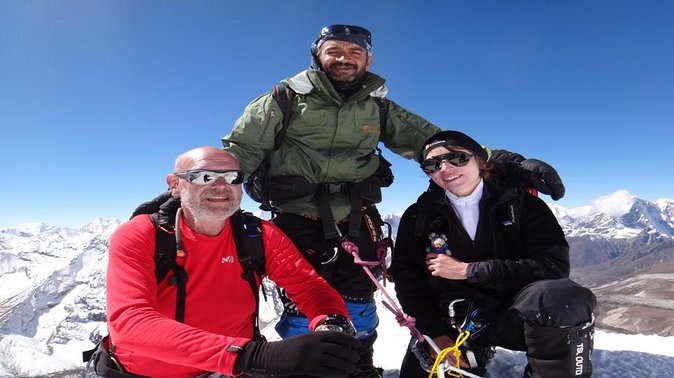
What you’re buying here isn’t a list of stops. You’re buying a system that keeps you moving safely in a high-altitude environment.
The trip is fully guided, with a trained local trekking guide throughout. In the feedback you provided, people specifically praise guides like Keshab (including callouts about knowledge and being a great photographer) and Prakash Gurung (praised for patience and keeping pace with a deaf traveler). That’s not just personality—it’s what good guidance looks like when bodies move differently at altitude.
Safety-wise, the included first aid kit includes an oximeter to measure your pulse during the trek. You’re not being sent out with nothing. That kind of tool helps you and your guide keep an eye on how you’re handling the air.
Also included: a company duffel bag and sleeping bags if needed. For many trekkers, that’s one less item to pack, rent, or worry about.
One practical note: porter support is included only as a concept (“if needed,” porter availability is extra cost). If you want a porter, confirm the plan during booking so you’re not left guessing when you’re already tired.
Price and value: what $1,600 buys you on this Everest Base Camp trek
At $1,600 per person, this isn’t a budget trek. But it’s not only paying for walking—this price bundles several high-cost, high-effort items:
- Round-trip domestic flights (Kathmandu to Lukla and return via Ramechhap/Kathmandu area)
- Guiding and support, including a professional trekking guide
- Permits and entrance fees for the essential trekking access
- Three meals a day during the trek (breakfast, lunch, dinner) plus seasonal fruits after dinner
- Two nights hotel in Kathmandu with buffet breakfast
- Airport transfers by private vehicles
- Gear support such as the duffel bag and sleeping bag (if needed)
- Basic medical readiness with a first aid kit and oximeter
When you compare that to what it takes to self-arrange permits, guides, and the flight logistics, the price starts to make sense—especially if you want a guided experience with predictable basics. The main things not included are also clearly stated: Nepal entry visa and international flights, plus porter availability at extra cost.
Who this trek suits best (and who should think twice)
This Everest Base Camp trek is a strong fit if:
- you have moderate physical fitness and can handle long walking days
- you want a guided package with permits and flights handled
- you like classic Khumbu villages and mountain viewpoints more than luxury comforts
Think twice if:
- you’re not comfortable with altitude uncertainty and possible schedule changes from Lukla weather
- you expect hotel-style rooms on the trail (it’s twin sharing local lodges, best available)
- you need a lot of hand-holding for tough logistics (you’ll have guidance, but you still have to follow altitude pacing rules)
Should you book Glorious Himalaya for Everest Base Camp?
If you want a well-run, guided Everest Base Camp trek with a clear plan from Kathmandu to Lukla and back, I’d say it’s worth considering. The itinerary’s strengths are the acclimatization days and the way the route funnels you through key towns and viewpoints like Namche Bazaar, Dingboche, and Kala Patthar. Add in included meals, permits, domestic flights, and the oximeter, and it’s the kind of package that reduces stress when conditions are unpredictable.
Before you book, do this quick reality check:
- Are you okay with weather-dependent Lukla flights?
- Can you maintain a slow, steady hiking pace during climbs and high days?
- Do you prefer having permits, guides, and domestic flights handled rather than DIY?
If you answered yes, you’re likely to feel like you got your money’s worth and left with the kind of memory that stays with you long after the boots come off.
FAQ
How long is the Everest Base Camp trek?
The trip is listed as 14 days approximately, including time in Kathmandu, the Lukla flights, trekking days, and the return flights.
What does the $1,600 per person price include?
It includes private airport pickup/drop-offs, twin sharing local lodge accommodations during the trek, Kathmandu hotel nights with buffet breakfast, trekking permits and entrance fees, round-trip domestic flights, meals during the trek (breakfast, lunch, and dinner), seasonal fruits after dinner, and a trekking guide plus first aid items including an oximeter.
Are flights to Lukla included in the trek?
Yes. The itinerary includes an early morning flight to Lukla from Kathmandu and a return flight from Tenzing Hillary Airport to the Kathmandu area.
What kind of accommodation do I get during the trek?
You stay in best-available twin sharing local lodges during the trek, and you have 2 nights in Kathmandu at a hotel with buffet breakfast.
How does the trek handle acclimatization?
You get acclimatization/rest days in Namche Bazaar and Dingboche, and you’re encouraged to stay active with short vertical treks rather than doing only complete rest.
Do I travel with a guide, and is there medical support?
The trip is fully guided with a trained local trekking guide throughout. A first aid medical kit is included, and an oximeter is provided to measure your pulse during the trek.
Are permits for Sagarmatha National Park included?
The price includes essential trekking permits and entrance fees. You’re also informed that special permits are needed for drones if you want to use them inside Sagarmatha National Park.
Do you provide gear like sleeping bags?
Yes. The company provides a duffel bag and sleeping bags to use for the trek if needed.
If I cancel, do I get a refund?
Free cancellation is available up to 24 hours in advance for a full refund. If you cancel less than 24 hours before the start time, the amount paid is not refunded.