REVIEW · KATHMANDU
12 Days Everest Base Camp Trek
Book on Viator →Operated by Himalayan Scenery Treks and Expedition - Private Day Tours · Bookable on Viator
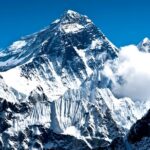
Everest starts with a pocket-sized flight. This 12-day Everest Base Camp trek from Kathmandu pairs a classic Lukla entry with Sherpa village life, plus a big finish at Kala Patthar for sunrise views over Everest’s terrain. You’ll also get the kind of structure that makes altitude feel more manageable, with acclimatization stops built into the schedule.
I especially like the safety-and-planning feel: a government-licensed guide who’s trained for high altitude is with you the whole time, and you’re not left guessing about permits or medical readiness. One drawback to flag up front: you still go high—Everest Base Camp sits at about 5,364m, and Kala Patthar tops out around 5,545m—so you’ll need to be serious about pacing.
The second thing I like is that the trip is unusually “complete” for the price: Kathmandu–Lukla–Kathmandu flights, three meals a day on trek, lodge rooms, park entry and TIMS fees, and even trekking basics like a duffel bag and pole are included. You’re also trekking in a small group (up to 20), which matters when things get busy in tea houses.
In This Review
- Key highlights I’d plan my trip around
- Price and what you’re really buying for $605
- Kathmandu to Lukla: how day one sets the tone
- Phakding to Namche Bazaar: the long day that tests focus
- Namche acclimatization and the Everest View Hotel plan
- Tengboche and Deboche: monasteries, mornings, and rhododendrons
- Dingboche: the rest day that makes or breaks your summit energy
- Lobuche: pushing higher with big-valley trekking
- Gorakshep to Everest Base Camp: the day the trek turns real
- Kala Patthar sunrise: steep rocks, thin air, and big light
- Returning down: Namche and Lukla, then Kathmandu
- Who this trek suits best (and who should think twice)
- Guide leadership: why names keep showing up
- Value check: inclusions vs what you’ll still pay for
- Should you book this Everest Base Camp trek?
- FAQ
- How long is the Everest Base Camp trek?
- What’s the highest point on this trek?
- Are domestic flights included?
- What’s included during the trek?
- Is there porter support?
- Who meets you in Kathmandu?
Key highlights I’d plan my trip around
- Lukla flights plus a real trek start: You’re in the mountains fast, not stuck in transit for days.
- Two altitude-focused breaks: Namche acclimatization and a Dingboche rest day help your body adjust.
- Sunrise missions that actually make sense: Early hikes to vantage points like Tengboche and Kala Patthar pay off with clearer views.
- Everest Base Camp plus the glacier approach: You don’t just see a viewpoint—you get to the base camp zone after rocky climbs.
- Support that reduces stress: Licensed high-altitude guide, first aid/oximeter, walkie-talkies, and one porter for every two trekkers.
- Guide quality is a repeat theme: Names like Rajesh Magar, Bikram, Narayan Ntc, and Gopal come up with consistent praise for leadership.
Price and what you’re really buying for $605
At $605 per person, you’re not just paying for a walk with a guide. You’re paying for a bundle: domestic flights to Lukla and back, three meals a day while trekking, twin-sharing lodge rooms, and key admin costs like Sagarmatha National Park and TIMS. For many people, that’s the difference between a trip that feels organized and one that turns into a scavenger hunt.
You’re also getting practical extras that help on day one: a trekking hat, a duffel bag, and a trekking pole are included, which saves at least some gear shopping before you fly. There’s also medical support in the group kit—first aid and an oximeter—plus the guide has accident insurance coverage for staff.
What’s not included is personal insurance, snacks/drinks for yourself, gratuities, and your own personal trekking gear. So you’ll want to budget for those gaps, and you’ll want to arrive with the right mindset: this is a high-altitude trek, not a casual hike.
You can also read our reviews of more tours and experiences in Kathmandu.
Kathmandu to Lukla: how day one sets the tone
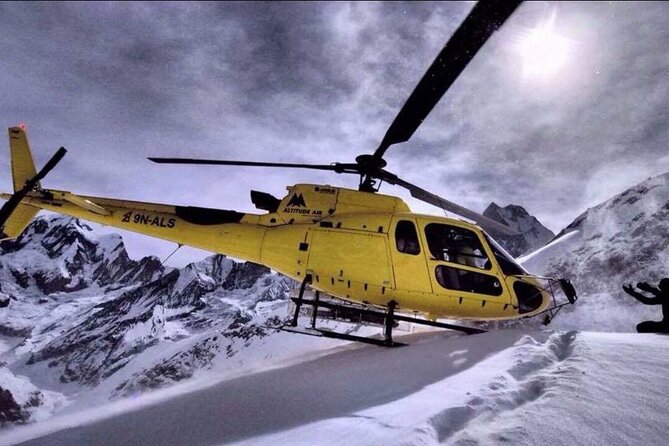
Your trip begins with a transfer from Tribhuvan Airport in Kathmandu, then the big moment: a flight to Tenzing-Hillary Airport at Lukla (about 45 minutes). Even if you’re not thrilled by small-plane travel, the flight matters because it drops you right into the Khumbu region without a long, exhausting approach day.
Once you land, you start the trek proper with a descent toward Phakding. This is where you’ll first feel the character of the route: you’ll follow curves of the Dudhkoshi, the Milk River, and watch everyday mountain living unfold at walking speed. The early rhythm—steady walking, village tea houses, and constant oxygen budgeting—is exactly what makes later altitude days feel less jarring.
Expect day-one energy to be a little mixed. You may feel excited, but you’re also adjusting to the idea that every climb costs more than it does at sea level. The reward: you’re already walking alongside a river that keeps guiding the story for days.
Phakding to Namche Bazaar: the long day that tests focus
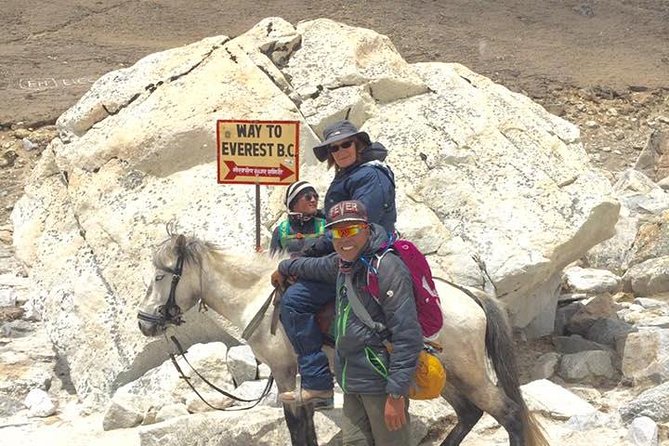
Day two is a long one, and it starts early from Phakding. You’ll hike alongside the Dudhkoshi—sometimes to one side, sometimes the other—then pass through the kind of infrastructure that makes the Khumbu feel both remote and connected. Cable suspension bridges show up, and you’ll understand why good footing and calm pacing matter.
When you reach Namche Bazaar, it’s more than a town stop. It’s your first major altitude reality check. The schedule builds in time for acclimatization later, but day two already gives you a preview of the terrain: you’ll see how quickly effort ramps up once the air thins.
A practical tip: treat Namche as a place to manage yourself, not to race around. If you push hard on arrival, you pay for it later in the acclimatization days. You’re aiming for slow wins here.
Namche acclimatization and the Everest View Hotel plan
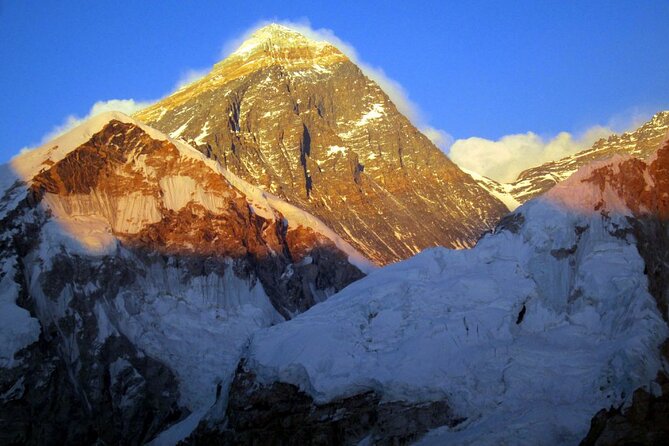
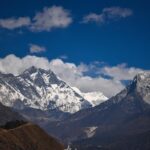
On the next day, you do a gentler acclimatization hike instead of a big altitude jump. You’ll head to the Everest View Hotel, taking the route via Syangboche airstrip for tea, with time designed for your body to catch up.
This is a smart stop for two reasons. First, it reinforces the idea that the mountain rewards consistency, not speed. Second, it gives you a strong Everest-related payoff without the pressure of reaching the highest points too early.
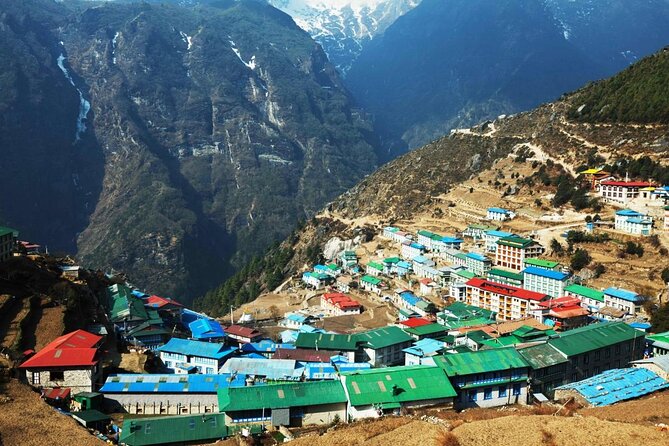
In Namche, you’re also in the zone where you’ll notice wildlife and local symbolism. Keep an eye out for the Danphe, Nepal’s national bird—an endangered species that can show up in the region’s forests and habitats. It’s one of those small moments that turns the trek from scenery into a real place with living nature.
Tengboche and Deboche: monasteries, mornings, and rhododendrons
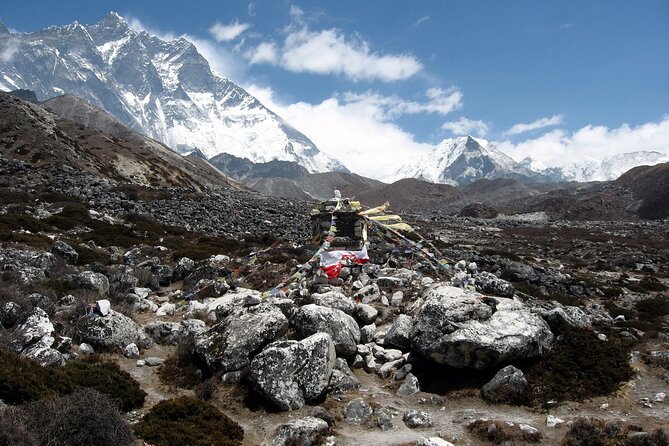
The trek shifts into a classic Khumbu rhythm: steep lift, then a stretch where you settle into “walking and breathing” mode. You’ll work up toward Tyangboche, with a long-term payoff tied to early starts.
A key highlight here is the early-morning plan around the monastery area near Tengboche. The goal is sunrise views, and the schedule is built for it—you’ll wake early and move before your body decides it wants to stay asleep. It’s worth it when the light is crisp and the mountain edges start to look sharper.
After that, the route threads through rhododendron scenery on the way to Deboche (around 3,320m). That’s a nice change from rocky ground: rhododendron areas tend to feel more alive and less barren, and they help break up the monotony of constant stone underfoot.
Dingboche: the rest day that makes or breaks your summit energy
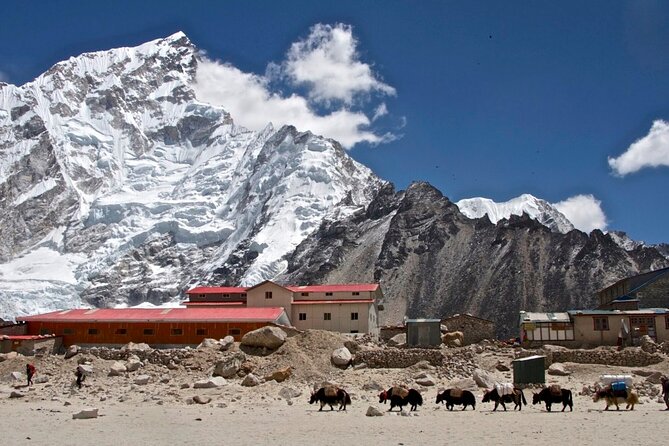
In Dingboche, you get the kind of acclimatization day that helps keep the later climbs feeling doable. One day is used for recovery after dropping from higher areas, then you get a more active acclimatization outing: a hike to Nagarjuna and surrounding views.
This is not just a “free day.” It’s a planned altitude strategy. By moving gently and staying near the same altitude band, you help your body adapt while still getting enough activity to keep circulation and morale up. If you’re the type who feels restless when you’re not moving, this kind of day usually works better than true zero-activity rest.
One drawback to consider: Dingboche can feel cold and quiet compared with lower stops. That can mess with your sleep, and poor sleep makes early climbs harder. Bring the mindset that comfort is secondary to consistency.
Lobuche: pushing higher with big-valley trekking
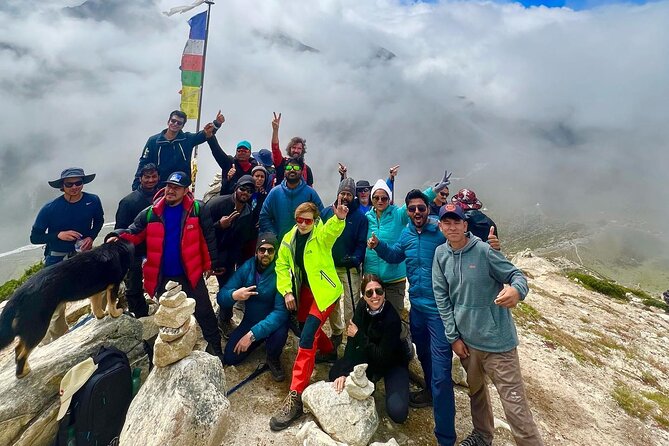
After acclimatization, you push forward to Lobuche. This day is about momentum: you’re no longer just “arriving,” you’re progressing toward the base camp zone.
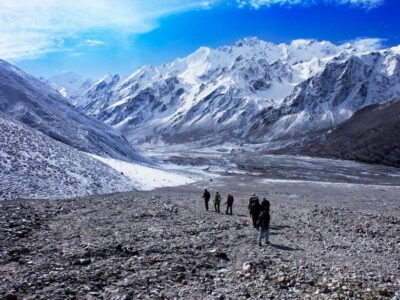
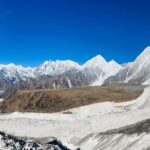
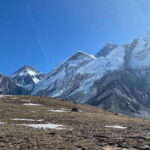
The route follows the main path in a wide valley beneath Cholatse and Tawache peaks. The walking here can feel long, because the scenery keeps expanding without giving you many easy distractions. But that’s part of the point: you’re building stamina for the rocky, glacier-adjacent miles that come next.
If you tend to be impatient when your legs feel heavy, this is where that impatience can cost you. A steadier pace keeps your breathing calmer—and calmer breathing usually leads to better views later.
Gorakshep to Everest Base Camp: the day the trek turns real
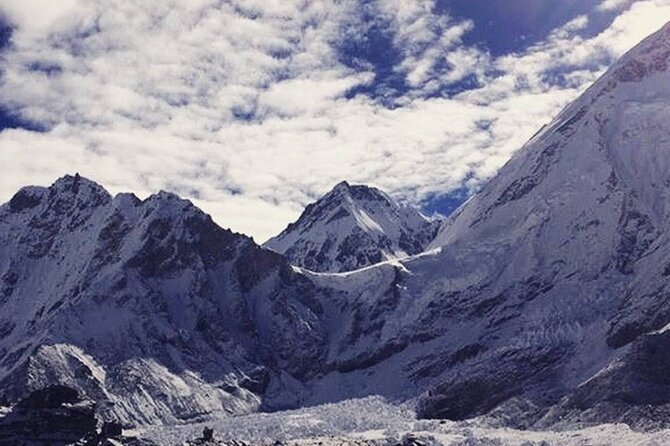
This is the “today’s the day” section. You leave Lobuche for Gorakshep, which is where you stage for Everest Base Camp. The route includes a rocky ascent with glacier-adjacent walking. You’ll pass the International Pyramid Labo, a notable landmark that helps you track progress when the terrain gets repetitive.
From Gorakshep, you continue to Everest Base Camp after time alongside the glacier and the mix of rocky uphill and downhill trail. The total feel of the day is big: it’s not just a single photo stop. It’s hours of careful walking that makes the final arrival feel earned.
You’ll reach base camp and have time to celebrate and take it in. A big reason this day hits so hard for many trekkers is that it’s the first moment where the mountain stops being “up there” and becomes a place you’re standing near.
Kala Patthar sunrise: steep rocks, thin air, and big light
Early morning wake-up is the rule here. You hike up to Kala Patthar to catch sunrise over Everest, and the climb is steep and rocky. This is not a casual viewpoint stroll, and it’s designed that way—the reward is the angle of the first light on the summit area.
Expect a physical day. Even if you’ve managed altitude well so far, this kind of ascent demands focus. Take short steps, keep your breathing steady, and let the group set a rhythm that doesn’t spike your effort.
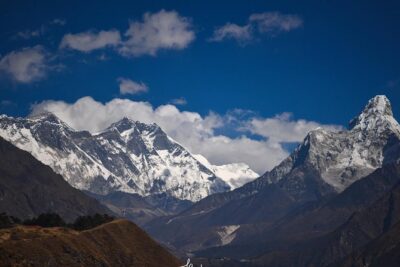
From Kala Patthar, the world feels simplified: the ridges and summit lines take over. And yes, you’ll likely think about how the trek started with that Lukla flight and how far you’ve come since then.
Returning down: Namche and Lukla, then Kathmandu
After Kala Patthar, you shift from high-up goals to moving back down to Namche Bazaar. You’ll have a heavy breakfast, then start trekking with the elevation dropping as you go. That downward profile is easier on breathing but still tough on legs, especially knees and calves on stone.
You’ll follow the route back toward familiar points like Phakding, then continue down to Lukla. The walking includes forested sections and multiple bridge crossings, and the terrain feels more forgiving than the highest days—until you realize you’re still walking for hours with tired muscles.
Finally, you take the flight back from Lukla to Kathmandu (about 35 minutes). The rest of the day is free, which is useful if you want to eat a full meal without rationing portions or if you want to do some low-key Kathmandu time.
Who this trek suits best (and who should think twice)
This trek is built for people with moderate physical fitness and for a range of experience levels, including seniors and beginners. The schedule includes acclimatization breaks and keeps the daily focus manageable in length, which helps more first-timers avoid the classic mistake of going too hard too fast.
It’s also a good fit if you value structured support. The combination of licensed guide, porter support (one for every two trekkers), group communication via walkie-talkies, and lodge-based meals means you can spend more energy on the trek and less on logistics.
Should you think twice? If you know you struggle with early mornings, cold nights, or long days on uneven ground, this may test your patience. The high altitude also means you need to accept that your goal isn’t speed; it’s arrival.
Guide leadership: why names keep showing up
One of the most praised parts of this trek is leadership. When the guide is calm and strategic, the whole trip feels safer and more personal. Names that come up with consistent praise include Rajesh Magar, Narayan Ntc, Bikram, and Gopal.
The best leadership stories tend to have the same pattern: the guide watches how you’re walking and adjusts. For example, there’s praise for Bikram recognizing a fast hiker wouldn’t be happy with slow starts, and getting up early each day while adjusting the pace so the group was moving well by late morning. There’s also praise for Gopal’s responsibility and ability to share practical advice about the Sagarmatha National Park area and acclimatization days.
This matters because Everest Base Camp isn’t one single hard moment. It’s many medium-hard moments stacked together. A good guide makes those stackings feel planned instead of chaotic.
Value check: inclusions vs what you’ll still pay for
Here’s what you can count on being handled:
- Flights Kathmandu–Lukla–Kathmandu
- Three meals a day on trek
- Twin-sharing lodge accommodation
- Park permit fees (Sagarmatha National Park entry) plus TIMS
- A licensed high-altitude trained guide
- Group medical readiness: first aid kit and an oximeter
- Basic trekking extras: map, trekking hat, duffel bag, trekking pole
- Porter support (one porter for every two trekkers)
- A trekking completion achievement certificate
What you’ll likely still cover:
- Your personal travel insurance
- Snacks and drinks you buy for yourself
- Tips/gratuities for the team
- Your own personal trekking gear
For many people, the best value isn’t the price—it’s the reduced stress. If you’re flying from far away and don’t want to worry about permits or meals mid-trek, this package helps.
Should you book this Everest Base Camp trek?
If your goal is the classic Everest Base Camp experience with sunrise viewpoints, and you want a trip that takes care of the hard-to-manage details (permits, flights, meals, and high-altitude trained guidance), I’d say this is a strong choice.
Book it if you:
- like structured pacing and acclimatization days
- want Kala Patthar sunrise as a real endpoint
- prefer a guided group with small-group support (max 20)
Think twice if you:
- want a casual, relaxed walk with zero early mornings
- hate cold nights and rocky ascents
- aren’t willing to manage altitude carefully at base camp and beyond
If you do book it, prepare for the main reality: you’re buying time at altitude with support. Use that support, move steadily, and let the mountain do the heavy lifting.
FAQ
How long is the Everest Base Camp trek?
It runs about 12 days.
What’s the highest point on this trek?
You hike to Kala Patthar, around 5,545m, and you reach Everest Base Camp at about 5,364m.
Are domestic flights included?
Yes. Flights are included for Kathmandu to Lukla and back to Kathmandu.
What’s included during the trek?
You get three meals a day, twin-sharing lodge accommodation, a trekking map, trekking hat, duffel bag, trekking pole, a guide, and the required permits (Sagarmatha National Park entry and TIMS).
Is there porter support?
Yes. There is one porter for every two trekkers.
Who meets you in Kathmandu?
The meeting point is Tribhuvan Airport in Kathmandu, Nepal, with airport pickup and drop-off included.