REVIEW · KATHMANDU
Everest Base Camp trek 14 days
Book on Viator →Operated by Sunrise Adventure Trek P. Ltd · Bookable on Viator
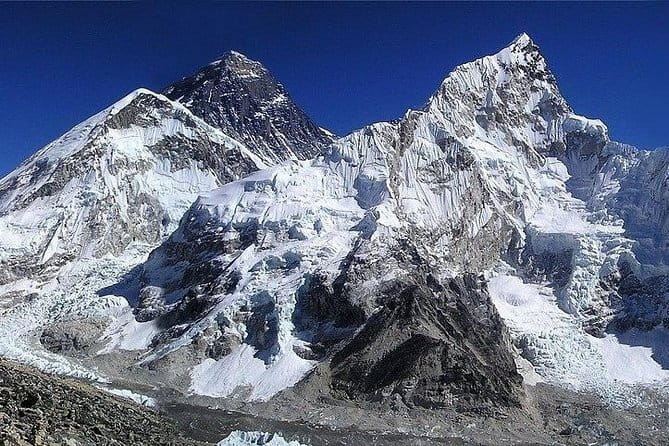
That first glimpse of Everest is earned. This 14-day Everest Base Camp trek is set up to remove a lot of the stress—transport, permits, and meals are handled for you, and you get sleeping bag and a down jacket. The biggest drawback to know up front: you’re still hiking at altitude every day, so you’ll want a moderate fitness level before you commit.
What I like most is how practical the plan feels. You’re not left stitching together logistics in Nepal—you fly to Lukla, trek village to village, and build in acclimatization days so your body has a chance to catch up with the thinner air. I also like the small-group feel (maximum 18 travelers) and the real human touch in the team dynamic, with guides named Suresh and Ram showing up in feedback alongside a sherpa team that keeps things moving and safe.
One more consideration: the cold at higher elevations is real, and while this trip provides key gear, you’ll still need to show up ready with your own common-sense hiking items and energy. Also, Kathmandu meals and personal costs aren’t included, so budget a little breathing room for snacks and extras in the city.
In This Review
- Key Highlights You’ll Care About
- A Low-Stress Kathmandu Start (That Actually Matters)
- Price and Value: What $1,380 Covers (and Why It’s Not Random)
- Gear and Meals: Staying Warm Without Overpacking
- Day 2: Lukla Flight and the Phakding Warm-Up Trek
- Day 3: Namche Bazaar, the Trading Hub With Big-Mountain Energy
- Day 4: Acclimatization in Namche (This Is Where Smart Trekkers Win)
- Day 5: Tengboche, a Famous Spiritual Stop at Higher Altitude
- Day 6 and 7: Dingboche Acclimatization, Then Another Climb
- Day 8: Lobuche at Around 4,910 Meters
- Day 9: Everest Base Camp (Plus the Gorakshep Setup)
- Day 10: Kalapatthar Sunrise Hike and the Long Descent to Periche
- Day 11 to 12: Namche and Lukla, Back to Air That Feels Like Air
- Day 13 to 14: Flying Home and Celebrating With Nepal
- Guides, Crew, and the Small Details That Keep Things Working
- Who This Everest Base Camp Trek Is Best For
- Should You Book This Everest Base Camp Trek?
- FAQ
- FAQ
- What’s included in the trek package?
- Are permits and TIMS covered?
- Do I need to arrange flights to Lukla myself?
- What meals are included on the trek?
- Is cold-weather gear included?
- How many people are in the group?
- What if I need to cancel?
- Is international airfare included?
Key Highlights You’ll Care About
- Cold-weather support included: sleeping bag and a down jacket are provided (if you need them).
- Less planning on your plate: airport transfers, Kathmandu/Lukla flights, ground transport, and trekking permits are covered.
- Most meals handled: you get three meals daily during the trek as listed in the plan.
- Acclimatization built in: rest days in Namche and Dingboche help you pace the climb.
- A proper finish: cultural show plus farewell dinner after the trek.
- Small group, max 18: easier coordination and a less chaotic trek vibe.
A Low-Stress Kathmandu Start (That Actually Matters)
Kathmandu is where the whole adventure gets real. Day 1 is arrival, then the next day you’re already flying toward Lukla—so your first job is getting organized, hydrated, and sleeping as well as you can. With airport pick-ups and departures included, you’re not trying to figure out timing or transport on day one.
The route then moves fast: you’ll take a short Lukla flight and start hiking almost immediately afterward. That can feel intense, but the payoff is that the trek doesn’t drag out for no reason. For value-minded travelers, the key is that your time in Kathmandu isn’t wasted on logistics.
You can also read our reviews of more tours and experiences in Kathmandu.
Price and Value: What $1,380 Covers (and Why It’s Not Random)
At $1,380 per person, this trek is priced like an organized package—not like you’re paying only for a guide to point you up a mountain. Your cost covers the big-ticket moving parts: Kathmandu–Lukla flights, airport transfers, and ground transport by A/C car and tourist deluxe bus. It also includes trekking permits and TIMS, which can be a hassle to manage solo.
It also covers the stuff that adds up when you travel independently: city lodging in Kathmandu (standard hotel, twin sharing, breakfast included) and accommodations during the trek. Add in meals during the walking days—three times daily during the trek—and the trip starts to look like a deal rather than a gamble.
What isn’t included is also pretty clear: international airfare, travel insurance, tips for the trekking crew, extra meals in Kathmandu, and personal expenses (including bar bills). If you keep that in mind, there are fewer budget surprises late in the process.
Gear and Meals: Staying Warm Without Overpacking
The most comforting included items are the cold-weather supports. This trek can provide a sleeping bag and down jacket when needed. That matters because the wrong packing plan can turn a great trek into a struggle with weight and warmth. If you’re arriving without winter gear, this is the kind of coverage that helps.
On the food side, you’re not counting every snack budget during the hike. The plan includes daily breakfast, lunch, and dinner during trekking days (listed as B.L.D in the schedule). In practice, that means fewer decisions on your energy level—exactly what you want when your appetite can be weird at altitude.
In Kathmandu, you’ll still pay for extra meals and personal costs. That’s normal, but it’s smart to eat like a traveler who’s about to climb: simple meals, stay hydrated, and don’t burn your budget on convenience food before you earn those big views.
Day 2: Lukla Flight and the Phakding Warm-Up Trek
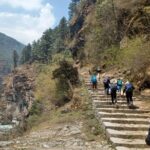
You start Day 2 with a quick Lukla flight (about 40–45 minutes), then immediately switch into trekking mode. The Phakding section is relatively short—about 3 to 4 hours—from Lukla to Phakding at roughly 2,640 meters (866 ft) in elevation terms listed.
This day is about rhythm more than suffering. If you pace it, you’re more likely to arrive calm and ready instead of already exhausted. And because this trek is organized with transportation handled, you spend your brainpower on breathing, not schedules.
You’ll have B.L.D on this day, which helps. When your first day of trekking includes full meals, you’re less likely to under-eat simply because you’re tired.
Day 3: Namche Bazaar, the Trading Hub With Big-Mountain Energy
Day 3 is a longer push—5 to 6 hours—to Namche Bazaar at 3,440 meters. Namche is the type of place where the mountain world starts to feel close. You also get a chance to settle in and adjust to the altitude’s grip.
What I like about this phase is that Namche isn’t just a stop—it’s where you reset your plan. You’ll have full meals again (B.L.D), and the next day is built for acclimatization, not pressure.
Day 4: Acclimatization in Namche (This Is Where Smart Trekkers Win)
Day 4 is a true acclimatization day in Namche Bazaar. You’re not rushing higher; you’re letting your body learn. Even if you feel okay, these days matter because you’re stacking altitude on top of prior hikes.
This is also where the cultural side of the journey starts to show up. In feedback, I saw people mention things like buying a painting of the mountains in Namche Bazaar. That’s the kind of simple, real souvenir that feels connected to where you are—not just a random product on a shelf.
For you, the practical takeaway: use acclimatization day to hydrate, eat steadily, and keep your pace gentle. You’re not there to set records. You’re there to get to Everest Base Camp without breaking early.
Day 5: Tengboche, a Famous Spiritual Stop at Higher Altitude
Day 5 brings the trek to Tengboche at about 3,860 meters. The walk is 6 to 7 hours, so it’s a proper step up in effort. Still, it’s paced within a route that includes higher-elevation planning right after.
Tengboche is known in the trekking world for a reason: it’s a place where the mountains feel dramatic and the day can feel calmer than the sheer altitude suggests. With B.L.D included, you’re supported with meals that make it easier to keep going without constantly hunting for food.
Day 6 and 7: Dingboche Acclimatization, Then Another Climb
Day 6 is acclimatization in Dingboche, and Day 7 again brings you trekking to Dingboche at about 4,410 meters (14,300 ft). That split is important. It means you’re not just hopping upward; you’re letting your body adjust to the change.
Day 7 is listed as about 5 to 6 hours, still demanding, but not outrageous if you hike steadily. You’ll keep your meals consistent (B.L.D), which helps because appetite often fluctuates as elevation climbs.
If you like structured plans, you’ll appreciate this part. You’re moving with a rhythm: hike, stop, adjust, then hike again.
Day 8: Lobuche at Around 4,910 Meters
On Day 8, you trek to Lobuche for about 5 hours, at roughly 4,910 meters. This is where the air thins enough that every small decision—pace, hydration, warmth—starts to matter more.
You’ll have B.L.D again, and that consistency is a quiet advantage of a guided package. At higher elevations, the wrong timing can leave you hungry or chilled at the wrong moment. When meals and lodging are planned, you can focus on comfort and steady movement.
Day 9: Everest Base Camp (Plus the Gorakshep Setup)
Day 9 is the big swing toward the destination. You trek to Everest Base Camp, then return to Gorakshep (about 5,200 meters). The schedule doesn’t specify the exact walking hours here, but the idea is clear: you’re going up to the main event, then you still need energy for where you sleep that night.
This day is all about purpose. Base Camp is why people do this trek, but the return to Gorakshep matters too. It sets you up for the early push to the high viewpoint the next morning.
With B.L.D included, you’ll be able to recover instead of searching for food or negotiating your way through logistics while tired.
Day 10: Kalapatthar Sunrise Hike and the Long Descent to Periche
Day 10 is the one that turns the volume up. You hike to Kalapatthar at about 5,550 meters (16,962 ft), then trek down to Periche at about 4,200 meters.
The schedule lists the Kalapatthar hike at about 2 hours 30 minutes, and the descent to Periche at about 7 hours. That combination is powerful: you get the highest viewpoint moment, then you burn off the day on the way down.
This is also where the provided cold gear earns its keep. If you’re not dressed correctly, you’ll feel it most here. The plan helps, but you should still bring sensible base layers and gloves if you already own them.
Day 11 to 12: Namche and Lukla, Back to Air That Feels Like Air
Day 11 takes you back to Namche Bazaar (about 6 hours to around 3,441 meters). Day 12 is the trek to Lukla, about 7 hours. On paper, this is “just the way back.” In real life, legs can feel different after high-altitude effort—so pacing matters.
The good news is that the itinerary doesn’t leave you dangling. You have accommodations planned and B.L.D included on these trekking days too. Your goal on these days is simple: finish strong, take breaks before you have to, and keep moving at a steady pace.
Day 13 to 14: Flying Home and Celebrating With Nepal
Day 13 is the flight back to Kathmandu, with B.D included. Then Day 14 is your cultural wrap-up: there’s a cultural show and a farewell dinner program included, followed by departure.
I really like this kind of ending. A trek can make your world feel mountain-only. This gives you a reminder that Nepal isn’t only about Everest views—it’s also about people, music, and a celebration after hard work.
Guides, Crew, and the Small Details That Keep Things Working
This trek operates with a guide (and support structure), and your cost includes the guide’s salary, accommodation, meals, and insurance. It also includes a first aid medicine item, plus the TIMS and trekking permit piece.
In the feedback I saw, guides named Suresh and Sobit show up as helpful and safety-focused, and Ram is mentioned with a positive experience. Sherpa support is clearly part of the experience too, including Pasang Sherpa, noted in feedback for his mountain experience.
You’ll also get a T-shirt and a trip achievement certificate. It’s not life-changing, but it’s the kind of small recognition that feels nice when you’ve earned it.
Who This Everest Base Camp Trek Is Best For
This is a strong fit if you want a guided plan where most daily needs are handled. You’ll appreciate the inclusion of permits, flights, lodging, and three-meal days while you focus on walking and acclimatizing.
It’s also a good match for travelers who don’t want to spend their energy gaming logistics in Nepal. If you like structure, and you want to travel with a maximum group size of 18, this should feel comfortable.
The main mismatch is anyone who isn’t comfortable with altitude hiking. Even with acclimatization built in, you’ll be going up to around 5,550 meters at Kalapatthar and around 5,200 meters at Gorakshep. If your fitness is weak or your stamina is unpredictable, you’ll feel it.
Should You Book This Everest Base Camp Trek?
If you’re hoping for an organized EBC trek where permits, transport, meals, lodging, and key gear are already arranged, I think this is a smart value play. The $1,380 price makes more sense when you look at what’s included: flights, TIMS/permits, guide support, and daily meal coverage during trekking days.
I’d book it if you’re the type of person who wants to spend energy on the trail, not on problem-solving in Kathmandu. I’d hesitate only if you know you won’t handle altitude and long trekking days—or if you expect full flexibility with meals and gear spending in Kathmandu, because extra city meals and personal costs are on you.
FAQ
FAQ
What’s included in the trek package?
You get airport pick up and departures in Kathmandu and flights for Kathmandu–Lukla–Kathmandu, plus ground transport in A/C car and tourist deluxe bus. The package also includes city hotel (twin sharing with breakfast), trekking lodge accommodations, daily breakfast/lunch/dinner during the trek, permits (TIMS and trekking permit), and guide support (including guide insurance). Sleeping bag and down jacket are provided if you need them, along with a first aid medicine item, a T-shirt, and a trip achievement certificate. There’s also a cultural show and farewell dinner program included.
Are permits and TIMS covered?
Yes. Trekking permit and TIMS card costs are included.
Do I need to arrange flights to Lukla myself?
No. Kathmandu to Lukla and Lukla back to Kathmandu flights are included.
What meals are included on the trek?
During trekking days, you’ll get three meals per day: breakfast, lunch, and dinner (B.L.D as listed in the schedule). Extra meals in Kathmandu are not included.
Is cold-weather gear included?
Yes. A sleeping bag and down jacket are provided if you need them.
How many people are in the group?
The maximum group size is 18 travelers.
What if I need to cancel?
You can cancel up to 24 hours in advance for a full refund. If you cancel less than 24 hours before the start time, the amount you paid won’t be refunded.
Is international airfare included?
No. International air ticket is not included.