REVIEW · CHIANG MAI
Chiang Mai: Gibbons, Trekking & Mae Kampong Small Group Tour
Book on GetYourGuide →Operated by Eco Tours Chiang Mai · Bookable on GetYourGuide
Gibbons in the wild are the big draw. This small-group trip pairs that chance with a real day in the mountains around Mae Kampong—village lanes, a secret forest trail, and plant tastings led by guides like TK and Nee. I especially like the way the day blends animals, food, and nature education instead of turning everything into a checklist. The other thing I like: the conservation link—part of what you pay supports the gibbons’ caretaker and food when times are tough.
One consideration: the jungle walk is short, but it’s steep and uneven in places, and wild gibbon sightings are never guaranteed. If you’re not comfortable with uphill footing, or you’re looking for flat strolling, this may feel harder than you expect.
In This Review
- Key highlights worth getting excited about
- The Mae Kampong drive: where your day starts to feel mountainous
- Gibbons in the wild: how the viewing actually works (and why it’s not guaranteed)
- Mae Kampong village time: more than just passing through
- Secret jungle trail and the 900-year-old tree
- Waterfall and lunch: when comfort joins the nature lesson
- The hiking reality check: what steep footing and rainy season mean for you
- Price and value: why $77 can make sense here
- Who should book this (and who should skip)
- Should you book this Chiang Mai gibbons trek?
- FAQ
- What time does hotel pickup happen?
- How long and how hard is the trekking?
- Are gibbons guaranteed to be seen?
- What food and drinks are included?
- Do you visit a waterfall and get time in Mae Kampong village?
- Is the tour suitable during the rainy season?
- What should I bring?
- What language is the tour conducted in?
- Is the tour suitable for people with mobility impairments?
- Is the pickup point different for solo travelers?
Key highlights worth getting excited about
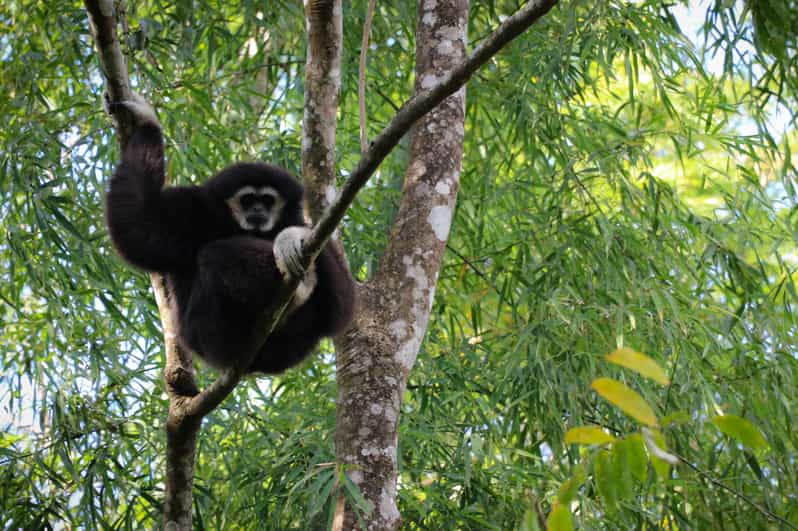
- Real wild gibbons chance near Mae Kampong, with caretaker guidance and flexible timing
- Plant tasting and handling edible jungle foods (yes, you get to smell and touch)
- A coffee break with valley views at a mountain cafe during the village wander
- A secret 3–5 km forest trail that’s less visited and led by local naturalists
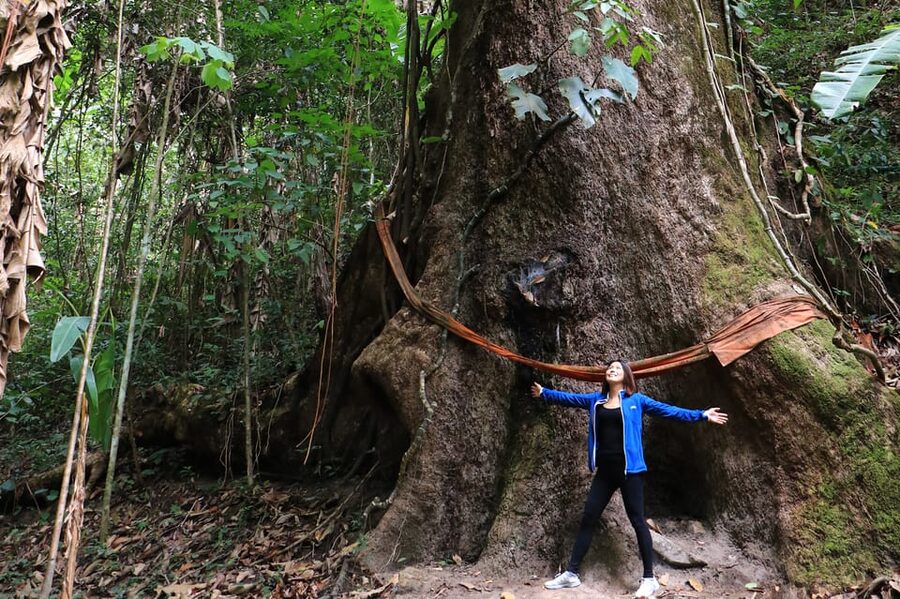
- One of Chiang Mai’s oldest trees, said to be around 900 years old
- Waterfall time + a hearty Thai lunch, with vegetarian and vegan options
The Mae Kampong drive: where your day starts to feel mountainous
You’ll get picked up from Chiang Mai city in an air-conditioned van or SUV. Expect about an hour drive east into the hills—enough time for the air to cool and for you to start trading city noise for birds and tree cover.
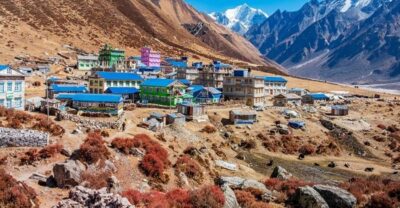
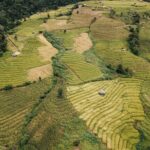
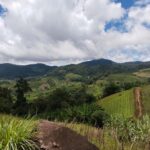
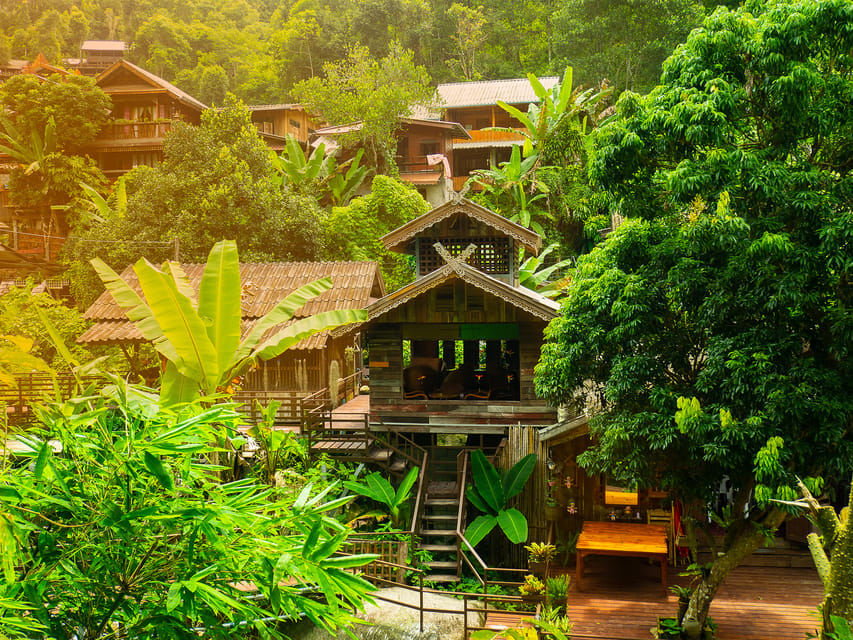
When you arrive, the vibe shifts quickly from “tour day” to “you’re in the mountains.” Mae Kampong sits in a steep, green pocket of hills, and the town’s lanes make it feel like you’ve stepped into a quieter world. This matters because the trip isn’t just about hiking to a single point. It’s about spending time where locals live and work—then moving into the forest with the right context.
If you’re sensitive to motion sickness, note that the return route includes winding roads in the last stretch. Bring what usually helps you. It’s not the time for heroics.
You can also read our reviews of more tours and experiences in Chiang Mai.

Gibbons in the wild: how the viewing actually works (and why it’s not guaranteed)
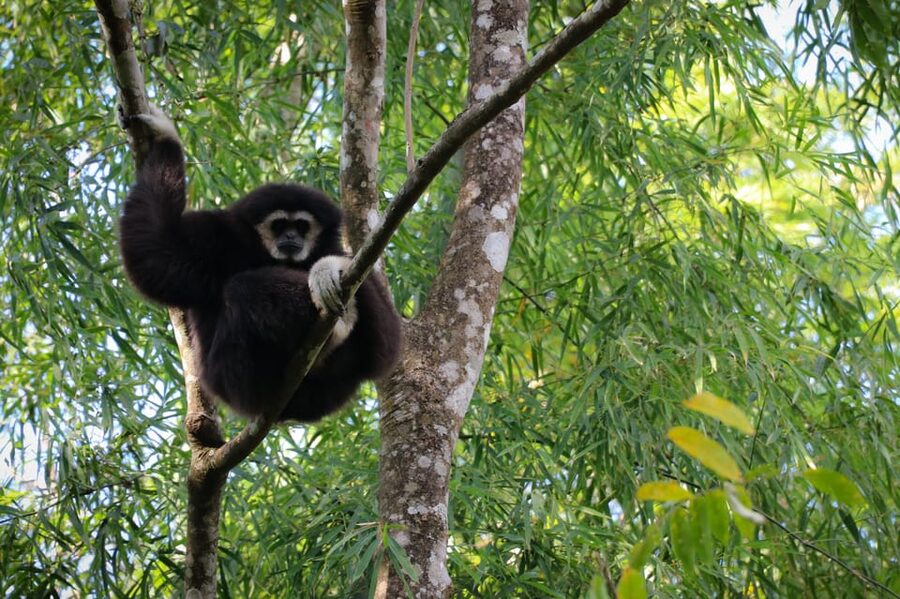
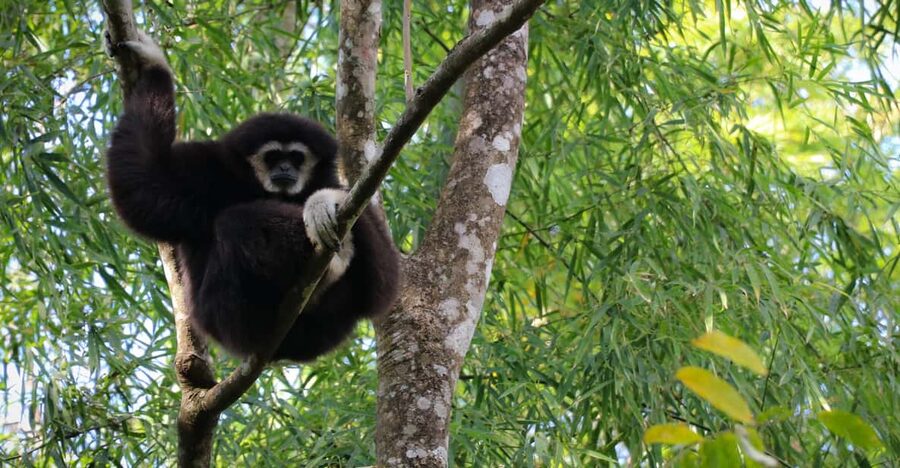
This is the centerpiece: a first attempt to spot gibbons in a secluded area, guided by local knowledge. These gibbons are part of a rehabilitation program and now live free in the forest area, which means they can move unpredictably and sightings can’t be promised.
Here’s what that means for you in real life:
- The team may switch the order of activities based on what the caretaker hears or spots that morning.
- You might spend time waiting in the forest, listening and watching, before the animals appear.
- When they do show up, you’ll usually spot them through the trees, not from a clean, paved viewing platform.
The caretaker’s role is a big part of why this feels ethical, not just exciting. Caretakers provide food during scarcity and help protect the animals. The tour includes a donation connected to that work—so your visit supports the people doing day-to-day conservation, not only a photo moment.
Also, keep expectations grounded: even when you’re very lucky, wild gibbons might be playful, distant, or temporarily hidden. Your job is to stay calm, follow instructions, and let the forest do its thing.
Mae Kampong village time: more than just passing through
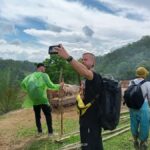
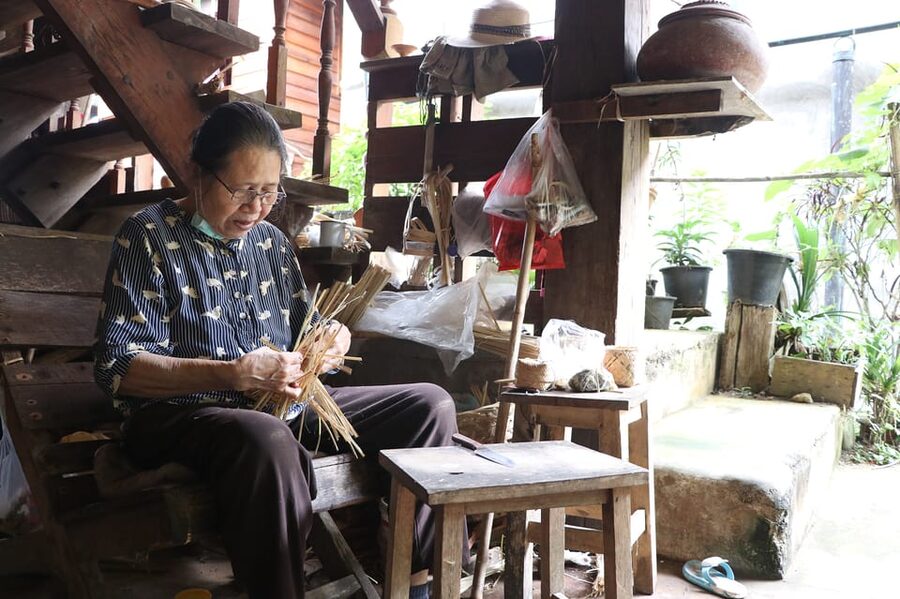
After you settle into the mountain rhythm, you’ll wander through the village’s small alleyways with a local guide. This is where you learn how people live with the surrounding forest instead of treating it like scenery.
You’ll hear about local culture and how flora and fauna connect to daily life. It’s practical, not just “look at this plant” pointing. The guides explain uses—food, natural materials, and local know-how about what grows there and why it matters.
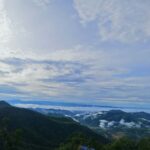
A standout break comes next: a complimentary coffee (or tea/smoothie depending on what’s offered) at a cafe with stunning views down toward the village. It’s a nice reset point. Your legs get a rest, your head clears, and you get a sense of just how steep the area is. In Thailand, it’s rare for a tour to slow down like this, and it makes the day feel less rushed.
If you’re hoping to stretch the day into something more “real” than “bus-to-trail,” the village segment is the glue.
Secret jungle trail and the 900-year-old tree
Then the hike part arrives—this is the moment you go from village shade to deeper forest.
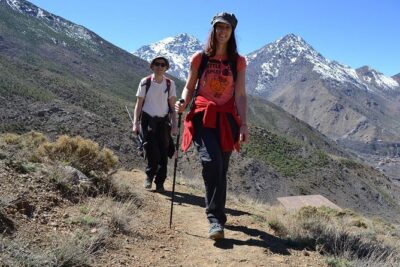
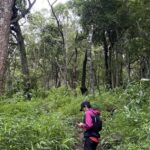
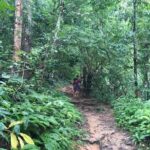
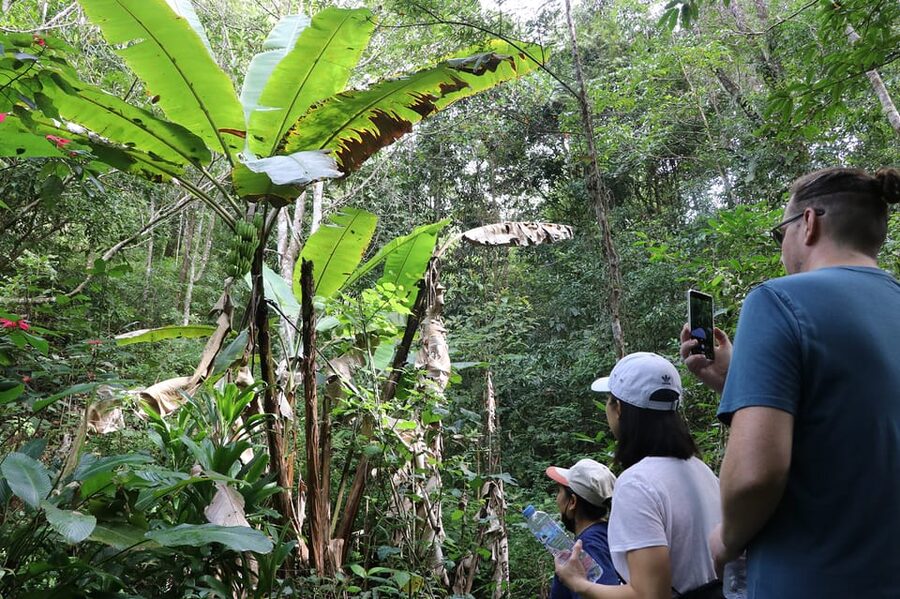
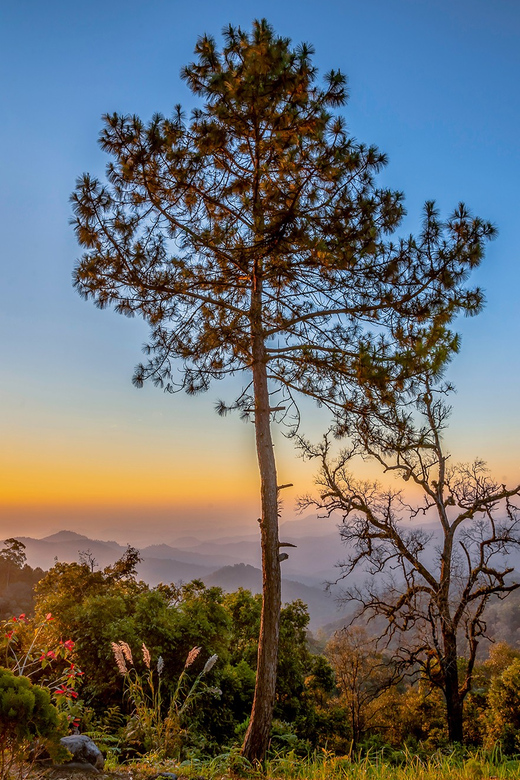
You’ll cover about a 3 km trail portion (some days described as 3–5 km total across trekking time) along a path that’s seldom visited and not heavily promoted. In practice, that’s what you want: fewer people, more silence, more chances to notice what’s happening around you. The trail includes steep and uneven sections, so good grip matters. Wear shoes you can trust on uneven ground.
Along the way, local guides point out plants and explain how they’re used by people nearby. This is where the tour becomes interactive in a good way: you’ll taste, smell, and touch different herbs, fruits, and edible jungle plants. It’s not just a lecture; it’s a hands-on lesson in how locals interpret the forest.
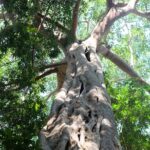
One of the most memorable landmarks on this hike is an ancient tree said to be around 900 years old. Even if you don’t care about age trivia, it gives you a grounding moment—proof that these mountains have been shaping life far longer than tourism has existed.
Waterfall and lunch: when comfort joins the nature lesson
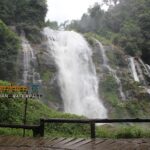
After the earlier village and coffee timing, you’ll head toward Mae Kampong waterfall. This stop gives your senses something different from trail vegetation. More water, more sound, cooler air around the falls.
Then comes lunch. The included meal isn’t a sad afterthought. You get an assortment of local dishes plus some familiar Thai favorites, and the tour offers plenty of vegetarian and vegan options. If you’ve had a “mixed group” tour where veg food is an afterthought, this is the opposite—you can actually eat like a person, not like a survivor.
I also like that lunch sits within the day’s rhythm. By the time you reach it, you’ve already learned about plants and forest uses, so food feels connected rather than random.
Between lunch and the later gibbon viewing, the day stays paced. Nothing feels like you’re sprinting from one box to the next.
The hiking reality check: what steep footing and rainy season mean for you
The trail isn’t long, but it’s not flat. Reviews and the trip description both point to steep, uneven parts. Plan on uphill effort and uneven footing, especially where the path narrows or shifts. It’s more “workout” than “stroll.”
For the rainy season, you’re still covered. The jungle comes alive with color and the mountain air feels cooler. The waterfall tends to be especially good when the rains bring more water. Bring a rain jacket. Don’t assume you’ll outsmart weather.
Also bring a small practical mindset:
- Wear comfortable clothes you can move in.
- Choose shoes with grip.
- Take it slow when the ground tilts. A steady pace beats hero speed.
If you have mobility limitations, this isn’t positioned for you. The hike includes steep and uneven terrain.
Price and value: why $77 can make sense here
At around $77 per person, this tour looks modest on the surface. But the value comes from what you’re actually getting.
You’re paying for:
- Air-conditioned transport with hotel pickup and drop-off
- Multiple guides, including a local village guide for culture and plant learning
- A guided forest walk on a less crowded trail
- A waterfall visit
- Complimentary coffee (tea/smoothie options included)
- A full lunch with vegetarian and vegan choices
- And a donation tied to gibbon caretaking and protection
If you tried to stitch this together yourself—transport, a competent local guide, food stops, and a conservation-backed gibbon viewing—you’d likely spend more and still miss the context. Here, the day’s structure is doing you a favor. You get the connections between village life, plants, and the conservation effort behind the gibbons.
In a place like Chiang Mai, that matters. A nature day can become generic fast. This one stays specific.
Who should book this (and who should skip)
This tour is a great fit if you want:
- A nature-focused day outside the city
- A chance to see gibbons in the forest (with the right ethical mission behind it)
- Hands-on plant learning—tasting and touching herbs and edible jungle plants
- A realistic hike that’s short but definitely not easy-slip-and-slide
It’s also a good option if you like guide energy. Guides such as TK, Nee, Smile, Golf (and local partners like Mr Boon have been mentioned in the tour team) are a major part of why the day clicks. Their job isn’t only translation—it’s connecting you to what you’re seeing.
You should skip or consider something gentler if:
- You can’t handle steep, uneven paths
- You want a fully predictable schedule with no flexibility for gibbon movement
- You’re expecting a totally flat, stroller-friendly route
Should you book this Chiang Mai gibbons trek?
If you’re choosing among Chiang Mai day trips, I’d point you here when two things matter most: wild nature and real local knowledge. The gibbons are the headline, but the day holds together even if the forest decides to keep them hidden for a while.
Book it if you’re willing to hike a bit uphill, follow guide direction, and enjoy the slow, listen-and-watch rhythm of the forest. Bring good shoes, accept that sightings are never guaranteed, and you’ll get a day that feels connected—village life, herbs you can identify, a waterfall break, and a conservation effort you can actually support.
FAQ
What time does hotel pickup happen?
Hotel pickup starts between 08:00 and 08:30 from Chiang Mai city.
How long and how hard is the trekking?
You’ll hike along a steep and uneven trail, about 3–5 km total, with some uphill and uneven footing. It’s not long, but it is challenging in parts.
Are gibbons guaranteed to be seen?
No. The gibbons are wild and can roam freely, so sightings aren’t guaranteed. The order of activities may change depending on caretaker updates.
What food and drinks are included?
You get a complimentary coffee (or tea/smoothie), and lunch is included with an assortment of local dishes. Vegetarian and vegan options are available.
Do you visit a waterfall and get time in Mae Kampong village?
Yes. The schedule includes wandering through Mae Kampong and a visit to the waterfall, plus time for coffee with views.
Is the tour suitable during the rainy season?
Yes. It runs year-round, and the waterfall can look especially good during rains. Bring a rain jacket in case of sudden downpours.
What should I bring?
Bring comfortable shoes and comfortable clothes. If you get motion sickness, consider taking sickness tablets due to winding roads.
What language is the tour conducted in?
The tour is offered in English.
Is the tour suitable for people with mobility impairments?
No. It is not suitable for people with mobility impairments due to steep, uneven terrain.
Is the pickup point different for solo travelers?
If you’re a solo traveler, you may be asked to meet at Burger King Thapae for 8:00 instead of having hotel pickup.