REVIEW · ARUSHA
8-Day Small-group Lemosho Kilimanjaro Summit Trekking
Book on Viator →Operated by Climb Kili · Bookable on Viator
Midnight on Kilimanjaro starts with planning. This 8-day Lemosho-route trek from Arusha follows changing climate zones and builds acclimatization toward a high-probability summit attempt.
I especially like the small group size (max 15), which tends to mean faster answers, closer check-ins, and less waiting around when you need something. I also like that the trip feels genuinely all-in: camping equipment, park fees, meals, and admission tickets are included, so you can focus on the hike instead of budgeting surprises.
One consideration: you need strong physical fitness, and the summit night is described as one of the steepest non-technical sections—long, mentally demanding, and cold. If you’re prone to anxiety with long climbs in low oxygen, you’ll want to prepare for that reality up front.
In This Review
- Key takeaways before you commit
- Lemosho Route: why the plan helps you manage altitude
- Price and logistics: what $2,895 covers (and why value is real here)
- Day 1: Londorossi Gate and Mti Mkubwa rainforest camp
- Day 2: into the savannah on the Shira ridge
- Day 3: Shira plateau and Moir Camp in a gorge
- Day 4: Lava Tower acclimatization, Arrow Glacier junction, then Barranco
- Day 5: Barranco Valley and wall, then Karanga into the arctic zone
- Day 6: slow climb to Kosovo Camp and the prep reality
- Day 7: midnight summit push to Stella Point and Uhuru Peak
- Day 8: Mweka Gate exit and Arusha hotel recovery
- The people factor: guides, crew, and the comfort of being cared for
- How hard is it, really? Fitness, altitude, and what to expect
- Should you book this 8-Day Lemosho Kilimanjaro trek with Climb Kili?
- FAQ
- What time does the trek start?
- How long is the Mount Kilimanjaro trek?
- How big is the group?
- What’s included in the trip price?
- Do you get transportation from Arusha?
- How much physical fitness do I need?
- Can I cancel and get a full refund?
Key takeaways before you commit
- Lemosho route timing and acclimatization across multiple zones helps your body adjust before summit night.
- Small-group support (up to 15) is built into the experience, not just marketing.
- Included camping setup and meals reduce logistics and help you conserve energy.
- Big altitude moments are spaced out: Shira plateau exploration, Lava Tower acclimatization, then Barranco/Karanga/Barrafu-area progress.
- Summit push starts at midnight with sunrise from Stella Point and continuing to Uhuru Peak.
Lemosho Route: why the plan helps you manage altitude
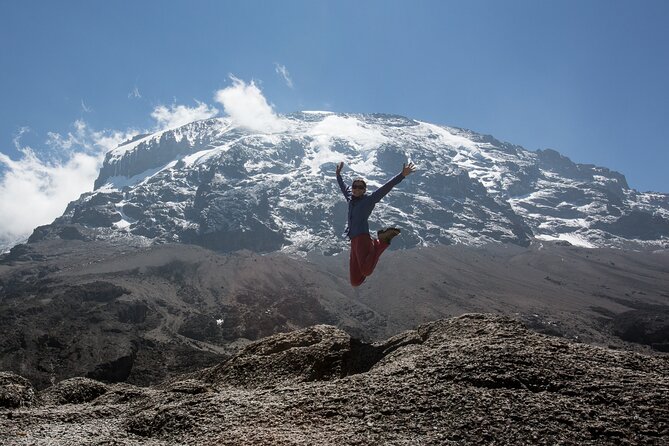
The big reason I’m drawn to this trek is the pacing built into the Lemosho route. You’re not just hiking uphill every day—you’re moving through rainforest, savannah, high-altitude plateau, and then into the colder “arctic zone” before summit night. That progression matters because Kilimanjaro altitude isn’t just about distance. It’s about how fast your body adjusts to low oxygen.
You’ll also get a couple of built-in “breathing room” days. Day 3 gives you a full Shira Plateau exploration instead of rushing onward, and Day 4 adds an acclimatization trek toward high points before dropping to Barranco Camp. Those choices generally make the summit attempt feel less like a jump off a cliff.
And yes, the route is still tough. The difference is that you’re climbing with a plan designed to reduce altitude shocks along the way, rather than letting the mountain set your schedule.
You can also read our reviews of more tours and experiences in Arusha.
Price and logistics: what $2,895 covers (and why value is real here)
At $2,895 per person, this is not a budget trek. But it can be good value because the essentials are bundled in rather than nickel-and-dimed.
Here’s what you’re told is included:
- Round-trip transfers from your Arusha hotel
- All camping equipment, fees, and meals
- Admission tickets throughout the trekking days (included)
That “all-inclusive feel” is the key. When your days start at gates in the morning and end at camp at night, the last thing you want is to handle missing gear, extra fees, or unclear meal plans on the fly. If you’re trying to stay focused (and calm), having those pieces handled is worth real money.
You’ll also get a mobile ticket, and confirmation happens within 48 hours of booking subject to availability. The meeting time is 8:00 am, so it helps to plan an easy Arusha morning before pickup.
Day 1: Londorossi Gate and Mti Mkubwa rainforest camp
Your trek begins on the western side at the Londorossi gate after a restful hotel night. The first climb is described as a gentle ascent through montane forest, which is exactly what you want on day one: you’re warming up without spending all your energy.
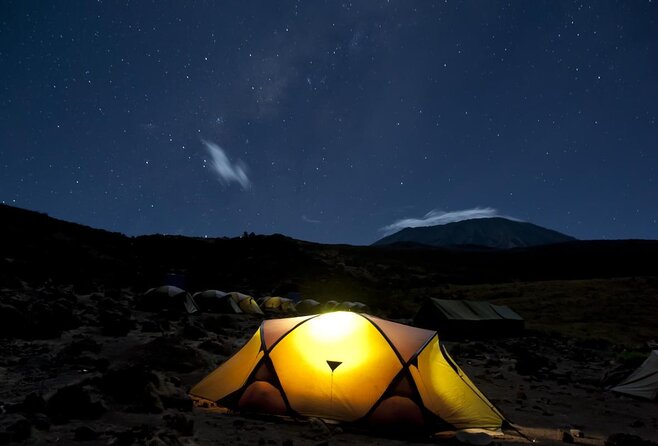
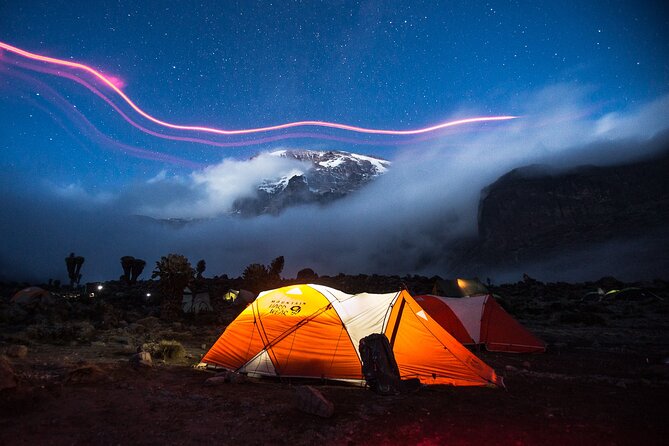
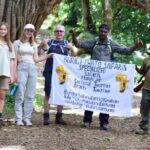
By the time you reach camp, tents are set up under the Climb Kili banner, and your belongings are already inside. Tonight’s camp is Mti Mkubwa, which means Big Tree, and it’s specifically set in the rain forest. That rainforest setting is more than pretty. It usually means a steadier start and less of the harsh high-altitude feeling right away.
Potential drawback for day 1: it’s still walking for hours (around 3–4 hours), so don’t treat this as a stroll. Keep your effort steady, not fast.
Day 2: into the savannah on the Shira ridge
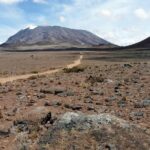
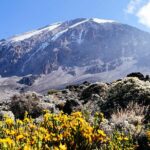
Day 2 is a change of scenery with a purpose. You leave the forest and step into tall grasses, heather, and volcanic rock draped with lichen. You’re also heading toward the Shira ridge, where the plateau opens up and you get early horizon views of Kilimanjaro.
This is one of those days that helps you mentally. You can physically feel you’ve shifted into high country, and the views tend to make the altitude feel less abstract. It’s also long enough (about 5–6 hours) to matter, but not so long that you’re burning matches you’ll need later.
Watch your pacing here. The ground gets different, the air gets thinner, and you’ll feel tempted to “power through” because the views are rewarding.
Day 3: Shira plateau and Moir Camp in a gorge
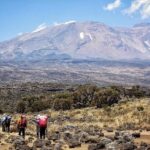
Day 3 is your Shira Plateau day, with a full exploration and a route designed to keep you moving while still giving your body time. You trek east toward Kibo’s glaciated peak, and you have an option to visit the ancient collapsed Shira cone, described as the oldest of Kilimanjaro’s three volcanoes.
The camp stop is Moir Camp, and it’s located in a huge gorge at the end of a dormant lava flow. That setting can feel dramatic—almost like the mountain is “holding” you for a night before you continue higher. It’s also a practical acclimatization moment: after hours walking, you get to settle before the next big acclimatization day.
Possible drawback: this day is about effort and elevation exposure (roughly 5–7 hours). If you’re someone who needs constant reassurance, plan to keep your mood steady and trust the rhythm of the group.
Day 4: Lava Tower acclimatization, Arrow Glacier junction, then Barranco
This is a high-impact day, and it’s split into two jobs: acclimatize higher and then reposition for the Barranco section. You trek to Lava Tower at about 15,000 ft / 4,500 m, then continue to the second junction connected with Arrow Glacier.
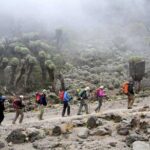
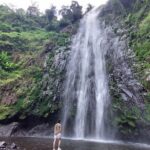
After resting at the tower, you descend through the Senecio forest and you pass a waterfall before finishing at Barranco Camp. Barranco Camp is described as being in the shadow of the Barranco wall, and the breeze often carries clouds from the Barranco Valley. That means your night can feel cooler and more “active” with changing weather.
Why this day is valuable: it gives your body a taste of higher altitude before you commit to more rugged climbing ahead. But it also means you’ll need to be mentally flexible, because moving from high exposure down into forest can feel different in your lungs and legs.
Day 5: Barranco Valley and wall, then Karanga into the arctic zone
Day 5 is where the route turns more “mountaineering” without requiring technical climbing. You conquer the Barranco Valley and then the Barranco wall, described as an adventurous stretch that ushers you into the arctic zone of Kili.
From there, you continue on the South Circuit path through the Karanga Valley, and you camp at Karanga Camp. This day is shorter on paper (around 4–5 hours), but the terrain tends to feel steeper and more tiring because you’ve already climbed into higher zones.
Consideration: once you’re thinking “arctic zone,” cold becomes part of your strategy. It affects how you sleep, how hungry you feel, and how quickly you’ll want to start moving.
Day 6: slow climb to Kosovo Camp and the prep reality
Day 6 is about control. You take a slow pace to Kosovo Camp (around 5–6 hours). You pass Barafu camp along the way, which offers excellent views of Kibo and Mawenzi, giving you a visual check on what’s coming.
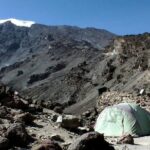
Kosovo Camp sits on an exposed ridge, which is a big practical point: you need to familiarize yourself with the terrain before dark. That matters because at altitude, footing mistakes feel more punishing, and cold reduces how smoothly your body can recover.
This is also the day where you rest, relax, and do the necessary summit-day preparation. In the stories I’ve seen from this trip, the crew attention and timing on summit preparation is a recurring theme—exactly what you want when you’re about to start midnight climbing.
Day 7: midnight summit push to Stella Point and Uhuru Peak
Summit night is the emotional core of Kilimanjaro. You start at midnight to reach Stella Point for sunrise, and the hike is described as one of the steepest on Kilimanjaro’s non-technical paths. Expect something like 6–7 hours ascent, then a long descent afterward.
The climb moves through heavy scree toward Stella Point on the crater rim. From Stella Point, you can see the summit, and Uhuru Peak is described as about one hour farther. After the summit, you descend to Mweka Camp for dinner and celebration.
Mentally, this is the toughest portion because you’re likely cold, tired, and breathing becomes a problem you can’t “out-stubborn.” Physically, the route is demanding even if you’re fit. This is why the earlier days matter—because your body is the one doing the work at 5,895 m, not your motivation.
I’d also note: even when a group is small, summit night still has a lot of waiting and shuffling. Your best tool is a steady rhythm—slow enough to breathe, fast enough to keep warm.
Day 8: Mweka Gate exit and Arusha hotel recovery
Your final day is about finishing cleanly. You walk to Mweka gate, reflecting on weeks of effort, and then Climb Kili vehicle transfer is waiting to take you back toward your hotel. You’re described as getting a much-needed shower at the hotel, which is the perfect reward after cold nights and dust-filled mornings.
The walking time is relatively short (about 3–4 hours), but don’t assume your body will feel easy. You may be tired from altitude and from the summit day’s long descent.
The people factor: guides, crew, and the comfort of being cared for
For me, the strongest signal this trek is run well is the consistency around the crew’s attitude and professionalism. In the accounts shared about this exact route, names keep showing up: Amani, Raymond, Herment Mosha, Steve, Veda, plus assistant guides and support staff like Isaya/Isiah, Emanuel, Emmanuel, John, and Goodluck.
What you care about isn’t just that someone is friendly. It’s that the guide is actively managing your pace, your breaks, and the small decisions that keep you healthy. One of the strongest themes is safety first, then comfort, then summit success—and that matches how you should want your climb managed.
You also see detail-level care from the support side. People talk about the chef team (including Simon) and porters making the trip feel organized at camp. When mornings start before sunrise, that kind of consistency can make the difference between a rough day and a manageable one.
And because this is max 15, you’re less likely to feel like a number. That doesn’t mean it’s easy. It means you’re less likely to be ignored.
How hard is it, really? Fitness, altitude, and what to expect
This is a high-altitude trekking experience, not a casual hike. The tour explicitly says you should have strong physical fitness, and the schedule includes a full summit night and steep sections on non-technical trails.
You’ll pass elevations like 3,505 m, 4,206 m, and up near 4,500 m at Lava Tower. Then you’re pushing much higher on the summit path at around 5,895 m. That means you’re dealing with less oxygen and colder temperatures for multiple days.
The good news: the route has multiple acclimatization moments—Shira Plateau exploration and Lava Tower day are the big ones. And the eight-day format is designed to give you more time than faster routes, which is part of why the trek is described as having a very high summit rate.
The drawback is mental and physical stamina. If you can’t keep a slow, steady pace when you’re tired, you’ll struggle on summit night. Train for the effort, but also practice keeping calm during discomfort.
Should you book this 8-Day Lemosho Kilimanjaro trek with Climb Kili?
Book it if you want:
- a classic Kilimanjaro climb with a route that focuses on acclimatization (Shira and Lava Tower are big markers)
- small-group attention (max 15)
- fewer logistical headaches because equipment, fees, meals, and admission tickets are included
- a team culture focused on safety and steady progress, with guides and crew names like Amani, Raymond, Herment Mosha, and Steve showing up repeatedly in accounts
Skip it (or reconsider) if:
- you’re not ready for a summit night that’s described as steep, long, and mentally tough
- cold exposure or long, low-oxygen efforts make you panic easily
- you’re looking for a strictly budget trip—this one’s priced as a supported, equipment-included Kilimanjaro experience
If you’re fit, patient, and ready to do the hard work slowly, this is the kind of trek that tends to leave people feeling like they climbed the mountain the way it should be climbed.
FAQ
What time does the trek start?
The meeting point lists a start time of 8:00 am.
How long is the Mount Kilimanjaro trek?
This is an 8-day trek (approx.).
How big is the group?
The tour lists a maximum of 15 travelers, which is designed to keep the group small.
What’s included in the trip price?
The tour summary states camping equipment, fees, and meals are included, and round-trip transfers from your Arusha hotel are included as well. Admission tickets are included during the trekking days.
Do you get transportation from Arusha?
Yes. Round-trip transfers from your Arusha hotel are included, and you’ll also have a vehicle waiting after you reach Mweka gate on the final day.
How much physical fitness do I need?
The additional info says travelers should have a strong physical fitness level.
Can I cancel and get a full refund?
Yes. The cancellation policy says you can cancel up to 24 hours in advance for a full refund. If you cancel less than 24 hours before the start time, the amount paid will not be refunded.