REVIEW · SIDEMEN VILLAGE
Sidemen Trekking: A Walk from a Different Perspective
Book on GetYourGuide →Operated by SIDEMEN TREKKING · Bookable on GetYourGuide
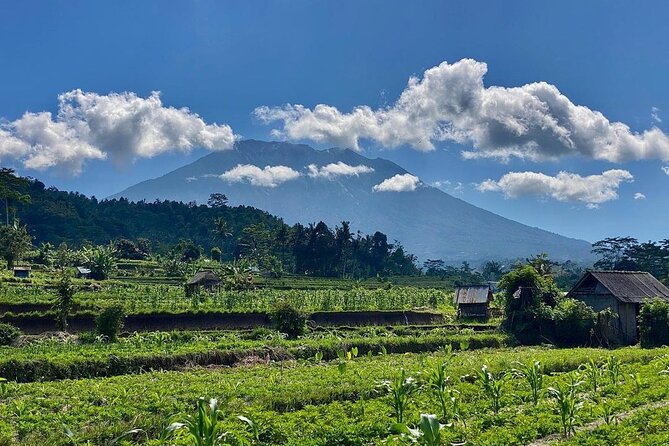
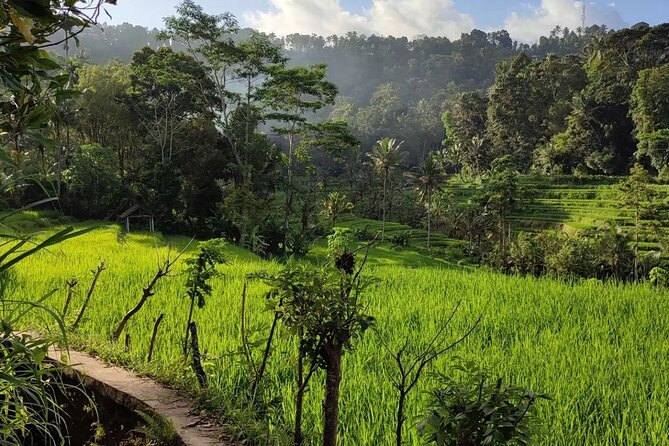
Rice fields change how you see Bali. I love the pristine Sidemen rice terraces and the way you walk along working irrigation routes toward Mount Agung country. One consideration: the paths are narrow and can get slippery, so you’ll want solid grip and a relaxed pace.
This is a short trek with a small group (up to 10) and an English-speaking guide who knows the area. The route is designed as a one-way walk, ending at a restaurant, so you’ll need transport arranged for the finish point.
In This Review
- Quick takeaways
- Sidemen Rice Terraces Without the Same Old Bali Script
- How This One-Way Trek Really Flows: Market to Mount Agung Water
- Pasar Sidemen Start: Food Market Energy Before the Trail
- The Hidden Farming Passes: Photo Stops That Teach You How Farms Work
- Jembatan Kuning (Yellow Bridge) Over Tukad Yeh Unda
- Dukuh Village: Temple Life and Real Village Streets
- Babakan Dukuh Rice Terrace Viewpoints: Where You See the System
- Subak of Ogang Irrigation Lessons You Can Actually Picture
- Guides in Action: Wayan, Komang, Daria, Adidas, and Gede
- What to Wear and Bring for Slippery Steps and Hot Sun
- Price and Value: Why $13 Feels Fair for a Real Local Walk
- Where It Ends: Warung Ume Anyar in Ogang Village
- Who This Sidemen Trek Fits Best (And Who Should Skip It)
- Should You Book This Sidemen Trekking Tour
- FAQ
- How long is the Sidemen Trekking experience?
- Where do I meet the guide?
- Is hotel pick-up and drop-off included?
- What is included in the price?
- How big is the group?
- Is the trek a round trip?
- What should I wear or bring, and what’s not allowed?
- Who should not book this trek?
Quick takeaways
- Market start at Pasar Sidemen: you begin in the local rhythm, not at a random trailhead.
- One-way route with irrigation views: you follow water channels and farming paths, not out-and-back hiking.
- Jembatan Kuning (Yellow Bridge): a real-use wooden bridge that fits both motorbikes and people.
- Dukuh village + temple stop: you see how daily life and prayer share the same walking world.
- Babakan Dukuh rice terrace viewpoints: big views where you can spot how the terraces feed the valley.
- Guides like Wayan, Komang, Daria, Adidas, and Gede: English explanations, photo help, and practical farm details.
Sidemen Rice Terraces Without the Same Old Bali Script
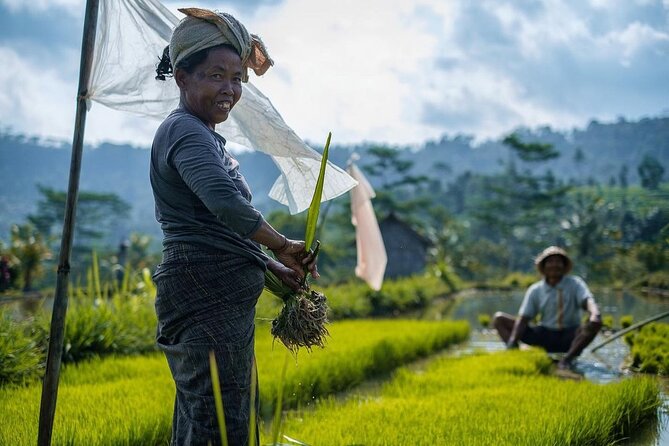
Sidemen is the quieter cousin of the Bali you’ve probably seen in photos from other areas. Here, the rice terraces feel close to everyday life, not staged for visitors. The trek gives you that “wait, I’m actually walking through farming country” feeling, and it holds your attention with views that change as you climb and drop again.
What I really like is the mix: terraces plus village streets, farming work plus temple life. You’re not just looking at green. You’re learning why the green exists and how people keep it alive.
The other good part is the length. At 2 hours, you get real countryside time without turning it into a half-day production. That matters if you’re planning the rest of your Bali days and you don’t want sore legs to eat your schedule.
You can also read our reviews of more tours and experiences in Sidemen Village.
How This One-Way Trek Really Flows: Market to Mount Agung Water
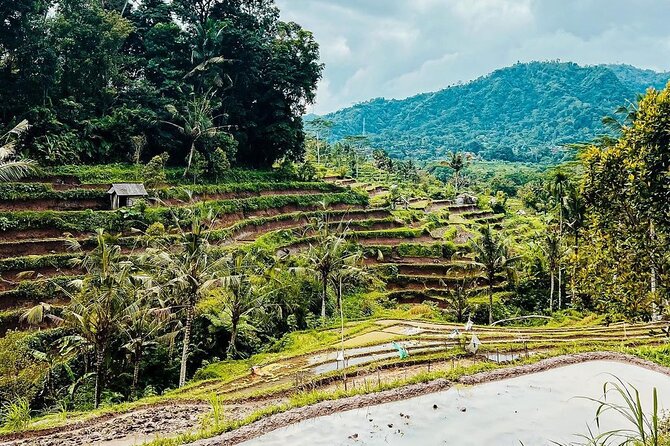
This route is built to feel like a journey, not a loop. You start near the Sidemen market area and then keep moving in one direction, so the scenery keeps changing. The walk follows the logic of irrigation water and farm paths, which is why it feels natural even when the terrain goes up and down.
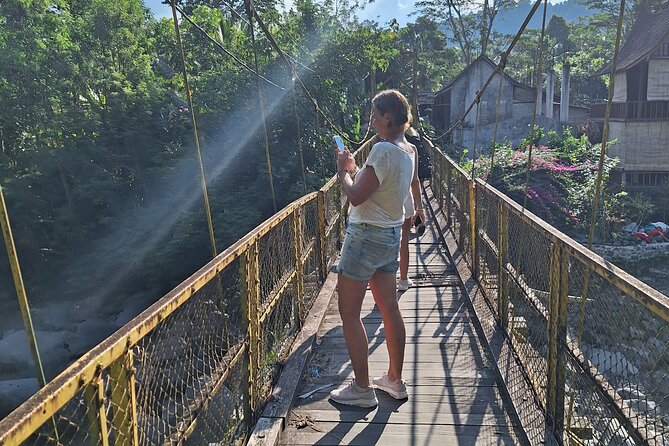
You’ll also cross a hanging wooden bridge (the one local people use). It’s often described as a bridge for motorbikes and humans, which tells you it’s not some fragile photo prop. It’s still a bridge, so keep a steady stance, and hold onto your balance when you step onto it.
As you walk, you’ll notice the irrigation system being part of the route. You may even hear the explanation of Subak as you pass the Subak of Ogang. For many people, that’s the “aha” moment: rice here is not just something that grows. It’s managed together.
Pasar Sidemen Start: Food Market Energy Before the Trail
Your guide meets you around the Sidemen traditional market area, with directions pointing to the shop sign Upa Boga near the main street. The official start point is associated with Toko Upa Boga Pertenunan, so if you’re arriving early, it helps to orient yourself there first.
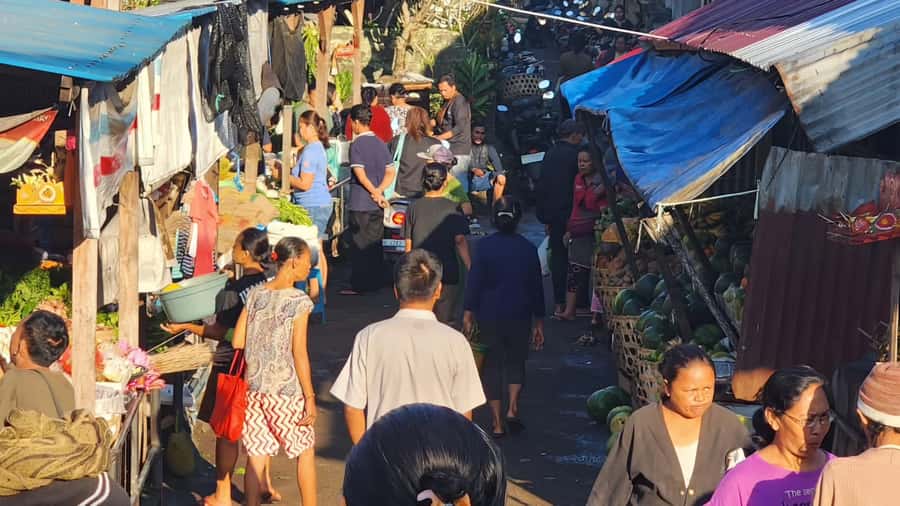
The market stop is brief, around 10 minutes, but it sets the tone. Instead of starting with views only, you start with people and everyday goods. You may spot local food items and market activity that makes the trek feel rooted right away.
If you want to do more than the quick market visit, plan a morning session because the market is open from 5:00 AM to 10:00 AM. That’s useful if you like photographing early-day routines, and it’s also a good way to avoid arriving when everything is winding down.
The Hidden Farming Passes: Photo Stops That Teach You How Farms Work
After the market, the walk shifts into a slower rhythm with a photo stop and guided time on the way. This section is where the trek starts to explain the “why” behind what you see.
Expect to move through a patchwork of farms and plantations rather than one single “rice-only” view. The route is designed to show mixture plantation and changing crops as you progress. That’s one reason this trek feels different from generic rice-terrace walks.
This is also where a good guide makes a real difference. People in Sidemen live with farming as a daily system, so you’ll likely hear practical details about what’s growing, what’s planted when, and how the irrigation supports it.
Jembatan Kuning (Yellow Bridge) Over Tukad Yeh Unda
One of the most memorable landmarks is Jembatan Kuning Tukad Yeh Unda, the Yellow Bridge. You’ll stop for photos and pass through as part of the walk, with around 10 minutes allocated for that moment.
What makes this bridge special is that it’s still in use. The “fits motorbikes and humans” detail matters because it explains why it’s built the way it is and why locals treat it like a normal crossing.
You’ll get a nice chance to pause, frame the bridge, and look around. But keep in mind the trails around it can be uneven and the bridge itself is hanging, so take your time. If you’re doing this right after rain, slow down even more.
Dukuh Village: Temple Life and Real Village Streets
As you continue, you’ll pass through Dukuh village for about 25 minutes of visit and walk time. This is where the trek becomes more than agriculture photos. You’re walking through the actual village fabric.
Part of this section includes a temple used for praying by local villagers. You’re not there to interrupt anything; you’re there to understand how daily life and worship sit side by side. That’s one of the reasons this trek feels more authentic than a “look-only” attraction.
The route also includes street segments that go up and down. Even if you’re mainly thinking about rice terraces, these village sections connect the terraces to the people who maintain them.
Babakan Dukuh Rice Terrace Viewpoints: Where You See the System
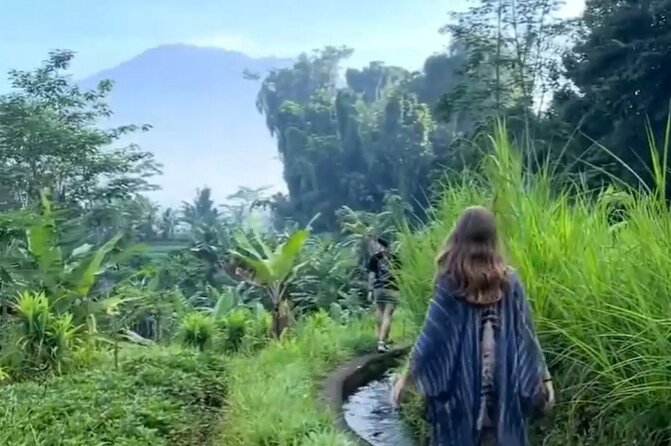
The most scenic stretch is the area around Babakan Dukuh Rice Terrace, with about 45 minutes for sightseeing, photo stops, and walking through. This is the point where the views open up and you can step back and take it in.
The terraces here don’t just look pretty. They visually show how water and elevation work together. If you’ve seen rice terraces in other parts of Bali, this one still feels distinct because it’s more about the working pattern than the tourist viewpoint.
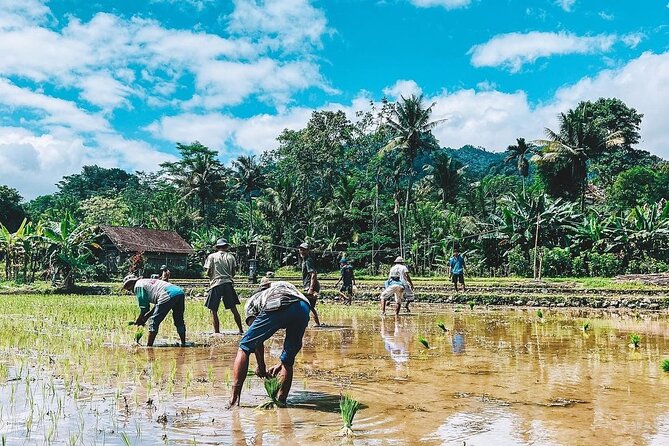
You’ll also get chances to observe farming activity depending on the season. The walk is designed so you pass fields where people are working, like plowing, cultivating, planting, and harvesting. That’s the difference between watching rice in a distant photo and actually seeing how the farm stays productive.
Subak of Ogang Irrigation Lessons You Can Actually Picture
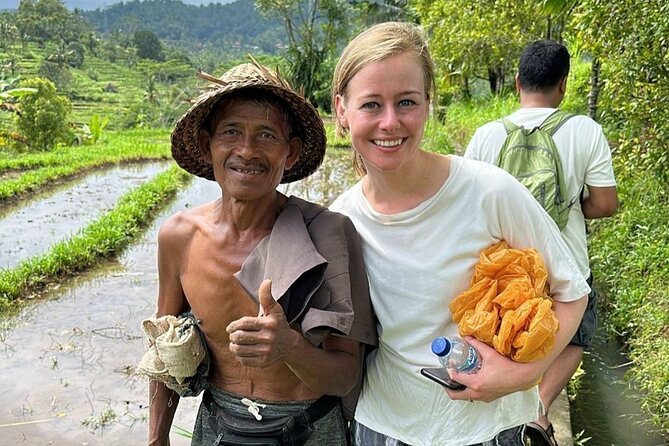
One of the most practical parts of this experience is the way it explains traditional Subak irrigation as you walk. Subak is the traditional irrigation management system used in Bali, and here it’s not taught in a classroom. It’s shown through the route and the water flow you follow.
As you pass the Subak of Ogang, you’re essentially walking the logic of the system: where water comes from, how it’s directed, and why the timing matters for the crops. It helps you look at the terraces with more understanding, not just with your phone.
This is where guides often shine. People like Komang and Adis/Adidas are described as locals with first-hand insights, and that usually means your questions get answered in plain language. Even better, you’ll often get small details about plants and local farming habits that you wouldn’t find in a brochure.
Guides in Action: Wayan, Komang, Daria, Adidas, and Gede
You’re not doing this just for photos. You’re doing it for the way a good guide translates the area into something you understand while you walk.
English-speaking guides are part of the package, and many travelers highlight guide personalities and pacing. Names that show up in the experience include Wayan, Komang, Daria, Adidas, Adi, and Gede/Darya. The pattern is consistent: clear explanations, helpful photo guidance, and a friendly tone that keeps the trek from feeling like a lecture.
Some guides also bring humor. Others focus more on calm walking and careful pacing on narrow paths. Either style works, as long as the guide keeps the group moving safely and gives you time to stop where it matters.
What to Wear and Bring for Slippery Steps and Hot Sun
This trek is short, but it’s still a real walk. The terrain can be narrow, and it can be slippery in places, especially on rice-field paths. Plan for uneven ground and take your time.
Bring:
- Hiking shoes or sports shoes with good grip
- Hat, sunscreen, and sunglasses for sun exposure
- Water is included, but having your own extra stash can’t hurt
Not allowed: sandals or flip-flops. The big point is footwear safety. If you’ve got sturdy shoes and you walk slowly, the trek feels manageable.
Also consider bugs. One traveler noted insects in tall grass, and some people mention ants that bite. Long pants can help. If you’re prone to bug bites, bring a little repellent.
Price and Value: Why $13 Feels Fair for a Real Local Walk
At $13 per person for a 2-hour experience, the value here comes from two things: a real local guide and a route you likely can’t recreate on your own easily.
You’re paying for:
- a guide (and the ability to ask questions in English)
- bottled water
- a small-group experience capped around 10 participants
What’s not included is just as important for value. There’s no hotel pick-up or drop-off, so you’ll need to handle transport to the start and from the finish. That doesn’t make it overpriced. It just means you’ll get better value if you plan your logistics smoothly.
If you’re staying in Sidemen, it’s easier. If you’re farther away, arrange transport so you’re not stressed when the trek ends.
Where It Ends: Warung Ume Anyar in Ogang Village
The trek doesn’t end back at the market. It finishes at Warung Ume Anyar Restaurant in Ogang Village.
That matters for your planning. If you need a ride, aim to have transport ready around 2 to 2.5 hours after you start. If it’s easier, you can also ask about walking back, though it’s roughly 3 km and may take 30–40 minutes along the main road.
This finish is part of why the route is one-way. You see the countryside in motion, then you end with a simple place to reset and eat.
Who This Sidemen Trek Fits Best (And Who Should Skip It)
This is a good fit if you want agriculture and village life, not just a view from a roadside stop. It’s especially strong for people who like small groups, short adventures, and learning from local guides.
It may not be suitable if you:
- are under 5 years old
- are pregnant
- have heart problems
- are over 60
- have low fitness
Even if you’re generally active, this one needs sensible footwear and patience for uneven, sometimes slippery ground.
If you’re coming from Ubud and you’ve already seen rice terraces there, this is still worth doing. Sidemen’s terraces and farm routines feel less commercial and more part of everyday life.
Should You Book This Sidemen Trekking Tour
Yes, book it if you want a short Bali experience with substance: rice farming, irrigation basics, village streets, and views that actually connect to how people live.
Skip it if you want an easy walk with wide paths and lots of seating. This trek is active, and you’ll be on narrow trails and stepping across real crossings. Go with good shoes, take your time on the bridge, and you’ll get one of the more authentic sides of Bali for your time.
FAQ
How long is the Sidemen Trekking experience?
It runs for about 2 hours.
Where do I meet the guide?
Meet at Pasar Sidemen on the main street. Look for the shop with the sign Upa Boga.
Is hotel pick-up and drop-off included?
No. Hotel pick-up and drop-off are not included.
What is included in the price?
A guide and bottled water are included.
How big is the group?
The group is small, limited to 10 participants.
Is the trek a round trip?
No. The trekking route is designed as a one-way route so you experience different scenery without returning on the same path.
What should I wear or bring, and what’s not allowed?
Bring sunglasses, a hat, sunscreen, and hiking or sports shoes. Sandals or flip-flops are not allowed.
Who should not book this trek?
It’s not suitable for children under 5, pregnant women, people with heart problems, people over 60, or those with low fitness.