REVIEW · MARRAKESH
Marrakech: Atlas Mountains Summit Day Trek 2700m
Book on GetYourGuide →Operated by Atlas Mountains Day Trips from Marrakech · Bookable on GetYourGuide
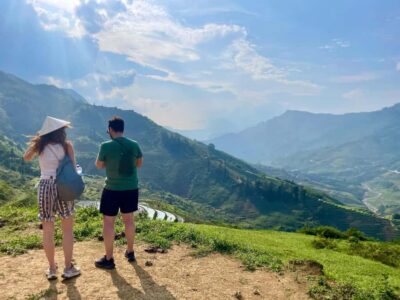
Sunrise in the Atlas changes the mood fast. This Talamrout summit day trek gives you the crisp mountain air, big 2700m views, and a real sense of getting out of Marrakech for the day. The one catch: you should expect steep, uneven footing on the climb and especially on the way down, which can feel harder if there’s been snow or if conditions are slippery.
I also like how the trip balances hiking with Berber hospitality. You’ll stop for tea/coffee, then finish with lunch in a Berber family house in Tamatert, the kind of meal that makes the effort feel fair. The main consideration is that it’s a proper hike—so if your body is sensitive to altitude or uneven ground, this is not the day trip to test your limits.
Key takeaways before you go
- Small group of up to 10: more attention to pace and footing on the trail
- Hotel/Riad pickup: Riad stays use the closest car-access point in the Medina
- Tamaterte + pine forest: you switch from village scenes to shaded trekking
- Tizi n’Tamaterte pass (2279m): your breathing-and-photos checkpoint
- Summit photo stop around Talamrout/Assaoul area (about 2700m): sunrise viewing and wide panoramas
- Lunch in a Berber family house: tea/coffee and a homemade meal after the descent
In This Review
- Pickup in Marrakech and the Drive to Imlil
- From Imlil to Tamaterte: tea, village life, and the first climb
- Tizi n’Tamaterte pass at 2279m and the pine-forest stretch
- Reaching the Talamrout Summit (2700m): sunrise photos and big views
- Descent, lunch at a Berber family house in Tamatert, and the return
- How tough is the hike? altitude, shoes, pace, and safety
- Price and value
- Should You Book This Atlas Mountains Summit Day Trek?
- FAQ
- How long is the Marrakesh Atlas Mountains summit day trek?
- What is included in the price?
- How large is the group?
- Where will I be picked up in Marrakesh?
- What languages does the guide speak?
- What should I bring for the hike?
- Who should not do this trek?
Pickup in Marrakech and the Drive to Imlil
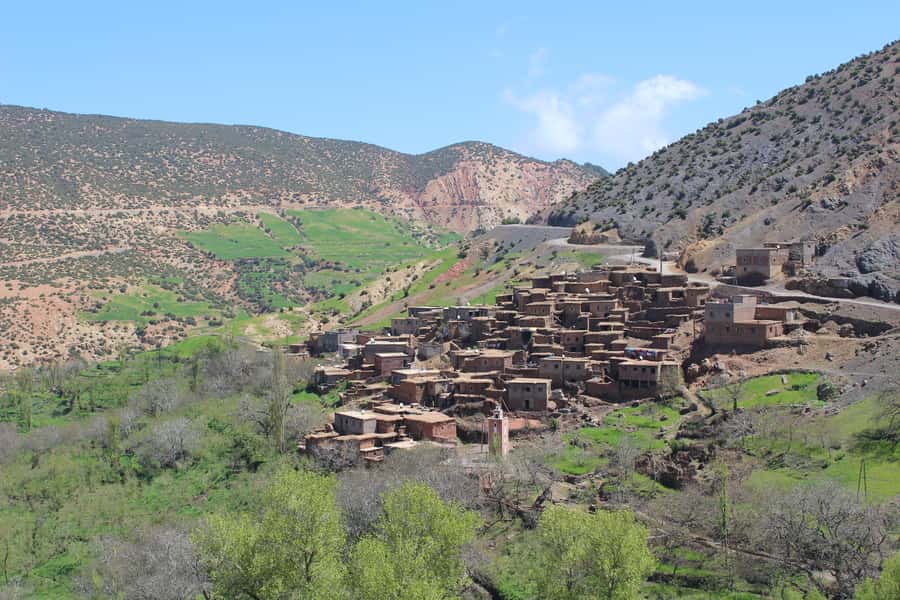
This day starts with pickup in Marrakesh and a drive into the High Atlas foothills. If you’re staying in a riad inside the Medina, you won’t necessarily be met at your exact door—car access is limited—so they’ll arrange pickup at the nearest accessible point and you’ll finish the last stretch on foot.
Your transport includes the round-trip to Marrakech, which matters more than you might think. The Atlas roads can be slow and winding, and having the logistics handled means you spend your energy on walking, not negotiating directions. The trip is designed for a full day at about 8 hours, with breaks built in for tea and meals.
You’ll meet your local guide at Imlil, the trekking gateway. Guides can speak English and French, and the tone tends to be practical and watchful. In recent outings, guides like Ibrahim and Elhoussaien have been praised for pacing people fairly—especially if someone is slower or wants extra time for photos.
One small planning note: this is a sunrise-focused day trek, so you’ll want an early start. Bring sunscreen and a hat even if it feels cool at the start; mountain weather can change fast and the sun can still hit hard once you’re higher.
From Imlil to Tamaterte: tea, village life, and the first climb
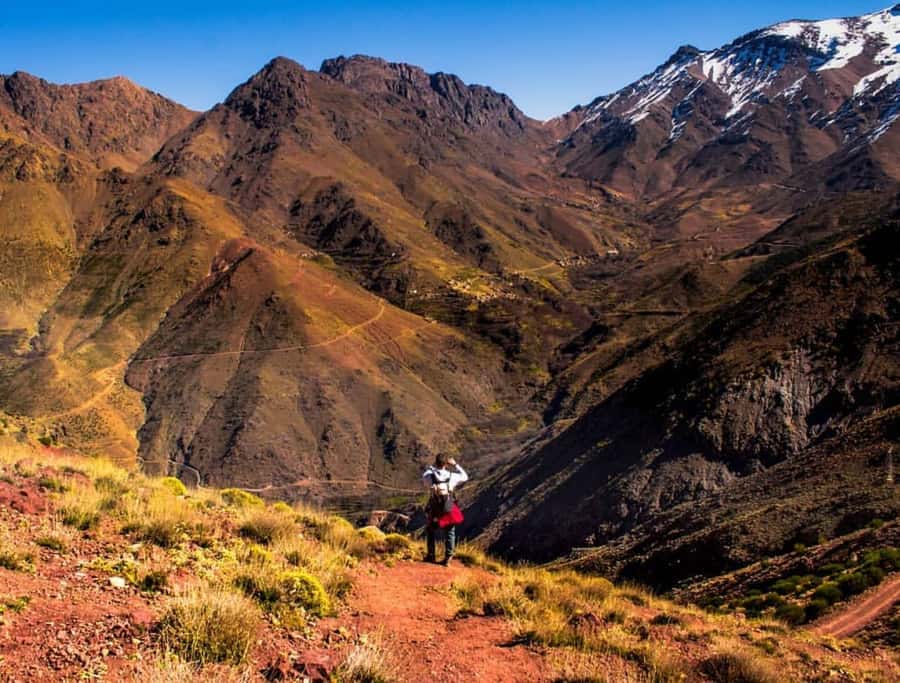
After you arrive in Imlil, there’s a tea stop before the hiking begins. This is where you get a moment to settle, use the bathroom, and start with a drink in your system. Then you head onto the trail toward the Talamrout summit, moving through Tamaterte, a village area where you can catch glimpses of day-to-day Berber life.
This first section sets expectations. It’s not a flat nature walk; it’s a climb with real altitude and real steps. The good part is that the terrain changes enough to keep your brain engaged: village edges, then stretches that feel more open and mountain-like.
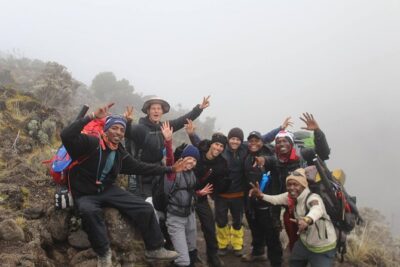
One detail I’d take seriously: some guides also use the route to point out features of the area. People have specifically mentioned that guides are friendly and prepared, with a habit of keeping everyone together and adapting when someone needs more breaks. That matters on a trip where you’re not just sightseeing—you’re earning those views.
As you gain height, your “energy meter” will shift. Reviews of this hike highlight how the pace can feel manageable for fit walkers, but not “easy.” You might be able to do sections in trainers if it’s dry, but it becomes a different story if conditions are snowy or wet.
Tizi n’Tamaterte pass at 2279m and the pine-forest stretch
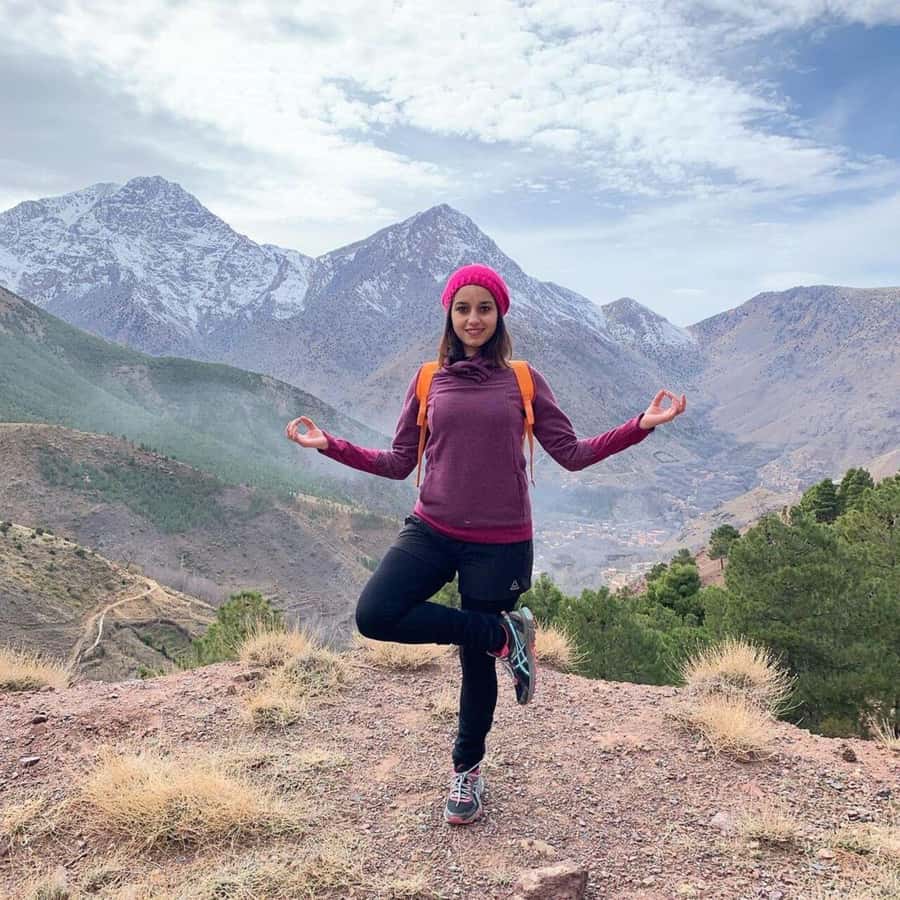
The route climbs toward Tizi n’Tamaterte pass (2279m), and this is one of the key moments of the day. You’ll pause there to catch your breath and take in the view. Even if you’re not a big “photo person,” this stop is worth it because it’s when you can actually see how far you’ve climbed—and where the rest of the day is going.
Between the village sections and the higher pass, you’ll also walk through a pine forest for shade. That’s a practical blessing. Mountain treks can go from bright and exposed to cooler and shaded, and it makes the ascent feel less brutal.
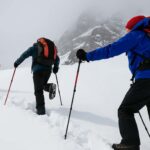
From there, you continue uphill over rougher ground. This is where you feel the “real hike” part: rocky footing, some steep stretches, and more variation in how stable each step is. If you’ve only done casual day hikes, this is the portion where you’ll want to slow down and focus on safe footing rather than speed.
A couple of recent highlights you can use as guidance:
- The climb is often described as doable but sporty, not a stroll.
- With snow or fresh cold conditions, descending can get tricky—so save your energy for good foot placement on the way back down.
If you arrive without the right shoes, you might find gear rental locally, but I wouldn’t rely on that. For this part of the route, you want proper grip and protection.
Reaching the Talamrout Summit (2700m): sunrise photos and big views
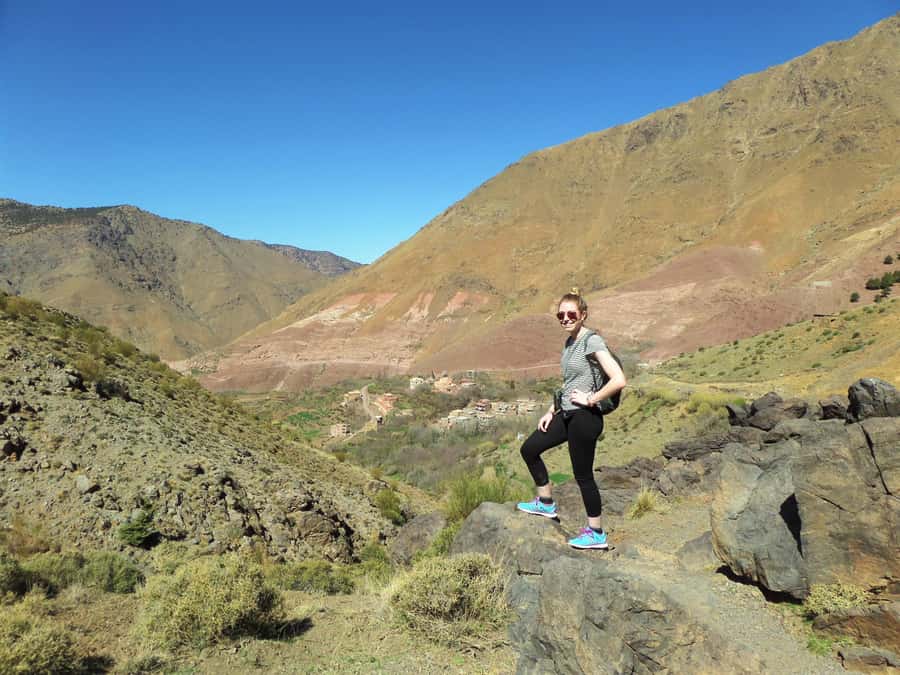
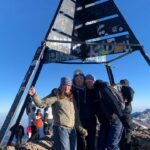
The headline is reaching the Talamrout summit area at around 2700m (often described as Assaoul peak in practice). Expect a photo stop once you’re there. This isn’t the kind of summit where you just stand for a minute and move on—it’s a place where the views keep pulling your attention outward.
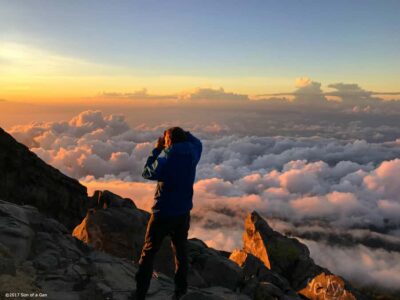
One big reason people love this trek is the sunrise experience. Watching the light come up over the Atlas Mountains gives the day a sense of payoff before you even start the descent. It also helps you forgive the steep parts earlier. The timing is what turns a hike into a memory.
What you’ll see is described as panoramic: valleys below and mountain peaks stretching outward, sometimes with Mt Toubkal mentioned in the wider picture. In clear conditions, you’ll feel the scale. On less clear days, the payoff shifts more toward the effort and the atmosphere.
When you’re at altitude, keep it simple:
- Take a few slower breaths and don’t sprint the last meters.
- Keep moving your legs, not just your head—cold air can trick you into feeling fine until you need stamina.
After the summit stop, you’ll start the descent. This is an important mindset shift: the way down can feel harder than the way up, especially when the ground is uneven or icy. The trip is not just about reaching height; it’s about getting everyone back safely.
Descent, lunch at a Berber family house in Tamatert, and the return
Once you head down from the summit area, you retrace the general path back toward Imlil. Along the descent, stability becomes your main job. Even fit walkers can get tired because knees and feet do most of the work here.
As you approach Tamatert, you’ll get to recharge with lunch at a Berber family house. This is one of the most praised parts of the day: homemade food, served after hiking, with that warm, lived-in feeling of eating in someone’s home rather than at a generic stop.
The meal is often described as excellent—think tagine and couscous—the kind of food that hits perfectly after cold air and hours of movement. People have also highlighted comfort and hospitality: tea, warm welcomes, and the feeling of being treated like a guest.
After lunch, you’re back on the road to Marrakech. The day ends with drop-off back to your pickup area, again using the practical Medina pickup approach if you’re in a riad.
How tough is the hike? altitude, shoes, pace, and safety
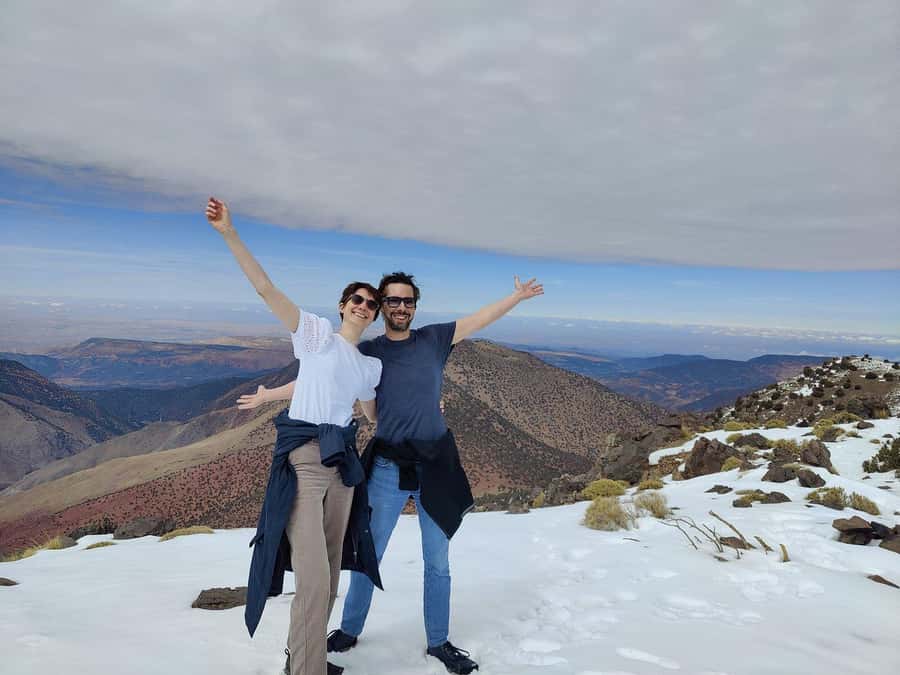
Let’s talk honesty: this is a proper hike. It’s not listed as for beginners, and the route includes steep climbs, rocky footing, and altitude exposure at about 2700m.
What that means for you:
- If you’re used to hills and you move at a steady pace, you’ll likely find it manageable.
- If you’re not used to steep ground, you’ll still do it, but you’ll probably need more frequent mini-breaks.
- If there’s snow or wet rock, descending is the part that can feel sketchy without grip.
People have described it in different ways depending on pace and conditions—one account noted an about 8 km hike with roughly 3 hours for a group, while another described a longer total hiking time (with elevation gain figures mentioned). The real takeaway is to plan for variability: your guide will set the pace to your group, but the terrain still does what terrain does.
Gear matters. Based on what you’re told to bring and what people report in winter conditions:
- Good walking shoes are required (not sandals, not slick soles).
- Bring a hat and sunscreen.
- Wear comfortable clothes suited to cold mountain air that can still get sunny.
And if you’re sensitive to altitude: the top is high enough that it can feel tough even for healthy walkers. Your guide’s job is to keep you moving safely, but it’s still on you to take it easy if you feel lightheaded or unusually short of breath.
Price and value
At about $27 per person for a full day—pickup, transport, a local guide, lunch, tea/coffee, and bottled water—this is strong value, especially because you’re not just walking. You’re also getting a guided route up to a high point and a proper meal afterward.
The cost feels especially fair when you consider that small groups (up to 10 people) mean less crowding on narrow trail sections and more attention to pacing.
Should You Book This Atlas Mountains Summit Day Trek?
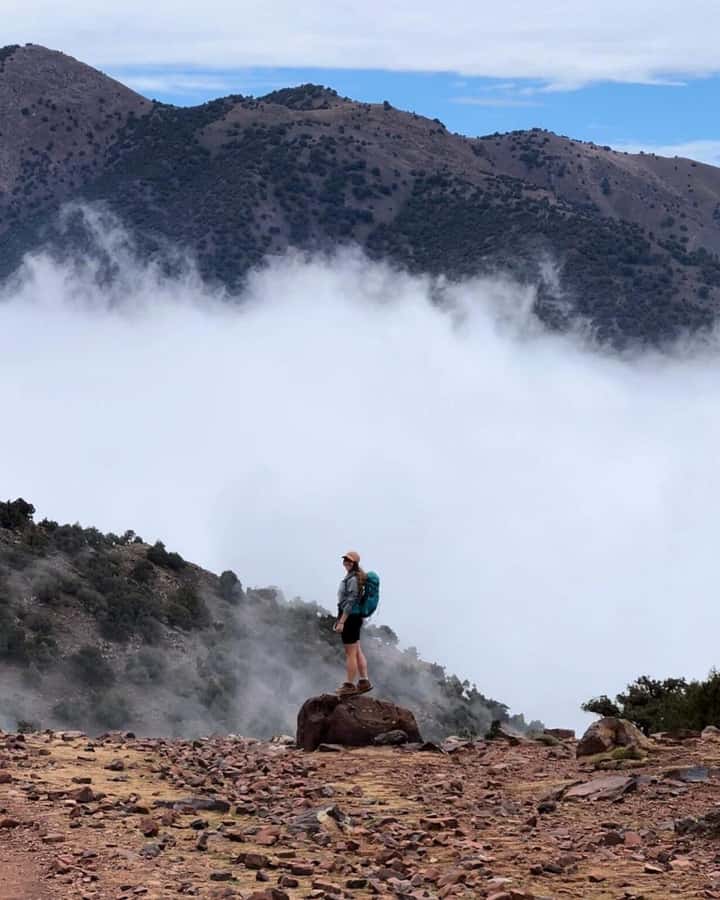
Book it if you want a day that mixes sunrise mountain views, a real climb to about 2700m, and a satisfying finish with lunch at a Berber family home. It’s a great match for active travelers staying in Marrakech who want an authentic day outside the city without having to manage guides or logistics.
Skip it if you’re worried about steep, uneven terrain or if you have back/heart problems or pre-existing medical conditions. It also isn’t suitable for babies under 1 year and isn’t recommended for people over 70.
If you’re fit, bring solid shoes and plan to move slower than you think you should. This trek rewards patience more than speed.
FAQ
How long is the Marrakesh Atlas Mountains summit day trek?
The duration is listed as 8 hours from pickup to return to Marrakesh.
What is included in the price?
It includes hotel/riad pickup and drop-off, transport, a local guide, lunch in a Berber house, tea or coffee, and bottled water.
How large is the group?
The group is small, limited to 10 participants.
Where will I be picked up in Marrakesh?
Pickup is included in Marrakesh. If you stay in a riad within the Medina, pickup is arranged from the closest accessible point by car.
What languages does the guide speak?
The live guide speaks English and French.
What should I bring for the hike?
You’re advised to bring good walking shoes, a hat, sunscreen, and comfortable clothes.
Who should not do this trek?
It is not suitable for people with back problems, heart problems, or pre-existing medical conditions, and it is not recommended for babies under 1 year or people over 70.