REVIEW · SA PA
From Sapa: Terrace Fields and Local Villages Trek with Lunch
Book on GetYourGuide →Operated by Vietnam Real Tour · Bookable on GetYourGuide
Terraces start as soon as you leave town. This trek mixes Sapa’s terraced views with a local ethnic guide who adds real context to what you’re seeing, from fields to village life.
I like the way the route begins in Sapa town, so you get morning rhythm before the scenery turns into rice terraces. I also love the Lai Chai village stop and the included lunch at a local spot. One thing to consider: in foggy or wet weather, the paths can get slick and muddy, so bring footwear with real grip.
In This Review
- Key Things I’d Notice First
- Sapa Terraces With a Local Ethnic Guide
- From Hotel Pickup to Trail Start: The 7-Hour Rhythm
- Morning in Sapa Town, Then Out to Rice, Corn, and Potato Fields
- Lai Chai Village Visits and Culture You Can Ask About
- Waterfall Pause and the Realities of Slippery Paths
- Lunch Break at a Local Restaurant
- Price, What’s Included, and Where Your Money Goes
- Who This Trek Suits (and Who Should Rethink)
- Should You Book This Terrace Fields and Villages Trek?
- FAQ
- How long is the trek?
- What time does hotel pickup happen?
- Is hotel pickup and drop-off included?
- Is lunch included?
- Are drinks included with lunch?
- Do I need to pay village entry fees separately?
- Is there a guide, and do they speak English?
- Is there a shuttle bus back to Sapa?
- What is the cancellation policy?
- Who is the tour not suitable for?
Key Things I’d Notice First
- English-speaking ethnic guide who explains daily customs as you walk
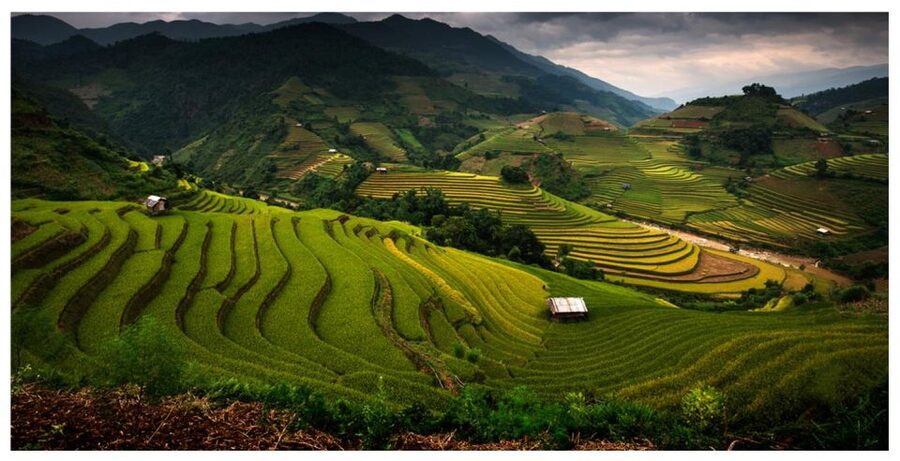
- Non-main-road route through terraced rice, corn, and potato fields
- Lai Chai village on the tribal hill for a closer look at community life
- Waterfall pause for photos and a breather
- Local lunch included (drinks are not)
- Pickup plus shuttle back so you’re not managing transport on your own
Sapa Terraces With a Local Ethnic Guide
This is the kind of Sapa trek where the guide does more than count steps. You’ll hear about village life and habits as you move from fields into homes and back out again—on a route designed to feel more like a day with neighbors than a checklist of stops.
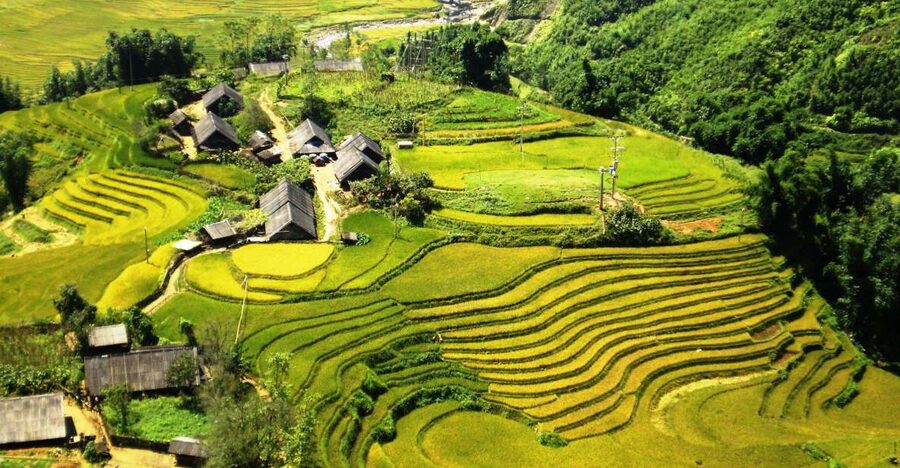
The best part is that the information stays tied to what you can actually see. A terraced field is not just a pretty view here; it’s farming work shaped by hillside water management, planting seasons, and family routines. That’s why a local ethnic minority guide matters. You’re not just looking—you’re understanding.
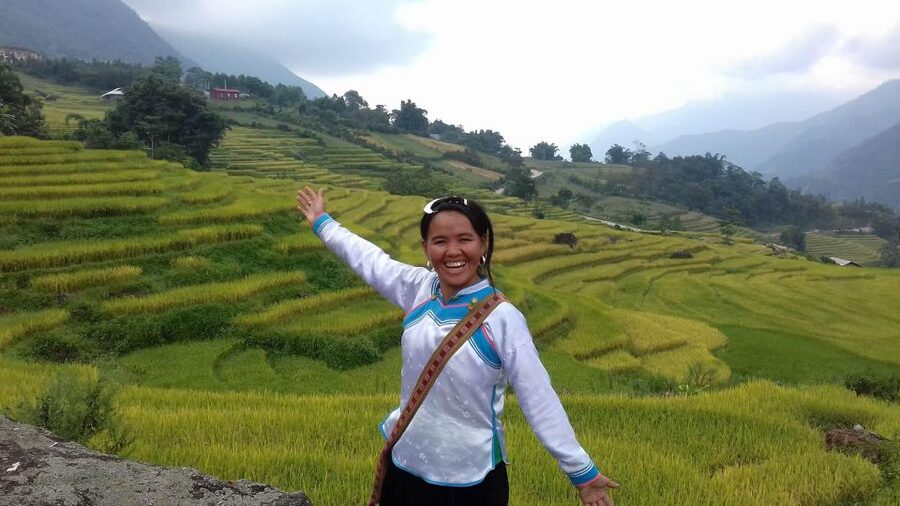
You’re also walking with a guide who can answer questions along the way. One example I learned from past participants: an English-speaking guide named Mao was attentive, asked-and-answered style, and even showed the structure of her family home to help visitors connect the dots between the village explanation and real life.
You can also read our reviews of more tours and experiences in Sa Pa.

From Hotel Pickup to Trail Start: The 7-Hour Rhythm
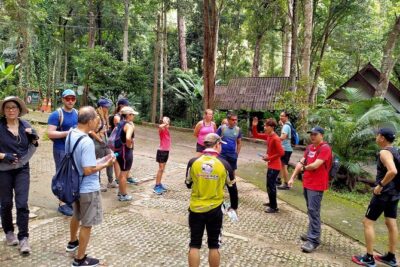
Plan for a day that’s well paced but still “active.” The tour runs about 7 hours, and pickup starts between 8:00 and 8:45am. The guide works hotel by hotel—so depending on where you’re staying, it can take 30 to 45 minutes to gather everyone.
Once you’re together, you’ll start with a walk through Sapa town. It’s not a long detour. It’s a smart warm-up and a reality check. You get a sense of how people live right where the tourist routes begin. Then the hike transitions out to the fields.
The route is not described as a flat stroll. It’s an “over fields and through villages” day, and you’ll be moving on uneven ground, sometimes near wet patches. In short: treat it like a guided hike with cultural stops, not a quick photo walk.
If weather turns gray, your timing still works, but your footing has to be careful. One participant described slippery paths during fog and said their local companion helped prevent a fall—proof that conditions can change fast on these trails.
Morning in Sapa Town, Then Out to Rice, Corn, and Potato Fields
Your day starts with small-town movement. After meeting your guide in your hotel lobby, you’ll walk through Sapa town to see daily life before you head out. This “warm start” is valuable because it makes the countryside section feel less like a separate world. You’ll understand what people do in town, then watch how farming connects to daily routines once you reach the hillside.
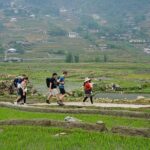
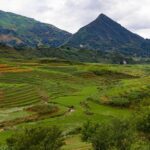
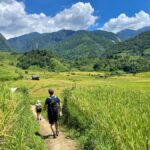
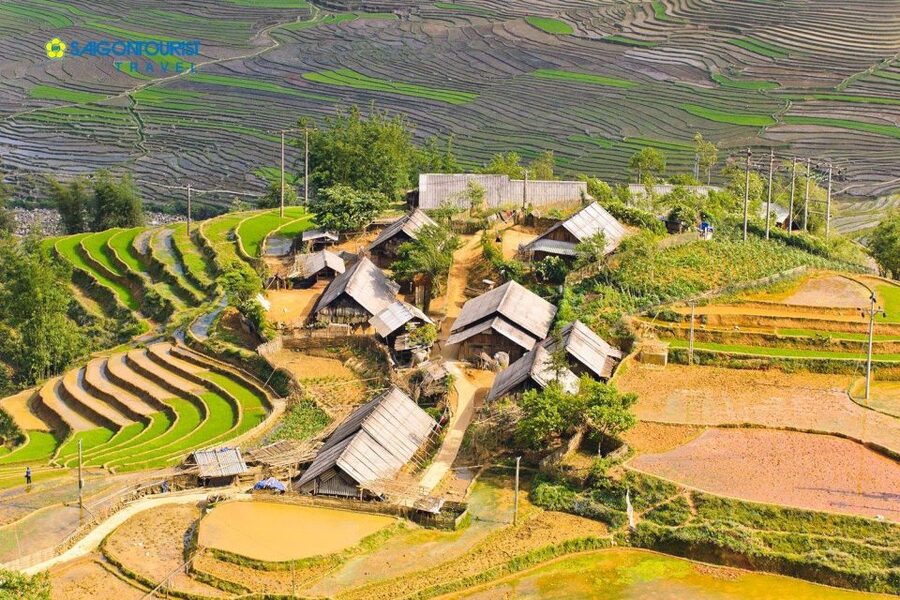
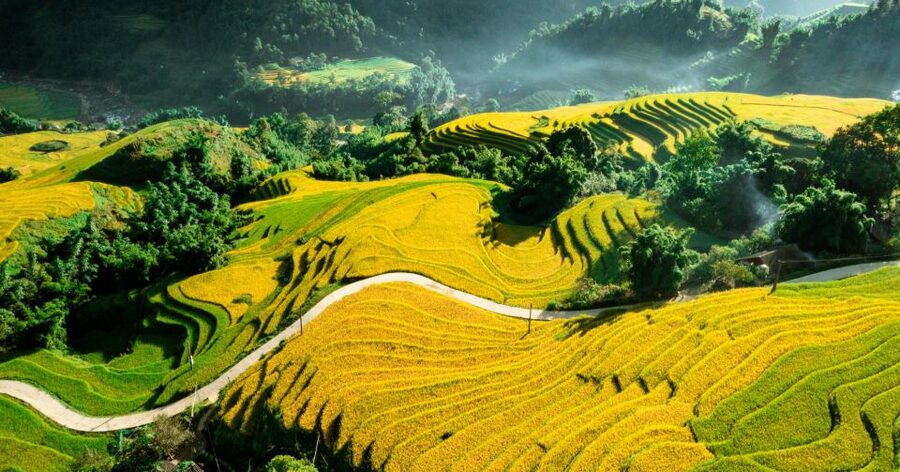
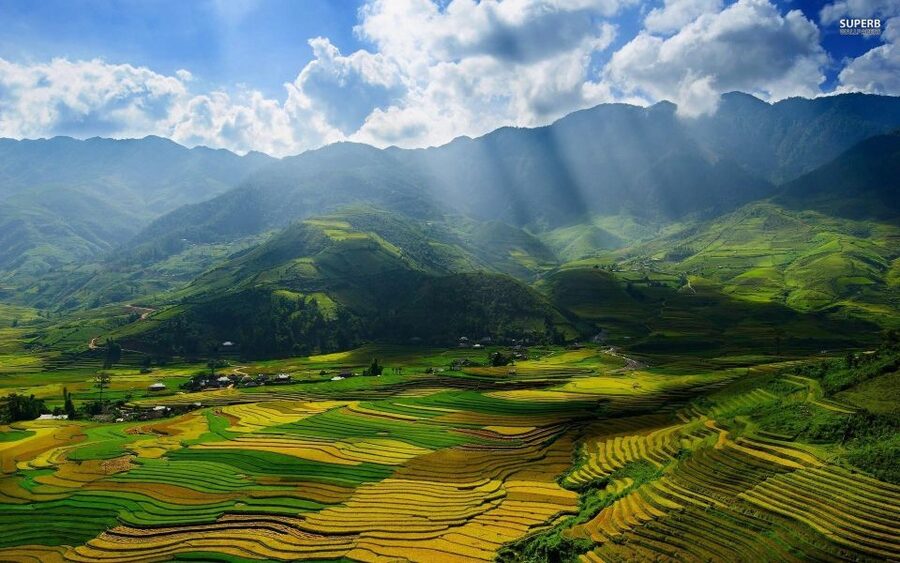
Then you leave the town roads behind and move onto a non-touristy route. The big payoff is what you’ll see again and again: terrace layers of rice, plus corn and potato fields. It’s a whole farming system built into the slopes, and because you’re not just staying in one viewpoint, your perspective keeps changing with every turn.
Expect plenty of stopping for explanation and photos. The goal is not speed; it’s letting the scenery and farming details make sense. On some days, the walking can add up. One participant mentioned about 11 kilometers on their hike, including stretches through rice terraces and bamboo forest areas.
If you like your hikes scenic but also meaningful, this is a good match.
Lai Chai Village Visits and Culture You Can Ask About
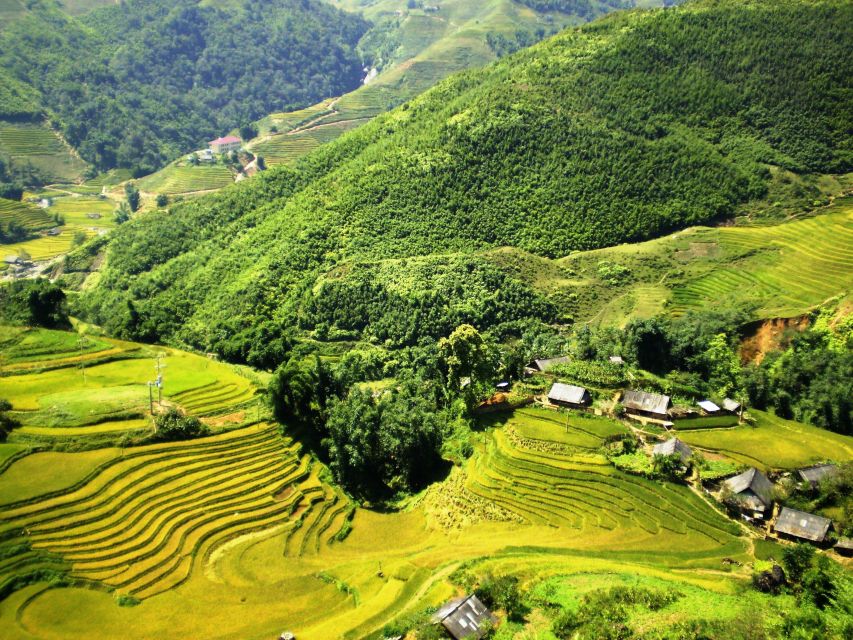
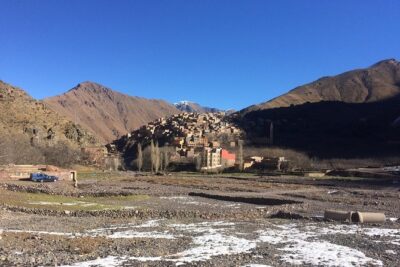
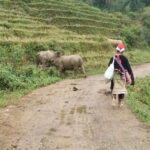
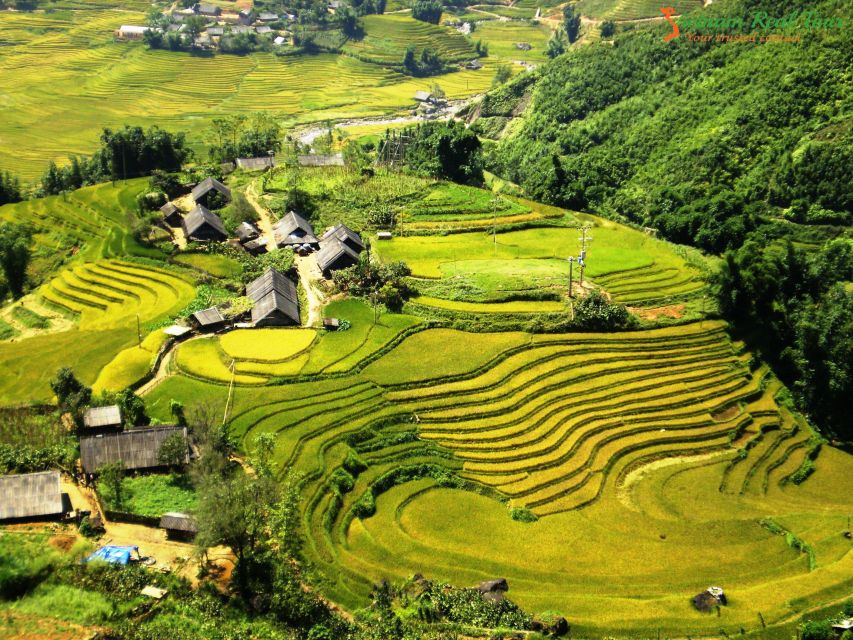
The cultural core of the trek is your village time, especially around Lai Chai, described as a small village on the tribal hill. As you approach and move through village areas, your local ethnic guide fills in what you might otherwise miss from a distance—how people live, what matters in daily routines, and how customs show up in ordinary moments.
This is where I think the tour earns its value. A lot of Sapa walking tours point at villages. This one aims to help you understand them. You’re guided through village paths and get a better sense of the ethnic minority communities that call these hills home.
The pace here tends to slow down. You’ll have moments to look around, ask questions, and connect stories to physical details. For example, the earlier-mentioned guide Mao was described as showing her house and family, which turns the village explanation into something you can visualize, not just hear.
That also explains why the experience works best when you’re curious. If you only want scenery with no interest in learning, you may find parts of the day feel slower than expected.
Waterfall Pause and the Realities of Slippery Paths
At some point, you’ll reach a waterfall stop. This is a welcome break in the middle of the hike. You’ll likely have time to relax, take photos, and catch your breath with fewer steps in front of you for a few minutes.
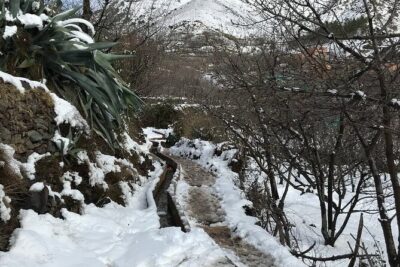
But there’s a very practical side to this trek: conditions can get slippery. Fog and wet weather can turn trails into a mix of mud, leaves, and slick surfaces. One participant specifically recommended rubber boots for wet days because the paths can be muddy and there’s a real slip risk.
You don’t have to bring circus-level gear, but you should come prepared. At minimum:
- Wear shoes with good grip for dirt and wet stone.
- Consider trekking poles if you use them.
- If the forecast looks foggy, seriously think about rubber boots.
The good news is that this is a guided route. You’re not wandering blindly. Your guide and local companions can help you navigate safely when the ground gets treacherous.


Lunch Break at a Local Restaurant
Hiking makes food feel like fuel, and lunch here is a strong reason to book the tour. You’ll stop at a local restaurant for a local lunch after the trek.
The tour description highlights varied local flavors, and that lines up with the spirit of the day: you’re spending hours around local food systems in the fields and villages, so it’s fitting to end with an actual meal prepared for everyday life—not just a performance platter.
One practical note: drinks are not included. So if you’re the type who drinks more on hikes, plan for it. Either budget for water you buy on site or carry what’s allowed and what you can comfortably carry.
If you’re worried about hunger, don’t be. Lunch is built in, and the day is structured so you’re not forced to hunt for a meal alone after trekking.
Price, What’s Included, and Where Your Money Goes
At $22 per person for a roughly 7-hour experience, the biggest question is whether you’re paying for a real guided day or just a scenic walk. Here, the included items do matter:
You get hotel pickup and drop-off, a guided trek, villages entry fees, and an English-speaking local ethnic guide. You also get a shuttle bus back to Sapa after lunch, plus lunch. That’s a lot of “logistics you don’t have to solve” bundled together.
Where the value can feel especially good is when you’re short on time in Sapa. With pickup and return transport handled, you can focus on the hike and the village explanations instead of spending your energy on routes, taxis, or timing.
Things not included are simple: drinks. No surprises, and it’s easy to plan around.
If you want an efficient way to experience terraced farming, village culture, and a real lunch in one day, this price generally looks fair.
Who This Trek Suits (and Who Should Rethink)
This tour is a strong fit if you:
- Want a guided Sapa terrace fields experience tied to local ethnic community life
- Enjoy walking with stops for explanations and photo moments
- Like that lunch and transport are included, so you can stay relaxed
It’s not a match if you have mobility or health limitations. The tour is listed as not suitable for:
- Children under 5
- People with back problems
- People with heart problems
- Wheelchair users
- People over 275 lbs (125 kg)
- People over 70
That’s important because the route includes uneven ground and likely changes in elevation. Even if the scenery is worth it, the physical demand is part of the experience.
Also, consider weather. If it’s foggy and wet, you’ll need to manage slip risk. If you’re not comfortable in muddy, slippery terrain, rethink or prepare more seriously.
Should You Book This Terrace Fields and Villages Trek?
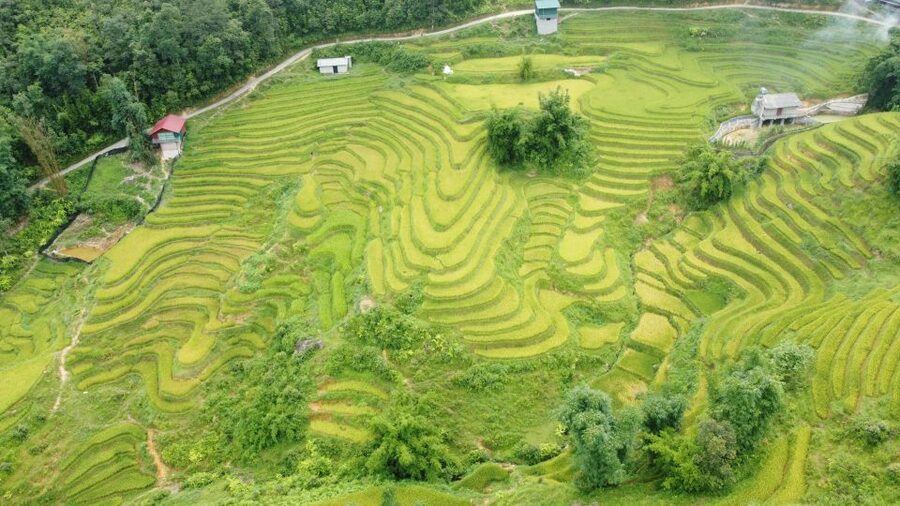
I’d book it if you want a guided day that combines terraced views, village context around Lai Chai, and an included meal, without dealing with transport headaches. It’s also one of the better options in Sapa when you care about the “why” behind what you see—not just the photo angle.
I’d think twice if you’re sensitive to wet, slippery trails or you prefer flat paths with minimal uneven footing. This is a hike day, and weather can turn it more challenging.
If you do book, come prepared for mud, pack decent grip, and bring questions. The guide’s job is to explain what you’re walking through, and your day will feel better when you lean into that.
FAQ
How long is the trek?
The experience lasts about 7 hours.
What time does hotel pickup happen?
Pickup is arranged between 8:00 and 8:45am. The guide may take 30 to 45 minutes to collect guests from hotels across Sapa town.
Is hotel pickup and drop-off included?
Yes. Pickup is included from your hotel in Sapa Town, and the tour also includes return transport back to your hotel area via shuttle.
Is lunch included?
Yes. Lunch at a local restaurant is included in the tour.
Are drinks included with lunch?
No. Drinks are not included.
Do I need to pay village entry fees separately?
No. Villages entry fees are included.
Is there a guide, and do they speak English?
Yes. You’ll have a live tour guide, and the tour language is English.
Is there a shuttle bus back to Sapa?
Yes. The tour includes a shuttle bus back to Sapa after the trek and lunch.
What is the cancellation policy?
You can cancel up to 24 hours in advance for a full refund.
Who is the tour not suitable for?
It’s not suitable for children under 5, people with back or heart problems, wheelchair users, people over 275 lbs (125 kg), and people over 70.