REVIEW · SA PA
Sa Pa: Muong Hoa Valley Trek and Local Ethnic Villages
Book on GetYourGuide →Operated by Vietnam Nomadtrails · Bookable on GetYourGuide
Fog, terraces, and village footpaths. That combo is what makes this Sa Pa trek so memorable: you spend hours walking between Muong Hoa Valley rice fields and ethnic villages, not just posing on viewpoints. I especially like the human scale of it all—small group (up to 11), an English-speaking guide, and lunch eaten in a real home setting. One heads-up: the 10 km route can be very slippery and muddy in wet weather, so good footwear matters.
Another big plus is how the day moves beyond “pretty scenery” and into daily life—walking through Black Hmong and Red Dao areas, crossing the river, and seeing ancient rock carvings along the way. You also get the kind of details that are hard to find on a bus tour: bamboo forest paths, a suspension bridge segment, and a short rest at a waterfall before the climb back. The possible drawback is practical: you’ll need some stamina for uneven trails, plus there’s a good chance you’ll be asked to buy small items from local makers during the trek.
In This Review
- Key highlights you’ll feel right away
- Muong Hoa Valley: the Sa Pa day that actually feels local
- Route at a glance: 6 hours, 10 km, and a lot of “trail moments”
- Rice terraces and mist: why the morning part is worth it
- Lao Chai (Black Hmong): village life meets walking routes
- Ta Van Giay and the river route: the suspension bridge moment
- Rock carvings: an unexpected history stop in the middle of a hike
- Lunch at a local house: the food is part of the experience
- Bamboo forest to Giang Ta Chai (Red Dao): the part that tests your shoes
- Waterfall pause and the uphill finish: plan your energy
- Price and value: what $23 actually covers
- Getting muddy without ruining your day: what to pack for Sa Pa trekking
- How hard is it really? Who this trek suits
- Guide quality makes the difference (and you’ll feel it on muddy days)
- Should you book Muong Hoa Valley and the ethnic village trek?
- FAQ
- How long is the tour and how far do I hike?
- Where is hotel pickup available?
- What language is the guide?
- What’s included in the $23 price?
- What should I bring for this trek?
- Is this tour okay for children or people with disabilities?
- Is the trek difficult in wet weather?
- Are there extra charges during Lunar New Year?
- When does the tour end?
Key highlights you’ll feel right away
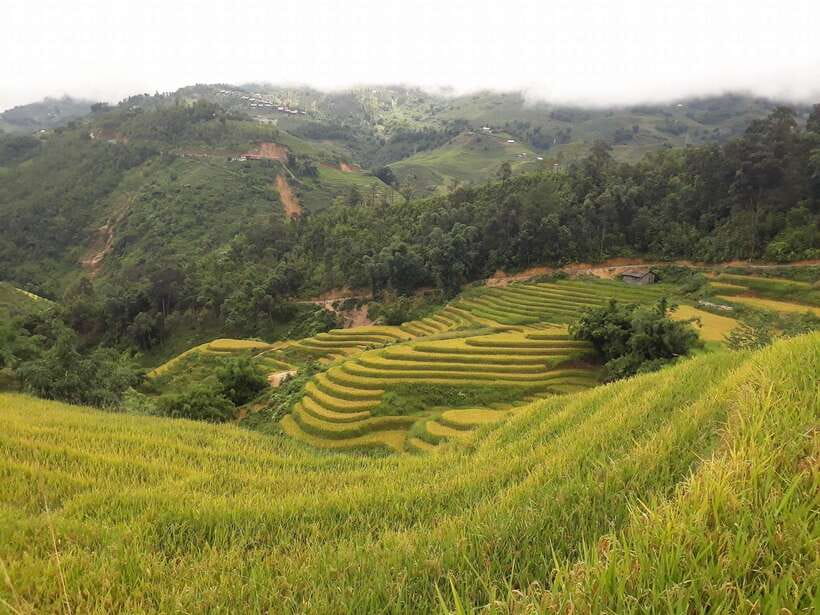
- Black Hmong villages (Lao Chai) and Red Dao village (Giang Ta Chai) on one route
- Muong Hoa River crossings, including a suspension bridge segment about 2 km from the settlement
- Ancient rock carvings showing men, stilt houses, and decorative patterns
- Lunch at a local home (I like that vegan needs can be accommodated)
- Bamboo forest walking followed by a rest at a nearby waterfall
Muong Hoa Valley: the Sa Pa day that actually feels local
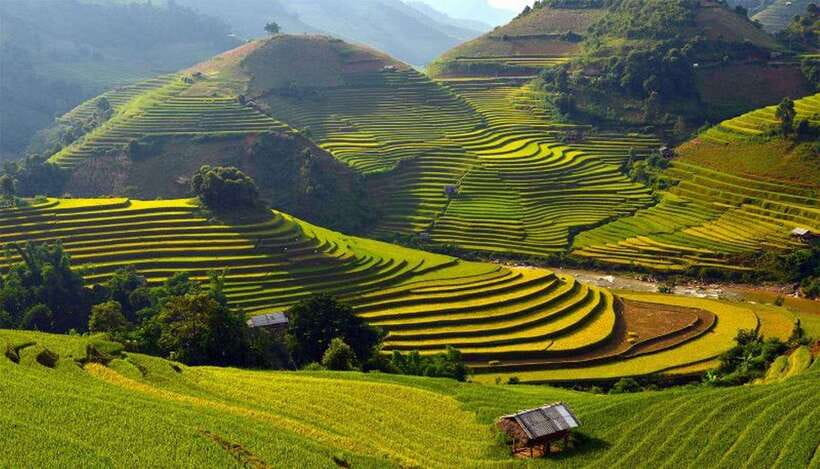
Sa Pa can be touristy in town. This trek gives you the opposite vibe. You start with pickup, then move straight into a valley route where the “set pieces” are farmland, water, and villages—things people live with, not just photograph.
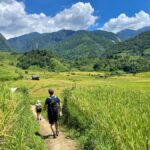
What I like is the pacing. It’s long enough to feel like a real hike (10 km), but it’s structured so you’re not slogging in one flat line the whole time. You shift through different terrain: rice terraces, narrow trails, river crossings, bamboo forest, and uphill back toward the main road.
And because the group is capped at 11, you’re not swallowed by crowds. In reviews, this small-group feel comes up again and again—especially when conditions are wet and you need help finding secure footing.
You can also read our reviews of more tours and experiences in Sa Pa.

Route at a glance: 6 hours, 10 km, and a lot of “trail moments”
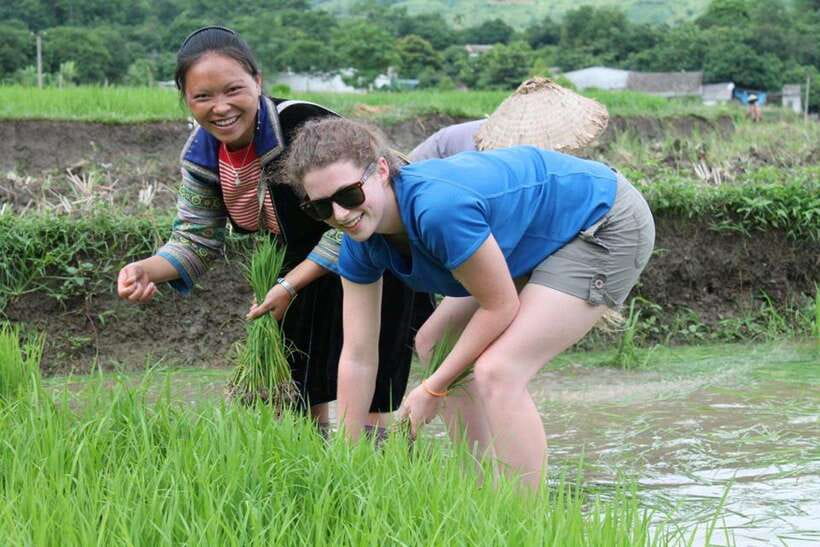
The whole experience is about 6 hours, wrapping up around 3:30 PM. The core trek is 10 kilometers, and that distance matters less than the fact that it’s on uneven valley paths. Think: slopes, muddy patches, and sections that can feel slippery after rain.
Here’s how the day unfolds in real walking terms:
- Hotel pickup in central Sa Pa, then you head toward the start point
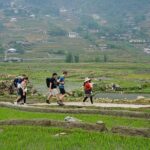
- A trail through misty rice terraces, with early Muong Hoa River crossing
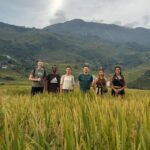
- Walk onward past tended terraces toward Lao Chai (Black Hmong community)
- Continue to Ta Van Giay area
- Trek along the river route and cross a small suspension bridge about 2 km from the settlement
- See ancient rock carvings (men, stilt houses, decorative designs)
- Lunch at a local house
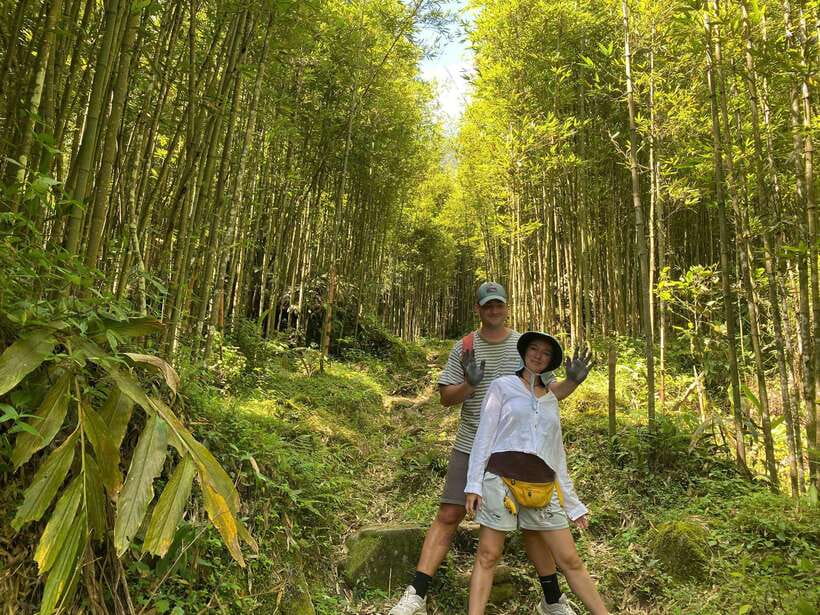
- Hike through a bamboo forest
- Reach Giang Ta Chai, a Red Dao village
- Short rest at a nearby waterfall
- Climb uphill to the main road where the driver waits to take you back
If you like itineraries that feel like a journey instead of a checklist, this one hits that sweet spot.
Rice terraces and mist: why the morning part is worth it
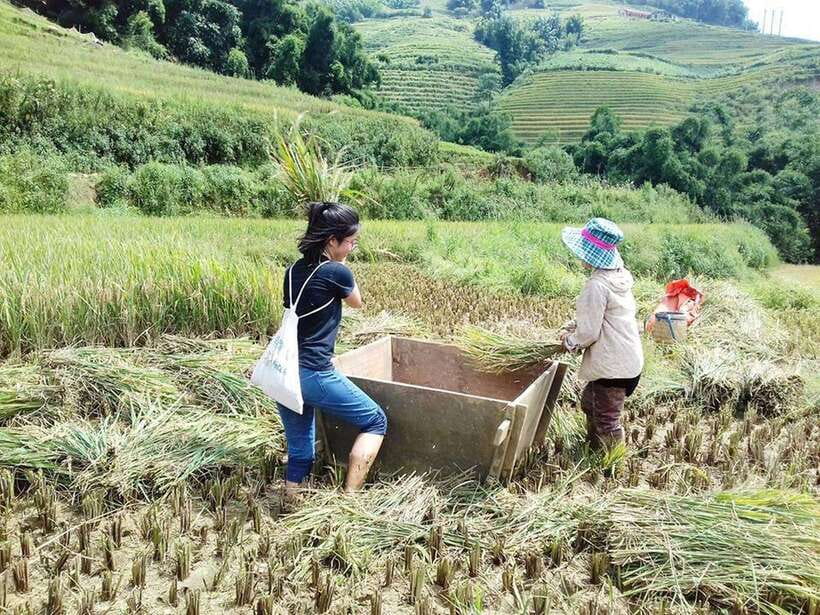
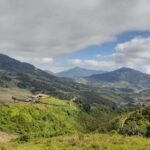
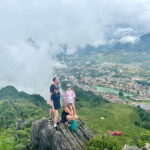
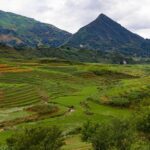
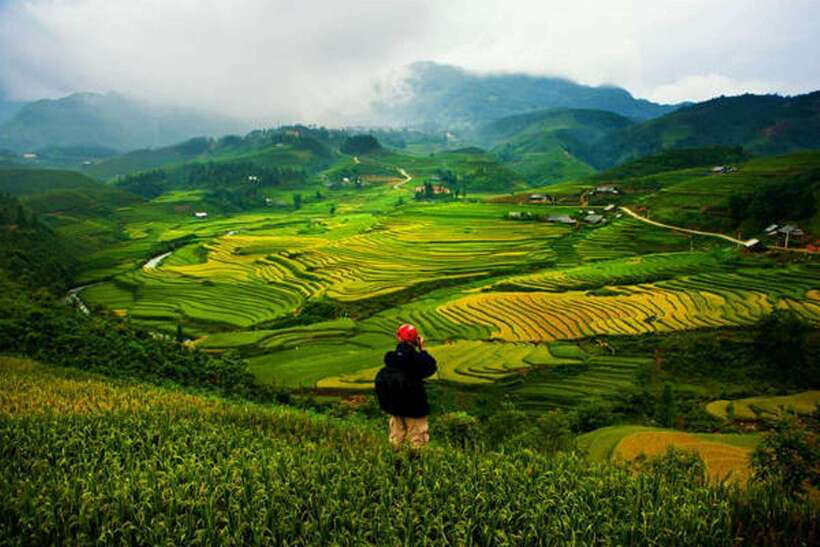
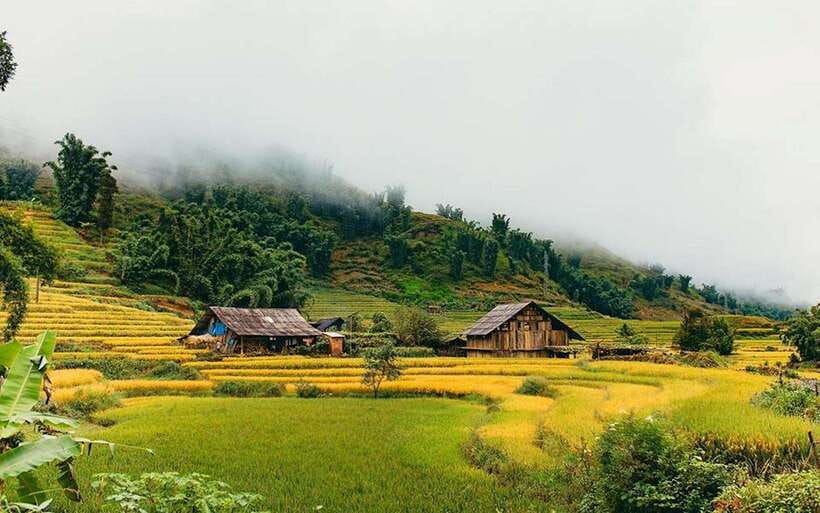
The early part of the walk is built around the valley’s agricultural rhythm. You follow a small trail where you can glimpse rice terraces hidden behind morning mist. Even when visibility is foggy, the terrain still makes sense—terraces guide you, water runs alongside your route, and villages appear in the way they actually do: partly covered, partly revealed.
One practical note: terraces and narrow paths often get slick fast when weather turns. If you’re tempted to wear lightweight trainers, I’d think twice. Several guide-and-pace comments in the day’s feedback point to the same theme: when it’s wet, you want real tread and ankle stability.
Lao Chai (Black Hmong): village life meets walking routes
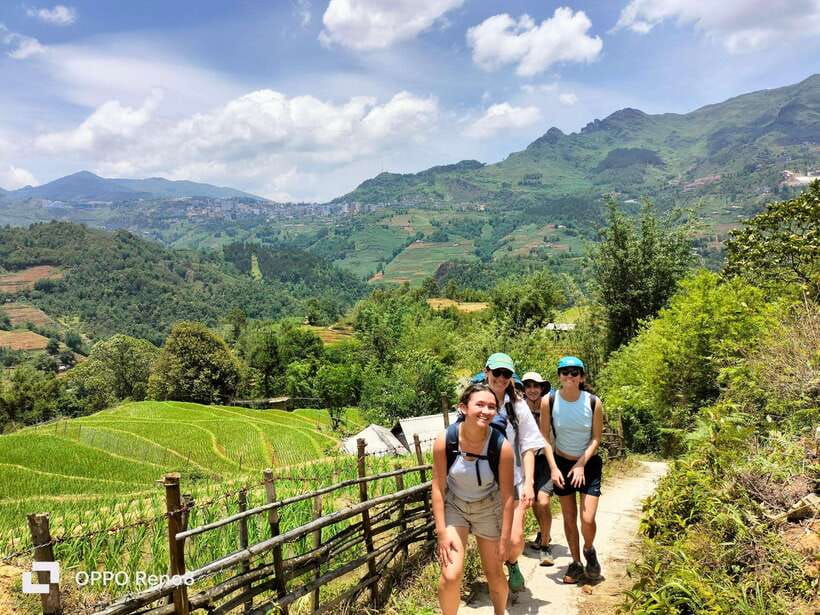
As you continue past terraced fields, you reach Lao Chai, where Black Hmong families live. This isn’t just a stop for photos. You’re walking close enough to the homes and daily routines that it changes how you notice the valley. Clothing, house layout, and work patterns make more sense once you’re on foot and moving slowly.
If you care about culture in a respectful way, this segment rewards you. A good English-speaking guide will connect what you see to daily life, and in reviews you’ll find plenty of praise for guides who explain traditions without turning the day into a lecture.
Guide names that come up in people’s experiences include Kau, Chai, and Khu—and the consistent thread is care. On slippery stretches, a guide who pays attention to footing makes the hike feel safer and more relaxed.
Ta Van Giay and the river route: the suspension bridge moment
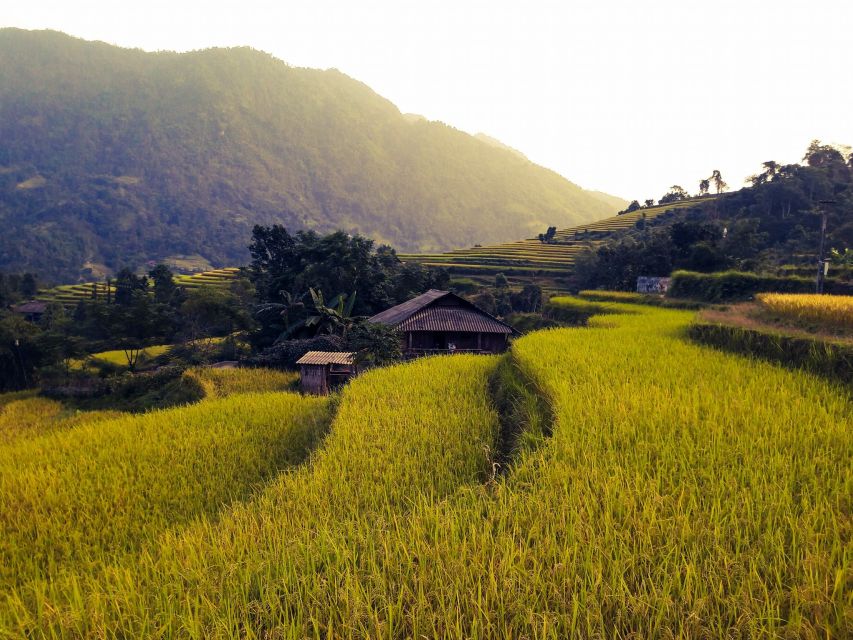
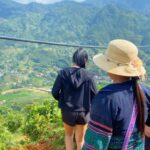
After Lao Chai, the route heads toward Ta Van Giay. From there, you keep trekking along the Muong Hoa River corridor, eventually crossing a small suspension bridge roughly 2 kilometers from the settlement.
This is one of the day’s “you’ll remember this” moments. Suspension bridges add a bit of drama to a hike, and more importantly, they emphasize that you’re traveling through the landscape as locals do—using crossing points where communities actually connect.
Two things to watch here:
- The bridge and the surrounding trail can be impacted by moisture.
- Wind and mist can change how steady you feel on the crossing, so slow down and keep your focus.
If your goal is a Sa Pa day that feels like movement through real places—rather than a string of roadside stops—this part is a highlight.


Rock carvings: an unexpected history stop in the middle of a hike

Not many trekking days in Vietnam throw in something like ancient rock carvings mid-route. Here, you discover a collection of carvings showing men, stilt houses, and decorative patterns.
I like this stop because it breaks up the physical rhythm. After muddy footwork and river walking, the carvings give your brain a new anchor. It’s also an easy way to get context for why this region has long attracted human settlement: water, shelter on elevated ground, and a community way of building and marking space.
Bring a little patience for this moment. You’ll likely want to look closely, and it’s better to take your time than to rush to the next viewpoint.
Lunch at a local house: the food is part of the experience
The meal is one of the biggest “value boosters” in this tour. You eat lunch at a local house in the village, not in a standard restaurant that could be anywhere.
In feedback, I’ve seen notes about vegetarian options like rice, vegetables, tofu, and spring rolls. Even better: at least one traveler reported that the guide helped accommodate a vegan diet. That’s a real comfort factor, because a guided day in a mountain valley can go wrong fast when food needs aren’t handled.
A practical tip: plan to eat like you’re hiking. You’ll be walking again after lunch—through bamboo forest and toward Giang Ta Chai—so don’t treat it like a quick snack.
Also, this is the part where many days become socially meaningful. Eating with the family connection (even in a simple format) tends to shift the day from “watching villages” to understanding how your day fits into their routines.
Bamboo forest to Giang Ta Chai (Red Dao): the part that tests your shoes
After lunch, the trek pushes into a bamboo forest, then continues to Giang Ta Chai, a Red Dao ethnic minority village.
This segment is where footwear really earns its keep. Multiple people mention that bamboo forest sections can get very slippery—especially if rain came through the night before. If the day is wet, expect mud. A lot of it.
What helps most is not fancy gear—it’s grip. Use hiking shoes with a solid tread and good traction. Reviews repeatedly mention that runners slip on steep muddy slopes, and that some local support (from village helpers) can be a lifesaver.
One extra detail I appreciate: there’s usually more than one kind of path here. You’ll alternate between more visible trails and rougher ground near creeks and crossings. It keeps things interesting, but it also means you can’t “zone out” for long.
Waterfall pause and the uphill finish: plan your energy
Toward the later part of the day, you get a short rest at a nearby waterfall. This isn’t a long stop, but it’s useful. You’ll reset before the final push: climbing uphill to the main road where the driver is waiting.
That last uphill matters. Even if you feel fine at midday, the combination of muddy footing earlier and the climb later can add up. I’d treat this finish like a cool-down moment: slow pace, steady steps, and a quick check that your pack and clothes aren’t restricting movement.
By the time you’re back at the main road, your day ends around 3:30 PM, which is plenty of time to return to Sapa town and still have a normal evening.
Price and value: what $23 actually covers
At $23 per person for a roughly 6-hour guided outing, the biggest value is what’s included:
- Hotel pickup if you’re in central Sa Pa
- English-speaking guide
- Entry tickets
- Lunch
- Mineral water (500 ml per person)
- Transport as mentioned in the itinerary
What’s not included is equally important for budgeting: beverages and personal purchases (including soft drinks). And while the tour includes lunch, you may still want extra water for comfort—especially on wet or warm days.
One more value reality: some villages involve buying small items as a thank-you. People bring up this point clearly. I’d plan to carry some cash so you don’t feel put on the spot at the worst time.
So is it cheap? Yes, for what you get. But it’s also not a “relax and stroll” day. You’re paying for a true hike plus cultural stops, and you should show up ready for the terrain.
Getting muddy without ruining your day: what to pack for Sa Pa trekking
Your packing list is simple, but it needs to be real.
Bring:
- Hiking shoes (not just comfortable sneakers)
- Sunglasses and sunscreen
- Insect repellent
- Warm clothes from October to March
Also consider:
- If it’s been raining, you’ll likely get soaked or caked in mud. Wear something you don’t mind ruining.
- Oversize luggage isn’t allowed, so travel light.
A small comfort detail from feedback: some groups mention there can be a way to rinse shoes at the end at a designated water-brush station. That’s the kind of practical finish that keeps your evening plans from falling apart.
How hard is it really? Who this trek suits
This trek is listed as potentially challenging, especially in wet weather. It’s not suitable for people with mobility impairments, and it’s not suitable for children under 6.
Who it suits best:
- People who are comfortable with uneven ground
- Anyone who can manage a 10 km hike with breaks
- Travelers who want a day combining village visits + terrain variety (terraces, river, bamboo forest)
Who should think twice:
- If you hate slipping on steep mud
- If you don’t have shoes with grip
- If you can’t handle a day that’s active from start to finish
If you’re the type who wants a smooth, paved walking experience, pick something easier in Sa Pa. This one rewards the prepared.
Guide quality makes the difference (and you’ll feel it on muddy days)
This tour runs with an English-speaking guide, and the small group size makes it easier to manage safety. In reviews, the praise consistently lands on guides who keep attention on unstable rocks and who coordinate help when footing gets sketchy.
Names you’ll see in the experience stories include Su (professional leadership), Sunny (friendly and well-informed), Minh (helpful through villages), Nhu, Linda, and Khu.
Here’s what you should take from that: you’re not just buying interpretation. You’re buying someone’s mountain-day instincts—especially when fog reduces visibility and when paths get slick.
Should you book Muong Hoa Valley and the ethnic village trek?
Book it if you want an active Sa Pa day that mixes rice terraces, river crossings, village life, and rock carvings—all within a manageable time window and for a budget-friendly price. I’d also book it if you’re the type who enjoys walking alongside locals and learning how communities actually live around water, fields, and forest paths.
Skip it if you’re sensitive to mud, don’t have grippy hiking shoes, or need a fully accessible route. The day can be slippery, and the hike is long enough that comfort matters.
My decision rule: if you can handle 10 km of uneven terrain—and you’re happy to embrace the real (not sanitized) mountain trail—this trek is a strong choice.
FAQ
How long is the tour and how far do I hike?
The tour lasts about 6 hours and the trek is roughly 10 kilometers long.
Where is hotel pickup available?
Pickup is included if your hotel is in Sapa center town. Pickup is also available either from the Vietnam Nomadtrails’ office or from hotels in Sa Pa town. Pickup outside the Sa Pa area isn’t available.
What language is the guide?
The tour provides an English-speaking guide. A French-speaking guide is available for an extra 19 USD per person (payable upon confirmation).
What’s included in the $23 price?
Included items are hotel pickup (if in Sapa center), English-speaking guide, entry tickets, lunch, mineral water (500 ml per person), and transport as mentioned.
What should I bring for this trek?
Bring hiking shoes. You’re also advised to pack sunglasses, sunscreen, and insect repellent. Warm clothes are recommended from October to March.
Is this tour okay for children or people with disabilities?
It is not suitable for disabled people, and it is not suitable for children under 6 years old.
Is the trek difficult in wet weather?
Yes. The trek is 10 kilometers long and can be challenging, especially in wet weather. Some parts may be slippery and muddy.
Are there extra charges during Lunar New Year?
Yes. There’s a surcharge of 30 USD per person from 14 Feb to 21 Feb 2026, payable at the departure of the tour.
When does the tour end?
The tour ends at approximately 3:30 PM.
If you tell me when you’re going (month) and what shoes you plan to wear, I can help you judge how “mud-friendly” your day is likely to be.