REVIEW · SA PA
Half Day Sapa Trekking to Visit Lao Chai – Ta Van
Book on GetYourGuide →Operated by VN CHARM TOURISM CO,LTD · Bookable on GetYourGuide
Sapa turns into a footpath fast. On this half-day trek, you walk from Sapa into the valley to visit Lao Chai and Ta Van villages, with big views of Hoàng Liên Sơn along the way. It’s a short enough day that you still get back for lunch, but long enough to feel like you’ve left town.
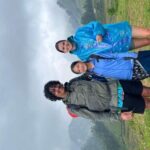
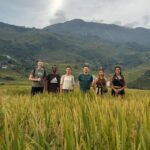
Two things I like right away: the timing works (about 4 hours of walking over roughly 9 km), and the visits come with real village context from an English-speaking local guide. If you end up with guides like Tung or Soso, you can expect patient pacing and clear explanations of daily life and traditions. The group also gets to see the valley open up as clouds lift, which makes the photos hit harder.
The main drawback is physical: the trails can be uneven, and after rain they can get slippery and muddy. Come prepared with proper shoes, because this is a working mountain path, not a paved stroll.
In This Review
- Key highlights you should care about
- From hotel pickup to trail time: morning logistics that keep it stress-free
- Y Linh Hồ photo stop: where Hoàng Liên Sơn scenery can turn on fast
- Trekking to Lao Chai: rice terraces, Muong Hoa Stream, and the Black Hmong village
- Lao Chai village time: photos are great, but conversation is the point
- Ta Van break and Dzay culture: a quieter village feel after the terraces
- Weather and trail conditions: the real reason to pack carefully
- Timing that actually works: bus back to Sapa by early afternoon
- Price and value: what $22 really buys you in Sapa
- What to bring: your 9 km toolkit for comfort and safety
- Who should book this trek (and who might skip it)
- Should you book the Sapa half-day trek to Lao Chai and Ta Van?
- FAQ
- How long is the half-day trek?
- Where does the tour start and end?
- How far will I walk?
- Which villages are visited?
- What language is the guide?
- Is this tour suitable for wheelchair users?
Key highlights you should care about
- A 9 km, ~4-hour trek that still gets you back to Sapa Town by around 12:00
- Village visits in Lao Chai and Ta Van with time for guided cultural stops
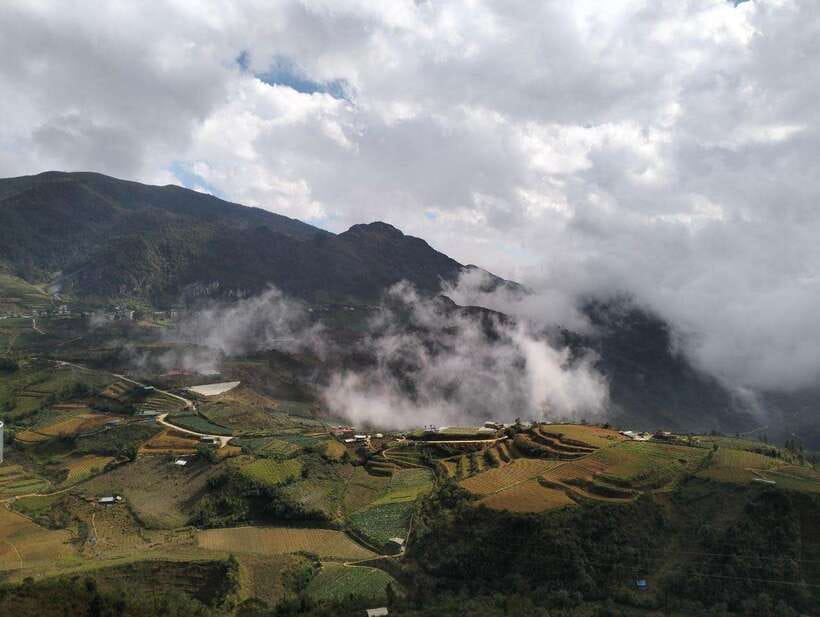
- A photo stop at Y Linh Ho (Ý Linh Hồ) with mountain views that can improve fast if weather clears
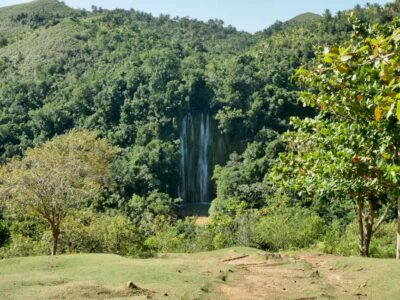
- Walking along the Muong Hoa Stream valley and through rice terraces
- English-speaking local guidance (many guides, including Tung and Soso, are noted for helpful, clear storytelling)
- Real-life craft selling you can’t ignore, so decide your approach before you go
From hotel pickup to trail time: morning logistics that keep it stress-free
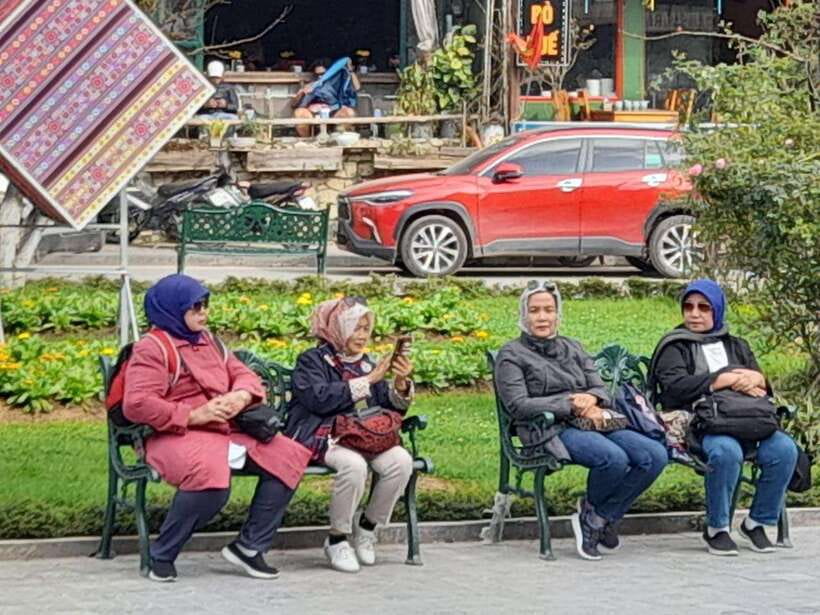
This is built as a morning tour, starting with hotel pickup in Sapa around 8:10 to 8:20. You keep a light pack for the trek, then you head out to the trail zone. The walking starts right away, which is exactly what you want on a half-day schedule.
Transport is part of the value here. You’re not doing all the moving on your feet: an air-conditioned bus handles the jumps between Sapa, the trail access points, and later Ta Van for the return. That matters because Sapa roads can be bumpy, and wasting energy before you even start walking is the fastest way to ruin a good trek day.
The pacing also feels intentional. Your day is structured so you get multiple stops—photo points and village time—without the tour dragging. It’s the kind of itinerary that works well if you only have one morning in Sapa, or if you want nature plus culture without committing to a full-day hike.
You can also read our reviews of more tours and experiences in Sa Pa.


Y Linh Hồ photo stop: where Hoàng Liên Sơn scenery can turn on fast
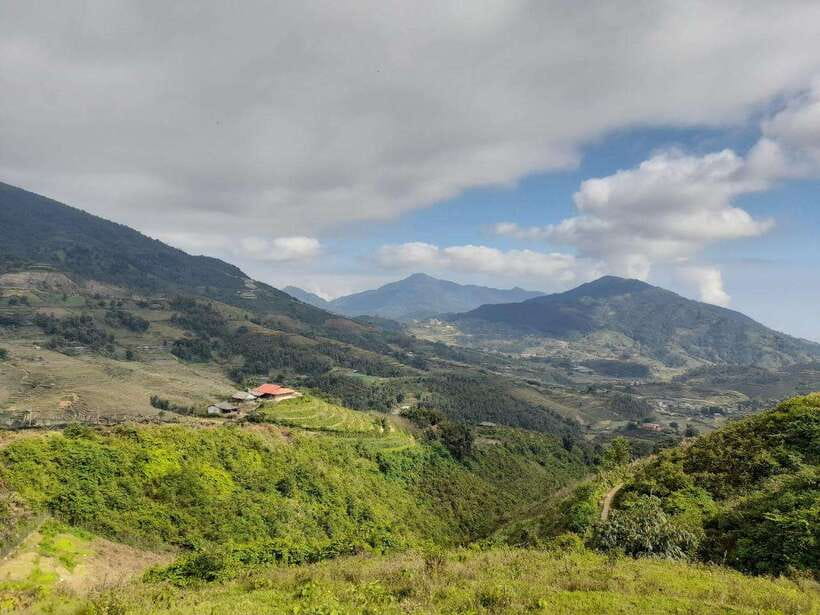
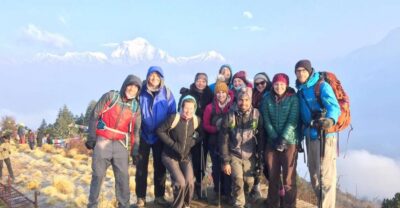
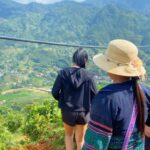
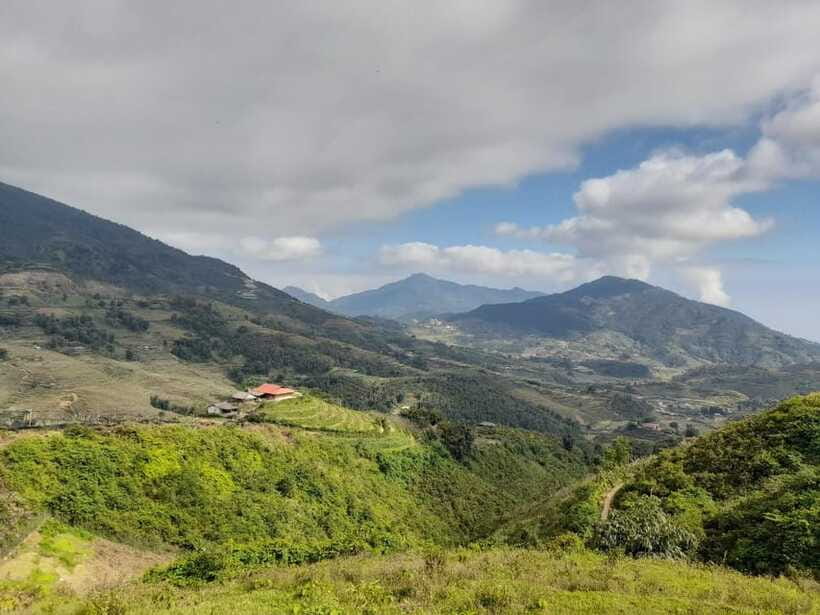
One of the early highlights is the stop at Bản Ý Linh Hồ, with a guided visit and a photo moment. This is where you often get the first strong sense of scale: mountains rising around the valley, plus the layered feel of terrace country.
Weather plays a big role in how good this feels. When clouds lift, the mountain views can look dramatically better within minutes. If you’re the type who watches the sky and waits for clearer light, this stop rewards that patience.
This part isn’t just for snapping pictures. The guided time helps you connect what you’re seeing—valley shape, terrace patterns, and how villages fit into the mountains—so later stops make more sense. You’re not just walking through pretty scenery; you’re learning how people live with it.
Trekking to Lao Chai: rice terraces, Muong Hoa Stream, and the Black Hmong village
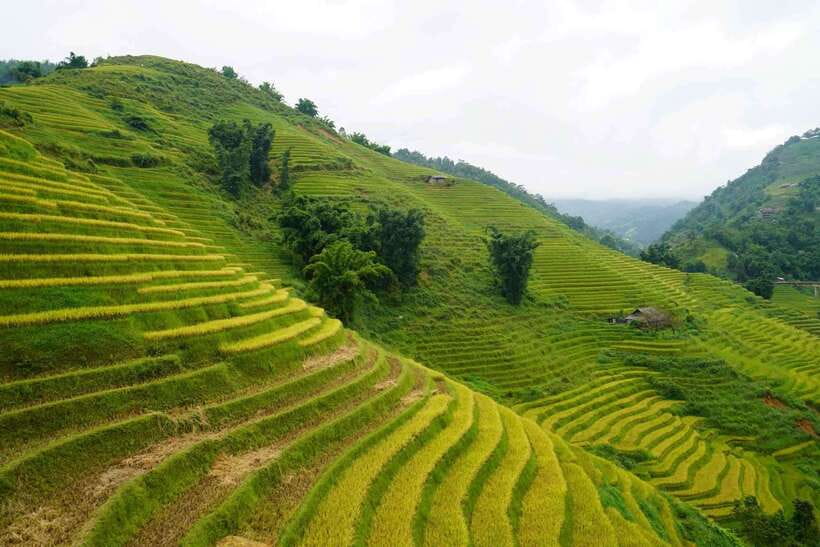
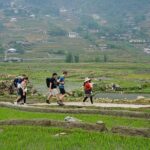
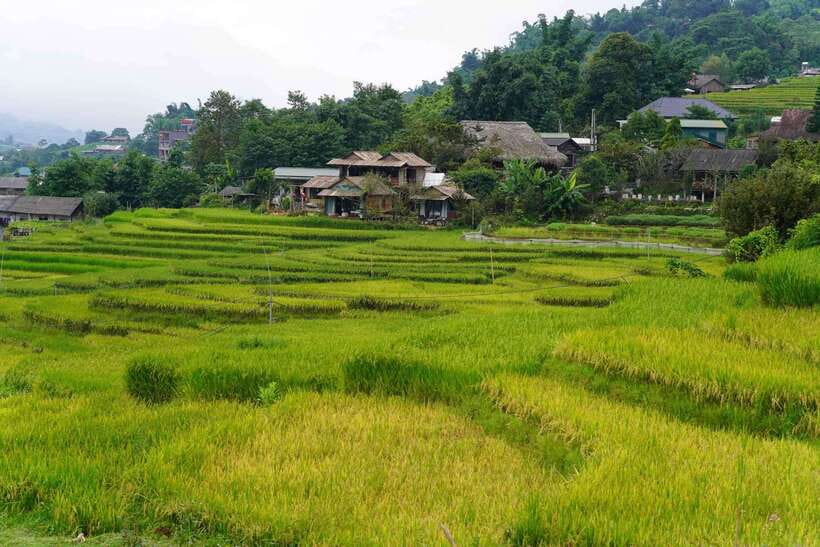
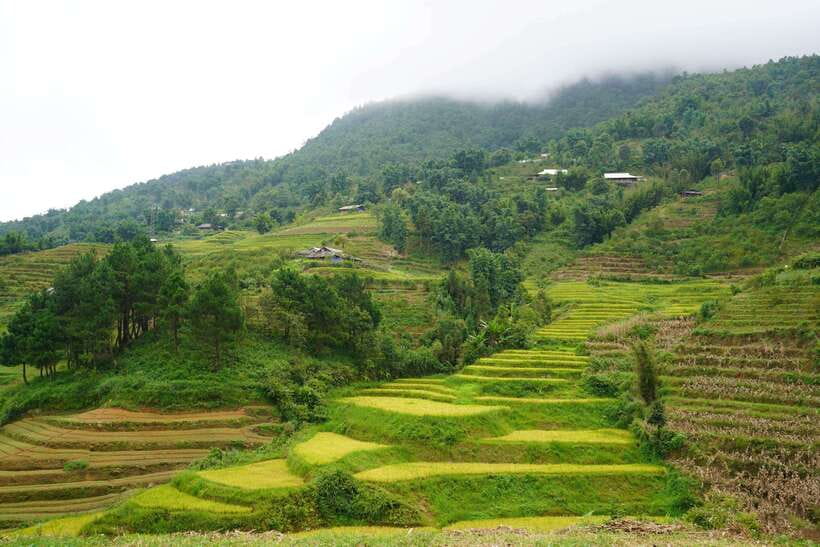
After that first stop, you start the real trek segment. The route goes toward Y Linh Ho, then across rice terraces and along the Muong Hoa Stream before reaching the Black Hmong village of Lao Chai. The trek distance is about 9 km total for the tour, and the walking component lasts around 4 hours.
Here’s what you should expect on the ground: rural paths, dirt tracks, and uneven ground. The views are the payoff, but the terrain is part of the deal. On rainy days, things can turn muddy, and you’ll want shoes with grip.
Lao Chai is where the cultural side of the day becomes real. You get a guided visit and time to see how village life is arranged, not just a quick pass-by. You also get the chance to look at crafts and local items along the way, which can be fun if you like browsing and calmly chatting.
If your guide is strong at English (guides like Tung and Soso are frequently praised for this), you’ll get more than surface-level explanations. You’ll understand what you’re looking at: everyday patterns of living, how communities adapt to mountainous terrain, and why terrace areas matter.
Lao Chai village time: photos are great, but conversation is the point
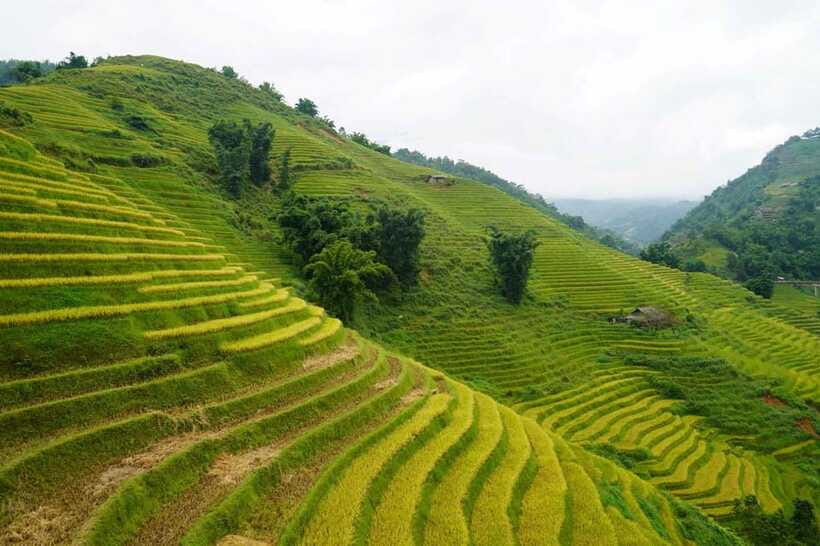
You’ll have dedicated time in Lao Chai Village, including photo time and guided visiting. This is where you’re close enough to notice details: how pathways connect homes to fields, how terrace edges guide movement, and how the valley feels lived-in rather than staged.
One thing I appreciate about this style of trek is that it doesn’t rush you. You’re not herded like a bus tour. The guided time gives you room to ask questions and learn at a walking pace.
There’s also a practical reality here: village women may join the walk and offer items for sale. In some cases it can feel pushy, especially if you’re not interested. You have two good options:
- Smile, keep moving, and politely decline if you don’t want to buy.
- If you do want something, set a budget in advance so you’re making a choice, not reacting.
This is one of those cultural moments where your attitude matters as much as the route.
Ta Van break and Dzay culture: a quieter village feel after the terraces
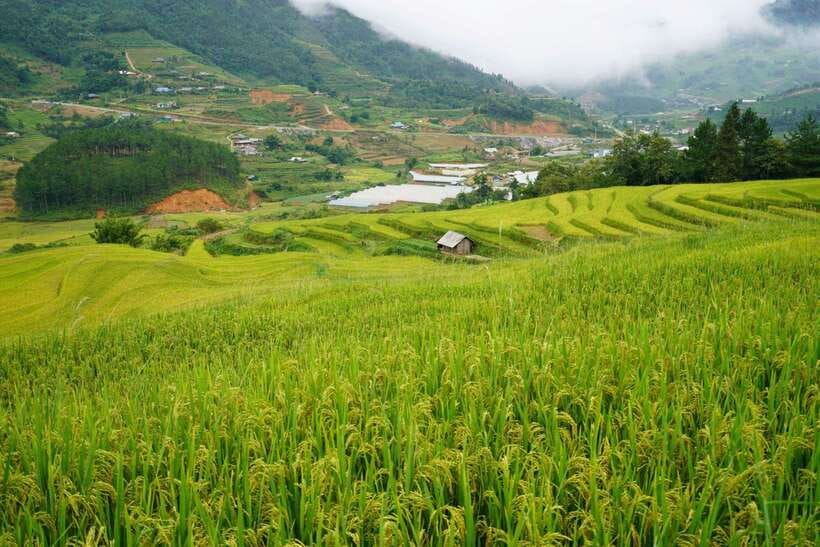
After Lao Chai, you continue trekking to Ta Van village, which is home to the Dzay ethnic group. Your time here includes a break plus photo stops and guided visiting (about 1.5 hours).
This stop is often a shift in mood. If Lao Chai feels like you’re in the main valley flow, Ta Van can feel slightly calmer and more intimate. You’re still in trekking terrain, but the village time gives you a chance to slow down and absorb how people structure their day.
A strong guide makes a difference here. People describe guides explaining costumes and customs, and also sharing personal farming and daily-life details. Even when your focus is photography, those conversations change the way you see what’s in front of you.




Weather and trail conditions: the real reason to pack carefully
This trek is short, but it’s still in the mountains. That means weather and ground conditions are unpredictable, even if Sapa looks clear at pickup time.
Rain can make parts muddy and slippery. Heat can make the walk feel more physical than the distance sounds on paper. And because the terrain can be uneven and steep in spots, your pace matters. You’ll enjoy it more if you plan to walk steadily rather than trying to keep up with the fastest group members.
If you want a simple rule: treat this as a hike first, village tour second. The villages are the reward, but you get there by moving over real ground.
Timing that actually works: bus back to Sapa by early afternoon
Your schedule keeps the day tight and manageable. The walking and guided segments lead you to Ta Van, then a bus picks you up at Ta Van Bridge around 11:30. The tour ends back in Sapa Town about 12:00.
That means you’re not guessing how to fit lunch or the rest of your Sapa day into the plan. You should be back ready to eat and reset. For many people, that’s the whole point of a half-day trek: maximum meaning with minimal disruption.
It also helps you handle weather. If the morning is foggy, you have time for the clouds to move. If it rains, you still finish early enough that you’re not stuck all afternoon in tough conditions.
Price and value: what $22 really buys you in Sapa
At $22 per person, this is one of the more reasonable ways to combine walking scenery with village access in Sapa. The big value isn’t just the trek. It’s the setup:
- Air-conditioned transport between Sapa and the starting/ending points
- An English-speaking local guide in Sapa
- Entrance tickets for the indicated stops
Not included are things like drinks, travel insurance, VAT, and personal expenses. That’s typical, but it helps to plan for it: bring water planning in mind, and don’t assume you’re buying nothing during the village stops.
Given the amount of guiding time and the fact you’re seeing multiple communities in a short window, the price-to-experience ratio is strong. You’re not paying for an all-day program or a complicated multi-transfer schedule.
What to bring: your 9 km toolkit for comfort and safety
The packing list matters here because comfort directly affects how much you enjoy the day. I’d treat the following as non-negotiable for a mountain trek in northern Vietnam:
- Hiking shoes (grip matters), or sports shoes if that’s all you have
- Sun hat and sunglasses
- Sunscreen
- A camera
- Sportswear and hiking pants
- A small first aid kit (basic is fine)
If you’ve got ankle support or water-resistant shoes, even better. When trails get muddy, your footwear is the difference between enjoying the walk and thinking about your feet every five minutes.
Also pack smart. You want a light pack for walking, not a heavy bag to drag uphill. Use a small daypack you can keep comfortable while moving.
Who should book this trek (and who might skip it)
This trek is a good fit if you want:
- A half-day plan with real village time
- Views of rice terraces and mountain valley paths
- A manageable trek distance of about 9 km over roughly 4 hours
It’s also a smart option if you’re in Sapa for only a short window, like one night, because the return to town is quick.
It’s not suitable for wheelchair users based on the trekking route and terrain. If you have mobility limitations, you’ll want to choose a different format.
Fitness-wise, expect uneven steps and steep-ish sections. You don’t need to be a mountain athlete, but you do need to be comfortable walking over dirt paths for hours, possibly in heat or mud.
Should you book the Sapa half-day trek to Lao Chai and Ta Van?
I’d book this if you’re the kind of traveler who likes short itineraries with a lot of meaning packed into them. The combination is hard to beat: terraces and valley walking, plus guided visits to Lao Chai (Black Hmong) and Ta Van (Dzay). With guides such as Tung or Soso, the cultural explanations can make the villages feel personal, not like a checklist.
Before you go, set expectations. This is not a flat, paved walk. Wear grippy shoes, bring sun protection, and be ready for muddy patches if weather turns. If you dislike souvenir selling, decide your approach ahead of time so it doesn’t derail your day.
One practical note: the tour includes free cancellation up to 24 hours in advance and offers reserve now, pay later. If your Sapa weather is uncertain, that flexibility helps you hold your plan without stress. With a strong overall rating (4.7 out of 5 from 126 reviews), it’s also the kind of trek that consistently hits the basics people care about.
If you want, tell me your travel month and fitness level (easy, moderate, or challenging), and I’ll suggest what to pack and what pace to aim for on this exact route.
FAQ
How long is the half-day trek?
The total tour duration is about 270 minutes, with roughly 4 hours of trekking and additional guided time at village stops.
Where does the tour start and end?
It starts with pickup at your Sapa hotel between 8:10 and 8:20, and it ends back in Sapa Town around 12:00.
How far will I walk?
The trekking distance is about 9 km in total.
Which villages are visited?
You visit Lao Chai Village (home to the Black Hmong) and Ta Van Village (home to the Dzay ethnic people).
What language is the guide?
The tour includes a live guide in English and Vietnamese.
Is this tour suitable for wheelchair users?
No. The tour is not suitable for wheelchair users due to the trekking route and terrain.