REVIEW · KATHMANDU
Langtang Valley Trek
Book on Viator →Operated by Nepal High Trek & Expedition Pvt. Ltd · Bookable on Viator
That first mountain view hits fast. The Langtang Valley Trek is a short, organized route into Nepal’s north, built for beginners and low-adventure hikers who still want real Himalayan scenery and Tibetan-flavored culture without weeks of logistics. I especially like how the trip keeps things steady: you start with overland drives, walk mostly gradual trails, and don’t jump into extreme altitude goals.
Two things I really like: you get a licensed mountain guide for 7 days plus the official paperwork (Langtang National Park permit and TIMS), and meals are handled end-to-end with breakfast, lunch, and dinner plus three hot drinks daily. One drawback to plan for: the basic trek uses local sharing jeeps, and if you want the comfort of a private vehicle or you’d rather not carry your own load, you’ll need to budget extra for porter or private jeep add-ons.
This is a private tour/activity, so you’re not stuck waiting on other groups all day. The main start is early, with a 6:45 am meeting time, so treat the morning like part of the adventure.
In This Review
- Key things to know before you go
- Price and what $555 buys you in real life
- The trek rhythm: why this route feels beginner-friendly
- Day 1: Kathmandu to Syabrubensi via mountain road views
- Day 2: Syabrubensi to Langtang National Park entry—river, farms, forest
- Day 3: From Lama Hotel up the river corridor to Langtang village
- Day 4: Kyanjin Gompa—the steep-to-ridge day and your big destination
- Day 5: Kyanjin area down to Lama Hotel—valley time and recovery legs
- Day 6: Lama Hotel back to Syabrubensi—bridge crossing and last overnight
- Day 7: Syabrubensi to Kathmandu—overland return day
- The guides and why their style matters on Langtang
- What’s included for food and comfort (and why it’s worth it)
- Transportation and add-ons: how to decide about porters and private jeeps
- Who this trek fits best (and who should reconsider)
- Should you book the Langtang Valley Trek?
- FAQ
- How long is the Langtang Valley Trek?
- Where is the trek based and how do you get there?
- What time does the experience start?
- Is a guide included?
- Are permits included?
- What meals and drinks are included?
- Is accommodation included?
- Is travel insurance included?
- Can I add a porter or a private jeep?
- Can I cancel for free?
- Is this a private tour?
Key things to know before you go
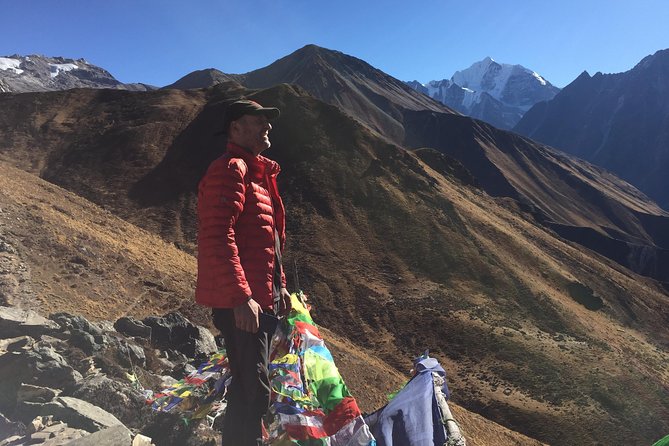
- Official permits included: Langtang National Park permit and TIMS are handled for you
- Meals and hot drinks are built in: breakfast, lunch, dinner, plus 3 hot beverages each trekking day
- Private accommodation during the trek: 6 nights of private lodging are included
- Guides with strong on-trail support: reviews credit guides like Buddhi, Laku, Pawan, and Nabin, with porters including Tenjin
- A route that’s moderate by design: gradual terrain and lower altitudes than many other Nepal treks make it more approachable
Price and what $555 buys you in real life
At $555 per person, the big question is value: does this price cover the stuff that normally eats your time and nerves?
In this case, yes. You’re paying for a lot of the trip infrastructure that makes treks feel easy even when the trail isn’t. The essentials included in the fee are:
- A licensed guide for the full 7 days
- Park permit + TIMS card (the paperwork that can otherwise become a scavenger hunt)
- Both-way transportation by local sharing jeep
- 6 nights private accommodation during the trek
- All meals listed for 7 days (breakfast, lunch, dinner)
- 3 cups of hot beverage per day during the trek, plus seasonal fruits
- A medical kit bag
What you don’t get is also clear: travel insurance, city hotel, tips, and optional porter/private jeep support (listed at $190 per booking for porter cost and another $190 option for a private jeep).
So I see the trade-off like this: you pay a fair chunk upfront to avoid constant decisions while you’re tired. If you show up fit enough to walk daily, this is a straightforward way to get into Langtang without turning your holiday into paperwork plus logistics.
You can also read our reviews of more tours and experiences in Kathmandu.
The trek rhythm: why this route feels beginner-friendly
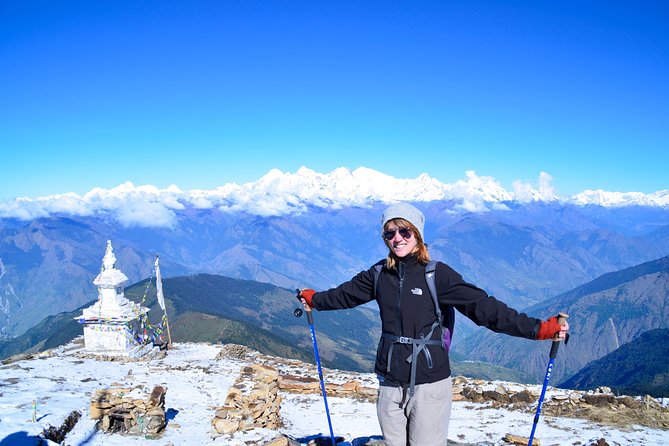
Langtang Valley is often marketed as “moderate,” but that word can mean anything. Here, the description points to what you want to hear: gradual terrain, a reasonable walk pace for beginners, and lower altitudes compared with some other treks.
That matters because most first-timers don’t struggle with the view. They struggle with the workload piling up: carrying too much, underestimating time, getting cold at awkward moments, and not knowing how the next day will feel. This route is built to limit those surprises:
- You get transport and lodging arranged so you’re not chasing schedules
- You start with a big overland day, then shift into trekking days with a clear progression
- You’re not forced into extreme altitude goals on a short timetable
I’d also say this trip has a “confidence starter” vibe. By the time you reach the more iconic areas, you’ve already learned your rhythm: walk, rest, eat, sleep, repeat. That’s how you avoid the first-trek panic.
Day 1: Kathmandu to Syabrubensi via mountain road views
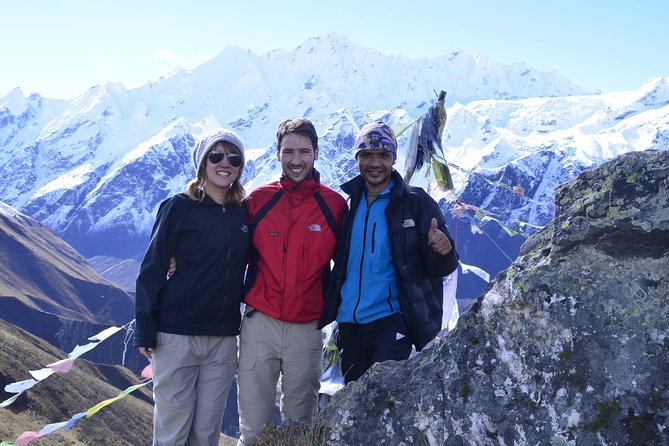
Your day starts early. There’s a 6:45 am meeting time, then you leave Kathmandu by road toward the north side of the Langtang Himalaya. The drive is long, around 8 hours, and the itinerary emphasizes scenery: snow-capped peaks and big Himalayan views along the way.
You end in Syabrubensi village, which becomes your trekking base. It’s a useful first move because you’re not immediately walking on Day 1. Instead, you’re settling in, getting your body moving after the road, and preparing for the real trail work tomorrow.
Why I like this setup: it gives you time to get your gear sorted while you still have energy. And it avoids the classic mistake on Nepal trips—trying to do a tough start on a tired body.
Day 2: Syabrubensi to Langtang National Park entry—river, farms, forest
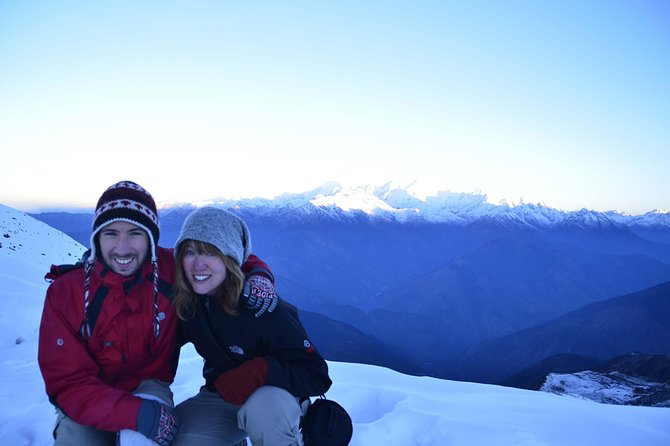
Day 2 is when the trail starts for real. You begin in Syabrubensi and cross a bridge over the Langtang River, then the walking turns uphill.
The route transitions in a way that helps beginners stay focused:
- You move from river crossing into farm areas
- Then the trail climbs into a dense green forest
- The day ends with an overnight stop along the route
One practical note: forest days can feel cooler, which is good, but you still need layers. The itinerary doesn’t list weather conditions or gear requirements, so bring what works for cold mornings and warmer afternoons.
This day is also where you’ll feel the value of having an included guide. The path is not just “walk forward.” A guide helps keep timing realistic and prevents you from losing time to confusion.
Day 3: From Lama Hotel up the river corridor to Langtang village
On Day 3, you’re moving upstream. The walk starts from Lama Hotel, and the itinerary describes staying with the river: a morning route that follows the river upstream through deeply forested areas and in a gorge.
Then you pass Ghodetabla, which the description highlights as a cooler area, before reaching Langtang village for your overnight stop.
Two things this day accomplishes:
- It keeps the navigation logic easy (river corridor walking tends to be straightforward).
- It creates a noticeable change in scenery as you move from gorge/forest to a cooler stretch and into the village area.
If you’re new to trekking, this kind of progression is good. It gives you mental milestones so the day doesn’t blur into one long slog.
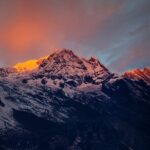
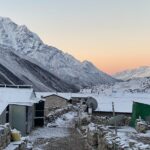
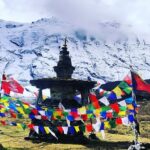
Day 4: Kyanjin Gompa—the steep-to-ridge day and your big destination
Day 4 is the hike that most people remember: a short steep climb, followed by a ridge section, ending at Kyanjin Gompa.
The day’s description is specific about the trail feel:
- A short steep climb to reach a ridge
- Leaving the forested area
- Then continuing on trails that lead to your major destination, Kyanjin Gompa
This is where the “Himalayas and culture” promise becomes real. Gompa areas are tied to Tibetan Buddhist tradition, and even without going heavy on museum-style details, you’ll feel the shift in tone once you arrive.
One consideration: this is still a day of effort. “Short steep” can still mean your legs feel it. Plan to take breaks early rather than late. It’s easier to keep your pace controlled before you’re worn out.
Day 5: Kyanjin area down to Lama Hotel—valley time and recovery legs
You start the day near Kyanjing/Kyanjin, with time described as an enjoyable stretch around the Langtang Valley area before heading back down.
Then you follow a downhill walk to Lama Hotel for the overnight.
I like Day 5 for a simple reason: after the destination day, you get a decompression walk that still keeps you moving. It’s not a sit-and-do-nothing day. But the downhill style usually helps you mentally reset.
You also get a chance to notice how your trekking style changes when you’ve already seen the big highlight. Most people walk a little lighter on the way down because they know what comes next.
Day 6: Lama Hotel back to Syabrubensi—bridge crossing and last overnight
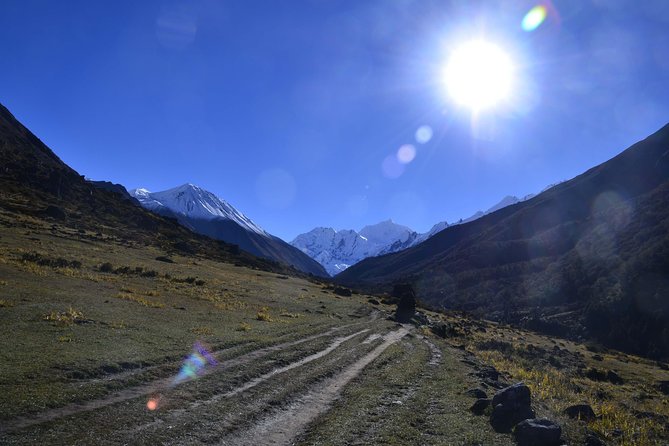
Day 6 brings you back toward the starting point. From Lama Hotel, the walk is described as downhill, including another bridge crossing, until you reach Syabrubensi again for your last overnight.
This is your “finish line morale day.” You’ll still work, but the direction feels clear. And after six days of moving, knowing you’re returning to your base helps you keep effort steady instead of trying to rush.
Practical tip: save some energy for evening. The walk may feel easier, but your body still needs time to cool down and refuel properly.
Day 7: Syabrubensi to Kathmandu—overland return day
On the last day, you drive back to Kathmandu in the morning. The itinerary description calls out an overland journey of about 13 hours, and the day is framed as completing the trek around the Langtang region in the Rasuwa district.
You finish in Kathmandu, completing the loop.
If you’re thinking about post-trek plans: keep them flexible. A long drive can feel slow and a bit jarring after trekking. I’d plan for an easy end to the day rather than anything that needs quick movement.
The guides and why their style matters on Langtang
The route is only half the story. The other half is the human layer: guidance, timing, and problem-solving when conditions shift.
In the experiences I was given, guides named Buddhi, Buddhi Tamang, Laku, Pawan, and Nabin were highlighted for being friendly, organized, and attentive. Porters like Tenjin were also credited. People specifically appreciated clear explanations of history and traditions, plus guides who adjusted smoothly so plans stayed on track.
Even if you’re not a “culture lecture” type, that support helps. A guide’s job isn’t just pointing a finger at the next bend. It’s also:
- keeping you at a realistic pace
- handling permits and route decisions
- making sure the day ends with the lodging and meals you expect
That’s especially valuable for first-timers. The itinerary is structured enough to be beginner-approachable, but good guidance turns that approach into an actually enjoyable week.
What’s included for food and comfort (and why it’s worth it)
A lot of treks look good on paper until you get hungry and cold. Here, the trip reduces those risks with built-in basics.
You’ll get:
- Breakfast, lunch, dinner for 7 days
- 3 cups of hot beverage per day during the trek
- Seasonal fruits
- Medical kit bag
I like this model because it protects your energy. You don’t have to constantly decide where to buy food or what menu you’ll get. And the hot drinks matter more than you think on the cooler stretches, especially in morning and evening.
Also, the trek includes private accommodation for 6 nights. That’s a real quality-of-life difference. Shared spaces can be fine, but private rooms help you recover faster and sleep better between walking days.
Transportation and add-ons: how to decide about porters and private jeeps
By default, the trip uses both-way local sharing jeep. That’s part of the value equation. Sharing keeps costs down and fits the “organized but not luxurious” style of this trek.
If you want extra comfort or less carrying, there are two optional add-ons shown at $190 per booking:
- Porter cost
- Private jeep option
Here’s how I’d decide:
- If you pack smart, move steadily, and you’re okay carrying your own essentials, you can probably skip both add-ons.
- If you’re bringing extra gear, hate the weight feel, or you want less fatigue, paying for a porter can be money well spent.
Either way, the baseline plan already handles permits, guide time, lodging, and meals. So optional add-ons are about personal comfort, not because the main plan is incomplete.
Who this trek fits best (and who should reconsider)
This is a strong pick if you:
- want a beginner-friendly way into the Langtang region
- prefer a structured schedule with fewer decisions
- want Himalayan views plus culture in under a week
- are comfortable with moderate daily walking and early mornings
It might be a tougher fit if you:
- need a very leisurely pace every day
- expect high-altitude challenges or long multi-day climbs
- plan to arrive and go with zero trekking readiness (because the itinerary still involves real hiking days)
Your best approach is to treat this like a real hiking vacation. Come with moderate fitness, layer-ready clothing, and a calm mindset. The effort is rewarded, and the planning reduces stress.
Should you book the Langtang Valley Trek?
If your goal is a manageable introduction to Nepal trekking with real support, I’d say this is book-worthy. The price makes sense because it covers the hard-to-handle parts: guide time, permits, transport, private lodging, and most importantly, meals and hot drinks that keep you fueled.
My main caution is practical: start early, walk steadily, and don’t underestimate how tired a week can make you. If you do that, the Langtang Valley Trek is exactly the kind of trip that leaves you feeling like you did something meaningful, not just something scenic.
FAQ
How long is the Langtang Valley Trek?
It’s listed as 7 days (approx.).
Where is the trek based and how do you get there?
The tour starts in Kathmandu. You then take overland transport by local sharing jeep to Syabrubensi to begin the trek, and you return to Kathmandu on the final day.
What time does the experience start?
The meeting point start time is 6:45 am.
Is a guide included?
Yes. A government license holder mountain guide is included for 7 days.
Are permits included?
Yes. Langtang National Park Permit and a TIMS card are included.
What meals and drinks are included?
Breakfast, lunch, and dinner are included for 7 days. During the trek, you also receive 3 cups of hot beverage per day and seasonal fruits.
Is accommodation included?
Yes. The trek includes 6 nights of private accommodation during the trek.
Is travel insurance included?
No. Travel insurance is not included.
Can I add a porter or a private jeep?
Porter cost and private jeep are optional add-ons listed at $190.00 per booking.
Can I cancel for free?
Yes. Free cancellation is available up to 24 hours in advance of the experience start time for a full refund.
Is this a private tour?
Yes. It’s private, and only your group will participate.