REVIEW · MARRAKESH
Marrakech: 2-Day Atlas Villages Trekking Tour
Book on GetYourGuide →Operated by Tours From Marrakech · Bookable on GetYourGuide
Two days in the Atlas Mountains, and the pace changes fast. This Marrakech trek is a practical way to get out of the city and into Berber village life, with real walking time, local food, and hands-on moments like henna engraving. I love that you don’t just watch culture pass by; you meet people and see work being made with your own hands.
Two things I like especially: the one-night stay in the mountains (often in an Atlas riad/guesthouse setting) and the chance to visit places tied to argan, carpets, and traditional crafts. Guides you might get include Rabia, Mustapha, Youssef, Marwan, and Lahcen—each one brings the day to life in their own way.
One possible drawback: this is still mountain walking on uneven ground. If you have any heart problems, this tour is not suitable, and even if you choose the shorter route, you should be ready for a day that includes several hours on foot plus a drive out of Marrakech.
If you want views, yes. But more than that, you want a trip where villages, tea, and mountain trails feel like part of the same story.
In This Review
- Quick hits before you go
- Why the Atlas villages trek feels different from a day trip
- Choosing the right pace: 1 to 4 hours on foot per day
- Day 1 from Marrakech: tea, argan stops, and Tinmel School
- The mountain night: what that riad stay does for your whole trip
- Day 2 Agoundis Valley hike: villages, gorge air, and a real second day
- Crafts that make sense: argan, carpets, pottery, and henna engraving
- Camel rides and horse stops: short, optional, and usually low-pressure
- Food and hospitality: what you’ll actually eat and where
- Price and value at $106 per person
- Practical planning: what to bring and how to stay comfortable
- Should you book this 2-day Atlas villages trek?
- FAQ
- How long is the trek on this 2-day tour?
- Is transport from and to my hotel included?
- What’s included in the price?
- Are the activities optional?
- Do I get to choose how much I walk?
- What languages are available for the guide?
- Is this tour suitable for everyone?
Quick hits before you go
- High Atlas trekking with flexible walking time: about 1 to 4 hours on foot per day depending on your choice, plus a 3 to 4 hour hike on day two.
- Berber village visits beyond the main road: time in places where everyday life is the main event.
- Tinmel School and other historic stops: including the 12th-century Tinmel School and the Kasbah of the Dukouj (1880 AD).
- Argan, carpets, and women’s cooperatives: you’ll meet people connected to argan oil production and cooperative work.
- Hands-on crafts: pottery-making and henna engraving are part of the experience (with activities often optional).
- A real mountain night: rooftop breakfasts and a calm evening in the Atlas, not just a day trip loop.
Why the Atlas villages trek feels different from a day trip
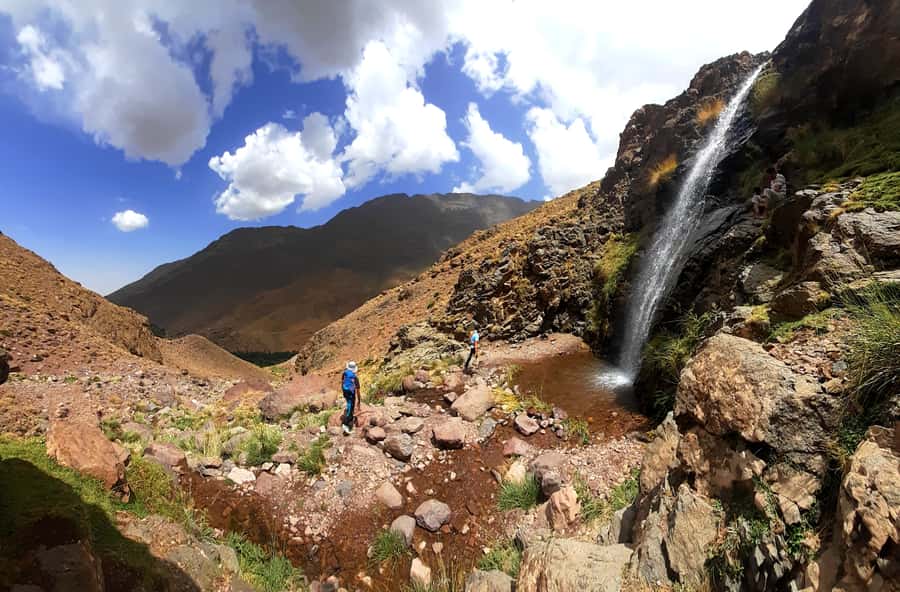
Marrakech can be intense. This tour gives you a clean break from the city without wasting a full week. You drive out early, spend meaningful time walking, and then sleep in the mountains for one night—so you feel the change in air and rhythm.
The best part is how the day gets built around village life, not only scenery. You visit Berber communities, drink tea with locals, and see crafts like argan oil and carpets made through cooperative work. And then there is the personal touch: henna engraving at home with your guide’s family on the last day. That’s the sort of detail that turns a trek into a memory with a face attached.
I also like the way the tour keeps your effort in your hands. You can choose how much walking you want during the 1 to 4 hour blocks. On day two, it’s still a real hike (3 to 4 hours), but you’re not forced into a one-size-fits-all grind.
One small tip from the way guides are described: language can matter. The live guide can be English, French, Arabic, or Spanish, but different guide pairings may not match your preferred language perfectly. Bring patience, and use simple questions. Smiles go a long way.
Choosing the right pace: 1 to 4 hours on foot per day
The tour is designed around practical hiking time rather than a forced challenge. You get walking options each day—roughly 1 to 4 hours on foot depending on what you choose. This is ideal if you’re:
- not a serious hiker,
- traveling with mixed fitness levels,
- or you simply want more conversation time in villages and less time straining on steep paths.
On day two, the hiking block is longer: about 3 to 4 hours with a guide. It includes time in the gorge area of the Agoundis Valley, where the scenery and village passes tend to feel more dramatic.
Here’s the key planning point: mountain paths can be uneven even when the hike is not long. So choose your walking time based on ground comfort, not just time on a flat track. Comfortable hiking shoes help more than you’d expect.
Also, the activities are often optional. That’s good. You can keep your energy for the trail and pick only the craft moments you genuinely want.
Day 1 from Marrakech: tea, argan stops, and Tinmel School
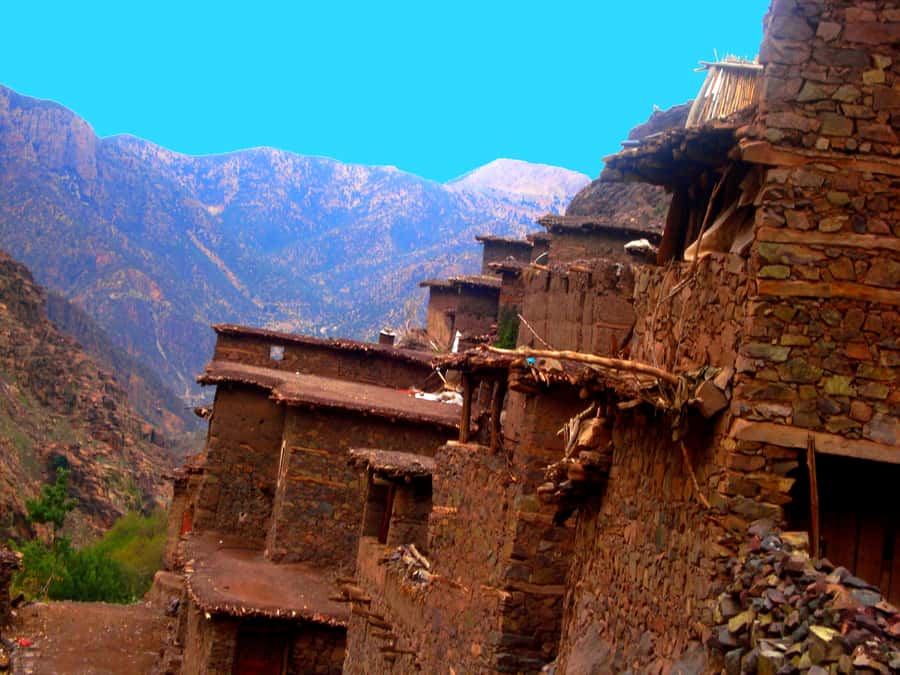
Day one starts with an early drive from Marrakech—about 2.5 hours by car, and the tour lists an air-conditioned vehicle. The route also includes photo and exploration stops along the way, so you’re not sitting in silence the whole transfer.
A highlight on the road is a visit to a women’s cooperative in Molay Brahim (about 45 km from Marrakech). This is where you get a taste of argan culture in a direct, human way. You’ll drink authentic Moroccan tea, learn practical information about the argan tree, and taste argan products. If you’ve only encountered argan oil in a shop, this part makes it feel real. It also tends to create the best stories later at dinner when you can link the product to the people who make it.
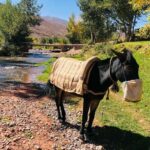
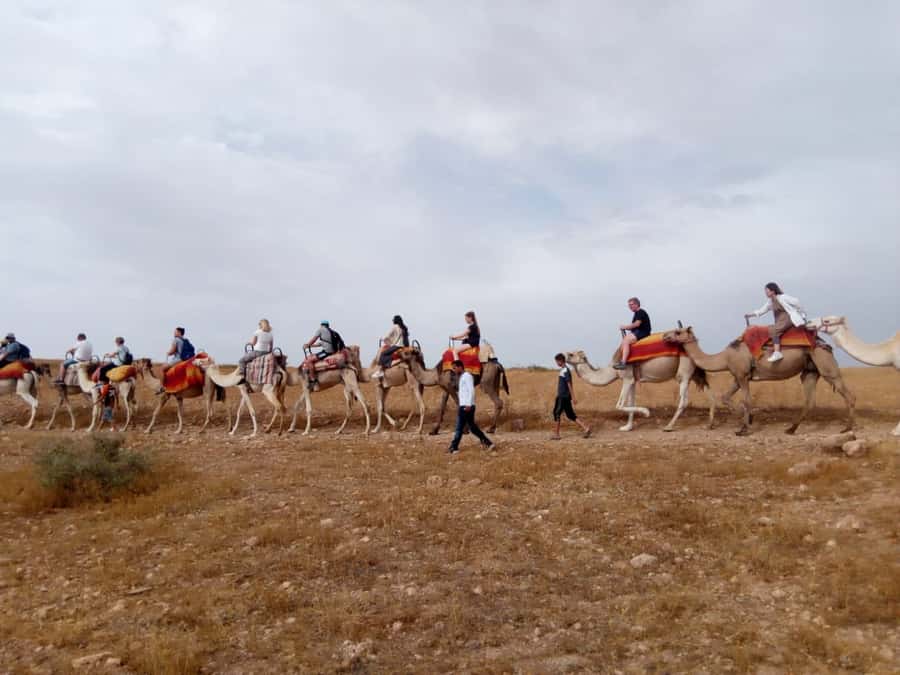
There’s also an optional ride on camel or horse on the way (roughly 30–45 minutes depending on the stop). It’s short, and it’s meant to be fun rather than a long excursion.
After you reach the mountains area (the tour route mentions Oued Akoundiss), day one adds history: the Tinmel School, built in the 12th century. Even if you’re not a big museum person, this visit helps anchor the trek in something older than the villages you see today.
Then you walk through remote High Atlas villages with your guide, stop for Moroccan food, and head to lunch on a terrace in a Berber family setting (the route mentions Ijoukak / Ijoukak area). The terrace lunch is not just about eating; it’s about switching from travel mode to village mode.
The mountain night: what that riad stay does for your whole trip
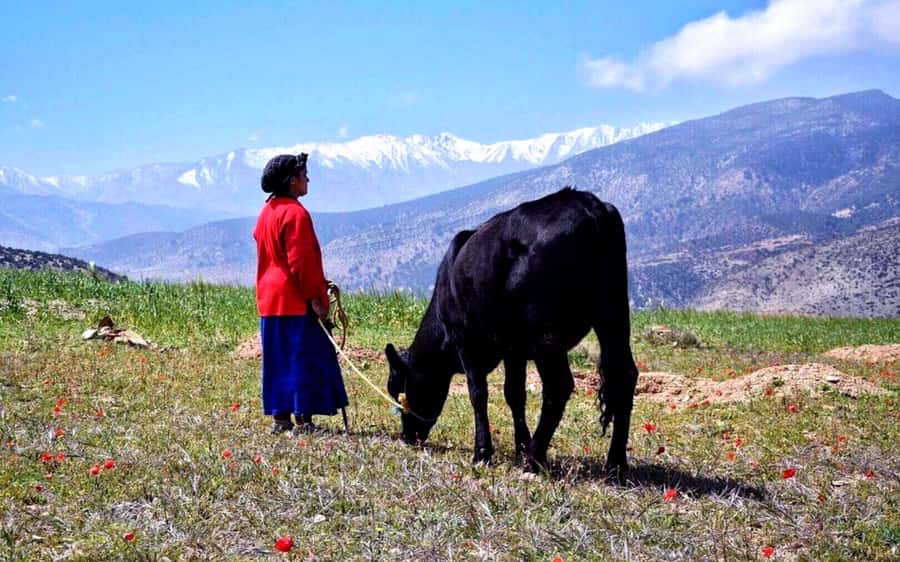
The overnight is one of the main reasons to book the 2-day version instead of a quick day tour. You get to slow down. You also avoid the common problem of being in a place only long enough to rush photos.
The accommodation is in a mountain riad or guesthouse setting in the Atlas area (the tour describes 1 night in a riad in the mountains). From the experiences people share, it’s typically comfortable, with good food and a calm atmosphere after hiking.
A detail I think is worth you caring about: rooftop breakfast. On day two, you start with breakfast on a rooftop with stunning views. That kind of morning is hard to replicate on a same-day return. It’s also when you notice how quiet the valley can get after the road noise of Marrakech.
If you’re the type who needs basic comfort—clean rooms, reliable meals, a warm welcome—this overnight is built around that.
One practical note: Wi-Fi isn’t the point here. If your phone connection matters for work, you might find it limited or affected by weather. Plan to go offline for a day if you can.
Day 2 Agoundis Valley hike: villages, gorge air, and a real second day
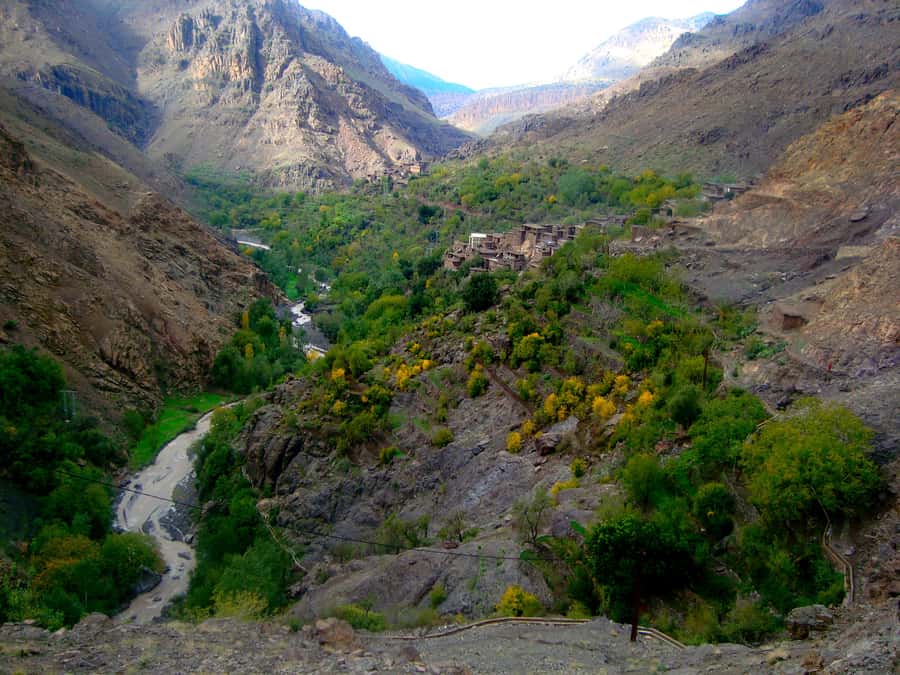
Day two begins with that rooftop breakfast, and then the trek gets underway: a 3 to 4 hour hike with your guide. The itinerary describes starting from the Agoundis Valley gorge area.
This is the day when the trek feels most like a hike, not just a village visit with short walks. You’ll pass through multiple villages and valley routes, and your guide shares information about Amazigh (Berber) life, religion, and how people organize their days.
Some days include pottery-making along the way, which can be a great break from steady walking. The tour also mentions several valley routes and view-focused hikes, including references to Agoundiss Valley and Ijoukak / Ouirgane Valley. Your exact route may vary with conditions, but the pattern stays the same: trail time, village encounters, and a clear focus on the High Atlas villages.
This is also the day where lunch arrangements can feel flexible. Some guides help you choose where to stop and what view to eat with, instead of locking you into a single lunch spot regardless of the weather or your pace.
In the afternoon, you return toward Marrakech, with the tour aiming to get you back in the early evening.
Crafts that make sense: argan, carpets, pottery, and henna engraving
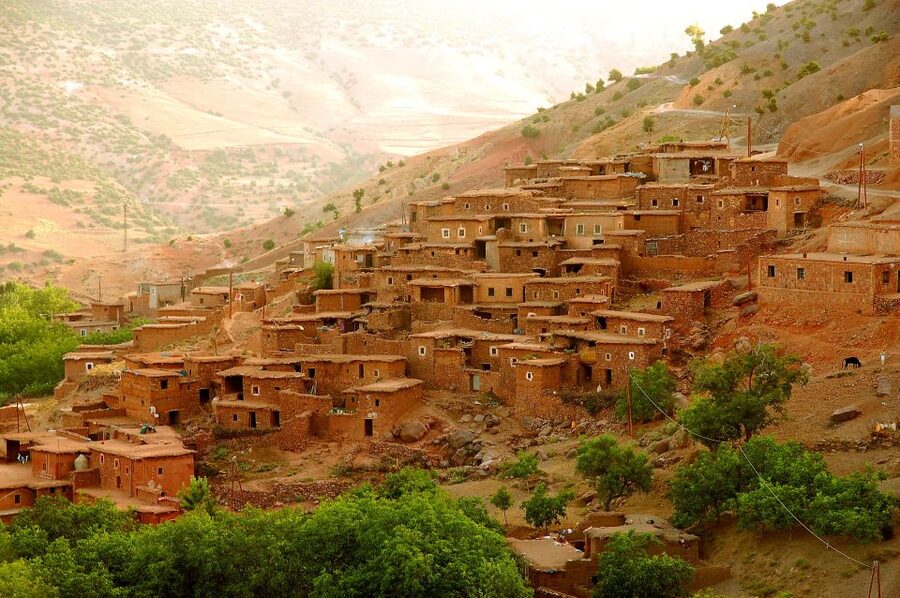
This tour gives you a hands-on understanding of crafts tied to daily life and local livelihoods. You’re not just shopping. You’re seeing the steps.
Here’s what’s included:
- Women’s argan carpet cooperative visit (with cooperative work explained on-site).
- Argan product tasting and tree education during the Molay Brahim stop.
- Pottery-making as part of the craft activities.
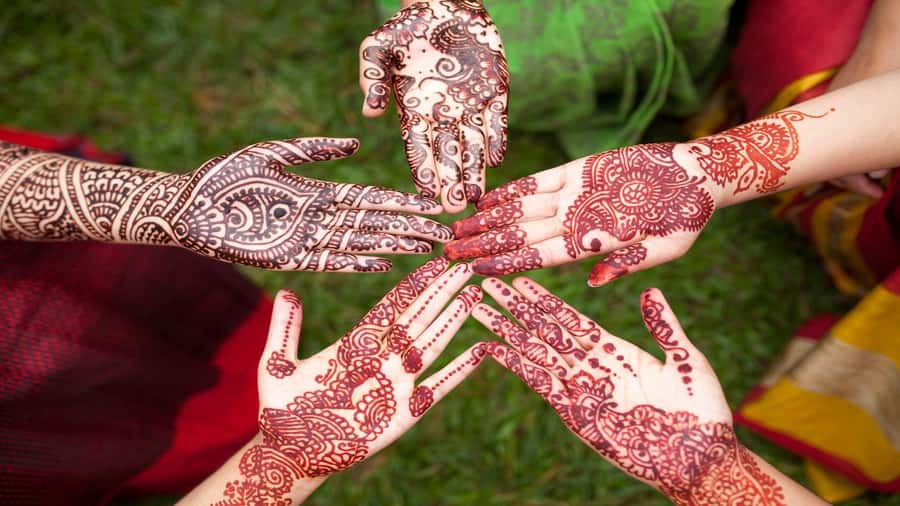
- Henna engraving and a visit to locals, with henna engraving happening in the home of your guide and family on the last day.
Henna is the big moment because it’s personal and interactive. You don’t just watch someone apply a pattern. You engage in the process and leave with a mark that feels tied to that place and those people.
Carpets and cooperative work add a different layer. Carpets in Morocco can look like a simple product in a store window. In a cooperative setting, you get the sense of how production supports families and keeps skills alive.
One good thing the tour does: it labels many activities as optional. That helps you avoid the trap of feeling like you’re collecting checkmarks instead of enjoying the day.
Camel rides and horse stops: short, optional, and usually low-pressure
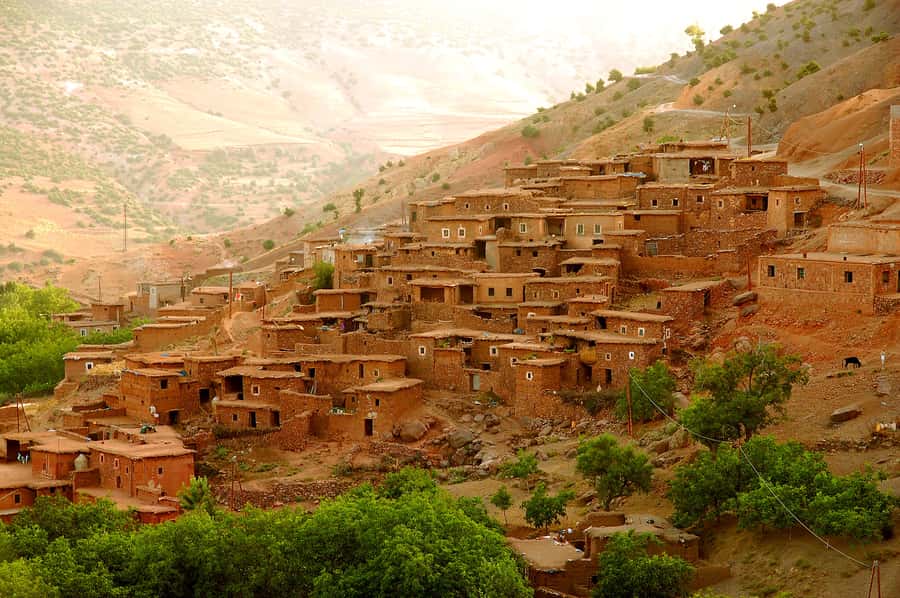
You’ll have the chance for a camel ride or horseback ride during the route. The tour says it’s about 30 minutes, and another part mentions an optional stop around 45 minutes. Either way, it’s designed to be a quick taste rather than a major commitment.
This is useful if you want one fun “Morocco experience” without sacrificing the main trek. It also gives your guide flexibility—if the trail timing changes, the riding stop can fill in time and keep everyone in sync.
If you’re sensitive to animals or prefer not to do it, just treat this as an optional add-on. Most other activities are also flexible.
Food and hospitality: what you’ll actually eat and where
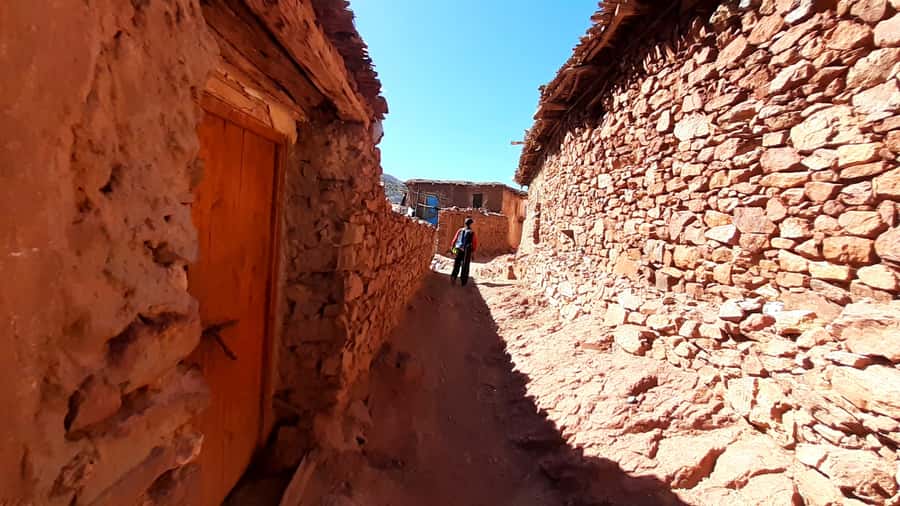
Food is included: breakfast, lunch, and dinner. You’ll also have water and tea/coffee as part of the day. That matters because mountain hikes and remote stops can make meal planning stressful.
Lunch is especially tied to the experience. On day one, the route includes a lunch on a terrace among a Berber family in Ijokak. On day two, meals are served after the hike, with stops and lunch choices that can be helped by your guide.
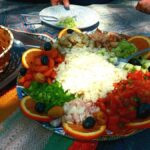
Even if you don’t know what you’re ordering, your safest strategy is to go with the flow. Moroccan meals on village routes usually mean familiar staples—bread, seasonal vegetables, and filling dishes meant to power the next walking segment.
Hospitality is also part of the value. The tour is built around visits to locals, tea conversations, and home-based moments like the final henna engraving. That can feel more meaningful than only stopping at a restaurant.
Price and value at $106 per person
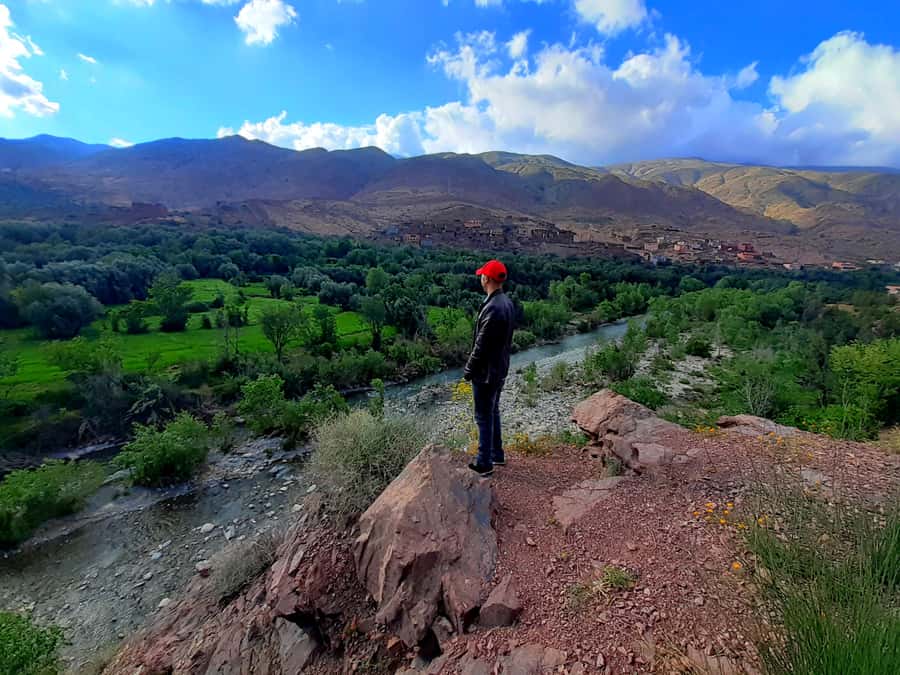
At $106 for two days, the real question is what you get for your money. The tour includes:
- hotel pickup and drop-off in Marrakech,
- a guide,
- one night in a mountain riad setting,
- all food (breakfast, lunch, dinner),
- water and tea/coffee,
- camel ride or horse ride,
- entrance tickets and visits,
- an air-conditioned vehicle,
- and craft/interaction time like henna engraving and local visits.
For many Morocco options from Marrakech, cheap often means you pay extra later for meals, guides, or the overnight. Here, the overnight and meals are included, which usually changes the cost picture in your favor. You’re also not paying separately for the main cultural activities.
One caution on “AC” expectations: the tour lists an air-conditioned vehicle, but vehicle comfort can vary by day and by the specific transport used. If you’re sensitive to temperature, bring a light layer and don’t assume perfect climate control.
Also, tips aren’t included. So budget a bit extra if you want to reward your guide fairly.
Practical planning: what to bring and how to stay comfortable
You’ll want a few basics:
- Passport or ID card
- Sunglasses
- Camera
For comfort, I’d also suggest:
- solid hiking shoes (not just sneakers)
- a small daypack for water and a layer
- a light sun hat or cap
Your guide can help you manage the route, but the mountain environment doesn’t negotiate. Even when the hike time is optional, the path may be rocky and uneven.
Language-wise, the live guide can work in English, French, Arabic, or Spanish. If your preferred language isn’t available on your departure, your guide can still share plenty with simple explanations and gestures. The best way to make it work is to ask short questions: What is this plant? What happens today in the village? How does henna get made?
If you need a quiet, low-effort trip with minimal walking, this may not fit you. If you want gentle-to-moderate hiking with culture built in, it’s a strong match.
Should you book this 2-day Atlas villages trek?
Book it if you want the best blend of:
- a real overnight in the Atlas,
- flexible walking time,
- Berber village visits tied to daily life,
- and hands-on cultural moments like argan-related cooperative visits and henna engraving in a home setting.
Skip it if you can’t handle uneven ground or if you have heart problems. In that case, you’ll be safer choosing a gentler day tour.
If you’re choosing between a 1-day and 2-day option, the logic is simple: day two is where the trek feels most like a trek, and that second day plus the mountain night is what makes this tour worth the time away from Marrakech.
If you’re ready for mountains, tea, and village hospitality—with a guide who can explain what you’re seeing—this is a trip that fits.
FAQ
How long is the trek on this 2-day tour?
You’ll walk about 1 to 4 hours per day depending on your choice. Day two includes a hike of about 3 to 4 hours with your guide.
Is transport from and to my hotel included?
Yes. The tour includes pickup and drop-off from your hotel in Marrakech, and you should wait in the hotel lobby 15 minutes before your scheduled pickup time.
What’s included in the price?
The price includes a guide, 1 night in a mountain riad, all meals (breakfast, lunch, dinner), water/tea/coffee, camel ride or horse ride, entrance tickets and visits, and air-conditioned vehicle transport, plus henna engraving and visits to locals.
Are the activities optional?
Most of the activities are optional. The tour also says that you can cancel any portion if you prefer.
Do I get to choose how much I walk?
Yes. The walking time is flexible, described as 1 to 4 hours on foot per day based on your choice.
What languages are available for the guide?
The live guide is available in English, French, Arabic, and Spanish.
Is this tour suitable for everyone?
No. It is not suitable for people with heart problems. You should also bring a passport or ID card, sunglasses, and a camera.