REVIEW · MARRAKESH
From Marrakech: 3-Day Mount Toubkal Climbing Trek
Book on GetYourGuide →Operated by Marrakech Day Trips - Tours · Bookable on GetYourGuide
Summit day arrives fast. This 3-day Mount Toubkal trek from Marrakech is a non-technical climb into the High Atlas, built around acclimatization, village walking, and that big finish at Mount Toubkal (4167m). You’ll ride out from Marrakesh to Imlil, cross passes like Tizi Mzik and Aguelzim, and make stops such as the 100-meter Tamsoult Waterfalls. The group stays small (up to 14), which matters once the pace tilts upward.
I love two things most: the guides and muleteer team who keep everyone moving safely and comfortable, and the rhythm of the days (walk hard, eat well, sleep in the mountains, then do it again). For example, I’ve seen guide styles highlighted by different names like Youssef, Mohamed, Kamal, Mustafa, Omar, and Hassan—often with the same theme: strong pacing and hands-on support when altitude or cold hits. One drawback to plan for is that the higher you go, the more “rough mountain reality” you’ll feel: cold summit conditions, basic refuge sleeping, and you’ll want to bring the small items the huts might not cover (like toilet paper).
In This Review
- Key things you should know before you go
- From Marrakech to Imlil: where the mountain day actually begins
- Tizi Mzik Pass to the Tamsoult Waterfalls: the day that earns its views
- Tamsoult Refuge: a simple night that sets up your summit attempt
- Aguelzim Pass (3650m) to Toubkal Refuge (3207m): when altitude starts to feel real
- Summit morning to 360° High Atlas views: the reason most people book this
- Gear reality check: what to bring so the trek feels manageable
- Food, showers, and refuge comfort: enough fuel, not luxury
- Price and value at $226: when this feels like a good deal
- Who should book this Mount Toubkal trek (and who should reconsider)
- So, should you book this 3-day Toubkal climb?
- FAQ
- How long is the Mount Toubkal trek from Marrakech?
- How much does it cost per person?
- What languages are your tour guides?
- Is the climb technical or beginner-friendly?
- How big is the group?
- How do you handle luggage on the trek?
- What meals are included?
- What should I bring?
- What is not allowed during the trek?
- Is pickup from Marrakech included?
Key things you should know before you go
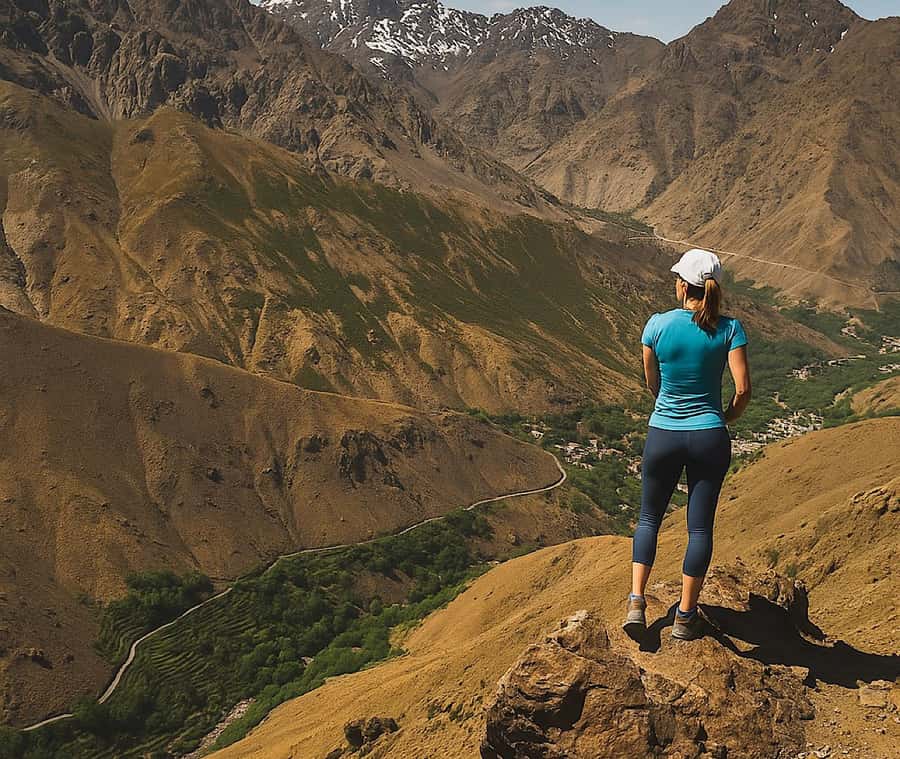
- Toubkal is high, but the route is trekking-focused: no climbing gear is required for a standard ascent, just solid hiking skills and grit.
- You gain altitude gradually on purpose: Tizi Mzik Pass and then Aguelzim Pass help your body adapt before the summit push.
- Tamsoult Waterfalls are a major morale boost: a long walk through a scenic juniper area that breaks up the effort.
- Your feet do most of the work: expect steep climbs, scree sections, and a long descent day after the summit.
- Refuge stays are functional, not hotel comfort: expect warm food and basics for sleeping, plus cold at night and early morning.
- Small group pacing matters: with a limit of 14, you’re less likely to feel lost or rushed when the route steepens.
From Marrakech to Imlil: where the mountain day actually begins
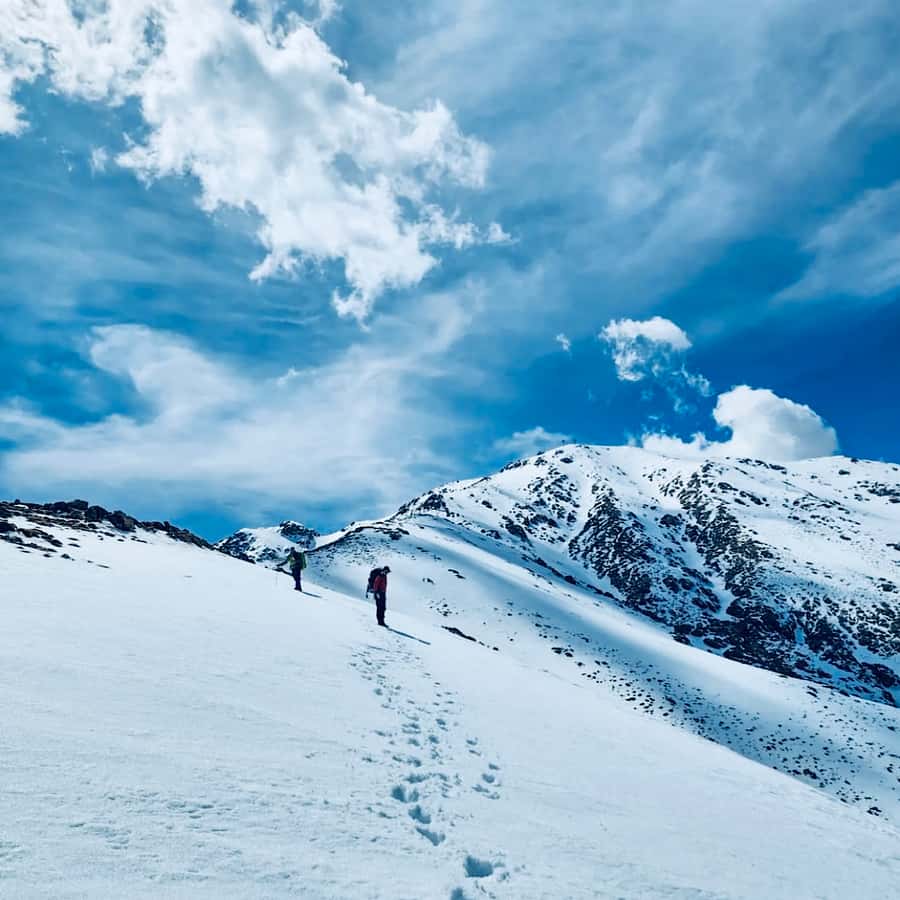
The trip starts with a pickup in Marrakech and a drive into the High Atlas toward Imlil, about 65 km away. Along the way you pass through valleys and small communities such as Tahanaout, Oued Ghighaya, and Asni, so you’re not staring at highway scenery the whole time. This matters because it sets you up for what comes next: you’re not just “going hiking,” you’re entering a working mountain region where people live season to season.
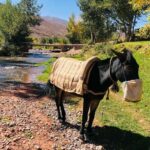
Once you arrive in Imlil, you meet the guide and muleteer team. This is one of the practical advantages of this kind of Mount Toubkal trek: your pack-management plan is clearer from the start. The mules carry luggage for you, so you can keep your day bag lighter for the steep, high-wind stretches.
What to expect: the schedule tends to move early because mountain walking is best done in cooler hours—especially on summit day. If you’re the type who likes a slow start, build in patience.
Tizi Mzik Pass to the Tamsoult Waterfalls: the day that earns its views
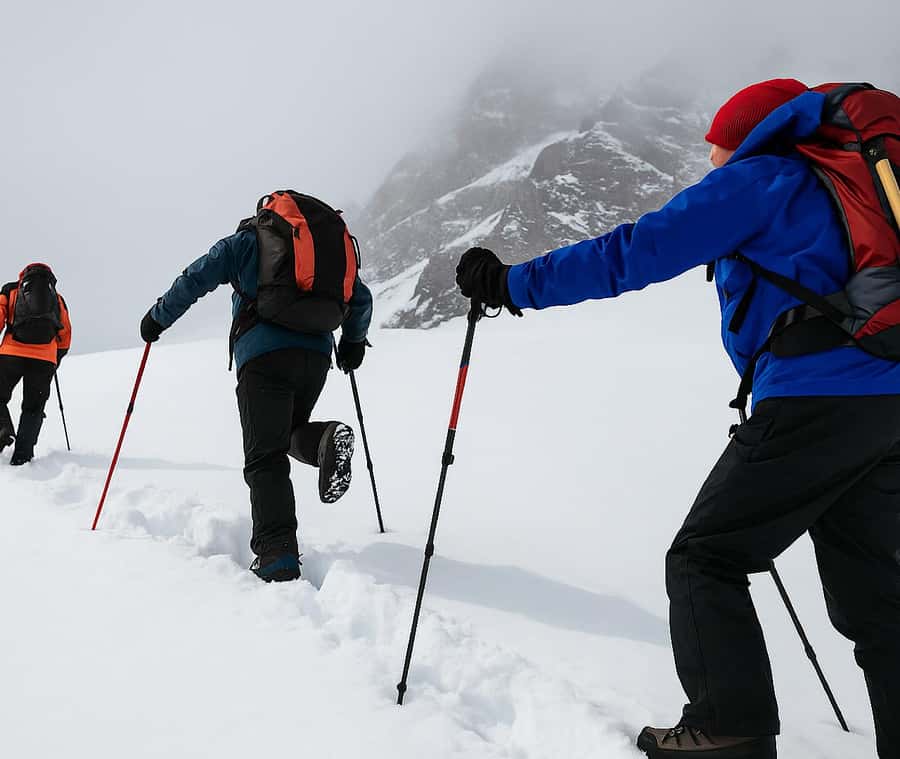
Day 1 is where the trek stops being “transport” and becomes “a route.” You begin with an ascent over Tizi Mzik Pass (2479m). Even early on, you’re already looking out over the Imlil Valley and toward Mount Toubkal. This is classic Atlas hiking: steady effort, frequent turns in the terrain, and views that gradually expand as you climb.
From there, you continue through a juniper forest area and work toward the highest waterfalls in the Atlas Mountains at about 100 meters high—Tamsoult. You’re not rushing this segment. The walking time is listed as about 5–6 hours, with roughly 11 km covered and an elevation pattern of +800m / -400m. In plain terms: it’s a solid hiking day, but the waterfall stop is the reward that makes the effort feel earned.
Why I like this pacing for you: the waterfall is timed to break up the day psychologically. When you reach a big visual payoff like that, you’re more likely to keep energy for the final climb toward the refuge for the night.
Consideration: this day is long enough that footwear and hydration matter. Plan on sweaty work even when the air looks cool.
Tamsoult Refuge: a simple night that sets up your summit attempt
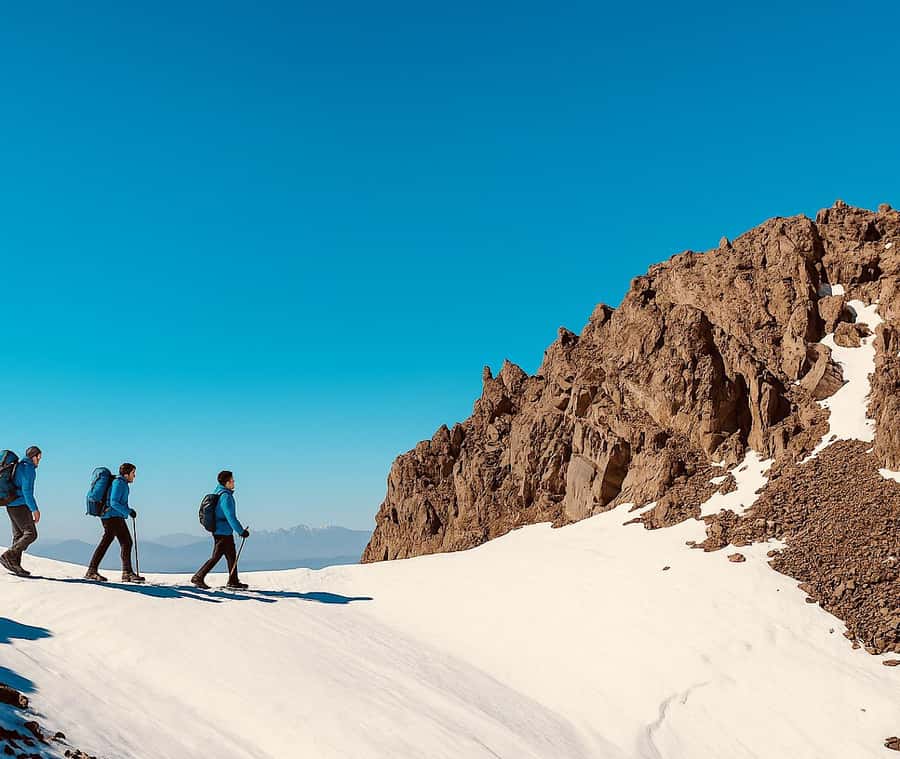
After the waterfall day, you spend the night at Tamsoult Refuge. Expect a mountain-style stop: hot tea, dinner, and practical sleeping arrangements. Reviews also point out that warmth and bedding quality can vary by hut setup, so the best strategy is to come prepared for cold and basic conditions.
The tour information asks you to bring a sleeping bag, and that’s not just paperwork. Even if some refuges provide blankets and beds (which can make a sleeping bag feel less mandatory), your own bag is what keeps you in control—especially if you’re someone who gets chilly at night.
What to pack for refuge life (small items count):
- toilet paper (some huts reportedly don’t provide it)
- soap (same story—bring your own)
- warm layers for evenings (the temperature drop comes fast at altitude)
A practical comfort tip: if you like having a rest-of-day item, pack a fresh layer for night. You’ll feel it the moment you’re done with the day’s long walking.
Aguelzim Pass (3650m) to Toubkal Refuge (3207m): when altitude starts to feel real
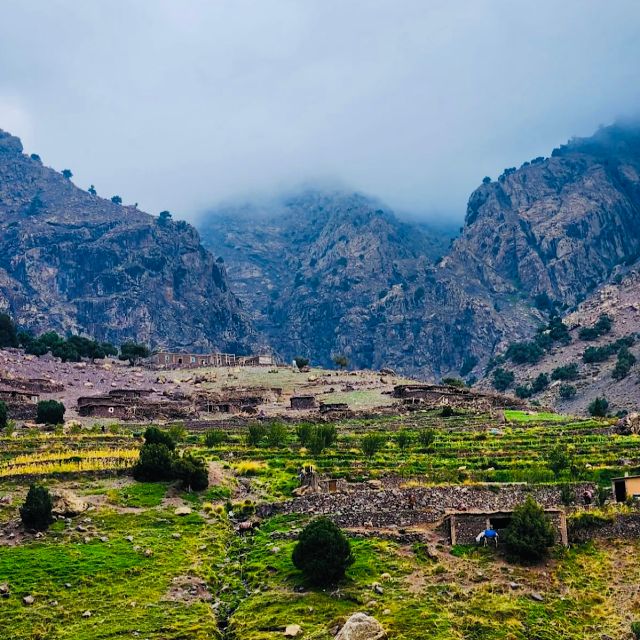
Day 2 is the altitude day. You climb gradually to Aguelzim Pass at 3650m, then you come down toward Toubkal Refuge at around 3207m. The walk is listed as about 6–6.5 hours, roughly 10 km, with around +1200m / -300m of elevation change.
This is the point where you should treat your pace like a tool, not a challenge. You’ll want steady breathing and slow, controlled steps. The guides on these trips tend to focus on group pacing and staying together. People often mention how guides like Mustafa, Omar, and Hassan kept the group moving safely and adjusted for different fitness levels, which is especially important here—because the climb is long enough for energy gaps to widen.
Why this day is valuable: your body learns the altitude before the big summit morning. That gradual work between passes is the difference between finishing the summit feeling strong versus arriving depleted.
Your main drawback risk: cold, thin air, and fatigue all stack. If you go out too fast early on day 2, you’ll feel it the moment summit morning starts.
Summit morning to 360° High Atlas views: the reason most people book this
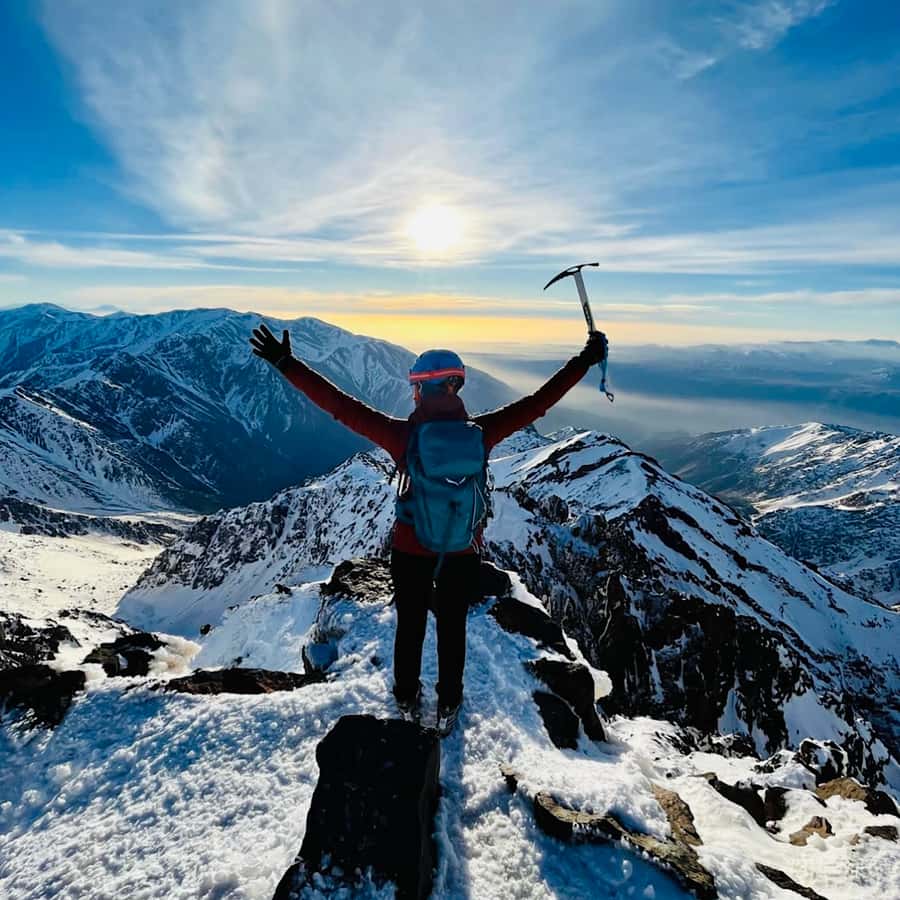
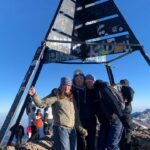
The final climb is Mount Toubkal (4167m), the highest peak in North Africa. The plan calls for an early start on summit day, and when weather allows, you get the classic payoff: 360° views of the High Atlas, and on clear days, the horizon can even hint at the Sahara desert.
The distance and effort numbers are honest:
- roughly 4 km for the summit loop section from the refuge
- then a long descent after that, totaling about 14 km down toward Imlil (with multiple descent segments during the day)
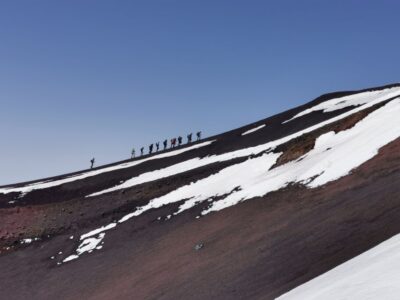
This is where the route stops being “hiking” and becomes “hard hiking.” Even if Toubkal is non-technical, you’ll still navigate steep terrain. Scree happens. Footing matters. Cold at the top is common enough that people repeatedly advise warm layers and layers that fit under your outer jacket.
The best way to think about your success: you don’t need to be the fastest person on the mountain. You need to keep moving steadily, follow your guide’s pacing, and protect your legs on the descent. Multiple accounts highlight guides watching for slips and supporting slower hikers right on the scree.
After the summit: you return to Toubkal Refuge for a short break, then you continue the descent toward Imlil and transfer back to Marrakech, usually arriving around 5:00 PM.
Gear reality check: what to bring so the trek feels manageable
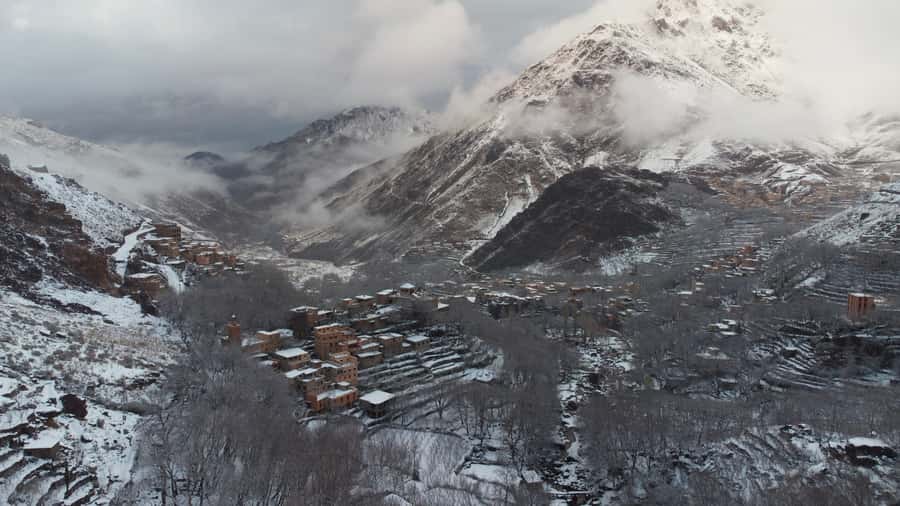
The tour list is clear, and you should treat it like a minimum standard:
- passport
- warm clothing, jacket, rain gear
- hiking shoes
- camera
- sleeping bag
It also says what not to wear: no sandals or flip-flops, no sleeveless shirts, and no slippers.
Here’s how that translates into a practical packing mindset:
- Hiking shoes, yes: you’ll want grip for rocky, uneven sections and for the long descent.
- Warm layers, yes: summit conditions can be cold even when Marrakech feels mild.
- Rain gear, yes: weather can shift in the Atlas quickly.
- No sandals: you’ll regret it once the path turns rough.
One small but important detail from real on-the-mountain experiences: bring items like toilet roll and soap. Even if the trip feeds you and guides you, small comfort supplies aren’t always guaranteed at refuge level.
If you realize you forgot gear, some people report it’s easy to rent what you need locally. Don’t count on last-minute miracles, but it’s reassuring to know the area can sometimes cover missing essentials.
Food, showers, and refuge comfort: enough fuel, not luxury
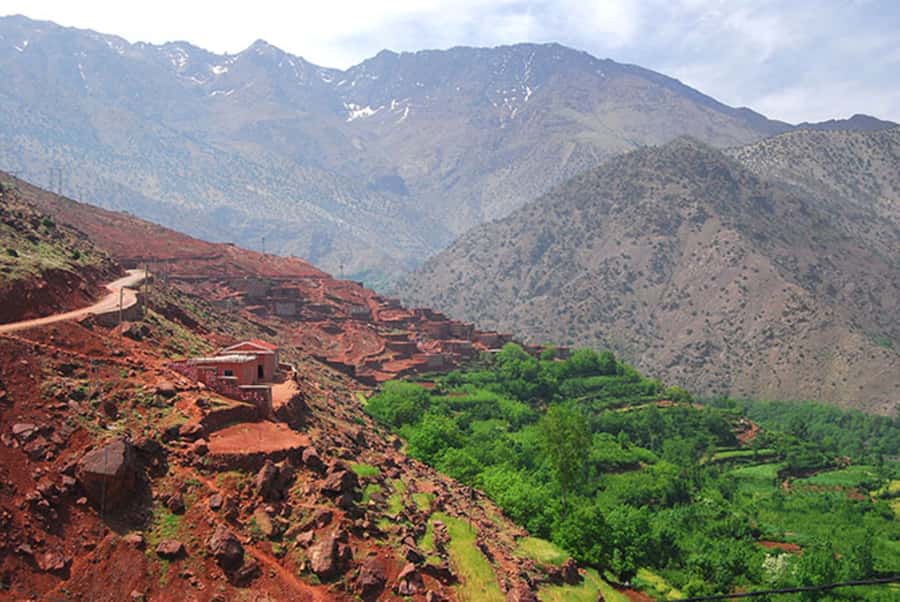
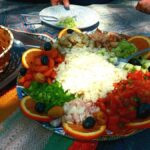
Food is included: 3 breakfasts, 3 lunches, and 3 dinners. And the way it’s described by people who did the trek matters: meals are filling, timed for long walking days, and served at stops that keep you from running out of energy.
At refuges, hot tea and warm meals are part of the recovery cycle. Sleeping arrangements are basic but functional. Some accounts mention hot showers may be available for a fee at certain higher refuges (one noted 20 MAD). That means you should assume showers aren’t guaranteed free, and treat them as a bonus if available.
My take for you: the best attitude for refuge stays is to expect comfort within limits. Your real “luxury” here is the fact that you’re eating warm food and sleeping after real altitude effort—not trying to do this kind of trek on your own logistics.
Price and value at $226: when this feels like a good deal
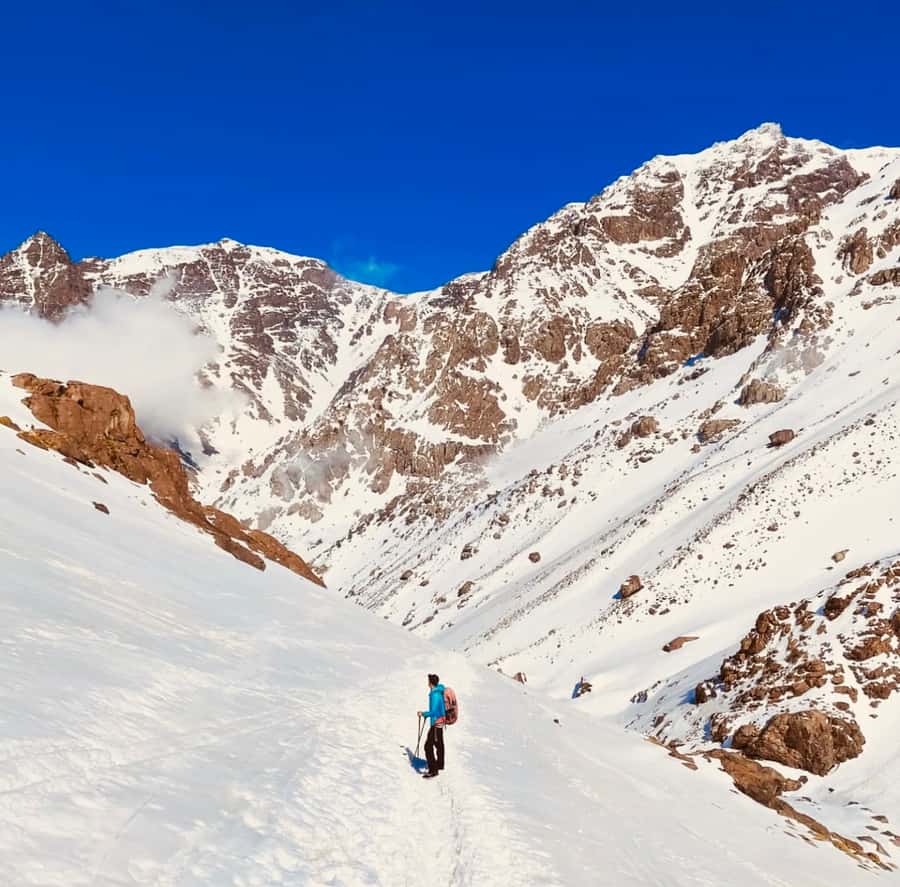
At $226 per person for a 3-day Mount Toubkal trek (plus meals, guide, transfers, and mule transport for luggage), the value is in the structure.
You’re not just buying a summit view. You’re buying:
- a certified mountain guide for a high-altitude, high-effort route
- mule support so you don’t carry everything up steep terrain
- included meals that keep you from making risky choices about food timing
- refuge lodging so you’re not scrambling for night arrangements
- roundtrip transport from Marrakech
That said, this is not a “cheap because it’s easy” price. This is priced like what it is: a physically demanding, logistically managed mountain program. If you show up with the right footwear and warm layers, you’ll get a lot for your money. If you show up under-prepared, you’ll feel every missing item—because mountain comfort is limited.
Who should book this Mount Toubkal trek (and who should reconsider)
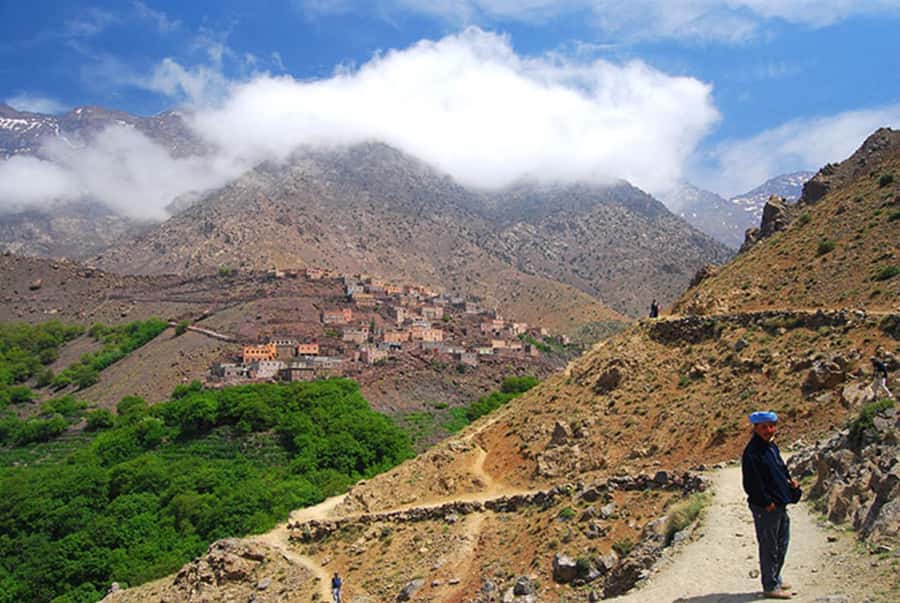
This is best for you if:
- you can handle long walking days (5–6 hours on day 1, 6–6.5 on day 2, and a long summit day)
- you enjoy real outdoor effort more than comfort-first travel
- you like small-group dynamics and want support on pacing and footing
It may not be a fit if you have limitations listed by the tour: children under 2, pregnant women, people with high blood pressure, and people over 95. Also, the summit morning starts early, so it’s not ideal if you’re sensitive to cold and early wakeups.
So, should you book this 3-day Toubkal climb?
If you want the real Mount Toubkal experience without turning it into a logistics project, I’d say this trek is a smart choice. The route is built around acclimatization passes, it includes a signature waterfall day, and the team support (guide plus muleteers) makes the mountain feel like a guided challenge rather than a guessing game.
Book it if you’re prepared for:
- cold summit conditions
- basic refuge sleeping
- long hikes with real altitude gain and long descents
Skip it or rethink your plan if you’re not ready for steep, rocky hiking for multiple days. The summit is the headline, but the trail is the test.
FAQ
How long is the Mount Toubkal trek from Marrakech?
The experience runs for 3 days.
How much does it cost per person?
The price is $226 per person.
What languages are your tour guides?
The live tour guide speaks Arabic, English, and French.
Is the climb technical or beginner-friendly?
This is a non-technical ascent of Mount Toubkal, but it is still physically demanding and involves steep hiking and altitude.
How big is the group?
The group is small, limited to 14 participants.
How do you handle luggage on the trek?
Muleteers and mules carry luggage for you, so you can travel with a lighter day pack.
What meals are included?
3 breakfasts, 3 lunches, and 3 dinners are included.
What should I bring?
Bring your passport, hiking shoes, warm clothing, a jacket, rain gear, and a sleeping bag, plus a camera if you want photos.
What is not allowed during the trek?
Sandals or flip-flops are not allowed, and you should not wear sleeveless shirts or slippers.
Is pickup from Marrakech included?
Yes, roundtrip transportation from Marrakech is included, with pickup from your hotel or riad (with a nearby meeting point arranged if your riad has no car access).