REVIEW · SUKASADA
Bali: Munduk Waterfalls Trek, Twin Lakes and Temple Tour
Book on GetYourGuide →Operated by Trip Gotik - Bali Tours · Bookable on GetYourGuide
Munduk delivers Bali’s wild side fast. In one day you’ll hear the roar at Banyumala Twin Waterfalls, then cross Tamblingan Lake by traditional wooden canoe.
I especially love the mix of jungle trekking plus lake time, and the fact that guides like Tia and Kadek turn scenery into real stories about plants, wildlife, and everyday Balinese life.
One consideration: this is real hiking on uneven ground, and after rain the stairs and trails can get slippery.
In This Review
- Quick take: what makes this Munduk day work
- Price and logistics: what $41 buys you in North Bali
- First stop: Twin Lakes viewpoint and the jungle start
- Banyumala Twin Waterfall trek: the stairs, the spray, and a possible swim
- Tamblingan Lake by canoe: a 30-minute break from the stairs
- Lakeside temple visit: Ulun Danu Tamblingan and modest dress
- Lunch at a family restaurant: what tastes like Bali, not a tourist menu
- How to pack for Munduk’s rainforest reality
- Who should book this Munduk trek (and who should skip it)
- Guides and drivers: why the day feels smooth
- What you’ll remember most
- Should you book this Munduk Waterfalls Trek?
- FAQ
- How long is the Munduk Waterfalls Trek, Twin Lakes and Temple Tour?
- What does the price include?
- Is hotel pickup and drop-off included?
- Is there swimming involved?
- How physically demanding is it?
- What is the minimum age to join?
- Does the tour accommodate vegetarians?
Quick take: what makes this Munduk day work
- Banyumala Twin Waterfall: dip if you want, then deal with the stairs like an adult
- Twin Lakes viewpoint: start with big views over Tamblingan and Buyan
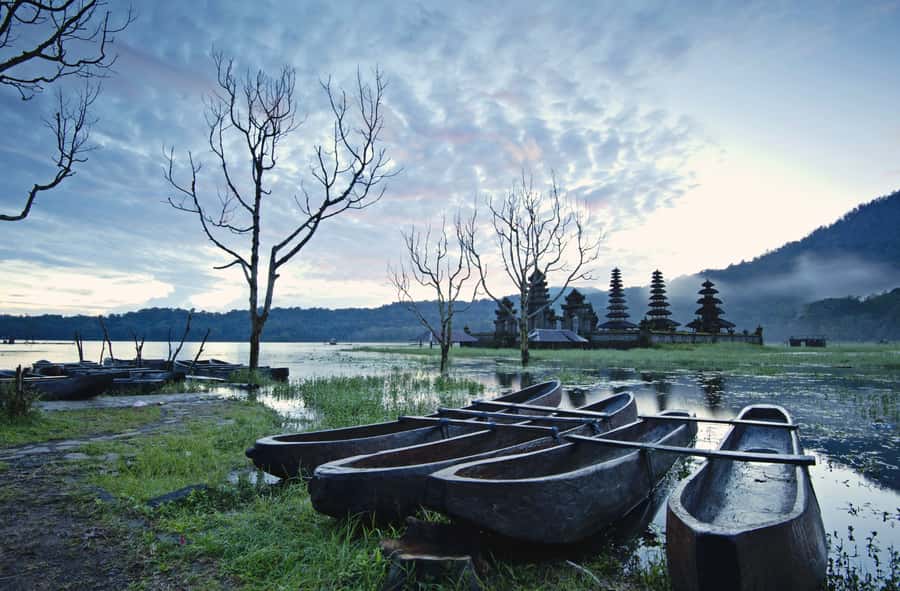
- 30-minute canoe on Tamblingan Lake: local wooden canoe, expect some splashes
- Ulun Danu Tamblingan Temple: photograph-friendly lakeside temple with modest-dress rules
- Local lunch option: nasi campur gets praised for a reason
Price and logistics: what $41 buys you in North Bali

At about $41 per person, this tour is priced like a half-day nature immersion, not a stripped-down sightseeing loop. You’re paying for a live English guide, entry tickets, drinks (tea, coffee, mineral water), and insurance. If you add lunch, you also get a proper meal stop at a family-run place, not just a coffee and a cookie.
A lot of the value is in the pacing. You get multiple environments in one outing: highland rainforest, waterfall base area, the calm of a sacred lake, then a temple visit. It feels like more than the sum of the parts because the day keeps switching modes—walk, cool down, float, pray/photograph, then eat.
Pickup and drop-off are available if you select the transfer option. Several drivers get called out for smooth, on-time rides (names like Erik, Buda, Utu Adi, and Nova show up repeatedly), which matters here because Munduk’s road conditions and timing can make or break a day.
First stop: Twin Lakes viewpoint and the jungle start
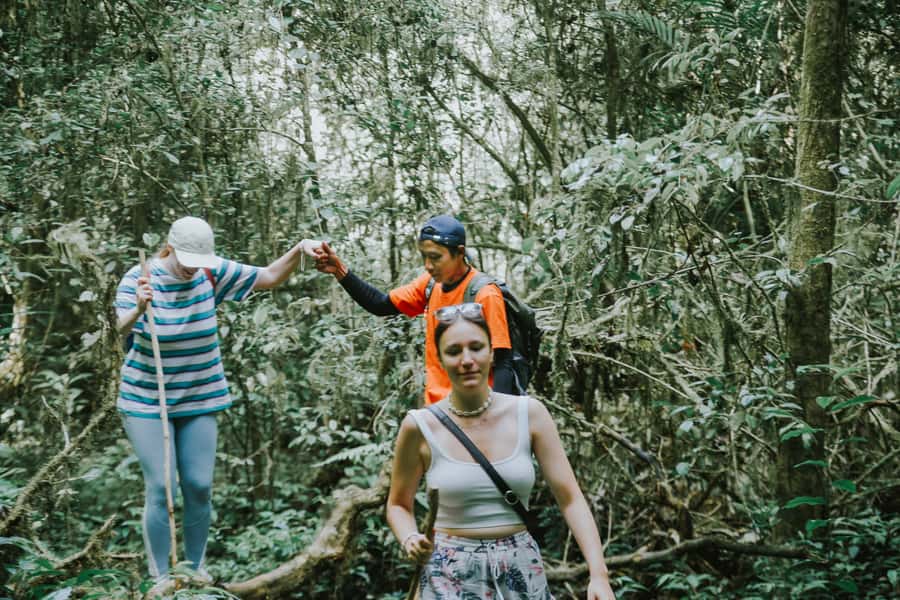
You’ll leave your accommodation in the morning and head straight to a viewpoint overlooking the Twin Lakes of Tamblingan and Buyan. This is where you get your bearings: the highlands feel cooler, the air gets damp, and the rainforest immediately frames what comes next.
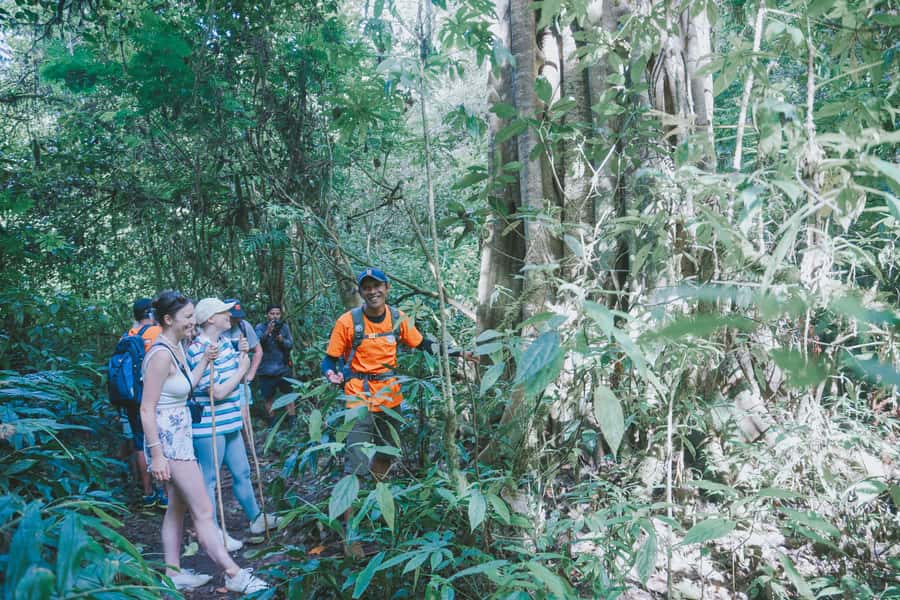
From the viewpoint you begin a guided trek through dense jungle. The guide’s role is more than pointing at trees. With names like Gunk, Dede Arthur, Kadek, and Putu leading the way, the common pattern is explanations tied to daily life—how locals use plants, how Balinese culture connects to nature, and what animals you might spot along the route (wildlife sightings aren’t guaranteed, but you’re taught what to look for).
What to watch for: the trails can be muddy or slippery, especially after rain. This isn’t a groomed park walk. Bring shoes with grip and be ready to move slowly on uneven ground.
Banyumala Twin Waterfall trek: the stairs, the spray, and a possible swim
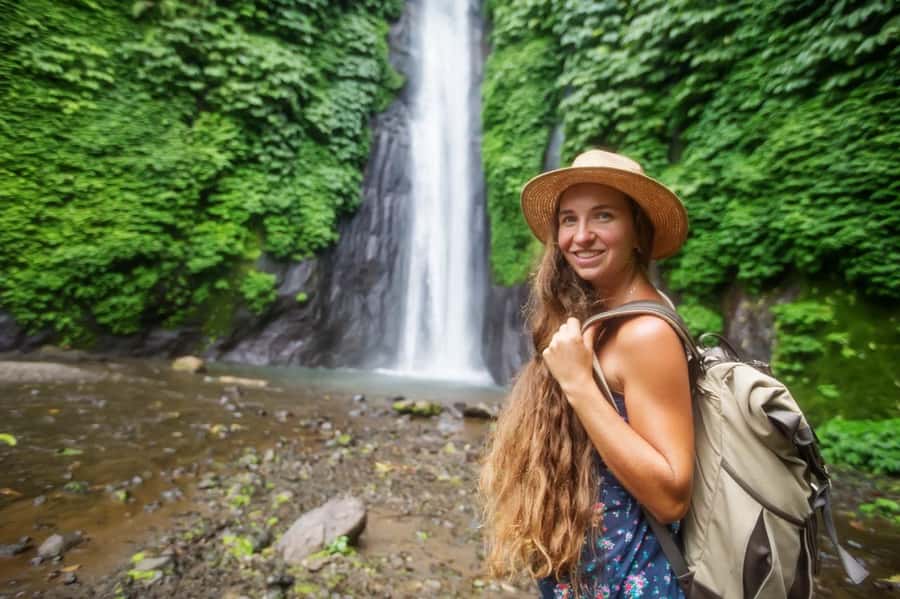
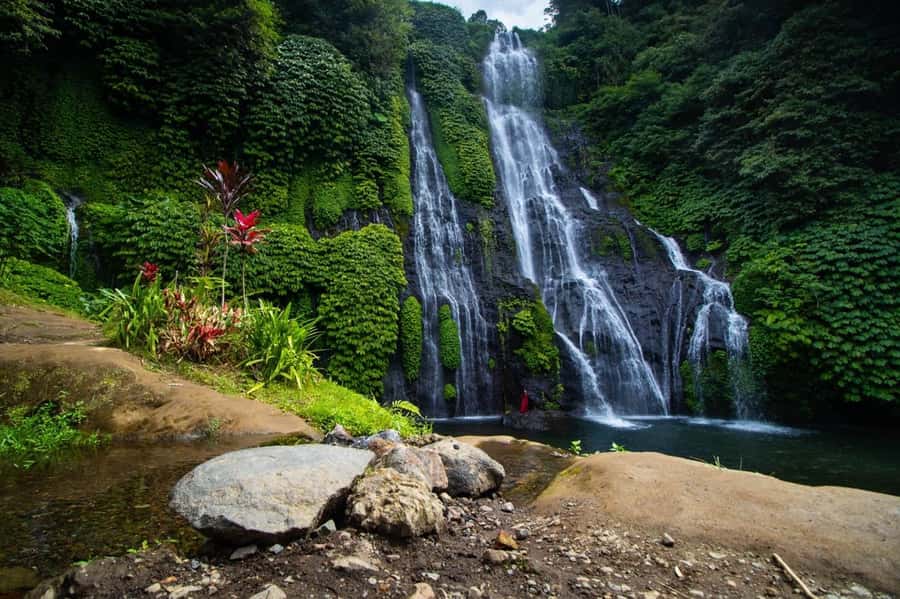
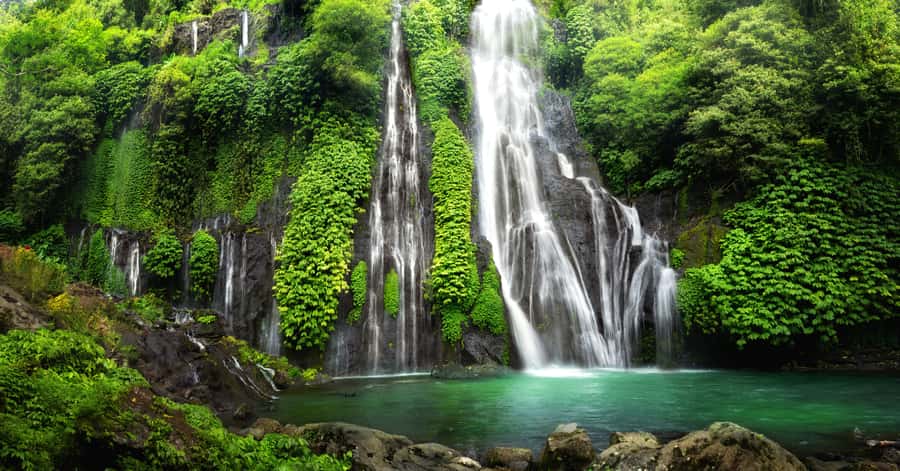
Next comes the hike to Banyumala Twin Waterfall in the Munduk highlands. This is the part where the day earns its name. The sound is dramatic—two cascades feeding into a scene that feels loud, wet, and alive.
At the waterfall you can often take a dip in the crystal-clear spring water. If you do, you’ll want swimwear, a towel, and a change of clothes for after. Even if you skip the swim, you’ll still come away damp from mist and spray.
The tradeoff is physical effort. One clear theme from firsthand accounts is that the waterfall approach involves a long set of stairs up and down, which can be tiring if you’re not used to stepping in wet stone. Guides tend to manage the pace well, and you’ll have time to enjoy the falls, but you should still treat it like a hike day, not a stroll.
And yes, rain can happen. Several guides handled heavy rain well by keeping the day moving and using umbrellas, so you’re not instantly sidelined by weather—but the ground can still get slick.
Tamblingan Lake by canoe: a 30-minute break from the stairs
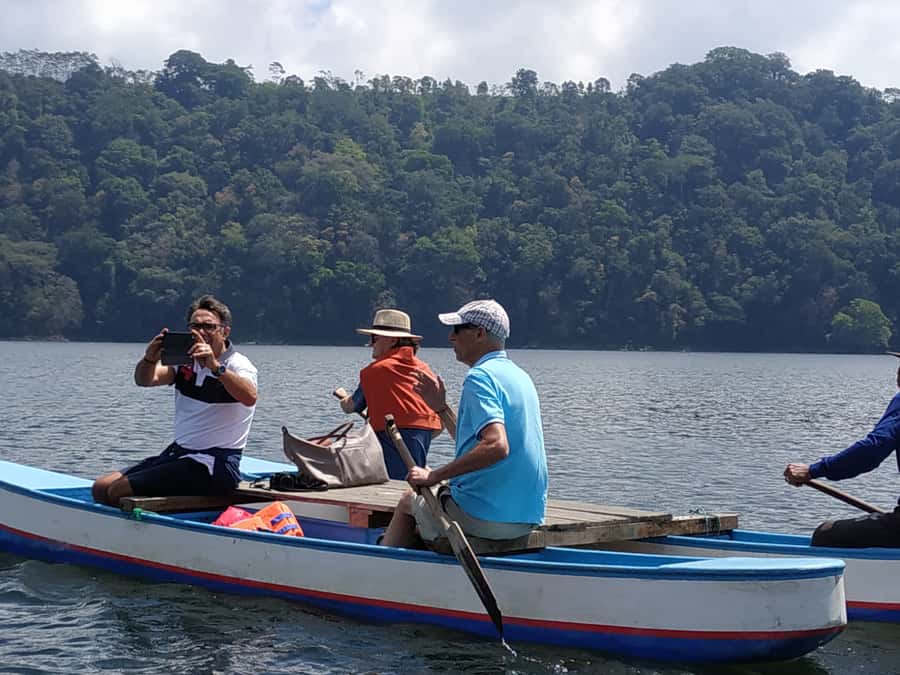
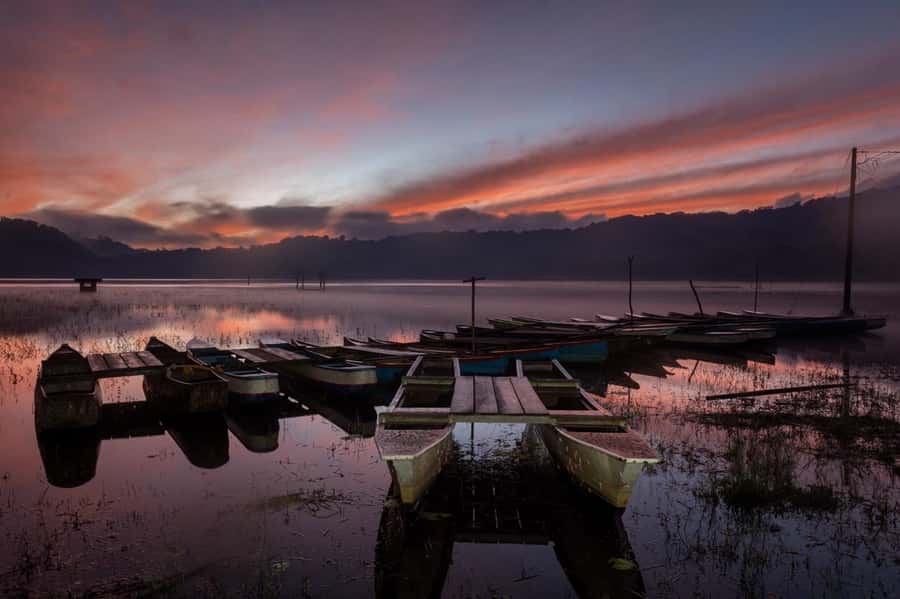
After the waterfall, the day shifts gears. You’ll cross Tamblingan Lake on a traditional wooden canoe for about 30 minutes. This is one of the most relaxing parts of the tour because you’re not fighting elevation or footing—you’re sitting with the lake, letting the rainforest slide past.
Canoe conditions are basic in the local style. That means expect potential splashes and keep valuables secure. It also means the experience feels authentic: not a motorized sightseeing ride, but a simple crossing that locals have used for generations.
You may notice details along the way: different types of vegetation, old trees, and even hints of older structures near the route. When guides like Krisna, Depa, or Luhde are at the helm, the common vibe is that they keep the tone calm and scenic, not rushed.
Practical tip: wear shoes you don’t mind getting damp, or keep a plan for what you’ll do with wet footwear after the canoe.
Lakeside temple visit: Ulun Danu Tamblingan and modest dress

Once you reach the lakeside, the tour moves to Ulun Danu Tamblingan Temple. It’s an enchanting spot for photos, and it’s also a working sacred space—so you’ll need modest clothing.
This part of the day is less about exertion and more about respect and time. You’ll get a chance to take in the temple setting at the water’s edge, then explore around the area enough to make the photographs worthwhile.
One fun detail you might encounter near the lake route: big banyan trees with branches that invite climbing or swinging, depending on conditions. It can be tempting, but follow the guide’s instructions and your own safety judgment—wet wood and rocks are not the place to test your balance.
Lunch at a family restaurant: what tastes like Bali, not a tourist menu
If you add lunch, you’ll be taken to a family-owned restaurant where you can try a selection of traditional dishes. The standout that comes up again and again is nasi campur. It’s the kind of meal that helps you reset after stairs and lake spray: filling, comforting, and distinctly Balinese.
Vegetarian options can work here. One account notes the food catered well for vegetarians, so it’s worth telling your guide at the start of the day so they can help with choices.
Also, one of the small touches that makes the day feel thoughtfully paced: drinks like tea and coffee show up during downtime, and you may also get traditional cake at a base camp break with panoramic views.
How to pack for Munduk’s rainforest reality
This tour is short on “sit still and wait,” so pack for motion and for moisture.
Bring:
- Comfortable shoes with good grip (the stairs and trails can get slippery)
- Swimwear if you want to take a dip at Banyumala
- A change of clothes and towel for after the water
- Insect repellent and sunscreen (rainforest hiking + sun breaks)
- A waterproof bag for your phone or camera
A few extra notes based on conditions that can happen:
- Closed-toe shoes are a good idea in the wet season. One experience mentioned leeches on the route, which is a reason to take footwear seriously.
- Weather can change fast in Munduk highlands. Cooler temperatures and sudden rain are common enough that you should plan like it might happen.
If you can, travel light on jewelry. You’ll be sweating, washing off spray, and handling wet gear.
Who should book this Munduk trek (and who should skip it)
This experience is best for people who want active nature time without needing advanced trekking skills. The route is described as moderate, but it still involves jungle walking and uneven terrain, plus stairs to waterfalls.
You’ll likely love it if:
- You’re in Bali for more than the usual beach and temple circuit
- You want a quieter side of the island than the crowded core areas
- You enjoy guides who explain how people live and how nature fits into culture
- You’re comfortable with a day that’s part hike, part lake calm
You should skip it if:
- You’re under 13 (minimum suggested age is 13)
- You’re pregnant
- You have back problems or heart problems
- You use a wheelchair
- You have low fitness or expect flat, easy paths
If you’re on the edge of fitness, choose your pace carefully at the waterfall stairs. You don’t need to rush to enjoy the views, but you do need to be steady.
Guides and drivers: why the day feels smooth
A huge share of the success here is teamwork. English-speaking guides are consistently praised for explaining flora and fauna, Balinese customs, and practical route tips. Names that come up often include Tia, Kadek, Kadek’s team, Putu, Luhde, and Dedy.
Drivers also get credit for comfortable, on-time transportation, with repeated mentions of punctual pickups and smooth rides (Erik, Buda, Edy, Utu Adi, and Nova are a few). That matters because Munduk is not right next door to the main hubs, and a delayed morning makes the whole day feel rushed.
The best sign is flexibility: some days include helpful add-ons like coffee tasting after the waterfall stop, and guides may adjust timing to avoid the worst of the weather when rain starts building.
What you’ll remember most
This is the kind of Bali tour that sticks because it doesn’t try to be everything at once. It focuses on three sensory anchors:
1) the roar and spray of twin cascades
2) the calm of lake canoeing through rainforest
3) the quiet, photogenic mood of Ulun Danu Tamblingan Temple
And the guide layer turns it from scenery into context—how locals relate to plants, how culture shows up around sacred water, and what you’re actually seeing when you look closely.
Should you book this Munduk Waterfalls Trek?
Book it if you want an active North Bali day that mixes hiking, water, and a real cultural stop, all for a value price. The included guide, drinks, entry tickets, insurance, and the option for lunch make it feel like a complete outing rather than a string of separate tickets.
Skip it if stairs and slippery trails are a dealbreaker, or if you can’t handle uneven rainforest terrain. Also think carefully if you don’t want to deal with rain variability—Munduk can shift quickly, even when the day starts bright.
If you’re looking for the Bali beyond the usual crowd trail, this is one of the more satisfying ways to spend your time in the Munduk highlands.
FAQ
How long is the Munduk Waterfalls Trek, Twin Lakes and Temple Tour?
The duration is listed as 5 to 9 hours, depending on starting times and how the day runs.
What does the price include?
It includes a trekking guide, entry tickets, insurance, drinks (tea, coffee, mineral water), and lunch only if you select the lunch add-on.
Is hotel pickup and drop-off included?
Hotel pickup and drop-off are included if you choose the option.
Is there swimming involved?
You’ll visit Banyumala Twin Waterfall, where you can take a dip, so bringing swimwear and a towel is a good idea.
How physically demanding is it?
You’ll do jungle trekking with uneven terrain and a canoe ride, plus stairs for the waterfall area. Trails can be muddy or slippery after rain, so a moderate fitness level is recommended.
What is the minimum age to join?
The minimum suggested age is 13. Children may join only with a strong level of fitness.
Does the tour accommodate vegetarians?
Lunch is served at a local restaurant, and the food is reported to be able to cater well for vegetarians when needed.