REVIEW · MARRAKESH
From Marrakesh: 2-Day Mount Toubkal Trek
Book on GetYourGuide →Operated by Click Excursions · Bookable on GetYourGuide
Toubkal turns your legs into souvenirs. I love the scenic ride from Marrakesh to Imlil and the way the trek passes the Sidi Chamarouch shrine with a clear sense of place. One drawback to plan for: summit plans can shift with weather and mountain conditions.
This is one of those treks where the altitude keeps updating the scenery as you go. You’ll walk above the snow line on day one, sleep at the Toubkal Refuge, then go for the summit with 360-degree views that can stretch from the Marrakech Plain toward the High Atlas and down in the direction of the Anti-Atlas and Sahara.
Before you go, be honest about your body and your sleep. The climb has challenging moments (scree and altitude changes), and the refuge stay isn’t built for long, comfy nights, so pack smart and expect early mornings.
In This Review
- Key highlights to know before you go
- Toubkal in two days: what you’re really signing up for
- Marrakesh to Imlil: the ride that sets the tone
- Day one in the Ait Mizane Valley: Aremd, Sidi Chamarouch, and climbing above the snow line
- The Toubkal Refuge night: meals, sleep reality, and how to recover
- Summit day via the southern circle route: scree, altitude changes, and those 360-degree views
- Guides like Mustafa and Rashid: pacing, safety, and support when plans change
- Group size and what it does for your day
- What to pack: trekking gear, shoes, passport, and winter equipment
- Price and value: is $125 fair for two days on Toubkal?
- Who should book this trek (and who should think twice)
- Should you book this 2-Day Mount Toubkal Trek?
- FAQ
- What is the altitude of Mount Toubkal on this trek?
- How long is the trek and is it two full days?
- How big is the group?
- What’s included in the price?
- What languages do the guides speak?
- What should I bring with me?
- If conditions are bad, will I still hike?
Key highlights to know before you go
- Imlil village to Toubkal Refuge: a route that climbs steadily, not randomly
- Sidi Chamarouch shrine: a cultural stop that breaks up the walking
- Small group (max 10): easier pacing and more hands-on guidance
- Toubkal summit at 4,167 m: big views in every direction when conditions allow
- Guides who manage safety in real time: calm support when things get hard
Toubkal in two days: what you’re really signing up for
A two-day Toubkal trek is short on paper, but it’s not a quick walk. Day one is about getting up into the high valleys, following mule tracks and steepening terrain until you reach the Toubkal Refuge. Day two is the summit push: not described as wildly strenuous, but scree underfoot and altitude swings can make it feel tougher than the distance suggests.
If you want value, this format works well. You get transport from Marrakesh to Imlil, a qualified mountain guide, all meals, and one night at the refuge, plus WiFi as part of the trip. For many people, the “deal” isn’t just the price, it’s that the hard logistics get handled for you while you focus on walking and breathing.
That said, the mountain stays in charge. On winter days with snow and poor visibility, you might not reach the summit, with the plan shifting to time around Imlil instead. I’d go in with a flexible mindset: you’re buying an experience on Toubkal’s terms, not a guaranteed top-of-the-world photo.
Marrakesh to Imlil: the ride that sets the tone
The day begins with pickup in Marrakesh and a transfer to Imlil. Even though the trek does the heavy lifting, I like the fact that you’re not dropped into the countryside without context—you ride there, settle into the rhythm, then start walking.
Two practical notes matter here. First, your pickup timing is handled by email the day before (usually sent by late afternoon), so keep an eye on your inbox. Second, if your riad or hotel is too tight for a car, you’ll meet at a nearby point and walk the last bit—no drama, just plan to be outside and ready 5–10 minutes early.
Once you reach Imlil, you’re at the real starting line: this is where the valley life begins and where the trek feels grounded. It also helps psychologically. You’re not thinking about transport anymore; you’re thinking about steps, layers, and steady progress.
Day one in the Ait Mizane Valley: Aremd, Sidi Chamarouch, and climbing above the snow line
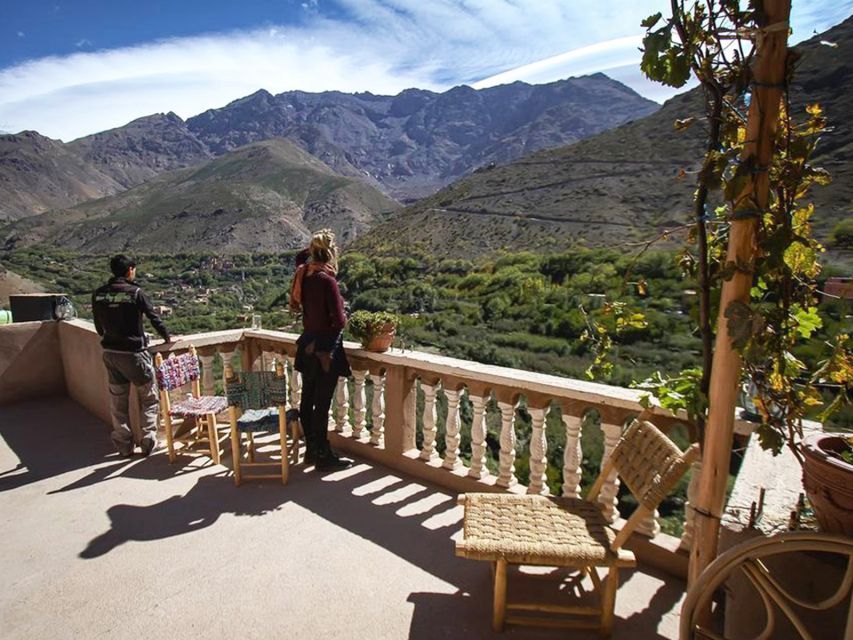
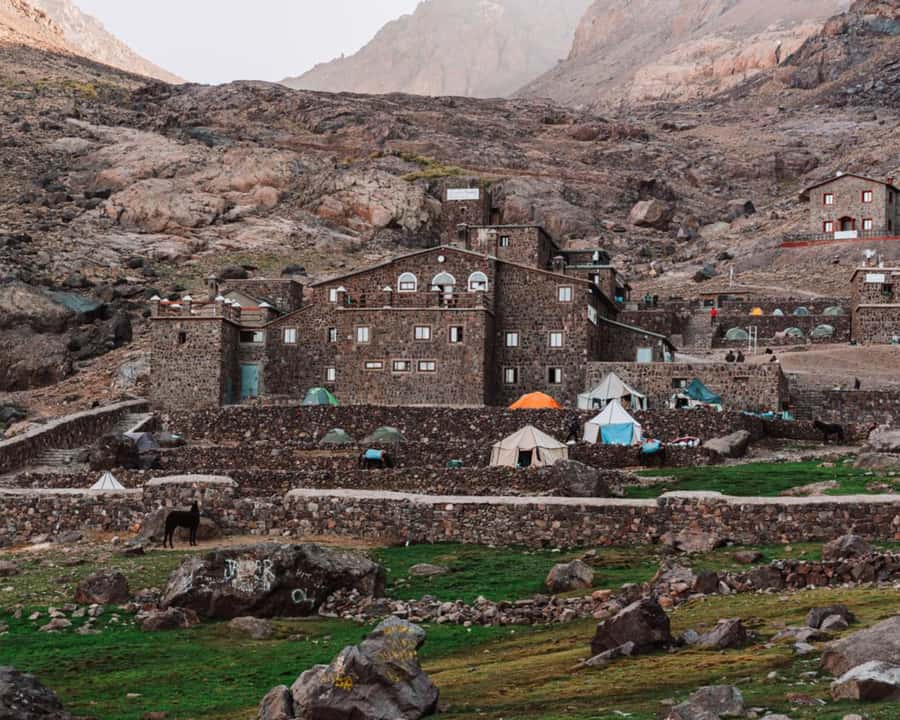
Day one is where you earn the summit. You’ll trek along the Ait Mizane Valley, pass through the village of Aremd, and visit the shrine of Sidi Chamarouch. That shrine stop is more than a checkmark; it gives you a cultural anchor while the terrain keeps changing.
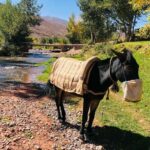
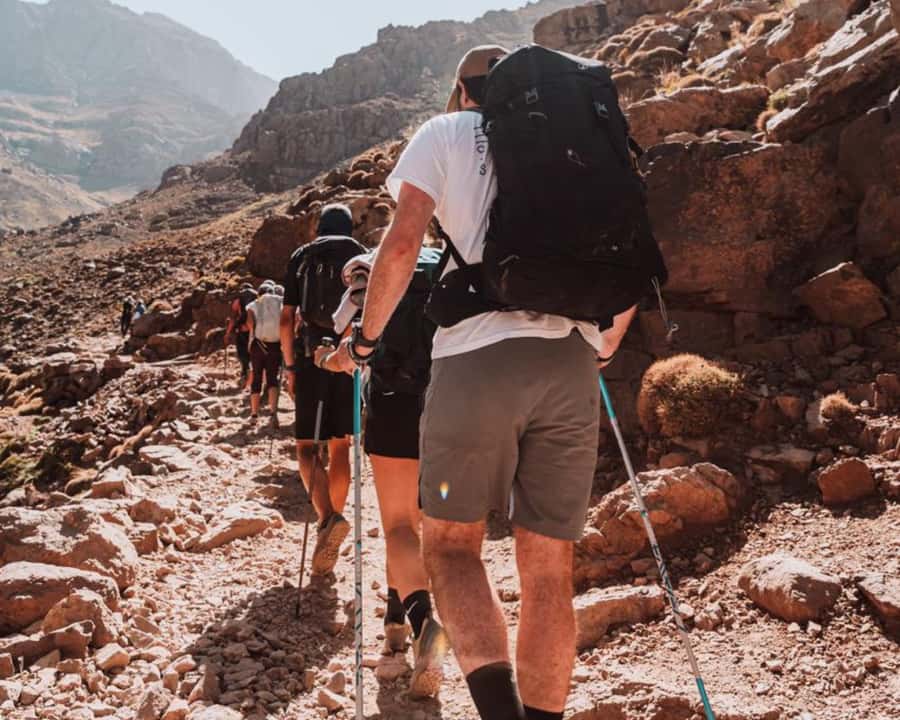
As you move higher, the route follows mule tracks into rockier, higher sections. The climb is described as steady, and that matters because steep routes can drain you if you try to force pace. This trek is built around consistency: keep moving, stop when your guide suggests, and save your energy for the parts that feel sharper.
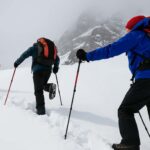
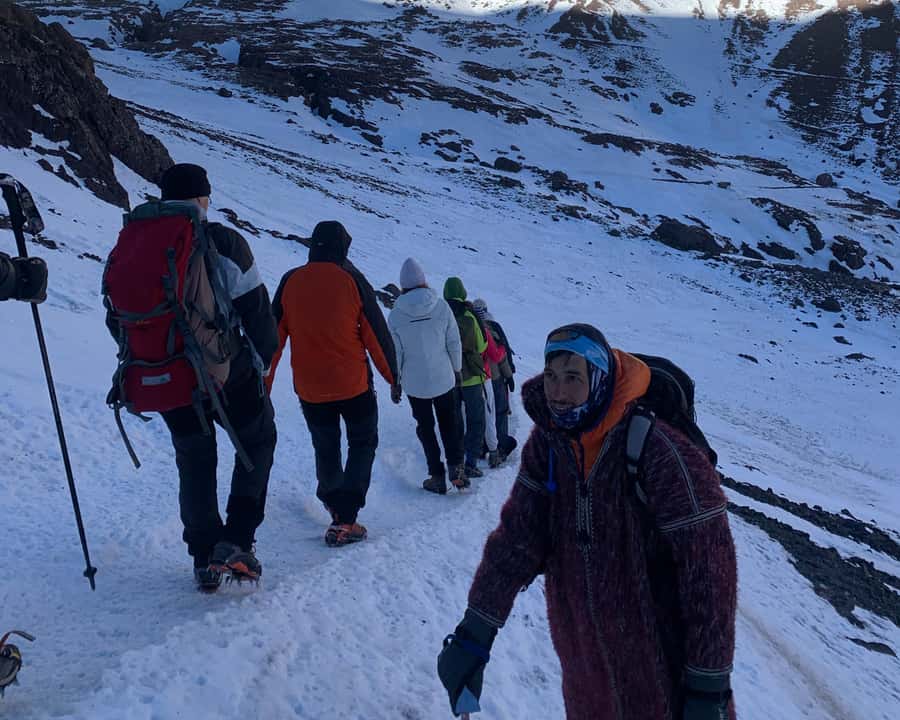
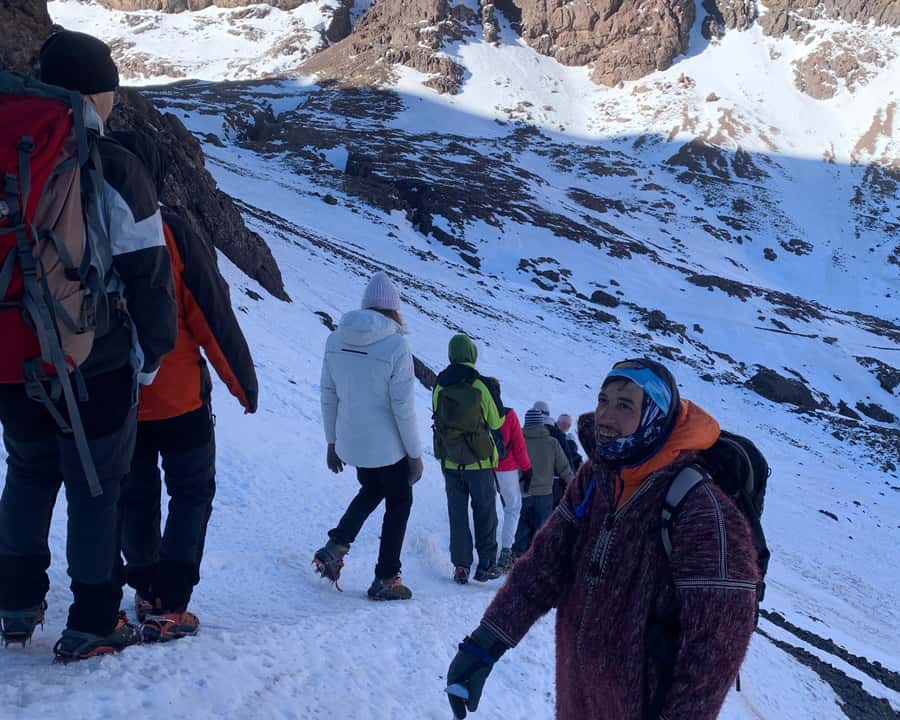
A key moment is reaching the point where you climb steadily above the snow line. Even if you don’t see much snow, your body may feel it through colder air and the effort of higher altitude. This is also where weather gear becomes real gear. In winter, the trip may require crampons and ice picks, and you can rent them on-site—your guide helps you figure out what you actually need.
When you arrive at the Toubkal Refuge, you switch gears from climbing to recovery. You’ll eat, rest, and prepare for an early start the next day.
The Toubkal Refuge night: meals, sleep reality, and how to recover
The included accommodation is one night at the Toubkal Refuge, and this is where the trek either feels organized or chaos—depending on the team. Here, the pattern is clear: guides manage the flow, and meals are part of the schedule rather than an afterthought.
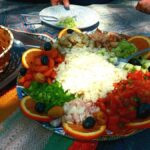
I like that the trip includes all meals on both days. That means you’re not constantly negotiating food while your legs are already tired. In practice, people often find the food local and filling, and there’s enough along the way that you’re not stuck waiting for dinner to eat something warm.
Now for the honesty: you should not expect a hotel bed. Several participants specifically warned that sleep at the refuge is not great and recommended earplugs. If you know you’re a light sleeper, bring earplugs and treat the night as functional rest, not perfect rest.
Also consider timing and stomach comfort. Breakfast on summit days can be on the smaller side for some groups, so if you’re the type who needs more fuel to feel steady, you’ll want extra snacks in your day bag. The tour does not include soft drinks, so plan your hydration and treats accordingly.
This night is your bridge. If you recover well, summit day feels like a challenge you can manage. If you don’t, it turns into a survival exercise that drains the joy.
Summit day via the southern circle route: scree, altitude changes, and those 360-degree views
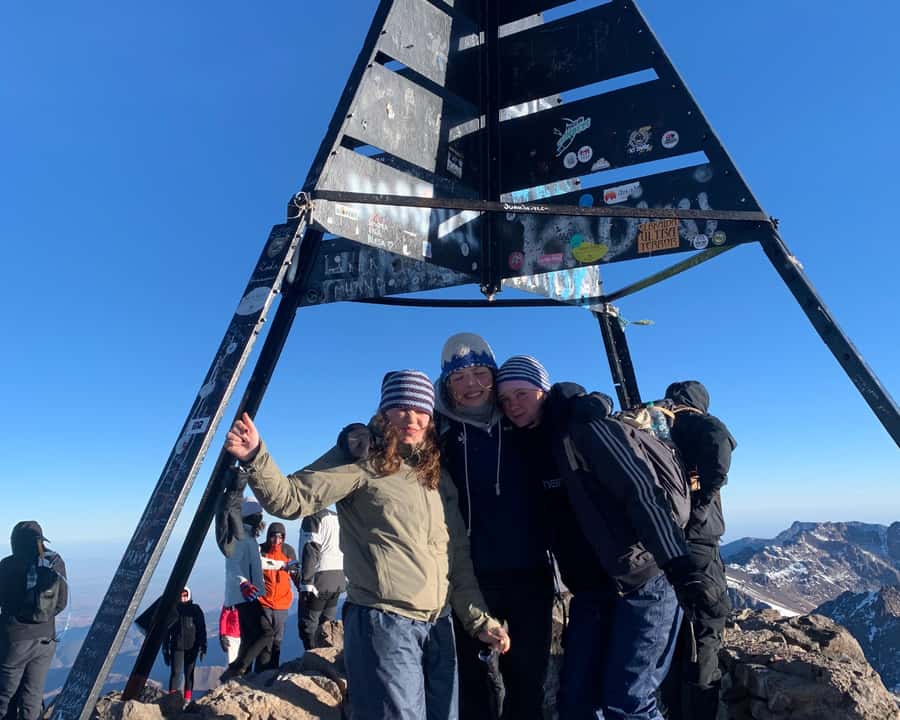
Summit day is early, and the early part is part of the point. Multiple participants described very early wake-ups and starting in the dark to reach the summit with sunrise or early light. That timing is what turns the hard climb into a payoff moment.
The climb itself is described as not highly strenuous, but don’t trust that word on its own. The route can be difficult in parts because of scree (loose rock) and altitude changes. Scree is sneaky: it can slide under your feet and make every step feel heavier. Your guide’s job here is to keep you moving safely—often by controlling pace, spacing, and route choices.
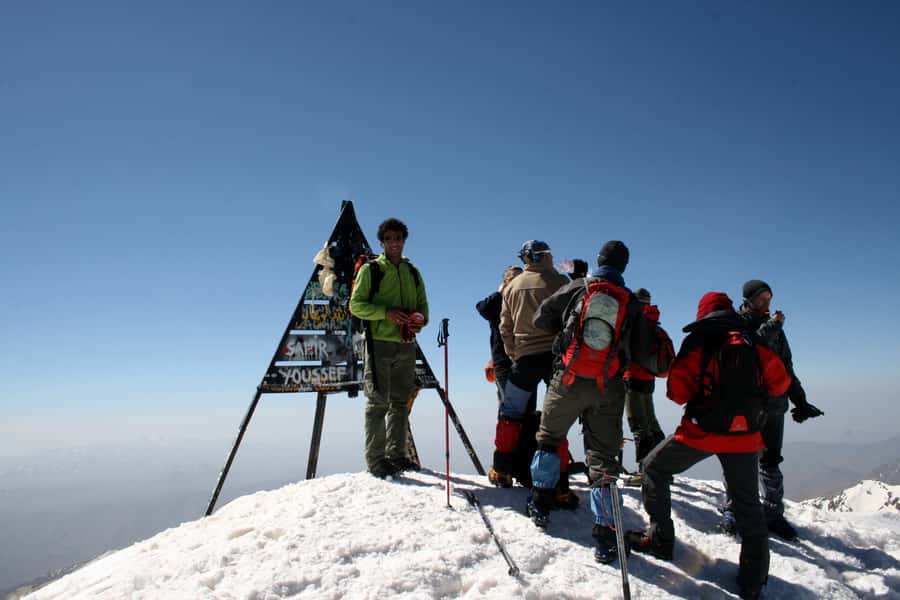
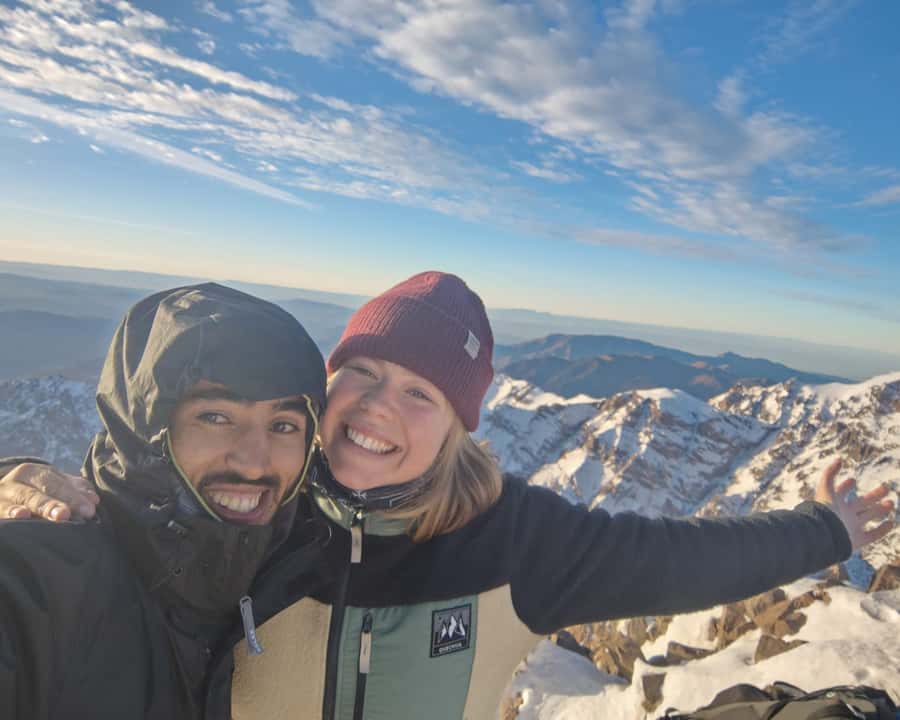
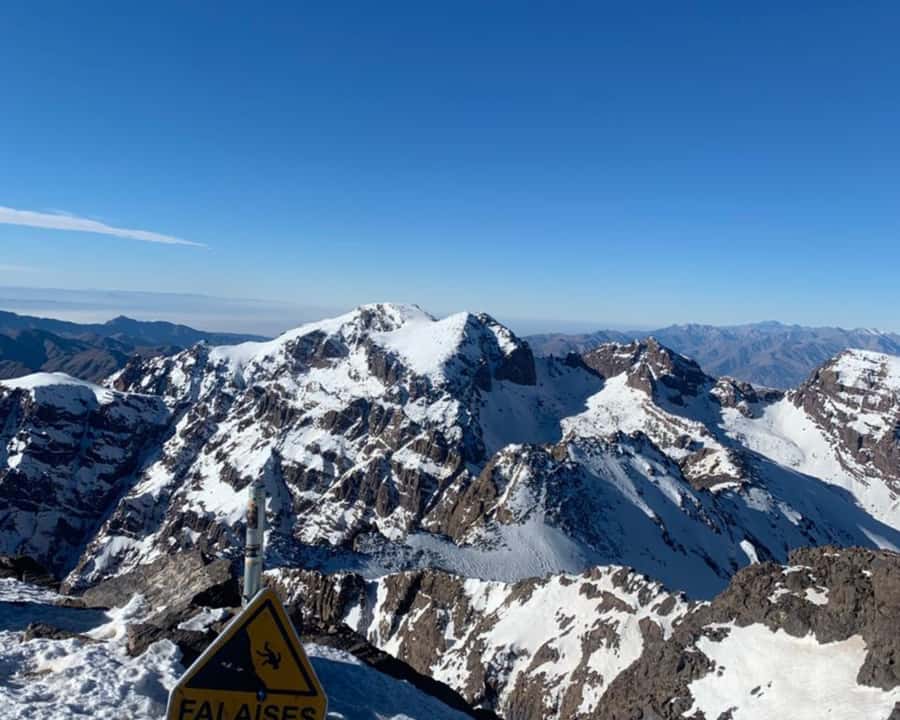
When you reach the summit, you get the big view promised: 360 degrees, with the Marrakech Plain to the north and High Atlas mountains in that direction. In the south, on clear days, you can see toward the Anti-Atlas Mountains and the Sahara Desert. Even when visibility isn’t perfect, the experience of standing at 4,167 m is intense in a way that never feels routine.
Then comes the descent. You’ll come back down and return to Imlil, and from there transfer back to Marrakesh. Descents can be rough on knees and quads, so trekking poles (if you use them) can be a lifesaver.
Guides like Mustafa and Rashid: pacing, safety, and support when plans change
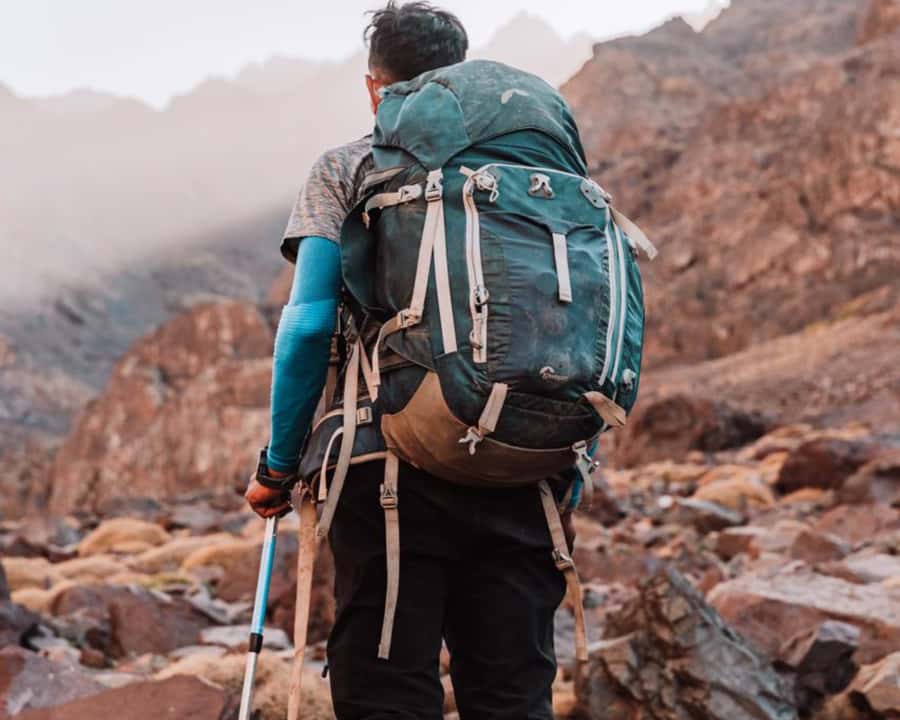
One reason this trek gets strong marks is guidance. People repeatedly point to guides who are professional, caring, and focused on group safety. Names you’ll see in the field include Mustafa, Rashid, Kamal, Mohamed, Ahmed, and Jamal (among others), and while each guide has their own style, the common theme is support in real time.
What that means for you is simple: you won’t be left to struggle alone. Guides help with pacing, encourage when energy drops, and pay attention when someone gets sick or slows down. There are also accounts of guides handling tricky weather and equipment needs, including conditions where crampons and ice tools mattered.
You should also know that summit access can change. In some cases, weather or external restrictions have prevented going to the top, and the plan shifted to hiking around Imlil instead. That’s not anyone failing at the job—it’s the mountain and local rules keeping the trek safe.
If you want a clear signal of whether this trek fits you, ask yourself this: do you want a team that manages the details so you can focus on your effort? This one leans hard toward that approach, especially with small groups.
Group size and what it does for your day
This trek runs as a small group, limited to 10 participants. That number matters more than it sounds. Smaller groups usually mean you can keep a steadier pace, get help faster if someone needs it, and have less of that “everyone is walking at the same speed” problem.
It also affects communication. Your live guide works in English, French, Spanish, and Arabic, so you can actually ask questions and understand what to do next. Most of the time, that makes gear checks and safety instructions easier, and it reduces stress on summit day when decisions feel urgent.
One thing to be aware of: not every guide is equally fluent in every language all the time. A participant noted a guide who didn’t speak English well, even though the guide was still kind and professional. If language is a dealbreaker for you, it can help to double-check what language the guide will use at confirmation time.
What to pack: trekking gear, shoes, passport, and winter equipment
This trek is built on walking, so your basics matter. The tour asks you to bring trekking gear and hiking shoes. Also bring your passport. Don’t treat that like a “maybe.” Have it with you so you’re ready for any checks.
If you’re going in winter or when there’s snow, the tour may require crampons and ice picks. The good news is you can rent them on-site, and your guide can help if needed. Still, if you know you’re sensitive to cold, plan layered clothing that you can adjust while climbing and while stopping for breaks.
Altitude medicine also comes up in practical advice. One participant suggested getting altitude medication from a pharmacy in Marrakesh before the trek. I’d treat that as personal health planning rather than a guarantee, but it’s a sensible reminder: talk to your doctor and prepare for your own needs.
Money-wise, budget for snacks. Even with all meals included, the route includes times when you might want extra bites or small comforts. Also remember soft drinks are not included.
Price and value: is $125 fair for two days on Toubkal?
At $125 per person for two days, the price only makes sense if you look at what’s included, not just the headline number. Here’s what you’re getting as part of the deal:
- Local mountain guide
- One night in the Toubkal Refuge
- All meals
- Transport to and from Imlil village
- WiFi
That combination is the real value. You’re not paying separately for guide time, refuge lodging, and most of your fuel (food), and you’re not doing the Marrakesh-to-Imlil logistics yourself.
The main cost risks are the parts not covered. Soft drinks aren’t included, and you may want to budget for rentals if you don’t have the right gear. Tips are also part of the culture of guiding in Morocco, and a small gesture is often appreciated after long, early days.
If you want low stress and you’re okay with a trek that can change based on weather, this price feels reasonable for what you get. If you’re an ultra-independent hiker who wants full control and you already have your gear and know the route, a guided package might feel less necessary.
Who should book this trek (and who should think twice)
This works best for you if:
- You want a guided climb with steady structure over two days
- You’re comfortable with early mornings and a long hike day
- You can handle altitude changes, even if you’re not chasing athletic speed
- You like the idea of a cultural stop like Sidi Chamarouch while hiking
It might be less ideal if you:
- Hate the idea of sleeping in a basic mountain refuge
- Struggle with unstable footing (scree can be tough)
- Need guaranteed summit access no matter what
For many people, the trek lands in the sweet spot: demanding enough to feel like an achievement, organized enough that you’re not guessing your way up.
Should you book this 2-Day Mount Toubkal Trek?
I think you should book if your goal is a guided, well-paced trek that includes food, a refuge bed, and transport, with the chance to summit when conditions allow. The small-group size and the focus on safety and support from guides like Mustafa and Rashid are exactly what you want on a mountain where weather can turn fast.
Book with the right mindset: you’re paying for the mountain experience, not a guaranteed top. If you can handle early starts, bring proper shoes and layers, and keep some flexibility for summit conditions, this is a strong pick for Toubkal.
FAQ
What is the altitude of Mount Toubkal on this trek?
The summit is listed at 4,167 meters.
How long is the trek and is it two full days?
It’s a 2-day experience, with one night at the Toubkal Refuge and trekking on both days.
How big is the group?
The tour is limited to a small group of up to 10 participants.
What’s included in the price?
Included items are a local mountain guide, 1 night in Toubkal Refuge, all meals, transport to and from Imlil village, and WiFi.
What languages do the guides speak?
Guides provide live interpretation in English, French, Spanish, and Arabic.
What should I bring with me?
You should bring trekking gear and hiking shoes. You should also carry your passport during the tour.
If conditions are bad, will I still hike?
If there’s a lot of snow or the weather is not good enough to hike Toubkal, you may only be able to visit Imlil instead of reaching the summit.